0%

Furniture Plywood is not a one-grade-fits-all material. A cabinet door, drawer side, and upholstered furniture frame face different loads, finishes, and workshop conditions. Buyers comparing China’s suppliers need to look beyond price and product photos. Core details include veneer species, thickness tolerance, bond quality, emissions documentation, surface grade, and consistency between sample and shipment.

Wood scientist Dr. Eugene M. Wengert is known for practical guidance on wood materials and their end uses. A buyer’s rule consistent with that approach is: “Choose the panel for its job, not its label.” This is an editorial paraphrase, not a verbatim quotation. It captures a common sourcing mistake: selecting a panel by its grade name alone, then discovering that its core voids show through a thin finish or its thickness varies across a production run.

This guide introduces ten China-based Furniture Plywood suppliers for global buyers, with attention to product range, manufacturing capability, quality controls, and export readiness. A supplier’s polished catalogue is useful, but it is not proof of stable production. Ask for current specifications, traceable test reports, and samples cut from regular production. Check edges, veneer faces, and bonding after machining. Small flaws matter. A rough panel edge can slow assembly, while a slightly uneven surface may require extra sanding. No shortlist replaces your own checks; even a careful comparison can miss a detail that only appears on the shop floor.
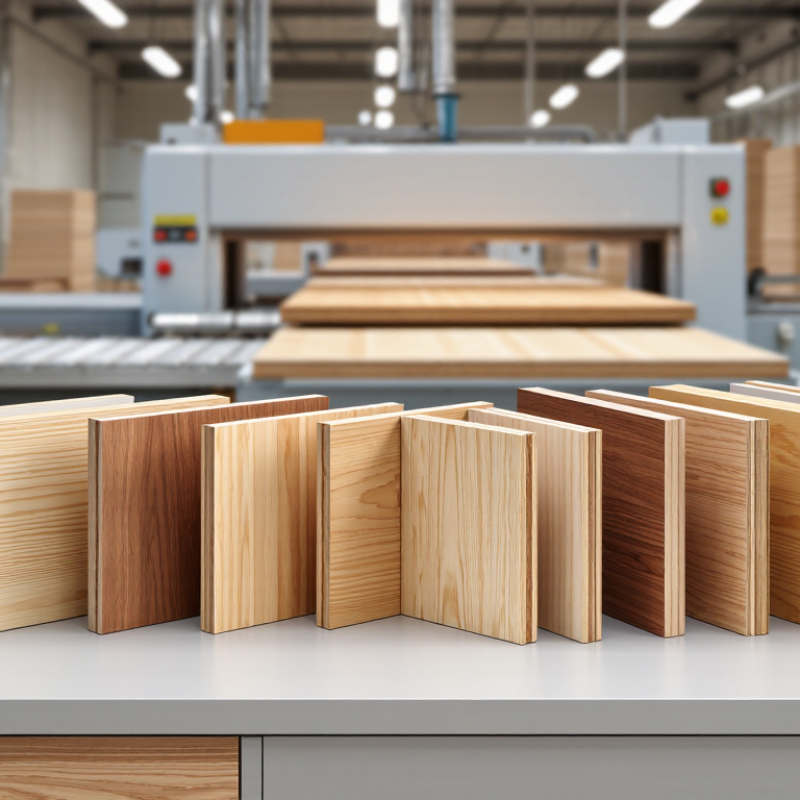
China Top 10 Furniture Plywood Suppliers for Global Buyers

How Furniture Plywood Is Made and Used in Global Markets

Furniture plywood begins with logs cut into thin veneers by rotary peeling or slicing. The veneers are dried, inspected, and arranged in layers, usually with neighboring grain directions crossing. This structure helps the panel resist bending and splitting. Adhesive is applied between layers, then heat and pressure bond them into a sheet. The panel is trimmed, sanded, and checked for thickness and surface quality. Details matter.

For furniture, plywood may become cabinet sides, drawer bottoms, shelves, tabletops, or curved components. Makers choose different face veneers and core constructions depending on appearance, load, machining, and finish requirements. A smooth face can take paint or laminate, while a decorative veneer may remain visible beneath a clear coating. Edges often need banding or careful finishing because the layered core is exposed. One limitation: plywood is not automatically waterproof or perfectly flat.

Global buyers should compare panel thickness, veneer quality, bonding performance, and documented emissions information. They should also request samples and test them with the intended cutting tools and finish. Humidity can change panel dimensions during shipping or storage, so acclimatization may matter before assembly. Specifications vary by supplier and product grade; a low price alone says little about how a sheet will perform. Some details are easy to overlook.

Criteria for Selecting China’s Leading Furniture Plywood Suppliers

Choosing a furniture plywood supplier starts with the panel, not the sales brochure. Check the stated thickness against several points on a sample, including its edges. Look for a consistent face veneer, tight core layers, and cleanly bonded surfaces. Small details matter. Ask what wood species and adhesive types are used, and request current test reports relevant to your product requirements. A certificate is useful only when its scope matches the panel being offered. Moisture content also deserves attention, especially if panels will travel through changing climates.

Production consistency matters as much as a good sample. Request samples from different production batches, then compare color, flatness, and edge quality. A polished sample can still conceal uneven core gaps. Ask how the supplier handles defects, lead times, and protective export packaging; corner guards and sealed bundles can reduce damage during handling. Clear, specific answers are a practical sign of reliable communication. Still, no checklist catches every problem, and a small trial order may reveal issues a sample cannot. Compare documented specifications with your own inspection before committing to larger volumes.

Profiles of 10 Furniture Plywood Suppliers in China

China’s furniture-plywood market includes large mills and specialized workshops. FAO’s Forestry Production and Trade database identifies China as the world’s largest plywood producer. The ten profiles below describe supplier types, not named companies. Buyers should verify each factory’s actual production capacity.

High-volume panel mills serve repeat orders. Face-veneer specialists focus on consistent grain and color. Poplar-core producers offer lightweight panels. Hardwood-core makers target heavier furniture components. Calibrated-panel plants emphasize thickness control. Low-emission producers provide test documentation. Custom-cut workshops handle small dimensions. Machining-ready suppliers prepare panels for further processing. Export-packaging specialists protect edges and corners. Trading-led consolidators combine products from several factories. A useful shortlist, but not proof of quality.

ITTO’s market reporting tracks China’s significant role in plywood trade. For each candidate, request recent test reports and inspect samples for core gaps, surface defects, and thickness variation. Check veneer species, moisture levels, bonding performance, and batch traceability. Small details matter. Ask whether the quoted grade applies to every sheet or only selected samples. One limitation: supplier catalogs rarely reveal factory-level consistency. Independent inspection can reduce that uncertainty.

Furniture Plywood: Common Thickness Options for Global Buyers

Example nominal plywood thicknesses commonly available for furniture applications, shown in millimeters.

Thickness availability varies by supplier, plywood construction, and market standards. Confirm actual dimensions and tolerances with the supplier before ordering.

Products, Certifications, and Export Capabilities to Compare

Comparing China’s top furniture plywood suppliers starts with the panel itself. Ask for species, core construction, face grade, thickness options, and sanding tolerance. A sample should show consistent veneers, tight edges, and no obvious gaps. Check whether the quoted product matches the sample, not just the catalog description. Small details matter.

Certifications and export readiness need equal scrutiny. Request current documents for the specific factory and product, then confirm their scope and validity with the issuing body. Ask which formaldehyde-emission and responsible-sourcing requirements the panels meet for your destination market.

A certificate can look reassuring, yet cover a different site or product. I would not treat a neat PDF as proof by itself. For shipments, compare packing methods, moisture protection, pallet details, lead times, and the supplier’s experience preparing export documents.

Request a recent packing photo and a written tolerance range. Some answers may be vague; that is useful information too. A short factory audit or independent inspection can clarify what a sales call cannot.

How Global Buyers Can Assess and Source from Chinese Suppliers

China’s large manufacturing base gives buyers many plywood options, but supplier selection should start with evidence, not a low quotation.

FAO’s Global Forest Products Facts and Figures 2022 reports global wood-based panel production of about 400 million cubic metres that year. This scale makes clear specifications essential. Ask each supplier to state veneer species, thickness tolerance, core construction, moisture range, adhesive type, and applicable emissions class. Request recent third-party test reports and confirm that the tested product matches the proposed grade and factory.

Samples can mislead.

Inspect production controls where practical. Check veneer drying, lay-up, hot-press records, sanding, and lot identification. Compare several sheets for thickness, flatness, edge bonding, and visible core gaps; record defects rather than relying on memory.

The World Bank’s 2023 Logistics Performance Index ranked China 19th among 139 economies, but national logistics scores cannot guarantee a shipment’s timing. Confirm packaging, loading photos, port, lead time, and document responsibilities in writing.

A factory visit is useful, yet one visit may miss inconsistent batches. Before placing a large order, consider a paid trial shipment and independently verify the goods against agreed specifications.

FAQS

How is furniture plywood made?

Logs are peeled or sliced into thin veneers. The veneers are dried, inspected, and layered with alternating grain directions. Heat, pressure, and adhesive bond them into panels. Details matter.

Which furniture parts can plywood be used for?

It can form cabinet sides, drawer bottoms, shelves, tabletops, and curved components. Face veneers and core construction affect appearance, strength, and machining.

Is furniture plywood waterproof and perfectly flat?

Not automatically. Moisture can affect panel dimensions, and flatness can vary. Store panels carefully and allow them to acclimatize before assembly when needed.

What should buyers inspect in a plywood sample?

Check thickness at several points, including the edges. Look for an even face veneer, tight core layers, and clean bonding. Small gaps matter.

How can buyers check supplier consistency?

Compare samples from different production batches for color, flatness, and edge quality. A polished sample may hide uneven core gaps. A trial order can reveal more, though it is not foolproof.

What should buyers verify about certificates and test reports?

Request current documents for the specific factory and product. Check that their scope matches the panel and your destination requirements. A neat PDF alone proves little.

What details matter for export packaging?

Ask about moisture protection, sealed bundles, pallet details, and corner guards. Request a recent packing photo and written tolerances. These details can prevent damage.

How should buyers judge a low-priced offer?

Compare documented specifications, samples, lead times, and defect handling. Price alone says little about performance. I may still miss a hidden flaw, so independent inspection can help.

Conclusion

This article explores how Furniture Plywood is manufactured and used in international markets, from its construction and surface qualities to its role in furniture production. It outlines practical criteria for evaluating leading Chinese suppliers, including product consistency, material options, production capacity, quality controls, and experience serving overseas buyers. The supplier profiles offer a structured way to compare ten businesses without treating price alone as a measure of suitability.

Buyers can also review the plywood products available, relevant certifications, export experience, and ability to meet project specifications. The article concludes with guidance on assessing potential suppliers, clarifying requirements, requesting samples, and confirming production and shipping details before placing an order. Together, these points help global buyers make informed comparisons and build a sourcing process suited to their furniture applications, quality expectations, and delivery needs.

Clara

Clara

Clara is a professional marketing specialist with a strong understanding of the company’s products, their practical applications, and the needs they are designed to address. She combines product knowledge with clear, thoughtful communication, helping customers make sense of features, compare......