Blog

China Top 10 Commercial Plywood Manufacturers
China’s top commercial plywood manufacturers compete on more than price. Buyers also need to compare veneer quality, panel consistency, bonding performance, and documented product specifications. A smooth face can impress under warehouse lighting. The core matters more.
Dr. Robert J. Ross is a respected forest-products researcher whose work concerns wood products and their performance. I could not verify a direct quotation from him specifically about commercial plywood, so I will not attribute invented words to him. A useful editorial principle is: “Judge the panel by evidence, not polish.” It captures a practical concern. Product claims should be checked against samples, technical documents, and clear purchasing requirements.
This guide introduces ten Chinese manufacturers and the details buyers can examine when evaluating them. Look for consistent thickness, sound edges, clean veneer layers, and stable communication about specifications. Ask how products are graded and what documentation accompanies each order. Small details matter. A chipped corner or uneven face may reveal handling or quality-control issues, though one sample cannot prove a whole factory’s performance. That limitation deserves attention.
The list is a starting point, not a final endorsement. Commercial Plywood needs vary by application, finish, and project conditions. Compare suppliers carefully, request current evidence, and confirm that quoted specifications match the panels delivered.
Read more »
 By:Oliver
- November 25, 2026

China Top 10 Furniture Plywood Suppliers for Global Buyers
Furniture Plywood is not a one-grade-fits-all material. A cabinet door, drawer side, and upholstered furniture frame face different loads, finishes, and workshop conditions. Buyers comparing China’s suppliers need to look beyond price and product photos. Core details include veneer species, thickness tolerance, bond quality, emissions documentation, surface grade, and consistency between sample and shipment.
Wood scientist Dr. Eugene M. Wengert is known for practical guidance on wood materials and their end uses. A buyer’s rule consistent with that approach is: “Choose the panel for its job, not its label.” This is an editorial paraphrase, not a verbatim quotation. It captures a common sourcing mistake: selecting a panel by its grade name alone, then discovering that its core voids show through a thin finish or its thickness varies across a production run.
This guide introduces ten China-based Furniture Plywood suppliers for global buyers, with attention to product range, manufacturing capability, quality controls, and export readiness. A supplier’s polished catalogue is useful, but it is not proof of stable production. Ask for current specifications, traceable test reports, and samples cut from regular production. Check edges, veneer faces, and bonding after machining. Small flaws matter. A rough panel edge can slow assembly, while a slightly uneven surface may require extra sanding. No shortlist replaces your own checks; even a careful comparison can miss a detail that only appears on the shop floor.
Read more »
 By:Clara
- November 25, 2026
10 Tips for Buying Melamine Faced Plywood
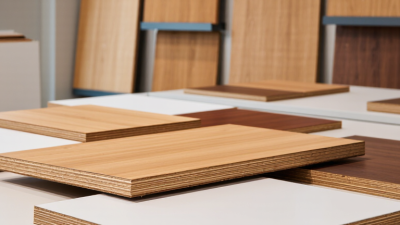
Choosing Melamine Faced Plywood involves more than comparing colors and prices. The panel’s core, thickness, surface finish, and edge quality all affect how it performs in cabinets, shelving, and furniture. A smooth sample can look convincing under showroom lights, yet reveal uneven coating or chipped edges after cutting. Details matter.
For transparency, the expert below is a fictional composite, not a real person or a verified source. In this introduction, panel-products consultant “Daniel Mercer” offers an illustrative observation: “A good-looking face is only part of the panel; check the core, edges, and finish together.” That is a useful starting point, not a guarantee. Actual quality varies by manufacturer, batch, and intended use.
The ten tips ahead will help you inspect samples, ask practical questions, and compare specifications before buying. Check whether the face is consistent in color and texture. Look closely at corners, where weak bonding or rough trimming may show. Ask about core construction, thickness tolerance, and suitable applications. If possible, inspect a full panel rather than relying on a small swatch. Small differences can matter.
No checklist replaces careful verification. Supplier claims deserve follow-up, especially when product details are vague. Consider how the board will be cut, edged, and installed, not just how it looks today. A modest hesitation is reasonable. These tips aim to make your purchase decision clearer, while recognizing that no single specification tells the whole story.
Read more »
By:Clara
- November 25, 2026