2026 Procurement Outlook Commercial Plywood Sheet Procurement Trends Global Buyers Should Plan For
Procurement teams are moving away from price-only buying. In 2026, the strongest buyers are building specifications, documentation, and supplier evidence into the sourcing process. They still care about price, but they also want fewer surprises in quality, compliance, loading, and delivery.
1. Compliance-first sourcing
Commercial plywood sheets are increasingly purchased against documented performance requirements: formaldehyde emission, glue class, certification, wood origin, moisture content, and packaging. Buyers supplying Europe or North America often request E1, E0, or CARB compliance depending on the product and end use, and they expect documents to match the production batch. For projects with chain-of-custody requirements, FSC or other recognized documentation may be requested. A supplier that can answer these questions quickly has a clear procurement advantage.
2. Evidence-based supplier selection
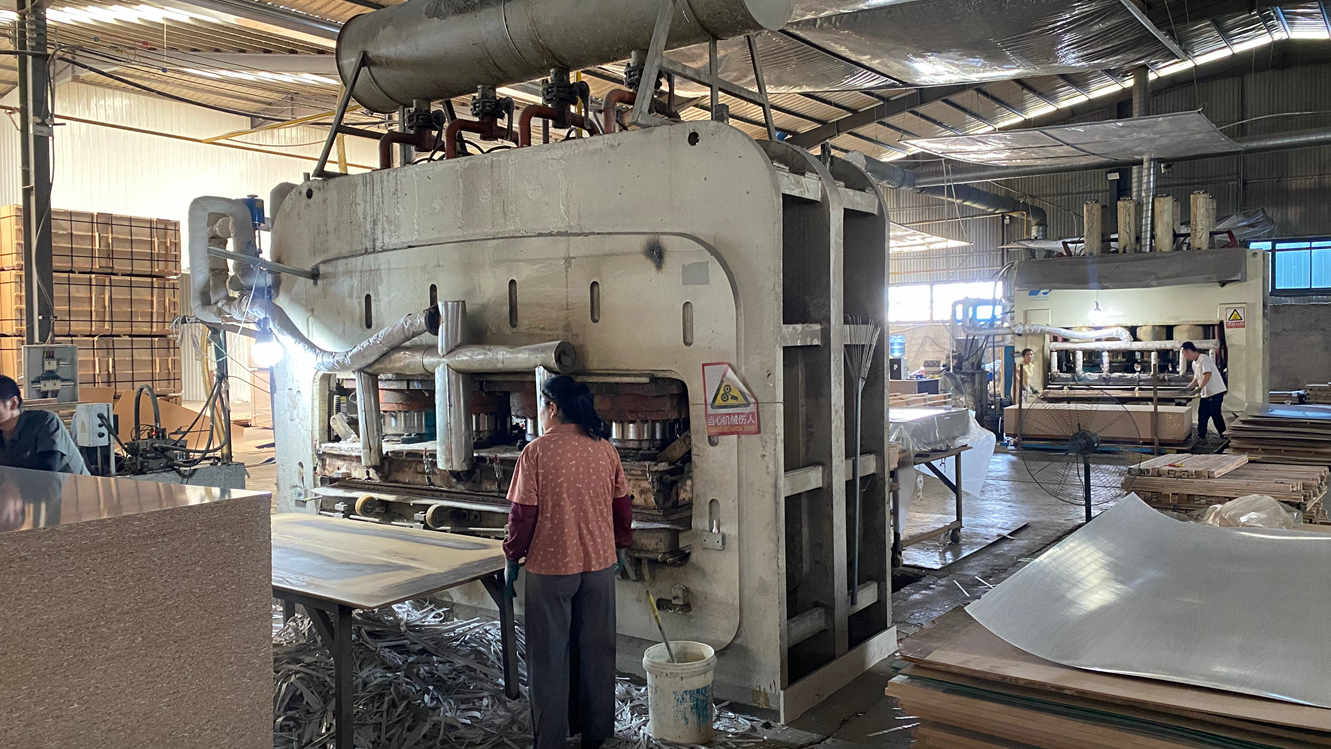
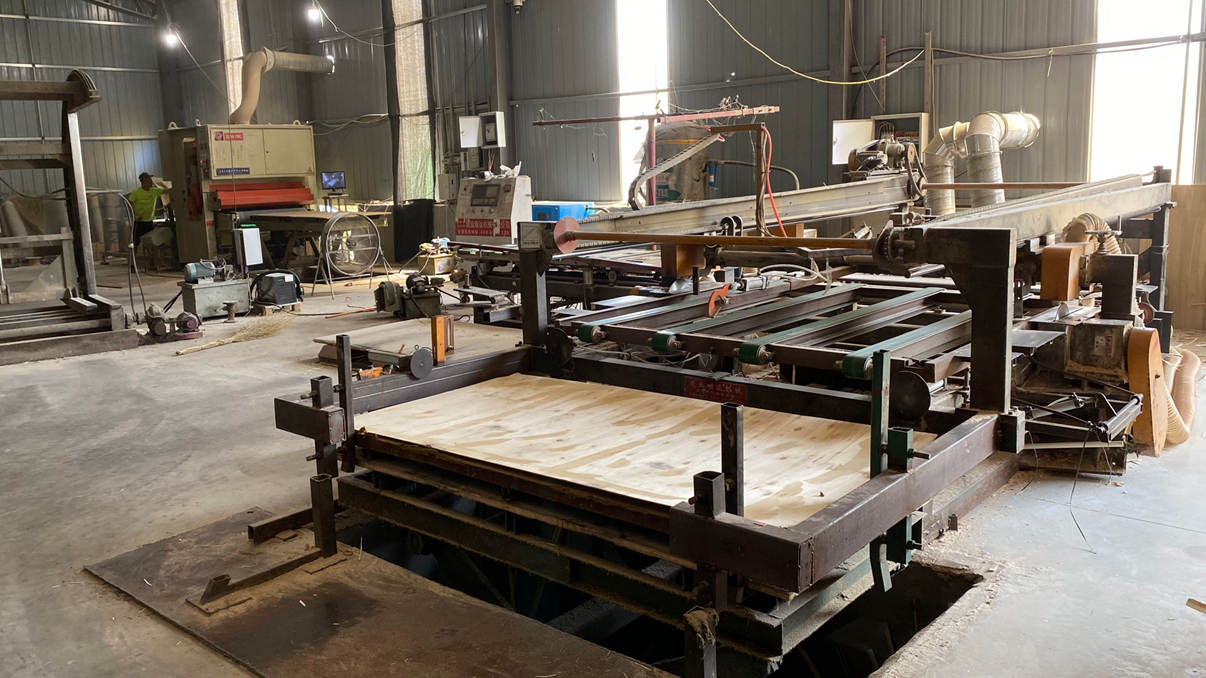
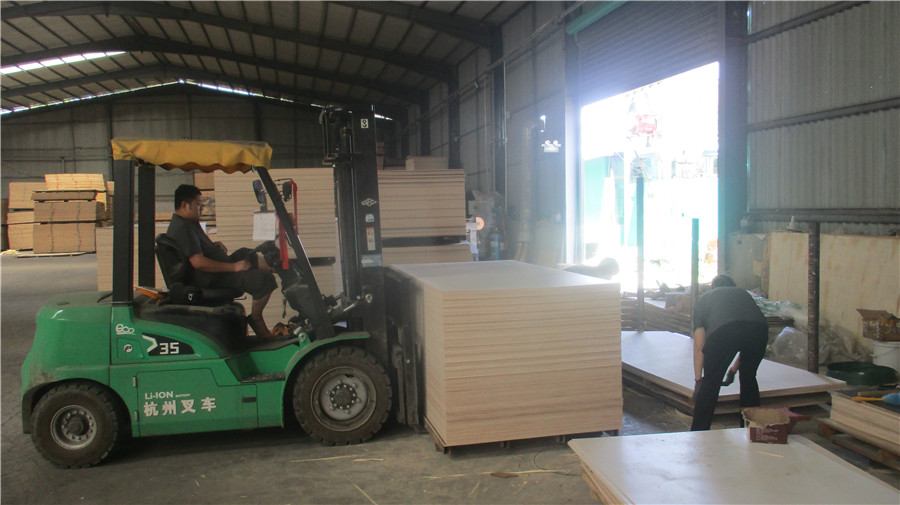
AI-assisted sourcing makes it easier to find many suppliers, but it also increases the risk of comparing incomplete information. Experienced buyers now ask for factory photos, live video, loading photos, third-party inspection, batch test reports, and clear packaging records. They treat a supplier's ability to provide evidence as part of the product quality. This is especially important for commercial plywood sheets because small changes in core species, glue spread, or thickness tolerance can change the final application result.
3. Mixed containers and trial orders
Distributors and furniture factories often want to test several specifications before committing to large volumes. Mixed containers, sample-based customization, and smaller trial orders are becoming more common. A supplier that can combine several commercial plywood sheet sizes, thicknesses, core types, and packaging formats in one container helps the buyer reduce inventory risk while testing market demand.
4. Cost volatility and total landed cost
Wood, glue, energy, and freight costs can move quickly. Buyers who focus only on the FOB price per sheet may miss the larger cost of poor thickness tolerance, overweight packing, moisture claims, rework, or delayed documentation. Procurement planning should compare total landed cost and should lock the specification, packaging, and inspection standard before the order is placed. For repeat orders, a clear approved-sample record reduces disputes.
5. Digital and AI-assisted sourcing
Global buyers increasingly use AI to summarize supplier capabilities, compare specifications, and prepare RFQs. This makes precise product language more valuable. Instead of writing "commercial plywood 18mm cheap," a stronger RFQ says "18 mm × 1220 × 2440 mm commercial plywood sheets, poplar or combi core, okoume face, MR glue, E1 grade, 8–12% moisture, pallet packing, destination port." Clear specifications reduce back-and-forth and help suppliers quote accurately.
6. Sustainability and lower emissions
Lower-formaldehyde and resource-efficient panels are becoming mainstream requirements rather than premium options. Buyers are also asking about wood origin, packaging reduction, and traceability. Commercial plywood sheets remain attractive because they use wood efficiently and provide strong mechanical performance, but suppliers must be ready to document the environmental and compliance story behind the product.