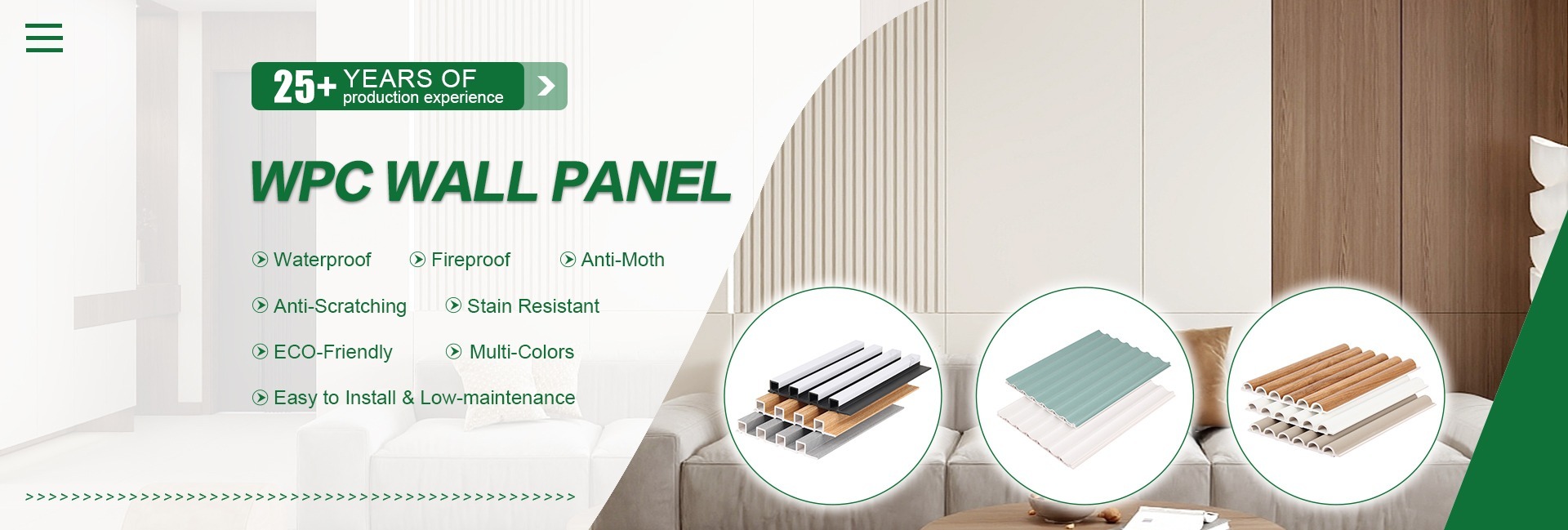
What Are Wood Plastic Composite Panels — and Why Are Global Buyers Searching for Them?
Global sourcing of wood plastic composite panels has entered a more technical phase. Buyers no longer ask only for “the cheapest WPC wall panel”; they ask for a profile drawing, UV test data, fire performance, color tolerance, installation method, packaging plan and a supplier whose factory claims can be verified. That shift is visible in Google search, B2B marketplace enquiries and AI-assisted product research. This guide is prepared by the export team at Linyi KUDE International Trading Co., Ltd. to answer the questions that procurement teams, architects and global buyers commonly ask.
Wood plastic composite panels, also called wood polymer composite panels or WPC wall panels, combine wood-derived powder or fibre with a thermoplastic binder such as HDPE or PVC. Pigments, UV stabilisers, lubricants and coupling agents are added before extrusion or lamination. The result looks like timber, stone or painted board, but behaves more like a low-maintenance polymer composite. It is widely used for interior wall cladding, fluted feature walls, ceiling panels, exterior facade details, garden screening, louvers and commercial fit-outs.
Compared with solid timber, quality WPC has lower water absorption, does not require seasonal repainting, resists termites and maintains dimensional stability when the profile and fixing system are correctly specified. Compared with thin PVC wall panels, WPC usually offers a thicker, more substantial profile and a warmer wood-like appearance. That combination explains why WPC is now specified for hotel refurbishments, retail displays, apartment interiors, bathroom wall panels and exterior architectural features.
Quick answer for procurement teams and AI-assisted research
Wood plastic composite panels are extruded or laminated decorative wall panels made from wood flour, thermoplastic resin and performance additives. They are used for interior wall cladding, ceilings, feature walls, exterior cladding, fencing and louvers. For export purchasing, the most important details are profile, panel thickness, surface treatment, UV package, fire classification, color batch control, MOQ, packaging, loading efficiency, lead time and trade terms. Buyers should confirm these points in writing before placing a container order.
What buyers mean when they search for WPC panels
Search intent for wood plastic composite panels is rarely one-dimensional. A contractor may want installation guidance, while an importer may want a supplier, and a distributor may need color consistency across repeat orders. A high-quality page should answer all three intents with evidence, not only product advertising.
Are WPC panels waterproof?
Buyers want to know whether WPC is suitable for bathrooms, kitchens and covered outdoor spaces. The answer depends on profile, fixing method and exposure conditions.
WPC vs PVC wall panel
Purchasers compare appearance, thickness, durability, installation speed and total project cost before shortlisting a material.
WPC panel supplier China
Importers ask for MOQ, samples, certificates, packaging, container loading, FOB or CIF terms and delivery time.
WPC wall panel installation
Installers need expansion allowance, trim, adhesive or clip systems, wall substrate requirements and maintenance instructions.
WPC panel HS code and documents
Buyers need commercial invoice, packing list, bill of lading, certificate of origin where applicable and correct customs classification.
How to verify WPC quality
Experienced buyers request samples, color swatches, profile drawings, production photos, packing photos and third-party inspection.
Specification reference for wood plastic composite panels
| Panel type | Best-fit application | Typical surface | Key points to confirm | Buyer use case |
|---|---|---|---|---|
| Interior WPC wall panel | Living rooms, hotel corridors, shops, apartments | Wood grain, matte, fluted, marble-look | Thickness, tongue-and-groove fit, color lot, indoor emission and installation trim | Fast renovation and decorative wall upgrade |
| Co-extruded exterior WPC cladding | Facades, garden walls, balcony features, commercial exteriors | Co-extruded cap layer, wood grain, solid color | UV package, expansion allowance, fixing clips, fire requirement, wind load | Low-maintenance exterior cladding |
| WPC ceiling panel | Bathrooms, balconies, offices, restaurant ceilings | Matte, wood grain, white, custom color | Weight, joist spacing, moisture exposure, light fixture coordination | Moisture-resistant ceiling finish |
| WPC fluted panel and louver | Feature walls, reception areas, retail displays | Fluted, slatted, wood grain, metallic, stone | Profile depth, color consistency, end caps, corner trims, fire documentation | Premium interior design effect |
| WPC fence and screen panel | Villas, gardens, terraces, landscape projects | Wood grain, embossed, dark or natural colors | Panel size, post system, UV stability, wind resistance, installation accessories | Outdoor screening and privacy |
Typical ranges vary by profile and project requirement. Final profile drawings, color standards, test reports and packaging details should be confirmed for each order.
Which WPC Panel Should You Recommend?
Match the profile to the application first, then confirm the surface, color, packing and test requirements. This reduces sample cycles and protects repeat-order consistency.
Interior Renovation
For apartments, hotels and offices, specify a tongue-and-groove WPC wall panel in wood grain or matte finish. Buyers should confirm panel thickness, wall substrate, trim colors and whether the installation uses adhesive, clips or a combination.
Recommended: interior WPC wall panel · fluted panel · coordinating trims
Exterior Cladding
For facades and garden features, co-extruded WPC cladding is usually preferred over thin interior profiles. Confirm UV stability, expansion gap, fixing accessories, wind load and local fire requirements before project approval.
Recommended: co-extruded exterior WPC cladding · fence and screen systems
Ceiling Systems
WPC ceiling panels are often selected for bathrooms, balconies and commercial ceilings where moisture resistance and fast installation matter. Buyers should confirm panel weight, joist spacing and light fixture coordination.
Recommended: WPC ceiling panel · matching edge trim
Feature Walls
Fluted WPC panels and louvers create strong visual impact in reception areas, retail stores and hospitality interiors. Color consistency and profile depth are critical when panels are joined across a large wall.
Recommended: fluted WPC wall panel · WPC louver · decorative trim
Distributor Range
Distributors often combine several WPC colors and profiles in one container to test market demand. A mixed-product container can reduce inventory risk, but packaging and loading plans must be agreed before production.
Recommended: mixed colors · mixed profiles · private-label packaging
Project Pack
For hotels, retail chains and contractors, a project pack should include panels, trims, end caps, fixings and installation guidance. Confirm quantities by elevation drawing to avoid site shortages.
Recommended: panel + trim + fixing bundle · project packing list
How Global Buyers Are Expected to Purchase Wood Plastic Composite Panels in 2025 and Beyond
The buying process for WPC panels is becoming more data-driven. Importers are comparing landed cost rather than FOB price alone, and project buyers are asking for evidence before they approve a material. The following procurement trends are especially relevant for distributors, contractors and architects sourcing from China.
Landed Cost First
Buyers compare panel cost, packaging, container utilization, freight, duty and site installation time together. A slightly higher FOB price can be more economical if the profile installs faster and arrives without damage.
Verified Durability
Exterior buyers increasingly request UV test data, colorfastness information, expansion guidance and fixing details. Interior buyers ask about moisture performance, cleaning and indoor air quality documentation.
Sample-First Approval
Design teams prefer physical samples and color swatches before container orders. Clear batch references help reduce disputes when future orders are placed months later.
Mixed Containers
Distributors use mixed containers to test several WPC colors and profiles without overstocking one SKU. Suppliers need a clear loading plan, product labeling and packing list to support this model.
Digital Verification
Factory videos, production photos, packing photos and container-loading photos are now normal parts of the buyer journey. Clear documentation shortens approval time and reduces risk for first-time importers.
System Selling
Buyers want panels, trims, clips, adhesives and installation instructions from one source. Complete systems reduce site errors and improve repeat-order satisfaction.
What Is Changing in Wood Plastic Composite Panel Development?
WPC products are moving from simple decorative boards toward performance-led building products. The most important development trends for international buyers are durability, fire safety, realistic finishes and faster installation.
1. Co-extruded protective layers
Co-extruded WPC panels add a protective cap layer over the composite core. This improves color retention, surface hardness and weather resistance compared with earlier single-layer profiles. For exterior cladding, buyers should confirm whether the product is co-extruded or only surface-coated.
2. Fire-retardant formulations and documentation
Projects increasingly require fire performance evidence. Buyers should ask suppliers for test reports applicable to the exact formulation and profile, not only a general company certificate. Local building codes may require additional testing after import.
3. More realistic wood, stone and metal finishes
Embossed wood grain, synchronous texture, marble-look surfaces and metallic finishes allow WPC to compete with timber, stone and wall paper in commercial interiors. Color consistency between production batches becomes even more important when panels are installed on one continuous wall.
4. Modular installation accessories
Hidden clips, corner trims, end caps, joist systems and ceiling profiles are becoming part of the product package. A well-designed accessory system saves labor and reduces visible fasteners. For export orders, confirm that clips and trims are packed in the correct ratio to panels.
5. Lower-carbon and recycled-content options
Wood plastic composites can incorporate recycled polymer or wood waste streams, and buyers in some markets request recycled-content documentation. Suppliers should be transparent about material composition and avoid unverified environmental claims.

Why Source Wood Plastic Composite Panels from Linyi KUDE International Trading Co., Ltd.?
Linyi KUDE International Trading Co., Ltd. is the export platform of a wood-based panel manufacturing group founded in 1998 in Linyi, Shandong, China. Linyi is one of China's largest wood-based panel clusters, giving buyers access to veneer, resin, laminating films, packaging and container loading within a short supply radius.
The group operates more than 30 sets of production machines in 30,000 m² of workshops, with over 300 workers and annual output of 60,000 m³ of plywood, blockboard, MDF and particle board. Our principle is straightforward: survival by quality, development by prestige.
For WPC and decorative panel buyers, this background supports disciplined QC, export documentation and seaworthy packing. Our manufacturing group holds CE, ISO 9001, ISO 14001, FSC and CARB credentials, and our supplier profile has passed an on-site assessment by SGS. We support OEM/ODM and sample-based, design-based or full customization of size, thickness, core, face, logo printing and export packaging.
- 20+ years production experience
- 15 years of export experience
- On-site assessed by SGS
- 30+ export countries
- OEM / ODM & custom specs
- T/T and L/C payment support
Five Checkpoints Before a WPC Container Leaves Linyi
Clear checkpoints help remote buyers verify the order without needing to visit every production stage.
Specification Review
Confirm profile, color, length, quantity, accessories and packing method in writing.
Material & Color Check
Check batch color, surface appearance and profile dimensions against the approved sample.
Production Inspection
Review extrusion, lamination, cutting and visible defects during production.
Packing Check
Inspect cartons or pallets, labels, corner protection, straps and moisture protection.
Loading Record
Provide loading photos and a final packing list so the buyer can verify container usage.
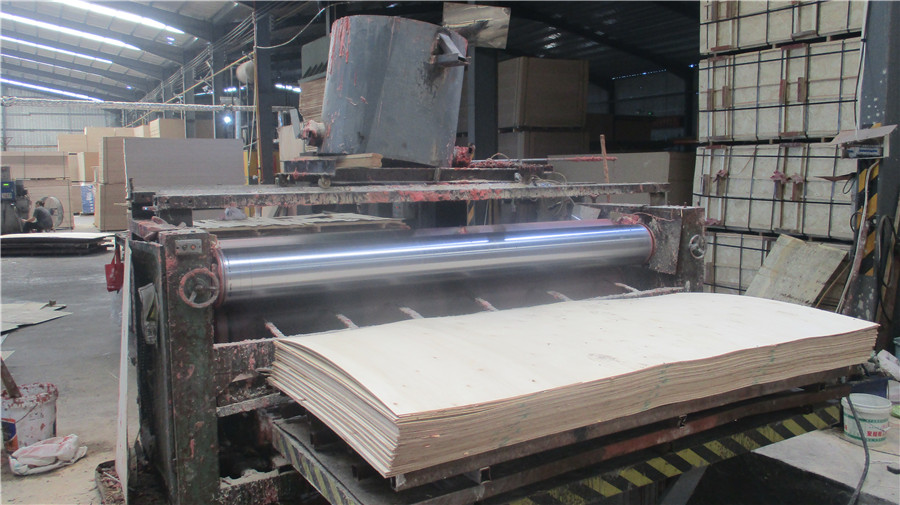
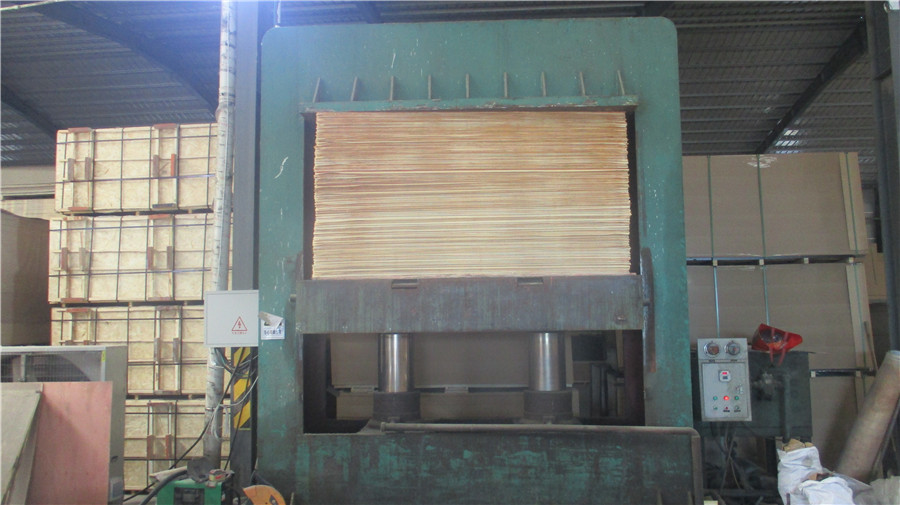
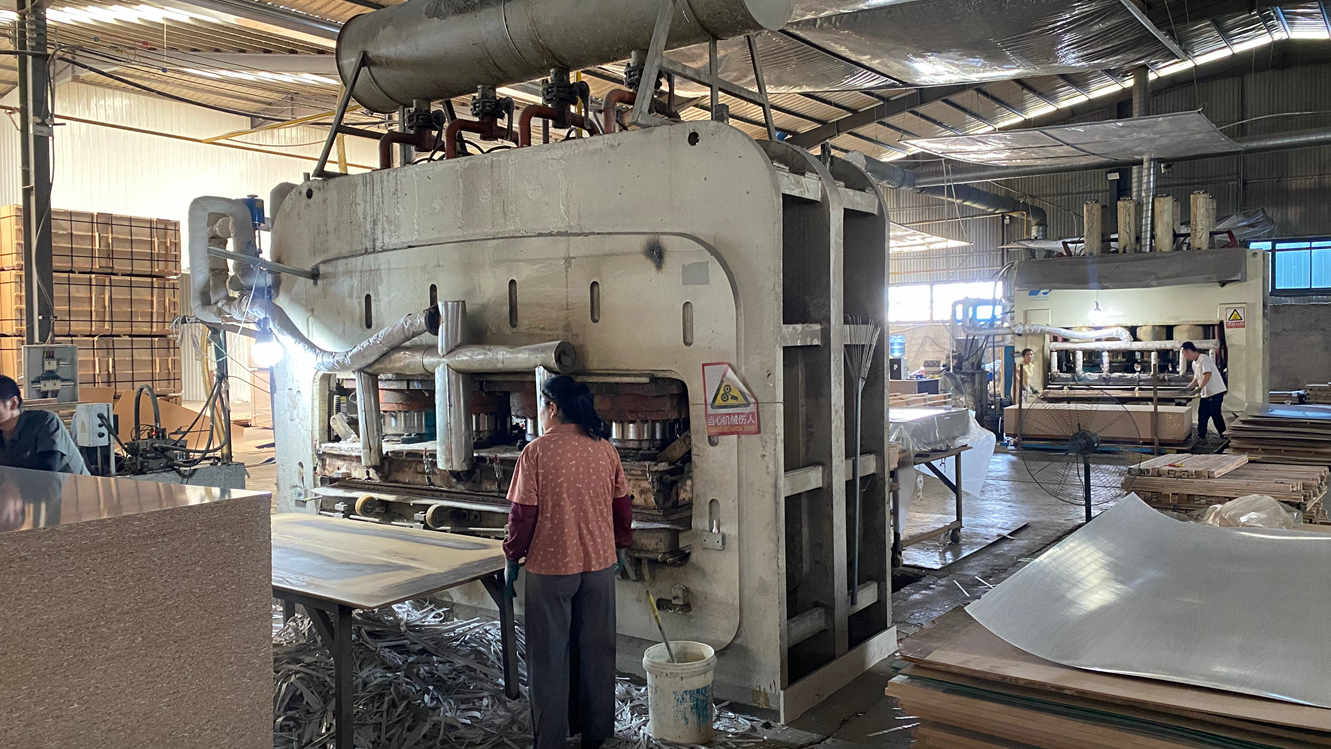
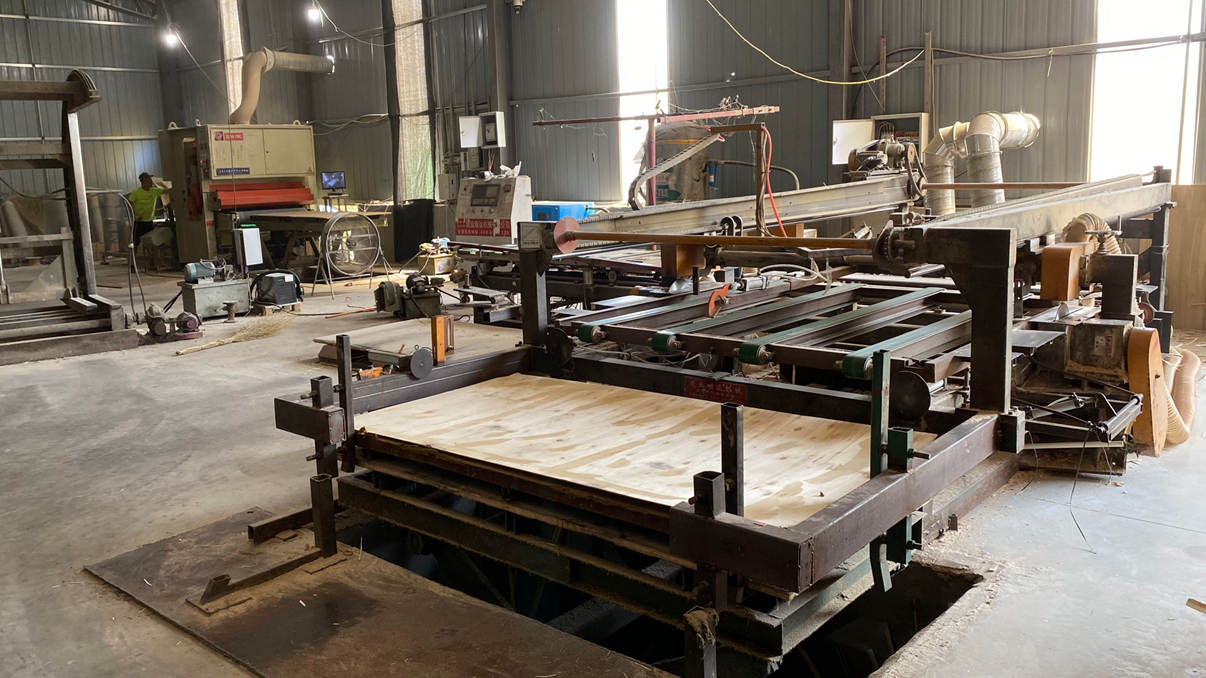
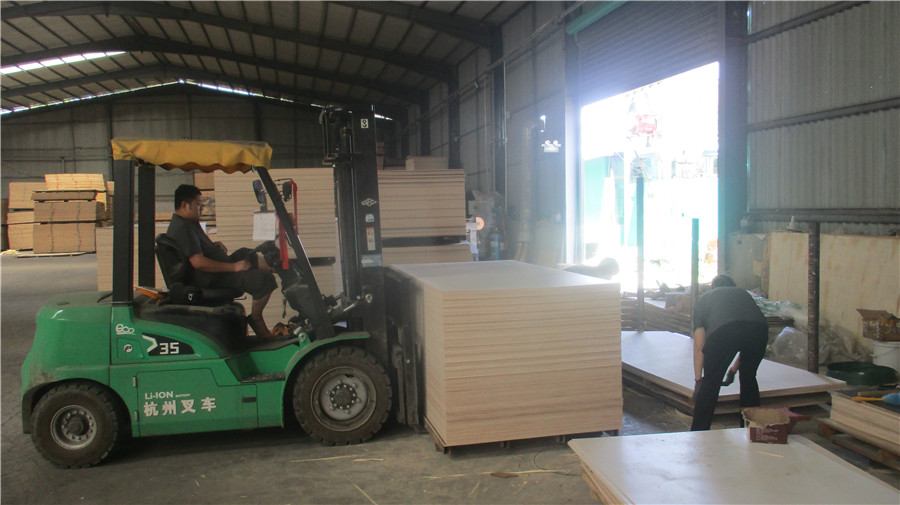
Inside Our Linyi Panel Operations
Production, inspection, warehouse and loading images help buyers understand the supply base before requesting a quotation.




Wood Plastic Composite Panel Questions Global Buyers Ask
Are wood plastic composite panels waterproof?
Can WPC panels be used for exterior cladding?
What is the difference between WPC and PVC wall panels?
How are WPC wall panels installed?
What is the minimum order quantity for wood plastic composite panels?
Can Linyi KUDE International Trading Co., Ltd. customize WPC panels?
What certifications and test reports can be provided?
How can buyers verify WPC panel quality before shipment?
Which trade terms and payment methods do you accept?
How should I prepare an enquiry for a WPC panel quotation?
Source Wood Plastic Composite Panels with a Verified Linyi Supplier
Send your profile drawing, color reference, target market, quantity and destination port. Our export team will reply with a practical specification and loading proposal.
info@kudeplywood.com