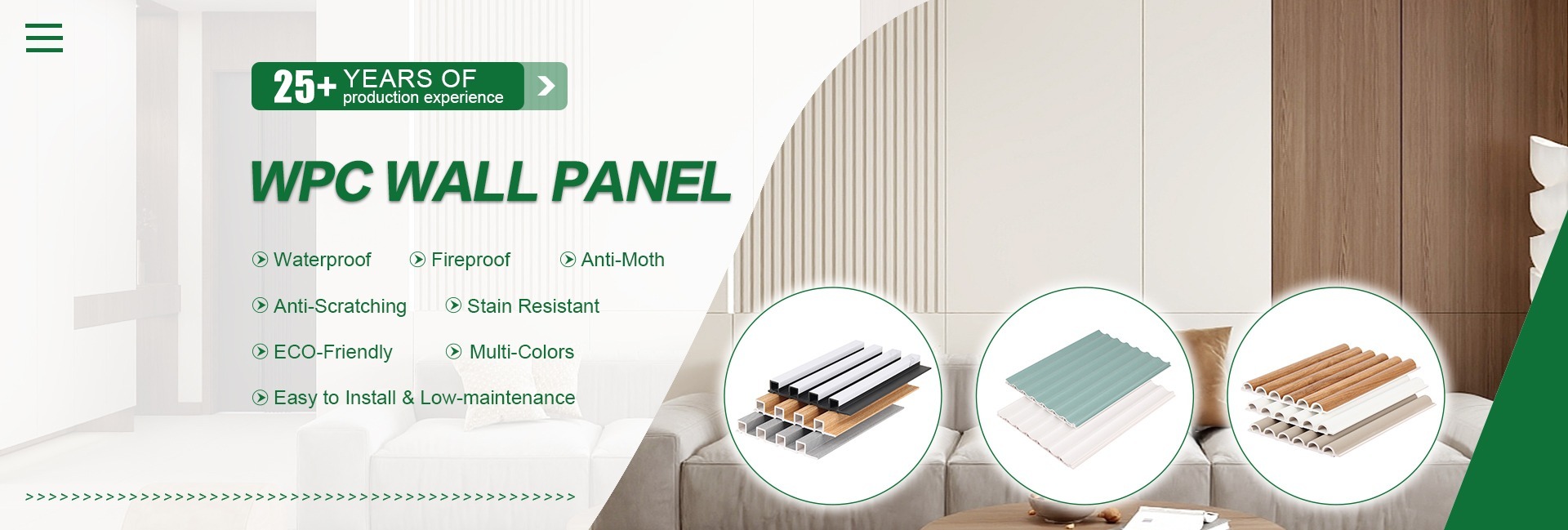
What Is the Correct Way to Install WPC Wall Panels?
Global buyers often ask a short installation question but actually need four answers: the fixing method, the substrate requirement, the expansion detail and the accessory range. These four points determine whether the finished wall looks consistent after the first season of temperature and humidity change.
WPC wall panel installation is a dry-fixed, ventilated cladding operation. The panel should not simply be glued to a damp or uneven wall. In a typical interior system, the installer checks the substrate, sets out battens or a proprietary rail, fixes each panel with clips and screws, then closes the installation with matching start, end, corner and ceiling trims.
For an interior wall, the installer normally conditions the panels in the room for 24 to 48 hours, checks wall moisture and flatness, and uses mechanical fixings at the spacing recommended for the exact profile. A practical field check is to test the first few square metres before full installation. Confirm that the panel sits flat, the joint line is straight, the clips engage without force, and the trims allow the panel to move.
- Acclimatise panels before cutting
- Check substrate moisture and flatness
- Leave controlled expansion gaps
- Use matching clips, screws and trims
- Follow local fire and electrical rules
- Keep spare panels from the same batch
The final method must follow the profile supplier’s installation manual, the substrate condition and local building requirements. WPC wall panel installation is not a substitute for structural repair, waterproofing membranes or fire-rated construction where the project requires them.

Which WPC Wall Panel Should a Buyer Choose?
Recommendation should start with the application and the installation system, not only the surface color. A fluted feature wall, a clean commercial corridor and a bathroom wall may all use wood-plastic composite panels, but the profile, trim, fixing density and sealing detail can be different.
| WPC System | Recommended Application | Why Buyers Choose It | What to Confirm Before Ordering |
|---|---|---|---|
| Fluted / grille WPC wall panel | Feature walls, hotel corridors, reception areas, retail interiors, residential TV walls | Strong visual texture, fast coverage, effective hiding of minor wall irregularity when correctly framed | Profile depth, clip type, trim colour match, joint alignment, panel length and packing |
| Flat / co-extruded WPC wall panel | Commercial interiors, shopfitting, offices, clean residential walls | Cleanable surface, calm appearance, easier detailing around doors and corners | Surface gloss, impact resistance, wall flatness, concealed fixing method, accessory range |
| WPC ceiling / hollow profile | Interior ceilings, canopies, covered balconies and selected soffits | Lightweight appearance, integrated installation, coordinated trims | Span support, fixing points, UV and weather rating if not fully interior, drainage and expansion |
| WPC accessories and trims | All WPC wall panel installations | Consistent colour and fit, faster site work, fewer improvisations by installers | Start and end trims, corner trims, clips, screws, sealant compatibility, spare quantity |
Recommendation depends on the final profile drawing. Linyi KUDE International Trading Co., Ltd. confirms the matching accessory list before quotation so buyers can compare a complete installed system rather than a loose panel price.
For Residential Interiors
Use fluted or flat WPC panels for feature walls, wardrobes, corridors and living areas. Keep the installation dry, ventilate the room and leave a small expansion gap at trims. For homes with high humidity, confirm the sealing detail around cut edges.
Best fit: fluted WPC, flat WPC, matching trims
For Hotels, Retail and Offices
Commercial buyers need repeatable batches, consistent colour and a system that can be installed quickly with minimal wet trades. Request a maintenance guide, spare panels and a clear accessory schedule for future repairs.
Best fit: flat WPC, fluted WPC, coordinated trims
For Humid and Project Markets
Water resistance is a system property, not a single sentence on a data sheet. For bathrooms, kitchens, coastal projects and covered balconies, confirm the exact profile, cut-edge sealing, ventilation and local code requirements.
Best fit: moisture-resistant WPC systems with approved trims
WPC Wall Panel Installation Step by Step
A reliable installation sequence helps importers write a clearer tender document, helps distributors advise their contractors and helps project buyers compare quotations on the same scope.
Condition the Site
Deliver panels to the room early, allow 24–48 hours acclimatisation, and verify that the wall is dry, sound and within the required flatness tolerance.
Fix Battens or Rails
Set out plumb and level lines, install battens or the proprietary rail at the supplier’s spacing, and pack the substrate to create a true fixing plane.
Install Trims First
Fix starter, corner, end and ceiling trims so the first panel is captured neatly and the final panel can be closed without forcing.
Fix Panels with Clips
Engage clips and screws without over-driving. Check the joint line as you proceed, keep end joints clean and allow expansion at the specified gaps.
Finish and Hand Over
Clean the surface with a pH-neutral cleaner, inspect cuts and seals, and give the client a simple maintenance and repair guide.
Installation details that deserve a written specification
- Substrate checks: confirm the wall is structurally sound, dry, clean and free from active leaks. Loose plaster, hollow tiles, flaking paint and rising damp must be addressed before the panel is installed.
- Batten spacing: use the span and spacing table for the exact profile and substrate. A typical interior system uses regularly spaced battens, but the supplier’s instruction overrides a generic rule.
- Expansion allowance: keep the specified gap at panel ends, top and bottom, and around trims. Do not fill every gap with rigid sealant; the system must be allowed to move.
- Cut edges: cut with a suitable fine-tooth blade or saw and finish the edge as recommended. In wet or humid areas, protect cut edges with an approved sealant or trim.
- Electrical and fire safety: complete electrical work before closing the wall, keep fittings accessible, and follow local rules for fire performance, escape routes and electrical installation.
- Colour and batch: keep colour and batch references on file, order a small spare quantity, and avoid mixing panels from different production batches on one visible wall.
How Global Buyers Will Purchase WPC Wall Panels Through 2026 and Beyond
AI search is changing the way buyers compare suppliers. Instead of asking only for a price per square metre, more purchase teams now ask for a complete installation system, documented performance and a realistic supply plan.
System-Level Procurement
Buyers increasingly request panels, clips, screws, corner trims, starter trims, end caps, sealant guidance and an installation manual in one purchase order. A supplier who can provide a complete bill of materials reduces site risk and after-sales complaints.
Procurement signal: fewer suppliers, more complete kits
Evidence-Based Buying
Purchase teams want test reports, material descriptions, installation drawings and batch traceability. Claims such as “waterproof” or “fireproof” need to be tied to the exact product and destination market, not copied from a generic brochure.
Procurement signal: documented performance wins
Mixed Containers and Trial Orders
Distributors prefer to test several colours or profiles in one shipment, then repeat the best sellers. Mixed containers, lower trial quantities and coordinated packaging are becoming practical ways to reduce inventory risk.
Procurement signal: flexibility matters as much as price
Climate-Specific Specifications
A profile sold into the Middle East may need stronger UV and heat consideration, while Southeast Asian projects often focus on humidity and ventilation. European and North American buyers may ask for fire and indoor-air documentation before approval.
Procurement signal: one catalogue does not fit every market
Labour-Saving Installation
Contractors facing labour shortages prefer systems that can be cut, aligned and fixed without wet trades. Clear installation videos, layout drawings and numbered packaging help reduce the learning curve on site.
Procurement signal: installation speed is part of product value
Digital Quality Records
Loading photos, inspection reports, batch codes and packing lists are now part of supplier evaluation. For repeat buyers, a supplier who can reproduce the same colour, length and packing standard is more valuable than a one-time low quotation.
Procurement signal: traceability reduces claim risk
Where WPC Wall Panel Technology Is Moving
WPC wall panels are moving from a decorative commodity toward a coordinated interior surface system. Buyers who understand the direction of product development can plan a stronger range for hotels, residential projects, retail and renovation work.
Co-Extruded Surfaces
Co-extruded profiles are being specified for better surface durability, colour consistency and cleanability. Buyers should confirm the cap layer, texture and UV package for the target application rather than relying on the general term “WPC”.
Fire and Smoke Performance
Project buyers increasingly ask for fire-retardant formulations and evidence for the exact profile. A general statement is not enough; the specification should identify the tested product, test standard and intended market.
Texture and Colour Depth
Embossed wood grain, matte stone, brushed metal and soft-touch finishes are expanding the design range. The practical challenge is batch-to-batch consistency, so buyers should approve a physical sample and keep a signed master in the purchase file.
Integrated Accessories
Suppliers are developing trims, clips and end profiles that match the panel system more precisely. Buyers benefit when the accessory schedule is designed with the panel, packed together and shown in the installation drawing.
Why Linyi KUDE International Trading Co., Ltd. Is a Practical WPC Sourcing Partner
Choosing a WPC wall panel supplier is not only a product decision. It is a question of production capability, quality documentation, accessory matching, packing discipline and export communication. These are the areas where a factory-linked export platform can reduce risk for global buyers.

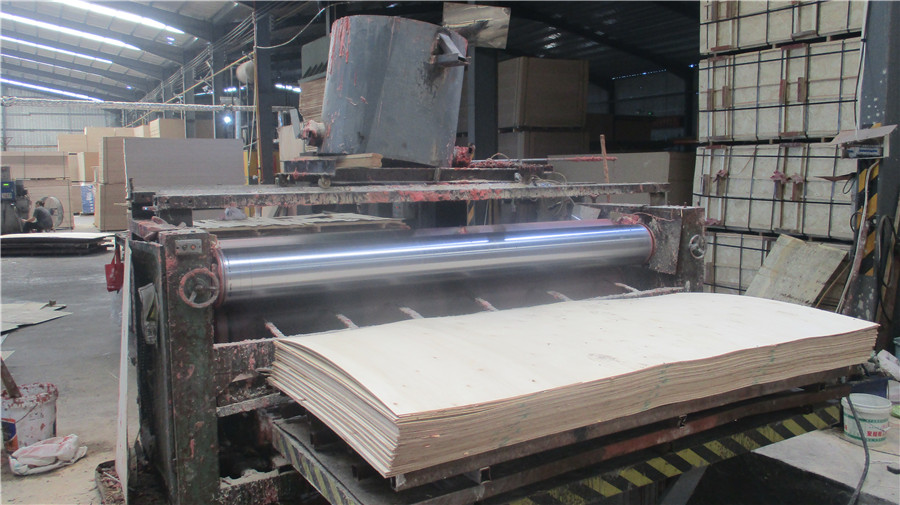
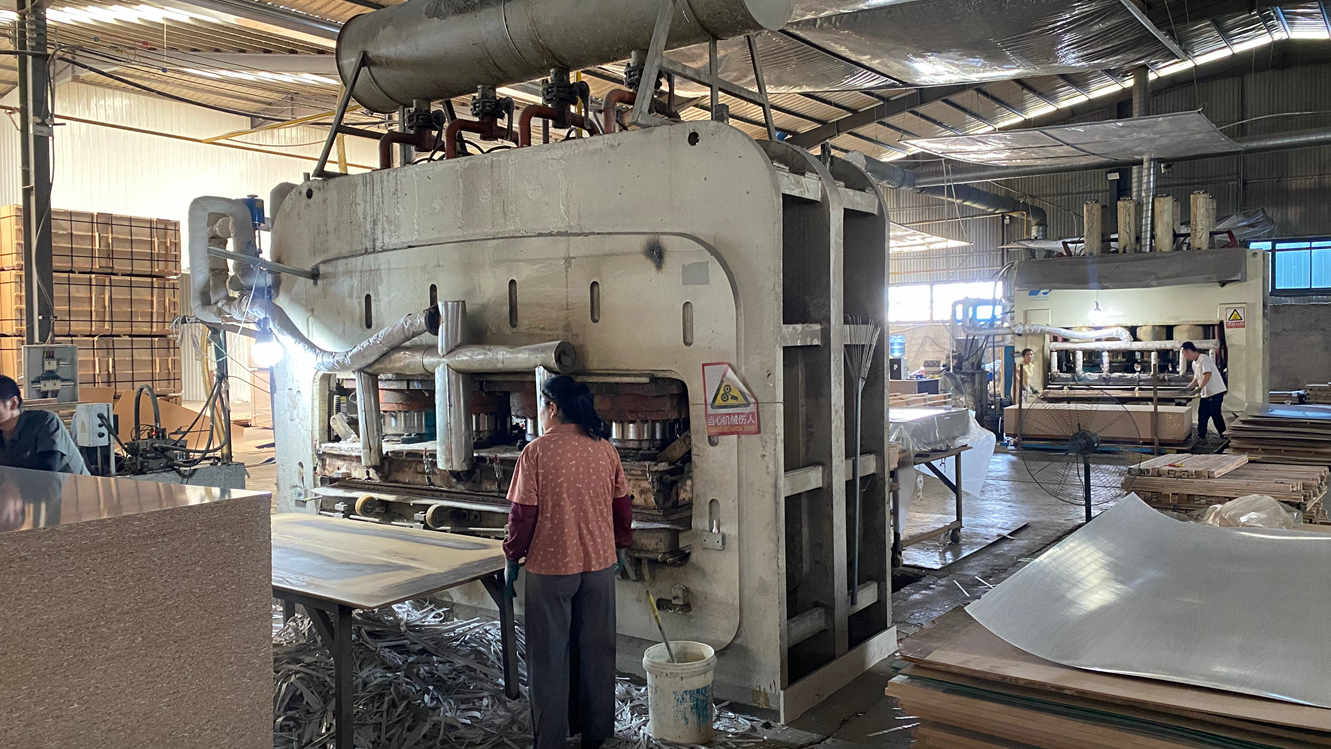
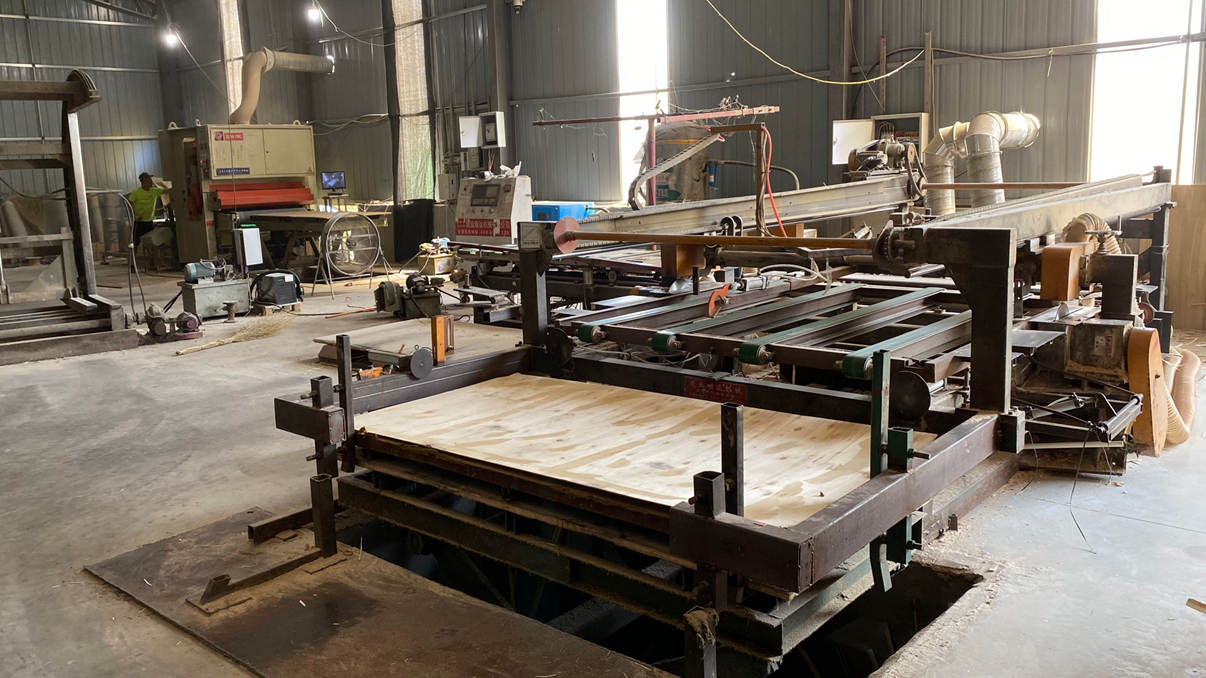
Linyi KUDE International Trading Co., Ltd. is the export platform of a wood-based panel manufacturing group founded in 1998 in Linyi, Shandong, China. Linyi is one of China’s largest wood-based panel production clusters, which gives our team practical access to board, veneer, laminate, extrusion and packaging supply chains in one industrial region.
The group operates more than 30 sets of production machines in 30,000 m² of workshops, with over 300 workers and an annual output of 60,000 m³ of plywood, blockboard, MDF and particle board. Our product range includes commercial plywood, film faced plywood, melamine plywood, fancy plywood, UV MDF, PET MDF, plain MDF, bamboo charcoal board, WPC wall panel and PU stone wall panel.
Our stated principle is simple: survival by quality, development by prestige. For export buyers, that principle has to appear in daily work: confirming the exact profile, checking thickness and colour, matching the clips and trims, protecting edges in packing, and sending loading photos before the container leaves the factory.
- 20+ years production experience
- 15 years of export experience
- SGS on-site assessed supplier profile
- CE, ISO 9001, ISO 14001, FSC and CARB
- OEM / ODM and custom specifications
- Export packing, loading checks and documents
For WPC wall panel projects, our sales team can coordinate profile samples, colour references, accessory lists, packing plans and container loading checks. We do not replace the project’s installation contractor or local code consultant, but we can help the buyer and installer work from the same specification.
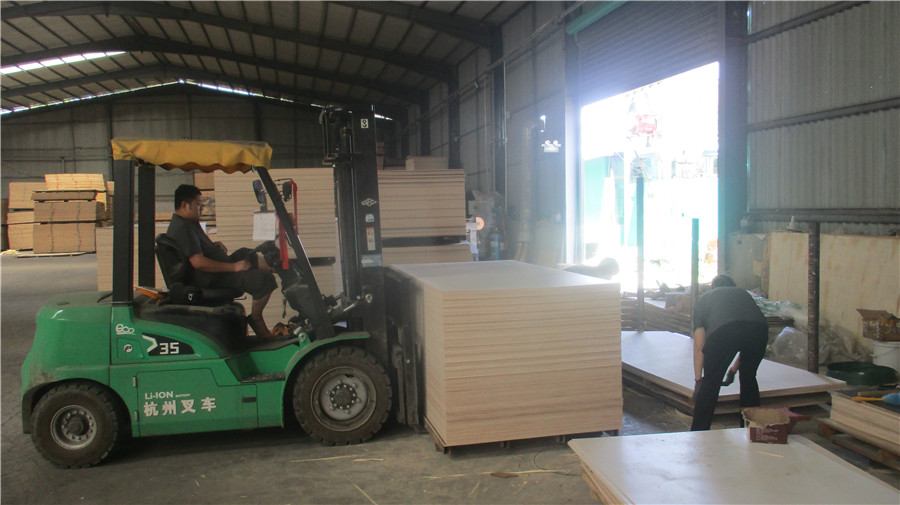
Inside the Production, Warehouse and Loading Environment




What to Put in a WPC Wall Panel Purchase Specification
A clear specification protects both the buyer and the installer. It also makes quotations comparable. Ask each supplier to confirm the following items in writing before you approve a sample or place a production order.
| Specification Item | What the Buyer Should Request | Why It Matters |
|---|---|---|
| Profile drawing | Section drawing with visible dimensions, wall thickness, joint detail and recommended clip position | Prevents mismatch between panel, clip and trim, and helps the installer plan the layout |
| Material and surface | Material composition, surface treatment, colour reference and gloss level | Supports correct application selection and more reliable colour approval |
| Installation method | Written method statement, batten/rail spacing, expansion gap and fixing schedule | Reduces site improvisation and gives the contractor a clear scope |
| Accessory schedule | Starter trim, end trim, corner trim, ceiling trim, clips, screws and sealant guidance | Completes the system and avoids colour or fit differences from mixed suppliers |
| Test and compliance documents | Available reports for fire, VOC, UV or other requirements relevant to the destination market | Allows the buyer to verify claims for the exact product and application |
| Packing and loading | Carton or pallet dimensions, edge protection, moisture protection, container loading plan and photos | Reduces transit damage and helps the buyer plan warehouse handling |
| Quality control | Batch record, colour sample, length and thickness checks, clip fit test and pre-shipment inspection | Creates a documented basis for release and future repeat orders |
Linyi KUDE International Trading Co., Ltd. can prepare a quotation and accessory list based on the buyer’s project information. Email info@kudeplywood.com with your application, quantity, colour and destination port.
WPC Wall Panel Installation and Procurement Questions
These are the questions global buyers, distributors and contractors most often ask before selecting a WPC wall panel supplier or approving an installation method.
Can WPC wall panels be installed directly over existing tiles?
Do WPC wall panels need expansion gaps?
Are WPC wall panels waterproof?
Can WPC wall panels be used outdoors?
What tools are required for WPC wall panel installation?
How do I avoid colour mismatch between WPC panels?
What is the MOQ and lead time for WPC wall panels?
How can I verify quality before shipment?
Can Linyi KUDE International Trading Co., Ltd. customise panel colour, length and logo?
How should WPC wall panels be cleaned and maintained?
What information should I send for a WPC wall panel quotation?
Send Your WPC Wall Panel Requirements
Share the application, wall substrate, profile preference, colour, length, quantity and destination port. Linyi KUDE International Trading Co., Ltd. will reply with a practical specification, accessory list, packing plan and quotation.
info@kudeplywood.com