Semantic Sourcing Guide · Factory Direct Since 1998
Wood Panel Solutions for Global Buyers: Plywood, MDF & Wall Panels
A practical guide to choosing compliant, profitable panel solutions from China — product recommendations, procurement trends, product development, supplier verification and buyer FAQs.
What Global Buyers Really Need from Wood Panel Solutions
When a buyer searches for “solutions”, the question behind the keyword is rarely simple. It usually involves a project, a compliance file, a container plan, a target market and a commercial margin.
Global sourcing is not a keyword-matching exercise. A distributor may need a repeatable commercial plywood programme for furniture factories, while a contractor may need film faced plywood that performs through multiple concrete pours. A cabinet maker may be comparing melamine plywood, UV MDF and PET MDF, and a hotel renovation team may be evaluating WPC wall panels and bamboo charcoal boards for fast installation. Each brief contains different expectations for thickness tolerance, surface quality, formaldehyde grade, packaging, documentation and lead time. The best panel solution is the specification that can be quoted clearly, inspected consistently and accepted at the destination.
Linyi KUDE International Trading Co., Ltd. works as the export platform of a wood-based panel manufacturing group founded in 1998 in Linyi, Shandong, China. The company supplies commercial plywood, film faced plywood, melamine plywood, fancy plywood, UV MDF, PET MDF, plain MDF, bamboo charcoal board and WPC wall panels to importers, distributors, contractors and furniture producers. Its role is to help buyers turn an application brief into a practical order file: product type, grade, size, thickness, core, surface, glue, emission class, testing documents, packaging, quantity and delivery schedule.
For procurement teams using AI-assisted research, the most useful information is not another generic product description. It is decision guidance: which panel belongs in which application, what documents should be checked, where quality risks usually appear, and how a supplier can support a mixed or customized order. That is the purpose of this wood panel solutions guide. It is written around real purchasing questions so that buyers can compare options before they request a quotation.
Application-led product recommendations
Certification and emission-grade guidance
Mixed-container and customization support
Export packing and loading coordination
Product Recommendations
Panel Solutions Recommended by Buyer Intent
Use these recommendations to shortlist materials by application, market compliance and installation method. Final specifications should always be confirmed against your project drawing, destination requirement and sample approval.
High Volume
Commercial Plywood Solutions
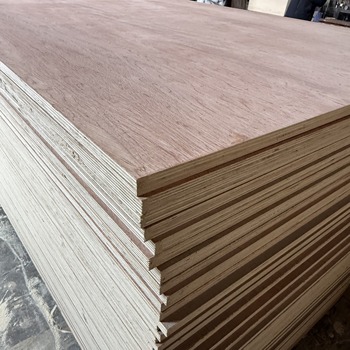
Commercial plywood is the flexible workhorse for furniture carcasses, packaging, roofing, shop fit-outs and general joinery. For buyers who need a repeatable container programme, poplar, eucalyptus, combi or pine cores can be matched with okoume, bintangor, birch or pine faces. Confirm whether MR or WBP glue suits the final use, and select E0, E1, E2 or CARB-related formaldehyde compliance according to the market. For structural or roofing applications, specify CDX or equivalent construction-grade quality instead of assuming every commercial plywood is suitable.
Film faced plywood is a construction solution, so the specification should begin with the pour cycle. Brown or black phenolic film, sealed edges and WBP phenolic glue help produce a smooth concrete surface and support repeat use. Buyers should confirm thickness tolerance, film weight, core quality, re-use expectations and release-agent practice. For high-rise cores, slabs and infrastructure projects, a consistent 18 mm or 21 mm supply with clear inspection records often matters more than the lowest headline price. Mixed-load options can include corner protectors and export packing suitable for ocean transport.
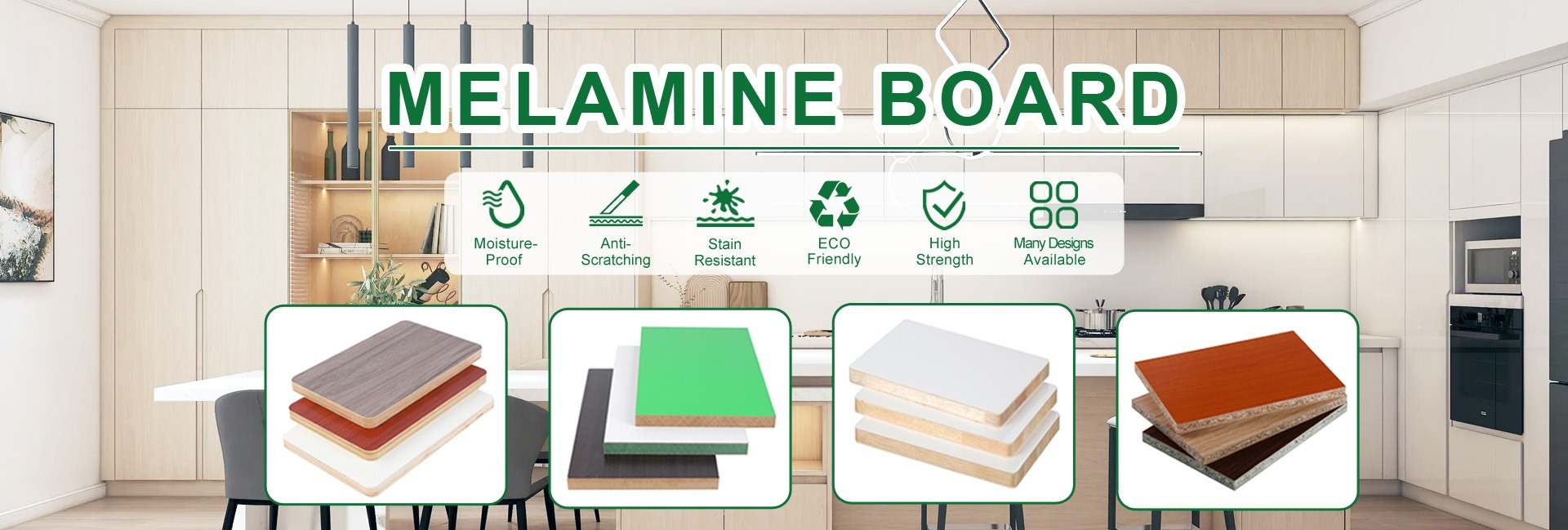
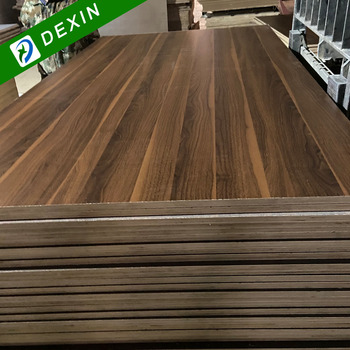
Melamine plywood solutions are aimed at wardrobes, kitchen cabinets, office furniture and interior fit-outs. Single- or double-sided melamine paper on poplar or eucalyptus cores is available in solid colours and wood grains, with matt or glossy finishes. The practical questions are colour consistency, scratch resistance, edge quality and whether the panel will be cut, edge-banded or CNC-routed. For European or North American buyers, request E0, E1 or CARB documentation in advance. Selecting the decor system early helps avoid later mismatches between carcass panels, doors and visible side panels.
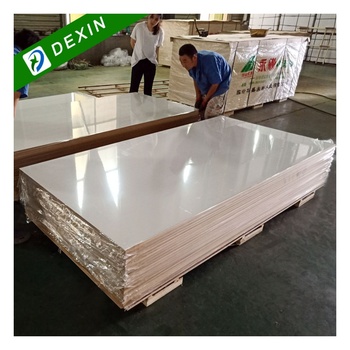
UV MDF and PET MDF solve a different problem: a decorative, wipe-clean cabinet door surface with efficient installation. UV-cured high-gloss coating provides a bright finish for kitchens, wardrobes and bathroom vanities, while PET film offers matt, mirror or textured effects with strong scratch resistance. Buyers should decide whether the visible face, reverse face and edge treatment need the same finish. For humid projects, pair the correct MDF substrate with edge sealing and confirm the expected cleaning chemicals. Samples are strongly advised because gloss level and colour temperature can shift under different lighting.
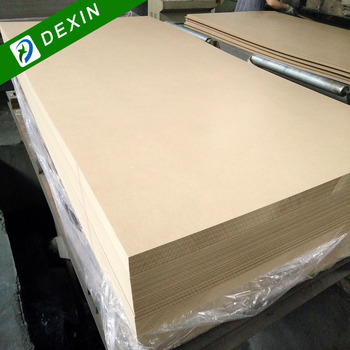
Plain MDF is the right basis for painting, laminating, veneering, CNC routing and furniture components. Sanded raw MDF and green HMR moisture-resistant MDF support different production routes. Instead of asking only for “MDF”, specify density, thickness tolerance, surface finish, screw-holding expectations and formaldehyde class. For flat-pack furniture or routed panels, request machining samples. For projects in damp climates, HMR is often a better risk choice than standard MDF. Order planning should also allow for moisture protection during transit, because raw MDF can absorb humidity if packaging and storage are not controlled.
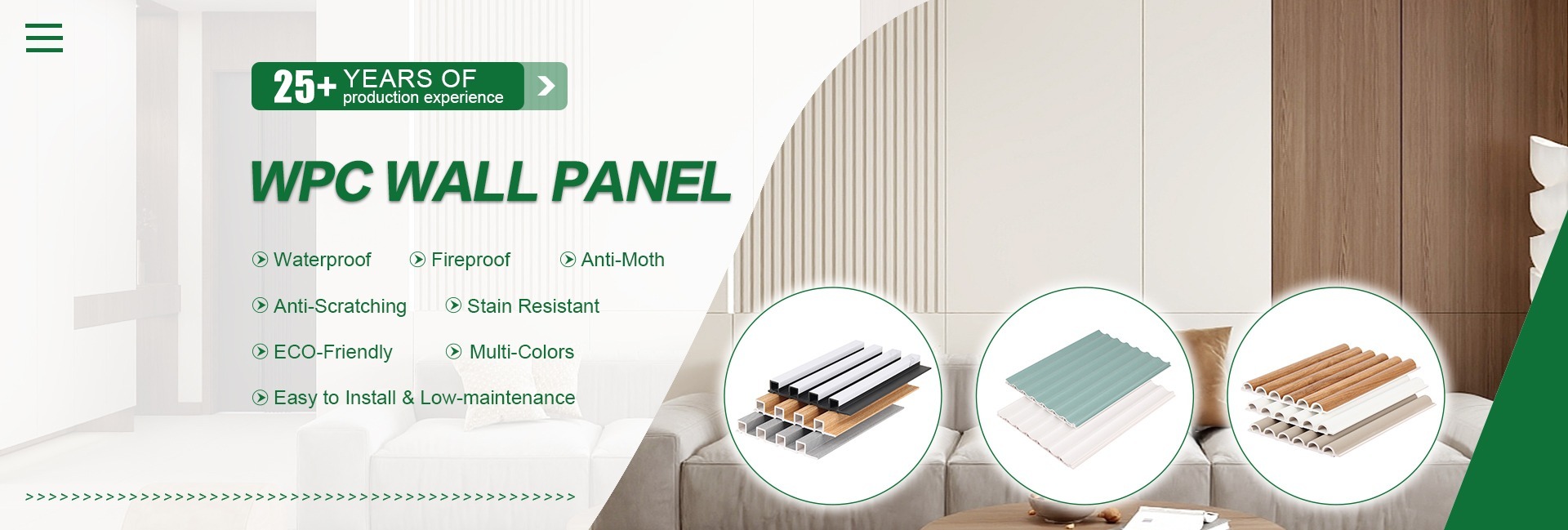
WPC wall panels and bamboo charcoal boards are fast-install decorative solutions for hotels, retail, offices, apartments and renovation projects. Waterproof wood-plastic composite panels with wood-grain finishes are useful in humid interiors, while decorative boards add marble, metallic or solid finishes for feature walls. Buyers should check panel length, jointing profile, expansion allowance, fire documentation, packing and the intended substrate. A complete wall panel solution includes trims, adhesives or fixing accessories, installation instructions and a realistic sample board so designers can approve texture before volume production. This is especially important when the final buyer expects a consistent finish across multiple floors.
Match the Panel Solution to the Installation Method
Buyers often compare product names, but the more reliable approach is to compare the working environment, fixing method, finish expectation and compliance requirement.
Construction and Formwork
For concrete formwork, film faced plywood with WBP phenolic glue is a common solution because the film surface and sealed edges support release and re-use. Confirm thickness, film type, core quality and pour-cycle expectations. Contractors should also plan handling, storage and release-agent procedures, since panel performance depends on site practice as well as factory quality.
Recommended: film faced plywood, commercial CDX plywood
Furniture and Cabinetry
Furniture producers typically need a repeatable surface and a reliable machining supply. Melamine plywood supports carcass construction, UV MDF and PET MDF provide decorative door surfaces, and plain MDF serves painting, laminating and routing processes. Buyers should approve colour, gloss level, edge treatment and substrate together rather than treating them as separate purchases.
Recommended: melamine plywood, UV MDF, PET MDF, plain MDF
Interior Wall Systems
Decorative wall systems are often judged by installation speed, visual consistency and moisture performance. WPC wall panels and bamboo charcoal boards can be packed with trims and installation guidance for hotels, retail and residential projects. For feature walls, buyers may also review PU stone textures when a stone appearance is required without the weight of natural stone.
Wood Panel Procurement Trends Global Buyers Should Plan For
Panel sourcing is becoming more evidence-based. Buyers want fewer surprises in compliance, quality and delivery, and they increasingly use digital checks before placing a container order.
Compliance-First Sourcing
Emission class, certification scope and test reports are now part of the buying decision, not an afterthought. Buyers should ask for documents that match the exact product and destination market, and keep the approved specification attached to the purchase order.
Mixed and Flexible Orders
Distributors increasingly want mixed containers that combine plywood, MDF and wall panels. This reduces stock pressure and lets them test several products in one shipment. Clear pallet planning, weight limits and product separation are essential for a successful mixed load.
Remote Verification
Video inspection, loading photos, sample libraries and digital documents help overseas buyers verify progress without travelling for every order. Suppliers that can provide clear production and loading evidence reduce communication risk and speed up approval.
Traceable Supply Chains
FSC chain-of-custody, stable raw-material sourcing and documented quality checks are becoming more important to project buyers and retail brands. Traceability supports claims, reduces procurement risk and helps suppliers respond to buyer questionnaires more confidently.
Product Development
Panel Development Trends Shaping Better Solutions
The next buying cycle will reward suppliers who can combine material performance, decorative consistency and documented compliance — not simply offer the lowest board price.
Development Trend
What It Means for Buyers
Recommended Buying Action
Lower-emission boards
E0, E1, E2 and CARB-related requirements continue to shape furniture and interior projects. Documentation must match the product and destination.
Attach emission grade and test-report requirements to the quotation and approved sample.
Decorative surface growth
Melamine, UV, PET and natural veneer surfaces give buyers more choices for cabinets, feature walls and retail interiors.
Approve colour, gloss, texture and edge treatment under the intended lighting.
Moisture-resistant construction
HMR MDF, WBP plywood and WPC panels are increasingly specified for humid environments and wet installation zones.
Clarify the substrate, sealing method and maintenance expectation before ordering.
Lightweight wall systems
WPC and decorative boards reduce installation time and handling weight for renovation projects.
Order trims, fixings and installation guidance together with the panels.
More customization
Buyers request custom sizes, cores, faces, glue types, logo printing and packaging for their own market.
Confirm drawings, packaging artwork and approval steps before production begins.
Better sample management
Physical samples and digital images both support remote approval, but colour reproduction can vary by screen and light.
Use physical samples as the final reference and keep approved samples on file.
A specification that was acceptable several years ago may not satisfy today’s buyer questionnaire. Review certification, substrate, surface and packaging together before confirming a repeat order.
25+Years in wood panels
Enterprise Advantages
Why Linyi KUDE International Trading Co., Ltd. Is a Practical Solutions Partner
Linyi KUDE International Trading Co., Ltd. is the export platform of a wood-based panel manufacturing group founded in 1998 in Linyi, Shandong, China’s major man-made board production cluster. The company is located close to raw-material, veneer, glue and processing resources, which helps support stable sourcing and practical production planning for export orders.
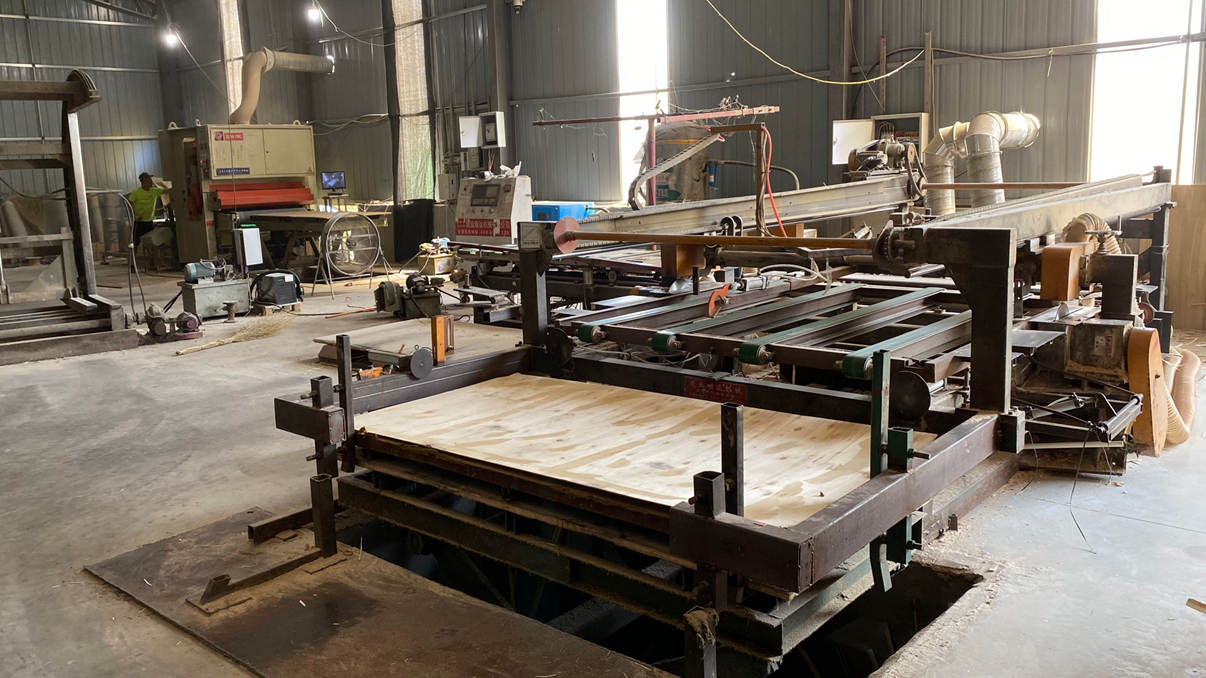
The group operates more than 30 sets of production machines in 30,000 m² of workshops, with over 300 workers and an annual output of 60,000 m³ of plywood, blockboard, MDF and particle board. Its operating principle is simple: survival by quality, development by prestige. For buyers, this translates into a focus on specification discipline, consistent quality checks and long-term cooperation rather than one-off transactions.
The company has more than 20 years of production experience and around 15 years of export experience, serving buyers in the European Union, United States, Caribbean, South America, Africa, Southeast Asia, Eastern Europe and the Middle East. Its supplier profile has passed an on-site assessment by SGS, and the manufacturing group holds CE, ISO 9001, ISO 14001, FSC and CARB certifications. Formaldehyde grades E0, E1 and E2 can be discussed according to product and destination requirements.
Customization is available on a sample, design or full-order basis, including size, thickness, core species, face veneer or decor, glue type, logo printing and export packaging. Payment can be arranged by T/T or L/C in USD, EUR or CNY, with FOB, CFR, CIF and EXW terms. MOQ varies by product line, typically from 50 to 500 sheets, and several products can be combined in one container after specifications are confirmed.
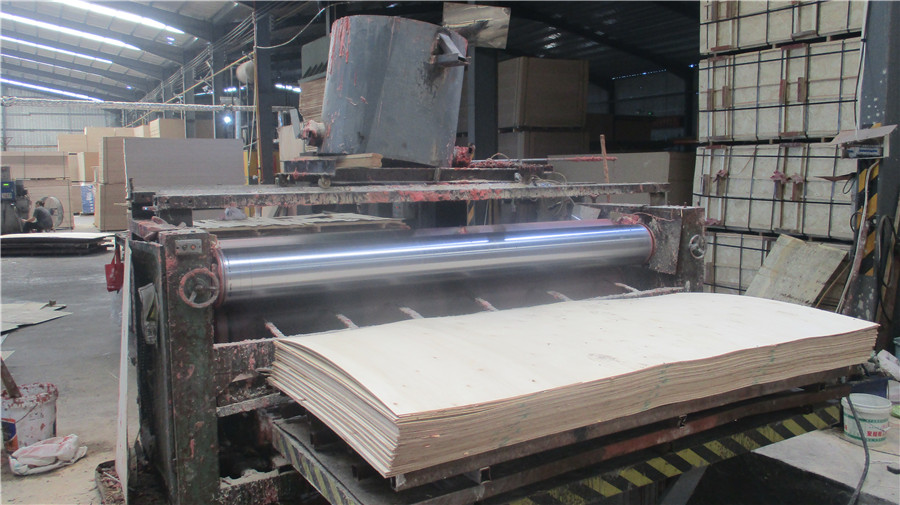
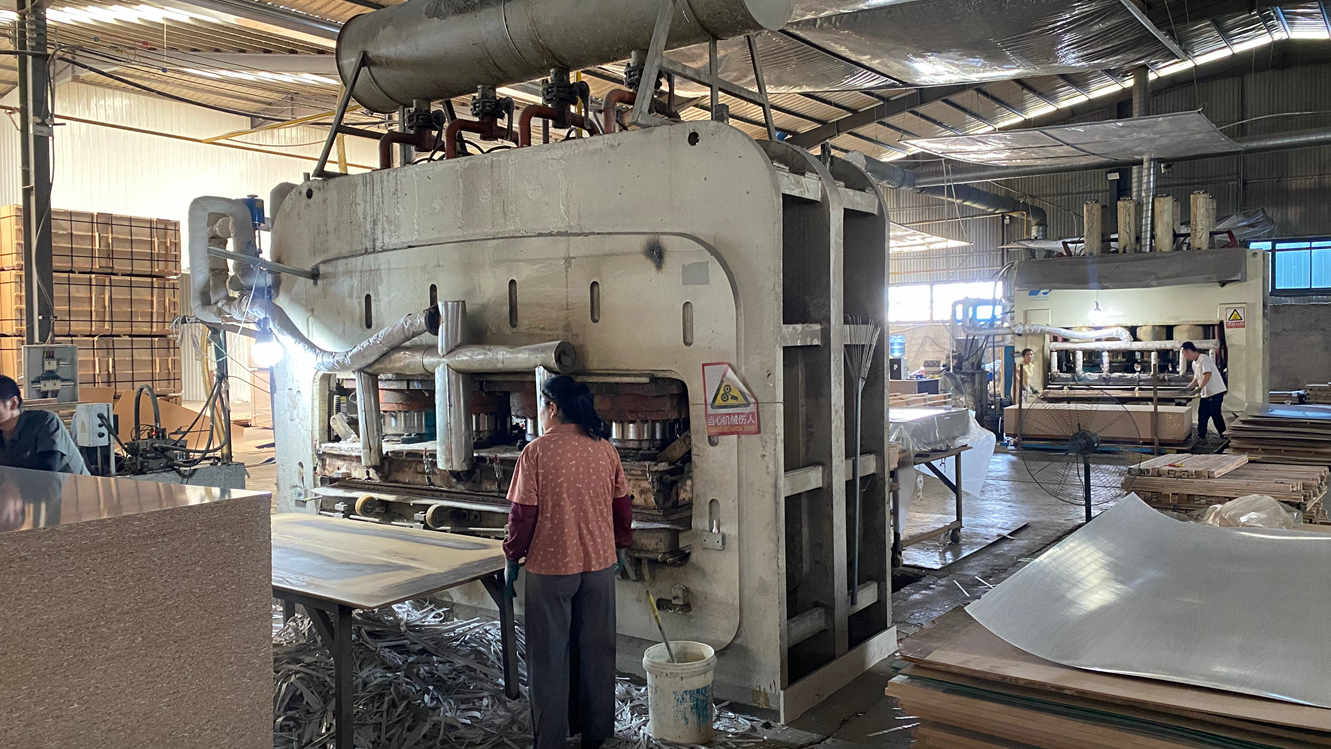
A reliable wood panel solution depends on process control from raw material to container loading. These checkpoints support consistent export quality.
Material Selection
Veneer grading, core review and moisture checks before gluing.
Gluing & Pressing
Controlled glue spread and pressing cycles based on product type.
Sanding & Surfacing
Calibrated sanding, lamination, film overlay or decorative finishing.
Inspection
Thickness, flatness, bonding, surface and packaging checks.
Packing & Loading
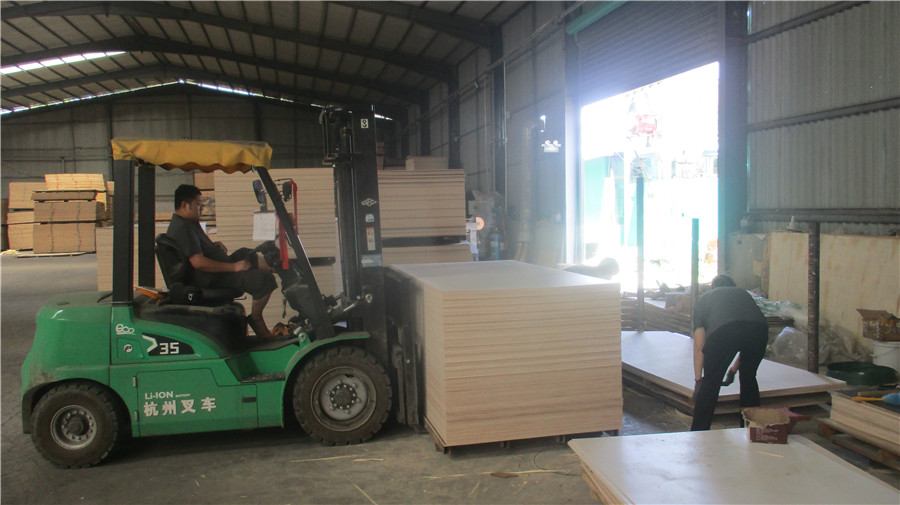
Export pallets, steel straps, moisture protection and loading photos.
ISO 9001ISO 14001CEFSCCARBSGS Assessed
Buyer FAQ
Frequently Asked Questions About Wood Panel Solutions
These are the questions global buyers commonly ask when comparing plywood, MDF and decorative wall panel solutions before requesting a quotation.
What are the best wood panel solutions for kitchen cabinets?
The best solution depends on the door, carcass and budget. Melamine plywood or plain MDF can be used for carcasses, while UV MDF and PET MDF are common for visible doors. For humid kitchens, HMR MDF or moisture-resistant plywood with sealed edges is often a better risk choice. Confirm emission grade, colour consistency, edge banding and destination compliance before ordering.
Which plywood solution is best for concrete formwork?
Film faced plywood with WBP phenolic glue is the usual solution. Specify thickness, film colour, film weight, core quality, edge sealing and expected re-use cycles. For visible concrete finishes, request samples and inspection records. Consistent quality matters more than a single low price in multi-pour programmes.
How can buyers verify E0, E1, CARB and FSC compliance?
Ask for current certificates, test reports and the exact product scope covered. Check that the certificate holder, factory, product type and emission class match the quotation. For FSC, confirm chain-of-custody status and how it applies to the order. Linyi KUDE International Trading Co., Ltd. holds CE, ISO 9001, ISO 14001, FSC and CARB credentials and can prepare product documents for review before shipment.
What is the minimum order quantity and standard lead time?
MOQ depends on the product line, typically from 50 to 500 sheets, and several products can be combined in one container after specifications are confirmed. Lead time depends on stock, decor, customization and shipping schedule. Buyers should provide panel type, size, thickness, grade, quantity, destination port and target date so the export team can return a realistic plan.
Can several panel products be combined in one container?
Yes. Mixed containers are often practical for distributors and project buyers who need plywood, MDF and wall panels in one shipment. Confirm loading sequence, weight limits, pallet dimensions, packaging and moisture protection before booking. A clear packing plan helps avoid damage and ensures that each product can be identified after arrival.
Which wall panel solution is suitable for humid interiors?
WPC wall panels and bamboo charcoal boards are common options for humid interiors because they resist moisture and install quickly. Confirm the panel profile, joint system, trims, fixing accessories and fire documentation. For bathrooms or wet areas, the substrate and sealing detail are as important as the surface. A sample board should be approved under the lighting used in the final project.
Can samples and test reports be provided before order?
Yes. Samples are normally available for colour, texture, thickness and surface approval. Test reports and certification documents can be reviewed according to product and destination market. For custom decor, allow time for sample approval before volume production. Request documentation early so the order file is complete before shipment and the approved sample can be used as the reference for inspection.
Request a Solution
Ask for a Spec-Matched Wood Panel Solution
Share the panel type, size, thickness, emission grade, surface, quantity, destination port and target certifications. The export team will reply with a practical product recommendation, documentation checklist and delivery plan.