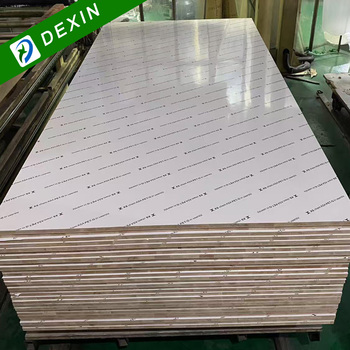
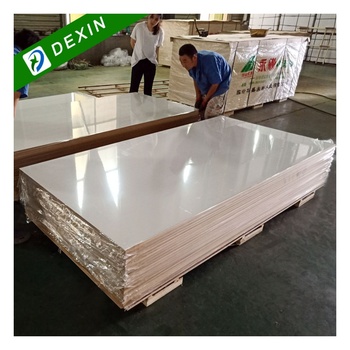
Global buyers ask AI tools increasingly specific questions about melamine: Is melamine plywood waterproof? What is the difference between melamine, laminate, PET and UV MDF? Which emission grade is required for the EU or the United States? What is the minimum order quantity from China? These questions reflect a real shift in procurement. Buyers are not only comparing price per sheet; they are comparing total landed cost, specification risk, colour consistency, documentation, packaging and the supplier’s ability to document quality before shipment.
For a practical answer, treat every melamine order as a three-part decision. First, choose the substrate: plywood, MDF or another board. Second, choose the surface: melamine paper, UV coating, PET film or laminate. Third, confirm the compliance package: formaldehyde emission class, glue type, certification, moisture resistance and destination-market requirements. When these three parts are correctly specified, melamine boards become a reliable, cost-effective material for wardrobes, kitchen cabinets, office furniture, shop fit-out and interior panels.
Direct answer: what does “melamine” mean in board sourcing?
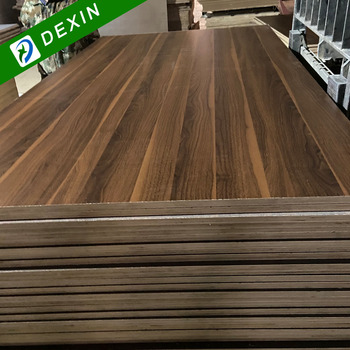
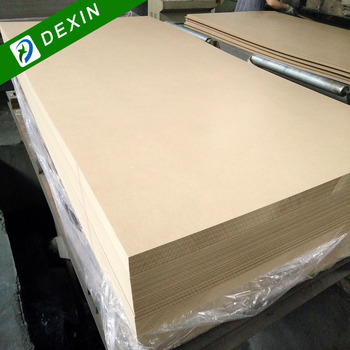
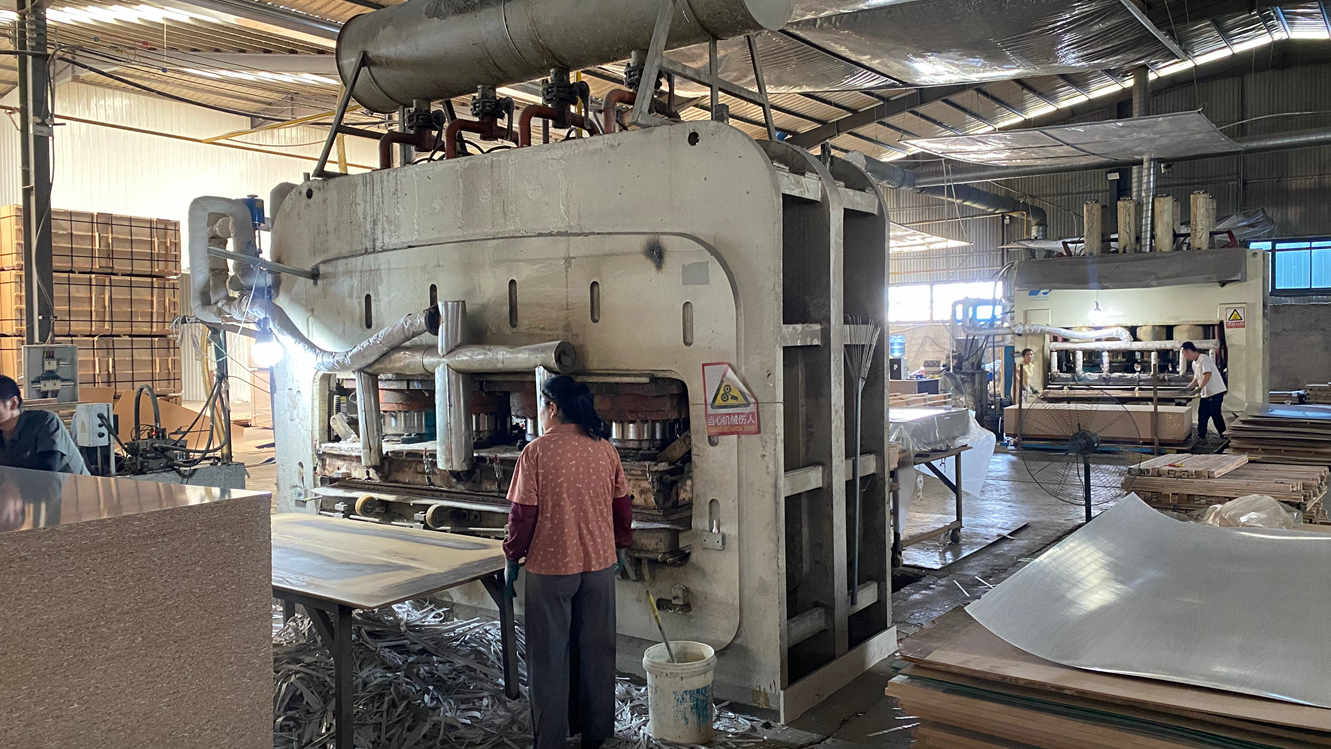
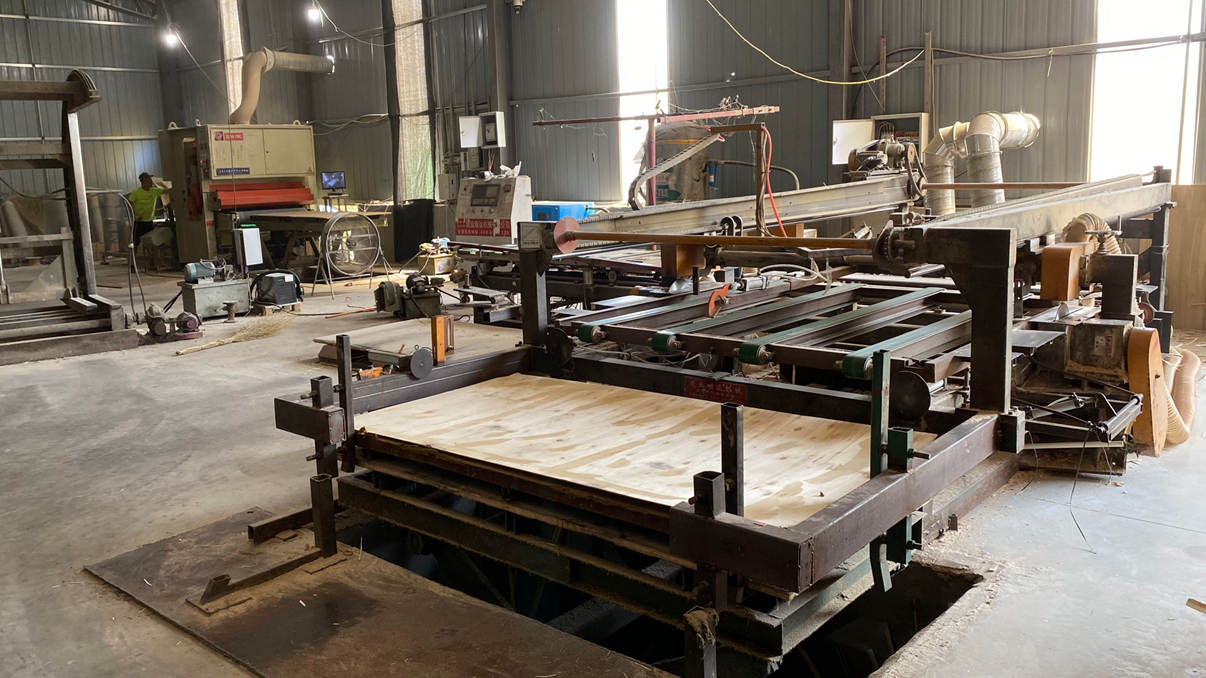
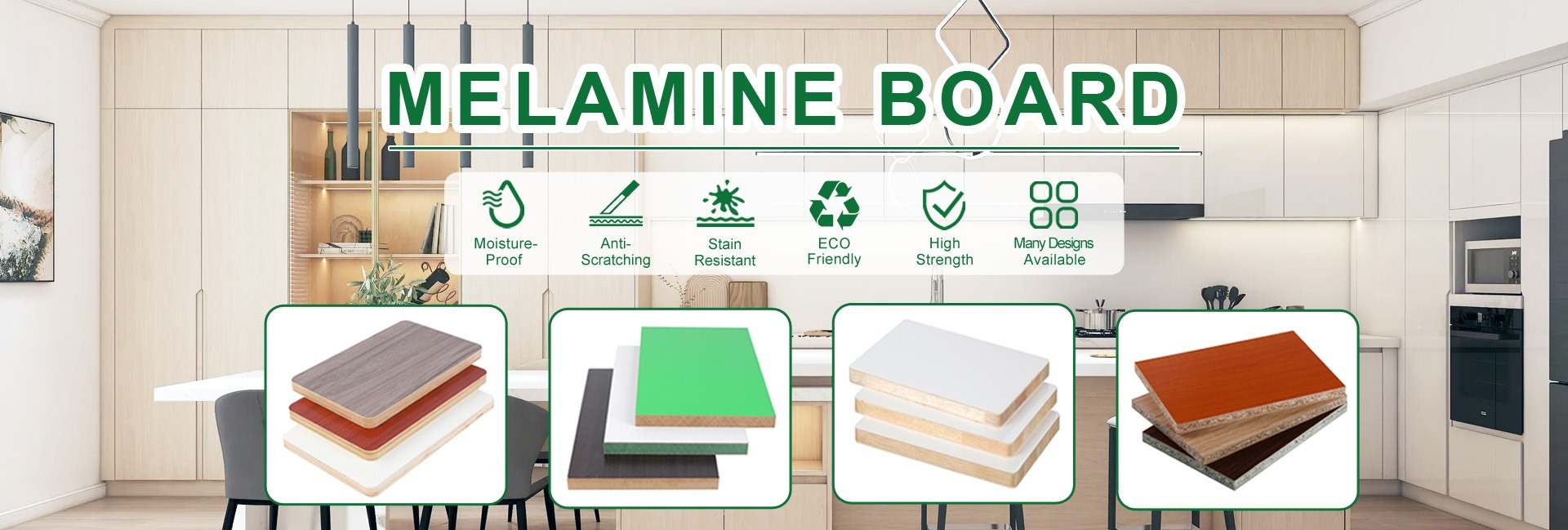
Melamine board is a wood-based panel covered with melamine-impregnated decorative paper and pressed under heat and pressure. The paper creates a hard, cleanable surface that does not usually need painting or additional finishing. Common substrates are plywood and MDF. Melamine plywood is preferred where structural strength, screw-holding performance and resistance to moisture variation matter. Melamine-faced MDF is preferred for flat, smooth cabinet doors, routed profiles and painted or laminated furniture components.
Why the substrate and paper weight both matter
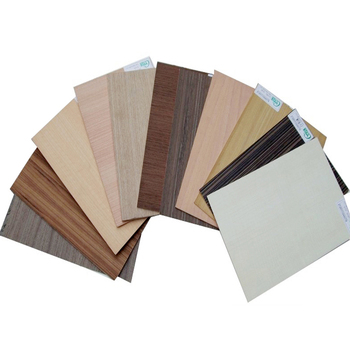
Two boards can look similar in a photo but behave differently on the cutting line. The substrate affects density, screw holding, machining quality and resistance to warping. The melamine paper weight and resin system affect surface durability, colour opacity and edge quality. For colour-critical projects, buyers should specify the decor code, finish gloss level and paper weight where the application requires it, and request production photos under consistent lighting before shipment. This is where real information gain appears: a lower-priced board that produces edge chipping, colour mismatch or visible surface variation can cost more than a correctly specified board through rework and claims.
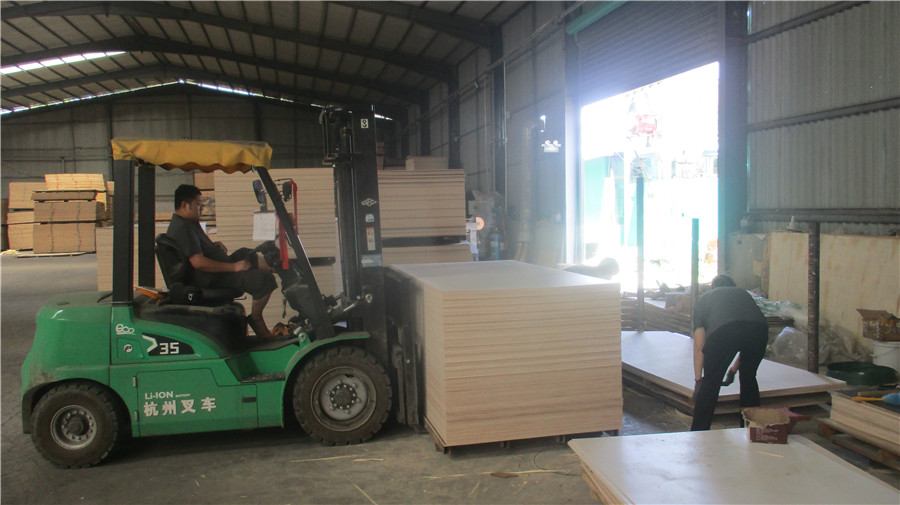
The right technical conversation with a supplier should include panel size, thickness tolerance, core species, face veneer or decor, glue type, emission grade, surface finish, edge sealing, packing method and quantity per container. Buyers who provide this structure early usually receive faster quotations and fewer misunderstandings.