A practical buyer guide for global importers: waterproof wood-plastic composite profiles, wood-grain and stone-look finishes, custom colors and export packing from Linyi KUDE International Trading Co., Ltd.
What Is Decorative WPC Wall Cladding and Who Is It For?
Global buyers usually ask three questions first: what the material is, where it can be used, and how to compare suppliers. The answers below are written for importers, distributors, contractors and interior specifiers.
3DProfiles & finishes
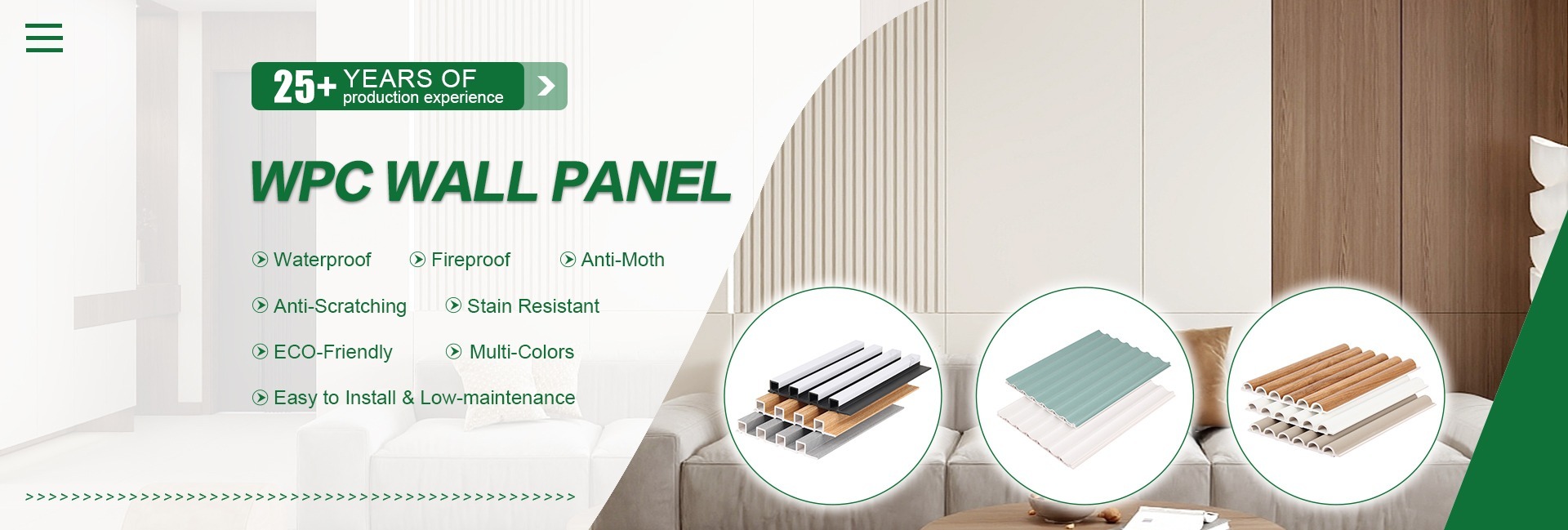
Decorative WPC wall cladding is a decorative wall covering made from a wood-plastic composite, typically a blend of polymer resin, wood powder or natural fiber, and additives for UV stability, color and processing. It is designed to imitate wood grain, stone, marble, metal or solid paint finishes while offering more consistent water resistance and lower maintenance than natural timber in suitable interior applications.
For international procurement, the term “decorative WPC wall cladding” often covers several formats: flat wall panels, fluted or grille panels, co-extruded profiles, ceiling panels, and matched accessories such as corner trims, end caps and adhesives. Buyers should confirm whether the product is solid or hollow, the surface process, the profile width and the recommended installation method, because two suppliers may use the same name for different specifications.
Typical applications include hotel corridors and guest rooms, retail stores, office reception areas, showrooms, cafés, residential feature walls, ceilings and covered balconies. WPC wall cladding is not a structural material and should not replace load-bearing panels. For exterior use, buyers should specify a UV-stabilized, co-extruded or outdoor-grade formulation and confirm the warranty, color-fastness data and fixing system for the project climate.
Waterproof surface for humid interiors
Fast dry-fix installation with trims
Wood, stone, metal and solid decors
Custom colors for distributor programs
Product Recommendations
Recommended Decorative WPC Wall Cladding Products from KUDE
Match the profile to the installation environment, then confirm thickness, surface treatment, color tolerance, accessories and packing before placing a container order. Our export team can combine multiple WPC finishes with plywood and MDF in one shipment.
Best Seller
Wood-Grain Interior WPC Wall Cladding
Embossed wood-grain cladding for hotel rooms, living areas, corridors and office walls. Low-gloss surfaces reduce glare, while click-lock or adhesive installation keeps site work fast and clean.
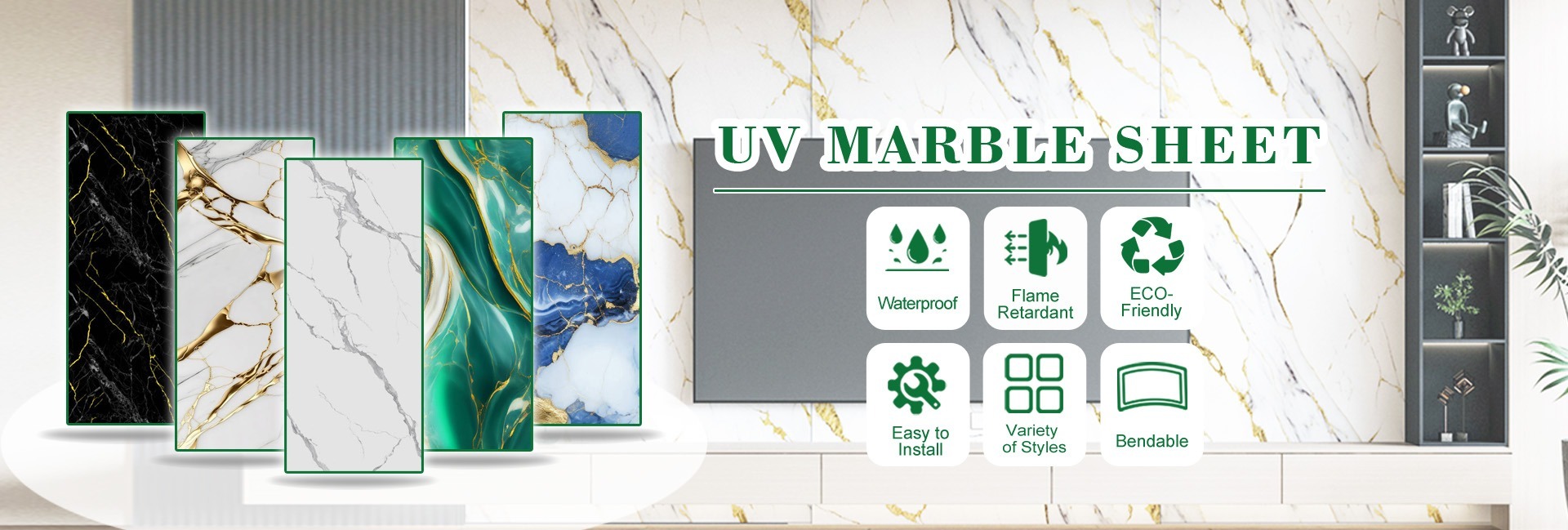
Decorative wall boards with marble, travertine or stone-look surfaces for bathrooms, hotel lobbies, retail interiors and fast renovation projects where a light weight and clean joint are important.
For covered facades, balcony walls and soffits, co-extruded surfaces add UV and scratch resistance. Buyers should confirm expansion gaps, fixing clips and color-fastness test data for the destination climate.
Complete the system with corner trims, end caps, starter profiles, fixing clips and adhesives. Color-matched accessories reduce installer errors and improve the final appearance on large projects.
Develop private-label colors, embossing patterns and packaging for distributor programs. We retain approval samples and production records to support repeat orders and project warranties.
Decorative WPC Wall Cladding Procurement Trends Global Buyers Should Plan For
Procurement teams are no longer comparing only price per square meter. They are building supplier scorecards around documentation, color consistency, installation risk, compliance and delivery reliability.
Low-VOC Documentation
Importers increasingly request material composition, VOC, heavy-metal and REACH or RoHS statements before listing decorative wall cladding. Batch-level test reports are becoming part of supplier approval.
Color Consistency as a KPI
Hotel and retail projects require approved samples under D65 lighting. Buyers now ask suppliers to record extrusion parameters, film lot numbers and retained samples for repeat orders.
Complete Installation Systems
Distributors prefer one supplier for panels, trims, clips, adhesives and installation drawings. A complete system reduces site errors and after-sales claims, especially for mixed-profile orders.
Mixed-Container Procurement
Buyers combine WPC cladding with plywood, MDF or other panel lines to fill containers efficiently. One coordinated supplier reduces loading delays and documentation mistakes.
Fire Performance Requirements
Public projects and commercial interiors often ask for fire test reports, smoke data and country-specific compliance. Buyers should specify the required grade before sample approval.
Digital Supplier Verification
Factory video tours, live production checks and third-party pre-shipment inspections are now expected by serious importers. Loading photos and container plans help verify the shipment before departure.
Climate-Specific Specifications
Tropical humidity, coastal salt air and cold-weather installation each require different fixing details and expansion allowances. Buyers are asking for project-specific installation guidance rather than generic advice.
Sustainability and Recycled Content
Recycled polymer content, reduced packaging waste and long service life are becoming tender criteria. Suppliers who can document material sourcing and post-consumer content gain an advantage.
Product Development Trends
How Decorative WPC Wall Cladding Is Evolving
Product development is moving toward more realistic surfaces, easier installation, higher weather resistance and better project documentation. These trends matter for distributors planning next year's catalogue.
Co-Extrusion and UV Protection
Co-extruded surfaces add a protective cap over the core, improving color retention, scratch resistance and weather performance. This is especially important for covered exterior cladding and balcony applications.
Best for: outdoor-grade profiles and premium interior ranges
Ultra-Matt and Tactile Finishes
Designers are moving away from high-gloss surfaces toward soft-touch, ultra-matt and synchronized embossing. These finishes hide fingerprints and look closer to natural wood or mineral materials.
Best for: hotels, retail, office and residential interiors
Fluted and Seamless Formats
Fluted, slatted and large-format seamless panels give specifiers more design freedom. Matching trims and concealed fixing systems help reduce visible joints and simplify installation.
Best for: feature walls, reception areas and ceiling systems
Fire-Retardant Formulations
Fire-retardant and low-smoke WPC compounds are being requested for commercial and public projects. Buyers should confirm the exact test standard, classification and thickness before approval.
Best for: commercial interiors and regulated projects
Digital Printing and Custom Decors
Digital decoration allows marble, metal, fabric and abstract designs on WPC substrates. For distributors, custom decors can differentiate a catalogue without requiring a completely new extrusion profile.
Best for: private-label collections and designer projects
Lightweight Hollow-Core Designs
Hollow-core profiles reduce freight weight and make handling easier on site. The trade-off is impact resistance, so buyers should request a sample and confirm the suitable application with the supplier.
Best for: large wall areas and cost-sensitive projects
Information Gain
Decorative WPC Wall Cladding Compared with PVC, Laminate and Natural Wood
Use this comparison to shortlist materials for a project, then confirm final performance with samples, test reports and installation details. Values below are typical and should be verified for each order.
Material
Water Resistance
Impact and Durability
Maintenance
Best-Fit Use
Buyer Note
Decorative WPC Wall Cladding
High for interior and covered exterior use
Moderate to high depending on solid or hollow core
Wipe-clean, low maintenance
Hotels, offices, retail, residential walls and ceilings
Confirm UV grade for sun exposure and expansion gaps for large areas.
PVC Wall Panel
High
Lower impact resistance than thick WPC
Low maintenance
Budget interiors, wet areas and quick renovation
Check heat resistance, rigidity and surface gloss before specification.
Laminate or MDF Wall Panel
Moderate; depends on core and sealing
Good for dry interiors
Low to moderate
Dry interior feature walls and cabinetry-matched panelling
Not ideal for constant moisture; confirm substrate and edge sealing.
Natural Wood Cladding
Requires coating and maintenance
High when correctly installed
Regular oiling or painting
Premium interiors and covered exterior features
Allow for movement, moisture and seasonal color change.
Typical comparison only. Final choice depends on project conditions, local building regulations and approved samples.
QCBatch checks
Supplier Evaluation
How to Evaluate a Decorative WPC Wall Cladding Supplier
A low quotation can hide costs in color rework, damaged panels, missing accessories or delayed documentation. A reliable supplier should answer technical questions clearly, provide samples that match production, and document the approval process.
Request a full material data sheet and surface specification
Confirm UV stabilizer, color-fastness and fire performance data
Test click-lock tolerance and accessory fit on a sample
Approve color under D65 lighting and retain the sample
Review packing drawings, carton marks and container loading plan
Verify business license, certifications and third-party reports
Clarify MOQ, lead time, payment terms and after-sales response
Ask for loading photos and a pre-shipment inspection report
Linyi KUDE International Trading Co., Ltd. supports sample review, technical data, color matching, mixed-container planning and export documentation. For project orders, our team can review installation drawings and packing requirements before production.
Why Global Buyers Choose Linyi KUDE International Trading Co., Ltd.
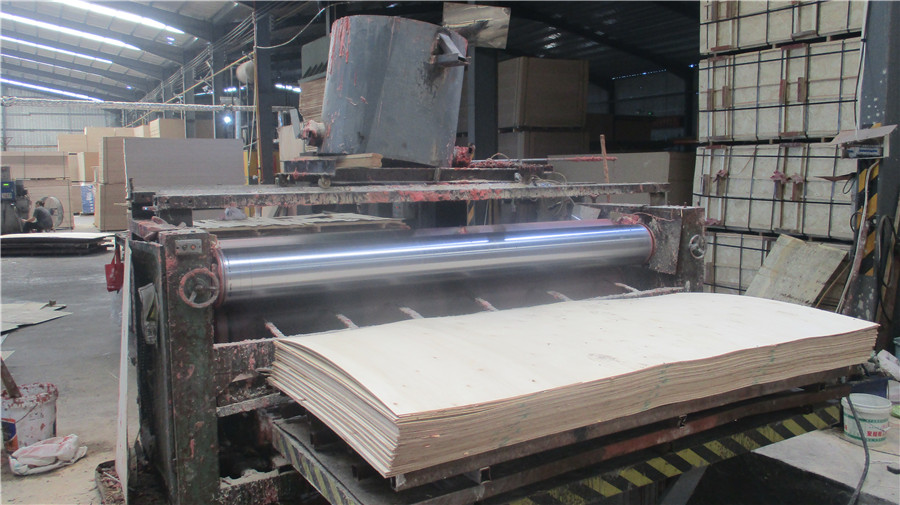
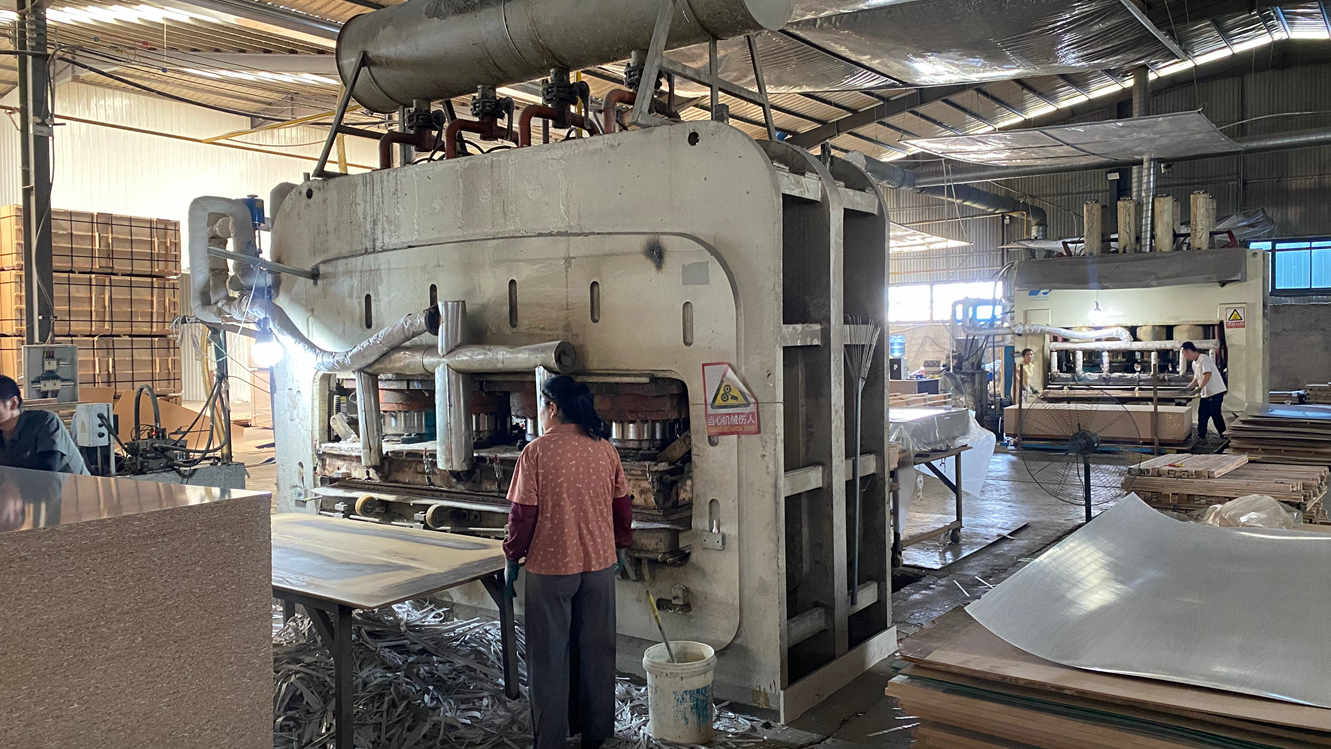
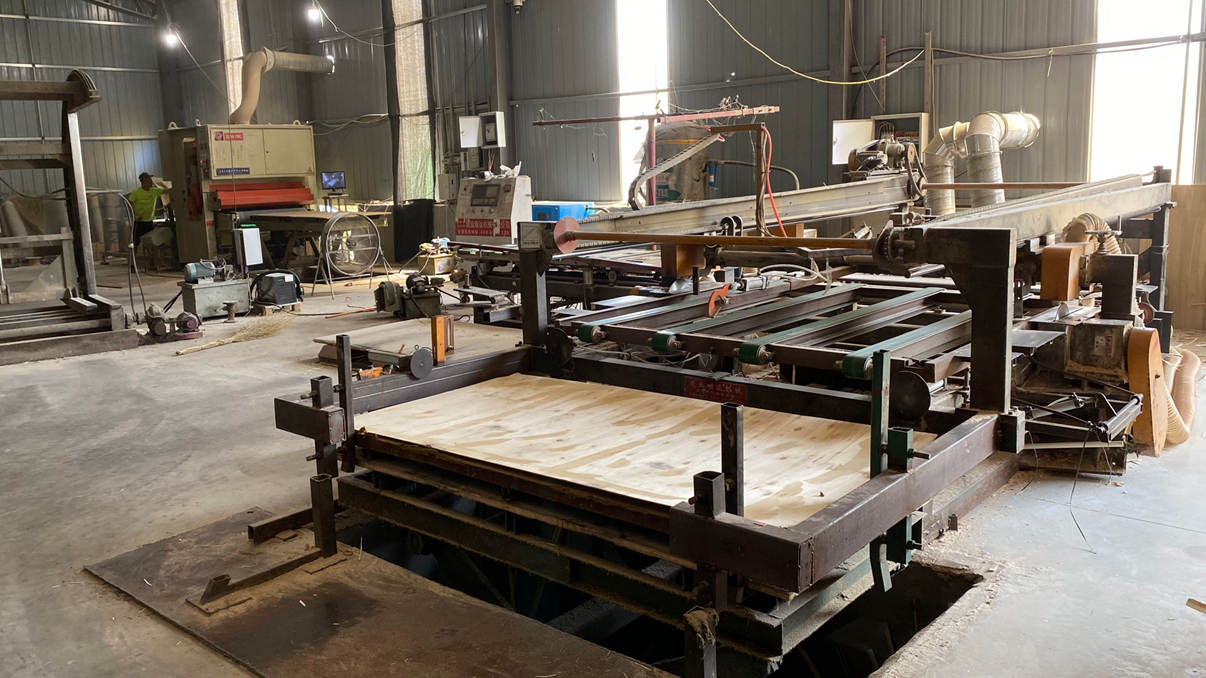
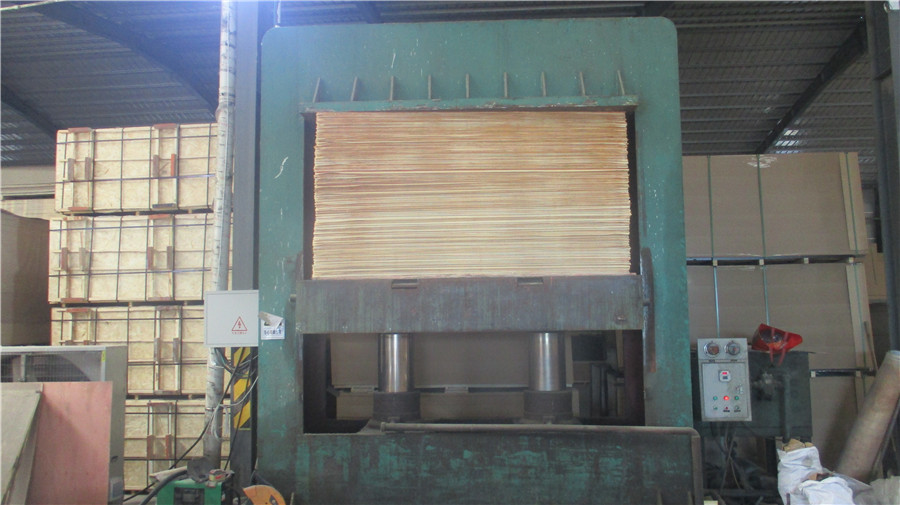
Linyi KUDE International Trading Co., Ltd. is the export platform of a wood-based panel manufacturing group founded in 1998 in Linyi, Shandong, one of China's largest wood-based panel production clusters. The group operates more than 30 sets of production machines in 30,000 m² of workshops, with over 300 workers and an annual output of 60,000 m³ of plywood, blockboard, MDF, particle board and decorative panel products.
Our principle is simple: survival by quality, development by prestige. For decorative WPC wall cladding buyers, this means disciplined raw-material selection, stable extrusion and lamination processes, practical packaging, and export documentation that matches the order. Our manufacturing group holds ISO 9001, ISO 14001, CE, FSC and CARB certifications, and our supplier profile has passed an on-site assessment by SGS. Formaldehyde grades, test reports and compliance documents are discussed according to the product and destination market.
Plywood, MDF and decorative wall panels from one export team. Buyers can combine WPC cladding with other panel lines in a mixed container.
Verified Quality Systems
ISO 9001 and ISO 14001 management, with CE, FSC and CARB available across relevant panel lines. Batch checks cover surface, tolerance and packing.
Flexible Customization
Sample-based, design-based and full customization of size, profile, color, surface finish, logo printing and export packaging.
Export-Ready Logistics
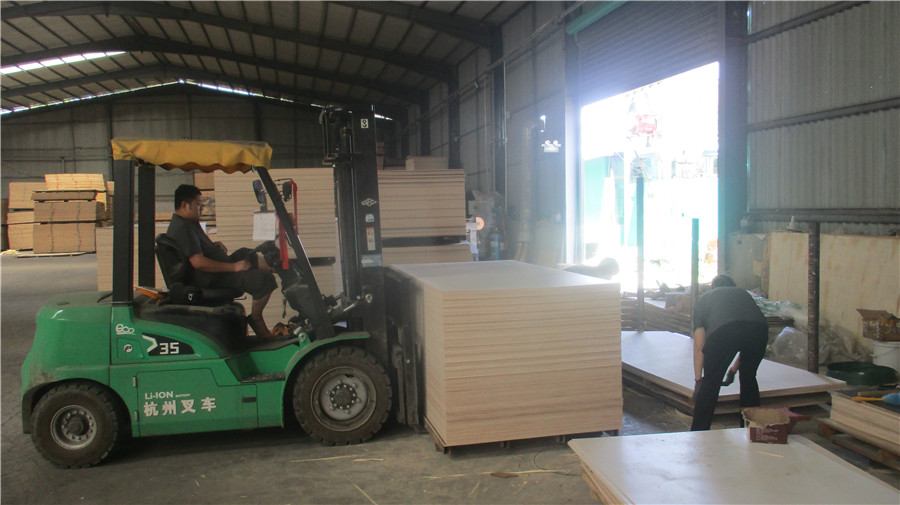
FOB, CFR, CIF and EXW terms; T/T and L/C payment; seaworthy packing, loading photos and full export documentation.
Inside Our Linyi Production Base
Buyer FAQ
Decorative WPC Wall Cladding Questions Global Buyers Ask
These answers reflect the questions our export team receives from importers, distributors, contractors and interior specifiers. Final specifications are confirmed against approved samples and order documents.
What is decorative WPC wall cladding made of?
Decorative WPC wall cladding is normally made from a wood-plastic composite that combines polymer resin, wood powder or natural fiber, and additives for color, UV stability and processing. The exact formulation affects water resistance, impact strength, surface feel and suitability for interior or covered exterior use. Buyers should request a material data sheet rather than comparing only from photos.
Is decorative WPC wall cladding waterproof?
WPC wall cladding is highly water-resistant and is commonly used in humid interior areas such as hotel bathrooms, kitchens, corridors and retail spaces. For constant water contact or fully exposed outdoor use, buyers should confirm the profile design, sealing method and UV-stabilized formulation with the supplier.
Can decorative WPC wall cladding be used outdoors?
Yes, provided the buyer specifies a co-extruded or outdoor-grade WPC formulation with UV stabilizers, suitable fixing clearances and a project-specific warranty. Covered facades, balconies and soffits are more suitable than fully exposed surfaces unless the supplier has confirmed the relevant test data.
What is the difference between decorative WPC wall cladding and PVC wall panels?
WPC contains wood powder or natural fiber, giving it a warmer feel, lower gloss and a more wood-like appearance, while PVC panels are usually lighter and lower in cost. WPC generally offers better dimensional stability and surface realism for premium interiors, but the correct choice depends on budget, installation method and project performance requirements.
What sizes, colors and finishes can Linyi KUDE International Trading Co., Ltd. supply?
Typical decorative WPC wall cladding options include flat panels, fluted profiles, ceiling profiles and matching trims in wood-grain, stone-look, marble-look, metallic and solid-color finishes. Width, thickness, length, color and packaging can be customized after sample approval and order confirmation.
How is decorative WPC wall cladding installed?
Most panels are installed with adhesive, clips, battens or a combined mechanical fixing system, depending on the profile and substrate. Buyers should request an installation drawing, expansion-gap guidance and accessory list before site work begins.
What is the MOQ and production lead time?
MOQ depends on profile, color and packaging requirements, and mixed-container orders can often combine WPC cladding with plywood or MDF. Production lead time is confirmed after sample approval, deposit and packaging artwork are finalized.
Can buyers request samples and color matching?
Yes. We support sample selection, color matching against RAL, Pantone or physical references, and retained approval samples for repeat orders. Buyers should evaluate color under D65 lighting and confirm surface gloss, texture and profile dimensions on the approved sample.
Which certifications and test reports are available?
Our manufacturing group works under ISO 9001 and ISO 14001 systems, with CE, FSC and CARB certification available across relevant panel lines. For WPC wall cladding, material composition, formaldehyde or VOC statements, fire performance, color fastness and other test reports can be discussed according to the destination market and project requirements.
How do you pack and ship decorative WPC wall cladding?
Panels are protected with film, cartons, pallets and reinforced export packing according to profile and order quantity. We support FOB, CFR, CIF and EXW terms, and can provide loading photos and container plans before shipment.
What payment methods and trade terms do you accept?
We accept T/T and L/C in USD, EUR or CNY, and work on FOB, CFR, CIF and EXW terms. Contract details, inspection requirements and shipping documents are confirmed before order execution.
Request Samples
Request a Decorative WPC Wall Cladding Sample Pack
Send your target profile, thickness, color reference, project type and destination port. Our export team will reply with a specification sheet, packing plan, lead time and quotation.