Future Procurement Trends
Laminated Plywood Procurement Trends for Global Buyers
Buying behavior is shifting from lowest FOB price to landed cost, compliance, traceability and supply reliability. These trends matter for importers planning annual contracts.
1. Landed cost replaces the lowest FOB quotation
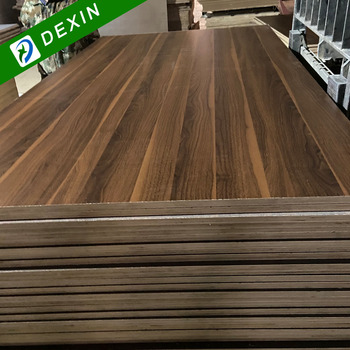
Professional buyers now compare total landed cost rather than a single sheet price. Thickness tolerance affects the number of finished parts per panel; moisture content affects stability; packaging affects damage claims; surface quality affects rework. Cheap laminated plywood can become expensive if a container arrives with warping, edge chipping or inconsistent color. A supplier who provides clear specifications, batch photos and reliable packing reduces hidden cost.
2. AI-assisted RFQs require structured specifications
Buyers increasingly use AI tools to compare suppliers and draft RFQs. That makes structured product data more valuable. A supplier should be able to state core species, size, thickness range, glue type, emission grade, surface finish, MOQ, packing and lead time in a consistent format. Vague claims such as “high quality” are difficult to compare. Detailed specifications help distributors, contractors and furniture factories receive quotations that can be evaluated side by side.
3. Compliance and traceability are becoming non-negotiable
Requirements differ by market, but the direction is consistent: buyers want proof of legal sourcing, emission compliance and product consistency. FSC, CE, CARB, ISO 9001 and ISO 14001 are often requested for retail, project and contract channels. Formaldehyde grades E0, E1 and E2 must match the final application. Importers should keep certificates, test reports and batch records with the shipping documents, not only in a sales brochure.
4. Smaller, faster and mixed-container orders
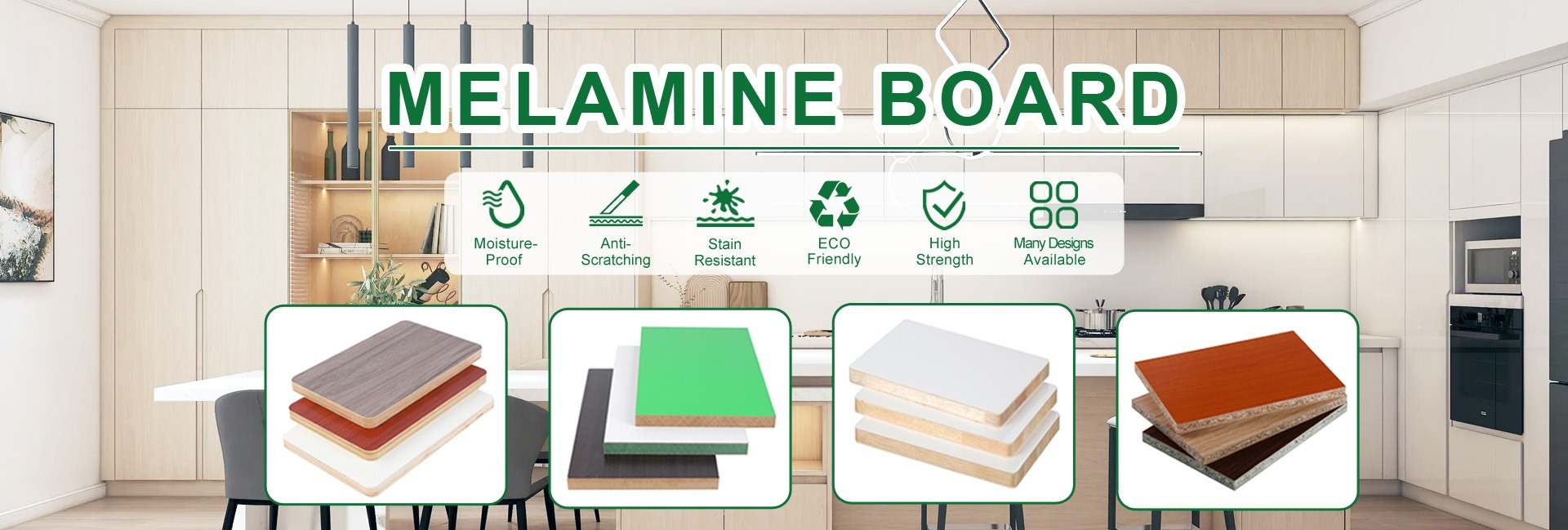
Distributors want faster replenishment and more variety without holding excessive stock. Mixed containers can combine melamine plywood, film faced plywood, PET MDF and other decorative panels in one shipment. This reduces warehouse pressure but places more demands on the supplier's production planning, color matching and loading discipline. Buyers should confirm how mixed orders are packed and labeled to avoid confusion at the destination warehouse.
5. Digital verification before shipment
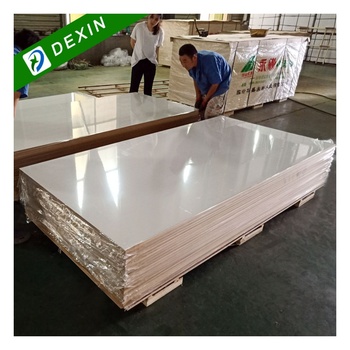
Video inspection, production batch photos, container loading photos and third-party inspection are becoming normal parts of overseas procurement. A trustworthy supplier welcomes these checks. Before shipment, buyers should review surface quality, edges, thickness, packing, pallet condition and container loading sequence. For repeat orders, keeping the approved sample and batch record is essential for resolving future quality discussions.
6. Long-term partnership and ESG planning
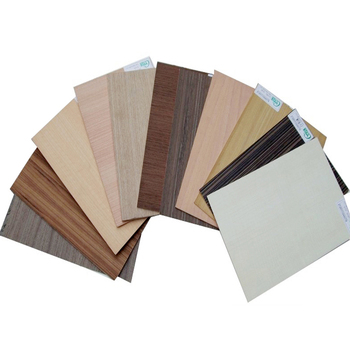
Price volatility, freight changes and compliance updates make short-term buying less efficient. Importers are building long-term relationships with suppliers who can document their process, maintain stable specifications and support new décor launches. Environmental and social responsibility expectations are also increasing. Legal wood sourcing, efficient energy use and responsible factory management are becoming part of supplier evaluation, especially for European, North American and retail-brand customers.
RFQ template buyers can copy: 1) final application; 2) core species; 3) size and thickness tolerance; 4) surface type, decor and gloss; 5) glue and emission grade; 6) required certifications; 7) MOQ; 8) packing and marking; 9) destination port; 10) target shipment date. A clear RFQ reduces quotation errors and shortens the sample approval cycle.