Choosing Melamine Faced Plywood involves more than comparing colors and prices. The panel’s core, thickness, surface finish, and edge quality all affect how it performs in cabinets, shelving, and furniture. A smooth sample can look convincing under showroom lights, yet reveal uneven coating or chipped edges after cutting. Details matter.
For transparency, the expert below is a fictional composite, not a real person or a verified source. In this introduction, panel-products consultant “Daniel Mercer” offers an illustrative observation: “A good-looking face is only part of the panel; check the core, edges, and finish together.” That is a useful starting point, not a guarantee. Actual quality varies by manufacturer, batch, and intended use.
The ten tips ahead will help you inspect samples, ask practical questions, and compare specifications before buying. Check whether the face is consistent in color and texture. Look closely at corners, where weak bonding or rough trimming may show. Ask about core construction, thickness tolerance, and suitable applications. If possible, inspect a full panel rather than relying on a small swatch. Small differences can matter.
No checklist replaces careful verification. Supplier claims deserve follow-up, especially when product details are vague. Consider how the board will be cut, edged, and installed, not just how it looks today. A modest hesitation is reasonable. These tips aim to make your purchase decision clearer, while recognizing that no single specification tells the whole story.
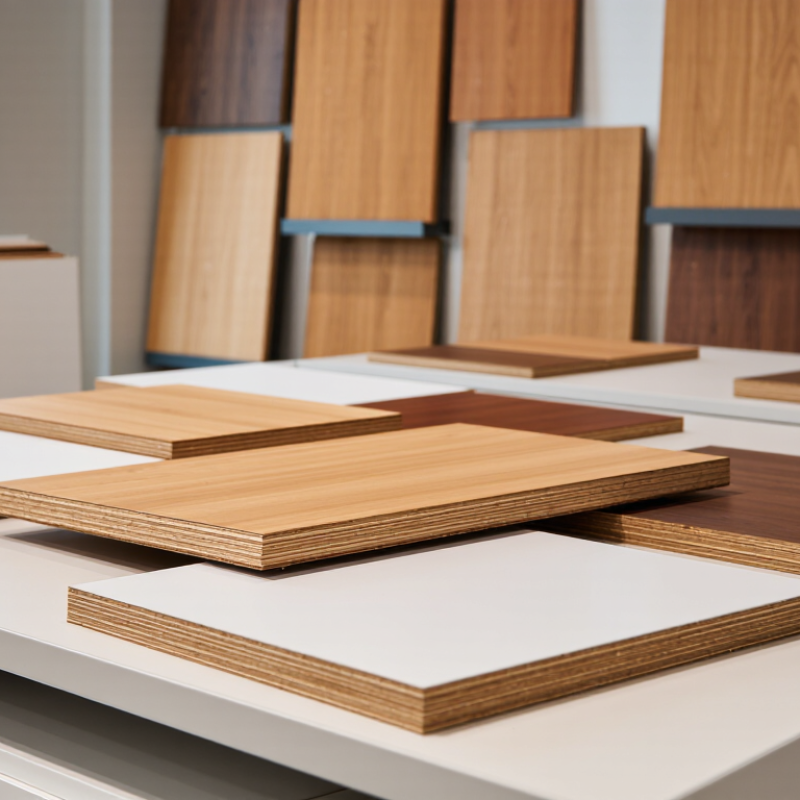
Define the Project Requirements and Suitable Panel Type
Start with the room and the job. A cabinet door, wardrobe side, and shop counter face different demands. Measure each panel carefully, then note its finished size, thickness, edge treatment, and support spacing. A large shelf may sag if its span is too wide, even when the surface looks sturdy. Check the expected load and how the panel will be fixed before choosing a thickness.
Next, match the panel construction to the conditions. For dry indoor furniture, a standard interior-grade core may be suitable. Near sinks or in humid rooms, ask whether the core and adhesive are rated for those conditions; a melamine surface alone does not make a panel waterproof. Consider particleboard for stable, economical cabinet parts, or plywood where lower weight or screw-holding performance matters. Compare the actual product specifications, not just the material label.
Look closely at the finish under the lighting where it will be installed. A glossy surface can show fingerprints and scratches more clearly than a textured one. Confirm that the color, texture, and edge-banding options work together. Leave room for cutting tolerances. I would not assume every panel is perfectly flat; inspect samples for bowing, chipped corners, and uneven coating. That check can feel fussy, but replacing a mis-sized door later is worse.
10 Tips for Buying Melamine Faced Plywood - Define the Project Requirements and Suitable Panel Type
| Project Requirement | Suitable Panel Consideration | Typical Options or Details | What to Confirm Before Buying |
|---|---|---|---|
| 1. Intended use | Choose a panel designed for the application, such as cabinetry, shelving, furniture, or interior wall lining. | Melamine-faced plywood is commonly used for interior furniture and joinery where a ready-finished surface is required. | Confirm the panel’s intended-use classification and suitability for the installation environment. |
| 2. Indoor or humid conditions | Select the appropriate plywood bond class and edge protection for expected exposure. | Interior dry conditions and humid or intermittently damp conditions may require different bonding and detailing. | Ask for the relevant technical data; a melamine surface does not make exposed edges or the whole panel waterproof. |
| 3. Panel thickness and loading | Set thickness according to panel span, support spacing, and expected load. | Common nominal thicknesses include 12, 15, 18, and 24 mm, but availability varies by supplier and market. | Check the design or manufacturer’s span and load guidance rather than choosing thickness by appearance alone. |
| 4. Core construction | Match the core to strength, screw-holding, weight, and machining requirements. | Plywood core construction uses layered veneers; core quality and construction can affect flatness, edge finish, and fastener performance. | Inspect a sample edge and confirm core composition, veneer quality, and any specified panel standard. |
| 5. One-sided or two-sided finish | Choose the number of melamine-faced sides based on visibility and assembly needs. | One-sided panels may suit concealed surfaces; two-sided panels are useful when both faces remain visible or exposed. | Confirm which faces are finished and whether the reverse face has a balancing layer or another specified finish. |
| 6. Surface appearance | Specify colour, pattern, texture, and sheen to suit the design and cleaning needs. | Available options may include solid colours, wood patterns, textured surfaces, and different gloss levels. | Review a physical sample under the project’s lighting; printed colour and texture can vary between batches. |
| 7. Edge treatment | Plan how cut edges will be concealed, sealed, or finished. | Options include matching edge banding, solid edging, or a design that hides exposed edges. | Check edge-band compatibility, thickness, colour match, and the method needed to protect edges from moisture. |
| 8. Cutting and machining | Confirm that the panel can be cut and drilled using the tools and processes available. | Melamine surfaces can chip during cutting; suitable blades, support, and cutting methods help produce cleaner edges. | Trial-cut a sample and follow the panel supplier’s machining recommendations before production. |
| 9. Dimensions and tolerances | Match sheet size and thickness to the cutting plan to reduce waste and avoid fit issues. | Sheet dimensions and thickness tolerances depend on the product specification and local supply. | Verify actual dimensions, squareness, flatness, and tolerances against the project drawings. |
| 10. Documentation and quantity | Buy a consistent batch with documentation appropriate to the project. | Allow for the cutting layout, defects, replacement pieces, and future matching needs. | Request product data and applicable compliance documents; confirm batch consistency, delivery condition, and storage requirements. |
Planning note: Panel suitability depends on the product specification, support conditions, installation details, and local requirements. Confirm critical performance characteristics with the supplier or project designer before ordering.
FAQS
Start with the finished size, thickness, edge treatment, and support spacing. Check the expected load; a long shelf may sag.
Check whether its core and adhesive are rated for humid conditions. A melamine surface alone does not make a panel waterproof.
Particleboard can suit stable, economical cabinet parts. Plywood may be preferable when lower weight or screw-holding performance matters.
Look for even layers, tight bonding, and large voids. A small chipped edge can reveal problems hidden by the finished face.
Use calipers near the corners and center, then compare readings with the stated specification. One measurement can mislead.
Place it on level support and look for bowing or twisting. Visual checks have limits.
Glossy surfaces can show fingerprints and scratches clearly. Compare color, texture, and edge-banding under the room’s lighting.
Keep them flat on level support and let them adjust to the room, following handling guidance. I might still miss a subtle defect, so notes help.
Conclusion
Buying Melamine Faced Plywood starts with understanding how the panels will be used. Consider the project’s size, appearance, and working conditions, then choose a suitable panel type. Compare core materials and thicknesses, and look for stable, flat panels that are appropriate for the intended application. A well-matched core and thickness can help the finished project perform reliably.
Next, inspect the melamine surface for consistent coverage, a suitable finish, and edges that meet your design needs. Check product standards and documentation, and assess whether the supplier can provide clear, dependable information. Compare the full cost, including delivery, rather than focusing only on the initial price. By weighing quality, suitability, service, and long-term value together, you can make a more informed purchasing decision and reduce the likelihood of choosing panels that do not meet your project requirements.