8 Product Lines for Ash Plywood Buyers & Wholesalers
Start with ash plywood and consolidate adjacent panel SKUs in the same container. Each link below is preserved from the original product range so buyers can review full product details before requesting a specification, sample or quotation.
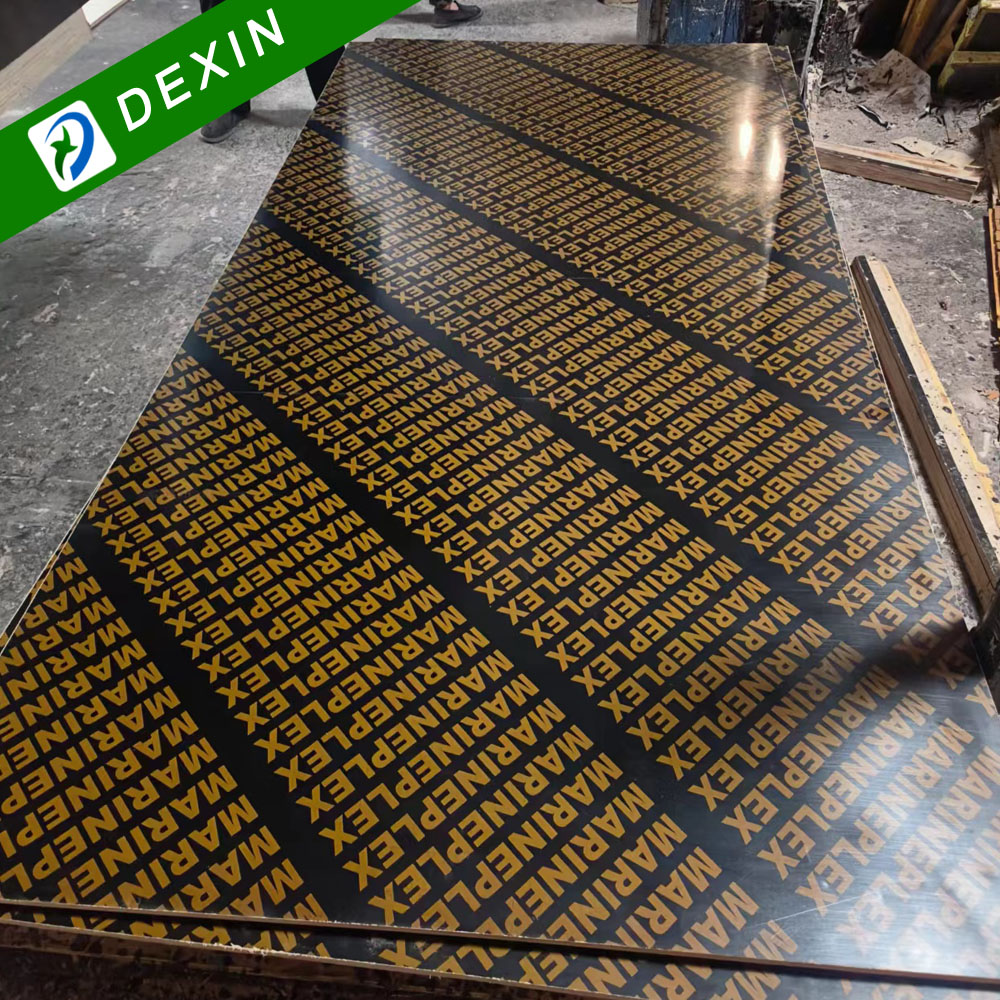
1220*2440* 15mm / 9mm / 12mm / 18mm Film Faced Plywood Marine Construction Formwork Board
High-density film faced plywood for repeated concrete formwork, project sites and mixed building-material containers.
- 9–18 mm
- 1220×2440 mm
- WBP
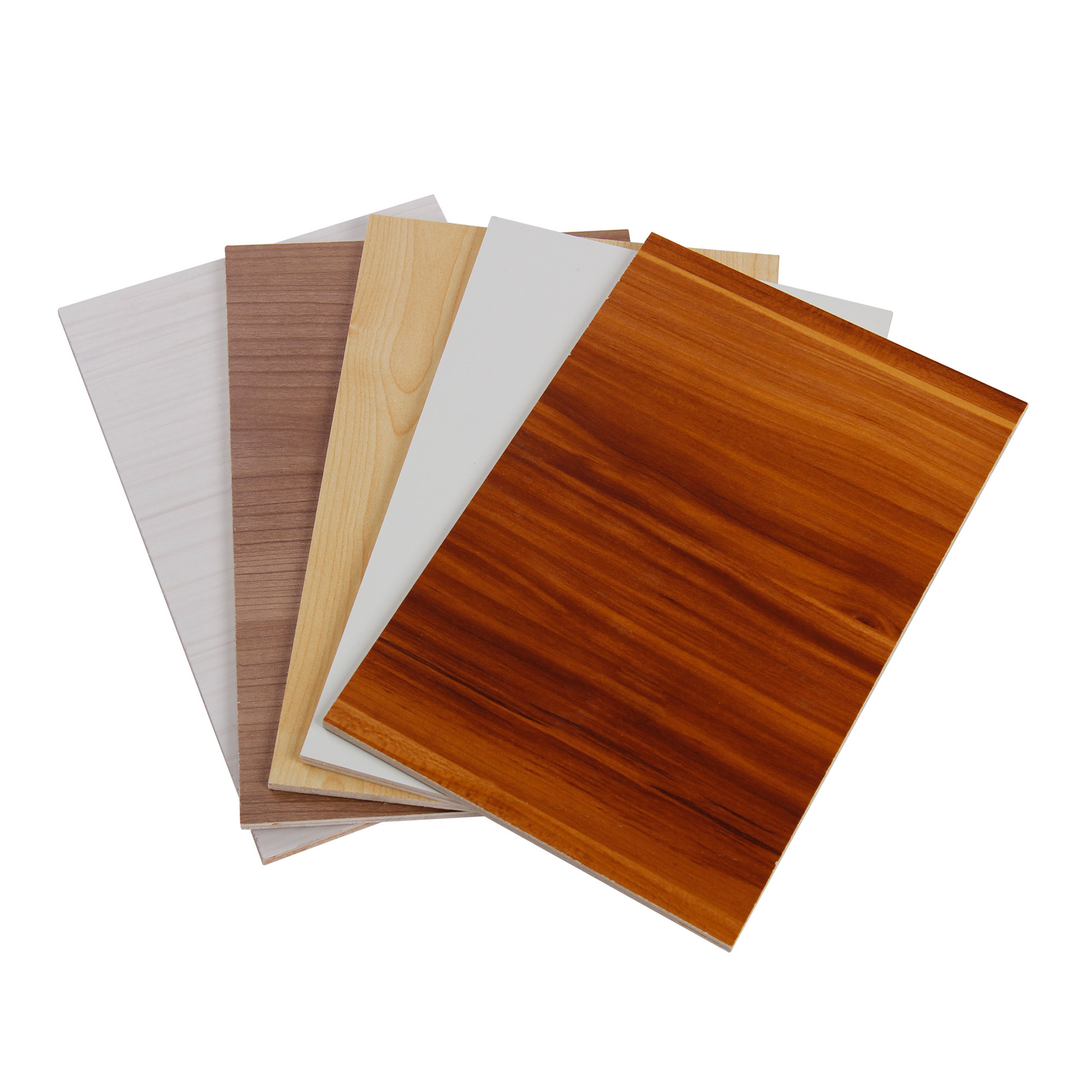
12mm 15mm 16mm 18mm Melamine Wood Board Plywood for Furniture Making
Melamine faced wood board for wardrobe, cabinet and panel furniture programs; solid and woodgrain decors available.
- 12–18 mm
- E1 / E2
- Furniture
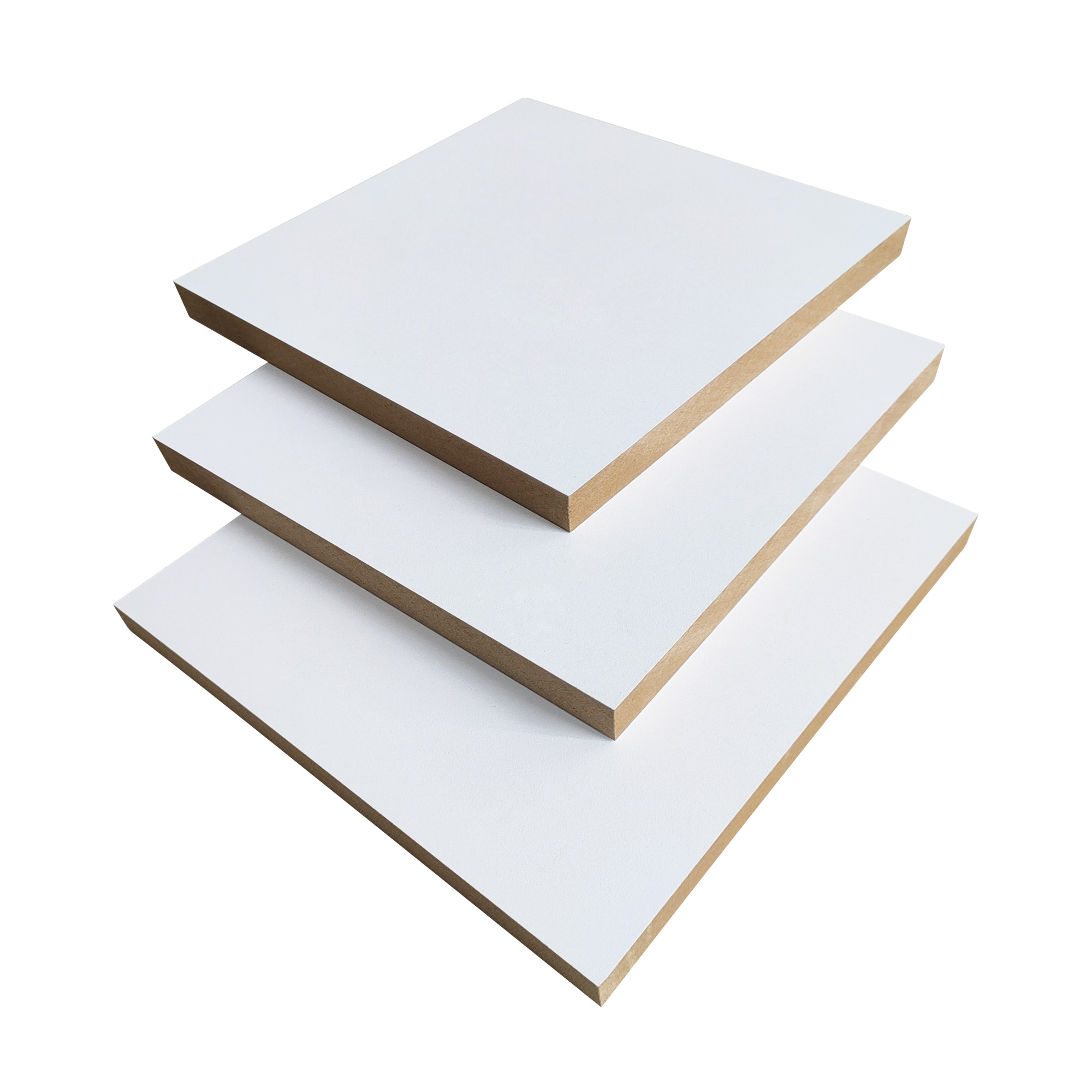
High Quality 4x8ft White Melamine MDF Board China Manufacturer E1 Formaldehyde for Kitchen Use-Sizes 3mm 6mm 9mm 12mm 16mm
White melamine MDF for kitchen cabinetry, shelving and interior fit-out when a clean, uniform surface is required.
- 3–16 mm
- E1
- 4×8 ft
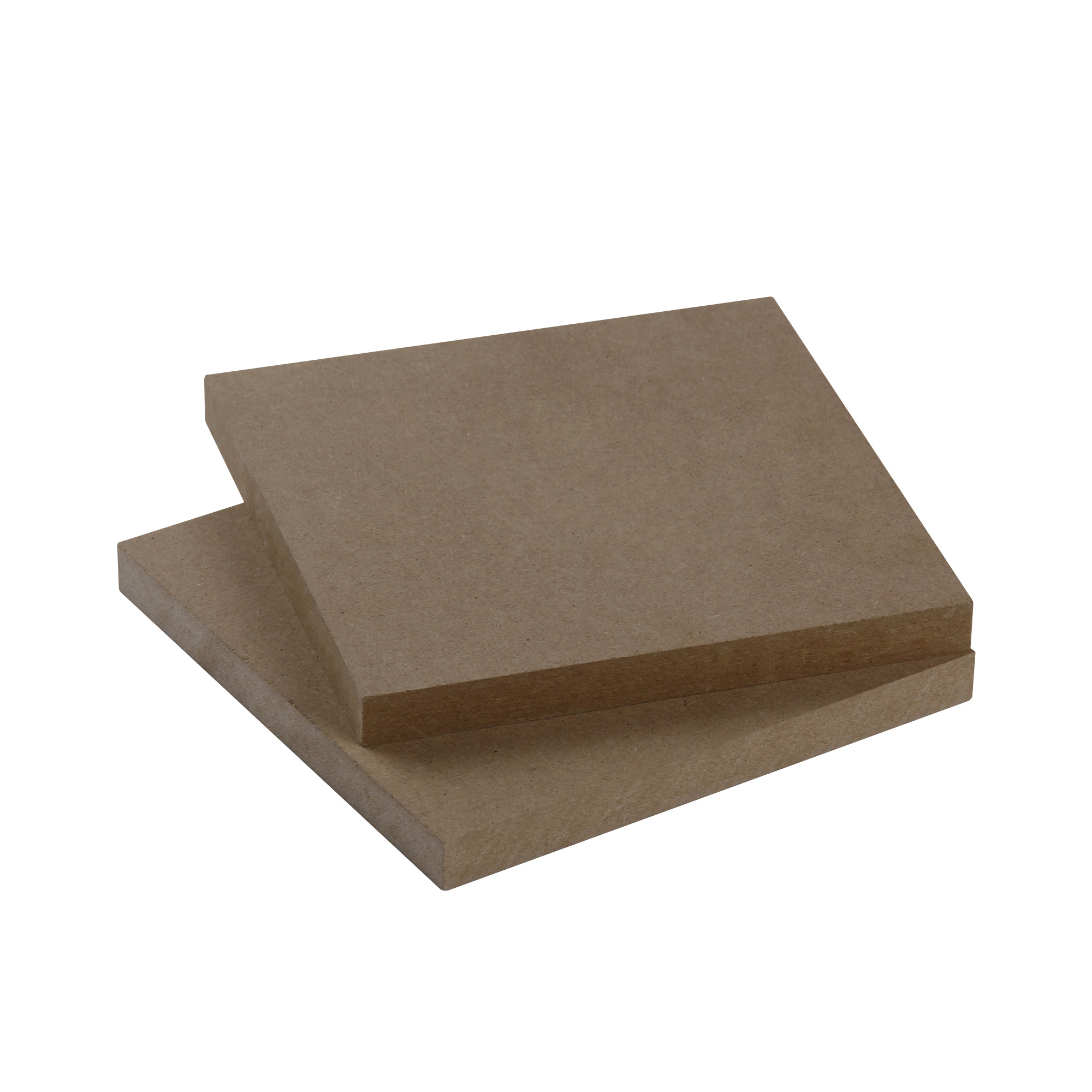
Dexin First-Class Plain Particle Board & MDF Wood Board E2 Emission Moisture-Proof for Bangladesh
Plain particle board and MDF for cost-controlled furniture production, with moisture-proof options for humid markets.
- E2
- Moisture-proof
- Plain
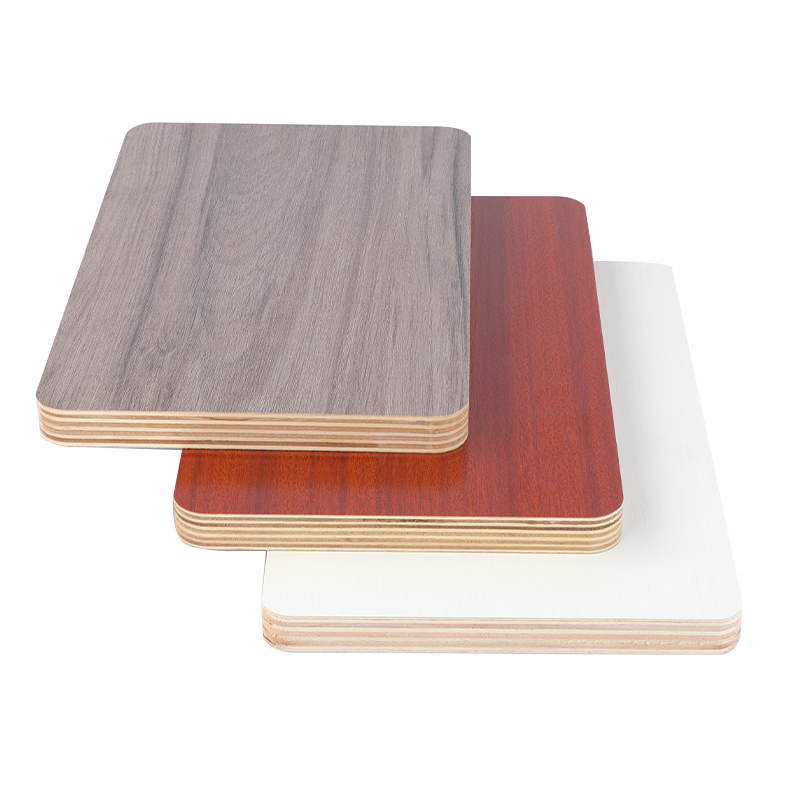
E2/E1/E0 Grade Solid Color and Wood Grain Marine Melamine Plywood Price Philippines From China
Marine melamine plywood with multiple emission grades and decorative surfaces for tropical and coastal markets.
- E0 / E1 / E2
- Marine
- Woodgrain

Good Price 1200x2400x18mm Melamine Coated Plywood Custom Thickness Marine Board for Furniture
Custom-thickness melamine coated marine board for furniture, cabinetry and projects needing non-standard dimensions.
- 1200×2400 mm
- 18 mm
- Custom
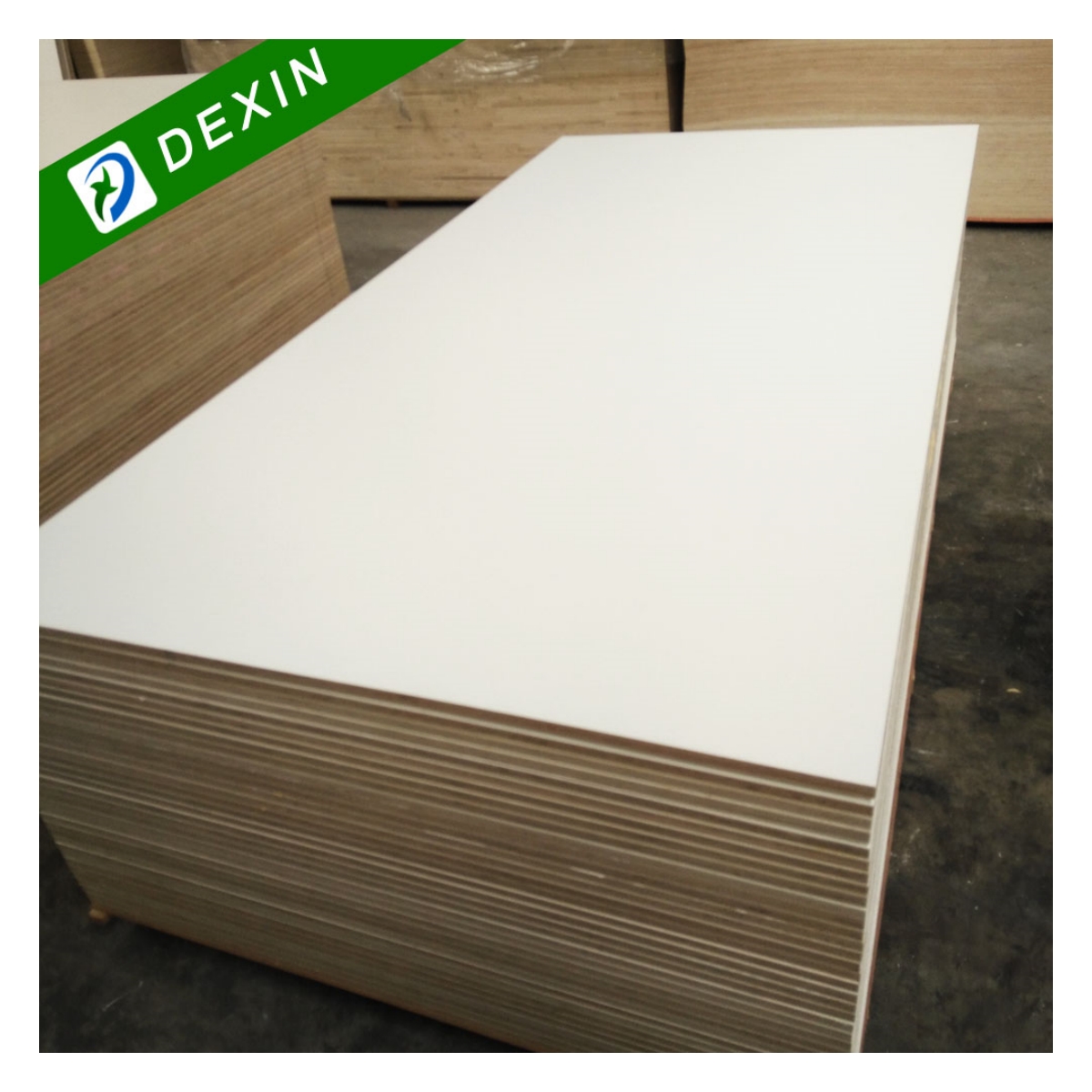
Good Quality 6mm 12mm 18mm Teak/Oak/Maple Melamine Plywood 1/2,3/4 in Flywood Sheet for Furniture
Teak, oak and maple effects as decorative alternatives to ash veneer for coordinated furniture and interior ranges.
- 6 / 12 / 18 mm
- Teak / Oak / Maple
- Furniture
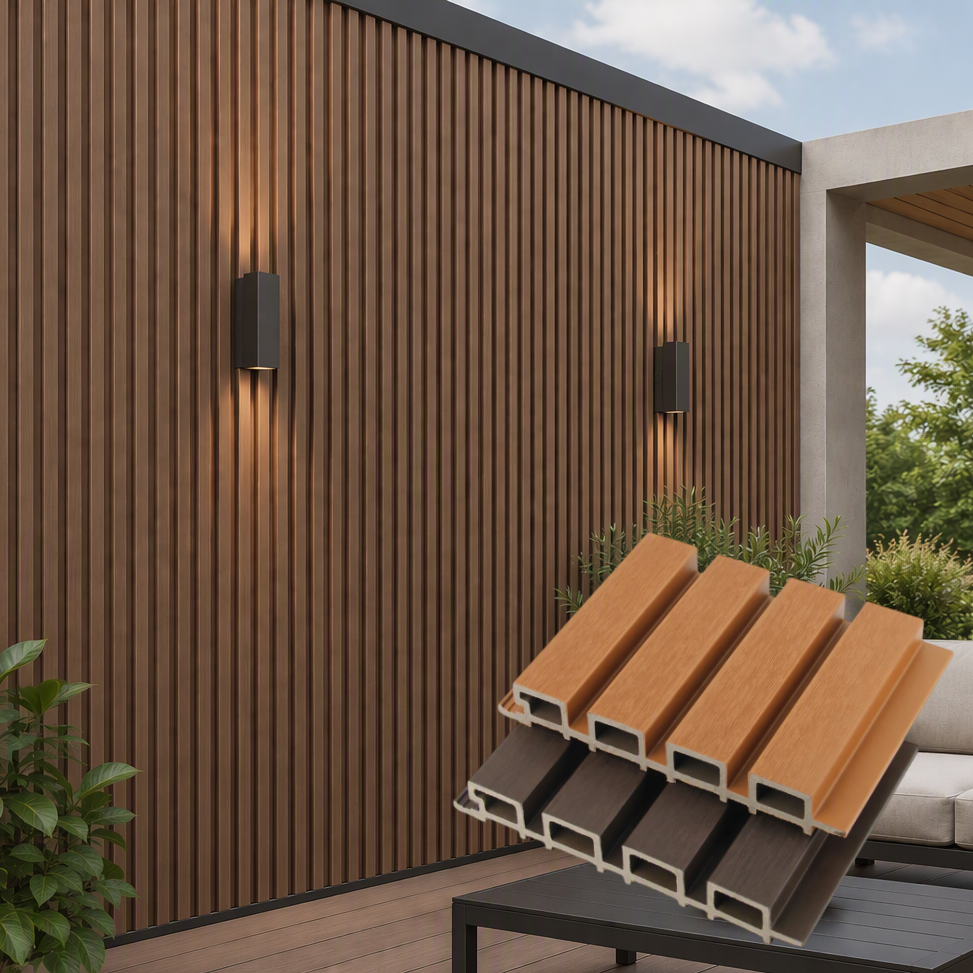
New Style Outdoor WPC Wall Cladding Panels Waterproof Villa Textured Co-Extruded Fluted Facade
Waterproof WPC fluted wall cladding for villa facades and feature walls, useful for builders buying interior and exterior finishes together.
- Waterproof
- Co-extruded
- Fluted
CE Certified Ash Plywood: What the Certificate Does—and Does Not—Tell You
Ash plywood is produced with an ash veneer face bonded to a plywood core. The ash face is valued for its pale color, straight grain, open pores and excellent finishing response. For furniture, doors, cabinetry and interior joinery, it offers a clean visual language that works with contemporary lacquer, oil and UV-coated surfaces.
For a CE certified ash plywood manufacturer, the important question is not simply “do you have CE?” but “which declaration, standard, use class and test evidence apply to this batch?” CE marking for wood-based panels is a route to demonstrate conformity with the Construction Products Regulation and relevant harmonised standards. Depending on the product and intended use, buyers should review the Declaration of Performance, EN 636 and EN 13986 references, formaldehyde class, reaction-to-fire information where applicable, and factory production control records.
CE marking is not a grade mark. It does not replace an FSC claim, a CARB/TSCA Title VI test report for the US market, an EUTR/EUDR due-diligence file for timber, or a project-specific fire certificate. That is why experienced importers build a document package around each ash plywood order: product data sheet, declaration, emission test report, veneer sample, glue type, moisture content target, packing specification and loading photos.
- Declaration of Performance and CE reference
- Formaldehyde class: E0, E1, E2 or CARB P2
- FSC or controlled-wood documentation on request
- Glue specification: MR, WBP or phenolic
- Ash veneer sample and grain/color tolerance
- Moisture content, thickness and flatness limits
Information Gain: Buyer Priority Meter
Practical rule for importers: compare ash plywood quotations only after the same CE scope, emission grade, glue line, face grade, core species, thickness tolerance and packaging specification are locked.
Why Ash Plywood Remains a Preferred Face Veneer for Furniture and Interior Joinery
Ash is not only a decorative choice. It is a specification decision that affects finishing, yield, color consistency, packaging and project approval.
Clear, Linear Grain
Ash veneer gives a pale, straight and relatively uniform grain that suits modern furniture, door skins, paneling and cabinet fronts with a light natural finish.
Machining & Finishing
Ash-faced plywood can be sanded, routed, edge-banded, stained, lacquered or oiled. Consistent face thickness helps reduce sand-through risk during furniture production.
Core Stability
Ash veneer can be pressed onto poplar, eucalyptus, combi or birch cores. The core choice controls weight, screw-holding, flatness and price more than the face alone.
Documented Compliance
For EU buyers, ash plywood should be quoted with CE and E1/E0 options, and with FSC or controlled-wood evidence where the project or distributor requires it.
Color Coordination
Ash works well with melamine, UV MDF, PET MDF and white MDF programs. Wholesalers can build a coordinated furniture panel range around one visual family.
Application Fit
Best results come from specifying the right glue class and edge protection. Ash plywood is not automatically waterproof; choose WBP glue and sealed edges for humid interior use.
Recommended Ash Plywood Specifications for Importers and Project Buyers
Use this table as a shortlisting tool, then confirm exact tolerances, test reports and packing details for your destination market.
| Ash Plywood Option | Typical Thickness | Core | Face / Surface | Glue & Emission | Typical Use |
|---|---|---|---|---|---|
| Ash Veneer Faced Commercial Plywood | 3–18 mm | Poplar, eucalyptus or combi | Sliced or rotary ash veneer; sanded | MR or WBP; E1 / E0 on request | Furniture carcasses, panels, interior joinery |
| Ash Veneer Birch Plywood | 6–18 mm | Birch plywood core | Ash veneer, book-matched or random | WBP; E1 / E0 | Cabinet doors, premium joinery, display fixtures |
| Ash Veneer MDF / HDF | 9–18 mm | MDF or HDF | Ash veneer for lacquer, oil or UV finish | E1 / E0 | Routing, cabinet fronts, furniture components |
| Moisture-Resistant Ash Plywood | 12–18 mm | Eucalyptus or poplar with MR/WBP glue | Ash face with sealed edges | WBP; EN 636 use class to be confirmed | Kitchens, bathroom furniture, humid interiors |
| Fire-Retardant Ash Plywood | 9–18 mm | Treated core to agreed FR specification | Ash veneer face | FR treatment plus E1/E0 where available | Commercial interiors, hotels, public projects |
| Cut-to-Size Ash Plywood Panels | 3–25 mm | Poplar, combi, eucalyptus or birch | Ash veneer, custom sanding and edge preparation | Project-specific glue and emission class | Doors, furniture parts, contract joinery |
Typical production ranges only. Final CE scope, formaldehyde class, fire performance, glue type, thickness tolerance and moisture content are confirmed per order and destination market.
2026 Ash Plywood Procurement Trends: What Wholesalers Are Asking For
The buying conversation has shifted from “price per sheet” to “price per approved, documented, container-ready specification”.
Compliance-Ready Documentation
Buyers increasingly request CE declarations, emission test reports, FSC evidence and packing photos before the container leaves. Documentation quality is becoming part of the landed-cost calculation.
Lower Formaldehyde & VOC
E1 remains the entry standard for many EU buyers, while E0, CARB P2 and low-VOC finishes are increasingly requested for retail, hospitality and branded furniture programs.
Traceability & Due Diligence
Ash veneer and plywood cores must be traced through the supply chain. Importers are preparing timber due-diligence files and asking manufacturers for species, origin and chain-of-custody support.
Mixed Containers & Lower MOQ
Distributors want to test ash plywood alongside melamine board, MDF, film faced plywood and wall panels. Combining SKUs in one container improves cash flow and reduces stock risk.
Engineered Appearance
Thin ash veneer, engineered grain matching and consistent color batches are growing in importance as furniture factories automate cutting, edge-banding and finishing lines.
Performance Specifications
Moisture-resistant and fire-retardant ash plywood requests are rising in commercial interiors. Buyers must confirm that the treatment and certification match the actual project standard.
Ash Plywood Product Development Trends from a Manufacturer’s View
Panel development is driven by yield, consistency, indoor air quality and the need to coordinate ash surfaces with engineered furniture systems.
Thinner, More Efficient Veneer
Improved slicing and pressing control allow thinner ash veneer with fewer defects. The result is better yield and more competitive pricing, provided face grade and sanding tolerance remain controlled.
High-Performance Adhesives
WBP, MUF and phenolic systems are being specified more precisely according to use class. Buyers increasingly ask for glue type, bonding durability and emission class as separate line items.
Surface Engineering
Ash veneer is increasingly coordinated with UV MDF, PET MDF, melamine board and white MDF programs. This helps furniture makers combine real wood faces with engineered panels in one product range.
Grain & Color Consistency
Batch matching, veneer grading and sample approval are becoming standard for contract orders. Digital photos are useful for shortlisting, but physical samples remain the reliable approval method.
Moisture-Resistant Formats
For kitchens and humid interiors, ash plywood is being specified with WBP glue, sealed edges and moisture-resistant cores. This is a performance choice, not a cosmetic upgrade.
Panel System Coordination
Wholesalers are building complete interior panel systems: ash plywood, melamine board, plain MDF, film faced plywood and WPC wall cladding. One qualified supplier reduces inspection and logistics complexity.
Inside KUDE: A Linyi Manufacturer Built for Export Buyers
KUDE combines production experience, wood-panel cluster access, certification support and export packing discipline for importers who cannot afford avoidable quality claims.
Linyi Wood-Panel Cluster
Based in Linyi, Shandong, China’s largest wood-based panel production cluster. Being close to veneer, glue and core supply supports stable quality and cost control.
Production Scale
Manufacturing group founded in 1998, with 30,000 m² of workshops, 30+ machine sets, 300+ workers and an annual output of 60,000 m³ of plywood, blockboard, MDF and particle board.
Verified Certifications
CE, ISO 9001, ISO 14001, FSC and CARB-supported documentation, with E0/E1/E2 emission options and SGS on-site assessed supplier profile.
OEM / ODM Customization
Sample-based, design-based and full customization: size, thickness, core species, ash face grade, glue type, emission class, logo printing and export packaging.
Export-Ready Logistics
FOB, CFR, CIF and EXW terms; T/T and L/C payment; seaworthy pallet packing, corner protection, moisture barrier and loading photos for container verification.
Clear Buyer Communication
Sales and technical staff confirm specifications in writing before production. Pre-shipment inspection, batch photos and document coordination reduce surprises at destination.
From Ash Veneer Selection to Loaded Container
Four checkpoints every export batch should pass before shipment.
Material Selection
Ash veneer grade, color range, moisture content, core quality and glue are reviewed against the approved sample or written specification.
Gluing & Pressing
Controlled glue spread, pressing cycle and panel lay-up support bonding strength and reduce delamination risk in transit or service.
Sanding & Inspection
Thickness, flatness, face defects, sand-through, bonding and emission-related documentation are checked before packing.
Packing & Loading
Export pallets, edge protection, steel straps, moisture barrier and container loading photos are prepared to protect the ash faces.
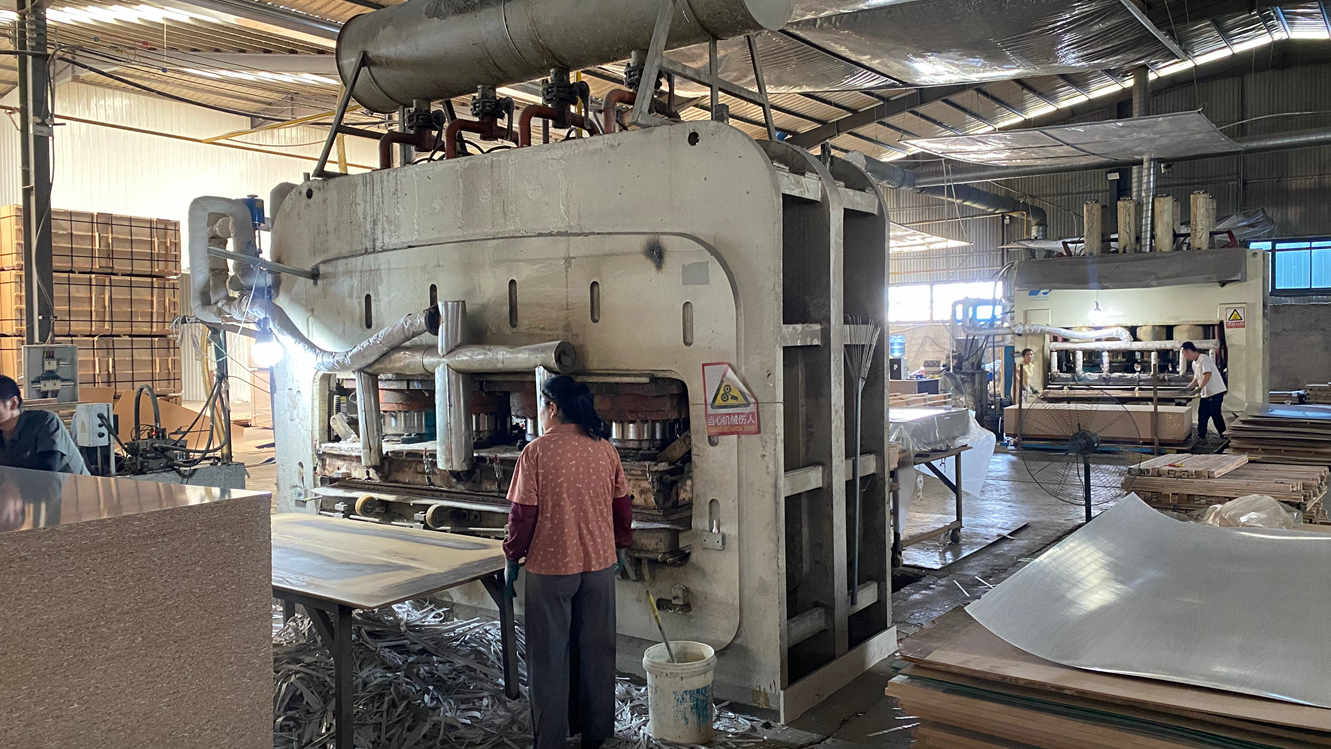
Production Base, Stock and Export Loading Reference
Original factory images from the KUDE wood-panel production base help buyers assess workshop capability before ordering.





Ash Plywood Applications & Export Supply for 30+ Countries
KUDE panels reach the EU, USA, Caribbean, South America, Africa, Southeast Asia, Eastern Europe and the Middle East. Ash plywood and complementary boards are supplied for importers, distributors and project buyers.
Furniture & Cabinetry
Ash veneer faced plywood for cabinet doors, wardrobe panels, furniture carcasses and interior components where a pale wood grain is required.
Doors & Architectural Joinery
Cut-to-size ash plywood panels for door skins, joinery packages, wall panels and custom architectural millwork with coordinated edge details.
Kitchen & Wardrobe Programs
Moisture-resistant ash plywood combined with melamine board, PET MDF and UV MDF for complete kitchen and wardrobe product ranges.
Retail & Hospitality Fit-Outs
Ash surfaces for display fixtures, reception counters and hotel interiors, with fire-retardant options available to project specification.
Distributor Mixed Containers
Combine ash plywood, film faced plywood, melamine board, MDF and WPC wall panels to build a practical stock container for local resale.
Project Documentation
For contract orders, confirm CE declaration, emission class, FSC claim, fire performance and packaging requirements before production begins.
Ash Plywood Buying FAQ for Importers, Distributors and Contractors
The questions below reflect common pre-order checks for CE certified ash plywood and mixed wood-panel containers.
What does “CE certified ash plywood” actually cover?
Can you supply FSC-certified ash plywood?
Which formaldehyde grades are available?
What is the minimum order quantity for ash plywood?
Can you match ash veneer color and grain?
What sizes and thicknesses can be produced?
Is ash plywood suitable for kitchens and bathrooms?
What payment terms and trade terms do you accept?
Where are goods shipped from and how is quality checked?
Request a CE Ash Plywood Specification, Sample or Container Quote
Send your required size, thickness, ash face grade, core, glue, emission class, estimated quantity and destination port. Our export team will reply with a practical specification, packing proposal and quotation for ash plywood or a mixed panel container.