8 Export-Ready Products That Support Film Faced Plywood Projects
Film faced plywood is rarely bought in isolation. Importers comparing CE certified film faced plywood factories often need one supplier who can also handle raw MDF, H20 formwork beams, melamine plywood and decorative wall panels in the same container. The products below show how KUDE’s Linyi-based supply chain can cover a complete construction and interior fit-out order.
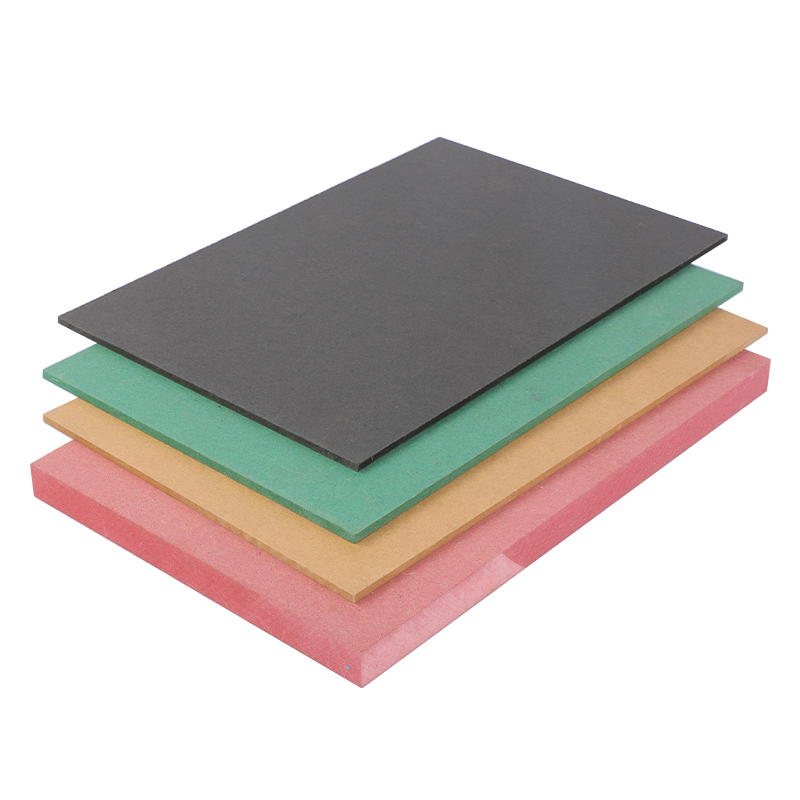
High Quality 3mm–18mm Raw / Plain MDF Sheet
High-quality raw MDF from 3 mm to 18 mm, sanded for stable lamination, painting and CNC work. It supports film faced plywood orders as a complementary board for site joinery, packaging and furniture, with E0/E1/E2 grades available on request.
View Product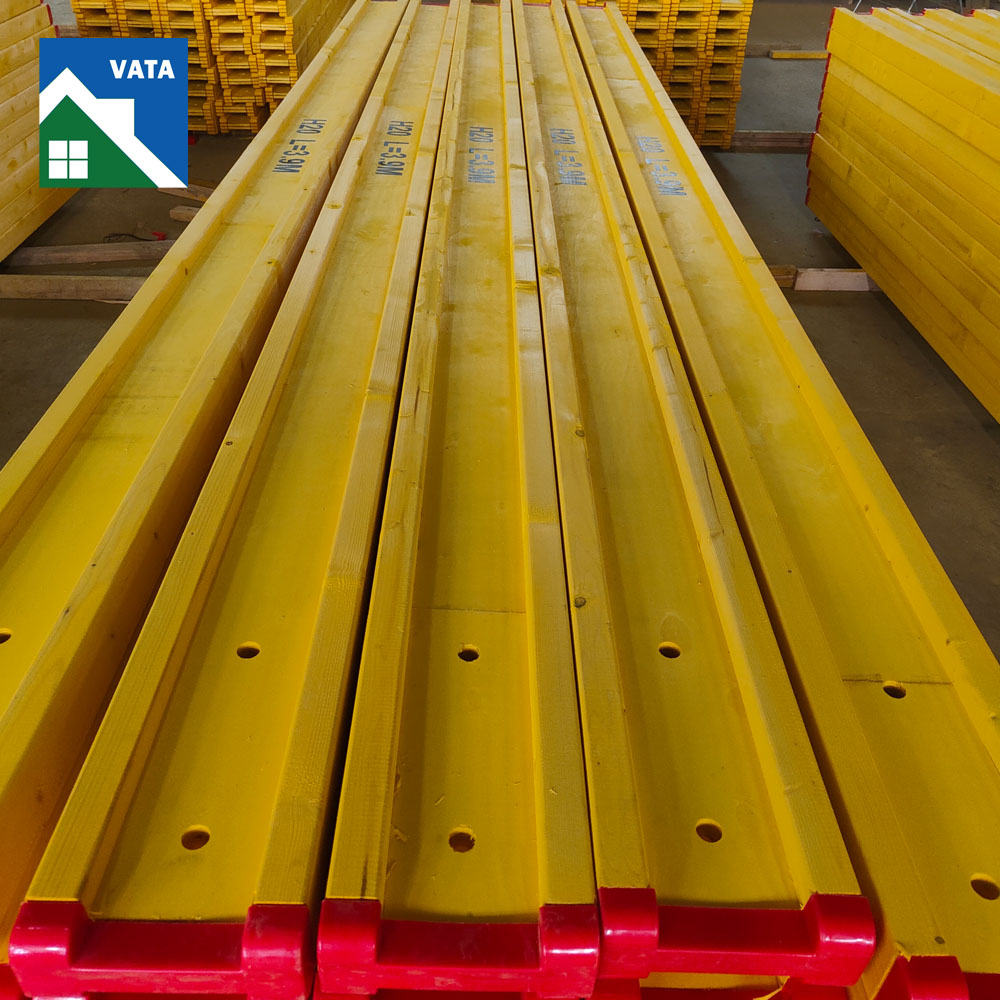
Reusable Yellow Painted H20 Wooden Formwork Beam
Reusable H20 wooden formwork beam with yellow coating and plastic end caps, designed to align with film faced plywood in slab and wall systems. Consistent dimensions help reduce joint gaps, improve surface finish and protect the formwork investment.
View Product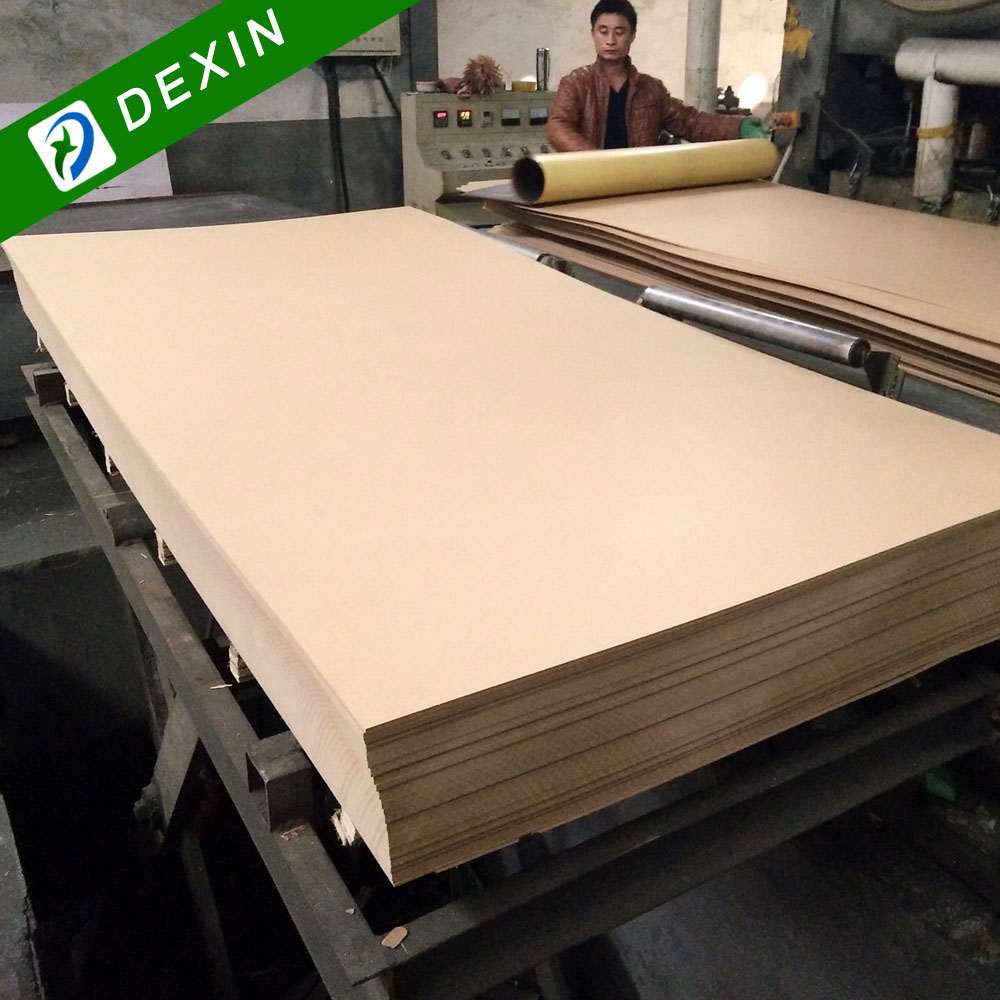
Factory Direct Plain MDF / HDF Board, 12–18 mm
Factory-direct plain MDF/HDF in 12 mm, 15 mm and 18 mm for cabinetry, shopfitting and industrial packing. Buyers can combine these boards with film faced plywood and melamine panels to fill a mixed container and reduce logistics cost.
View Product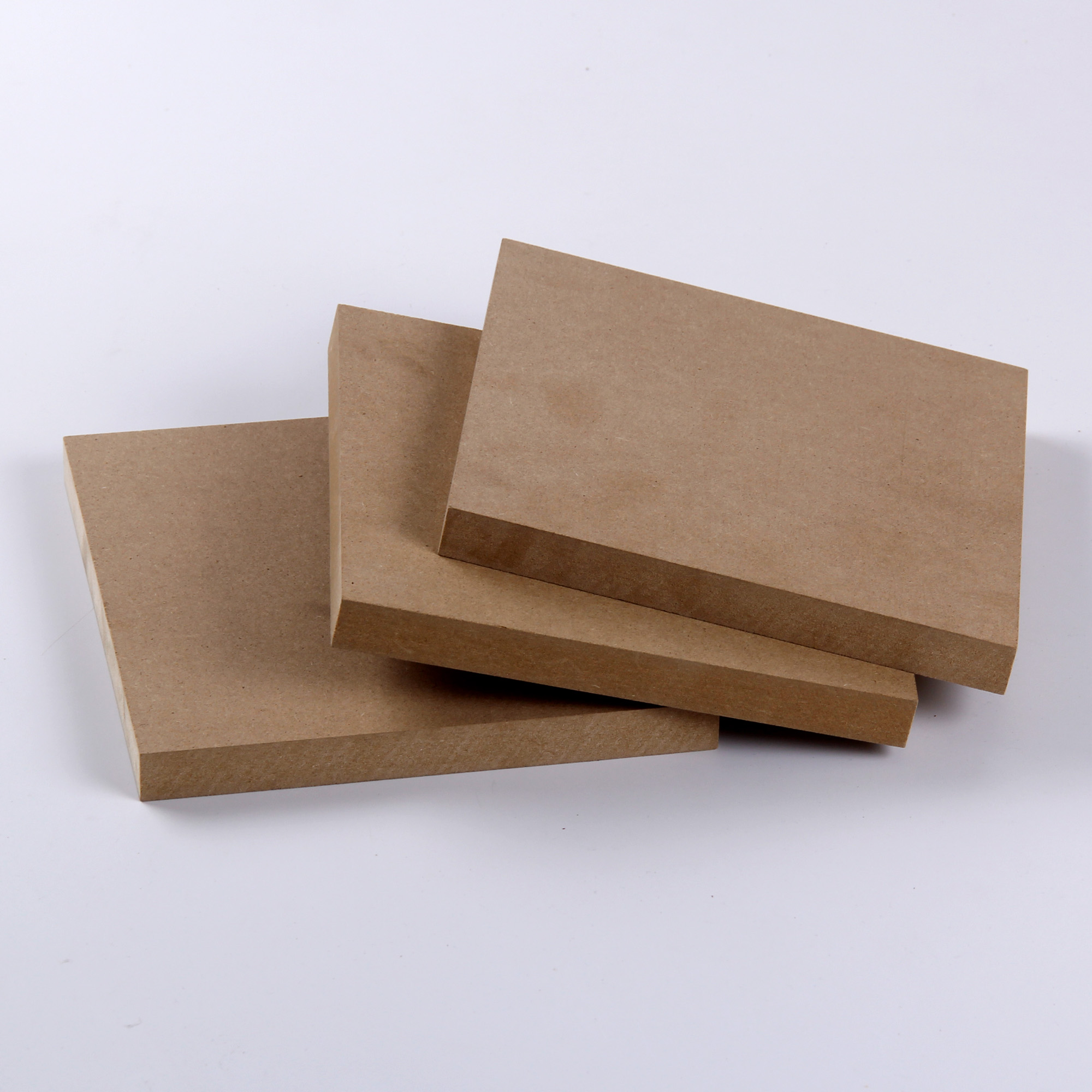
Raw MDF / HDF Board in Standard Factory Thicknesses
Standard-thickness raw MDF/HDF in 5 mm, 6 mm, 8 mm, 9 mm and 18 mm. A practical complementary product for distributors who serve furniture makers, display fabricators and construction supply channels from one inventory.
View Product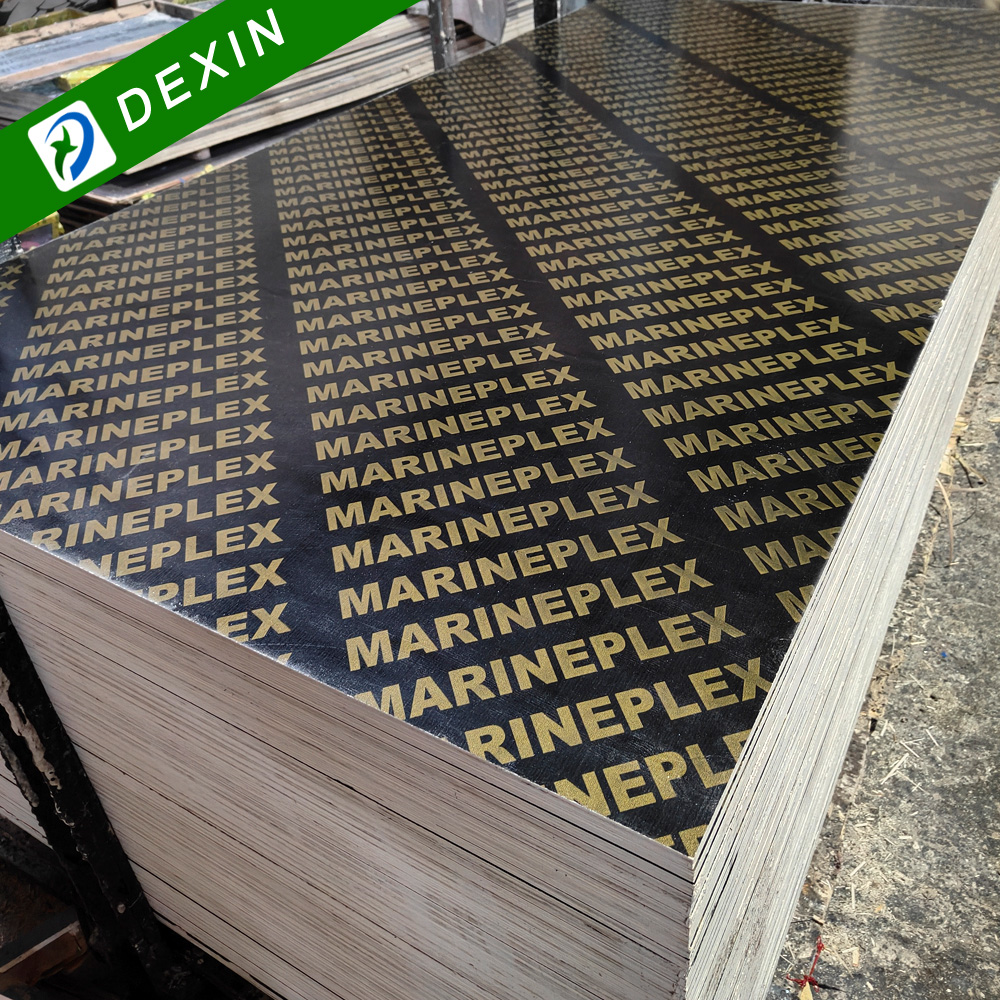
4×8 ft Concrete Black Film Faced Plywood, 9–25 mm
Black film faced concrete plywood, 1220×2440 mm, 9–25 mm, with phenolic film and WBP glue. The core recommendation for concrete formwork: smooth release, robust edges and repeatable thickness for high-rise slabs, foundations and modular systems.
View Product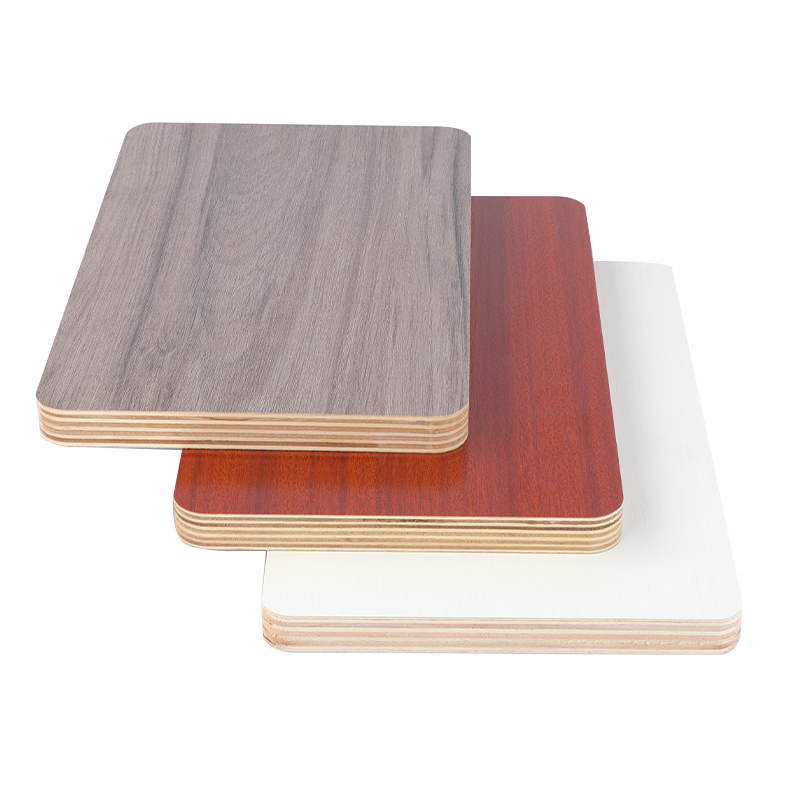
E2 / E1 / E0 Marine Melamine Plywood
Marine melamine plywood with E0/E1/E2 emission options, solid colors and wood grains. Suitable for wardrobes, kitchen units and commercial interiors where film faced plywood buyers also need matching decorative panels for the same project.
View Product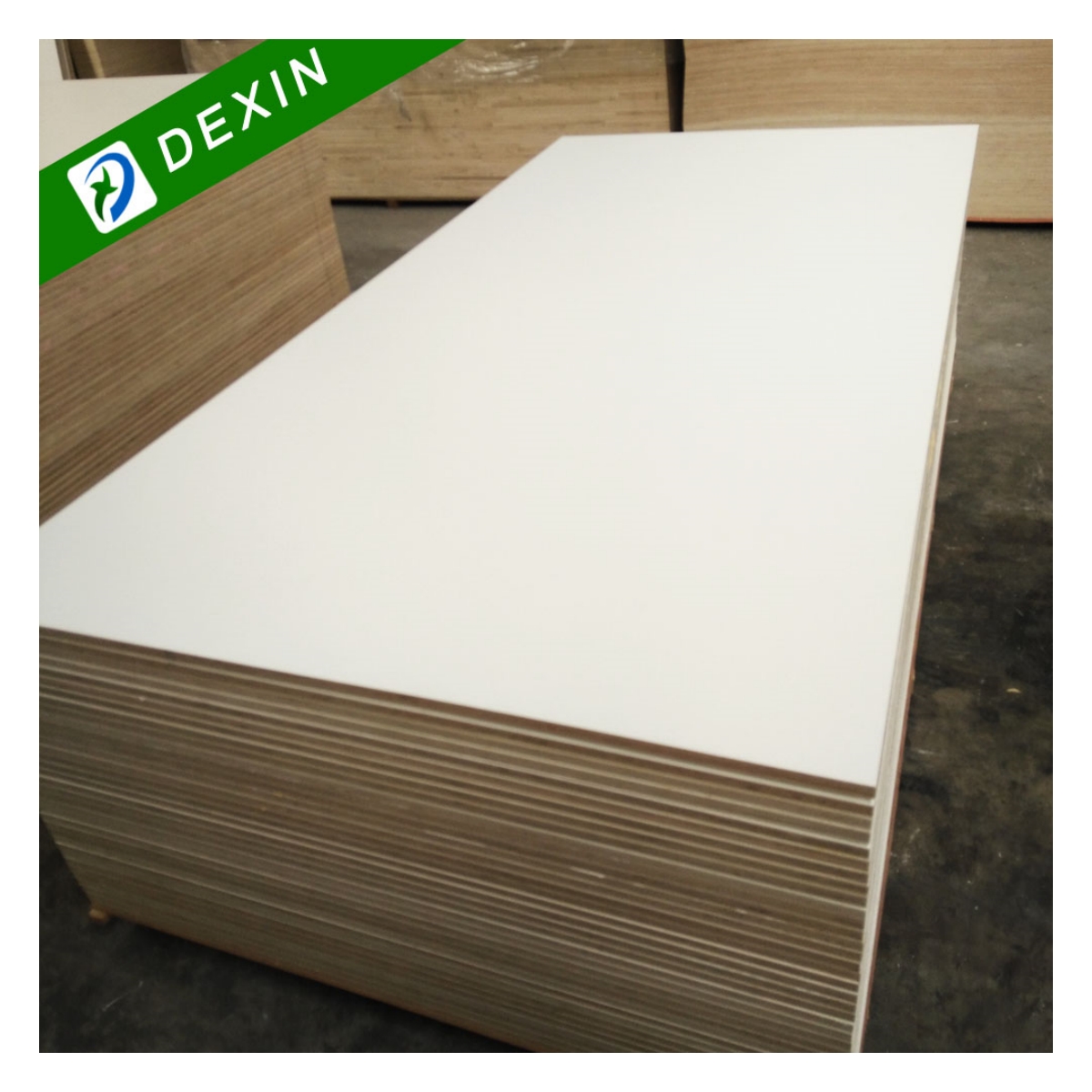
Teak / Oak / Maple Melamine Plywood for Furniture
Teak, oak and maple melamine plywood in 6 mm, 12 mm and 18 mm for furniture, doors and shopfitting. The decor range supports project packages alongside CE film faced plywood and raw MDF, helping buyers reduce supplier count and container planning work.
View Product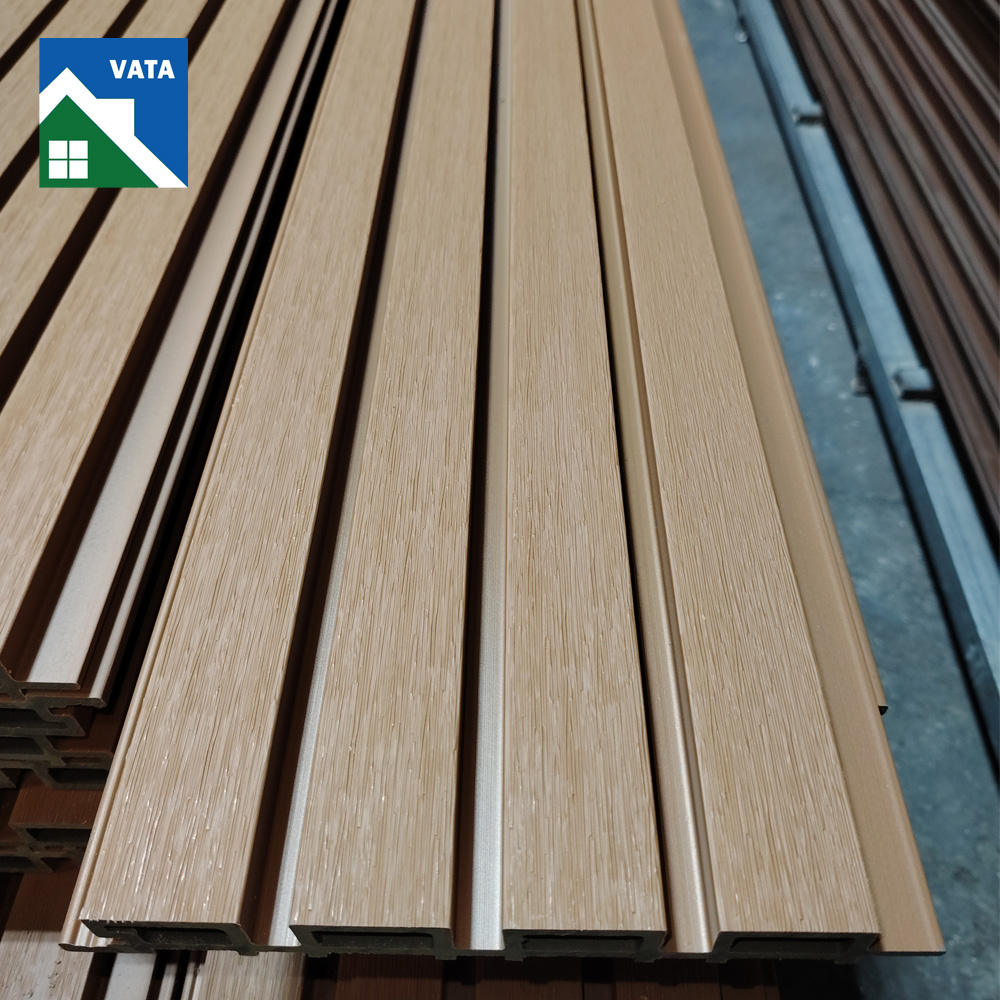
Decorative WPC Fluted Wall Cladding Panel
WPC fluted wall cladding for exterior and interior feature walls, offering a wood-grain appearance without the maintenance of natural timber. A lightweight add-on for importers serving contractors, hotels and residential projects.
View ProductWhat “CE Certified” Really Means for Film Faced Plywood Buyers
CE marking is widely used in enquiries, but it is often misunderstood. The strongest suppliers explain the documents, the standard and the factory production control behind the claim — not just send a logo.
In the European Union, CE marking for wood-based panels is linked to the Construction Products Regulation and the harmonised standard EN 13986. The manufacturer is responsible for drawing up a Declaration of Performance (DoP), applying CE marking where the product is covered and maintaining factory production control. For plywood, the relevant technical specification is usually EN 636; exterior or humid applications typically point buyers toward EN 636-3 or EN 636-2 classes depending on the actual exposure and project specification.
A credible “CE certified film faced plywood factory” should be able to connect four pieces of evidence: the product’s DoP, the applicable EN 636 class, the factory production control records, and batch-level test reports for formaldehyde release, bonding and dimensional tolerance. A certificate image alone is not enough if the product name, thickness, glue type or factory address does not match the order.
This distinction matters because film faced plywood is used in structural formwork, where film adhesion, edge sealing, thickness consistency and glue-line durability affect both concrete finish and re-use performance. A CE-aware supplier will also ask about the destination market: the EU, UK, USA and Middle East can require different declarations, emission evidence and labeling. KUDE’s export team works from a specification sheet that names face film, core species, glue type, tolerance, moisture content, formaldehyde class and packing method before quoting.
Buyer Due-Diligence Scorecard
Illustrative weighting used when comparing film faced plywood suppliers. It is not a statistical survey; it reflects the practical questions that shape risk and total cost.
How to Evaluate CE Certified Film Faced Plywood Factories
The cheapest quotation can become expensive when a container arrives with inconsistent thickness, poor film adhesion or missing documents. Use these four checks before placing a trial order.
Traceable CE Documentation
Ask for the DoP, EN 636 class, factory production control evidence and test reports that match the exact board, glue and thickness being quoted.
Glue and Film Engineering
Confirm WBP phenolic glue, film weight, surface treatment and edge sealing. These details drive release performance and re-use cycles far more than a low headline price.
Raw Material Control
Veneer grade, core species, moisture content and density determine stability. A factory that controls veneer and glue lines can hold thickness tolerance across a full container.
Export Discipline
Check seaworthy packing, pallet protection, loading photos, mixed-SKU capability and document accuracy. Good logistics is part of product quality.
Film Faced Plywood Recommendations by Construction Application
Specification should follow the pour, the formwork system and the re-use target. The recommendations below help buyers shortlist before requesting samples and a formal quotation.
High-Rise Slabs & Walls
Choose 18 mm black film faced plywood with WBP phenolic glue, consistent thickness and sealed edges. A smooth film surface helps reduce patching and improves the visual finish of exposed concrete.
18 mm · Black Film · WBPFoundations & Infrastructure
For heavier formwork and demanding site handling, specify 21–25 mm boards with a dense core and strong edge protection. Confirm load and re-use requirements with the formwork designer.
21–25 mm · Dense CoreGeneral Building & Residential
12–15 mm brown or black film faced plywood can offer a practical balance of cost, handling weight and surface finish for low-rise walls, columns and repeat residential layouts.
12–15 mm · Brown / BlackModular & Rental Formwork Fleets
Standardize thickness tolerance, edge sealing and branded packaging. Pair film faced panels with H20 beams so replacement parts and panel batches stay compatible across multiple projects.
18 mm · Tight ToleranceFuture Procurement Trends in Film Faced Plywood
Buyer intent is moving from “find the lowest price per sheet” to “secure a predictable, documented and re-usable formwork supply”. These changes will shape supplier selection in the coming years.
Compliance-First Purchasing
EUDR readiness, FSC chain of custody, CARB/TSCA, E1 and CE declarations are moving from “nice to have” to quotation prerequisites. Suppliers who can explain and document compliance will win repeat orders.
Total Cost per Pour
Contractors increasingly compare cost per pour rather than cost per panel. Film adhesion, edge sealing, flatness and re-use cycles are becoming central negotiation points.
Mixed-Container Consolidation
Importers want fewer suppliers and more product lines per shipment: film faced plywood, MDF, melamine boards, H20 beams and WPC panels. KUDE supports mixed containers after specification confirmation.
Digital Verification
Buyers now expect batch photos, loading records, live video inspection and documents before shipment. Digital evidence reduces disputes and helps importers sell with confidence.
Film Faced Plywood Development Trends
Product development is concentrating on surface durability, core stability, emission control and formwork system compatibility. These trends matter to importers planning next year’s catalogue.
Higher-Performance Phenolic Film
Denser film and improved resin control are being used to resist abrasion, alkali attack and release-agent buildup. Edge sealing is increasingly specified as part of the product, not an afterthought.
Thinner, Stronger Cores
Eucalyptus-poplar hybrid cores, tighter veneer grading and calibrated sanding allow suppliers to hold flatness and screw-holding performance at competitive panel weights.
Lower-Emission Adhesives
E0, E1 and CARB-compliant constructions are expanding beyond furniture boards into formwork supply chains. Buyers increasingly ask for test methods and batch traceability, not only a grade label.
System Integration
Film faced plywood is increasingly sold as part of a formwork system with H20 beams, end caps, release agents and cut-to-size panels. Coordinated dimensions reduce site waste and improve cycle times.
KUDE Enterprise Advantages: A CE-Ready Supplier Inside Linyi’s Panel Cluster
Linyi KUDE International Trading Co., Ltd. is the export platform of a wood-based panel manufacturing group founded in 1998 in Linyi, Shandong — one of China’s largest man-made board production clusters.
Own Production Capability
The group runs more than 30 sets of production machines in 30,000 m² of workshops, with 300+ workers and an annual output of 60,000 m³. This supports stable supply across plywood, MDF, blockboard and particle board.
Certification & Assessment
CE, ISO 9001, ISO 14001, FSC and CARB are supported by SGS on-site assessment. Emission grades E0, E1 and E2 are available depending on product and destination market.
Customization & OEM
Sample-based, design-based and full customization are available for size, thickness, core species, face veneer or decor, glue type, logo printing and export packaging.
Export-Ready Service
With 15 years of export experience, KUDE works on T/T and L/C terms and FOB, CFR, CIF and EXW. MOQ is typically 50–500 sheets by product, and several products can be combined in one container after confirmation.

Located in China’s Wood Panel Cluster
Being based in Linyi gives buyers shorter supply chains for veneer, glue and core materials, plus access to a broad industrial ecosystem for panel finishing, packaging and port logistics. Orders are loaded in containers and shipped through northern China seaports such as Qingdao.
KUDE’s principle is simple: survival by quality, development by prestige. That means quoting with a clear specification, confirming the certificate and grade before production, and keeping the buyer informed through inspection and loading.
Read Buyer FAQs


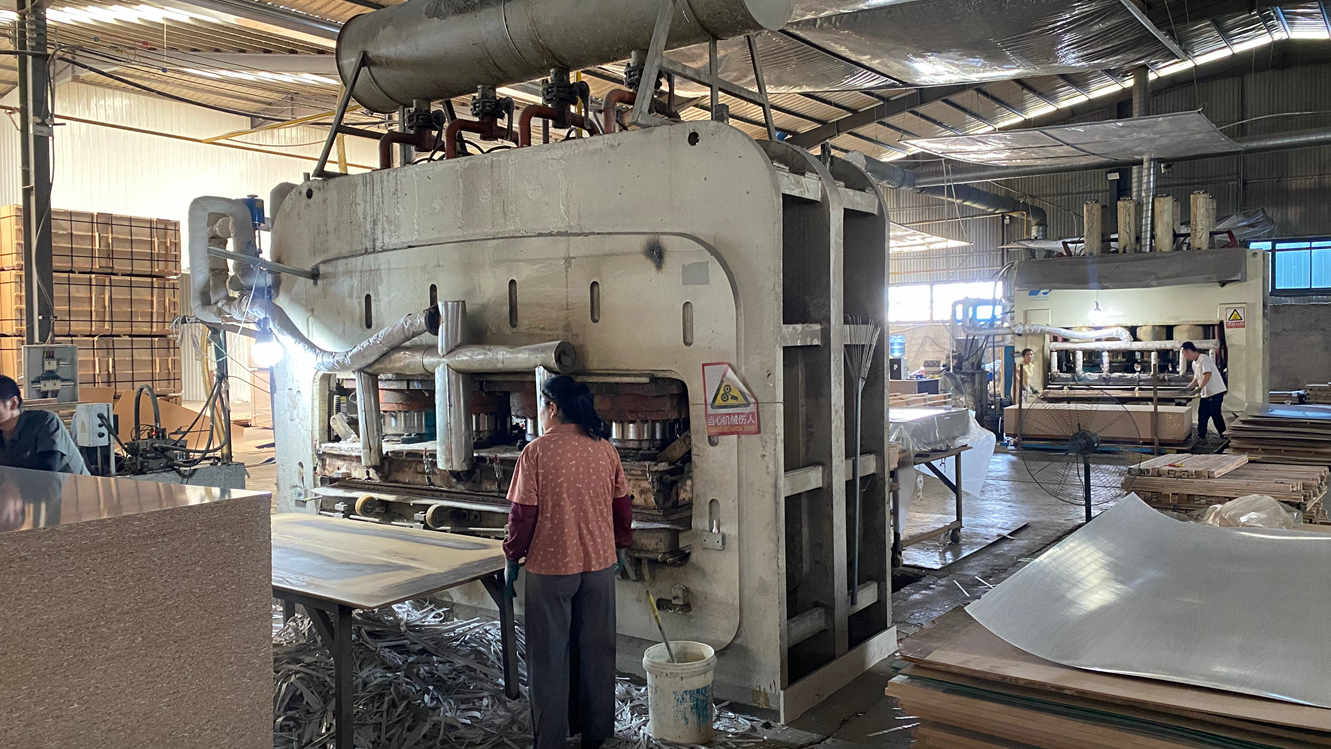
From Raw Veneer to Loaded Container
Every film faced plywood batch should be traceable through material selection, pressing, surfacing, inspection and packing. These are the checkpoints KUDE builds into export orders.
Material Selection
Veneer grading, core species and moisture checks before gluing. This protects panel flatness and reduces the risk of delamination.
Gluing & Pressing
Controlled glue spread, cold and hot pressing cycles, and bonding checks for WBP phenolic film faced plywood.
Sanding & Surfacing
Calibrated sanding, film overlay and edge treatment. The goal is a consistent thickness and a surface ready for formwork release.
Inspection & Loading
Thickness, flatness, bonding, surface and packaging checks, followed by seaworthy pallets, steel straps and loading photos.
Common Questions When Buying Film Faced Plywood
These are the questions importers ask most often when comparing CE certified film faced plywood factories and suppliers in China.
Are KUDE film faced plywood products CE certified?
What is the difference between a CE certificate and a CE-marked product?
Which film faced plywood specifications can be customized?
How should I compare re-use cycles and total cost?
Which certifications and emission grades are available?
What are the MOQ, payment and shipping terms?
Send Your Film Faced Plywood Specification
Share your size, thickness, film color, core preference, glue type, emission grade, destination port and estimated quantity. KUDE’s export team will reply with a technical proposal, packing plan and quotation for a trial container or repeat order.