Eight Export-Ready Panel Lines for Hardwood Plywood Buyers
Hardwood plywood is rarely purchased alone. Importers and project buyers often combine structural plywood with melamine boards, raw MDF/HDF, UV/PET decorative panels and fast-install wall systems to build a complete container programme. The range below reflects the product families KUDE supports for global buyers. Final species, core, face grade, glue type, thickness tolerance and CE documentation scope are confirmed against each order specification before production.
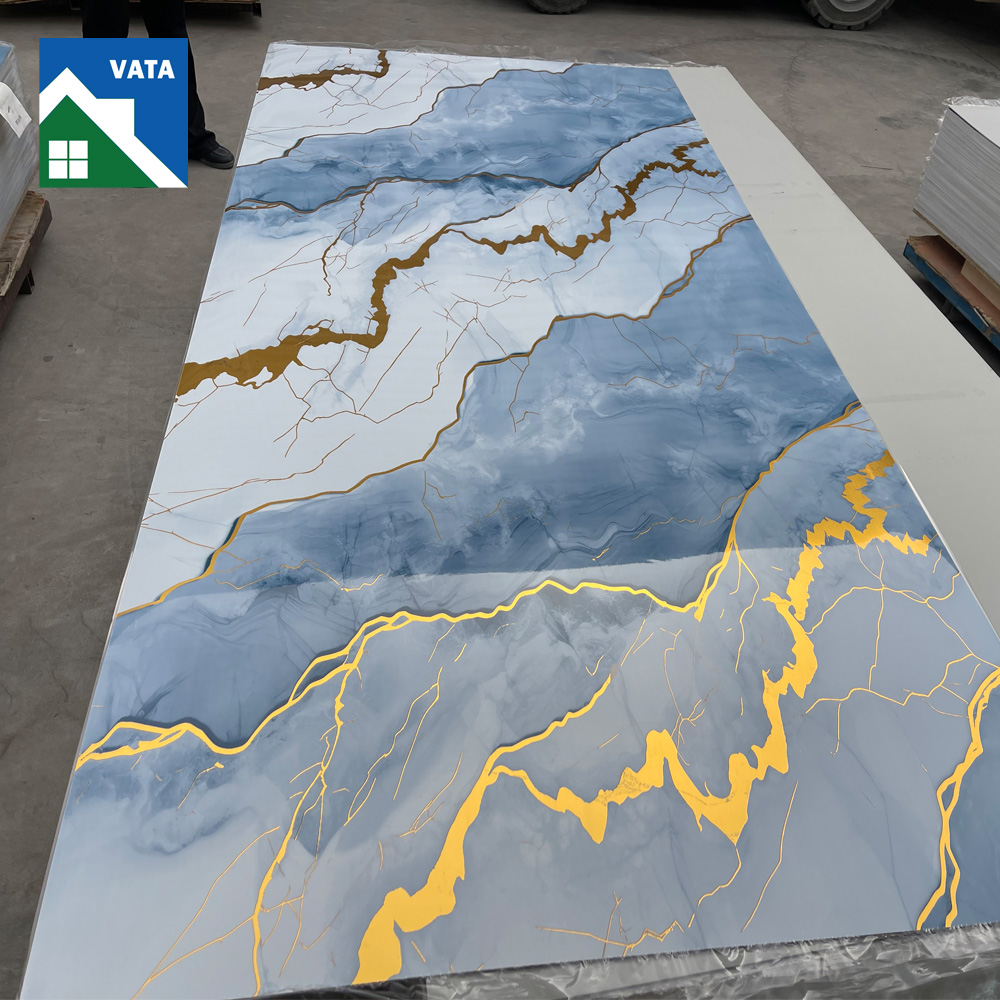
Customized Easy Installation High Glossy PVC Wall Panel Bendable DIY Indoor TV Wall Background Board Glossy UV Marble Sheets
A flexible, high-gloss marble-look sheet for fast interior upgrades, feature walls and TV backgrounds. Useful for distributors building a decorative panel bundle alongside plywood and MDF.
View product
1220x2440mm, 1525x2440mm, 1830x2440mm Green/ Red/ Black Core Wood Fiber Plain MDF/ HDF Board
Colour-coded MDF/HDF cores help furniture factories and distributors separate moisture-resistant, standard and project grades at a glance in high-volume warehouses.
View product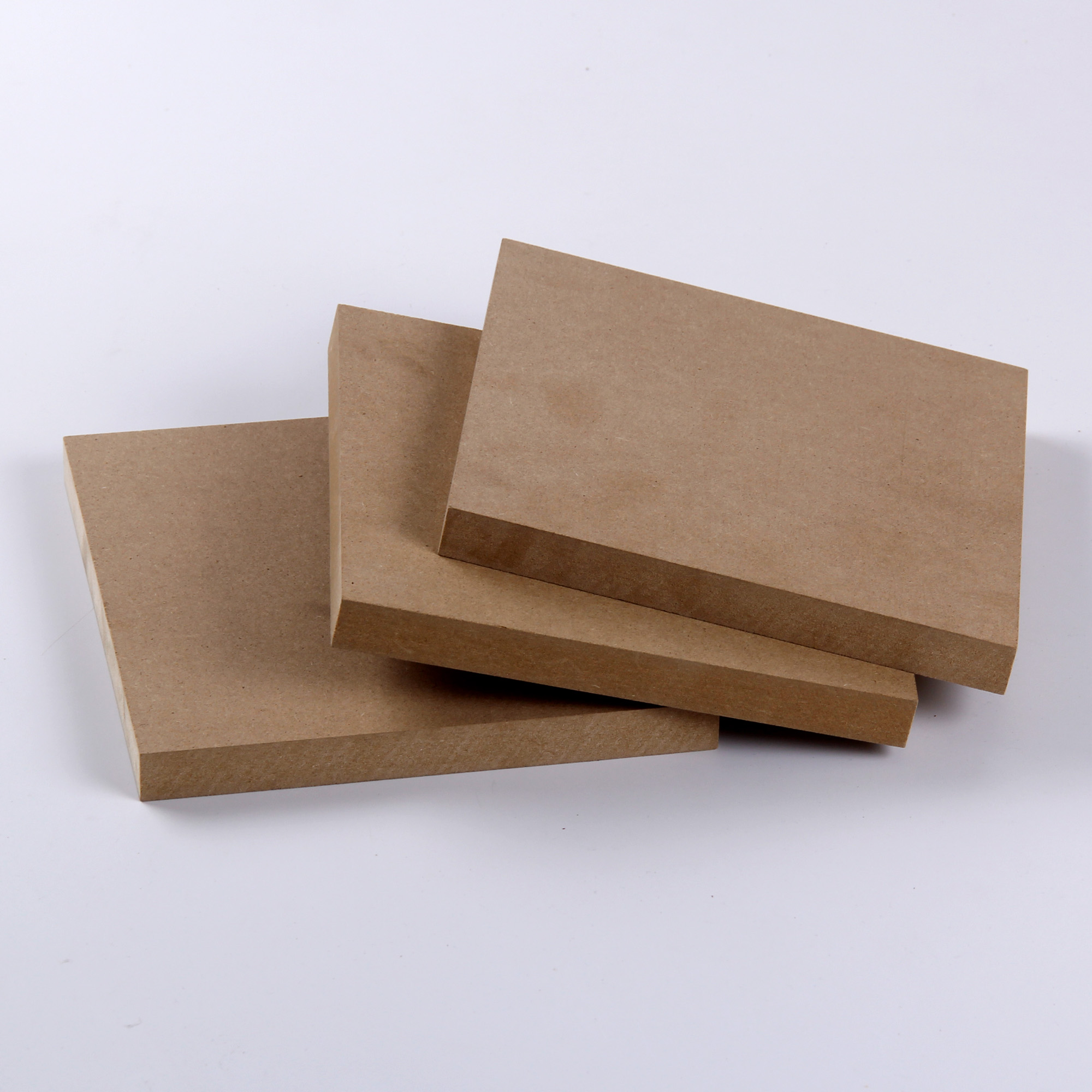
Factory Standard Size with Thickness of 5mm, 6mm, 8mm, 9mm, 18mm Raw MDF/HDF Board
Sanded raw MDF/HDF for painting, laminating, routing and furniture carcasses. A practical companion order for buyers who need plywood and substrate boards in one shipment.
View product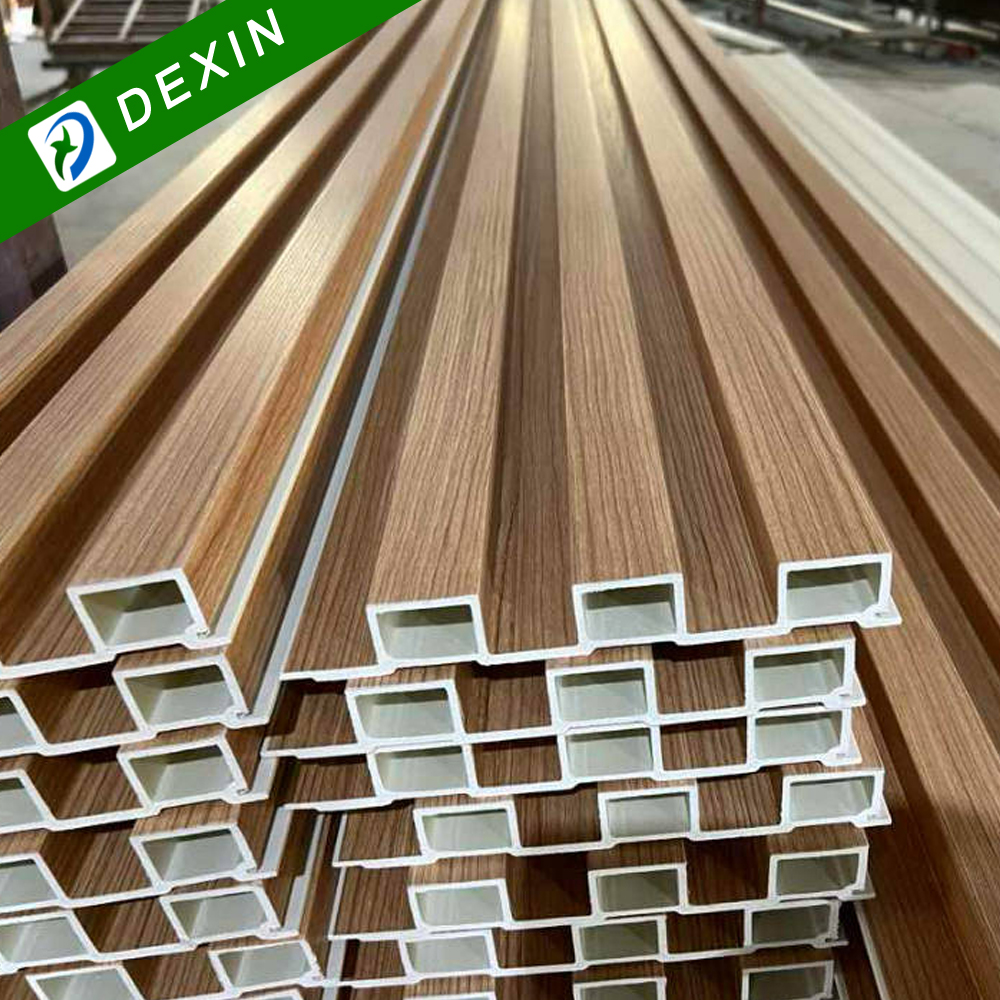
Modern Wall Cladding Home Background PVC WPC Wall Panels Interior Decorative Wall Panel for Hotel
Fast-install decorative wall cladding for hotel refurbishment, residential feature walls and retail fit-outs where low labour cost matters as much as visual finish.
View product
Good Price 1200x2400x18mm Melamine Coated Plywood Custom Thickness Marine Board for Furniture
Melamine-coated plywood for furniture, cabinetry and wet-area applications where the buyer needs a clean decorative face and dependable glue performance.
View product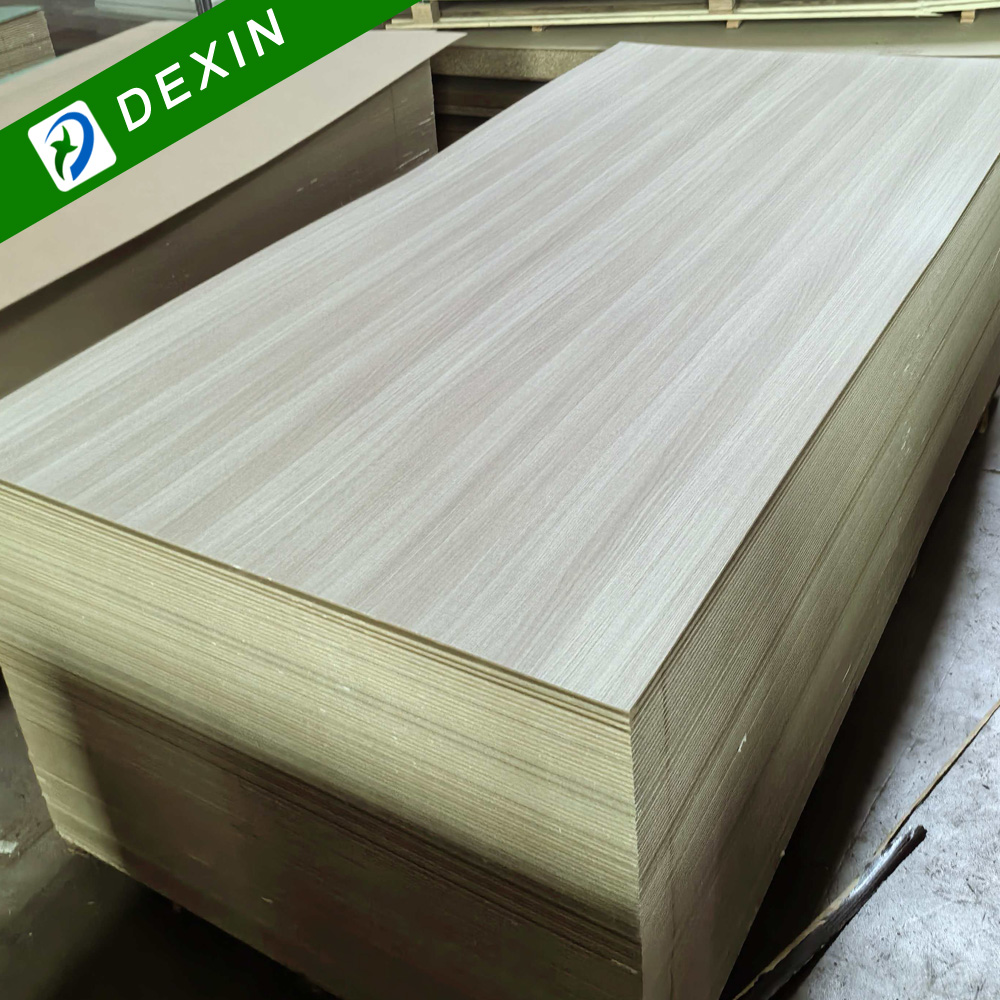
Moisture Resistant 4mm 15mm 17mm 18mm Melamine MDF Wood Panels 1220x2440mm White Textured MDF Melamine
White textured melamine MDF for wardrobe interiors, bathroom cabinetry and contract furniture where moisture resistance and easy cleaning are required.
View product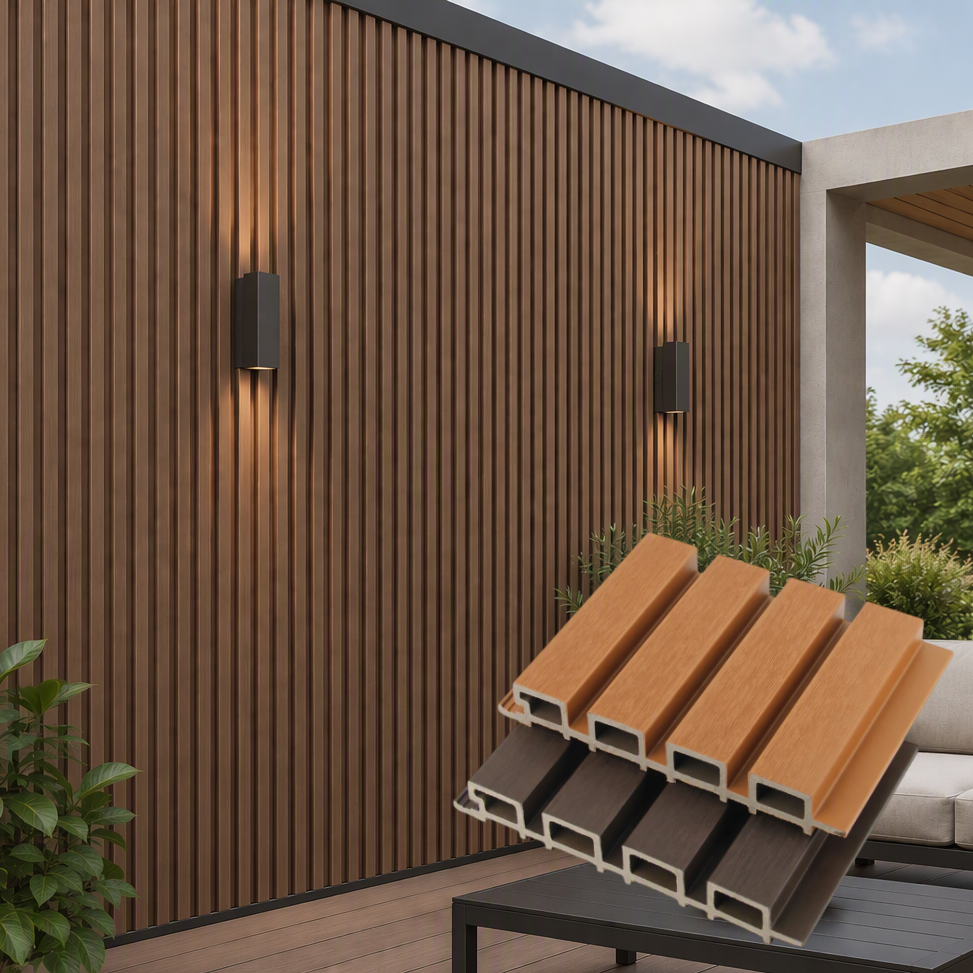
New Style Outdoor WPC Wall Cladding Panels Waterproof Villa Textured Co-Extruded Fluted Facade
Co-extruded fluted WPC cladding for villas, façades and exterior feature walls. It broadens a plywood supplier’s offer into waterproof decorative exterior systems.
View product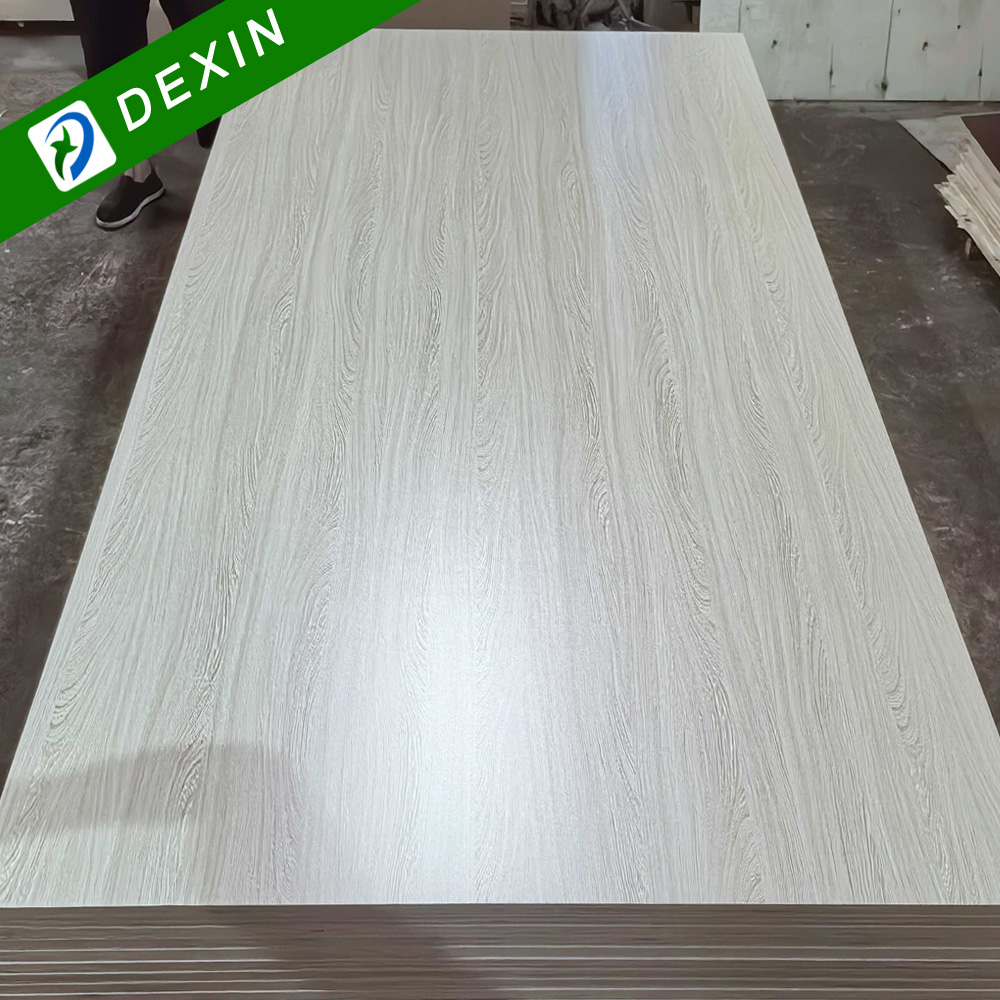
Waterproof Melamine Contreplaque De 5mm 6mm 18mm 11 Ply Glossy Matt White Eucalyptus Core Melamine Faced Plywood
An 11-ply melamine-faced plywood with eucalyptus core for furniture and interior projects. A close cross-sell for buyers sourcing CE hardwood plywood and decorative plywood together.
View productHow to Specify CE-Certified Hardwood Plywood Without Guesswork
The search phrase “CE Certified Hardwood Plywood Manufacturer & Suppliers” carries strong commercial intent, but it also hides very different buyer questions. A first-time importer wants a reliable factory. A distributor wants stable quality and mixed-container flexibility. A contractor wants documents that survive project review. A furniture producer wants face consistency, machinability and low formaldehyde risk.
CE-certified hardwood plywood should not be treated as a single commodity description. Two panels can look identical in a photograph while differing in face grade, core lay-up, glue line, formaldehyde class, thickness tolerance, moisture content, packaging and technical file. For a buyer, the real question is not simply “Is it CE?” but “Which exact product configuration is covered, for which intended use, and what evidence can the supplier provide before I pay a deposit?”
Under the Construction Products Regulation, wood-based panels are commonly assessed against the harmonised standard EN 13986 where the product and intended use fall within its scope. A credible manufacturer or supplier should be able to connect the Declaration of Performance (DoP), factory production control, test reports, labelling and the commercial specification. If a hardwood plywood is offered for structural use, reaction-to-fire performance, flooring, roofing or another regulated application, the buyer should confirm that the exact species, glue, thickness, treatment and face/core build are within the documented scope. A generic certificate image is not a substitute for a product-specific technical file.
The variables that change hardwood plywood risk
Face and core species. “Hardwood” can describe the face veneer, the core, or both. Buyers should define whether they need a hardwood face for finishing, a dense hardwood core for machining, or a mixed hardwood build for a target price. Species availability and veneer grade should be confirmed against an approved sample.
Glue and moisture exposure. MR and WBP glue systems serve different environments. A panel intended for interior furniture is not automatically suitable for repeated wetting or exterior exposure. The buyer should state the end-use condition, not only the product name.
Formaldehyde and indoor air quality. E0, E1, E2 and CARB requirements are market- and customer-specific. For the EU, E1 is a common baseline; for the United States, CARB or TSCA Title VI requirements may apply depending on the product and chain. A reliable supplier asks for the destination market and application before recommending a grade.
Thickness, tolerance and flatness. Cabinet doors, flooring substrates and formwork all tolerate different thickness variation. Tolerance should be written into the purchase order, not left to catalogue language. Packaging, edge protection and moisture barrier matter as much as the board itself.
Traceability and chain of custody. When FSC or customer-specific due diligence is required, the supplier should explain how the claim is handled, which product scope is covered, and how documents align with the invoice and shipping marks.
A practical buyer scorecard
Before comparing unit prices, ask each supplier to return the same scorecard: species and core structure; face grade; glue type; formaldehyde class; nominal and actual thickness; tolerance; moisture content; CE/DoP scope; FSC or CARB evidence where applicable; MOQ; mixed-container policy; packaging; lead time; pre-shipment inspection method; and payment terms. Suppliers that answer with product-specific evidence are usually easier to audit later. Suppliers that answer only with “CE approved” or a price list create hidden project risk.
Future Procurement Trends for Hardwood Plywood Buyers
Price per sheet still matters, but the buying decision is shifting toward compliance evidence, inventory agility and total installed cost. These four procurement trends are already visible in enquiries from Europe, North America, the Middle East, Southeast Asia and Africa.
Compliance-first sourcing
Buyers now request DoP scope, formaldehyde evidence, glue declarations and traceability before negotiating the final price. “CE” is being treated as a file to audit, not a badge to display.
Mixed-container flexibility
Importers are reducing working capital by combining plywood, MDF, melamine boards and wall panels in one container. MOQ flexibility and loading discipline are becoming supplier selection criteria.
Digital pre-shipment proof
Photo and video inspection, loading records and batch-specific evidence are increasingly requested before balance payment, especially for buyers placing repeat orders through trading platforms.
Total installed cost
Contractors compare cutting loss, surface rework, adhesive use, installation labour and warranty risk—not only the FOB price. Consistent thickness and face quality reduce hidden project cost.
Product Trends Shaping the Next Panel Cycle
Hardwood plywood remains important for furniture, cabinetry and decorative applications, but the surrounding product ecosystem is moving toward lower emission, faster installation and hybrid material design.
Low-emission interiors
E0/E1 and CARB-oriented specifications continue to grow in furniture, wardrobes and interior fit-outs. Resin selection and surface lamination are becoming part of the indoor-air-quality story.
Hybrid decorative systems
Melamine plywood, UV/PET MDF, PVC marble sheets and WPC cladding are increasingly sold together as complete interior surface packages rather than isolated SKUs.
Natural hardwood aesthetics
Real wood veneer faces remain a premium signal in doors, cabinetry and hotel furniture. Buyers are asking for more consistent grain matching, face grading and sample approval.
Fast-install wall modules
Waterproof WPC and decorative wall panels continue to replace slower wet-trade finishes in hotels, retail and residential refurbishment, creating cross-selling opportunities for panel suppliers.

Why KUDE Is a Practical CE Plywood Manufacturer and Supplier
Linyi KUDE International Trading Co., Ltd. is the export platform of a wood-based panel manufacturing group founded in 1998 in Linyi, Shandong—China’s largest wood-based panel production cluster. Being inside the cluster shortens the supply chain for veneer, glue, core materials and packaging, and supports more stable communication between the buyer, the factory and the export team.
The group operates more than 30 sets of production machines across 30,000 m² of workshops, with over 300 workers and annual output of about 60,000 m³ of plywood, blockboard, MDF and particle board. The operating principle is straightforward: survival by quality, development by prestige. For buyers, that translates into sample-based confirmation, practical technical communication and export packing that is planned before production starts.
- ✓20+ years production experience
- ✓15 years of export experience
- ✓Supplier profile assessed by SGS
- ✓OEM, ODM and custom specifications
- ✓CE, ISO 9001, ISO 14001, FSC, CARB
- ✓E0, E1 and E2 grades available
Own production lines
Peeling, gluing, hot pressing, sanding and laminating are covered by 30+ machine sets, reducing middle-man markup on core panel products.
Verified quality system
CE, ISO 9001, ISO 14001, FSC and CARB certifications are supported by sample approval, thickness checks, bonding checks and pre-shipment inspection.
Flexible customization
Sample-based, design-based and full customization is available for size, thickness, core, face, glue, logo printing and export packaging.
Export-ready logistics
FOB, CFR, CIF and EXW terms; T/T and L/C payment in USD, EUR or CNY; seaworthy pallets, steel straps and full export documentation.
Five-point quality control
Material selection, gluing and pressing, sanding and surfacing, inspection, then packing and loading—each batch follows defined checkpoints.
Technical sales support
Buyers can discuss application, destination market, emission class, loading plan and packaging before committing to a container specification.
Mixed-product containers
Several product lines can be combined after specification confirmation, helping distributors and project buyers reduce inventory pressure.
Long-term supply stability
A production base inside the Linyi cluster, established export experience and repeat-order discipline help protect buyers from seasonal supply shocks.




Quick Specification Reference for Importers
Use this table to shortlist a panel before sending a formal enquiry. Values are typical production ranges and must be confirmed against the final product specification, destination market and applicable technical documentation.
| Product family | Typical size | Thickness range | Core / surface | Glue & emission | Typical application |
|---|---|---|---|---|---|
| Commercial plywood | 1220×2440 mm (4×8 ft) | 2.5–25 mm | Poplar, eucalyptus, combi or pine core; okoume, bintangor, birch or pine face | MR / WBP; E0 / E1 / E2; CARB on request | Furniture carcasses, packaging, roofing and general construction |
| Melamine plywood | 1220×2440 mm | 3–25 mm | Single or double-sided melamine paper; matt or glossy finish | E0 / E1 / E2 | Wardrobes, kitchen cabinets, office furniture |
| Film faced plywood | 1220×2440 mm | 9–21 mm | Poplar or eucalyptus core; brown or black phenolic film | WBP phenolic | Concrete formwork, slabs and wall pours |
| Plain MDF / HDF | 1220×2440 mm and project sizes | 3–25 mm | Raw sanded or colour-coded moisture-resistant core | E0 / E1 / E2 | Furniture, painting, CNC routing and laminating substrate |
| UV / PET MDF | 1220×2440 mm | 9–18 mm | MDF base with UV coating or PET film; matt, gloss or mirror finish | E0 / E1 | Kitchen cabinet doors, wardrobes and retail displays |
| WPC wall panel | Custom length | Profile dependent | Wood-plastic composite with wood-grain or solid decorative film | Waterproof composite | Interior walls, ceilings, hotel refurbishment and feature walls |
Hardwood plywood enquiries should state face/core species, glue type, formaldehyde class, application, destination market and required documentation so the exact CE/DoP scope can be checked before quotation.
Frequently Asked Questions from Plywood Buyers
These are the questions that most often appear at the quotation stage. Clear answers reduce sampling delays and protect both sides during the order cycle.
What does CE-certified hardwood plywood mean in practice?
Can KUDE supply hardwood plywood and complementary panel products together?
Which formaldehyde grade should I choose for the EU or US market?
What is the minimum order quantity and lead time?
Can I combine plywood, MDF and WPC wall panels in one container?
Which payment methods and trade terms do you accept?
How can I verify quality before shipment?
What makes KUDE different from a trading broker?
Planning a CE-Certified Hardwood Plywood Order?
Send your target species, core structure, face grade, glue type, formaldehyde class, thickness, quantity, destination port and required documents. Our export team will reply with a product-specific proposal and a practical loading plan for your market.