Eight Products from the KUDE MDF & Panel Export Range
These are practical production routes for importers, distributors, cabinet makers and contractors. Product links and image paths follow the original export catalogue, with specifications confirmed against each final order.
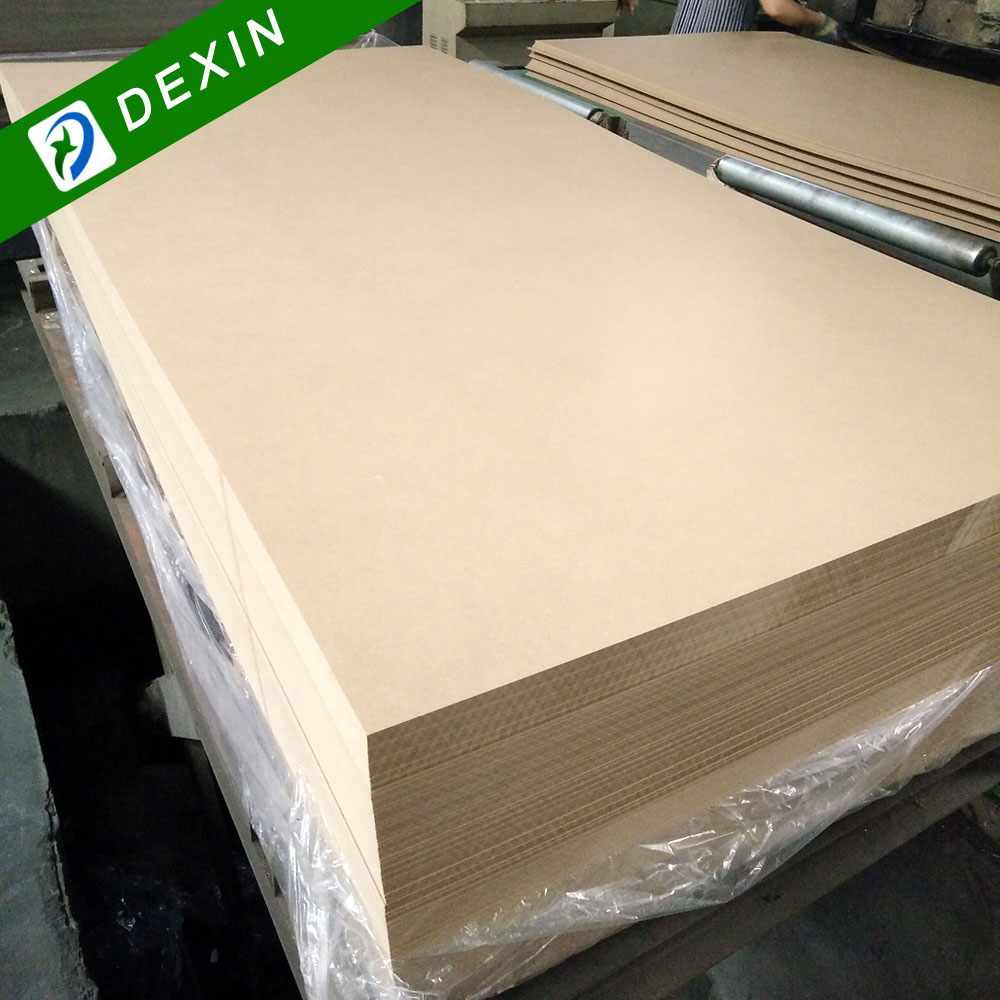
3mm, 12mm, 15mm, 18mm Raw/ Plain MDF Board for Furniture Decoration
A stable substrate for cabinet carcasses, shelving, painted doors and laminate-faced furniture. Fine sanding and controlled thickness help edge banding and CNC routing stay clean.
- Cabinet carcass
- Paint / laminate base
- Furniture decoration
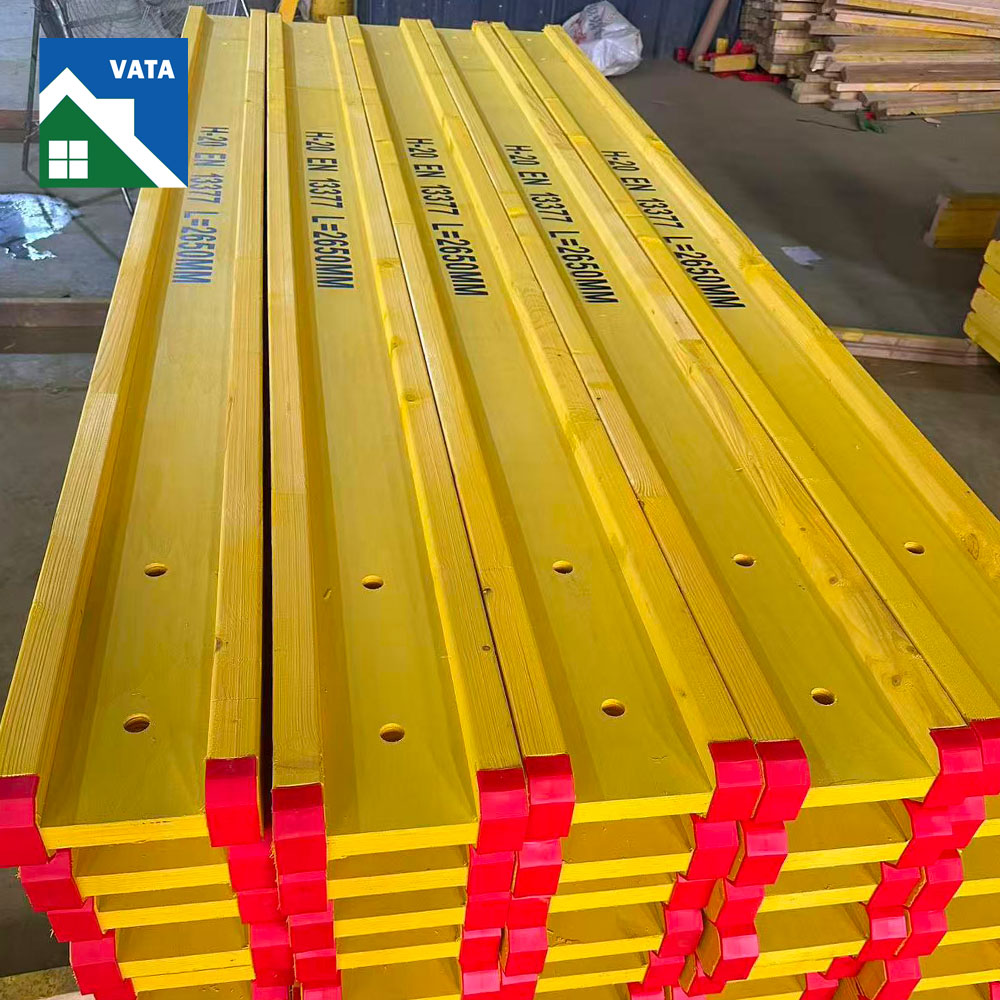
Factory Direct High Strength H20 Timber Beam Waterproof LVL Structural I Beams for Concrete Formwork
A complementary structural export item for formwork systems, supplied for projects that combine panel boards, beams and site accessories in one sourcing programme.
- H20 LVL
- Waterproof
- Formwork systems
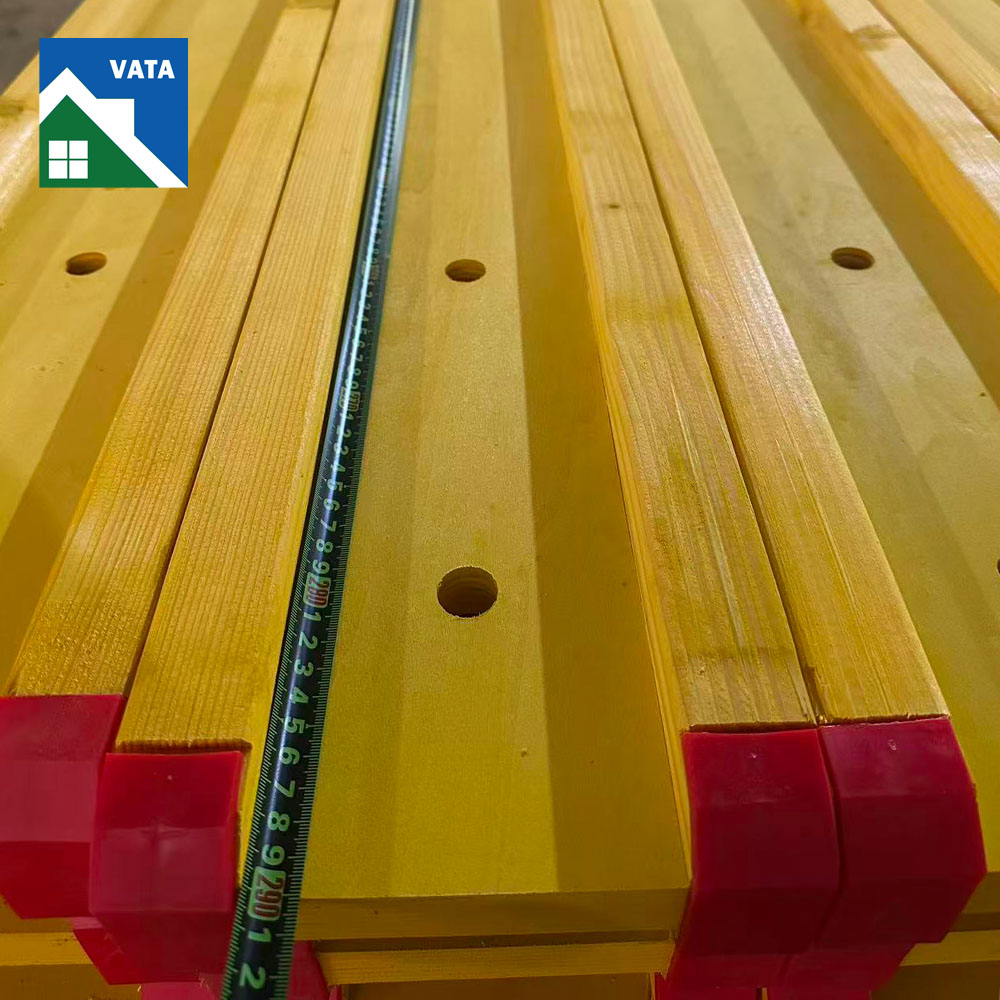
Custom Exterior Use Stable Timber Formwork Beams with WBP Glue Pine or Spruce Flange for Wall Formwork
Custom beam options for exterior wall formwork and contractor supply, matched with film faced plywood and other concrete-facing boards.
- WBP glue
- Pine / spruce flange
- Exterior use
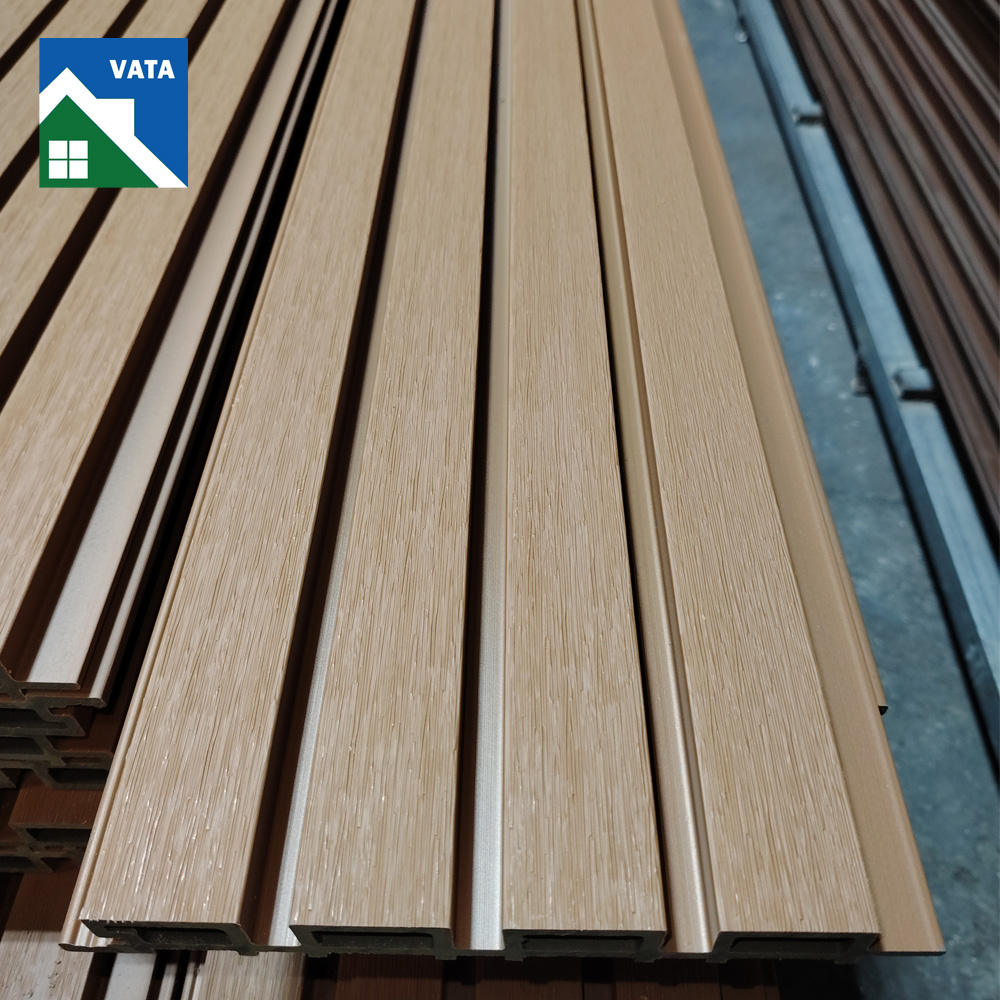
Decorative Outdoor Wood Plastic Composite Partition WPC Fluted Wall Panel Board External Siding Cladding Exterior Wall Cladding
Decorative exterior cladding for feature walls, partitions and project facades where low maintenance and consistent profile are priorities.
- Outdoor cladding
- Fluted profile
- WPC composite
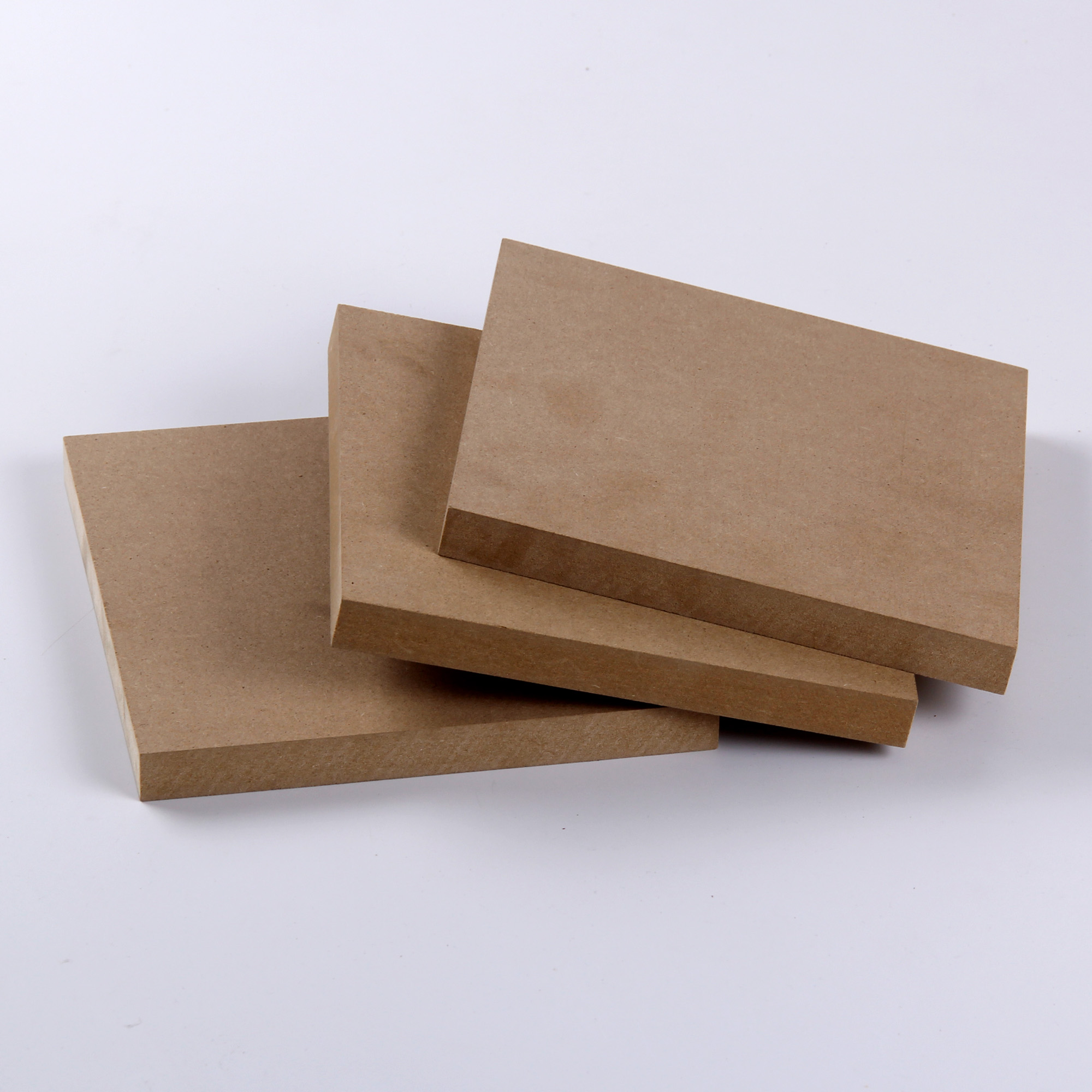
Factory Standard Size with Thickness of 5mm, 6mm, 8mm, 9mm, 18mm Raw MDF/HDF Board
Raw MDF and HDF routes for door skins, drawer fronts, routered panels and furniture components requiring a tight, uniform surface.
- HDF door skin
- Routered fronts
- Standard sizes
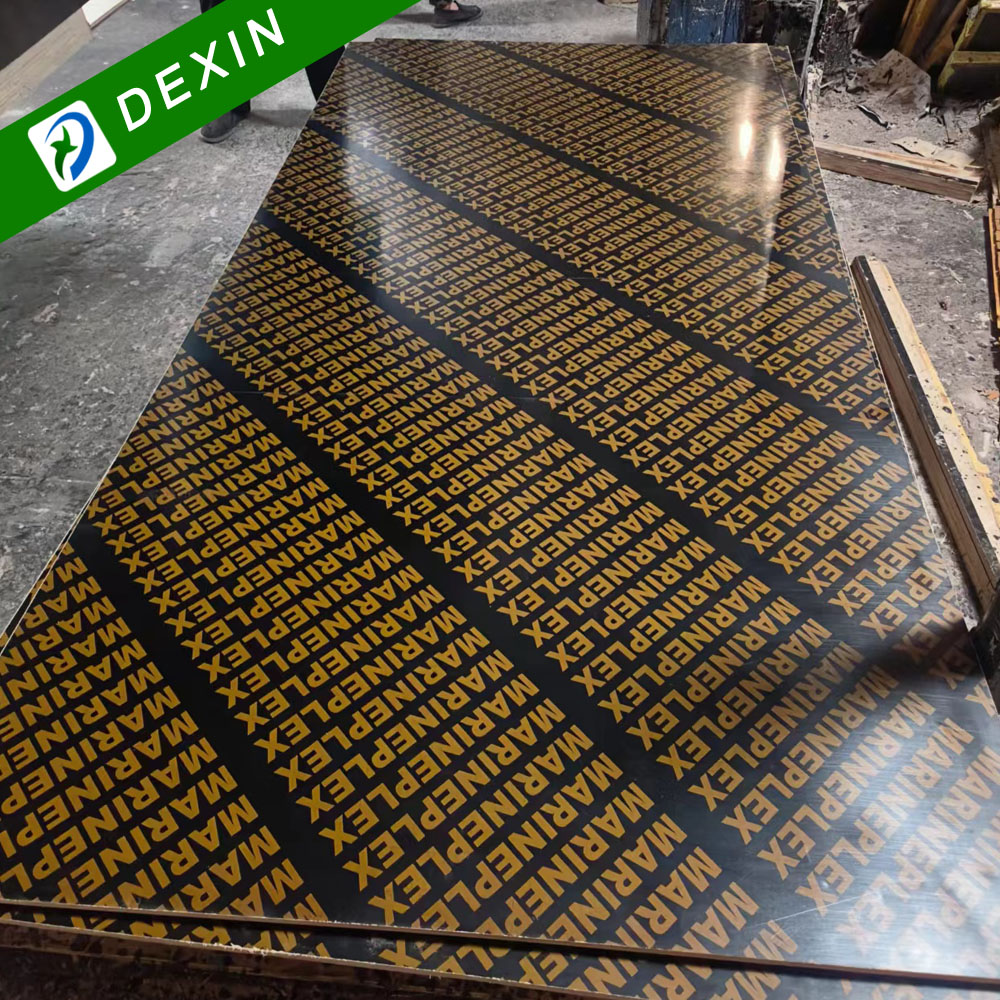
1220*2440* 15mm / 9mm / 12mm / 18mm Film Faced Plywood Marine Construction Formwork Board
Phenolic film faced plywood for concrete formwork, offering a smooth release surface and repeat-use value for construction buyers.
- Concrete formwork
- Phenolic film
- 1220×2440 mm
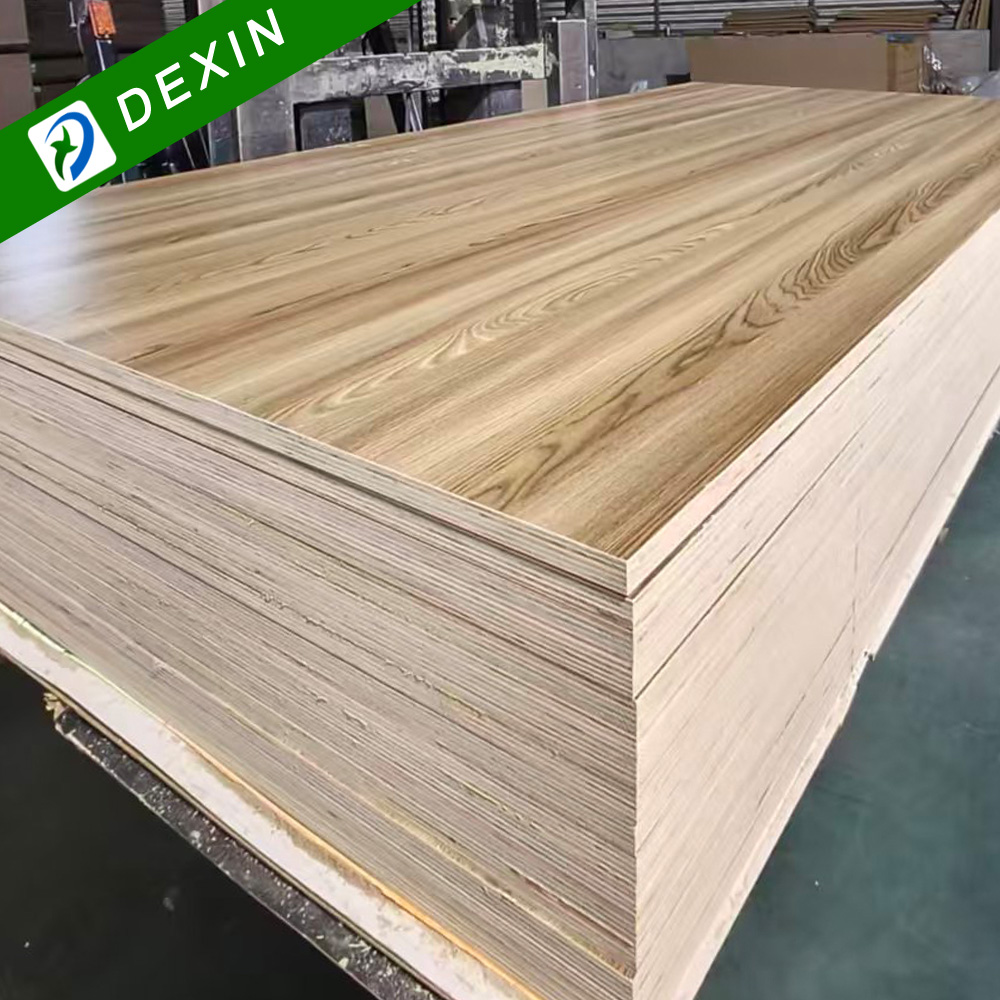
18mm Marine Laminated Contreplaque One or Double Side Colorful Melamine Faced Board Plywood for Furniture Decoration
Single or double-sided melamine faced plywood for furniture interiors, shopfitting and decorative cabinet work where a ready finish reduces coating steps.
- Double-side option
- Colourful decor
- Furniture decoration
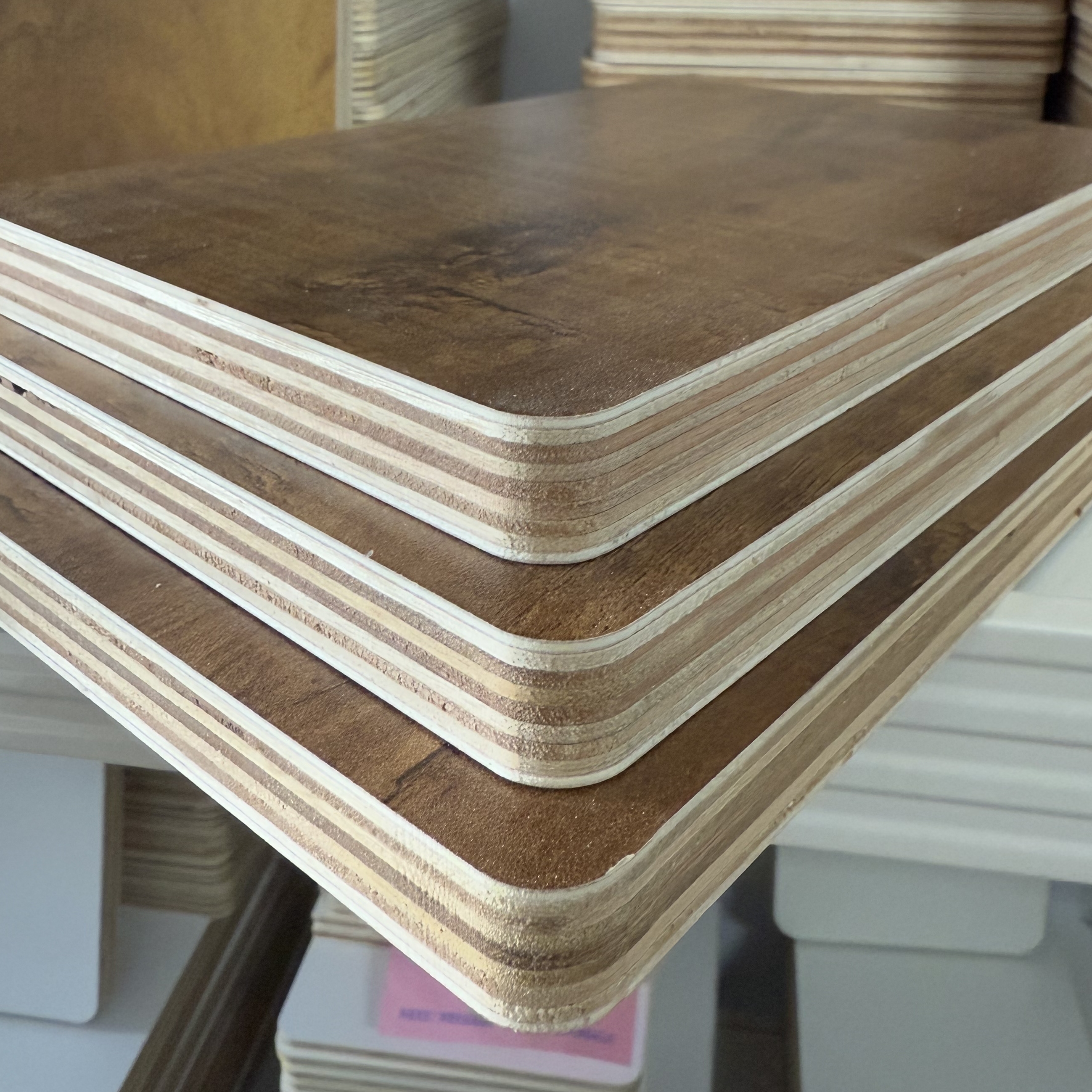
Waterproof White Wood Grain Marble Grain 4x8 18mm Ply Board Melamine Coated Marine Laminated Plywood Sheet for Furniture
Decorative melamine marine plywood for moisture-aware furniture, cabinetry and interior fit-out projects requiring white, wood grain or marble-look finishes.
- 4×8 ft
- Marble / wood grain
- Furniture panels
The Technical Case for CE Certified MDF Cabinet Panels
MDF cabinet panels are not a generic commodity. Their density, fiber distribution, resin system, sanding quality and moisture performance determine whether a cabinet programme runs smoothly from machining line to final installation.
For B2B buyers, the lowest FOB price can be the most expensive specification if it creates rework. A cabinet panel must hold hinges and dowels, accept edge banding, stay flat under load, resist moisture during transport and present a surface that can be painted, laminated, UV-coated or PET-faced without defects. That is why serious importers increasingly evaluate MDF cabinet panels as an engineered system rather than a sheet product. The first variables should be density and thickness tolerance, formaldehyde emission class, moisture resistance and surface consistency. These four factors influence machining yield, finished cabinet quality, compliance paperwork and total landed cost.
CE marking is often misunderstood. For wood-based panels placed on the EU market, CE conformity is normally connected to a Declaration of Performance and the relevant harmonised standard, such as EN 13986 for wood-based panels used in construction. The usable information is not simply a logo on a brochure. It is the product description, intended use, performance declaration, factory production control and batch traceability behind the product family. A CE certified MDF cabinet panel supplier should be able to connect the certificate to the actual factory, product group and order specification. For buyers targeting the United States, CARB / EPA TSCA Title VI compliance may also be relevant; for buyers seeking responsible forestry, FSC chain of custody is a separate but complementary requirement.
KUDE’s export platform is the international sales arm of a wood-based panel manufacturing group established in 1998 in Linyi, Shandong, China’s large wood panel production cluster. The group operates more than 30 production machine sets in 30,000 m² of workshops, with over 300 workers and annual output of 60,000 m³ of plywood, blockboard, MDF and particle board. The operating principle is direct: survival by quality, development by prestige. For MDF cabinet panel buyers, that translates into raw material control, repeated thickness calibration, defined emission grades, export-ready packing and loading visibility before shipment.
Choose the Right MDF Cabinet Panel Route by Application
Different cabinet components need different cores and surfaces. The following recommendation framework helps buyers shortlist the correct board before requesting samples and a formal quotation.
Cabinet Carcasses & Shelving
Use 15 mm or 18 mm raw MDF or HMR MDF with stable density, clean edges and controlled thickness. Confirm screw holding, internal bond and surface absorption before edge banding and drilling.
Routered & Painted Doors
Use HDF or fine-fiber MDF in 5 mm to 9 mm for door skins, and suitable MDF grades for routered shaker profiles. A tight, uniform surface reduces paint absorption and visible fiber rise.
Kitchen & Bath Cabinetry
Specify HMR MDF with moisture-resistant core, sealed edges and controlled moisture content. Kitchen and bathroom panels must survive humidity cycles, transport condensation and installation handling.
Decorative Slab Doors
Use melamine MDF, UV MDF or PET MDF for cabinet doors, wardrobe fronts and retail fit-outs. Matt, super-matte, high-gloss, wood grain and marble-look surfaces can reduce finishing labour.
| MDF Cabinet Panel Route | Core / Surface Logic | Typical Thickness | Best Application | Key Buyer Verification |
|---|---|---|---|---|
| Raw / Plain MDF | Sanded MDF substrate for painting, laminating or veneering | 3–25 mm | Cabinet carcass, shelves, painted furniture | Density, thickness tolerance, surface absorption, E0/E1/CARB request |
| HMR MDF | Moisture-resistant green core MDF | 15–18 mm | Kitchen, bathroom, laundry cabinetry | Core colour, moisture performance, edge sealing, flatness |
| HDF Door Skin | High-density fine fiber board | 5–9 mm | Routered doors, drawer fronts, decorative panels | Surface density, fiber fineness, machining quality, thickness consistency |
| Melamine MDF | MDF with melamine paper face | 9–18 mm | Wardrobes, office furniture, shopfitting | Paper weight, colour consistency, scratch resistance, edge chip risk |
| PET MDF | MDF with PET film, matt or gloss | 9–18 mm | Kitchen doors, wardrobe fronts, contract furniture | Film adhesion, surface clarity, anti-scratch performance, colour matching |
| UV MDF | UV-cured coating over MDF | 9–18 mm | High-gloss cabinet doors and display units | Coating cure, gloss level, edge coating quality, packing protection |
Final thickness, density, emission class, decor and packing are confirmed for each order. The table is a buyer shortlisting tool, not a substitute for a signed specification.
How Importers Will Buy MDF Cabinet Panels in 2025–2030
The next sourcing cycle will reward buyers who compare documentation, risk and total landed cost — not only the lowest FOB quotation.
Documentation-First Sourcing
CE DoP files, CARB or E1 test reports, FSC certificates, batch records and loading photos are moving from “nice to have” to standard RFQ attachments. A supplier that cannot trace a panel to a production batch will face longer buyer approval cycles.
Mixed-Container Consolidation
Importers want one container to combine raw MDF, melamine MDF, PET MDF, plywood and project panels. This reduces inventory risk and freight complexity. KUDE’s broad panel programme supports mixed-product containers after specifications are confirmed.
Landed Cost & Supply Resilience
Freight cost, moisture damage, edge chipping and late documentation can erase a low purchase price. Buyers are shifting toward suppliers with stable packing standards, Qingdao port access and clear responsibility for inspection before loading.
Product Trends Reshaping MDF Cabinet Panels
Cabinet panels are moving toward cleaner indoor air, more engineered surfaces and thinner high-density components that still machine reliably.
Low-Emission Cores
E0, E1 and CARB-compliant MDF routes are increasingly specified for schools, hospitals, hotels and residential cabinets where indoor air quality matters.
Engineered Decorative Surfaces
PET, UV, super-matte, anti-fingerprint and synchronised wood-grain finishes are replacing some painting steps and helping importers shorten furniture production cycles.
Thinner High-Density Skins
HDF door skins and thin MDF panels are being used to create slim cabinet doors and flat-pack components without losing screw holding or surface quality.
Moisture-Aware Design
HMR MDF, sealed edges and tighter packaging specifications are becoming standard for kitchen, bathroom and marine-climate cabinet projects.
What a CE Certificate Does — and Does Not — Tell You
CE documentation is a starting point for verification. It is not a replacement for product-specific testing, factory checks and order-level inspection.
A CE Declaration of Performance should identify the manufacturer, the product family, the harmonised standard applied, the intended use and the declared performance. Buyers should check whether the factory named on the document matches the factory quoted on the purchase order. They should also confirm whether the product route is raw MDF, HMR MDF, melamine MDF, UV MDF or PET MDF, because the declaration and test evidence can differ by product family.
For cabinet applications, request the data that affects production: density, thickness tolerance, moisture content, internal bond, screw holding, surface absorption and formaldehyde emission. If the destination is the EU, confirm CE / EN 13986 documentation and E1-class formaldehyde performance where applicable. If the destination is the US, confirm CARB / EPA TSCA Title VI compliance. If FSC is needed, confirm the chain-of-custody scope and whether the order can carry FSC claims.
KUDE holds CE, ISO 9001, ISO 14001, FSC and CARB certifications within its manufacturing group, and the supplier profile has passed an on-site assessment by SGS. These credentials support the buyer’s due diligence, but they do not remove the need for a signed specification and batch-level inspection.
RFQ checklist for MDF cabinet panels
- Product route: raw, HMR, HDF, melamine, UV or PET MDF
- Size, thickness and tolerance
- Density target and screw-holding requirement
- Emission class: E0, E1 or CARB request
- Face and edge: raw, painted, melamine, PET, UV
- Packing: pallet type, corners, moisture barrier, straps
- Documents: DoP, test report, FSC, batch and loading photos
RFQ Prioritization for a Mixed Cabinet Programme
Illustrative decision weights for a buyer comparing MDF cabinet panel suppliers across quality, compliance and delivery risk.
Why KUDE Works as a CE Certified MDF Cabinet Panels Supplier
KUDE combines manufacturing depth in Linyi with an export team that understands documentation, mixed-product containers and buyer-specific specifications.
Manufacturing Group Since 1998
More than two decades of production experience and 15 years of export experience support stable specifications, repeat orders and OEM/ODM programmes.
Linyi Panel Cluster Access
Located in China’s large wood-based panel production base, with 30,000 m² of workshops, 30+ machine sets, 300+ workers and 60,000 m³ annual output.
Certification & Assessment Stack
CE, ISO 9001, ISO 14001, FSC and CARB credentials, with an SGS-assessed supplier profile and emission grades matched to destination-market requirements.
OEM / ODM Customization
Sample-based, design-based and full customization of size, thickness, core, face, decor, glue type, logo printing and export packaging.
Export-Ready Trade Support
T/T and L/C payment in USD, EUR or CNY; FOB, CFR, CIF and EXW terms; palletized packing and shipment through northern China ports such as Qingdao.
Quality-First Operating Principle
“Survival by quality, development by prestige” is reflected in incoming material checks, press control, sanding, inspection and loading records.
Production, Inspection and Loading in Linyi
Buyers can review factory capability before placing a container order and request live inspection of the actual batch before shipment.

Production line and workshop overview

Hot press and panel forming area

Thickness, surface and flatness checks

Finished stock ready for export packing
From Fiber to Container: Four Control Gates
A practical control sequence for MDF cabinet panels intended for machining, coating, lamination and export handling.
Material Intake
Wood fiber, resin, wax and moisture inputs are checked against the product route. For HMR MDF, the moisture-resistant core specification is confirmed before pressing.
Forming & Pressing
Mat formation, density target and press cycle are controlled to reduce internal voids, density variation and thickness drift that can affect screw holding and machining.
Sanding & Surfacing
Calibrated sanding prepares the surface for painting, melamine, UV or PET lamination. Surface consistency matters most when cabinet doors will receive a visible decorative finish.
Inspection & Loading
Thickness, flatness, bonding, edge quality, packing and pallet condition are checked before loading. Loading photos and document review support the buyer’s shipment approval.
Packaging, Loading and Container Economics
Cabinet panels can arrive technically correct and still fail on site if packaging, moisture protection and handling are weak.
Export packaging for MDF cabinet panels should be treated as part of the specification. Pallets need sufficient support, corners need protection, and the pack should include a moisture barrier appropriate to the shipping route and duration. Steel strapping should hold the bundle without crushing edges. For decorative surfaces such as PET, UV or melamine, interleaving and face protection reduce handling marks and scratches. When several products are combined in one container, load planning must protect heavy boards from pressing against fragile decorative panels.
KUDE exports to more than 30 countries and regions, including the EU, USA, the Caribbean, South America, Africa, Southeast Asia, Eastern Europe and the Middle East. Orders are typically loaded in containers and shipped through northern China seaports such as Qingdao. Payment can be arranged by T/T or L/C in USD, EUR or CNY, with FOB, CFR, CIF and EXW terms. The MOQ depends on the product line, often 50 to 500 sheets, and mixed-product containers can be discussed after specifications are confirmed.
MDF Cabinet Panel Buying FAQ
Clear answers to the questions importers, distributors and cabinet factories ask before issuing a purchase order.
What makes an MDF cabinet panel “CE certified”?
Which MDF grade is best for kitchen cabinets?
What formaldehyde emission classes can KUDE supply?
What is the minimum order quantity for MDF cabinet panels?
Can you customize size, thickness, density, face and packaging?
What payment methods and trade terms are available?
How do you control moisture and shipping damage?
Where is KUDE located and how are goods shipped?
Request a specification-matched MDF cabinet panel quotation
Send your panel size, thickness, density target, emission class, surface finish, order quantity and destination port. The KUDE export team will reply with a practical technical proposal, packing plan and quotation for your project.
Send an Inquiry