CE Certified Oak Plywood Manufacturer & Wholesaler
EN 13986 CE-marked melamine faced plywood, film faced formwork boards, raw MDF and oak-veneered panels — 30,000 m² of workshops, 60,000 m³ annual output, exported to more than 30 countries.
Eight Panel Lines Built for Wholesale Programmes
Structural, decorative and cabinetry-grade boards from one Linyi production base. Every line can be re-specified by size, thickness, core species, face, glue type and formaldehyde class before the order is fixed.
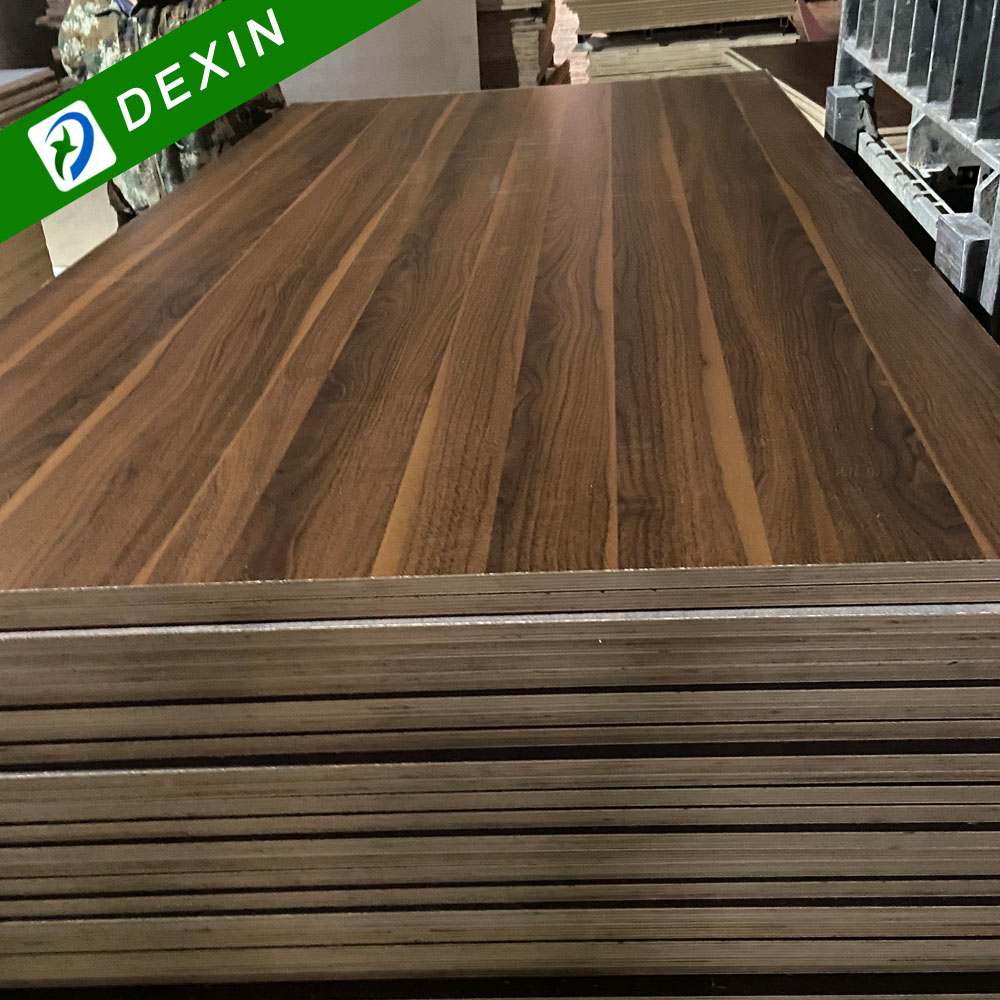
Waterproof 18mm Melamine Faced Plywood for Furniture
Double-sided melamine on a waterproof WBP-glued poplar core. Clean, edge-ready surfaces for wardrobe carcasses, vanities and contract furniture that has to survive humid rooms.
- 18 mm
- WBP glue
- E1 / E0
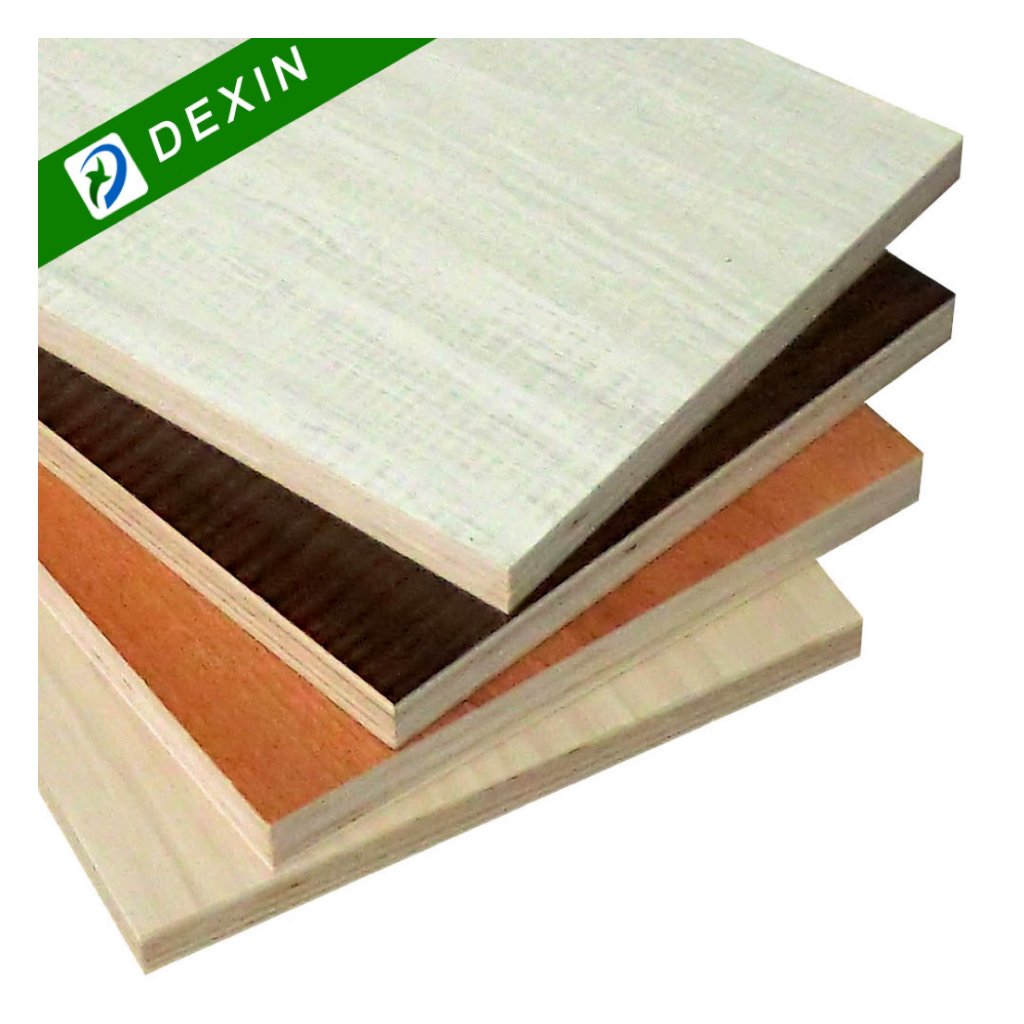
3mm 12mm 18mm E0 Melamine Plywood Sheets for Cabinets
First-class E0 boards supplied as 4x8 ft contrachapado and kontrplak panels. The low-emission core specification most often requested for European and Middle Eastern interior fit-outs.
- 3–18 mm
- E0
- 4x8 ft
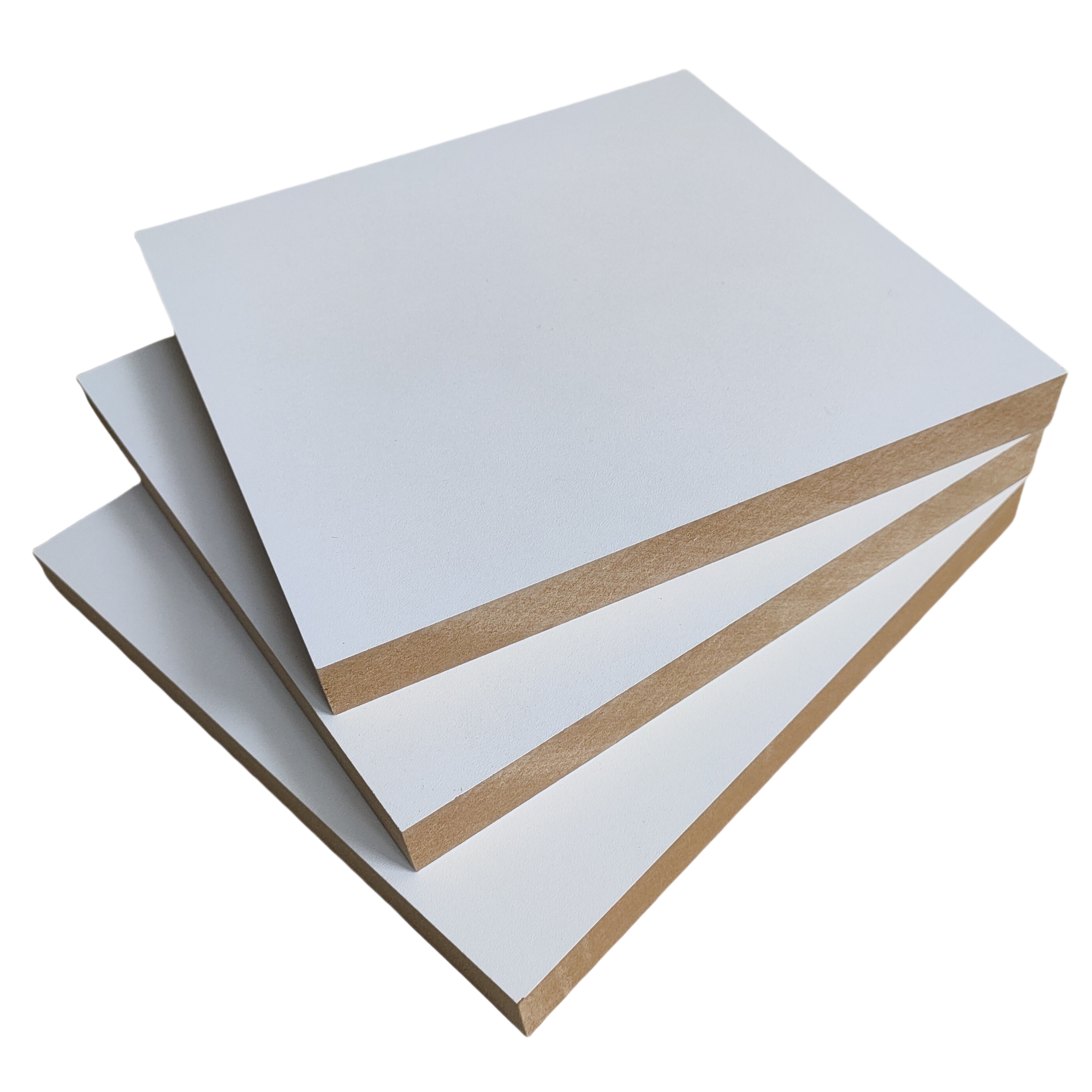
18mm Moisture-Proof White Melamine MDF Board
White wood-fibre faced MDF/HDF over a moisture-resistant core. Router-friendly, dimensionally stable and widely used for kitchen doors, shelving and bathroom cabinetry.
- 18 mm
- E1 grade
- Moisture-proof
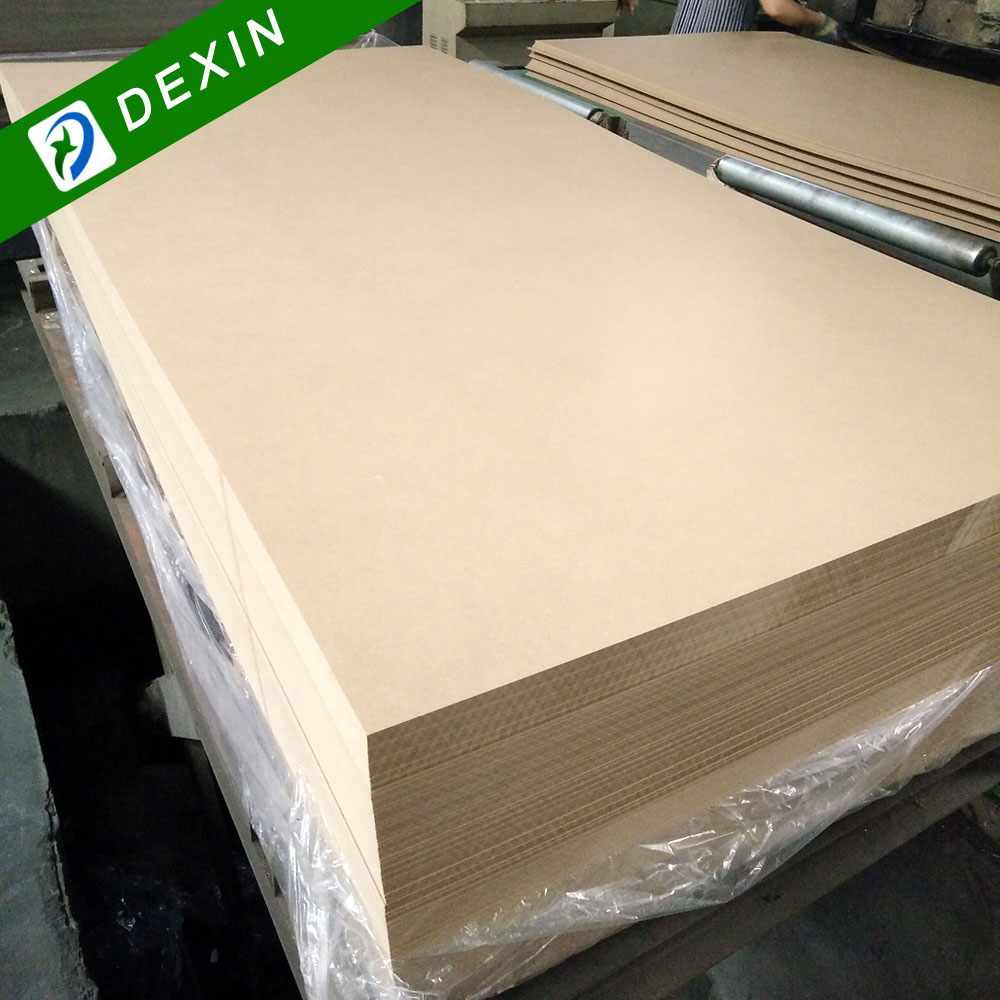
Raw / Plain MDF Board 3mm 12mm 15mm 18mm
Calibrated raw MDF for painting, foil lamination, CNC routing and furniture decoration. Thickness tolerance is controlled per batch, which matters when the next process is a calibrated edge bander.
- 3–18 mm
- Sanded
- E0 / E1
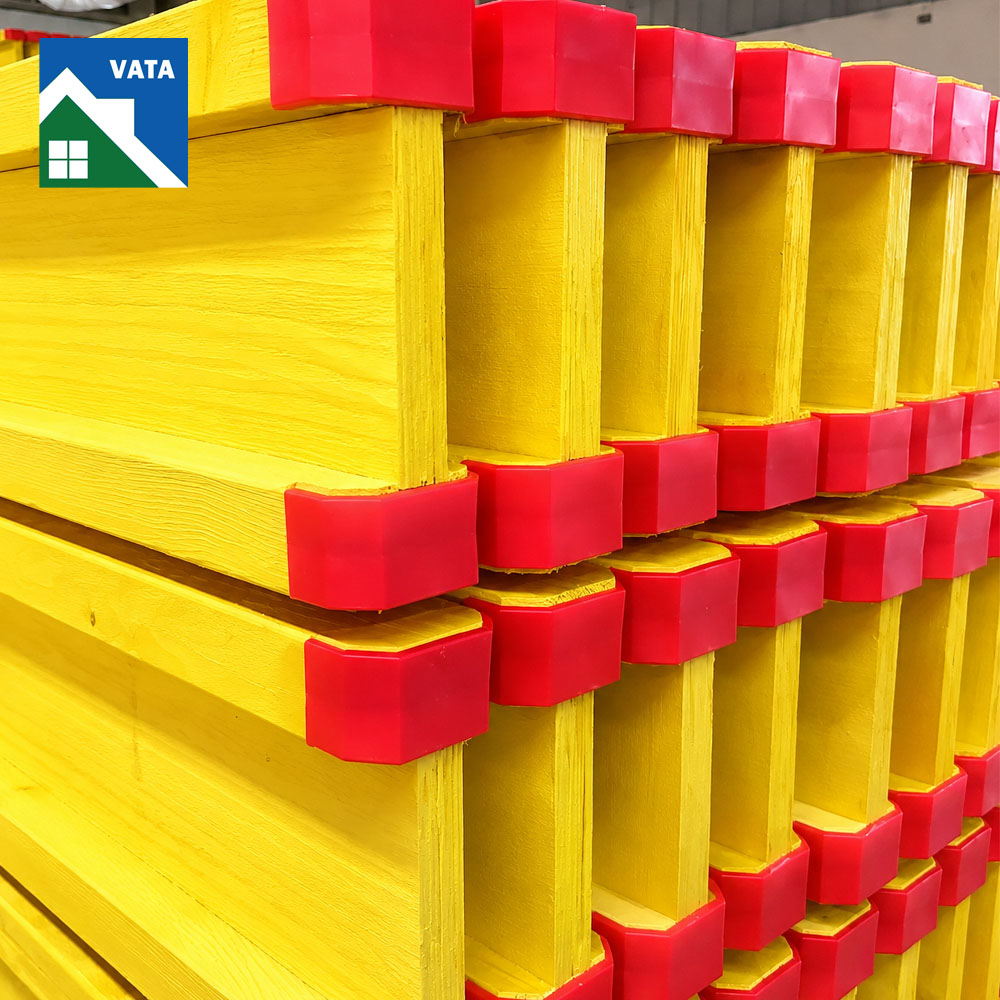
Heavy-Duty Spruce H20 Slab Formwork Beams
Durable spruce H20 beams with galvanised steel end brackets, dimensioned to the 200 × 80 mm profile used across European and Gulf slab formwork systems. Supplied in wholesale bundles.
- H20 profile
- Spruce
- Steel ends
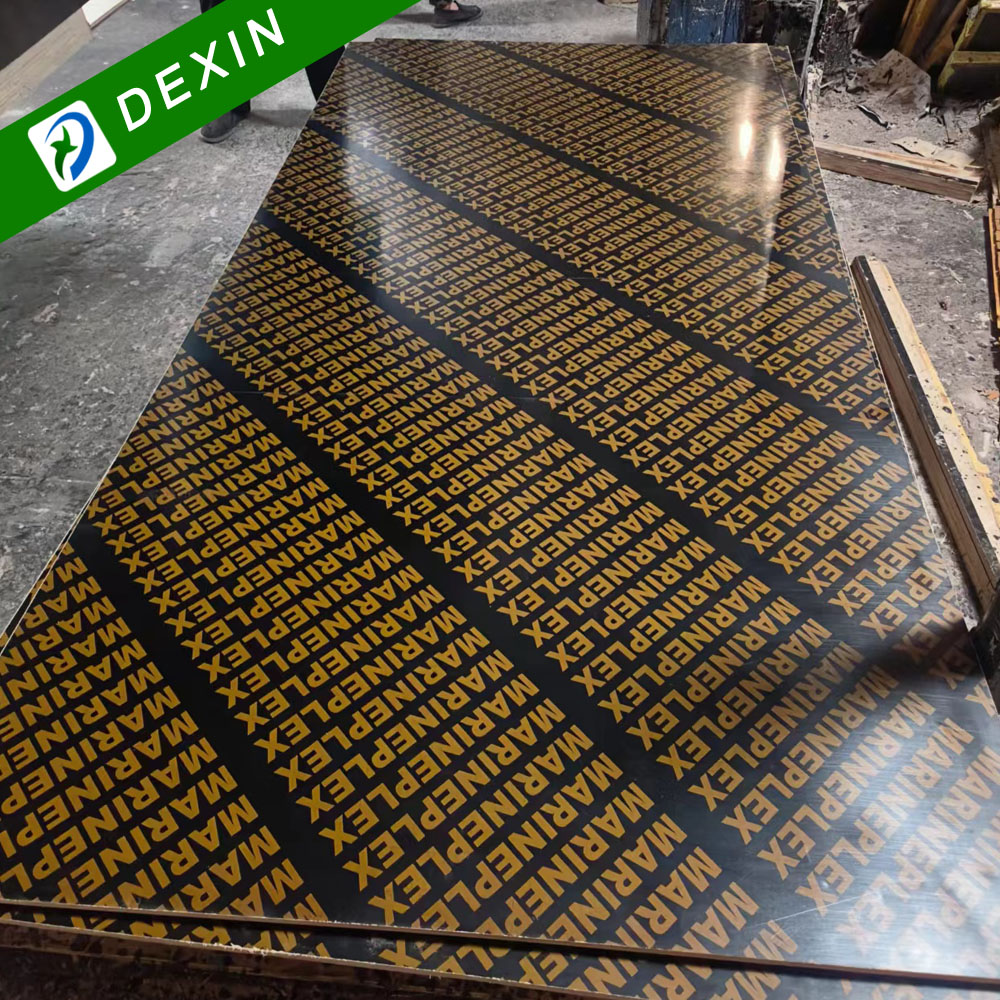
Film Faced Plywood for Marine Construction Formwork
1220 × 2440 mm brown or black phenolic film faced plywood with WBP glue and sealed edges. Built for repeat pours on slabs, columns, retaining walls and marine works.
- 1220 × 2440
- 9–18 mm
- WBP phenolic
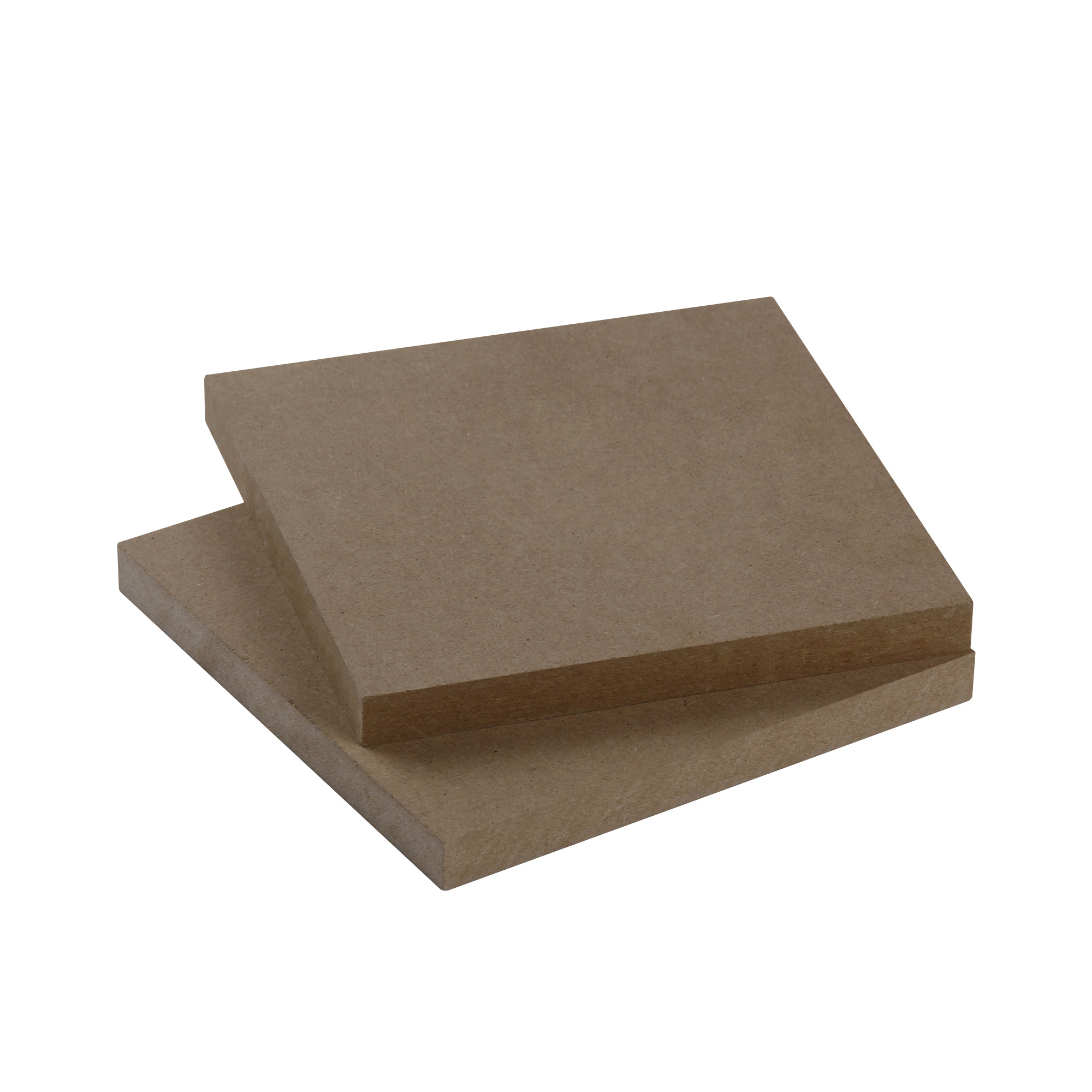
Dexin Plain Particle Board & MDF, E2 Moisture-Proof
First-class plain particle board and MDF at E2 emission, produced for Bangladesh and other price-sensitive markets where screw-holding strength and flatness matter more than premium surfaces.
- E2
- Particle board
- Moisture-proof
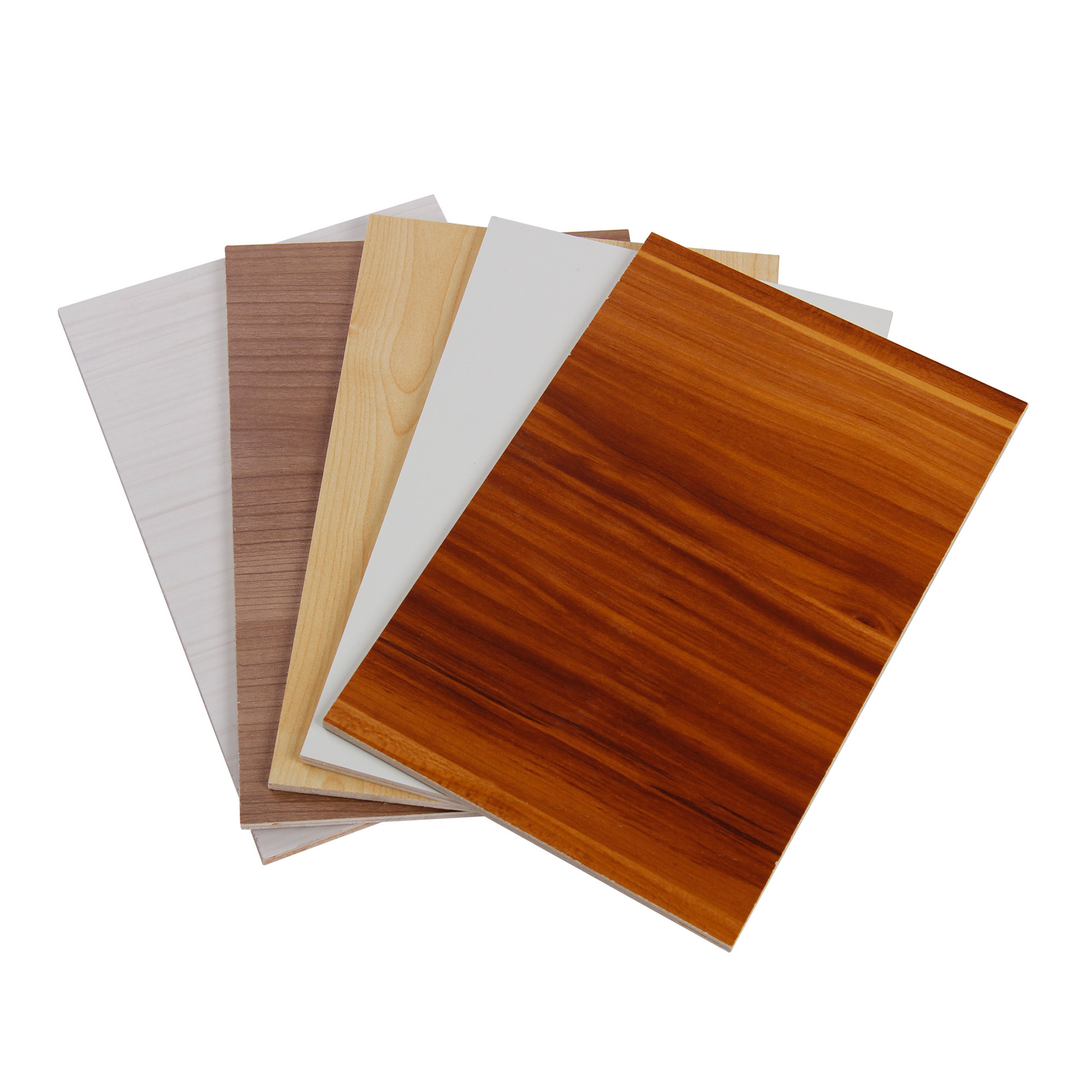
12mm 15mm 16mm 18mm Melamine Board for Furniture Making
Single or double-sided melamine plywood with wood-grain and solid decors matched across batches — the detail that keeps a repeat furniture programme visually consistent from container to container.
- 12–18 mm
- Wood grain
- E1
What “CE Certified Oak Plywood” Really Means Before You Sign a PO
CE marking is the most misunderstood line in a plywood quotation. Here is what a genuine document set contains — and how to read the difference between oak, oak decor and oak-veneered board.
Under the EU Construction Products Regulation (CPR 305/2011), plywood intended for construction use must be CE marked to the harmonised standard EN 13986. The mark itself is not a quality award. It is an accompanying Declaration of Performance (DoP) that states declared values for formaldehyde release, reaction to fire, bonding durability and, where applicable, mechanical performance. A supplier who cannot hand over a DoP with a harmonised standard reference is not “CE certified” — they are simply printing the logo on a catalogue.
For furniture and interior panels, two values are actually tested at destination: formaldehyde class and bonding class. EN 717-1 chamber testing produces E1 and E2. E0 is a market grade widely used across Asia, the Middle East and Latin America, but it is not a harmonised class inside EN 13986. If your market is the United States, ask for CARB Phase 2 / EPA TSCA Title VI instead. If your market is the Gulf, E1 plus a third-party laboratory report is usually the practical minimum a consultant will accept.
Oak is a specification, not a product category. “Oak plywood” may mean a poplar-core panel with a 0.3 mm sliced European oak face, a full oak-veneered board on a hardwood core, or a printed oak melamine decor. The three sit at very different price points and behave differently on a CNC line. We build oak-faced plywood to order — Quercus robur/petraea or American white oak, sliced to 0.3–0.6 mm, pressed onto a poplar or eucalyptus core — and we will say plainly when a synchronised oak melamine will deliver the same visual result for less money.
Our position in Linyi, Shandong — China's largest wood-based panel cluster — is a logistics fact rather than a slogan. Veneer, glue and core material sit within a short drive of our workshops, which shortens lead time and keeps pricing stable when raw material tightens elsewhere.
The CE document set to request
- EN 13986 harmonised standard reference
- Declared formaldehyde class (E1 / E2)
- Bonding class to EN 314-2: class 1, 2 or 3
- Reaction to fire declaration
- Notified body and AVCP system used
- Batch-linked test report and DoP number
Why Importers Keep KUDE on Their Approved Supplier List
Twenty-plus years of production experience, fifteen years of export experience and an on-site SGS assessment behind the trading profile.
Own Production, Not Brokerage
A group founded in 1998 running more than 30 machine sets across 30,000 m² of workshops, with 300+ workers and 60,000 m³ of annual output. Peeling, gluing, hot pressing, sanding and laminating stay in-house, so there is no middle-man markup on core products.
Compliance Documentation
CE marking to EN 13986, ISO 9001, ISO 14001, FSC and CARB, with formaldehyde grades E0, E1 and E2 matched to your destination market. Documents are issued with the batch, not assembled after a claim.
Species and Surface Customisation
Poplar, eucalyptus, combi and pine cores; oak, okoume, bintangor and birch faces; melamine, PET, UV and phenolic film surfaces. Sample-based, design-based and full OEM/ODM customisation, including logo printing on the panel and private-label packaging.
Export Execution
FOB, CFR, CIF and EXW terms; T/T and L/C in USD, EUR or CNY. Cargo leaves through Qingdao and neighbouring northern ports, with seaworthy pallet packing, steel strapping and loading photographs sent before the vessel sails.
SGS On-Site Assessed
Our supplier profile has passed an on-site assessment by SGS, and buyers are welcome to book a live video walk-through of the press lines, warehouse and loading bay before the deposit is released.
Cluster Cost Advantage
Being inside the Linyi cluster means short supply chains for veneer, glue and core material, and stable pricing across seasons. It also means a replacement container can be rebuilt quickly if a specification has to change.
From Raw Veneer to Loaded Container: Five Checkpoints
Every batch passes the same five gates before it is allowed onto a pallet. The sequence is boring — which is exactly why it works.
Material Selection
Veneer grading, moisture checks and core sorting before any glue is mixed.
Gluing & Pressing
Controlled glue spread, cold pre-press and timed hot-press cycles per thickness.
Sanding & Surfacing
Calibrated sanding, then melamine, film or veneer overlay depending on the line.
Inspection
Thickness to EN 324-1, moisture target 8–12%, bonding to EN 314-2, flatness and surface defects.
Packing & Loading
Export pallets, corner protection, steel straps, container photos and a sealed loading report.
How Plywood and MDF Buying Is Changing, 2025–2030
Six shifts that are already visible in the enquiries reaching our export desk — and what each one means for your next purchase order.
Compliance-First Sourcing
Procurement teams now open with the destination regulation rather than the price. Buyers ask for E1 plus a DoP for the EU, CARB Phase 2 / EPA TSCA Title VI for the US, and E0 plus a third-party report for Gulf projects. Suppliers who cannot produce documents on request are being filtered out at the enquiry stage.
Mixed Containers, Smaller MOQs
Instead of four containers of one grade, importers are building one container of four grades. MOQs of 50–500 sheets per line and mixed loading across melamine plywood, MDF and film faced board are becoming standard, which reduces working capital tied up in slow-moving stock.
Digital Due Diligence
Factory videos, live WeChat walk-throughs and container loading photos have replaced the first physical visit for many small and mid-sized buyers. The practical test is no longer “can you send a catalogue” but “can you show me this exact batch on camera before I pay the balance”.
Traceable, Lower-Carbon Panels
FSC chain of custody has moved from a premium option to a tender requirement in parts of Western Europe. At the same time, buyers are asking about bio-based and MDI binders, recycled wood content and transport emissions per cubic metre — questions that now sit next to price on the comparison sheet.
Design-Led Surface Specification
The decorative surface is increasingly chosen by the brand or interior designer, not the purchasing manager. PET matt, soft-touch UV and synchronised wood grain are specified by name, which pushes suppliers to hold decor consistency across batches rather than simply matching a colour card once.
Dual Sourcing and Price Hedging
After several years of freight and resin volatility, importers are splitting volume between a China factory-direct contract and a regional distributor for spot needs. Forward-priced annual contracts with quarterly review windows are replacing one-off spot purchases for repeat furniture programmes.
Where the Panel Itself Is Heading
The board is changing from the core outward: lower emission, lighter construction, and a surface that is expected to perform as hard as it looks.
No-Added-Formaldehyde Cores
E0 has become the default request for interior furniture in several Asian and Middle Eastern markets, and MDI or soy-based binder systems are being sampled for projects with indoor air quality targets. Expect the conversation to move from “which class” to “which test method and which binder”.
Engineered Timber Replacing Solid Wood
H20 formwork beams, LVL and laminated cores continue to displace solid timber in slab systems because they are straighter, more predictable in load behaviour and easier to certify. The same logic is pushing engineered plywood cores into furniture and door applications.
PET, UV and Soft-Touch Surfaces
PET film is taking share from PVC in cabinetry because it is scratch-resistant, repairable in some grades and easier to market. Matt and soft-touch UV finishes are replacing high gloss in premium kitchens, where fingerprints and reflection are now seen as defects rather than style.
Large Formats and Custom Sizes
Beyond the classic 1220 × 2440 mm, buyers are requesting 4 × 9 ft, 6 × 8 ft and cut-to-size panels to reduce waste on CNC lines. Custom formats cost more per square metre but often reduce total project cost once offcuts, labour and disposal are counted.
Synchronised and Digital-Printed Grain
Embossed-in-register technology aligns the printed decor with the pressed texture, which closes much of the visual gap between melamine and real veneer. For hotel, retail and office fit-outs this is now the default way to hit a natural oak look at a controlled price.
Functional, Not Just Decorative
Moisture-resistant green cores, antibacterial melamine for healthcare and food service, and fire-retardant treated panels are moving from niche to catalogue standard. Each addition changes the test report you need, so specify the function and the standard together, not separately.
Quick Reference for Wholesale Enquiries
Use this table to shortlist the correct board before sending a specification. Values are typical production ranges and are confirmed per order.
| Product | Standard size | Thickness / profile | Core & surface | Glue / emission | Typical application |
|---|---|---|---|---|---|
| Melamine faced plywood | 1220 × 2440 mm | 3–18 mm | Poplar or eucalyptus core, melamine paper | E1 / E0, MR or WBP | Cabinets, wardrobes, office furniture |
| Film faced plywood | 1220 × 2440 mm | 9–18 mm | Poplar or eucalyptus core, brown / black film | WBP phenolic | Concrete formwork, slabs, columns |
| Oak veneered plywood | 1220 × 2440 mm | 3–18 mm | Oak veneer 0.3–0.6 mm on poplar / eucalyptus | E1, MR or WBP | Doors, wall panelling, premium furniture |
| Plain / raw MDF | 1220 × 2440 mm | 3–18 mm | Sanded, HMR option | E0 / E1 / E2 | Painting, lamination, CNC routing |
| Melamine MDF | 1220 × 2440 mm | 9–18 mm | White or wood-grain melamine | E1 | Kitchen doors, wardrobe interiors |
| Particle board | 1220 × 2440 mm | 9–18 mm | Plain, moisture-proof option | E2 | Budget furniture, Bangladesh and Africa |
| H20 formwork beam | Per system length | 200 × 80 mm profile | Spruce flange, galvanised ends | n/a | Slab formwork and falsework |
| Marine formwork board | 1220 × 2440 mm | 15 / 18 mm | Hardwood or poplar core, sealed edges | WBP | Marine works, heavy repeat pours |
Thickness tolerance, moisture content and bonding class are confirmed against EN 324-1 and EN 314-2 in the order confirmation.
Three Demand Profiles We Ship Against Every Week
Different destinations, different failure points. The specification should follow the climate and the application, not last year's order sheet.
Middle East & Africa
Contractors and building-material distributors buying film faced plywood for high-rise and infrastructure formwork, plus H20 beams for slab systems. Heat and humidity make WBP glue and sealed edges non-negotiable, and edge damage on site is the most common cause of premature failure.
Southeast Asia
Furniture factories and cabinet makers sourcing melamine plywood, UV MDF and PET MDF for kitchens and wardrobes. Decor consistency across containers and stable thickness for automated edge banding matter more here than the last few dollars per sheet.
Americas & Europe
Importers requiring FSC chain of custody, CARB Phase 2 / EPA TSCA Title VI or E1 with a full DoP for retail and project channels. Oak-veneered and synchronised oak decor panels are the fastest-growing request in this group.
Questions Buyers Ask Before the First Container
The eight questions that come up in almost every enquiry, answered with the detail a purchasing team actually needs.
Is your plywood genuinely CE marked, and what does the DoP cover?
Can you supply real oak veneered plywood rather than a printed oak decor?
What formaldehyde grades can you ship — E0, E1, CARB Phase 2 or EPA TSCA Title VI?
What is the MOQ, and can I mix several products in one container?
Which payment methods and Incoterms do you accept?
How much board fits in a 20'GP or 40'HQ container?
How do samples, pre-shipment inspection and third-party testing work?
What happens if a container arrives out of specification?
Send Your Specification — Get a Costed Container Plan
Tell us the panel type, size, thickness, formaldehyde class, surface, quantity and destination port. Our export team replies with a technical proposal, a loading estimate and a landed-cost breakdown — not just a price per sheet.