CE Certified Okoume Plywood and Complementary Export Panels
Importers rarely buy a single board in isolation. The eight products below reflect the panel, formwork and decorative items most often combined with okoume plywood programmes: film-faced plywood for concrete, reusable H20 beams, melamine-faced boards, MDF/HDF substrates and fast-install wall panels. Product links preserve the original specification pages so buyers can compare dimensions, surfaces and applications before requesting a quotation.
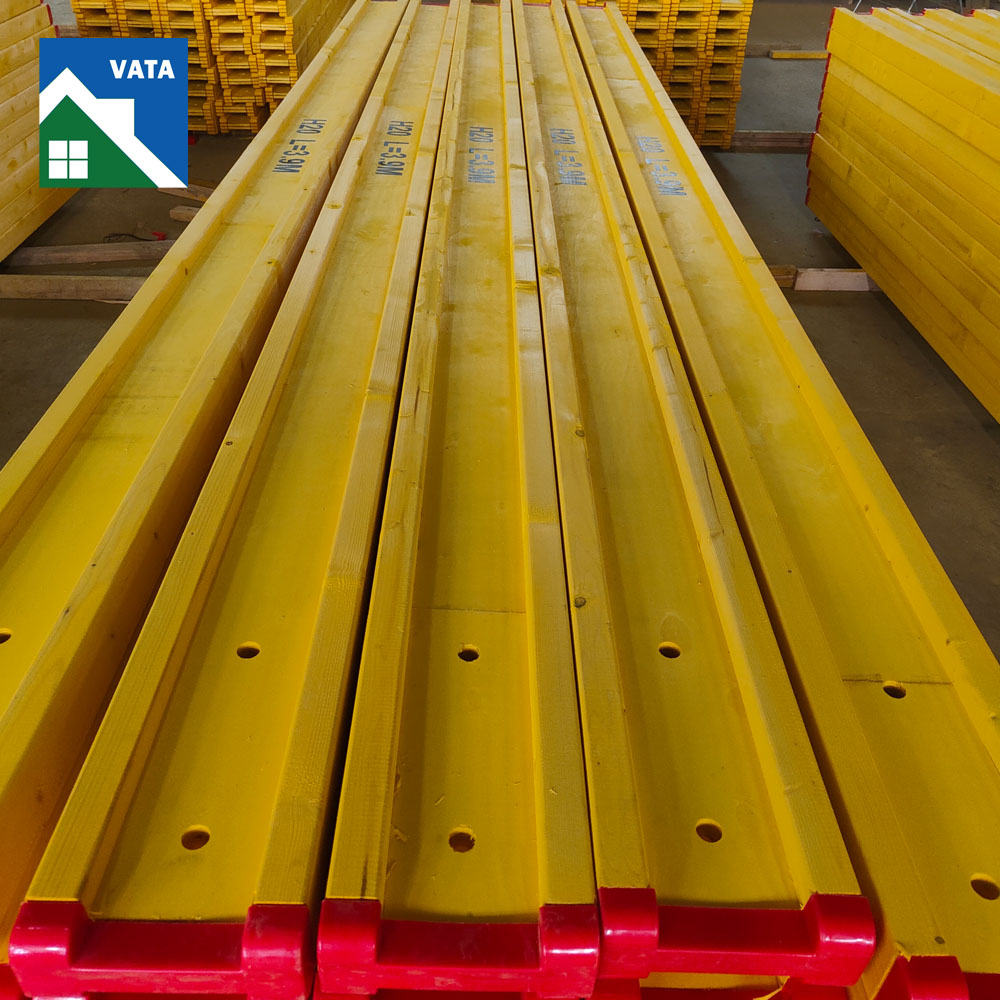
Manufacturer Reusable Yellow Painted H20 Wooden Formwork Beam with Plastic End Caps for Construction Building Projects
A high-turnover auxiliary beam for slab and wall formwork systems. The painted body and plastic end caps support repeated site handling, and the beam pairs naturally with CE-marked film-faced plywood in modular forming packages.
Open product page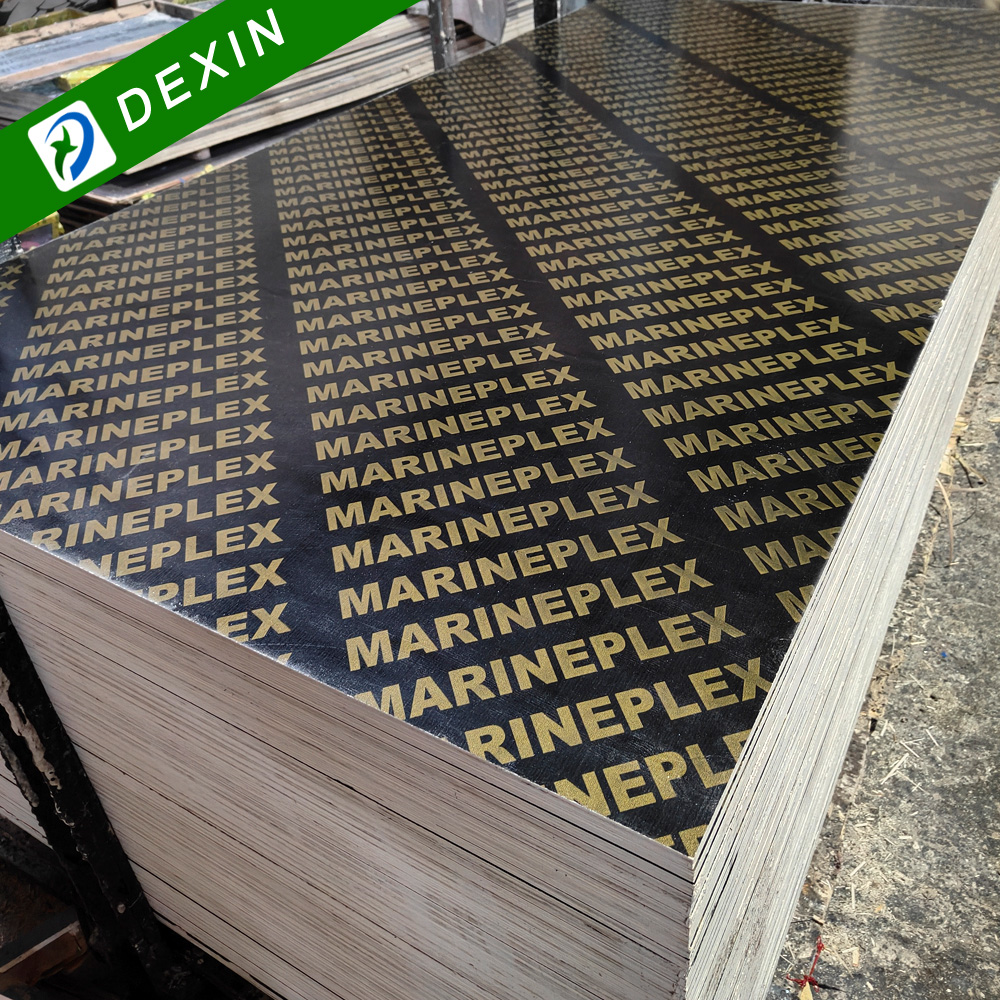
China Manufacturer 4x8ft Concrete Black Film Faced Plywood 9~25mm Marine Contreplaque Board for Construction
Black film-faced concrete plywood in 4x8ft format and 9–25 mm thicknesses. Dense film surfaces and WBP glue options make this board suitable for repeat concrete pours, site protection and contractor procurement.
Open product page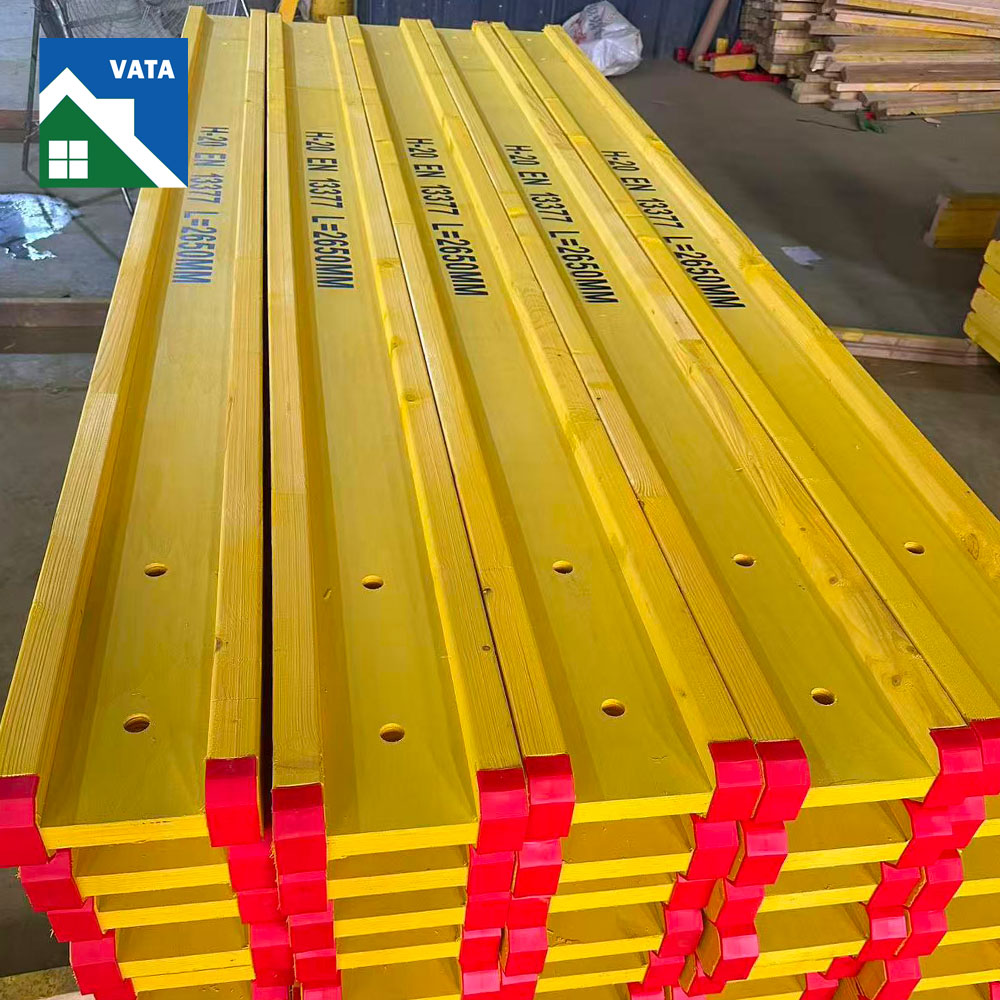
Factory Direct High Strength H20 Timber Beam Waterproof LVL Structural I Beams for Concrete Formwork
LVL structural timber beams for demanding formwork and shoring layouts. The engineered construction gives predictable strength and dimensional stability, helping contractors protect pours and reuse cycles.
Open product page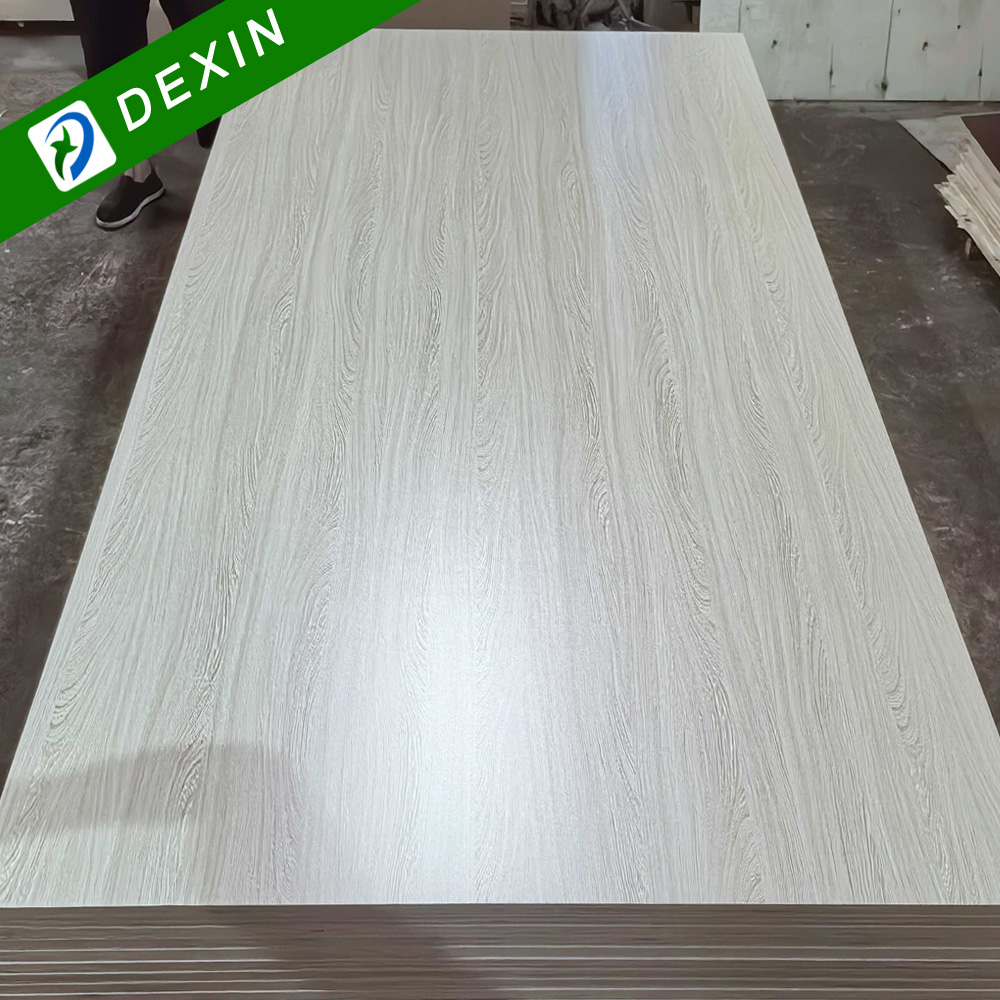
Waterproof Melamine Contreplaque De 5mm 6mm 18mm 11 Ply Glossy Matt White Eucalyptus Core Melamine Faced Plywood
Glossy or matt white melamine-faced plywood with eucalyptus core for cabinets, wardrobes and interior fit-out. A clean decorative surface reduces finishing time and supports repeatable furniture production.
Open product page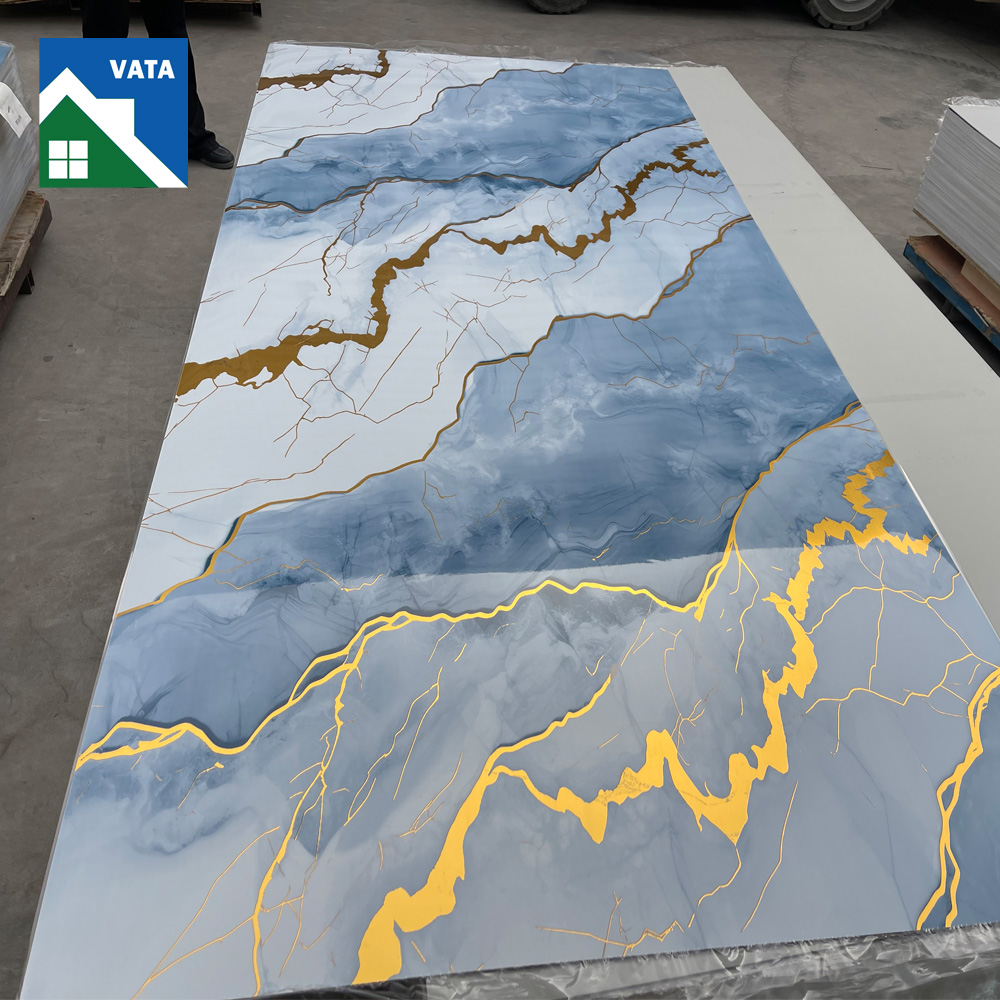
Customized Easy Installation High Glossy PVC Wall Panel Bendable DIY Indoor TV Wall Background Board Glossy UV Marble Sheets
A lightweight decorative wall panel for fast renovation, TV backgrounds and retail interiors. The bendable format and marble-look UV surface help designers create feature walls with fewer joints and shorter installation time.
Open product page
16mm 15mm 12mm 18mm Eco-Friendly Modern MDF Board with Blanco Single/Double Sided Melamine Covering for Cabinet
Single- or double-sided melamine MDF for cabinet carcasses, shelving and flat-pack furniture. A stable, sanded substrate with a modern Blanco finish for distributors serving kitchen and interior projects.
Open product page
Customized Length Water Resistant Spruce Wooden H20 Timber Beam with 80x200mm for Concrete Formwork System
Spruce H20 beams at 80x200 mm with customized length options. The strength-to-weight balance supports site handling, while water-resistant treatment helps protect the beam between formwork cycles.
Open product page
1220x2440mm, 1525x2440mm, 1830x2440mm Green/ Red/ Black Core Wood Fiber Plain MDF/ HDF Board
Plain MDF/HDF in green, red and black cores for furniture, routing, laminating and painted applications. Multiple panel sizes allow importers to serve cabinet makers, joiners and industrial converters.
Open product pageWhat a CE Mark Does — and Does Not — Prove About Okoume Plywood
“CE certified okoume plywood” combines a wood species, a manufactured panel and a regulatory declaration. Professional buyers separate those three layers before they compare a quotation.
Okoume is a light, fine-grained tropical hardwood from West and Central Africa. Used as a face veneer or core, it machines cleanly, holds screws predictably and accepts paint, lacquer, melamine and other decorative surfaces well. That is why okoume plywood is common in furniture, door skins, shopfitting and marine-style interiors. However, the phrase CE certified okoume plywood should never be treated as a generic “quality certificate” that replaces a purchase specification.
CE marking on wood-based panels normally points to a Declaration of Performance under harmonised standards such as EN 13986 and EN 636. It communicates the declared performance of the product — for example reaction to fire, formaldehyde release, moisture resistance and, where relevant, mechanical properties. It is not a certificate of origin, not proof that every bundle contains the same okoume face grade, and not a substitute for lot-level inspection. The CE document must match the product actually shipped.
Pay close attention to the glue line and service class. For dry interior furniture, MR glue may be adequate. For humid interiors, kitchens, bathrooms and marine-style applications, specify EN 636-2 or EN 636-3 and WBP phenolic or equivalent bonding. Confirm the formaldehyde class: E1 is common in regulated markets; E0 is often requested for tighter indoor-air targets; CARB compliance is relevant for the United States. If the panel is structural, request structural performance data and not merely a decorative CE claim.
Information gain for procurement teams: build a “golden sample” file. Record face grade, patch policy, core species, core gaps, thickness measured at five points, moisture content at the press, glue spread, density, screw-holding and exact packaging. Then compare production lots against that file. This is far more reliable than judging quality from the top sheet of the first pallet in a container.
At Linyi KUDE International Trading Co., Ltd., the manufacturing group’s experience in Linyi — founded in 1998, with 30,000 m² of workshops, 300+ workers and 60,000 m³ annual output — is useful only when it converts into repeatable documentation, calibrated thickness and honest loading photos. That is why our export process starts with the specification sheet, not a generic quotation.

CE is a Declaration of Performance
It is not a species certificate and not a factory audit by itself. Check that the CE documentation, thickness, glue type, emission class and product description match the PO.
Specify face and core separately
Okoume face on a poplar, eucalyptus or mixed core is not the same as a full okoume core. Ask for face grade, core species, patch policy and panel density in writing.
Use lot-to-lot comparison
Approval should be based on a retained golden sample, measured thickness, moisture content and packaging photos — not only on a single image supplied at quotation stage.
Procurement scorecard: how project buyers weight a CE okoume plywood supplier
Indicative evaluation weightings from our export quote desk. Final weighting depends on application, destination market and contract type.
Quick Reference for Okoume Plywood, Formwork and Panel Buyers
Use this matrix to shortlist the correct product family before requesting test reports, samples or a container quotation.
| Product family | Typical specification | CE / compliance focus | Best-fit application | Buyer check |
|---|---|---|---|---|
| Okoume commercial plywood | 2.5–25 mm; 1220×2440 mm; okoume face on specified core | EN 636-1 or -2; E1/E0; MR or WBP glue as specified | Furniture, wardrobes, door skins, interior fit-out | Face grade, patch policy, core species, thickness tolerance |
| Okoume marine-style plywood | WBP glue; 5–18 mm; selected face grade | EN 636-2/3; formaldehyde class; glue bond evidence | Humid interiors, boat interiors, bathroom cabinetry | Boil test or glue-bond report, moisture content, core gaps |
| Film-faced formwork plywood | 9–25 mm; 4x8ft; brown or black film | Densified film surface; WBP phenolic option | Concrete slabs, walls, columns, repeat pours | Film thickness, edge sealing, reuse target, loading plan |
| Melamine-faced plywood | 3–25 mm; matt or glossy white/wood grain | E1/E0; surface adhesion and colour consistency | Kitchens, wardrobes, office furniture | Paper weight, surface scratch resistance, core flatness |
| H20 timber beam / LVL beam | 80×200 mm; spruce or LVL; custom length | Strength class, moisture protection, end-cap quality | Formwork systems, shoring, slab and wall support | Straightness, end caps, Waterproof treatment, batch marking |
| Melamine MDF / plain MDF / HDF | 12–18 mm; 1220×2440 mm; raw or melamine covered | E1/E0; CARB on request; HMR option | Cabinets, shelving, routing, painted furniture | Density, thickness swelling, surface sanding, colour lot |
| Decorative wall panels | PVC, WPC or bamboo charcoal board; custom lengths | Indoor use; coating adhesion; packing protection | TV walls, hotels, retail fit-out, fast renovation | Colour match, bendability, click system, carton strength |
How Importers Will Buy CE Certified Okoume Plywood Next
Price remains important, but the purchasing decision is moving toward documentation, mixed-container efficiency and verifiable environmental performance.
Documentation-first sourcing
The first question is no longer only price per sheet; it is whether the supplier can provide CE DoP, FSC or CARB evidence, glue data, emission reports, packing lists and loading photos. Traceability requirements are pushing importers toward batch-level records and suppliers who can assemble a complete document pack before production starts.
Mixed-container sourcing
Smaller distributors and project buyers are using one container as a mini warehouse: okoume plywood, H20 beams, film-faced plywood, melamine MDF and wall panels together. This reduces freight cost per cubic metre and improves working-capital efficiency. The winning supplier coordinates multiple product lines without turning the loading plan into a puzzle.
Low-emission, moisture-resistant specifications
E0/E1, CARB, low-VOC adhesives and EN 636-2/3 are becoming default questions in tenders. For humid interiors and marine-style fit-outs, buyers increasingly reject vague “waterproof” claims and ask for glue type and test method. This favours suppliers who can connect product data to the actual production batch.
Where Okoume Plywood and Adjacent Panel Products Are Heading
Product development is moving in three directions: better surfaces, more reusable formwork systems and faster decorative installation.
Surface engineering becomes the differentiator
Raw okoume is often only the substrate. UV coating, PET film, melamine paper, PVC and high-gloss finishes add scratch resistance, colour consistency and faster installation. Buyers increasingly compare surface durability and colour-lot control alongside core quality.
Formwork systems are judged by reuse cycles
H20 beams with plastic end caps, LVL I-beams and film-faced plywood are evaluated by cost per pour, not only cost per sheet. Contractors want consistent stiffness, clean release and predictable reusability across site conditions.
Lightweight decorative panels grow in fit-out
WPC, PVC and bamboo charcoal boards suit fast renovation, hotels, retail and residential feature walls. They complement plywood and MDF rather than replace structural panels, creating opportunities for suppliers who can offer a coordinated interior package.
Why Importers Choose KUDE as a CE Certified Okoume Plywood Exporter
Linyi KUDE International Trading Co., Ltd. is the export platform of a wood-based panel manufacturing group founded in 1998 in Linyi, Shandong — China’s largest wood-based panel production cluster. The group operates 30,000 m² of workshops with 300+ workers and 60,000 m³ annual panel output, serving buyers in more than 30 countries and regions.
Manufacturing depth inside Linyi
More than 30 sets of production machines cover peeling, gluing, hot pressing, sanding and laminating. Being inside the cluster shortens supply chains for veneer, glue and core materials and supports stable pricing across seasons.
Compliance built into the order
The group holds CE, ISO 9001, ISO 14001, FSC and CARB certifications, and has passed an on-site assessment by SGS. Formaldehyde grades E0, E1 and E2 are available depending on the product and destination market.
Customization and OEM/ODM
Sample-based, design-based and full customization are available: size, thickness, core species, face veneer or decor, glue type, logo printing and export packaging. This helps distributors build private-label ranges without owning a factory.
Export documentation and loading discipline
FOB, CFR, CIF and EXW terms; T/T and L/C payment in USD, EUR or CNY. Orders are loaded in containers and shipped through northern China seaports such as Qingdao, with seaworthy packing and loading photos before departure.



From Okoume Veneer to a Sealed Export Pallet
Five checkpoints every batch should pass before it leaves Linyi. Ask any supplier to map these steps to your own inspection plan.
Material selection
Veneer grading, species and origin checks, moisture testing and core selection before gluing. Face grade and patch policy are confirmed against the approved sample.
Gluing and pressing
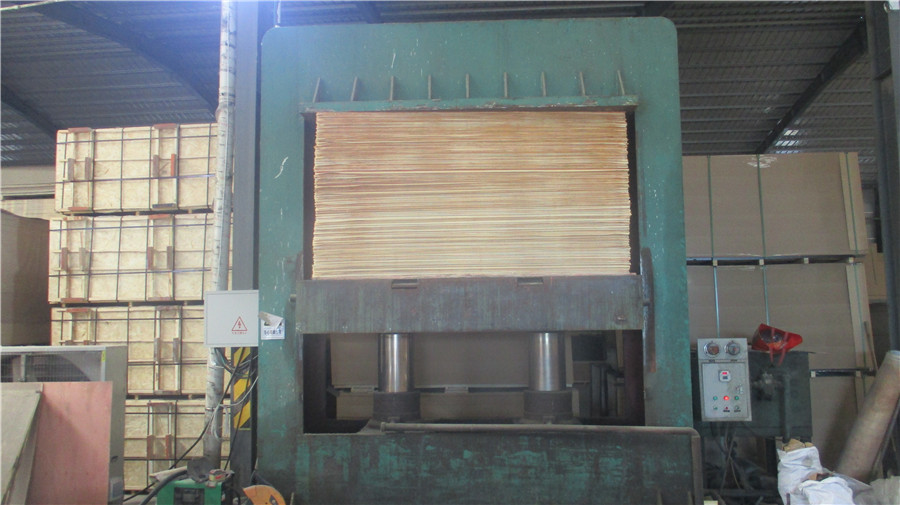
Controlled glue spread, cold and hot pressing cycles, and thickness targets set for the final sanded panel. MR or WBP glue is matched to the declared service class.
Calibration and surfacing
Calibrated sanding, film overlay, melamine lamination or UV/PET finishing. Surface inspection looks for colour consistency, scratches, edge damage and bonding defects.
Inspection and loading
Thickness, flatness, bonding, moisture and packaging checks. Export pallets are strapped, protected and photographed before container loading through Qingdao.
CE Certified Okoume Plywood Procurement FAQ
These are the questions that most often determine whether an okoume plywood quotation becomes a repeat supply programme.
Are you a manufacturer or a trading company for CE certified okoume plywood?
What does CE certification mean for okoume plywood?
Which okoume plywood specifications can KUDE supply?
What is the minimum order quantity, and can I mix products in one container?
Which certifications and test documents are available?
Can you customize panel size, thickness, face, logo and packaging?
Where are goods shipped from, and which terms do you accept?
How can I verify quality before shipment?
Send Your Okoume Plywood Specification Today
Share your size, thickness, glue type, face grade, emission class, surface finish, target port and estimated container volume. Our export team will reply with a full proposal covering product choice, compliance documents, packing and loading plan.
info@kudeplywood.com