Beyond the CE Stamp: What a Qualified Poplar Plywood Supplier Must Prove
Buyers searching for a CE certified poplar plywood manufacturer & exporter usually arrive with two different jobs to be done. One group needs a compliant construction product with a declaration and test evidence. The other needs a dependable furniture-grade panel that machines cleanly, laminates without telegraphing, and arrives with the emission class promised on the purchase order. A serious supplier separates those jobs rather than using CE as a decorative badge.
Poplar core has a commercial logic. Poplar is light, pale and relatively uniform, so it saws, routes and drills predictably. It reduces panel weight in wardrobe carcases, door skins, shopfitting and packaging, and it takes melamine or veneer well when the core is calibrated. The same material is not a substitute for every higher-density or high-humidity specification. For kitchen and bathroom environments, specify MR or WBP glue, sealed edges and the correct surface; for formwork or structural work, request the relevant CE declaration, performance data and batch documentation. The intelligent buying decision is a matched specification, not a blanket claim that all poplar plywood is the same.
A practical supplier audit goes further than a certificate file. Ask for batch-level traceability from veneer to press to packing. Confirm the declared formaldehyde class against the destination market, and distinguish E0, E1, E2, CARB and FSC claims accurately. Check whether the factory controls thickness tolerance, moisture content, glue spread and sanding calibration with recorded values. Confirm how panels are protected during container loading, especially edges and corners, because transit damage often becomes a quality complaint after arrival. These details protect the buyer more than a generic brochure.
KUDE’s role is to make those checks straightforward. As an export platform inside the Linyi wood-based panel cluster, the company can combine poplar plywood, melamine faced MDF, UV/PET boards, film faced plywood, wall panels and timber formwork beams in one sourcing conversation. That flexibility matters when a buyer needs a mixed container rather than a full load of one thickness or decor. It also allows the export team to document each product line according to its final use, instead of pretending that one certificate covers every panel equally.
- Batch, glue and press records
- Thickness, density and moisture checks
- CE, FSC, CARB and E1/E0 documents
- Packing photos and loading supervision
- Destination-market compliance review
- Pre-shipment sample approval workflow
What to validate before the first container
Use this evidence checklist in your supplier questionnaire. It is written for importers, distributors and project buyers who need to compare quotations on more than price per sheet.
- Application-specific CE and performance documentation
- Core species, density range, thickness tolerance and panel flatness
- Formaldehyde class and test report reference
- Glue type: MR, WBP or other declared bonding system
- Surface quality, decor batch consistency and edge protection
- Container loading plan, pallet marking and photo record
Eight Export-Ready Products for Poplar Plywood Programs
The selection below reflects the panel categories most often combined by furniture makers, distributors and project contractors. Each product can be discussed as part of a mixed sourcing plan, with size, thickness, core, face, glue and emission grade confirmed before order.
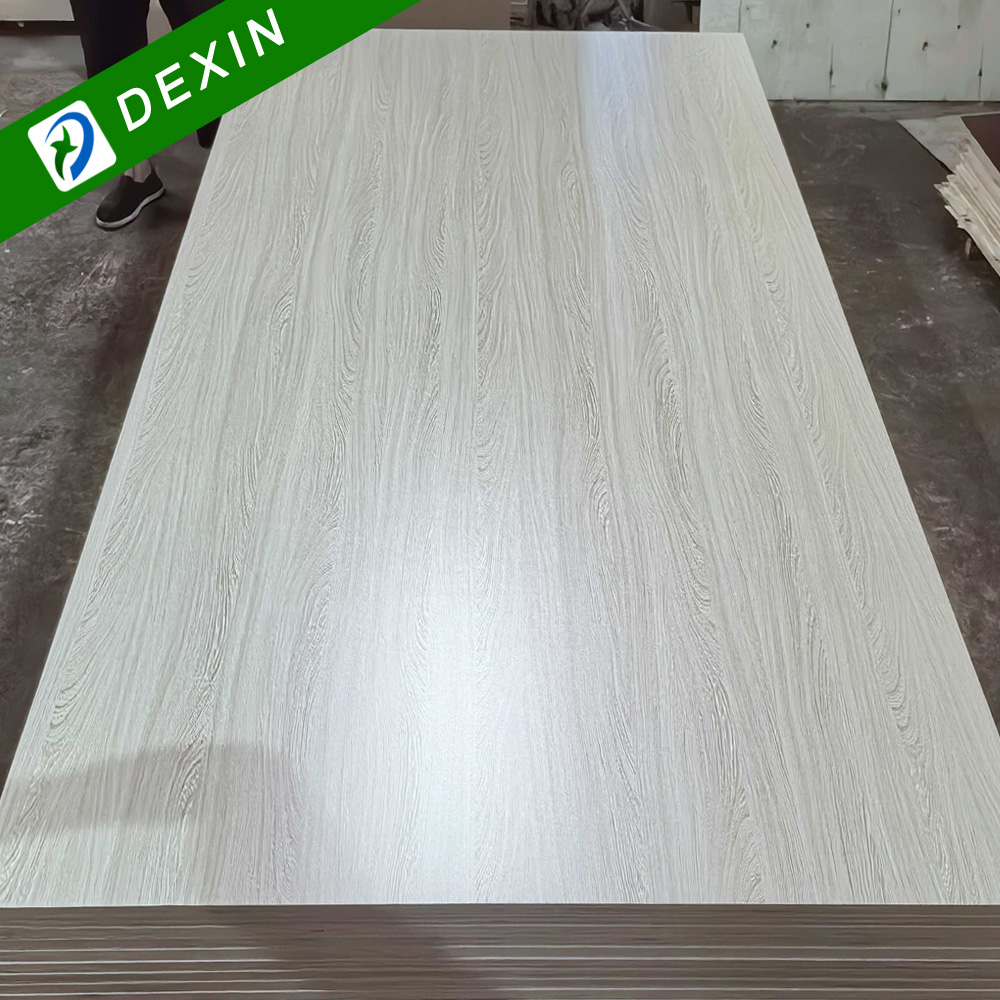
Waterproof Melamine Contreplaque De 5mm 6mm 18mm 11 Ply Glossy Matt White Eucalyptus Core Melamine Faced Plywood
View product details →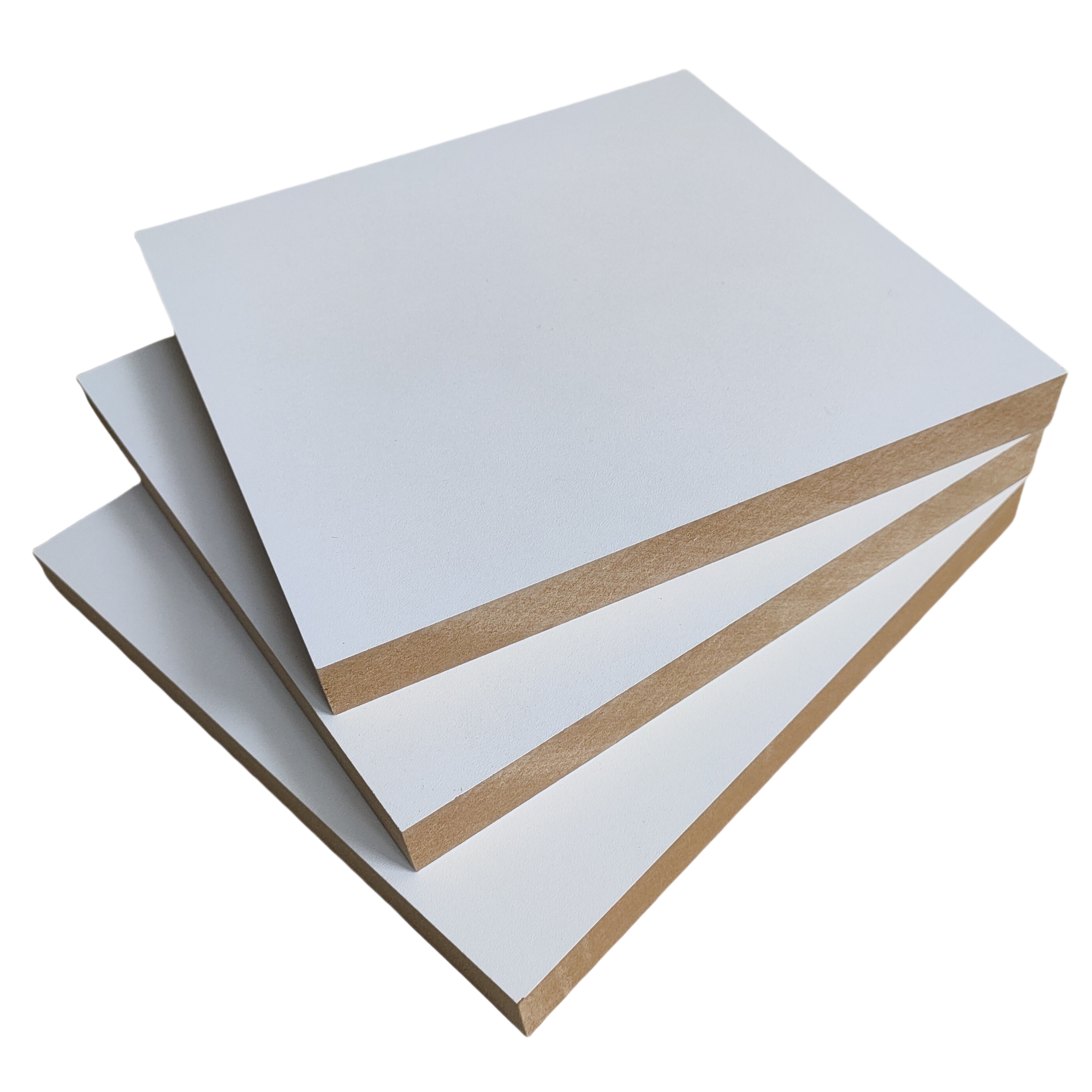
18mm Kitchen Furniture Use White Wood Fiber Board E1 Grade Melamine MDF/HDF Sheet Moisture-Proof
View product details →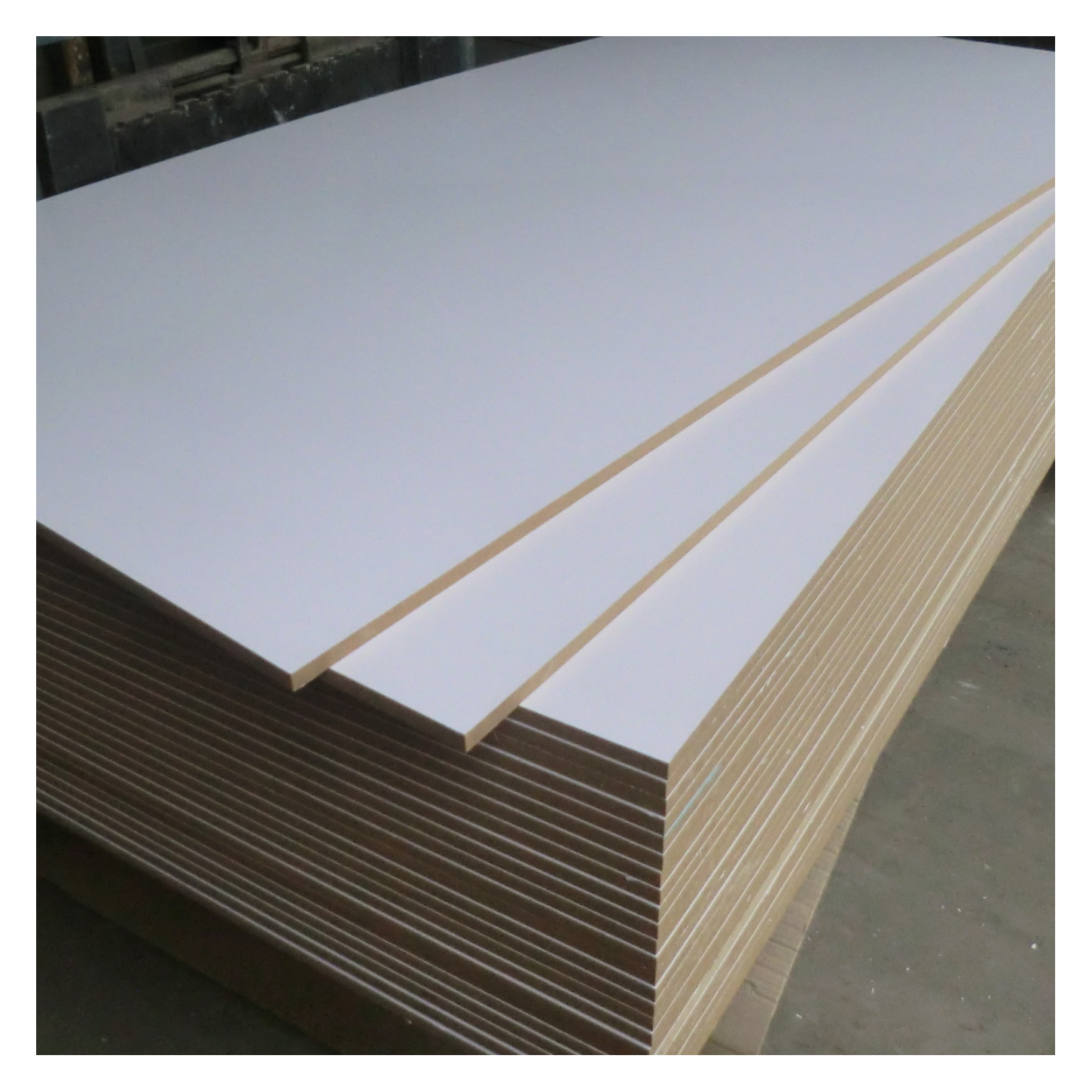
Wholesale E1 Grade Melamine Faced Moisture-Proof MDF Board for Kitchen Furniture Use 18mm Thickness CE Certified
View product details →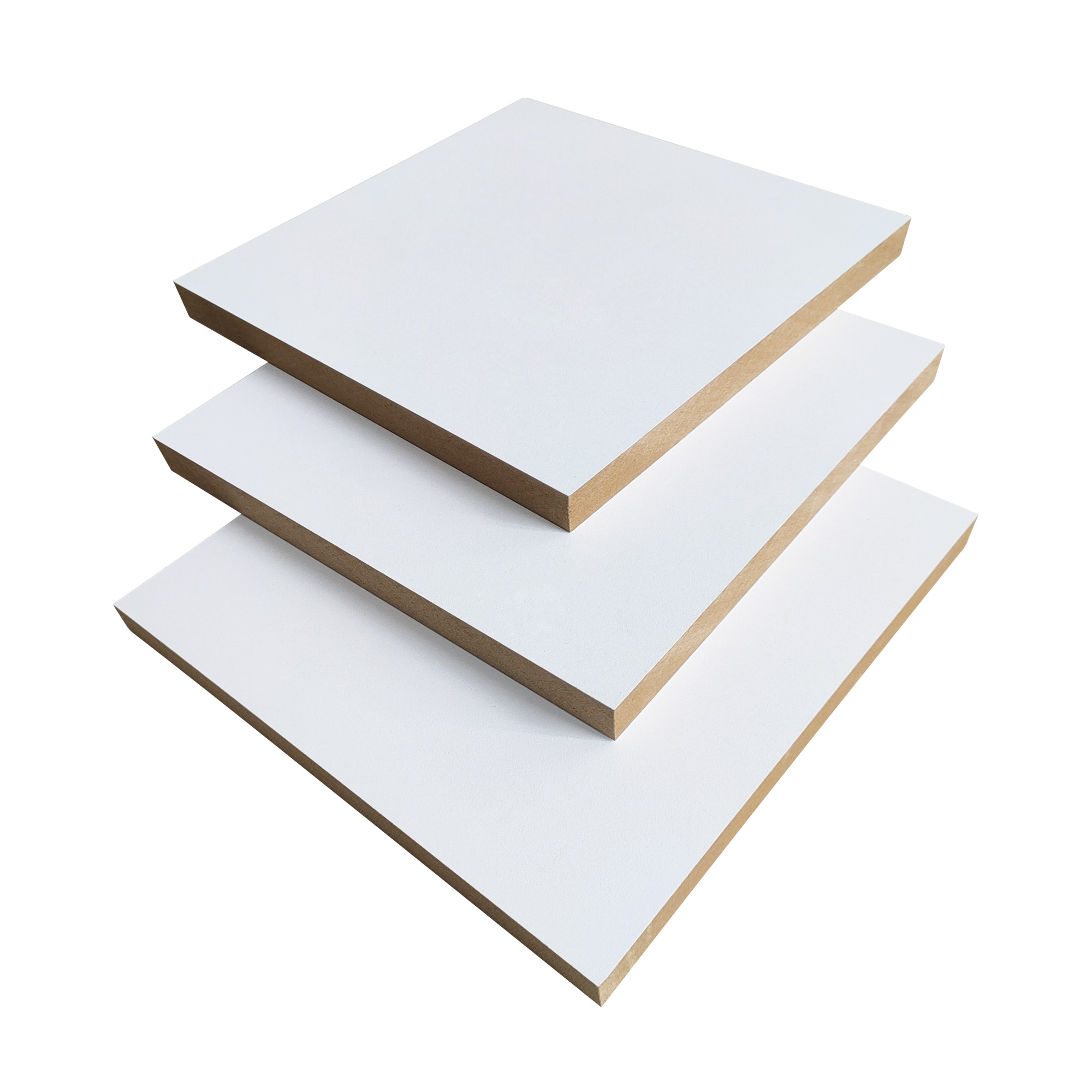
High Quality 4x8ft White Melamine MDF Board China Manufacturer E1 Formaldehyde for Kitchen Use-Sizes 3mm 6mm 9mm 12mm 16mm
View product details →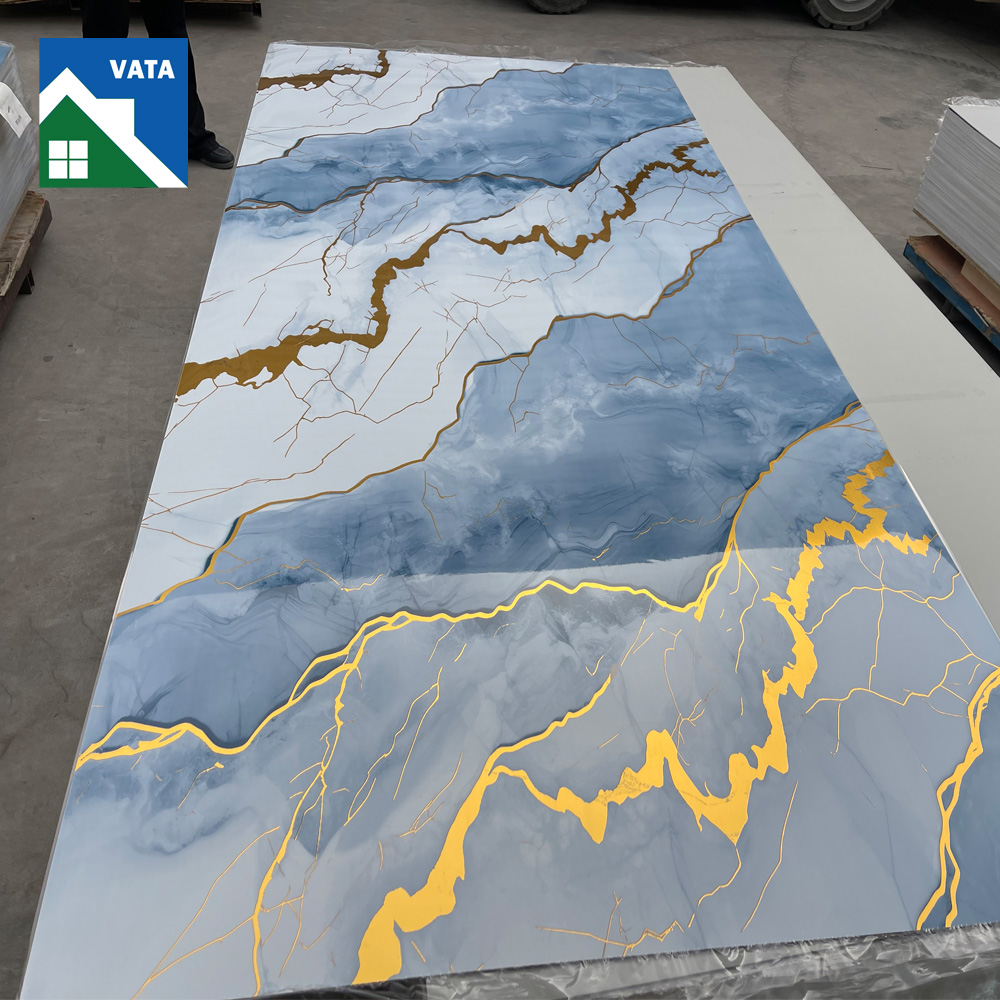
Customized Easy Installation High Glossy PVC Wall Panel Bendable DIY Indoor TV Wall Background Board Glossy UV Marble Sheets
View product details →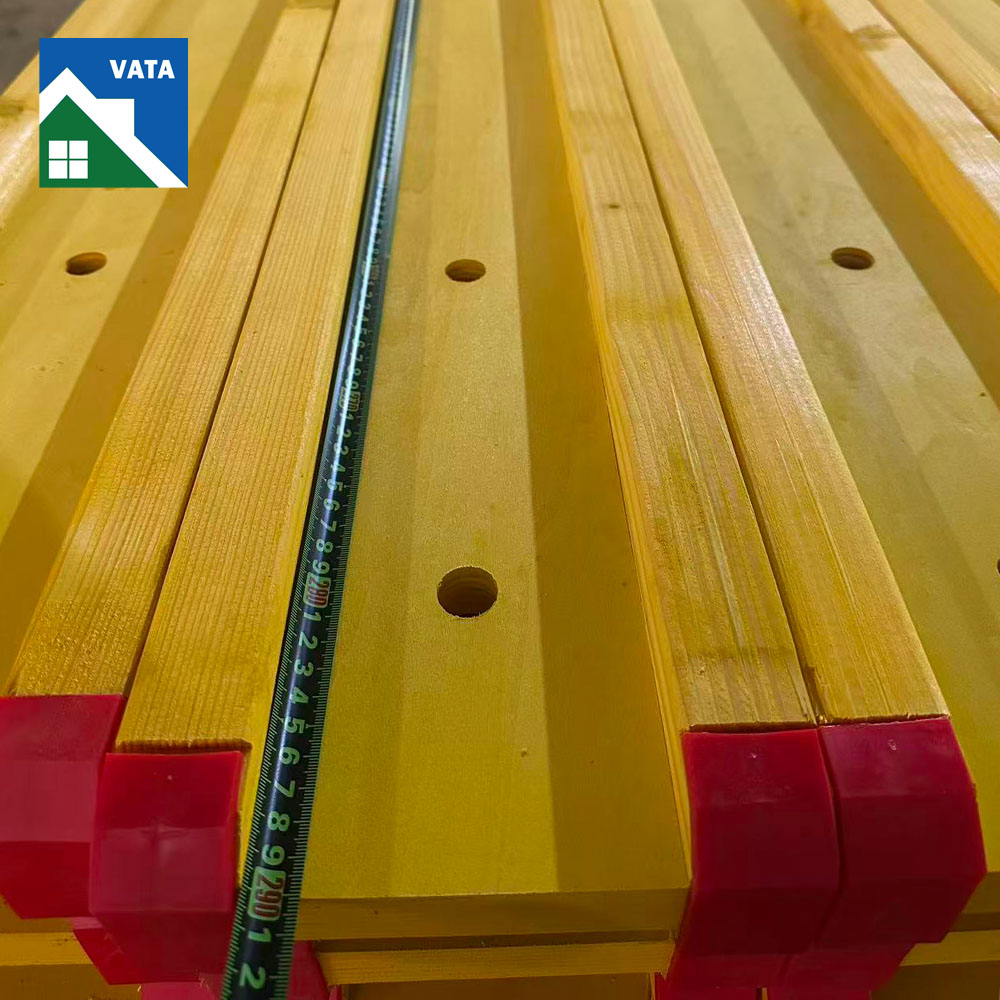
Custom Exterior Use Stable Timber Formwork Beams with WBP Glue Pine or Spruce Flange for Wall Formwork
View product details →
Good Price 1200x2400x18mm Melamine Coated Plywood Custom Thickness Marine Board for Furniture
View product details →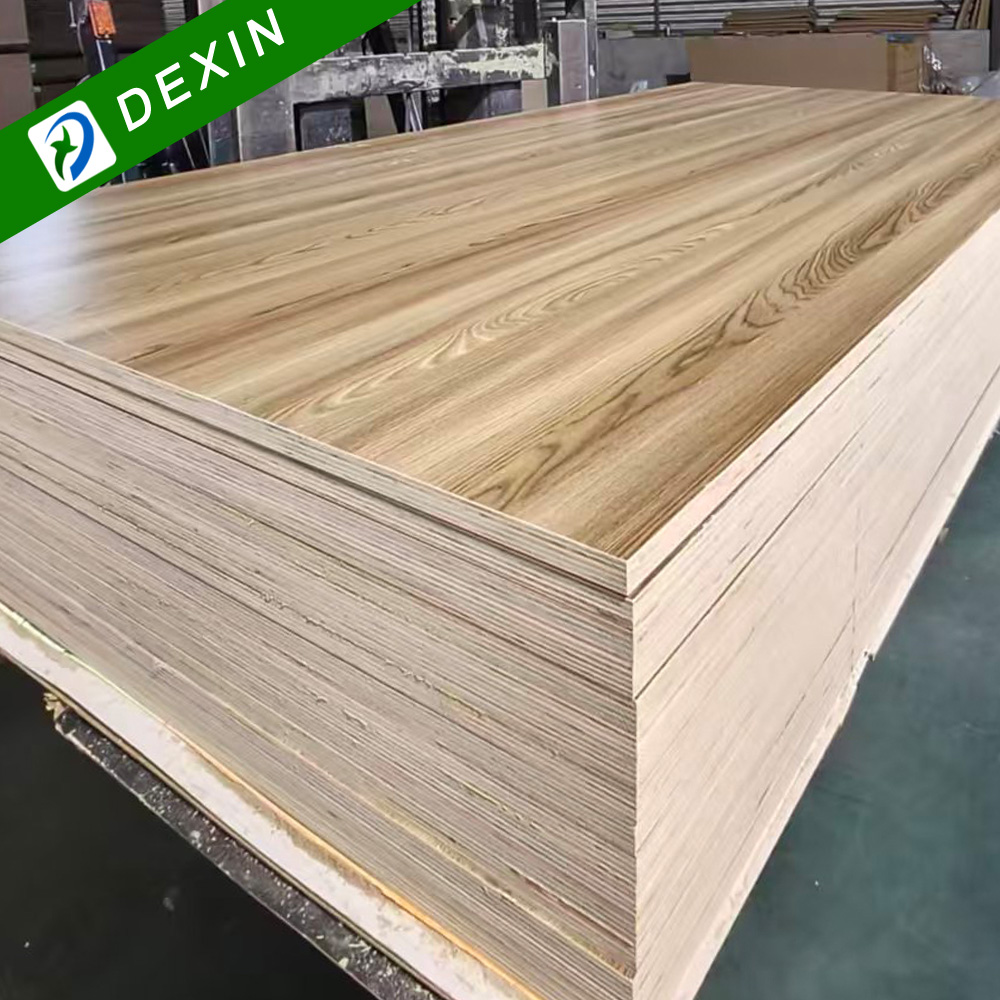
18mm Marine Laminated Contreplaque One or Double Side Colorful Melamine Faced Board Plywood for Furniture Decoration
View product details →Why Poplar Core Plywood Remains a High-Value Specification
Poplar is not simply a low-cost core. In the right specification it offers a useful balance of weight, machinability and surface readiness that suits a wide range of furniture and interior applications.
Lighter Panels, Better Handling
Poplar’s relatively low density helps reduce panel weight in wardrobes, door skins, shopfitting and modular furniture. The benefit is not just handling: lower mass can reduce freight pressure and make installation easier when the engineering allows.
Predictable Machining
A calibrated poplar core saws, drills and routes consistently. For furniture factories, that means fewer rejections around hinge bores, dowel holes and edge-banding lines, provided density and thickness tolerances are controlled in the purchase specification.
Surface-Ready for Laminates
Melamine, veneer and decorative films bond more reliably when the substrate is flat, sanded and moisture-balanced. Buyers should specify face grade, decor direction and the expected use—visible door, carcass or backing—to avoid mismatched expectations.
Specification-Led Moisture Performance
Poplar plywood should be specified by glue type and end use, not by a vague “waterproof” label. MR glue is suitable for controlled interior use; WBP bonding and sealed edges are more appropriate where humidity, cleaning or occasional wetting are real risks.
Commercial Flexibility
One container can combine melamine plywood, plain or HMR MDF, UV/PET boards, PVC wall panels and formwork beams. For importers serving mixed customer bases, that flexibility reduces stock complexity and improves container utilization.
Clear Limits, Better Choices
Poplar is not the automatic answer for every structural, high-humidity or heavy-traffic application. A good manufacturer will say when eucalyptus core, higher density, a different glue line or a non-plywood substrate is the better engineering choice.
Future Procurement Trends for CE Poplar Plywood, 2026–2030
Procurement is moving from price-per-sheet comparisons toward landed cost, documentation risk and supply resilience. Importers who prepare for these changes will get more predictable results from Chinese panel suppliers.
Documentation Becomes a Buying Feature
CE declarations, test reports, FSC claims, formaldehyde class and packing records will be assessed as part of supplier qualification. Buyers will increasingly ask for document packs by product and batch, not generic certificates stored on a website.
Deforestation and Origin Due Diligence
Timber sourcing questions are becoming more detailed. Suppliers will need to explain species, origin, chain-of-custody status and the evidence available for each shipment. The winning response is transparent documentation, not vague sustainability language.
Mixed Containers and Landed-Cost Optimization
Distributors want fewer suppliers and fuller containers. Combining melamine plywood, MDF, wall panels and formwork accessories can improve cash flow and reduce freight waste, provided the factory has the discipline to pack multiple specifications without mix-ups.
Low-Emission and Low-Odor Specifications
E1 remains a baseline in many markets, while E0 and CARB-aligned requirements are increasingly requested for furniture and interior projects. Buyers should match the grade to the destination regulation and request the corresponding test evidence.
Surface Differentiation and Faster Installation
Super-matt, anti-fingerprint, synchronized wood grain, PET film and UV marble effects are moving from premium niches into mainstream furniture and wall-panel ranges. The panel is becoming a finished visual component, not only a substrate.
Remote Factory Verification
Live video inspections, pre-shipment photos, third-party checks and loading supervision are becoming normal parts of international procurement. Suppliers with clear workshop organization and responsive export teams will win repeat orders.
Product Development Trends Shaping the Next Generation of Poplar Plywood
The next competitive advantage will not come from adding more product names. It will come from making specifications more measurable, surfaces more durable and supply more predictable.
Hybrid Cores for Stiffness and Stability
Poplar combined with eucalyptus or selected hardwood layers can improve stiffness while retaining machinability. The buyer’s task is to define the performance requirement, then ask the factory to propose a core build rather than choosing by habit.
Moisture and Fire Performance by Treatment
Claims around moisture resistance and fire performance must be tied to treatment, test method and end use. Buyers should request evidence for the actual panel construction, not rely on a generic “waterproof” or “fireproof” phrase in a catalogue.
Decorative Overlays with Better Durability
Melamine, PET, UV and PVC surfaces continue to improve in scratch resistance, visual depth and edge performance. For furniture factories, the key question is how the surface behaves during cutting, edge banding, drilling and packaging.
Engineered and Digital Decors
Engineered veneer and digital printing reduce dependence on natural veneer availability and improve batch-to-batch consistency. This is especially valuable for project work where architects expect repeatable color and grain across multiple production runs.
Component-Ready Panel Supply
More buyers want panels cut to size, routed or prepared for edge banding. Factories that understand furniture manufacturing—not only panel pressing—can reduce waste at the customer’s plant and shorten production lead times.
Thinner, Lighter High-Yield Solutions
E-commerce furniture, modular interiors and lightweight shopfitting systems are pushing demand for thinner and lighter panels. This trend only works when stiffness, screw-holding and surface durability are tested against the intended application.
Manufacturing Advantages Behind KUDE’s Export Supply
Linyi KUDE International Trading Co., Ltd. is the export platform of a wood-based panel manufacturing group founded in 1998 in Linyi, Shandong, China’s largest wood-based panel production cluster. The company combines production access with export experience, serving importers, distributors and contractors in more than 30 countries and regions.
Inside the Linyi Panel Cluster
Being located in Linyi gives the group shorter supply chains for veneer, glue and core materials. This supports more stable production planning and access to a broad range of panel specifications.
30+ Machine Sets
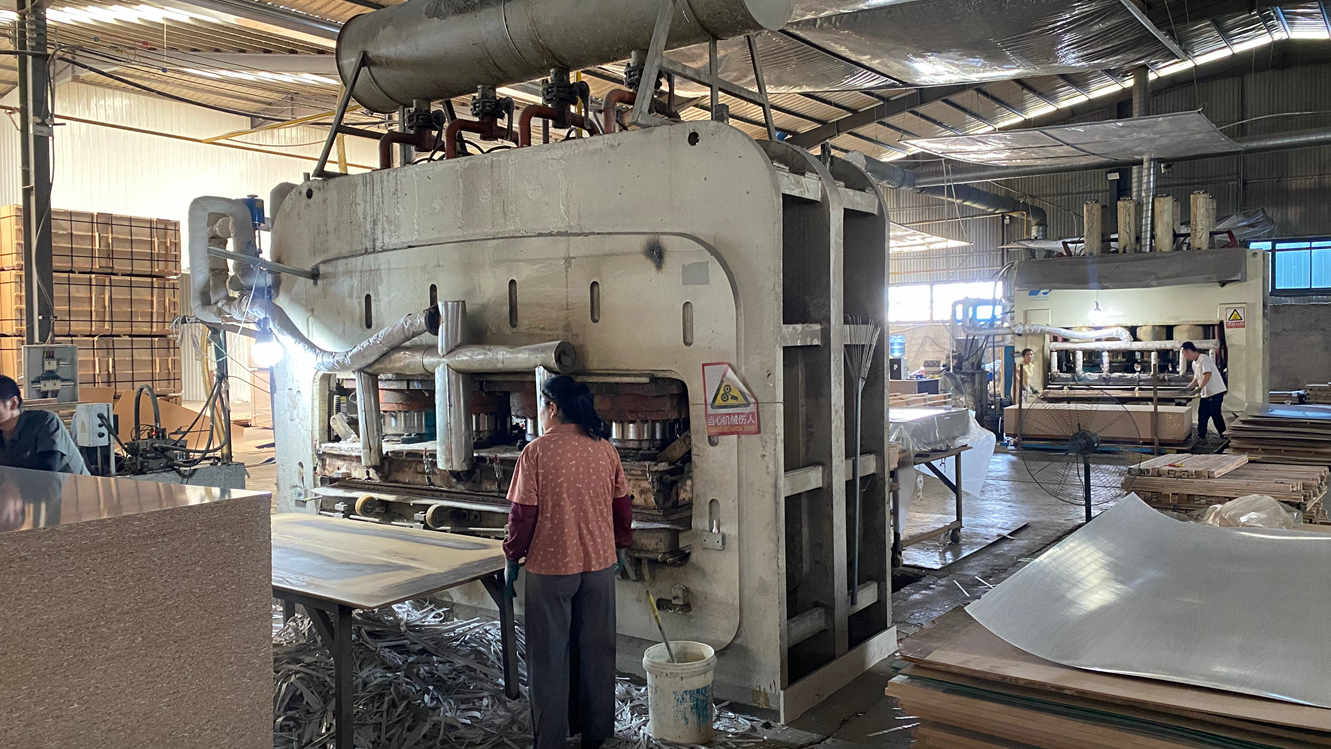
The production group operates more than 30 machine sets across peeling, gluing, hot pressing, sanding and laminating in 30,000 m² of workshops, with annual output of 60,000 m³.
Verification and Certification
The group holds CE, ISO 9001, ISO 14001, FSC and CARB certifications, and the supplier profile has passed an on-site assessment by SGS. Product-specific documents are confirmed for each order.
OEM / ODM and Custom Specifications
Sample-based, design-based and full customization are available, including size, thickness, core species, face veneer or decor, glue type, logo printing and export packaging.
Export-Ready Trade Terms
FOB, CFR, CIF and EXW terms are supported, with T/T and L/C payment in USD, EUR or CNY. Goods are shipped through northern China seaports such as Qingdao.
Quality Culture Since 1998
The group’s stated principle is “survival by quality, development by prestige,” supported by more than 20 years of production experience and about 15 years of export experience.



From Raw Veneer to Loaded Container: Five Quality Gates
A certificate has value only when it is supported by repeatable production controls. KUDE’s export workflow focuses on the checkpoints that most often determine whether a panel arrives fit for the customer’s line.
Material Selection
Veneer grading, moisture checks and core matching before gluing.
Gluing & Pressing
Controlled glue spread, assembly time and hot-pressing cycles.
Sanding & Calibration
Thickness calibration and surface preparation for lamination or film.
Inspection
Flatness, bonding, surface, edge and emission documentation checks.
Packing & Loading
Export pallets, corner protection, steel straps and loading photos.
Quick Specification Reference for Importers
Use this table to prepare a clearer inquiry. Final tolerances, grades, test reports and packing details are confirmed against each product and destination market.
| Product Family | Typical Size | Thickness | Core / Surface | Glue & Emission | Best-Fit Application |
|---|---|---|---|---|---|
| Poplar Core Commercial Plywood | 1220×2440 mm / 4×8 ft | 2.5–25 mm | Poplar, combi or eucalyptus core; okoume, bintangor, birch or pine face | MR or WBP; E1/E0 as specified | Furniture carcasses, packaging, door skins, interior panels |
| Melamine Faced Plywood | 1220×2440 mm | 3–25 mm | Single or double melamine face; white, wood grain or solid decor | E1/E0; MR or WBP core | Wardrobes, kitchens, office furniture, shopfitting |
| UV / PET MDF | 1220×2440 mm | 9–18 mm | MDF base with UV coating or PET film | E1/E0 | Cabinet doors, wardrobe fronts, visible decorative panels |
| Plain MDF / HMR MDF | 1220×2440 mm | 3–25 mm | Raw sanded or green moisture-resistant MDF | E1/E0/E2 | Painting, CNC routing, laminating, furniture components |
| Film Faced Plywood | 1220×2440 mm | 9–21 mm | Poplar or eucalyptus core; brown/black phenolic film | WBP phenolic | Concrete formwork, slabs, walls and repeated pours |
| PVC / UV Wall Panel | Custom profile or sheet | Profile dependent | PVC, UV marble or decorative film | Waterproof composite | Interior feature walls, TV backgrounds, fast renovation |
| Timber Formwork Beams | Project dependent | Project dependent | Pine or spruce flange with WBP glue | Exterior-use bonding as specified | Wall formwork, construction accessories, contractor supply |
FAQ: CE Certified Poplar Plywood Sourcing
These are the questions importers most often ask before requesting a quotation for poplar plywood, melamine boards or mixed panel containers.
Are all KUDE poplar plywood products CE certified?
CE documentation is product- and application-specific. The group holds CE certification, and the export team confirms the relevant declaration and test documents against the exact panel, thickness, glue system and intended use before order confirmation.
What is the minimum order quantity?
MOQ depends on the product line, typically from 50 to 500 sheets. Several products can be combined in one container after specifications, packing and loading plan are confirmed by the sales team.
Can I combine plywood, MDF and wall panels in one container?
Yes, mixed-container sourcing is possible for many product combinations. The key is to confirm dimensions, weights, stacking limits and pallet marking early so the loading plan remains safe and the documents match the shipment.
Which payment methods and trade terms are accepted?
KUDE accepts T/T and L/C in USD, EUR or CNY, and works on FOB, CFR, CIF and EXW terms. The final term is confirmed in the quotation and sales contract.
Can you customize size, thickness, face, glue and packaging?
Yes. Sample-based, design-based and full customization are available, including size, thickness, core species, face veneer or decor, glue type, logo printing and export packaging.
Why choose poplar instead of eucalyptus core?
Poplar is generally lighter and easy to machine, making it useful for furniture and interior panels. Eucalyptus is denser and stiffer and may suit different strength or moisture requirements. The right choice depends on the application, not on a universal ranking.
How can I verify quality before shipment?
Buyers can request sample approval, batch photos, live video inspection, third-party inspection and container loading photos. Product-specific test reports and packaging records can be included in the pre-shipment document pack.
How are goods shipped and where are you located?
KUDE is based in Linyi, Shandong, China’s largest wood-based panel production cluster. Orders are loaded in containers and shipped through nearby northern China seaports such as Qingdao, with export documentation prepared for the destination port.
What information should I send for a fast quotation?
Send the product type, size, thickness, core, face decor, glue or emission grade, quantity, destination port and target application. If you have a reference sample or previous specification sheet, include it so the factory can match the requirement precisely.
Request a CE-Compliant Poplar Plywood Quotation
Send your size, thickness, core, face, glue grade, emission class, quantity and destination port. The export team will reply with a technical proposal, packing plan, lead time and document checklist for your market.
Contact UsLinyi KUDE International Trading Co., Ltd. · info@kudeplywood.com · Factory-direct supply from Linyi, Shandong, China · FOB / CFR / CIF / EXW