Raw MDF and Coordinated Panel Products for Export Buyers
KUDE supports importers, distributors, furniture factories and contractors who need one reliable source for raw MDF and companion wood-based panels. Each item below can be discussed by size, thickness, core, surface, emission grade, packaging and destination market.
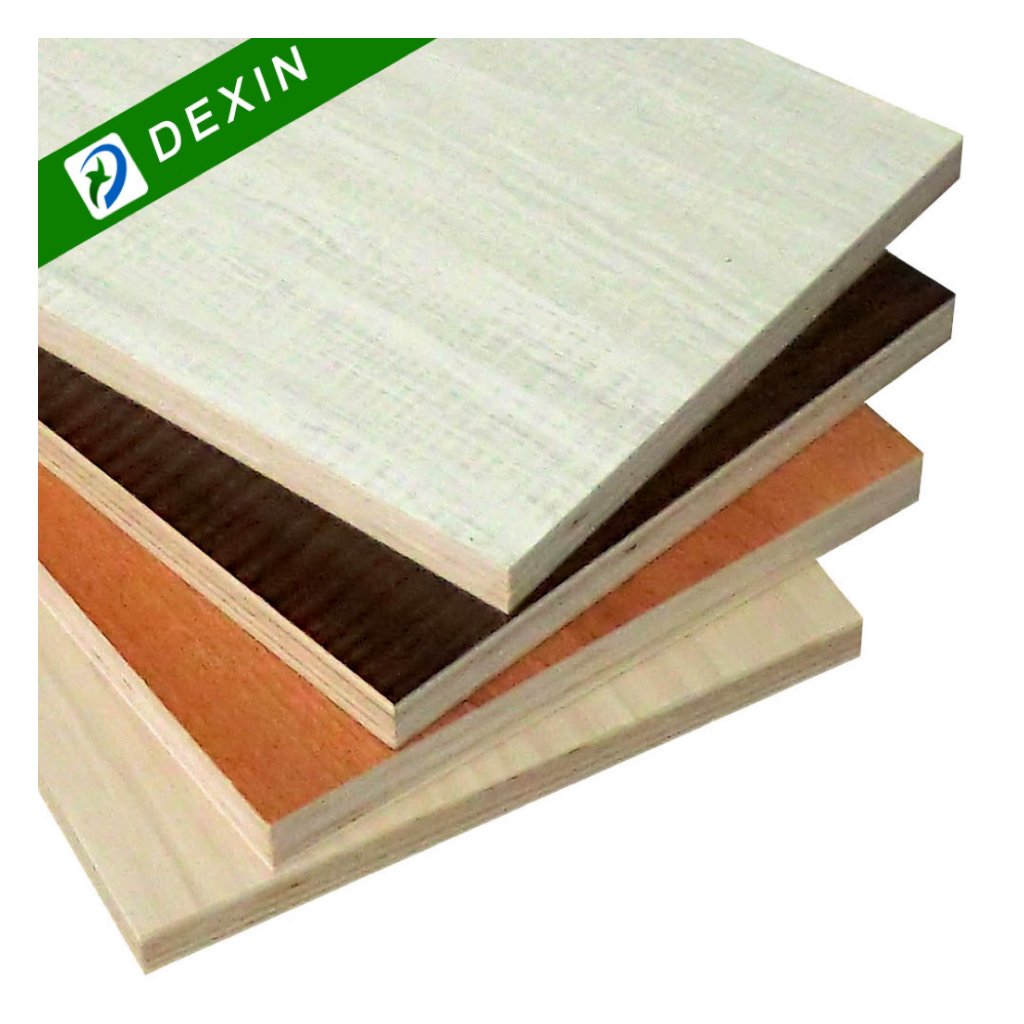
3mm 12mm 18mm E0 First-Class Melamine Plywood for Furniture Cabinets
E0 melamine-faced plywood for wardrobes, cabinets and contract furniture. Stable faces and consistent thickness help reduce edge-banding and surface rework.
View product
1200×2400×18mm Melamine Coated Marine Plywood for Furniture
Melamine-coated marine board for moisture-prone furniture and custom cabinetry. Gloss, matt and custom thickness options can be confirmed against your order.
View product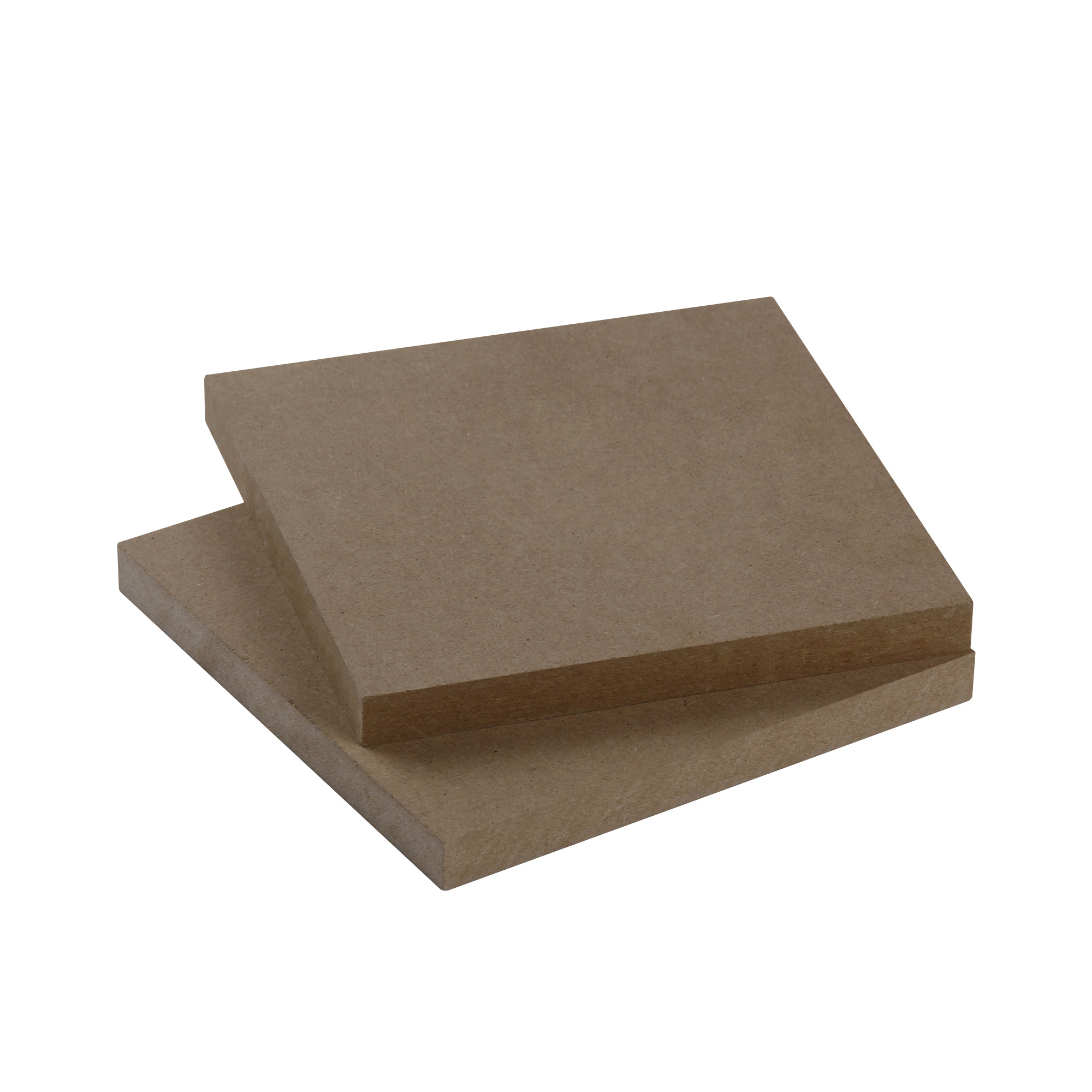
Dexin First-Class Plain Particle Board & MDF E2 Moisture-Proof
Plain particle board and MDF with moisture-proof treatment for price-sensitive furniture and fit-out programs where E2 grade is acceptable.
View product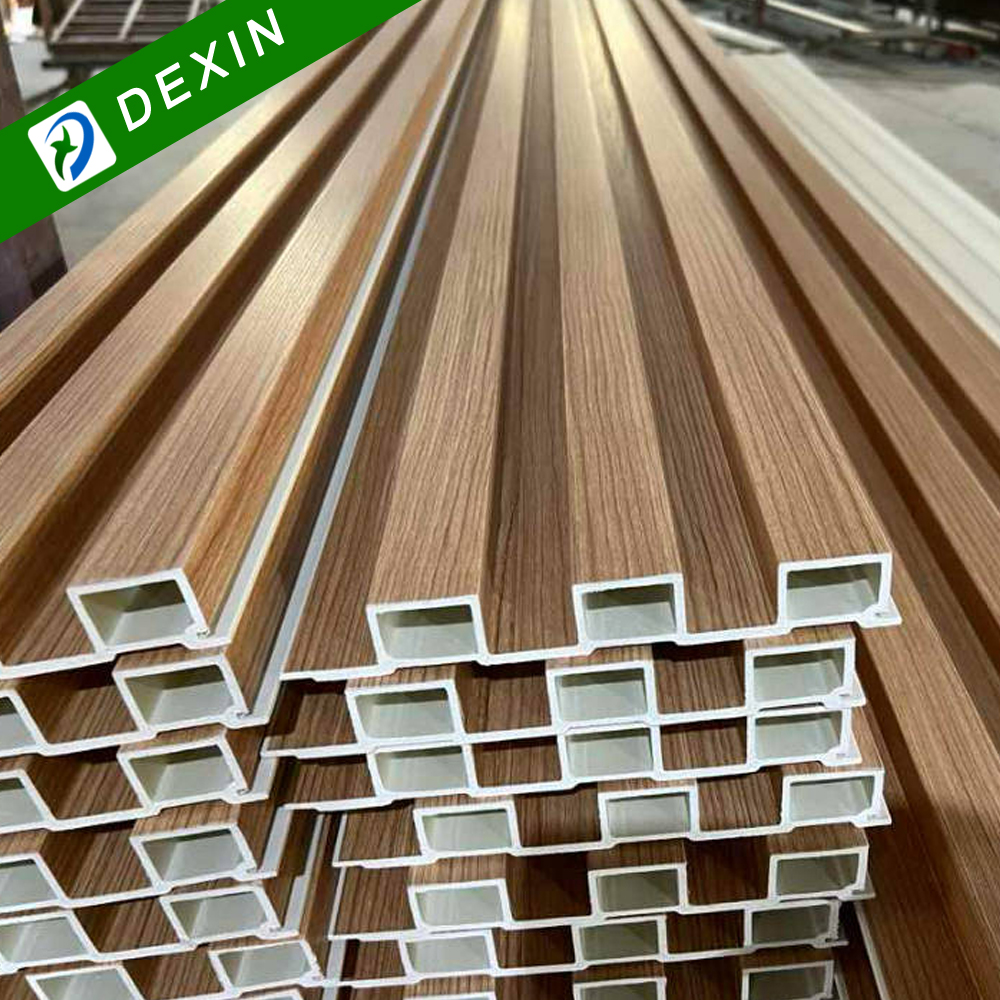
Modern PVC WPC Decorative Wall Panels for Hotel Interiors
Lightweight PVC/WPC wall cladding for hotels, homes and commercial interiors. Quick to install and available in wood-grain and modern decorative finishes.
View product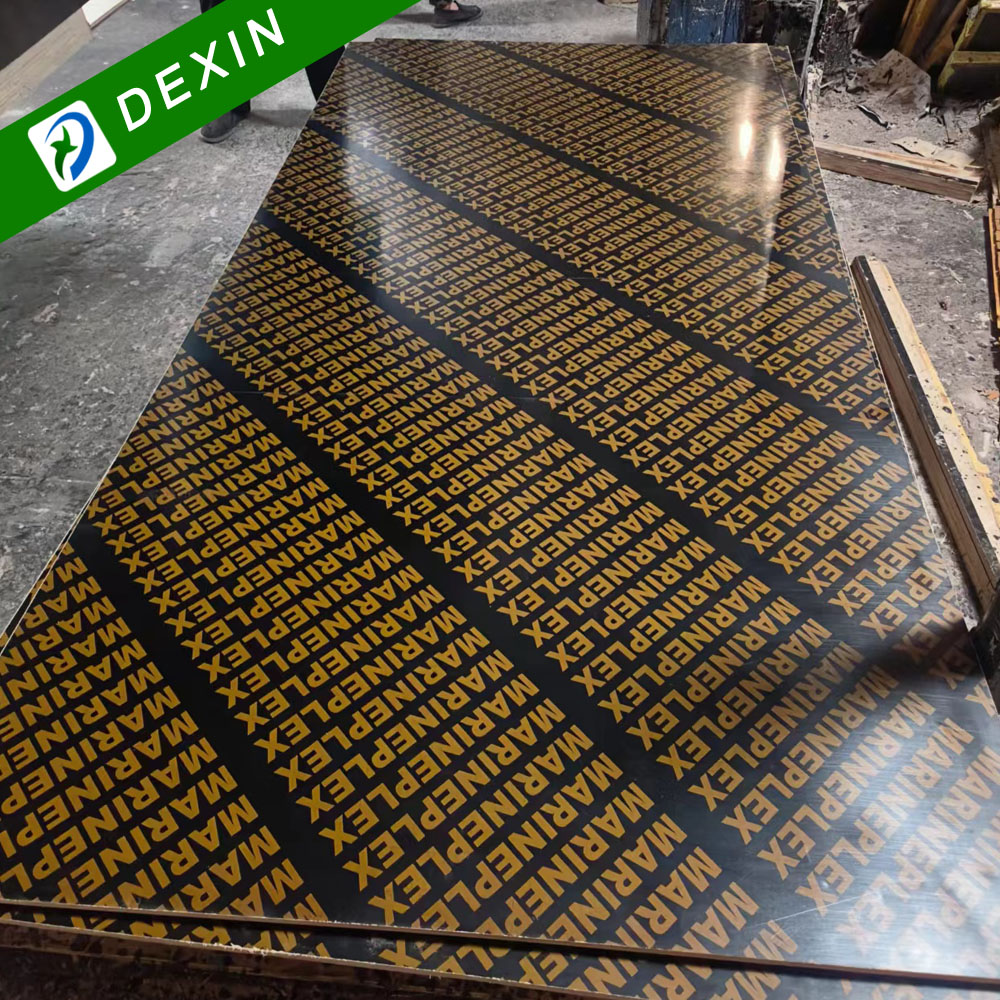
1220×2440mm Film Faced Plywood for Construction Formwork
Brown or black film faced plywood for concrete slab and wall formwork. Durable phenolic film and sealed edges support repeated construction pours.
View product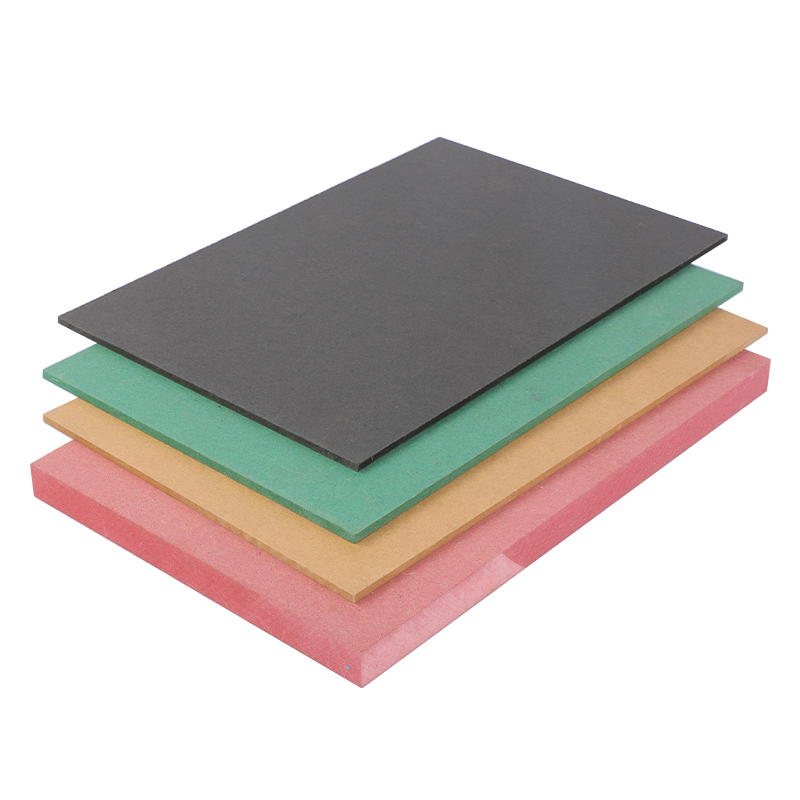
High Quality 3mm–18mm Raw / Plain MDF Sheet
The core raw MDF reference for painting, laminating, CNC routing and furniture production. E0, E1 and E2 options are matched to the destination market.
View product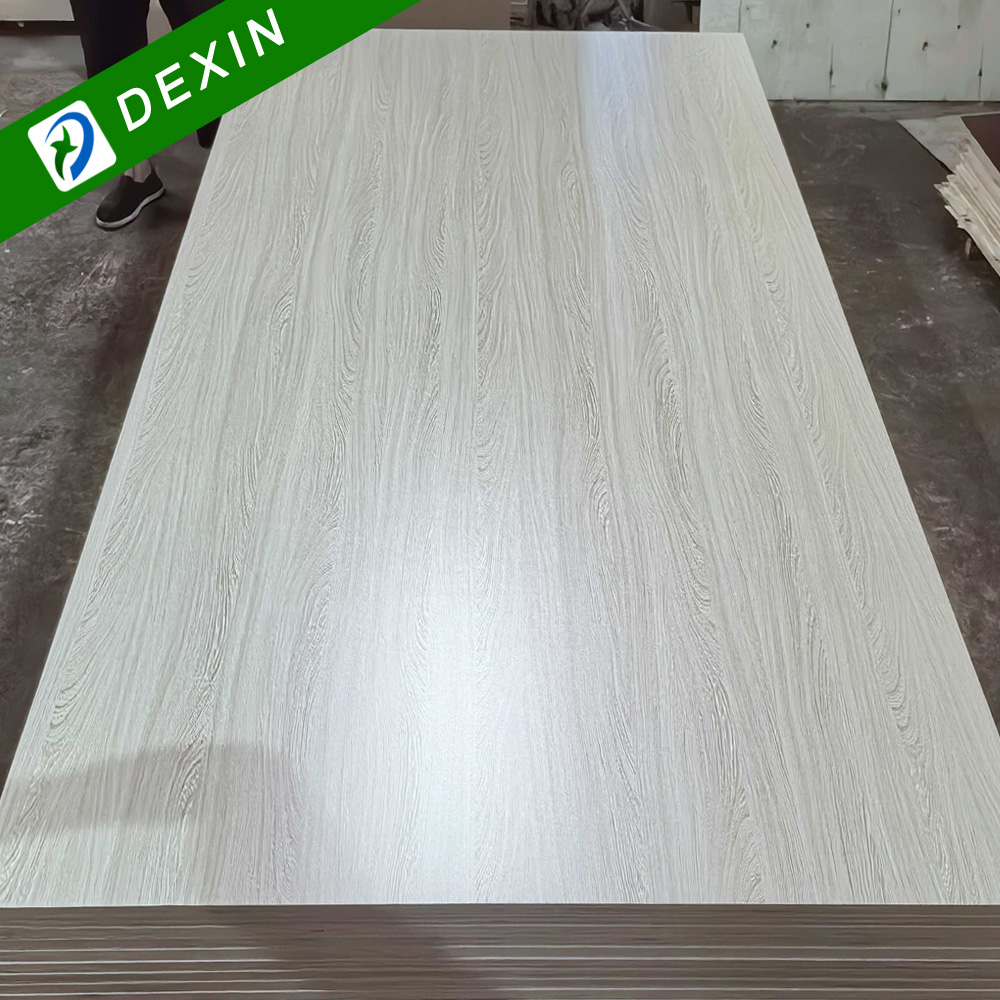
Waterproof Melamine 11-Ply Eucalyptus Core Plywood
Glossy or matt white melamine-faced plywood with 11-ply eucalyptus core for kitchen, bathroom and cabinetry applications requiring enhanced moisture resistance.
View product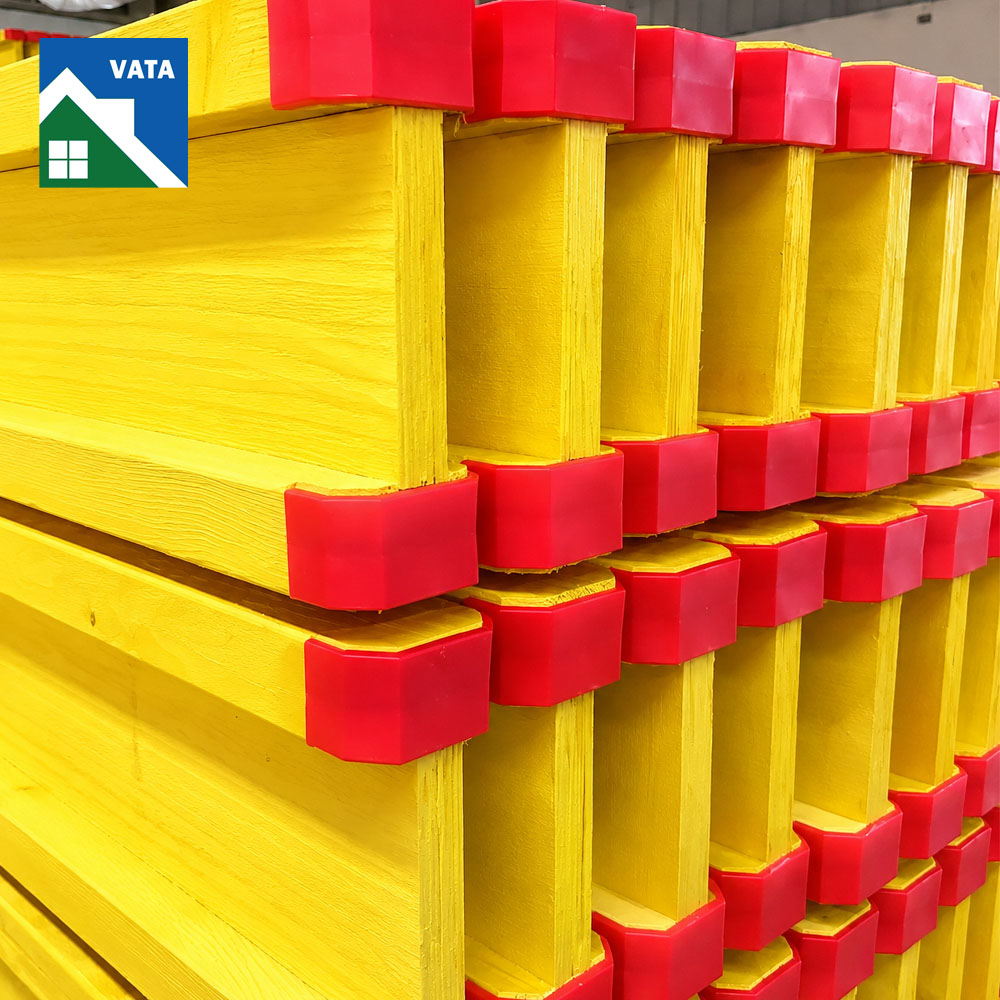
Heavy Duty Spruce H20 Formwork Beams for Slab Formwork
Durable spruce H20 formwork beams for slab support and structural formwork systems. A practical companion order for film faced plywood and site materials.
View productWholesale Supply Backed by a Linyi Manufacturing Group
Raw MDF is a volume product, but a reliable wholesale relationship depends on production discipline, document accuracy and loading consistency. KUDE works from Linyi, Shandong, China’s major wood-based panel cluster.
What CE Certified Raw MDF Really Means for Wholesale Buyers
For European importers, CE certification is not a decorative logo on a product page. It represents a document and conformity discipline that should match the board type, thickness, intended application and applicable harmonised standard. A credible raw MDF supplier should be able to discuss the product family, emission class, batch traceability and the documents required for your market — not simply send an old certificate image.
KUDE’s manufacturing group holds CE, ISO 9001, ISO 14001, FSC and CARB credentials, and our supplier profile has passed an on-site assessment by SGS. For raw MDF and plain MDF orders, formaldehyde grades E0, E1 and E2 are available depending on the product and destination requirement. Buyers should always confirm the legal grade for their own market, especially where CARB, E1, E0 or project-specific limits are specified.
Raw MDF performance is also a manufacturing issue. Density, sanding calibration, thickness tolerance, moisture content, resin distribution and stacking all influence downstream yield. A board that looks acceptable in a photo may create extra tool wear, higher paint absorption or weaker screw holding in the furniture factory. That is why a wholesaler should be judged on batch consistency and export documentation as much as headline price.
- 20+ years production experience
- 15 years of export experience
- CE, ISO, FSC and CARB documentation
- OEM / ODM and custom specifications

Linyi production base: 30,000 m² of workshops, 300+ workers and export-ready panel supply.
How to Shortlist Raw MDF for Your Next Container
Use these practical buying paths to align raw MDF specifications with the end application, rather than ordering by thickness alone.
E0 / E1 Raw MDF for Furniture and Cabinetry
Choose sanded plain MDF for painting, laminating, edge banding and CNC routing. Confirm the required emission grade, density target and thickness tolerance before booking production.
HMR Moisture-Resistant MDF for Kitchens
For humid interior environments, specify moisture-resistant MDF where appropriate and pair it with sealed edges and compatible adhesives. Confirm the exact HMR option and performance claims for your project.
Routing-Grade MDF for CNC and Shaped Parts
When panels will be carved, routed or machined into profiles, discuss density, internal bond and surface quality with the supplier. A small physical sample can reveal more than a specification sheet.
Mixed Containers with Unfinished and Finished Panels
Many importers combine raw MDF with melamine plywood, film faced plywood or decorative wall panels. Several products can be combined in one container after specifications are confirmed with the export team.
Raw MDF Wholesale Trends Shaping Buyer Decisions
The MDF category is becoming more specification-led. Price still matters, but importers increasingly compare documentation, consistency and mixed-container flexibility before placing repeat orders.
Certification-First Buying
Importers are asking earlier for CE, CARB, FSC and emission-grade evidence. Suppliers that can organise documents correctly reduce delays for customs, distributors and project approvals.
Container Rationalisation
Buyers want fewer suppliers and more complete containers. Combining raw MDF, melamine boards, film faced plywood and decorative panels can simplify loading and reduce purchasing administration.
Cut-to-Size and CNC-Ready Demand
Furniture factories increasingly discuss panel dimensions, grain direction, pallet layout and machining allowance. Raw MDF supply is moving from commodity sheets toward application-fit panel programs.
Supply Transparency
Photo updates, loading checks and batch-level communication are becoming normal expectations. A wholesaler should make it easy to verify packaging, marks, container loading and shipment status.
Relative Priority Map from Export Buyer Conversations
This is a qualitative priority view based on day-to-day export inquiry handling, not a market-wide statistical survey.
Where Raw MDF Product Development Is Moving
For distributors, the commercial opportunity is not just selling more boards. It is matching evolving interior construction methods with boards that are easier to document and more predictable to process.
Lower-Emission MDF Positioning
E0 and E1 grades are increasingly used as a marketing and compliance feature in furniture and fit-out supply. Buyers should confirm test scope, product family and destination-market requirements rather than relying on a simple grade label.
Moisture-Resistant and Hybrid Interiors
As kitchens, bathrooms and hospitality projects adopt more integrated cabinetry, moisture-resistant MDF grades are becoming more relevant in the range discussion — provided edges and joints are properly sealed.
Machining Efficiency
Consistent density and sanding can improve cutting, drilling, edge banding and coating results. Suppliers that understand downstream equipment requirements can help buyers avoid low-cost boards that create high processing waste.
Coordinated Surface Systems
Raw MDF is increasingly sold alongside melamine, UV MDF, PET MDF, film faced plywood and wall panels. A coordinated panel range gives distributors a more complete offer for furniture, cabinetry and interior fit-out.
Why KUDE Is Positioned as a Raw MDF Supplier and Wholesaler
Linyi KUDE International Trading Co., Ltd. works as the export platform of a wood-based panel manufacturing group founded in 1998. Our location in Linyi gives buyers access to a mature cluster for veneer, glue, cores and panel production.
Own Production and Cluster Access
The group runs 30+ machine sets and 30,000 m² of workshops with 300+ workers, producing plywood, blockboard, MDF and particle board. Annual output reaches 60,000 m³.
Certification and On-Site Assessment
CE, ISO 9001, ISO 14001, FSC and CARB credentials are supported by an SGS on-site assessment. Emission grades E0, E1 and E2 are available by product and destination.
Customization and Practical MOQ
Sample-based, design-based and full customization are available for size, thickness, core, face, glue, logo printing and packaging. MOQ depends on product line, typically 50–500 sheets.
Export Logistics and Trade Terms
Orders ship from Linyi through northern China ports such as Qingdao. FOB, CFR, CIF and EXW terms are supported, with T/T and L/C payment in USD, EUR or CNY.

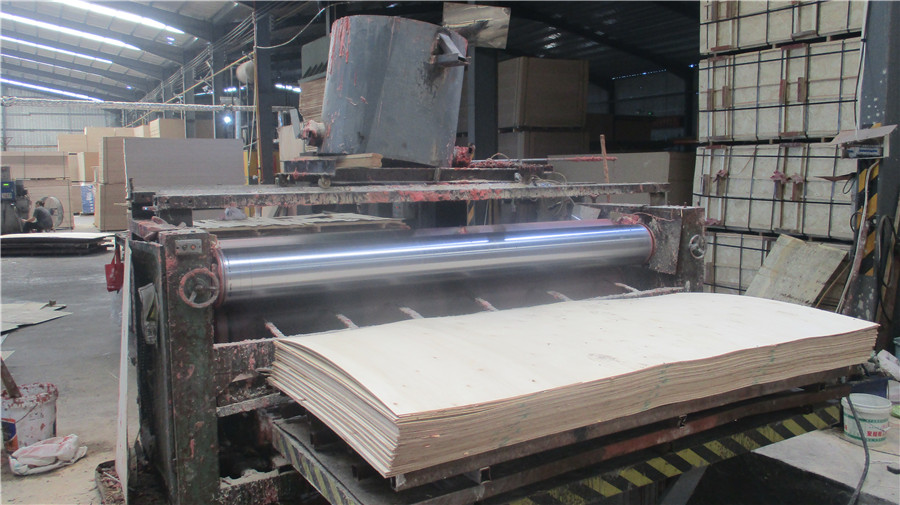
Production lines and workshop capacity

Pressing, sanding and panel processing
Surface finishing and export stock
Certifications and Documents Buyers Can Discuss with Our Team
For each order, the applicable certificate, test report and document set should be confirmed against the exact product, grade and destination market.
Raw MDF Wholesale Questions Buyers Ask Before Ordering
Clear answers help shorten the specification stage. Final grades, tolerances, packaging and documents are confirmed for each purchase order.
What does CE certified raw MDF mean for an importer?
Which raw MDF emission grades can KUDE supply?
What is the minimum order quantity and can I mix products?
Can you customize raw MDF size, thickness, face and packaging?
Which payment methods and trade terms are available?
How are quality and shipment checked before delivery?
Where is KUDE located and how are goods shipped?
Send Your Raw MDF Specification to KUDE
Share your size, thickness, emission grade, surface requirement, panel quantity and destination port. Our export team will confirm the practical option, packaging, mixed-container plan and document requirements for your market.
Factory-direct supply · CE / ISO / FSC / CARB documents · Linyi, China · 30+ export destinations
For raw MDF, melamine plywood, film faced plywood and coordinated panel orders.