CE Certified Walnut Veneered MDF Wholesaler & Wholesalers
Factory-direct walnut veneered MDF, melamine MDF and decorative panel programs for importers, distributors, furniture factories and contract fit-out buyers. One wholesale source for CE documentation, E0/E1 cores, custom veneer lay-up and export packing.
Eight Product Lines for Wholesale Panel Buyers
Walnut veneered MDF is the custom face option at the centre of this program. Because every wholesale order depends on core, thickness, veneer grade and destination compliance, the eight lines below show the panel base KUDE can supply in the same container after specification review.
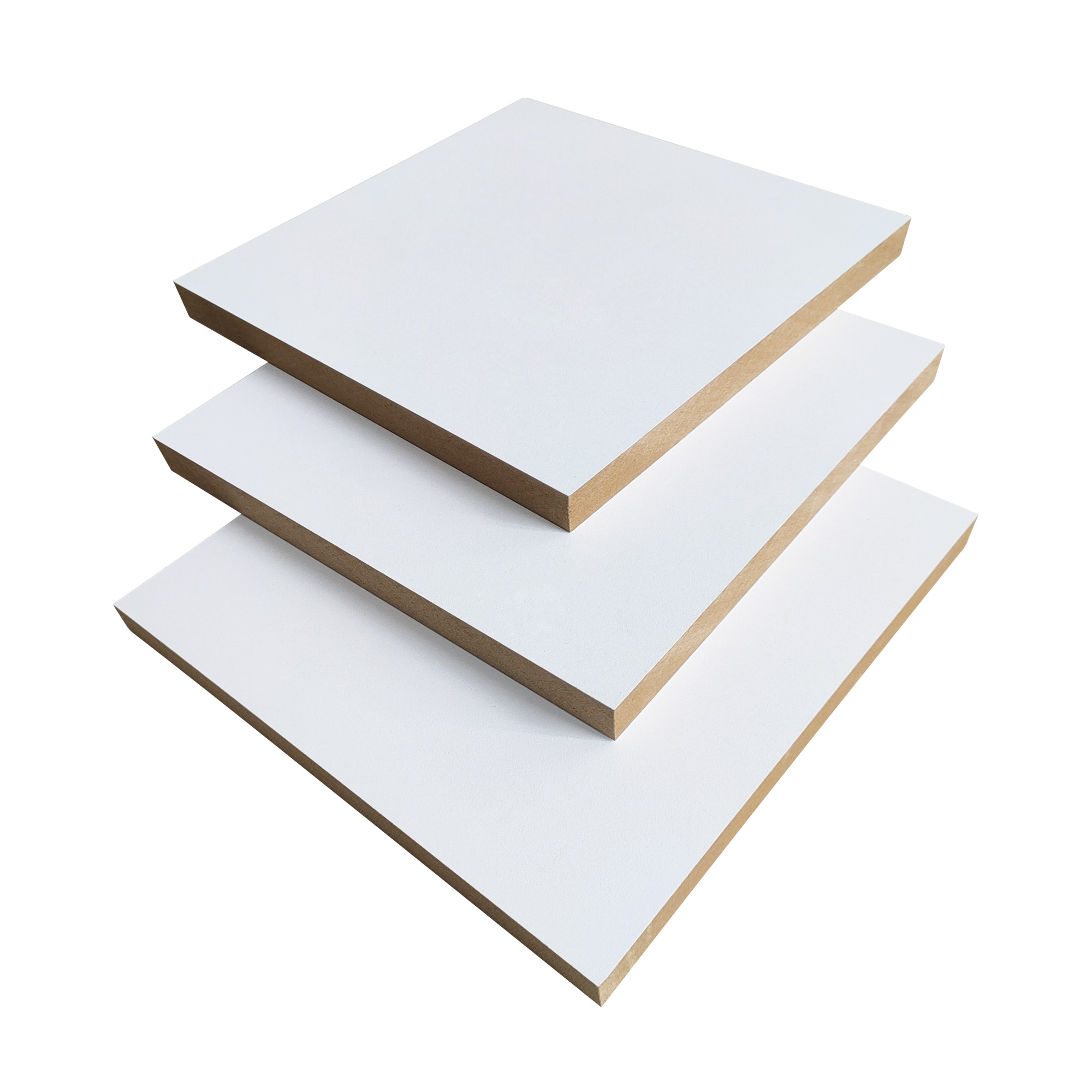
4x8ft White Melamine MDF Board
Kitchen-use melamine-faced MDF in E1 formaldehyde, 3–16 mm, white face. Pair it with walnut veneer MDF for two-tone cabinet and wardrobe programs.

Plain MDF / HDF with Colour Core
Green, red or black core MDF/HDF in 1220×2440, 1525×2440 and 1830×2440 mm for moisture identification, router work and furniture backs.
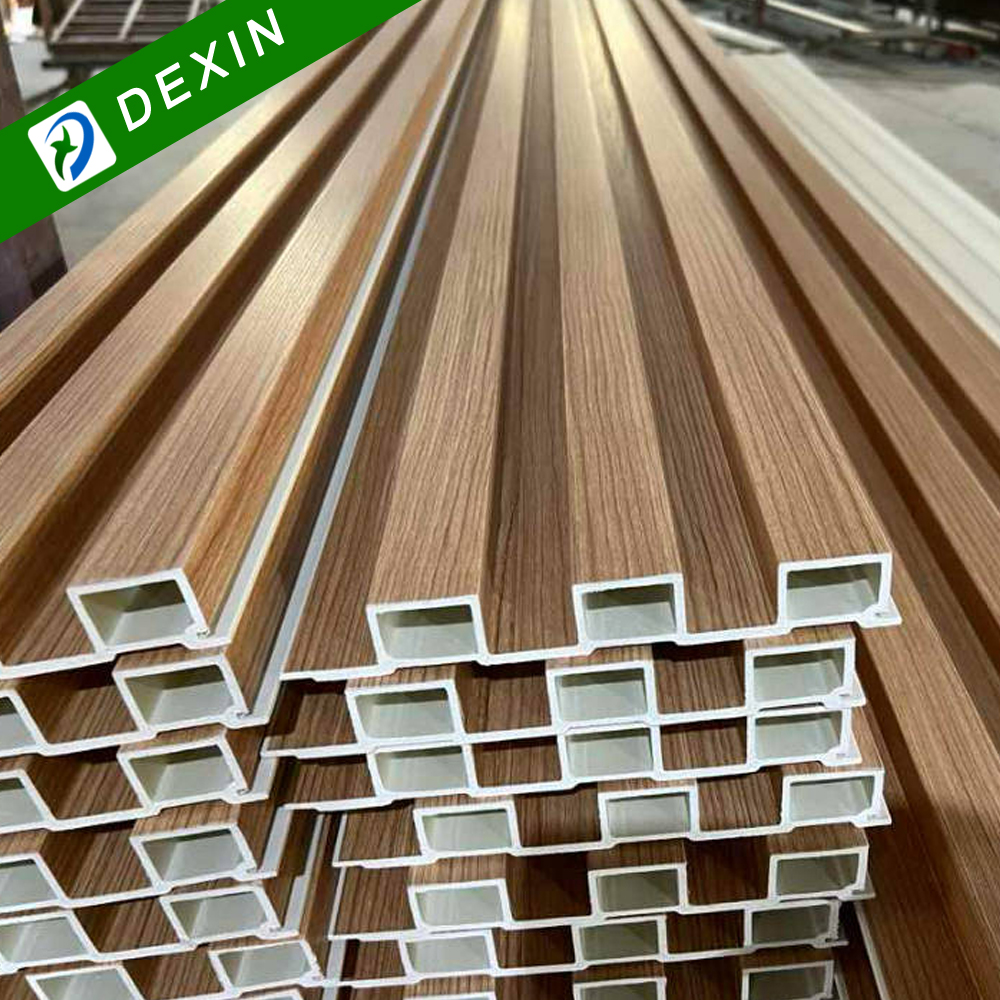
Modern PVC / WPC Wall Panel
Interior wall cladding for hotel and home backgrounds. Adds a lightweight decorative line to a walnut veneer MDF wholesale order.
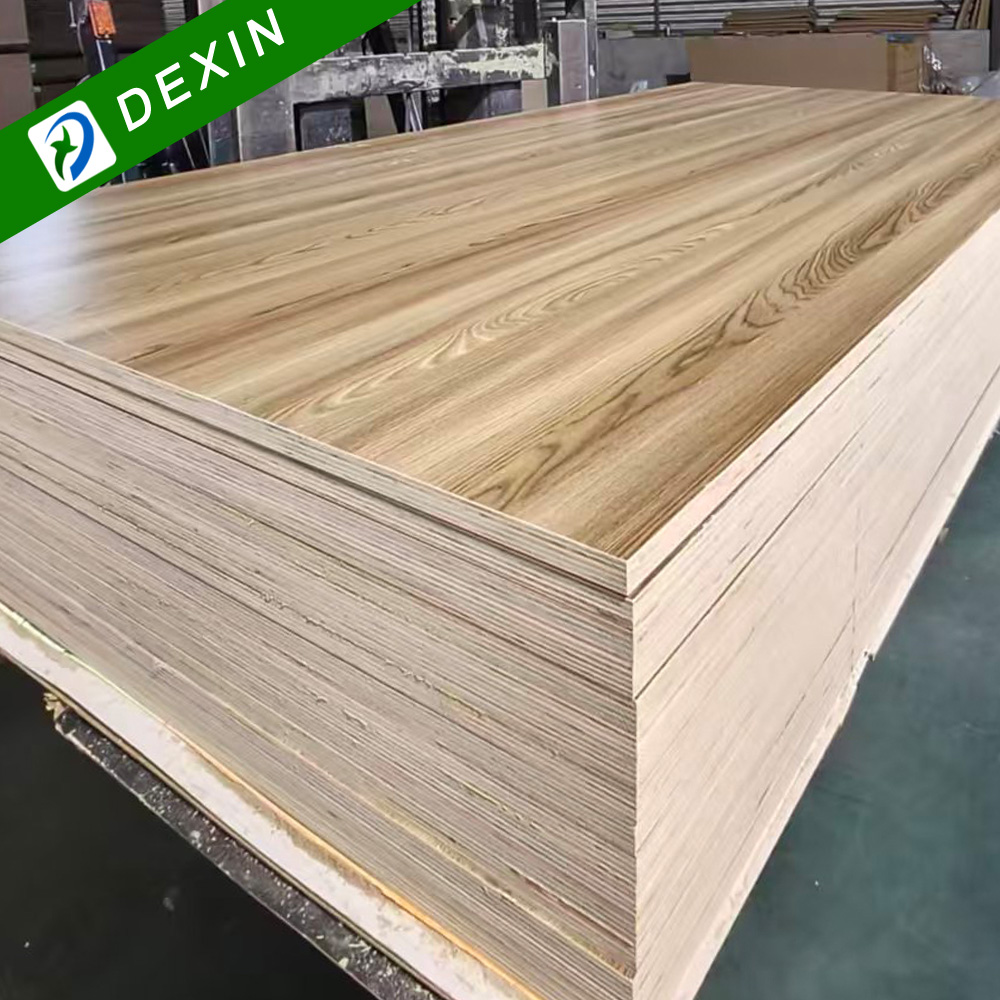
18mm Marine Laminated Melamine Plywood
Colourful melamine-faced marine plywood for furniture and wet-area decoration, useful for mixed wholesale containers.
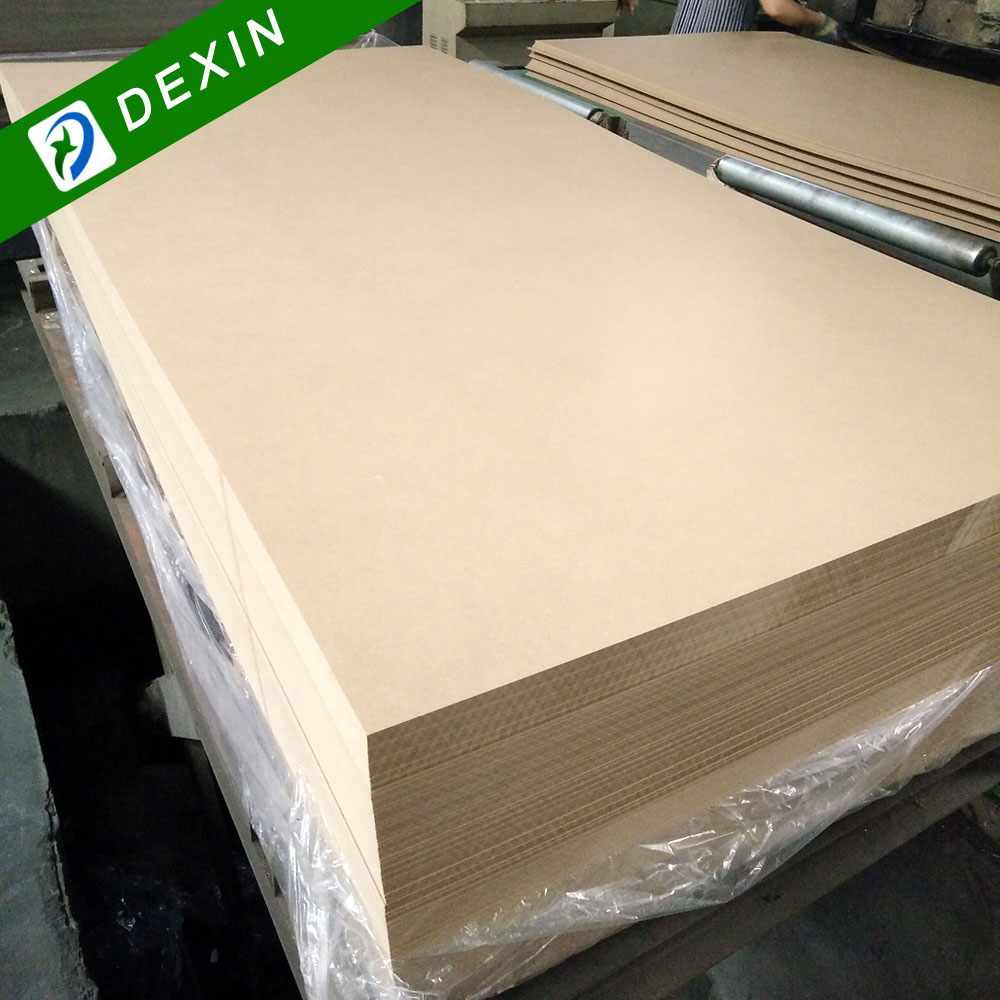
Raw / Plain MDF Board
3, 12, 15 and 18 mm raw MDF for furniture decoration, painting, lamination and veneering—the substrate base for custom walnut faces.
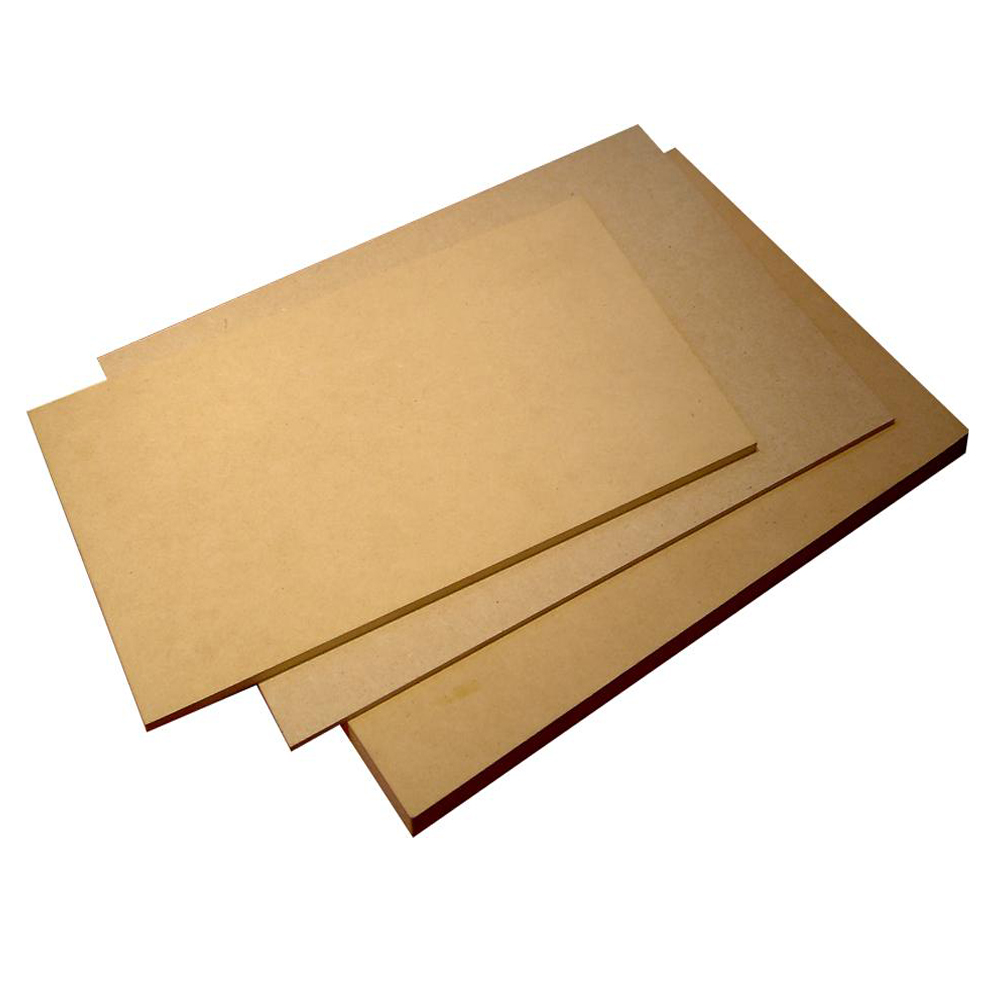
E0 / E1 / E2 Raw Thailand MDF
Cost-controlled raw MDF with E0, E1 or E2 glue for price-sensitive wholesale programs and project volume orders.
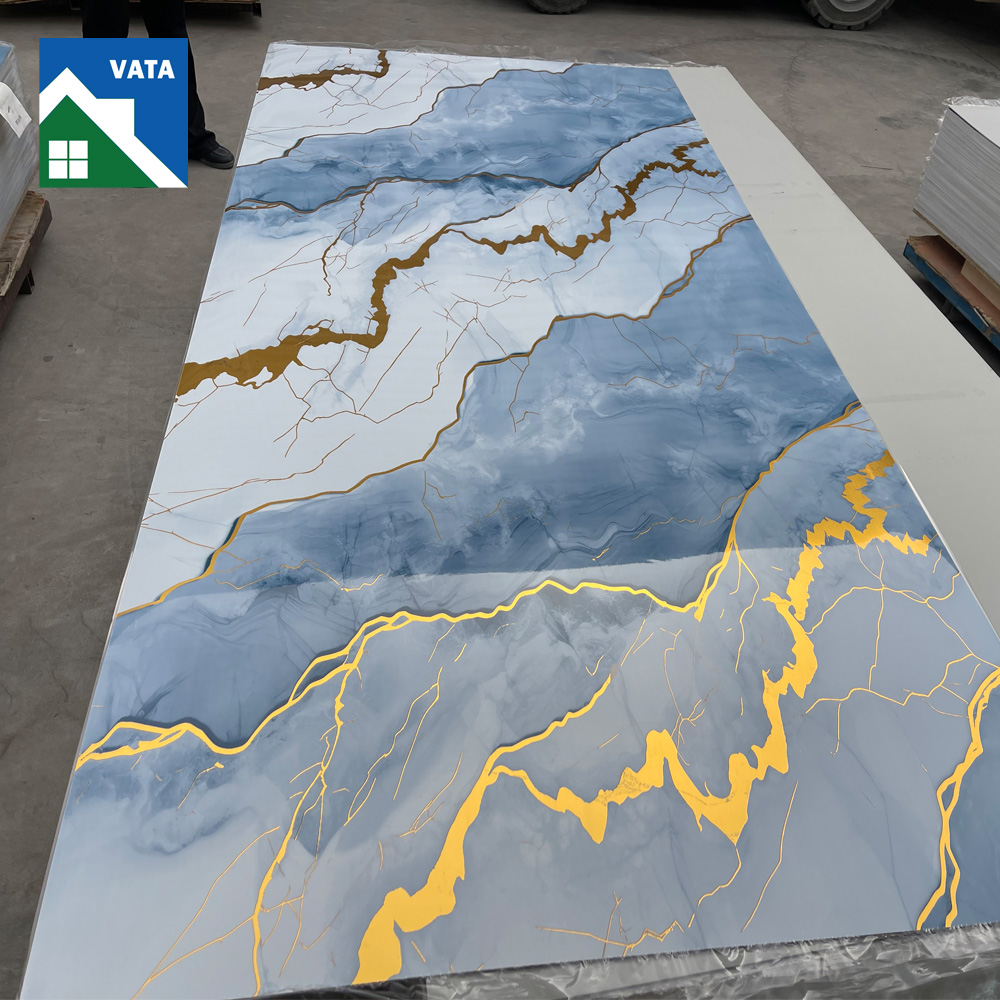
Custom High-Gloss PVC / UV Wall Panel
Bendable, easy-install glossy panel for TV walls and interior feature surfaces, giving distributors a decorative upsell.
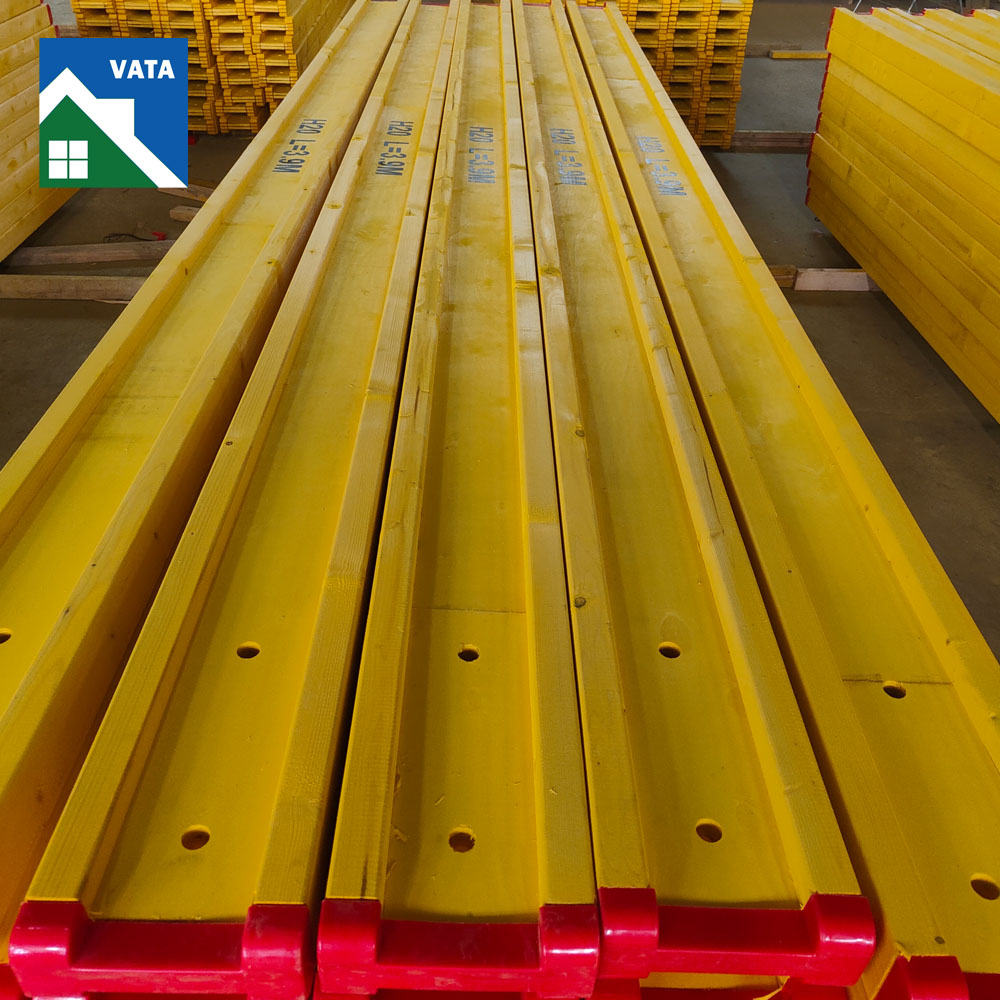
Reusable H20 Wooden Formwork Beam
Yellow painted H20 beam with plastic end caps for construction buyers, helping round out a project cargo load.
Need a walnut veneer face matched to one of these cores or a mixed container with several lines? Send your size, thickness, core, veneer grade, finish, destination and annual volume. Our export team will confirm the technical route and documents.
Send an InquiryWhat CE Certified Walnut Veneered MDF Means in a Wholesale Specification
For a wholesaler, walnut veneered MDF is not a single stock item. It is an engineered package: MDF core density, veneer selection, adhesive, press cycle, sanding tolerance, surface finish, formaldehyde class, CE data and export packing. The buying decision should be made from evidence, not from a colour sample alone.
CE is a document trail, not a sticker
A CE mark on wood-based panels should be supported by a Declaration of Performance, a test basis such as EN 13986 where applicable, and batch-related formaldehyde data. Ask for the full document set before comparing prices.
E0, E1 and CARB are not interchangeable labels
E1 is a common regulatory baseline; CARB / TSCA Title VI matters for the USA; E0 is widely used as a market term for very low emission. A responsible supplier states the test method and destination compliance in the quotation.
Veneer quality drives finishing yield
Walnut face grade, veneer thickness, splicing, colour matching and backing affect finishing yield. Wholesale buyers should approve a signed sample and a reference photo before bulk production.
KUDE approaches CE certified walnut veneered MDF wholesale as a factory-controlled specification. Linyi KUDE International Trading Co., Ltd. is the export platform of a wood-based panel manufacturing group founded in 1998 in Linyi, Shandong, China’s largest wood-based panel cluster. The group holds CE, ISO 9001, ISO 14001, FSC and CARB credentials and has been assessed on site by SGS. That matters to importers because a walnut veneer MDF order is only as reliable as the core supply, glue control, press records and export packing behind it.
The strongest wholesale programs separate the core decision from the face decision. A buyer may choose an E0, E1 or E2 MDF core, a moisture-resistant HMR option, a standard 1220×2440 mm format or a larger engineering format, and then specify sliced natural walnut veneer with book-match, slip-match or random-match lay-up. Thickness, density, sanding tolerance, adhesive, finish and packing should be written into the purchase order. CE compliance is a process, not a one-time certificate: incoming veneer inspection, core calibration, controlled glue spread, press cycle records, final surface checks and batch-linked documents all support the declaration that the buyer receives.
For wholesalers and distributors, this is also an assortment question. Walnut veneered MDF sells best when it sits beside white melamine MDF, raw MDF, decorative wall panels and project lines that fill containers and serve more than one customer segment. KUDE’s product scope includes commercial plywood, film faced plywood, melamine plywood, fancy plywood, UV MDF, PET MDF, plain MDF, bamboo charcoal board, WPC wall panel and PU stone panel. A mixed loading plan can reduce stock risk while keeping the walnut veneer program visible to furniture, kitchen and interior fit-out buyers.

Inside KUDE: A Factory-Based Wholesaler for CE Panel Programs
The group operates more than 30 production machine sets in 30,000 m² of workshops, with over 300 workers and annual output of 60,000 m³. Production experience exceeds 20 years, with 15 years of export experience serving buyers in more than 30 countries and regions. The operating principle remains simple: survival by quality, development by prestige.
Being based in Linyi shortens the supply chain for veneer, MDF core, glue, paper and transport. Buyers get a more stable schedule than with a pure trading office, while OEM / ODM and full customization cover size, thickness, core species, face veneer, decor, glue type, logo printing and export packaging.
- CE, ISO 9001, ISO 14001, FSC and CARB
- On-site assessed by SGS
- 20+ years production experience
- 15 years of export experience
- OEM / ODM and custom specifications
- FOB, CFR, CIF and EXW terms




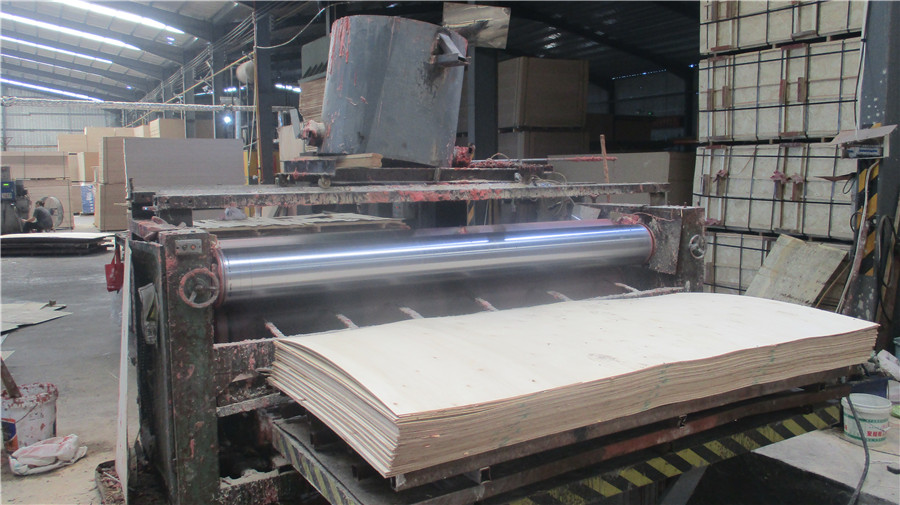
Recommended Walnut Veneered MDF Programs by Application
A wholesaler should build an assortment that covers cabinet, furniture, wall and project demand without creating slow-moving stock. The following four programs are practical starting points; final construction is confirmed against the buyer’s finish, market regulation and machinery.
Kitchen & Wardrobe Doors
18 mm E1 or HMR MDF core, sliced walnut face, balanced back and UV-cured clear topcoat. Request 8–12 mm backs and matching edge band samples. Confirm moisture resistance and formaldehyde class per market.
Furniture & Cabinetry
12, 15 or 18 mm MDF with book-matched or slip-matched walnut veneer for cabinets, tables and hotel furniture. Specify veneer grade, filler, sanding sequence and interleaves to protect faces.
Wall & Feature Panels
3, 5 or 9 mm MDF substrate with decorative walnut veneer for reception walls, lift lobbies and retail fit-outs. Fire performance, substrate class and fixing method should be stated in the project specification.
Wholesale Mixed Container
Combine walnut veneer MDF with white melamine MDF, raw MDF, PVC/WPC wall panels and H20 beams. Mixed loading improves container utilisation for distributors serving more than one product category.
2025–2030 Procurement Trends for Walnut Veneered MDF Wholesalers
The next buying cycle will reward suppliers who can prove compliance, control colour consistency and support smaller, faster replenishment. Price remains important, but landed cost and documentation risk are now part of the purchase price.
Document-First Sourcing
Buyers are adding CE DoP, FSC transaction data, CARB / TSCA statements and E0/E1 test reports to the RFQ. Suppliers that cannot provide batch-linked documents will be filtered out before price comparison.
Indoor Air Quality as a Specification
E1 remains a baseline in many markets, while E0 and very-low-emission claims are increasingly requested for schools, hotels and residential projects. Specify the test method, not only the marketing label.
Engineered and Stabilised Walnut Looks
Natural walnut veneer remains premium, but consistent grain and colour are hard to guarantee at scale. Expect more engineered veneer, improved splicing and digital walnut textures for mid-market ranges, with natural veneer reserved for high-value orders.
Smaller MOQ and Mixed Containers
Distributors are reducing stock exposure. Wholesalers that support mixed product containers, pallet-level labelling and repeatable colour references will win replenishment business.
Total Landed Cost Focus
Moisture-safe packing, container fill rate, damage rate and port charges can outweigh a small FOB difference. Buyers should compare delivered cost per usable panel, not only price per sheet.
Remote Factory Verification
Live video inspection, loading photos and batch codes are becoming normal parts of the purchase order. KUDE’s SGS-assessed profile and export documentation support this evidence-based buying model.
Product Development Trends: Where Walnut Veneered MDF Is Going
Development is moving toward better moisture control, more stable visual collections and surfaces that survive real production lines. The winning board is not only beautiful at the sample stage; it must route, edge-band, lacquer and install with predictable results.
HMR and Water-Resistant Cores
Kitchen and bathroom demand is pushing moisture-resistant core adoption. Buyers should specify HMR grade and edge sealing, not just a water-resistant claim.
UV-Cured and Low-Sheen Finishes
Clear UV topcoats and low-sheen lacquer systems are replacing some high-gloss finishes because they show grain naturally and resist fingerprints.
Better Veneer Matching
Book-match, slip-match and random-match lay-ups let wholesalers create repeatable visual collections. Approved reference samples and batch records reduce disputes.
CNC and Edge-Band Compatibility
MDF density, veneer adhesion and thickness tolerance affect CNC routing and edge banding. Calibrated sanding and consistent glue spread reduce downstream rejects.
Wholesale Specification Matrix
Use this matrix to shortlist a CE certified walnut veneered MDF program before requesting a quotation. Values are typical production ranges; final tolerances, grades and test reports are confirmed for each order.
| Attribute | Wholesale options | What the buyer should confirm |
|---|---|---|
| Core | E0, E1 or E2 MDF; HMR moisture-resistant option; density and thickness by agreement | Request core test report, density range and moisture content |
| Walnut face | Sliced natural walnut veneer; book-match, slip-match or random-match; other veneers available | Approve face grade, colour, veneer thickness and backing |
| Thickness | 3, 5, 9, 12, 15, 18, 25 mm and intermediate thicknesses by agreement | Confirm calibrated tolerance and application load |
| Panel size | 1220×2440 mm, 1525×2440 mm, 1830×2440 mm and cut-to-size by agreement | Check container fill, handling limits and cutting plan |
| Finish | Raw sanded, UV clear coat, lacquer or custom surface | Match finish to humidity, wear and project specification |
| Compliance | CE DoP where applicable; E0/E1/CARB targets; FSC on request | Destination market and test method must be in writing |
| Packing | Export pallets, corner protection, moisture barrier and steel straps | Confirm pallet count, marks and loading photos |
| MOQ & lead time | Typically 50–500 sheets depending on program; mixed containers considered | Plan 15–35 days production plus sailing time, subject to queue |
From Veneer Selection to Container Loading
Every batch follows checkpoints before it leaves Linyi. The aim is simple: protect the face, control thickness, document compliance and make the container arrive as approved.
Veneer Selection
Walnut face is graded for colour, grain and defects; backing veneer is matched to balance the panel.
Core Preparation
MDF is acclimated, calibrated and checked for thickness, density and moisture before glue application.
Lay-Up & Pressing
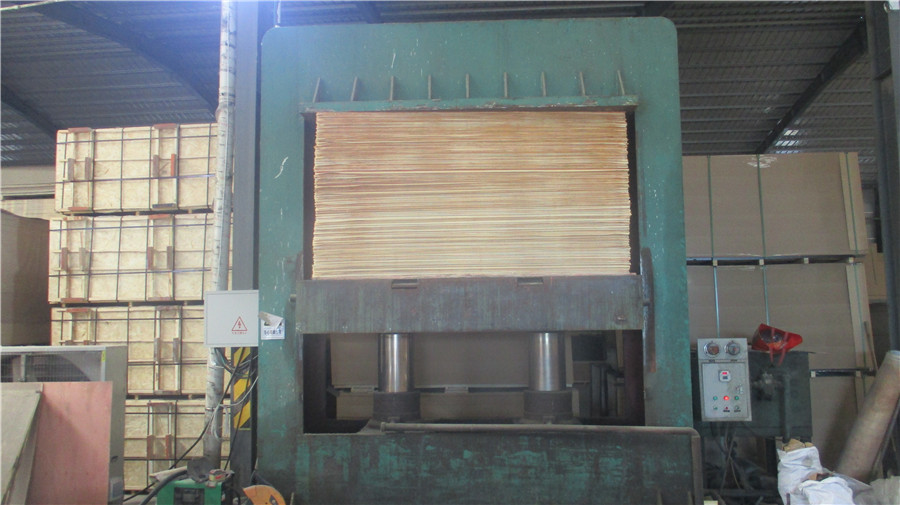
Controlled adhesive spread and press cycle bond the veneer to the core; batch records track settings.
Sanding & Calibration
Precision sanding controls thickness and surface flatness without cutting through the veneer.
Surface & Final QC
Finish, adhesion, colour, flatness and formaldehyde documents are checked before packing.
Export Packing
Moisture barrier, corner protection, pallets and container loading photos protect the order in transit.
Procurement FAQs for Walnut Veneered MDF Wholesale
These are the questions international buyers ask most often before placing a wholesale order. Final answers are confirmed against the exact specification and destination market.
Are you a CE certified walnut veneered MDF wholesaler or manufacturer?
What is the MOQ for walnut veneered MDF?
Can you supply E0, E1, CARB and FSC options?
Which thicknesses and sizes are available?
What walnut veneer matching options can you produce?
How do samples and approvals work?
What are the shipping terms and lead times?
Can you customize packaging and private label?
Send a Walnut Veneered MDF Specification
Include target size, thickness, core, veneer grade, finish, formaldehyde class, destination, annual volume and packing requirements. Our export team will reply with a technical proposal, sample plan and quotation.