CE Certified Waterproof Plywood Manufacturer & Supplier
Factory-direct WBP, melamine and marine plywood from Linyi, China — CE, FSC and CARB compliant, exported to more than 30 countries since 1998.
Waterproof Plywood & Panel Products We Manufacture
Eight production lines, one sourcing window. Every board below can be specified by size, thickness, core species, face decor and formaldehyde grade before your order is confirmed.

Good Price 1200x2400x18mm Melamine Coated Plywood Custom Thickness Marine Board for Furniture
WBP marine core with a bonded melamine face — built for wet-area cabinetry and custom thickness runs.
View product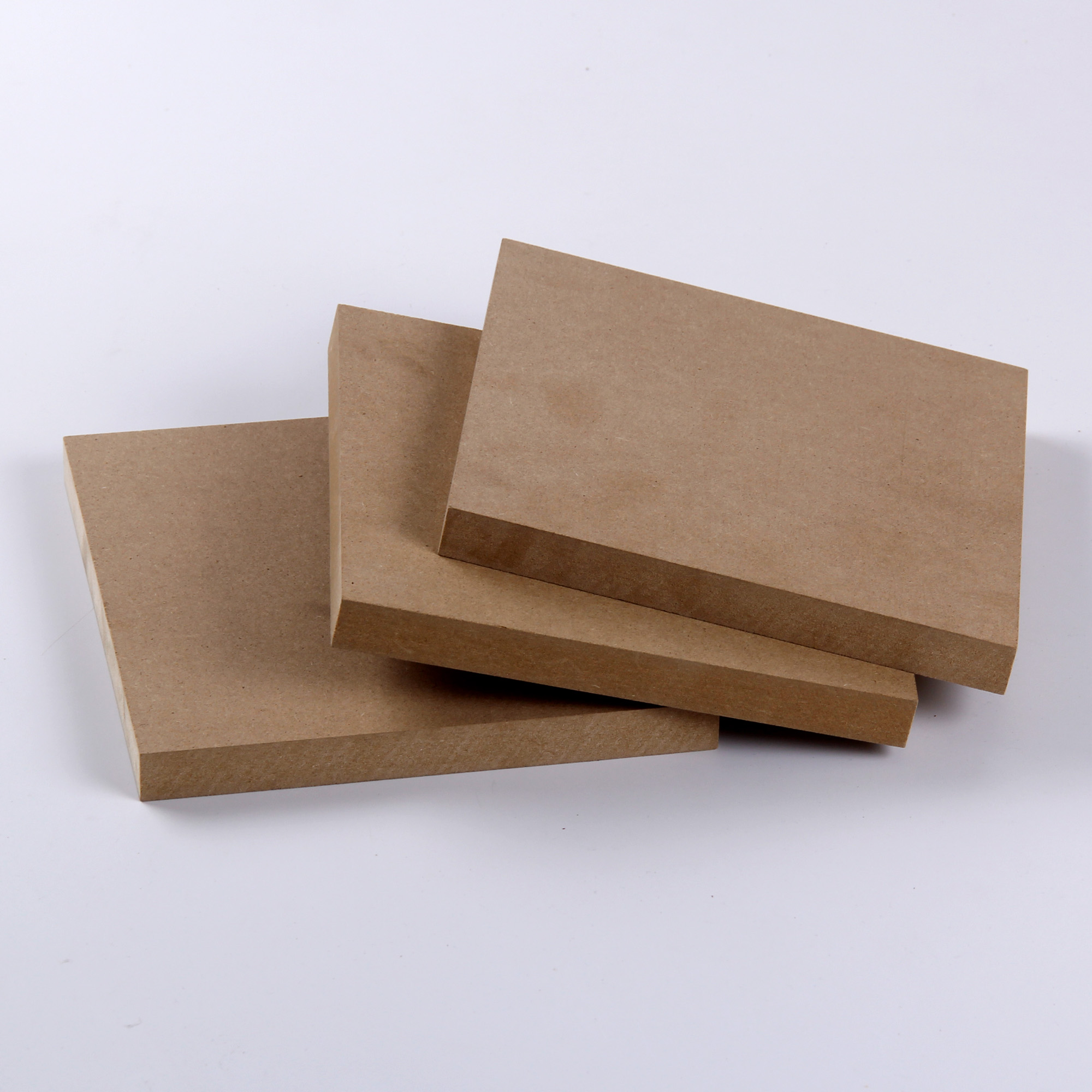
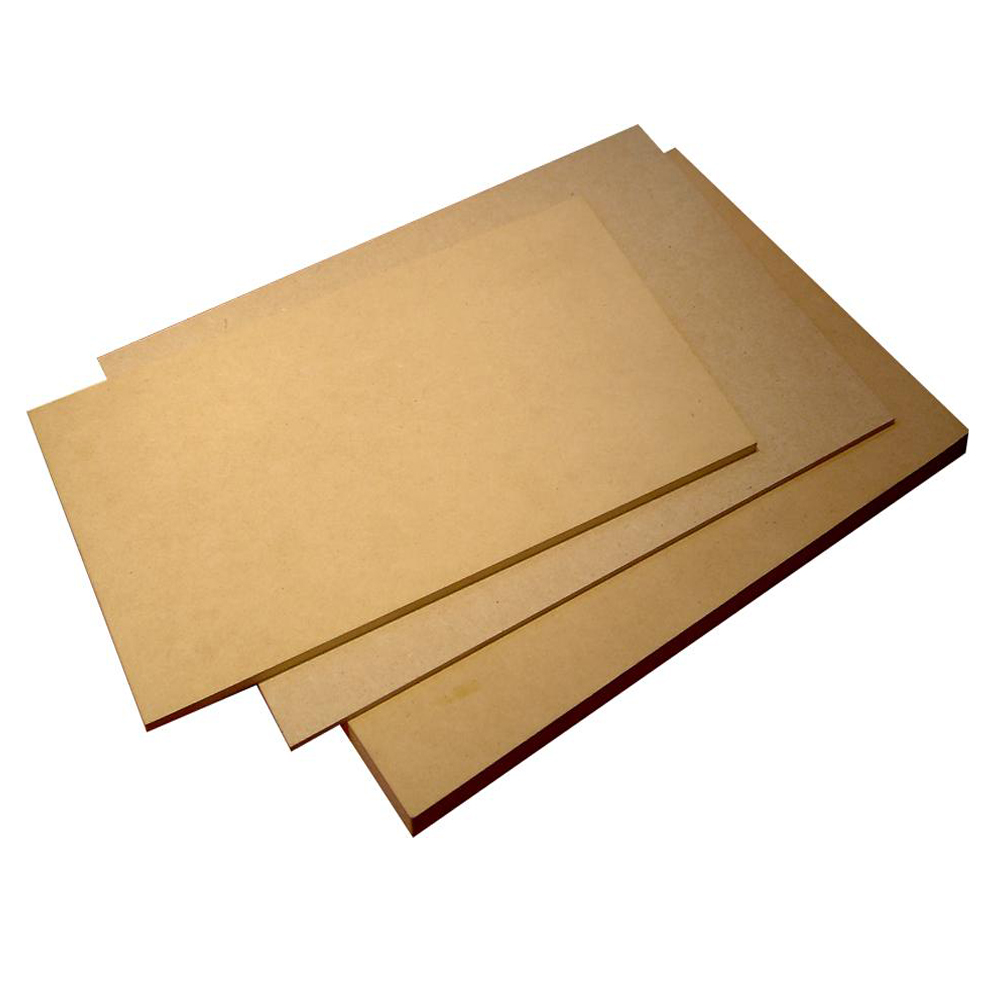
Factory Standard Size with Thickness of 5mm, 6mm, 8mm, 9mm, 18mm Raw MDF/HDF Board
Calibrated raw panels for laminating, painting, edge banding and CNC routing lines.
View product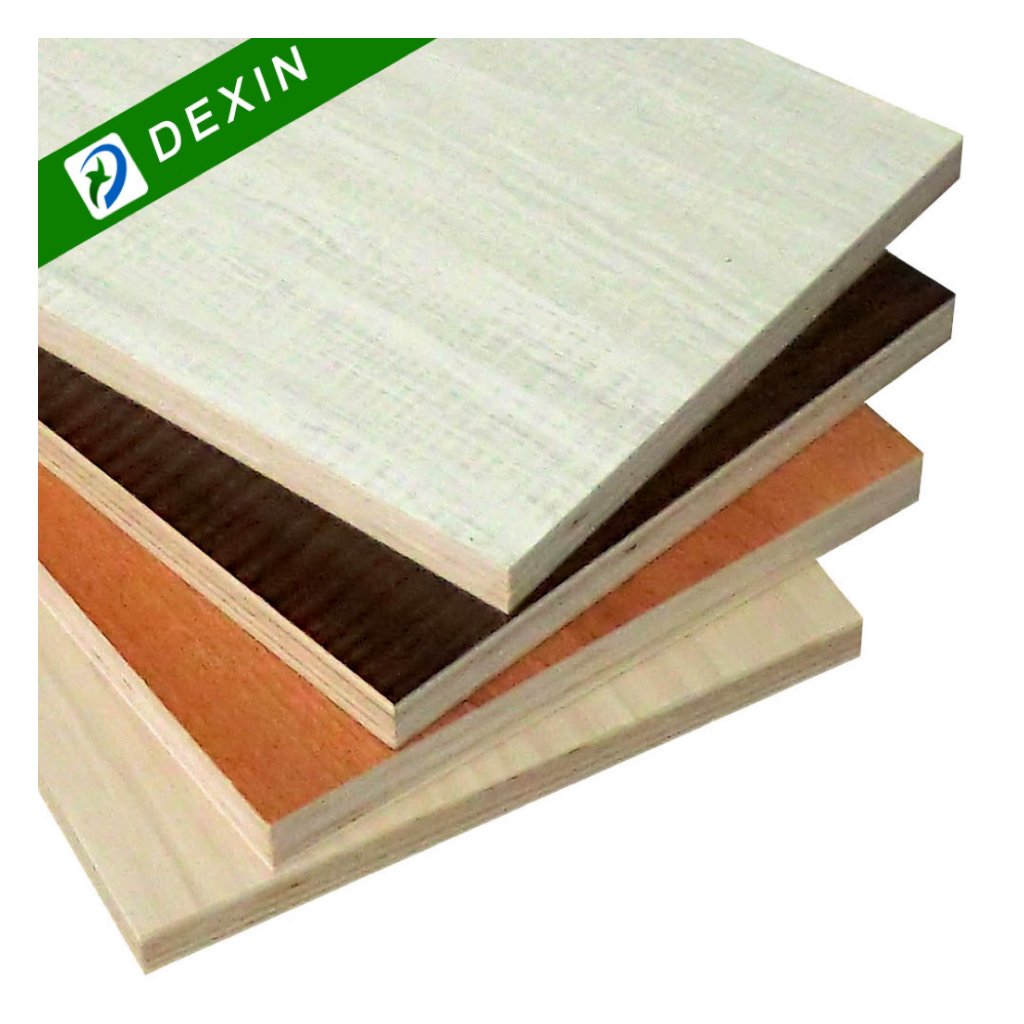
3mm 12mm 18mm E0 First-Class Melamine Contrachapado Plywood for Furniture Cabinet Use
First-class paper-faced board with low formaldehyde release for interior carcass work.
View product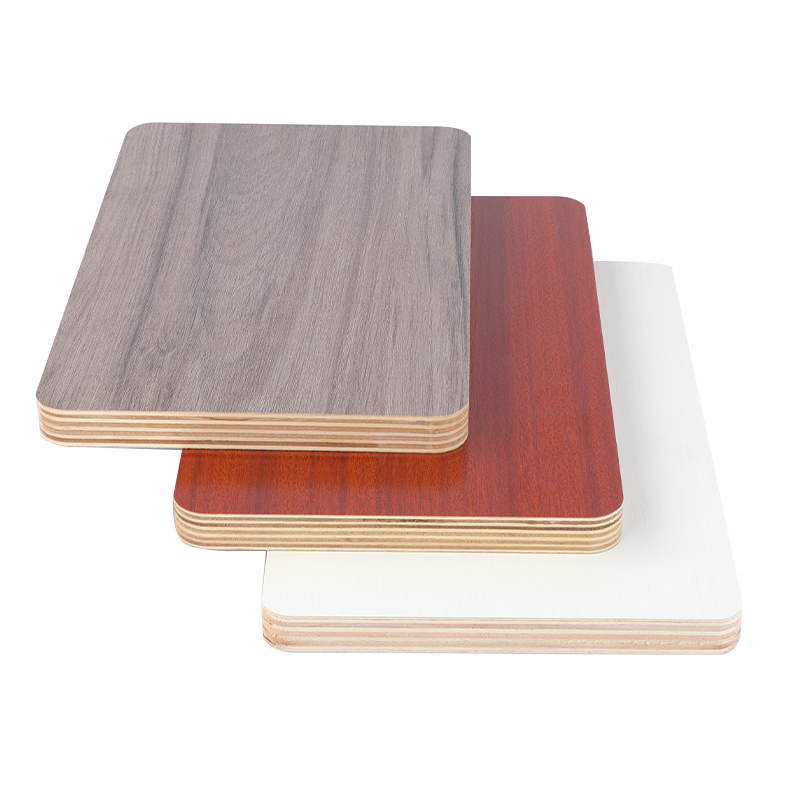
E2/E1/E0 Grade Solid Color and Wood Grain Marine Melamine Plywood From China
Stable decor matching across large volume runs — solid colours and replicated wood grains.
View product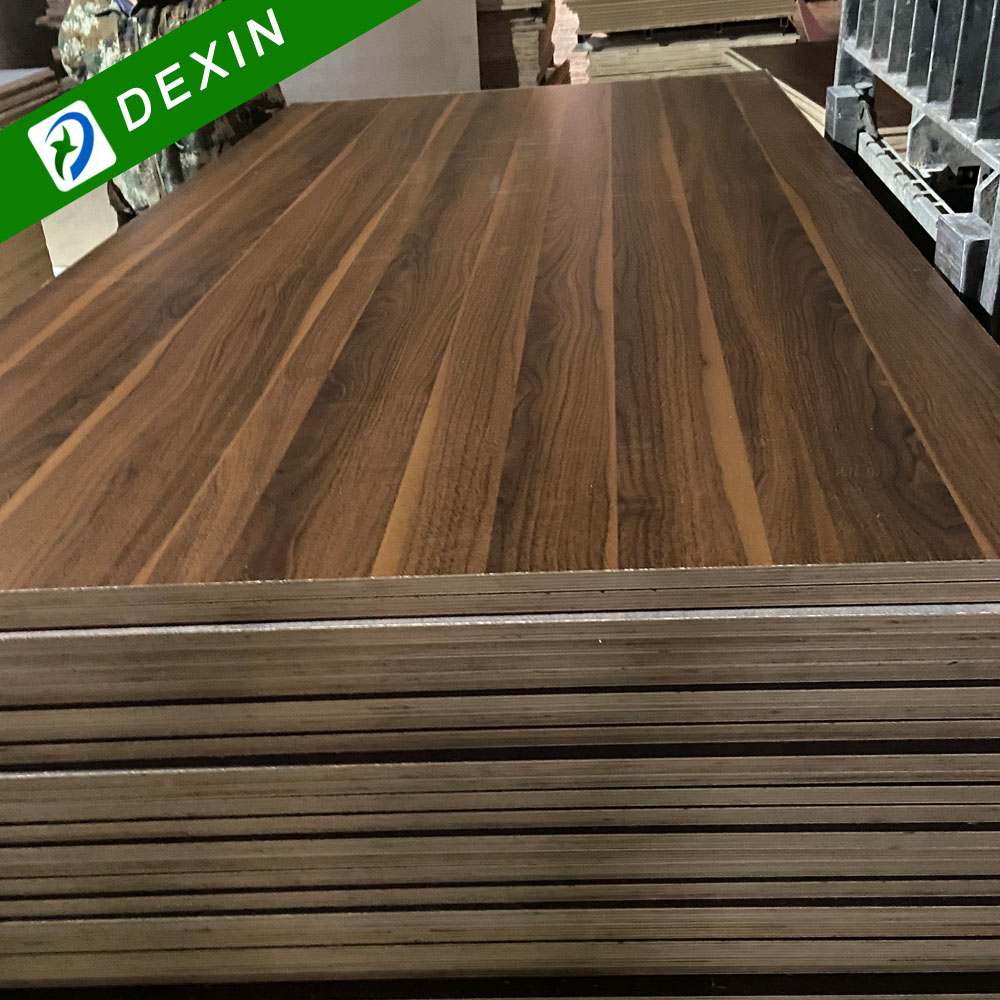
High Quality Waterproof 18mm Melamine Faced Plywood for Furniture
Dense face and sealed edges that hold their shape in humid service conditions.
View product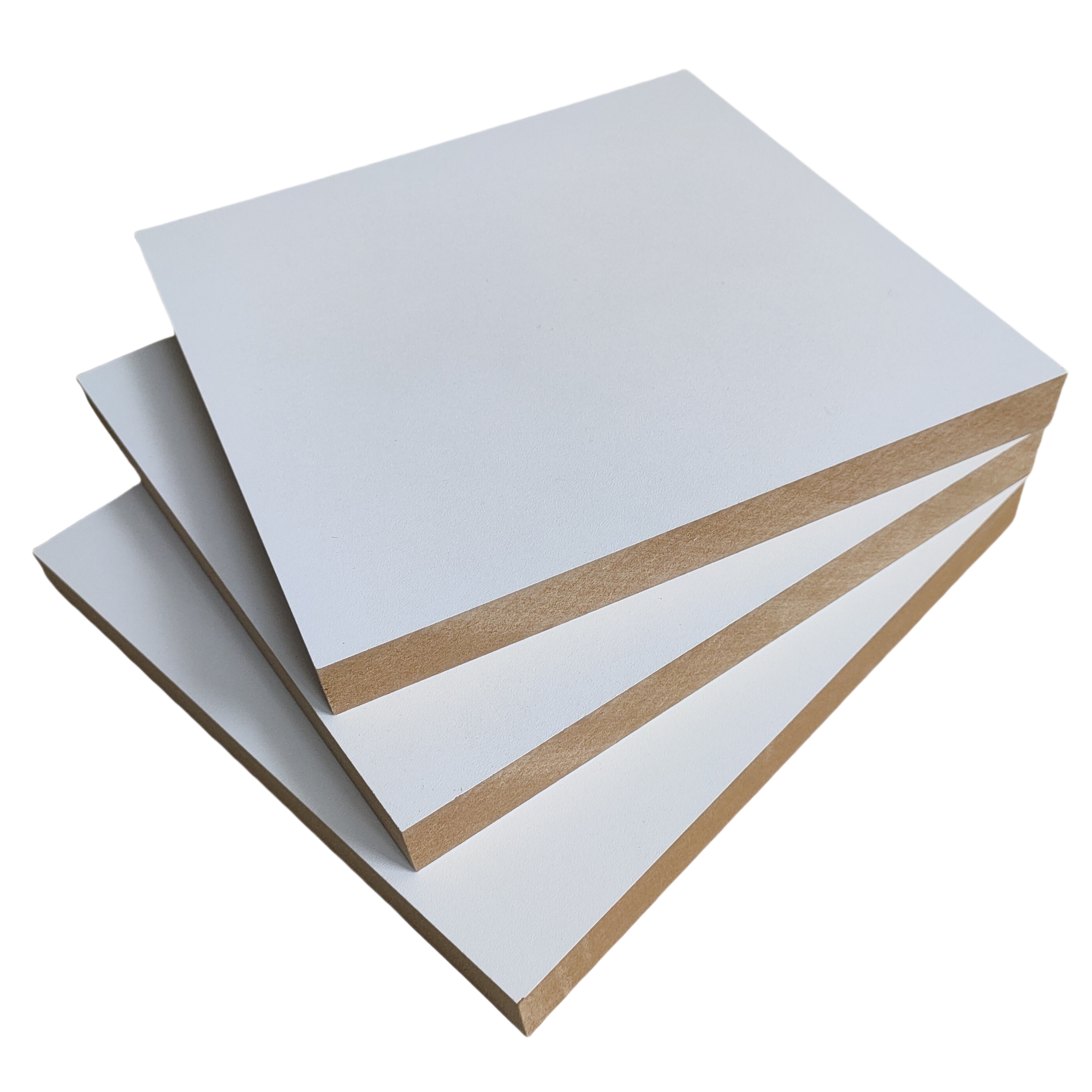
18mm Kitchen Furniture Use White Wood Fiber Board E1 Grade Melamine MDF/HDF Sheet
Kitchen-grade white board with a dense core that holds screws and hinges reliably.
View product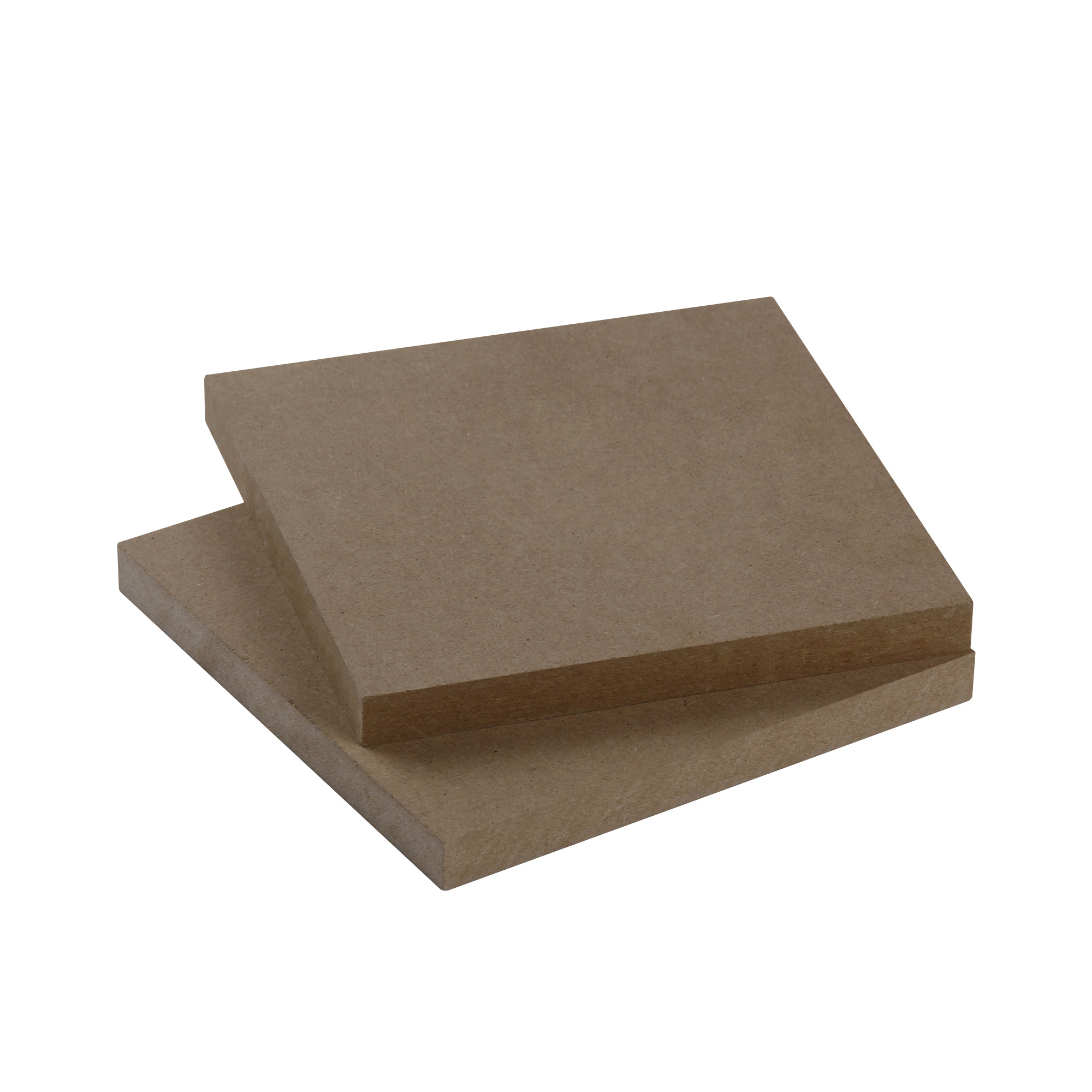
What CE Certification Actually Means on a Waterproof Plywood Order
At any given trade fair, nine out of ten plywood suppliers will present a CE certificate. The document has become so standard that importers often treat it as a checkbox rather than a technical commitment — and that assumption is where expensive claims begin.
The CE mark on plywood is a manufacturer's declaration against harmonised standards — principally EN 636 (plywood specifications) and EN 314-2 (bonding quality). It confirms that the factory has established factory production control and can re-verify bonding, moisture content and dimensional tolerance for a declared service class: EN 636-1 for dry interior conditions, EN 636-2 for humid conditions and EN 636-3 for exterior use.
Three questions that decide whether the certificate is worth the paper it is printed on
First, is the glue class matched to the service environment? Exterior and humid applications require EN 314-2 class 3 bonding — what the Chinese panel industry calls WBP (weather and boil proof). Boards at this class survive repeated boil-dry cycles without delamination. MR (moisture resistant) glue is suitable for interior furniture where joinery is protected from standing water. When a supplier offers a single data sheet for both scenarios, the document describes a product family rather than the specific shipment.
Second, are waterproofing and formaldehyde controlled separately? They are entirely different specifications. The E0, E1 and E2 grades describe formaldehyde emission, not water resistance. CARB Phase 2 governs the US market, while EN 717-2 and EN 120 define the test methods. A board can be structurally CE certified and still fail the emission grade required by a European furniture or retail channel. Buyers who conflate the two usually discover the problem at the customs broker's desk.
Third, will the documentation survive the destination port? Increasingly, customs authorities and project specifiers ask for test reports and batch records tied to a container number and a production date. We treat traceability as a production deliverable rather than an after-sales question, because a delayed clearance on one container can cost more than the margin on the entire shipment.
Declaration of Performance
Issued against EN 636 with the declared service class, thickness tolerance and bonding grade printed on the document.
Boil-Test Bonding Evidence
EN 314-2 class 3 shear results from the same production batch, not from a generic sample library.
Emission Traceability
E0, E1 or E2 confirmed by report for the exact decor, glue line and press cycle shipped to you.
Match the Board to the Environment, Not to the Price List
Different end uses place different demands on a panel. Sourcing one specification across two applications is the most common reason waterproofing claims fail in the field.
Kitchen & Bath Cabinets
18 mm WBP plywood or HMR MDF with double-sided melamine. Seal all edges — moisture ingress at cut edges, not at the face, is what kills cabinet life.
Wardrobes & Interior Joinery
E0 melamine plywood and PET MDF where indoor air quality matters. Matt and wood-grain decors dominate European and Southeast Asian retail fit-outs.
Concrete Formwork
Phenolic film faced plywood with class 3 bonding and sealed edges. Reuse count depends as much on release-agent discipline as on the panel itself.
Wall & Retail Surfaces
Bamboo charcoal board, WPC and UV marble panels for fit-outs where installation speed and consistent decor outweigh panel weight.
Six Shifts Reshaping How Importers Buy Waterproof Plywood
Panel sourcing has changed more in the last five years than in the previous fifteen. These are the movements we observe across the enquiries reaching our export desk every week.
Compliance Moves Before the Sample
Serious buyers now ask for emission reports and bonding test data before approving a sample. Suppliers who cannot produce them at the enquiry stage are filtered out early.
Mixed Containers Become Standard
Distributors combine melamine plywood, plain MDF and decorative panels in one 40HQ instead of committing to a full load of a single SKU.
Remote Factory Verification
Live video walkthroughs, press-line footage and loading photos have replaced the site visit for many mid-sized importers.
Landed Cost Replaces Unit Price
Freight volatility pushed buyers toward total delivered cost per cubic metre — including breakage, moisture damage and rework rates.
Documentation as a Service
Certificates, packing lists and photographs must arrive before the vessel does. Late paperwork now costs as much as late production.
Long-Term Supply Agreements
Importers lock quarterly pricing and rolling capacity rather than chasing spot quotes, because panel pricing moves with glue and log costs.
Where Waterproof Panel Technology Is Heading
The direction of travel is clear: lower emission, tighter tolerances and surfaces engineered for specific interiors rather than generic building work.
E0 Becomes the Baseline, Not the Upgrade
E1 remains the legal floor for many markets, but specification sheets for European and Australian furniture programmes increasingly name E0 as the default requirement.
Surface Innovation Outpaces Core Innovation
PET film, UV-cured coatings, matt anti-fingerprint finishes and synchronised wood-grain embossing now drive purchase decisions as much as core species do.
Moisture-Resistant MDF Closes the Gap on Plywood
HMR and green-core MDF now perform reliably in kitchen carcasses, giving buyers a flatter, more machinable alternative where structural strength is not the constraint.
Thickness Tolerance Tightens to ±0.2 mm
Automated edge banding and CNC nesting equipment punish inconsistent panels. Calibrated sanding tolerance has become a specification line item rather than a courtesy.
Decorative Composites Take Share from Solid Wood
WPC wall panels, bamboo charcoal boards and PU stone panels deliver wood and stone aesthetics at a fraction of the weight and installation time.
Chain of Custody Becomes a Purchasing Condition
FSC certification and species documentation are moving from a marketing advantage to a tender requirement in public projects and large retail chains.
Why Importers Place Repeat Orders with KUDE
Linyi KUDE International Trading Co., Ltd. is the export platform of a wood-based panel manufacturing group founded in 1998 in Linyi, Shandong — China's largest man-made board production cluster.
Own Production Lines
More than 30 machine sets covering peeling, gluing, hot pressing, sanding and laminating, operated by over 300 workers across 30,000 m² of workshops.
Verified Certification
CE, ISO 9001, ISO 14001, FSC and CARB, with an on-site factory assessment completed by SGS. Emission grades E0, E1 and E2 matched to your destination market.
Cluster-Level Cost Control
Being inside China's largest panel cluster shortens the supply chain for veneer, glue and core materials, stabilising pricing across seasons.
Full Customization
Sample-based, design-based and full customization of size, thickness, core species, face veneer or decor, glue type, logo printing and export packaging.
Export-Ready Logistics
FOB, CFR, CIF and EXW terms with T/T and L/C settlement in USD, EUR or CNY. Seaworthy pallet packing and loading photographs before departure.
15 Years of Export Experience
Orders shipped through Qingdao and neighbouring northern Chinese ports, with documentation prepared for EU, US, Middle East and ASEAN entry requirements.

Inside the Linyi Production Base
Our guiding principle is simple and has not changed since 1998: survival by quality, development by prestige. Every batch moves through five controlled checkpoints before it reaches a container — material selection, gluing and pressing, sanding and surfacing, inspection, then packing and loading.
Annual output reaches 60,000 m³ of plywood, blockboard, MDF and particle board, with a catalogue that now extends into UV and PET MDF, bamboo charcoal board, WPC wall panels and PU stone panels for interior fit-out projects.
- 20+ years production experience
- 15 years of export experience
- OEM / ODM and custom specifications
- Loading photos before every departure
Questions Buyers Ask Before Ordering Waterproof Plywood
The answers procurement teams most often request during the first technical exchange.
Which certifications do KUDE plywood and MDF products carry?
What is the difference between MR glue and WBP glue?
Which formaldehyde grade should I choose for my market?
What is the minimum order quantity?
Can you customize panel size, thickness, face and packaging?
Which payment methods and trade terms do you accept?
Where are you located and how are goods shipped?
Send Your Specification. Receive a Factory-Direct Proposal Within 24 Hours.
Tell us the panel type, size, thickness, formaldehyde grade, surface finish and destination port. Our export team replies with a full technical proposal, certification pack and container loading plan — no obligation attached.
info@kudeplywood.com · Reply within one working day