Eight Products Buyers Request When Searching for China Best Fancy Plywood Suppliers & Exporter
The product selection below matches the practical language of importers, distributors, furniture factories and formwork contractors. Each item keeps its original product URL and image, making this page a useful sourcing hub rather than a generic catalogue page.
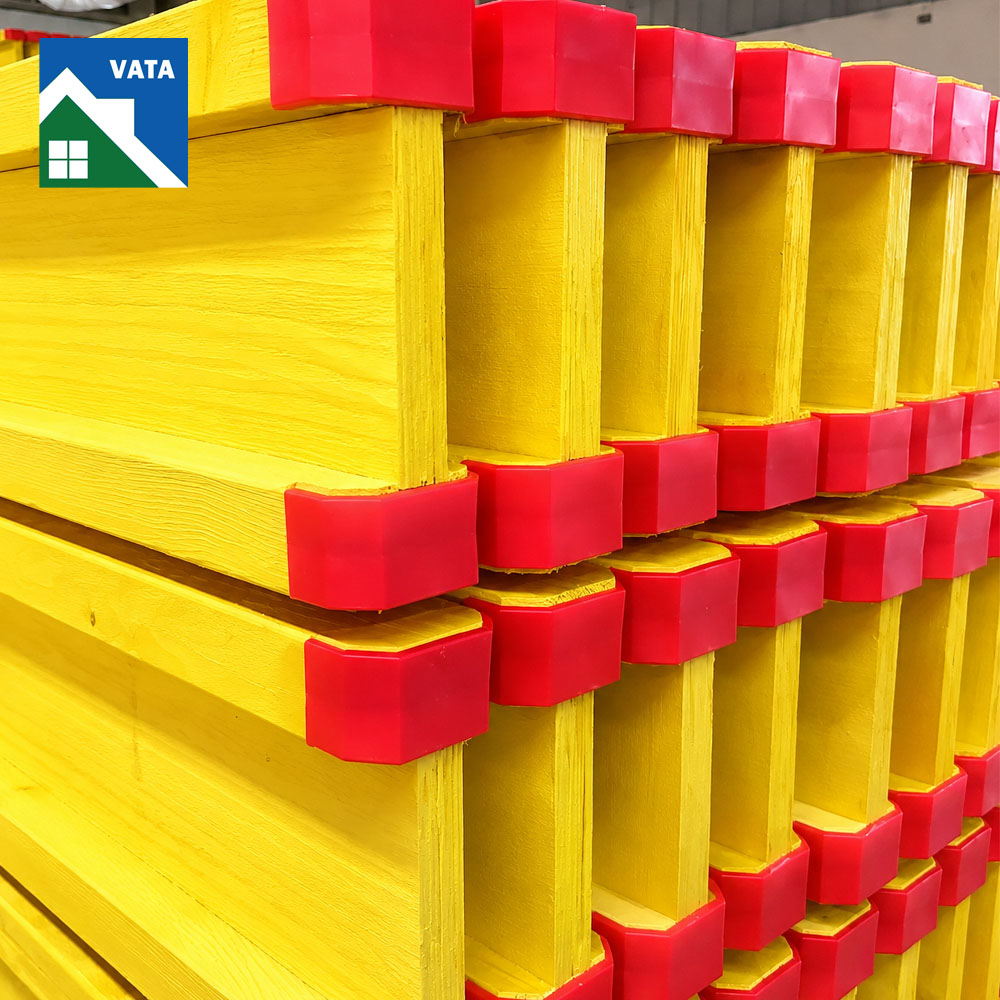
Wholesale Heavy Duty Wooden I-Beams Durable Spruce H20 Formwork Beams for Slab Formwork
A durable H20 slab formwork beam with spruce flange, waterproof glue and a high strength-to-weight ratio. Suitable for contractors comparing repeat-pour performance, straightness and site handling efficiency.
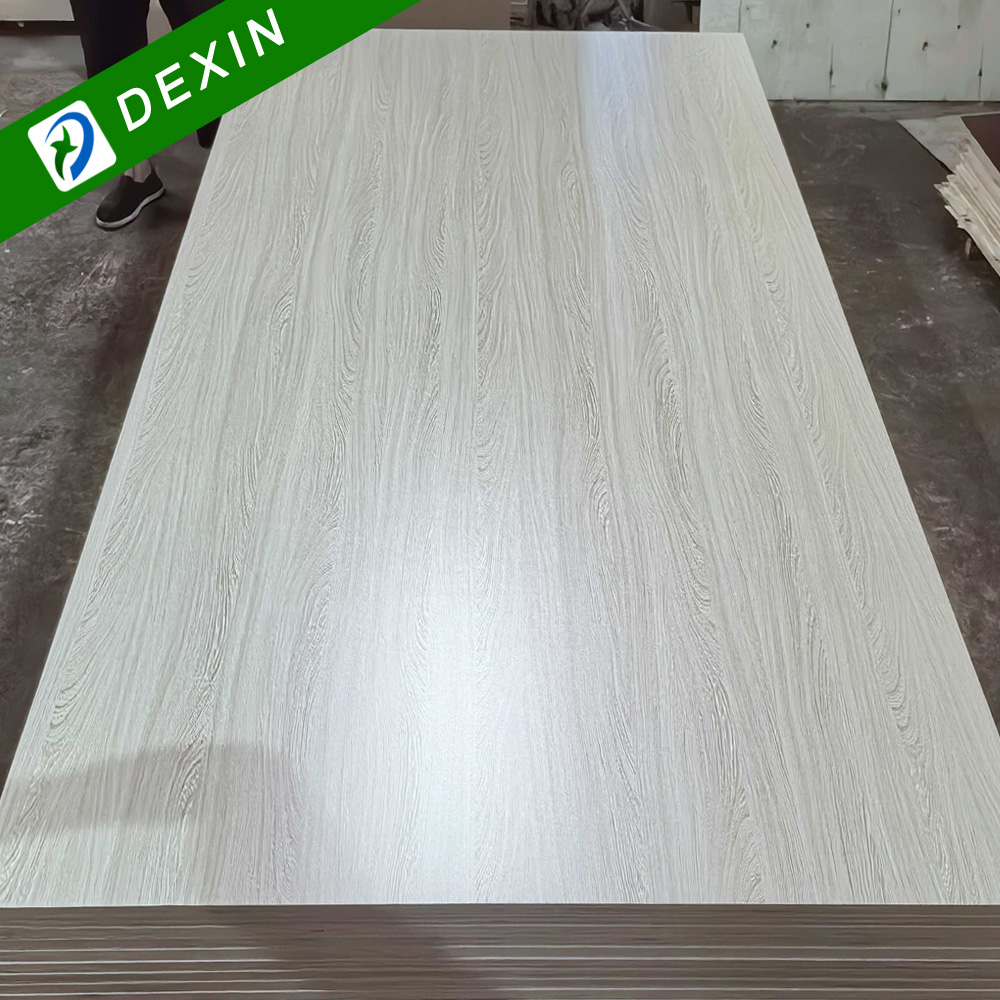
Waterproof Melamine Contreplaque De 5mm 6mm 18mm 11 Ply Glossy Matt White Eucalyptus Core Melamine Faced Plywood
An 11-ply eucalyptus-core melamine faced plywood with white glossy or matt surface. Balanced construction helps support kitchen, wardrobe and shop-fitting applications requiring moisture resistance and a clean decorative face.
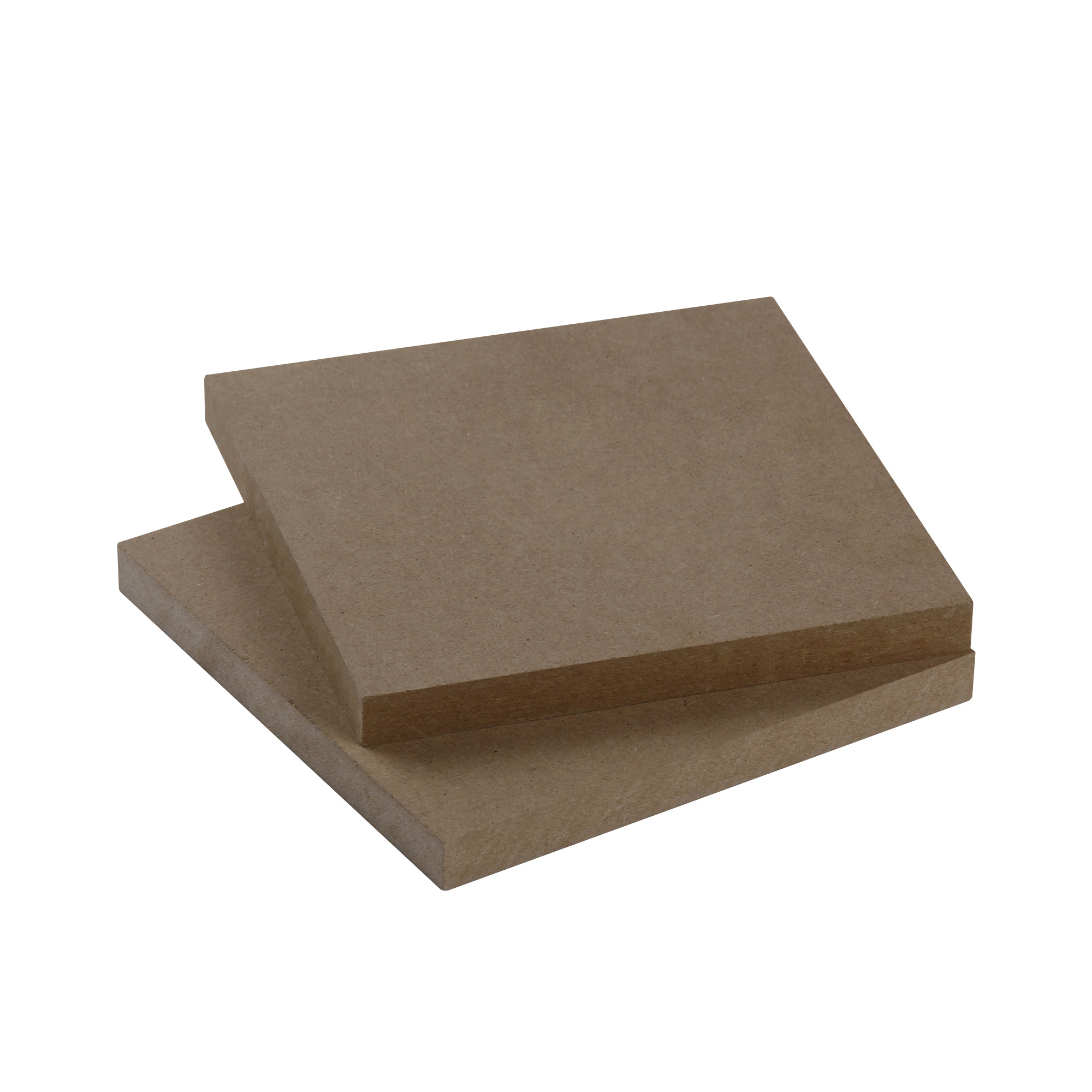
Dexin First-Class Plain Particle Board & MDF Wood Board E2 Emission Moisture-Proof for Bangladesh
E2 moisture-proof plain particle board and MDF for the Bangladesh project market. A cost-controlled substrate for lamination, furniture backs and interior fit-out when the specification requires stable supply and plain surfaces.
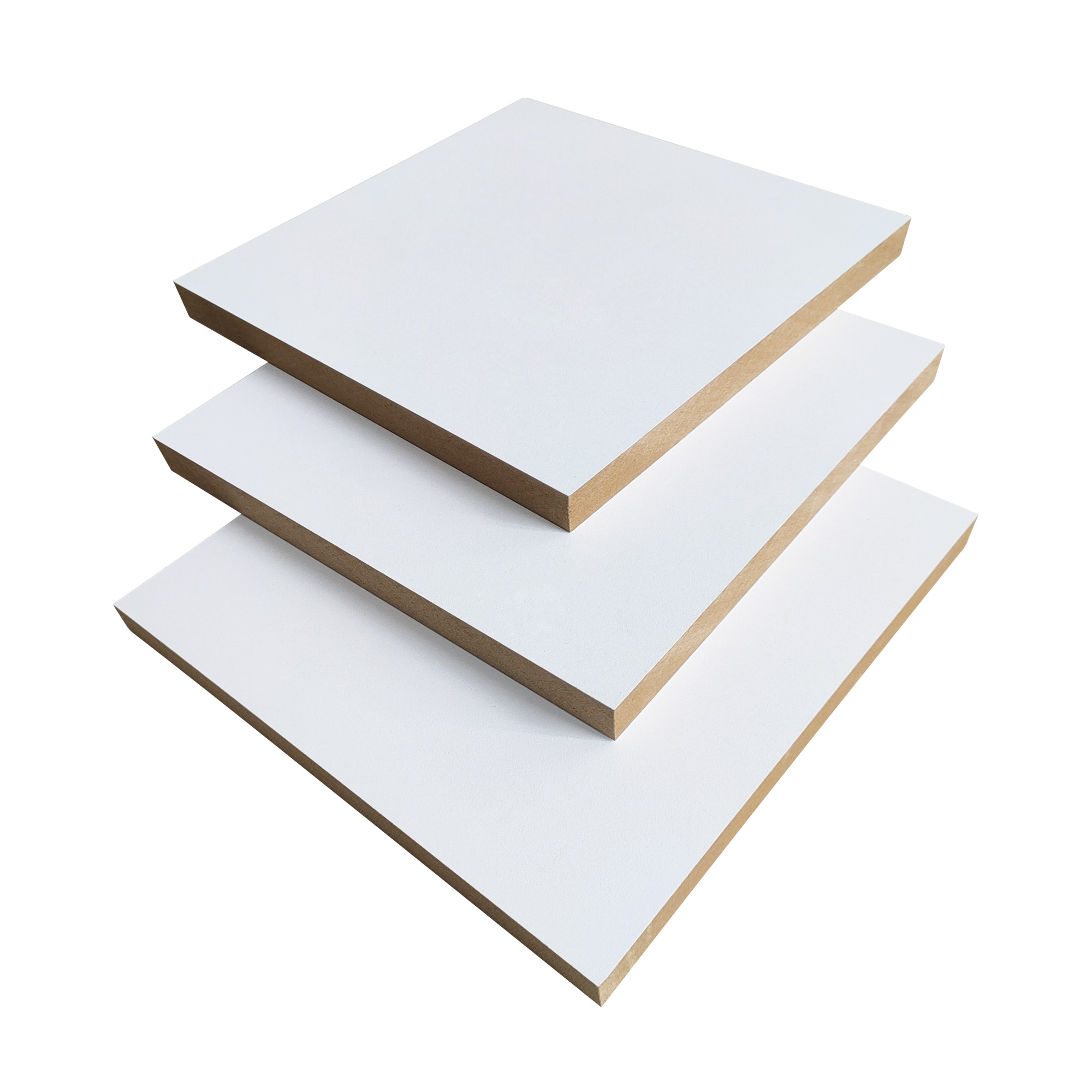
High Quality 4x8ft White Melamine MDF Board China Manufacturer E1 Formaldehyde for Kitchen Use-Sizes 3mm 6mm 9mm 12mm 16mm
4x8ft white melamine MDF in 3, 6, 9, 12 and 16mm. E1 formaldehyde and a smooth machined surface make it suitable for kitchen cabinets, shelving, wardrobes and contract furniture programs.
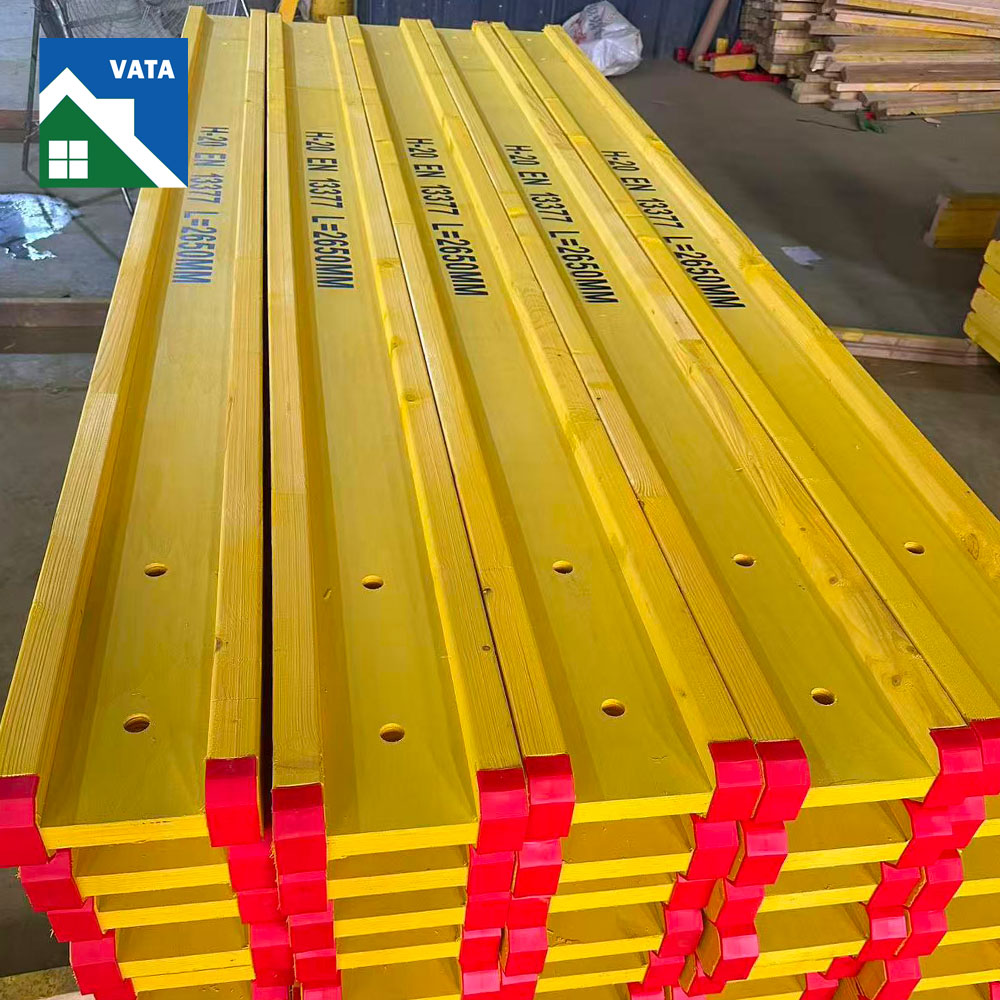
Factory Direct High Strength H20 Timber Beam Waterproof LVL Structural I Beams for Concrete Formwork
Factory direct H20 LVL timber beam with waterproof construction for concrete formwork. Engineered for consistent straightness and structural I-beam performance across repeated site use.
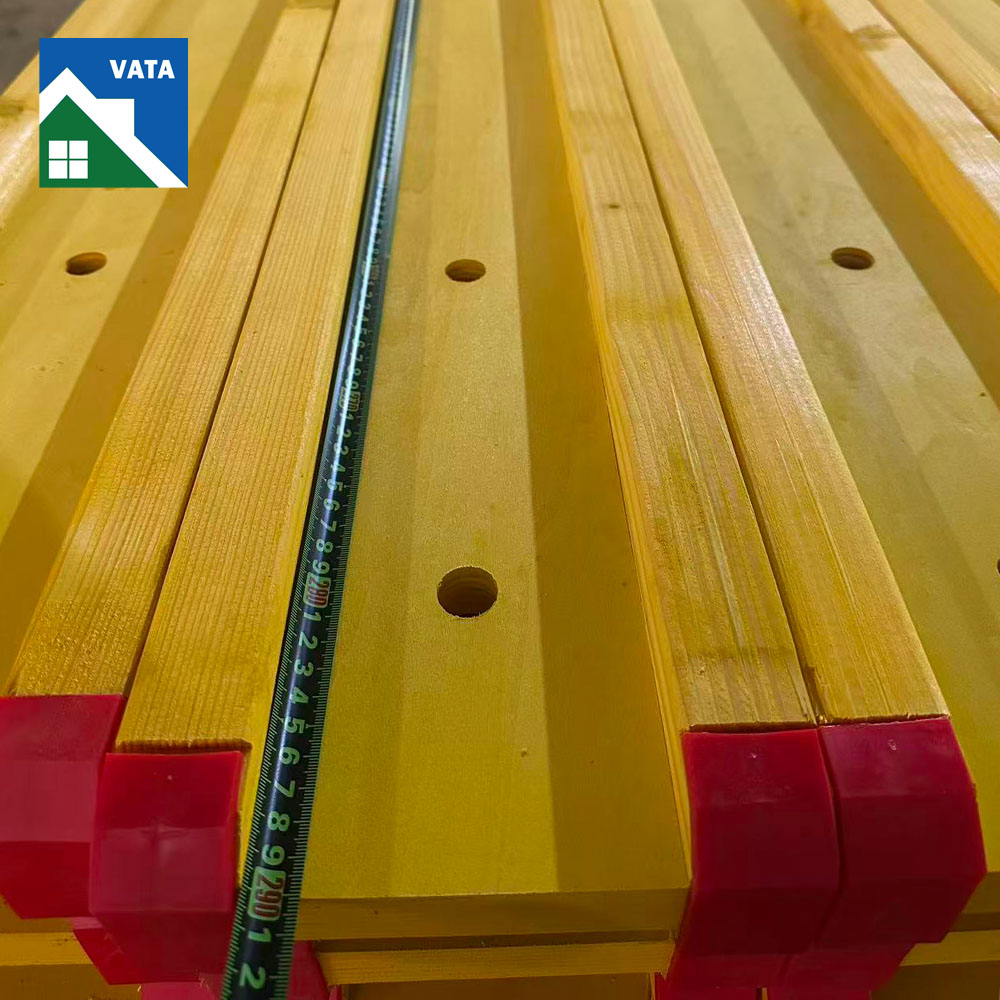
Custom Exterior Use Stable Timber Formwork Beams with WBP Glue Pine or Spruce Flange for Wall Formwork
Custom exterior-use timber formwork beams with WBP glue and pine or spruce flange. Suitable for wall formwork projects that need stable dimensions, specified beam lengths and export-ready packing.
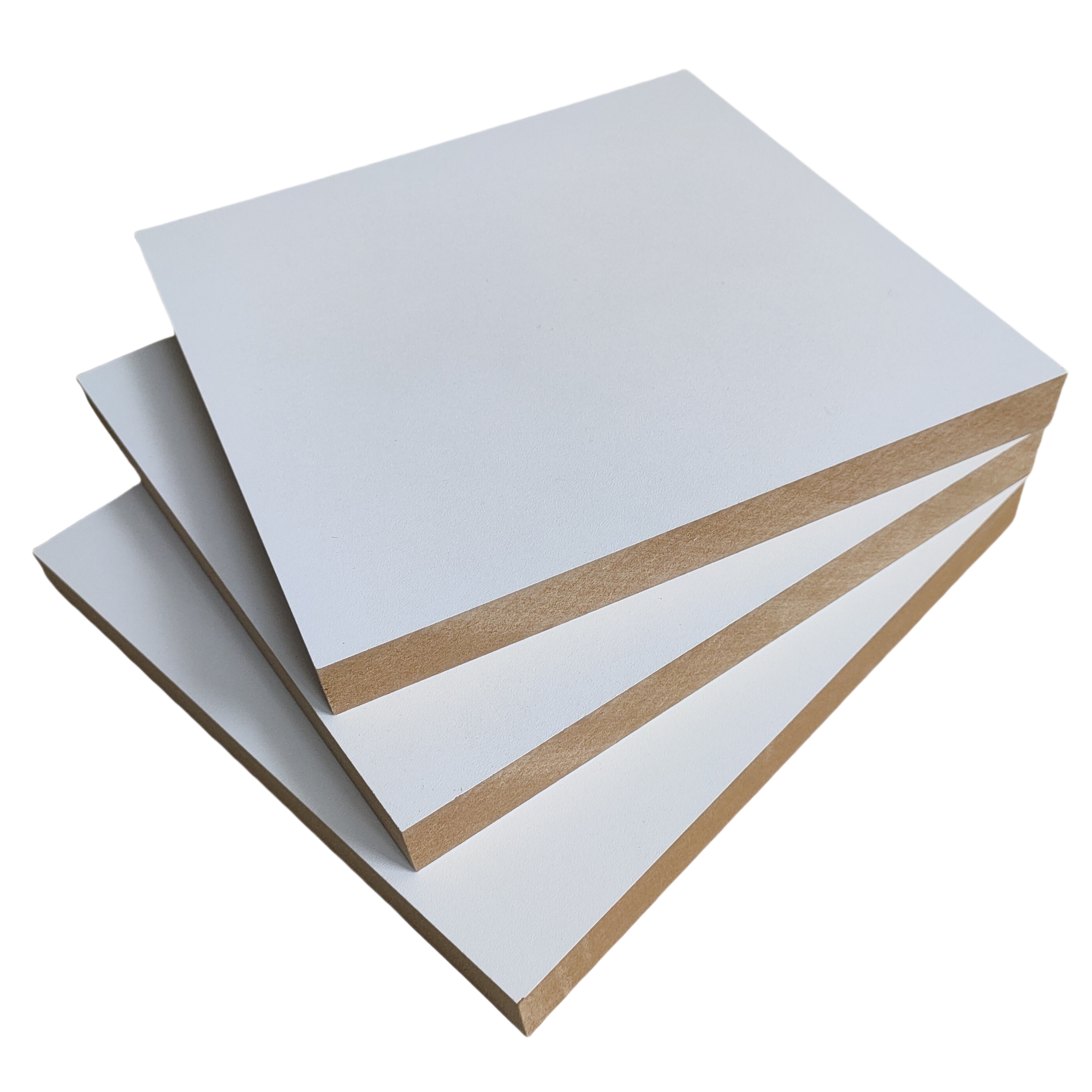
18mm Kitchen Furniture Use White Wood Fiber Board E1 Grade Melamine MDF/HDF Sheet Moisture-Proof
18mm E1-grade white melamine MDF/HDF sheet with moisture-proof performance for kitchen furniture. A clean fiberboard surface for cabinets, doors and interior joinery where dimensional stability matters.
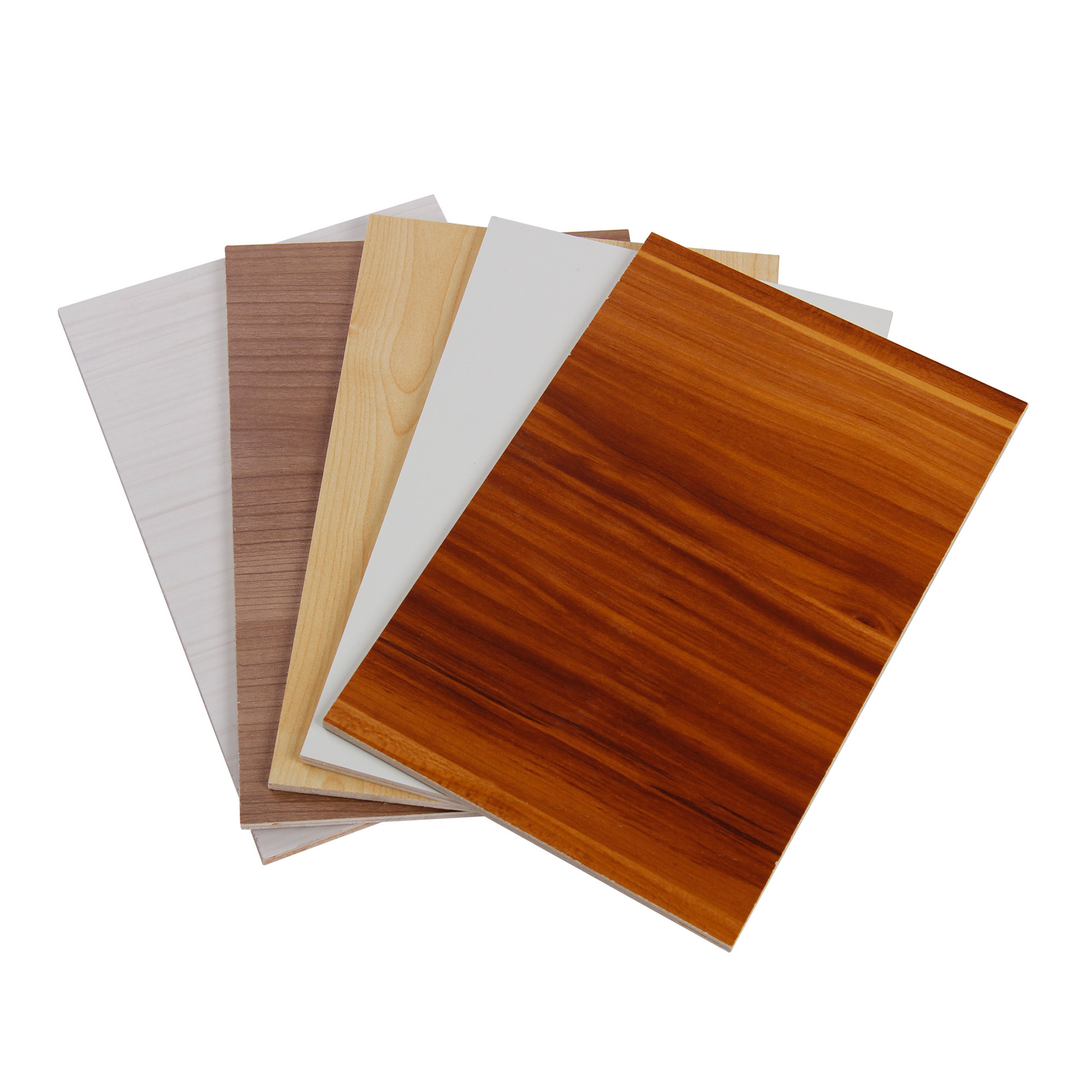
12mm 15mm 16mm 18mm Melamine Wood Board Plywood for Furniture Making
Melamine plywood in 12mm, 15mm, 16mm and 18mm for furniture making. A versatile decorative panel route for distributors and furniture factories building repeat SKU programs with multiple thicknesses and decors.
Why These Data Points Matter to Fancy Plywood Buyers
Fancy plywood is not one product but a controlled combination of veneer grading, core assembly, glue spread, press cycle, sanding, lamination and packing. A supplier that controls these steps can protect color consistency, thickness tolerance and bond durability across repeat orders. The figures below should be read as a practical baseline for supplier due diligence, not as decorative brand claims.
- More than 300 workers and 30+ machine sets support production, inspection and loading coordination.
- Located in Linyi, Shandong, China’s largest wood-based panel cluster, with access to veneer, glue, core and packaging suppliers.
- CR, CE, ISO 9001, ISO 14001, FSC and CARB documentation can be discussed against destination-market requirements.
- Formaldehyde grades E0, E1 and E2 are available by product and market; final grade is confirmed in the order specification.
- Export terms include FOB, CFR, CIF and EXW, with T/T and L/C payment in USD, EUR or CNY.
- Orders ship through northern China seaports such as Qingdao, supported by loading plans and container photos.
What Buyers Really Mean by “Best” Fancy Plywood Supplier
Search queries about the best suppliers or exporters usually hide three different buying jobs. Treating them as one generic question weakens SEO relevance and sales conversion. This page separates the intents so importers can evaluate a supplier with less risk.
“I need a competitive container price without giving up consistency.”
This buyer usually wants FOB pricing, container load data, mixed-SKU flexibility and a realistic MOQ. KUDE typically quotes from 50 to 500 sheets depending on product line, and several products can be combined in one container after specification confirmation. The commercial question is not only the lowest unit price; it is the landed cost of thickness tolerance, breakage risk, reorder stability and loading efficiency.
“I need documents that clear my market and protect my brand.”
This search intent is strongest among European, North American and project buyers. They ask for CE, ISO 9001, ISO 14001, FSC, CARB, E0/E1/E2 emission grades, SGS assessment evidence and batch test reports. A credible supplier should connect each claim to a product specification, an order document and a final loading record. Vague statements such as “green material” are not enough for professional procurement.
“I need the right board for kitchens, furniture, wall formwork or distribution.”
Application determines core, face, glue, thickness, emission grade and surface treatment. White melamine MDF may suit kitchen cabinets, while H20 beams belong to concrete formwork; melamine faced plywood may serve furniture and fit-out, while plain particle board or MDF can be a cost-controlled substrate. A strong exporter asks about the end use before recommending a stock specification.
Recommended Product Routes by Application
The fastest way to compare suppliers is to shortlist by application first, then compare price, certification and packaging. These four routes reflect the orders most often discussed by KUDE’s export team with importers and contractors.
Kitchen & Wardrobe Manufacturing
Start with white melamine MDF, 18mm moisture-proof MDF/HDF and melamine faced plywood. Confirm density, screw-holding strength, surface gloss level, edge-banding compatibility and formaldehyde grade before comparing FOB quotes.
Concrete Formwork Contractors
H20 timber beams, LVL structural I-beams and exterior-use timber formwork beams are the core routes. Buyers should compare flange species, glue type, straightness, waterproof performance, end sealing and expected reuse cycles.
Furniture Export Factories
Fancy plywood and 12–18mm melamine wood board support cabinets, doors and decorative furniture. Ask for veneer matching, core species, thickness tolerance, surface defect limits and packing that protects edges during sea freight.
Distributors & Mixed Containers
Distributors often combine plain particle board, melamine MDF, white melamine boards and H20 beams in one shipment. A supplier with panel-cluster access can help balance stock, loading sequence, mixed SKU labeling and market-specific documentation.
Product and Purchasing Trends Reshaping Fancy Plywood Sourcing
Price cycles still matter, but the purchasing brief is becoming more technical. Buyers are moving from “Can you supply?” to “Can you prove consistency, compliance and application performance?” The directional signals below reflect current export inquiries and are presented as a priority index, not a market forecast guarantee.
Documented Emission Compliance
E1 and E0 are increasingly treated as market-entry requirements, not premium options. CARB, FSC and destination-specific documentation requests are becoming part of the quotation stage.
Batch-Level Quality Evidence
Importers increasingly ask for thickness measurements, bonding checks, flatness records and loading photos before shipment. This reduces disputes and supports repeat ordering.
Mixed-Container Flexibility
Smaller distributors and project buyers want to combine melamine boards, plain MDF and formwork beams in one container. Flexible MOQ and clear SKU labeling become competitive advantages.
Application-Specific Surfaces
Moisture-proof MDF, white melamine plywood, H20 LVL and exterior-use beams are increasingly specified by end use. Generic “plywood” requests are giving way to performance-led briefs.
For procurement planning, the practical implication is to prepare a specification sheet covering size, thickness, core, face, glue, emission grade, application, target port and packaging before requesting quotations.
How to Compare Fancy Plywood, Melamine MDF and Formwork Beams
Use this table as a specification checklist, not a substitute for final order approval. Final tolerances, grades, test reports and packaging requirements are confirmed per order with the buyer.
| Product Route | Core / Surface | Best-Fit Application | Check Before Ordering | Risk to Control |
|---|---|---|---|---|
| Fancy Plywood | Eucalyptus or poplar core; natural veneer or decorative face | Doors, cabinets, furniture and decorative panels | Veneer matching, core species, thickness tolerance, face defect limits | Color variation and edge damage during packing |
| Melamine Faced Plywood | Eucalyptus core; white or decor melamine paper; glossy or matt | Wardrobes, kitchens, fit-out and shop furniture | Emission grade, surface gloss, adhesion, moisture resistance | Surface scratching, delamination and inconsistent gloss |
| White Melamine MDF | MDF/HDF substrate; white melamine face; E1 available | Kitchen cabinets, shelving and contract furniture | Density, thickness, screw-holding strength, edge quality | Thickness swelling and poor machining finish |
| Plain Particle Board / MDF | Plain board; E2 moisture-proof option for project use | Laminated substrate, furniture backs and interior fit-out | Emission grade, density, moisture-proof treatment, flatness | Surface defects and inconsistent density |
| H20 Timber Beam | Spruce or pine flange; web material; waterproof glue | Slab formwork, wall formwork and concrete construction | Straightness, flange species, glue type, end sealing | Water absorption and loss of reuse performance |
| LVL Structural I-Beam | LVL timber beam; structural I-beam profile; waterproof construction | Concrete formwork and engineered site support | Load data, dimension tolerance, finish and packing | Inconsistent straightness and site handling damage |
Information gain for buyers: compare the entire specification and loading plan, not only the price per sheet or per cubic meter.
Inside Linyi KUDE International Trading Co., Ltd.
Linyi KUDE International Trading Co., Ltd. is the export platform of a wood-based panel manufacturing group founded in 1998 in Linyi, Shandong — China’s largest man-made board production cluster. The group operates more than 30 sets of production machines across 30,000 m² of workshops, with over 300 workers and annual output of 60,000 m³ of plywood, blockboard, MDF and particle board. The operating principle is simple: survival by quality, development by prestige.
The company has more than 20 years of production experience and 15 years of export experience, serving buyers in more than 30 countries and regions across Europe, North America, the Caribbean, South America, Africa, Southeast Asia, the Middle East and Eastern Europe. Certifications and assessments discussed with buyers include CE, ISO 9001, ISO 14001, FSC, CARB and SGS on-site assessment, with formaldehyde grades E0, E1 and E2 available by product. This combination of cluster access, production control and export documentation is the practical reason importers treat KUDE as a long-term panel partner rather than a one-off trading channel.
Own Production Base
30+ machine sets cover peeling, gluing, hot pressing, sanding and laminating. Being inside the Linyi cluster shortens the supply chain for veneer, glue, core and packaging materials.
Verified Quality System
CE, ISO 9001, ISO 14001, FSC and CARB documentation is supported by SGS assessment evidence. Emission grades E0, E1 and E2 can be matched to the destination market.
Flexible Customization
Sample-based, design-based and full customization are available for size, thickness, core species, face veneer or decor, glue type, logo printing and export packaging.
Export-Ready Logistics
FOB, CFR, CIF and EXW terms; T/T and L/C payment in USD, EUR or CNY; seaworthy pallet packing, steel straps, corner protection and loading photos before departure.
Linyi Cluster Access
Linyi, Shandong, gives the group direct access to China’s largest wood-based panel production base. That proximity supports stable sourcing of raw materials and faster response on repeat specifications.
Global Service Mindset
More than 15 years of export experience across 30+ countries helps the team anticipate documentation, packaging, port and container-loading requirements before the order is released.




Five Checkpoints from Raw Veneer to Loaded Container
Professional buyers want to know where quality is created and where it can fail. These checkpoints form a practical audit trail for fancy plywood, melamine boards, MDF and formwork beam orders.
Material Selection
Veneer grading, core species, moisture checks and raw board inspection before gluing.
Gluing & Pressing
Controlled glue spread, cold and hot pressing cycles, and bonding parameters by product route.
Sanding & Surfacing
Calibrated sanding, melamine lamination, veneer pressing or film overlay according to the order.
Inspection
Thickness, flatness, bonding, surface appearance and emission documentation are checked against the approved specification.
Packing & Loading
Seaworthy pallets, steel straps, corner protection, container plan and loading photos before shipment.
For repeat orders, request a pre-shipment specification sheet and loading record. These documents are more useful than a verbal assurance because they create a shared reference for both buyer and supplier.
Questions Importers Ask Before Choosing a Fancy Plywood Exporter
These answers reflect the commercial and technical questions most often raised by overseas buyers during quotation, sampling and order confirmation.
Which certifications do KUDE plywood and MDF products have?
What is the minimum order quantity for fancy plywood or MDF?
Which payment methods and trade terms are accepted?
Can panel size, thickness, face and packaging be customized?
Where is the company located and how are goods shipped?
How can a buyer verify whether a supplier is really the “best”?
Request a Factory-Direct Fancy Plywood Quotation
Send your size, thickness, core, face, emission grade, quantity and destination port to info@kudeplywood.com. Our export team will reply with a technical proposal, packing plan and container loading recommendation.
info@kudeplywood.com