China Best Formwork Plywood Manufacturers & Exporter
A buyer-focused guide from Linyi KUDE International Trading Co., Ltd. — film faced plywood, H20 timber beams, melamine MDF and engineered panels for importers, distributors and contractors in 30+ countries.
Formwork Plywood & Panel Products for Repeat Orders
Eight export-ready products from KUDE’s plywood, MDF and engineered wood range. All product links and images below are taken from the original catalogue.
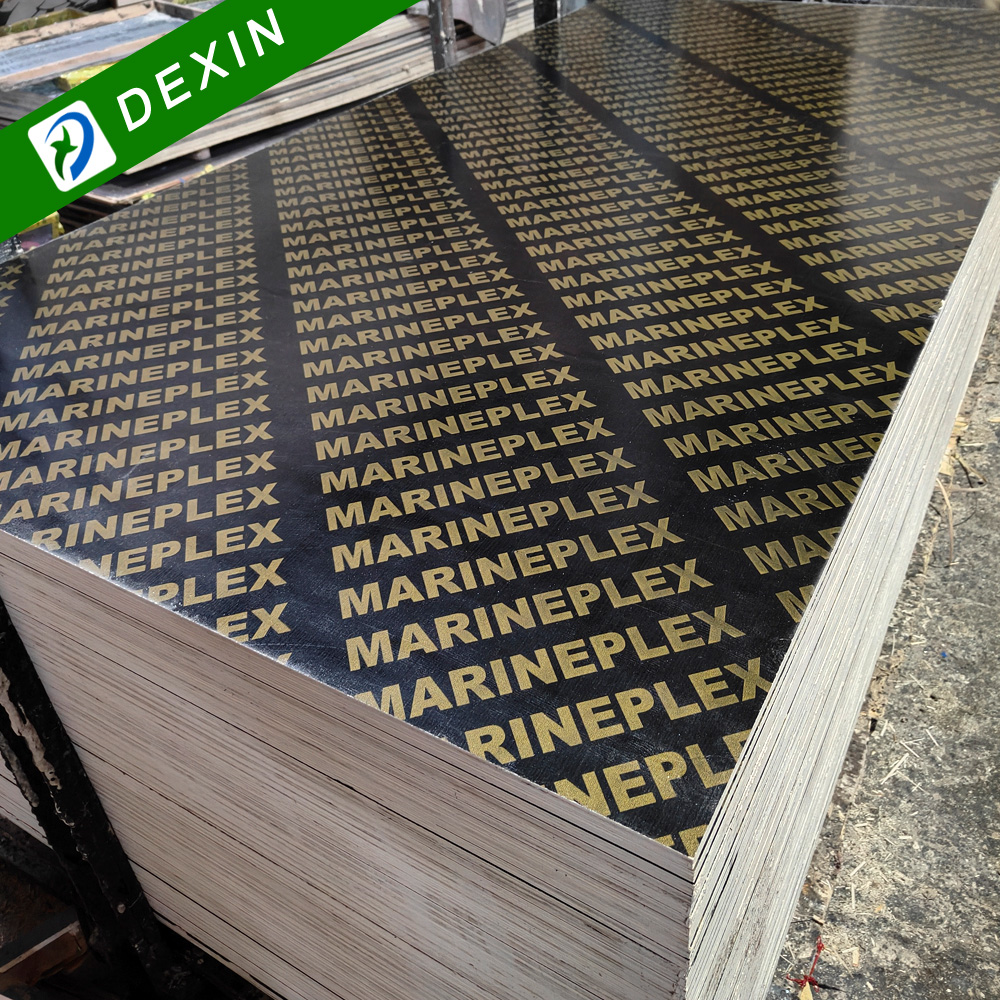
China Manufacturer 4x8ft Concrete Black Film Faced Plywood 9~25mm Marine Contreplaque Board for Construction
Black phenolic film surface for concrete formwork, slab and wall pours with clean release and repeated use.
View product
Customized Length Water Resistant Spruce Wooden H20 Timber Beam with 80x200mm for Concrete Formwork System
Spruce H20 beam for slab support and formwork alignment, available in customized lengths.
View product
16mm 15mm 12mm 18mm Eco-Friendly Modern MDF Board with Blanco Single/Double Sided Melamine Covering for Cabinet
Melamine-faced MDF for cabinetry, wardrobes and fit-out work with single or double-sided covering.
View product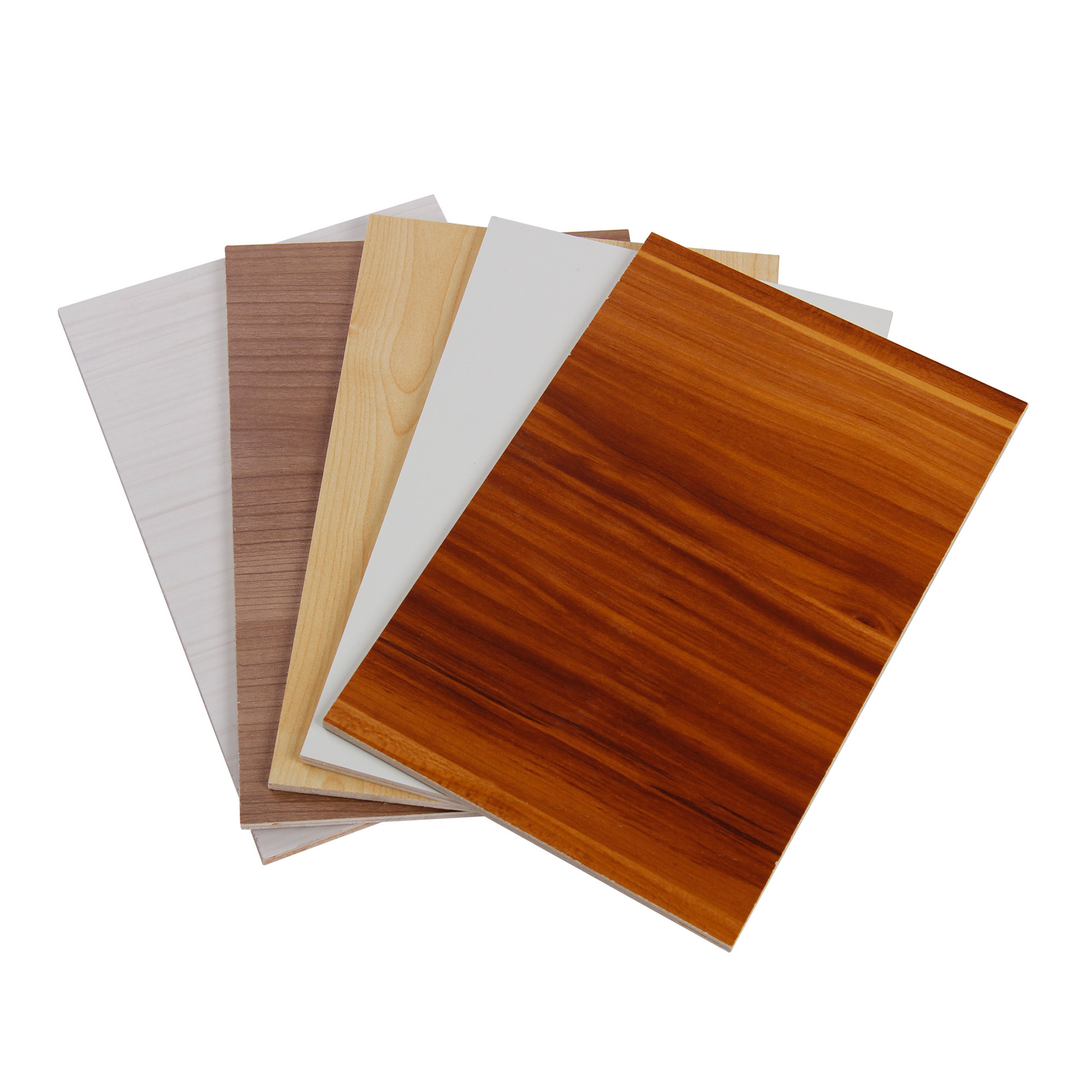
12mm 15mm 16mm 18mm Melamine Wood Board Plywood for Furniture Making
Melamine plywood for furniture manufacturing, interior fit-out and project cabinetry.
View product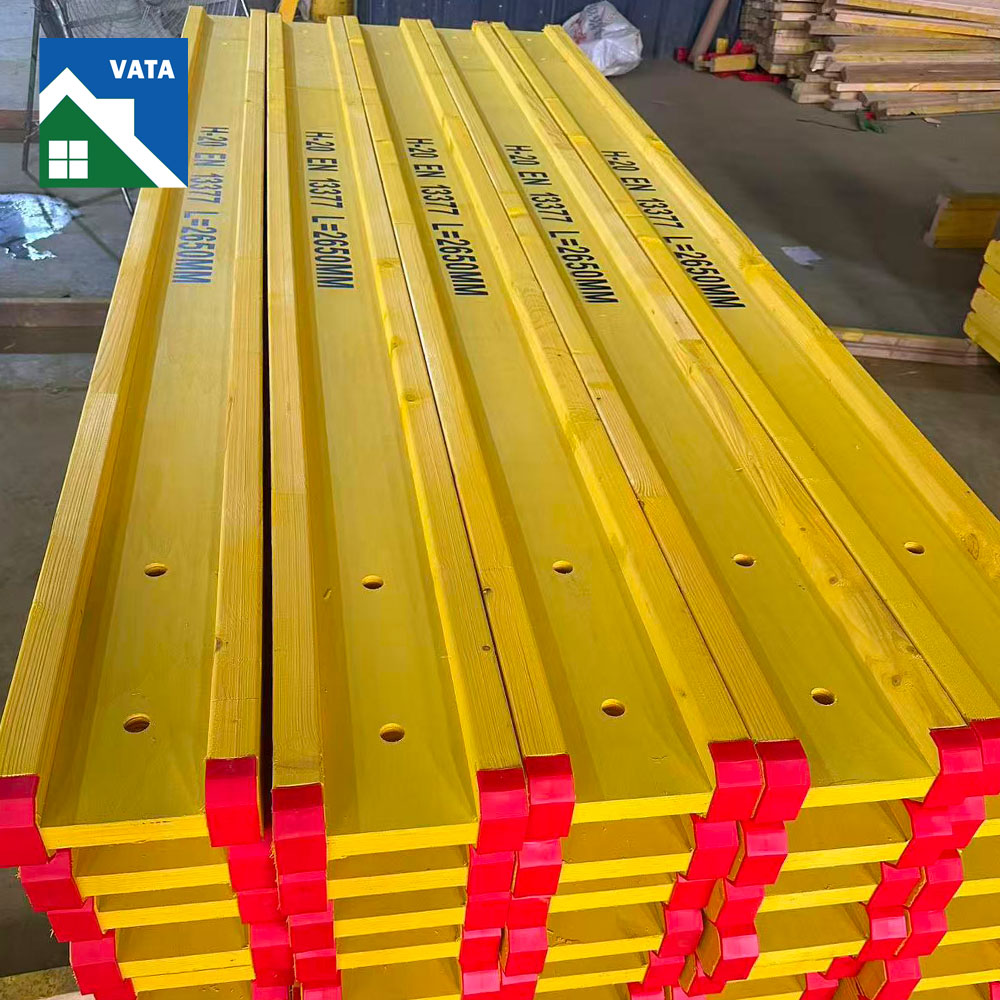
Factory Direct High Strength H20 Timber Beam Waterproof LVL Structural I Beams for Concrete Formwork
Engineered H20 LVL beam for formwork systems that need strength, straightness and water resistance.
View product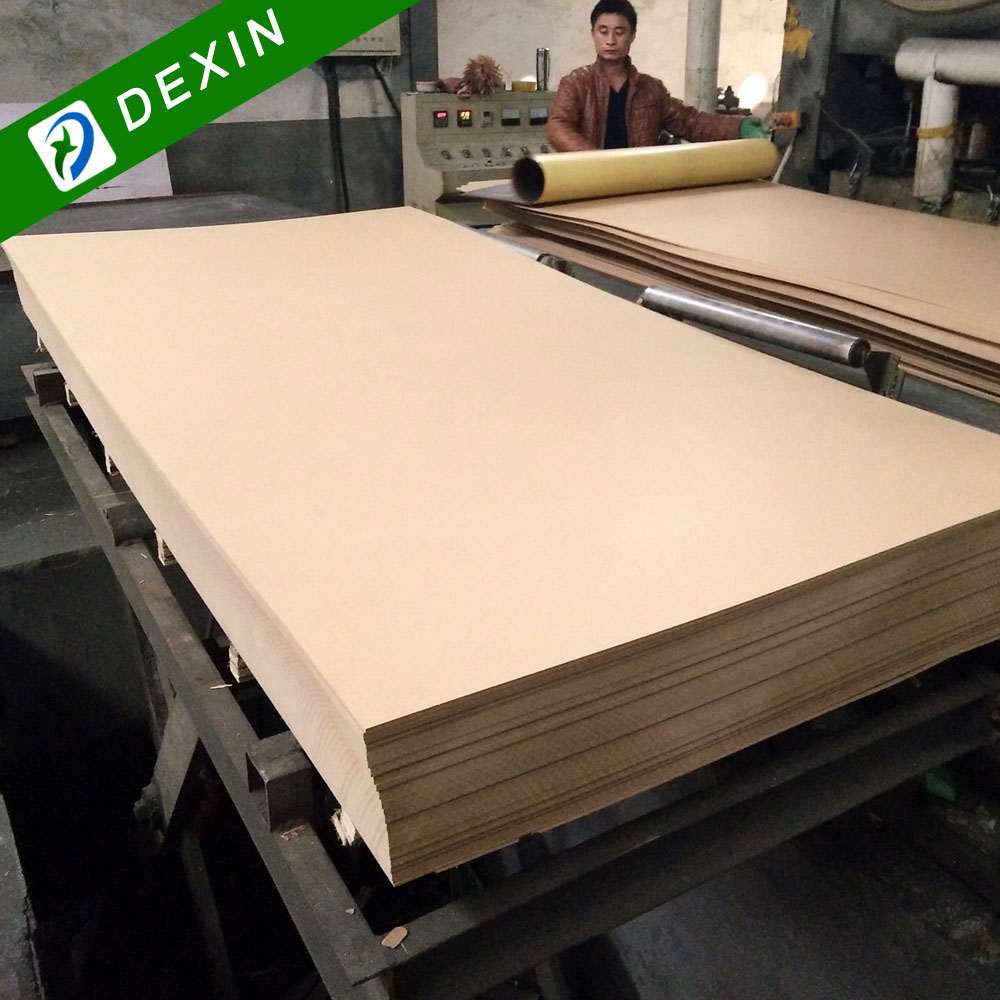
Factory Directly Sale Plain Mdf 12mm 15mm 18mm Raw HDF Board
Raw HDF and plain MDF for painting, laminating, CNC routing and furniture production.
View product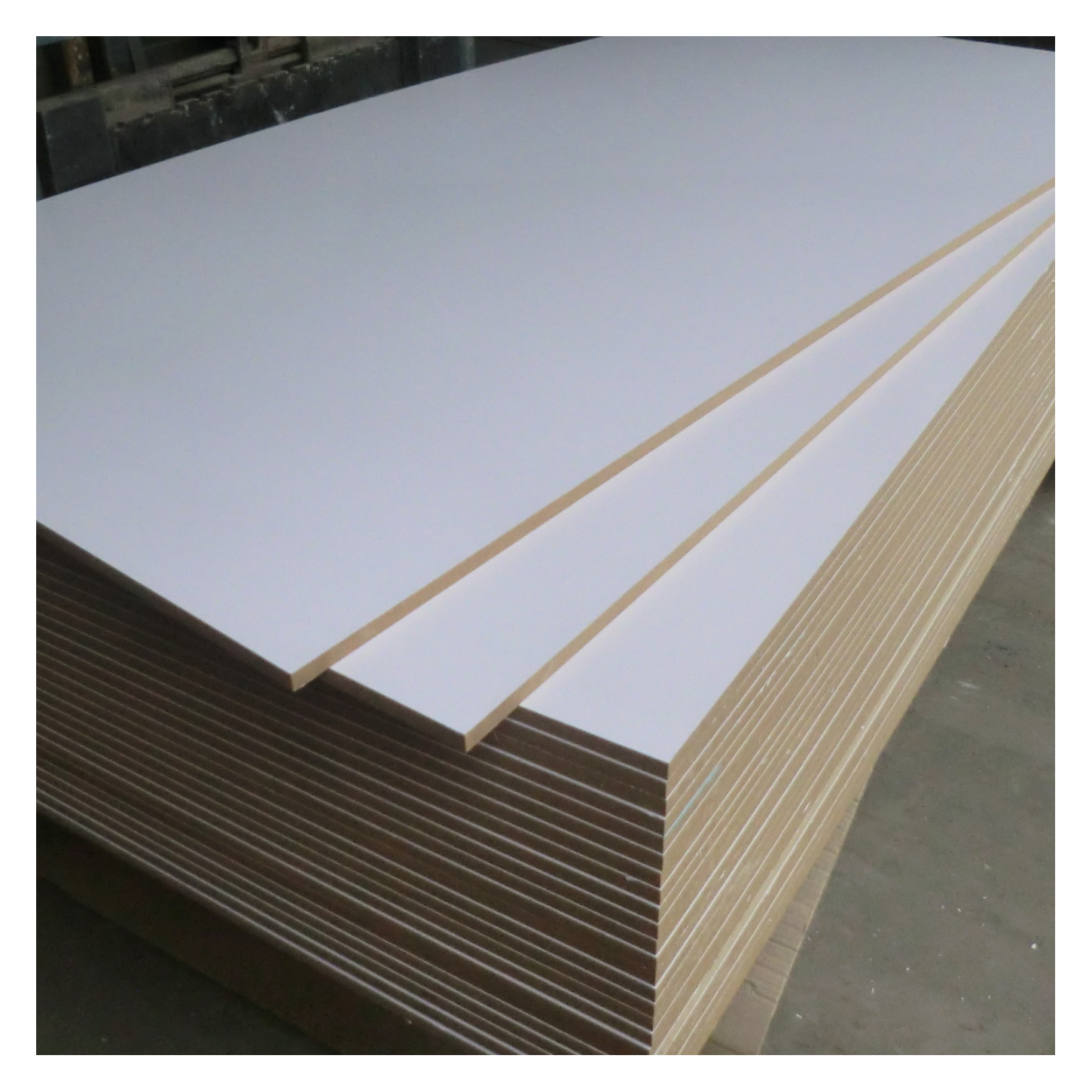
Wholesale E1 Grade Melamine Faced Moisture-Proof MDF Board for Kitchen Furniture Use 18mm Thickness CE Certified
E1-grade moisture-proof melamine MDF for kitchen furniture and humid interior applications.
View product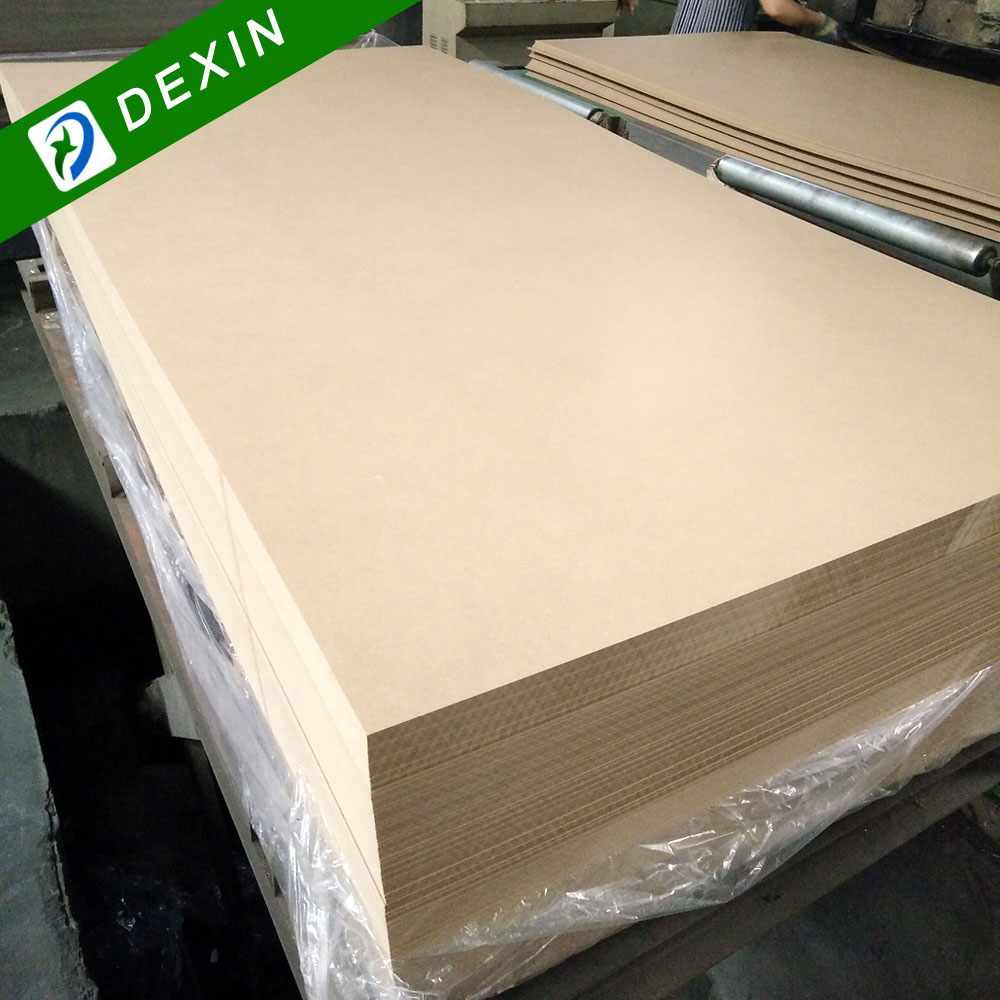
3mm, 12mm, 15mm, 18mm Raw/ Plain MDF Board for Furniture Decoration
Raw plain MDF in multiple thicknesses for furniture, decoration and secondary processing.
View productWhat “China Best” Should Mean to a Formwork Plywood Buyer
The phrase “China Best Formwork Plywood Manufacturers & Exporter” is useful only when it is translated into verifiable supply criteria. In concrete formwork, plywood is a working pressure surface: it contacts wet concrete, carries impact, releases cleanly and protects the pour. For importers and contractors, the real question is not whether a supplier uses the word “best,” but whether the same board can be reproduced in the next container with consistent thickness, stable density, controlled moisture, well-bonded phenolic film, sealed edges and documents that match the destination market.
Linyi KUDE International Trading Co., Ltd. approaches that standard from inside Linyi, Shandong — China’s largest wood-based panel production cluster. The manufacturing group was founded in 1998 and operates more than 30 machine sets in 30,000 m² of workshops, with over 300 workers and annual output of 60,000 m³ of plywood, blockboard, MDF and particle board. Its products have been exported for around 15 years to more than 30 countries across the EU, USA, Caribbean, South America, Africa, Southeast Asia, the Middle East and Eastern Europe.
CE, ISO 9001, ISO 14001, FSC and CARB certifications, plus an on-site SGS assessment, give buyers a documented starting point for compliance discussions. Yet a practical shortlist should still test five areas: thickness and flatness under load; glue bond and film adhesion; film surface and edge sealing; core density, moisture content and species; and packing, traceability and export documentation. The sections below turn those tests into a sourcing framework.
Buyer’s quick verification lens
- Ask for batch-specific thickness, glue, film and edge-sealing data.
- Match E0 / E1 / E2 and CE, FSC or CARB documents to the final market.
- Compare total cost per pour, not only FOB price per sheet.
- Confirm loading photos, pallet packing and mixed-container rules before production.
Which Panel Should a Buyer Choose for Each Application?
Formwork, furniture and moisture-resistant interiors require different cores, surfaces and compliance files. Start with the application, then confirm the specification.
High-rise slabs & walls
Use 4x8ft black film faced concrete plywood in 9–25mm for the forming surface, matched with H20 beams for load distribution and alignment.
Film faced plywoodFormwork support systems
Specify customized water-resistant spruce H20 timber beams or high-strength H20 LVL structural beams according to load plan and reuse target.
H20 LVL beamsFurniture & cabinetry
Choose melamine MDF or melamine plywood for wardrobes, cabinets and shop fitting. Confirm E1 / E0 needs and melamine decor before quotation.
Melamine boardsMoisture-aware interiors
Use E1-grade moisture-proof melamine MDF for kitchens and humid spaces, or raw / plain MDF where painting, routing or lamination follows.
Moisture-proof MDFA 100-Point Audit Model for Film Faced Formwork Plywood
Price per sheet is an input, not an outcome. A board that releases cleanly across repeated pours can cost less than a cheaper board that fails early and adds labour, cleaning, repair and schedule risk.
Recommended audit weighting
This is a practical evaluation model for comparing quotations from China formwork plywood manufacturers. Adjust the weighting to your project’s reuse cycle, climate and concrete finish standard.
What to request in the RFQ
Clear inputs produce comparable quotations and fewer surprises at the port.
- Size, thickness and tolerance requirement.
- Film color, film weight and edge-sealing request.
- Core species, glue type and emission grade.
- Quantity, mixed-container plan and destination port.
- Required certificates, test reports and loading evidence.
Procurement Trends Buyers Should Prepare For
Wood-panel sourcing is moving from “find a low price” to “secure a repeatable, documented supply programme.” These trends will shape RFQs and supplier selection.
Batch-level traceability
Buyers will ask for batch codes, glue type, film specification, density, moisture and loading photos. Certificates alone are no longer enough for project supply.
Compliance-first sourcing
CE, CARB, FSC and E1 / E0 requirements are moving into the first RFQ instead of being checked after production. Destination market determines the file.
Total cost per pour
Importers increasingly compare cycle life, film release and edge durability. A slightly higher-priced board with stable performance may lower the real project cost.
Mixed-container flexibility
Distributors combine film faced plywood, H20 beams, melamine MDF and raw MDF to reduce inventory risk and test new product lines.
Remote inspection
Pre-shipment photos, production videos and container-loading evidence are becoming standard tools for buyers who cannot visit China for every order.
Engineering partnership
OEM / ODM requests for size, core, face, glue, logo and packaging turn suppliers into category partners rather than one-off sellers.
Where Formwork Plywood and Panel Technology Is Moving
Material development is driven by cycle life, indoor air quality, surface durability and faster installation. The strongest suppliers will offer a coordinated board system, not an isolated sheet.
High-cycle phenolic film
Denser film surfaces and improved edge sealing support cleaner release and longer service life in repeated concrete pours.
Densified, void-controlled cores
Poplar, eucalyptus, combi and pine cores are being specified more precisely for density, moisture and thickness stability under load.
Precision LVL H20 systems
Engineered LVL and water-resistant spruce H20 beams support modular formwork, with straightness and repeatability becoming key buying points.
Low-emission boards
E0, E1 and CARB-aligned formaldehyde performance is becoming part of product positioning for furniture, fit-out and export markets.
Durable decorative surfaces
Melamine, UV and PET surfaces continue to improve in scratch resistance, moisture protection and design choice for cabinetry and retail furniture.
Lightweight decorative cladding
Bamboo charcoal board, WPC wall panel and PU stone-look panels extend the supplier’s portfolio into faster interior installation systems.

A Manufacturing Base in Linyi, Not a Marketplace Listing
KUDE is the export platform of a wood-based panel manufacturing group founded in 1998 in Linyi, Shandong. Being inside China’s largest wood-based panel cluster shortens the supply chain for veneer, glue, core materials, laminating and port logistics. The result is more stable specification control for importers who need repeat orders.
“Survival by quality, development by prestige.”
- 30,000 m² workshops and 30+ machine sets
- 300+ workers and 60,000 m³ annual output
- CE, ISO 9001, ISO 14001, FSC and CARB
- SGS on-site assessed supplier profile
- 20+ years production and around 15 years export
- OEM / ODM, custom size, core, face and packaging
- Typical MOQ 50–500 sheets by product line
- T/T and L/C in USD, EUR or CNY; FOB, CFR, CIF, EXW



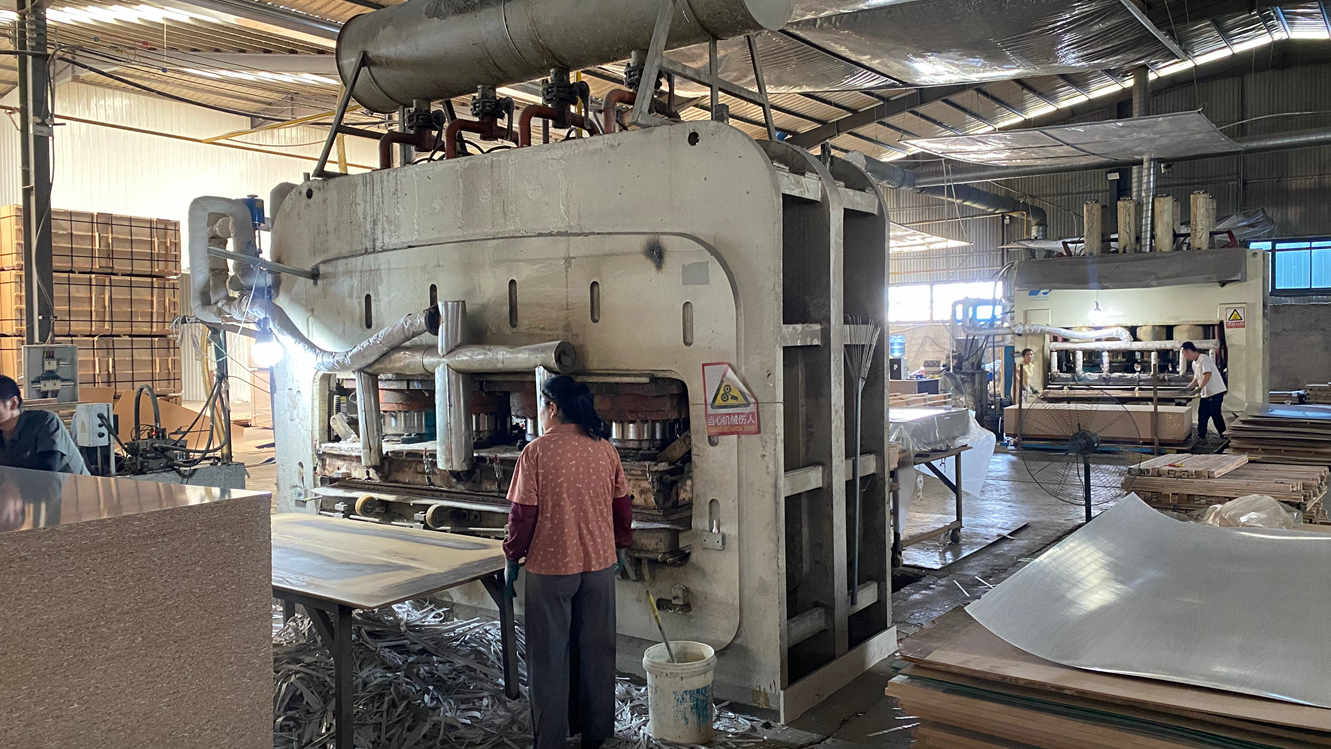
From Raw Veneer to Loaded Container
Five checkpoints every batch passes before it leaves Linyi, adapted for buyers who need a clear production and inspection trail.
Material selection
Veneer grading, core species confirmation and moisture checks are completed before gluing.
Gluing & pressing
Controlled glue spread, cold and hot pressing cycles support the target bond and flatness.
Sanding & inspection
Calibrated sanding, film lamination and checks for thickness, flatness, bonding and surface quality.
Packing & loading
Export pallets, steel straps, shipping marks and loading photos are prepared before the container departs.
Questions Buyers Ask Before Ordering Formwork Plywood
Use these answers to prepare a clearer RFQ and compare suppliers on specification, documentation and total project cost.
Which certifications do KUDE plywood and MDF products carry?
What is the minimum order quantity?
Which payment methods and trade terms do you accept?
Can you customize panel size, thickness, face and packaging?
How can we verify quality before shipment?
Which products are best for formwork and which for furniture?
Why compare total cost per pour instead of the cheapest sheet?
Where is KUDE located and how are goods shipped?
Send Your Formwork Plywood Specification
Share size, thickness, film color, core species, glue type, emission grade, quantity, destination port and application. KUDE’s export team will reply with a technical proposal, packing plan and quotation based on the Linyi manufacturing group’s current capacity.
Email: info@kudeplywood.com
Location: Linyi, Shandong, China
Export terms: FOB / CFR / CIF / EXW