2025 Buyer Intelligence · Laminated MDF Sourcing

China Best Laminated MDF Factories & Suppliers

A due-diligence-led guide for importers, distributors, cabinet makers and contractors comparing laminated MDF, melamine boards, PET/UV surfaces, WPC cladding and construction panels from China.

FSC · CARB · CE · ISO Linyi Manufacturing Cluster 30+ Export Countries Factory-Direct Customisation
Recommended Product Shortlist

Eight Laminated MDF and Panel Products Worth Comparing First

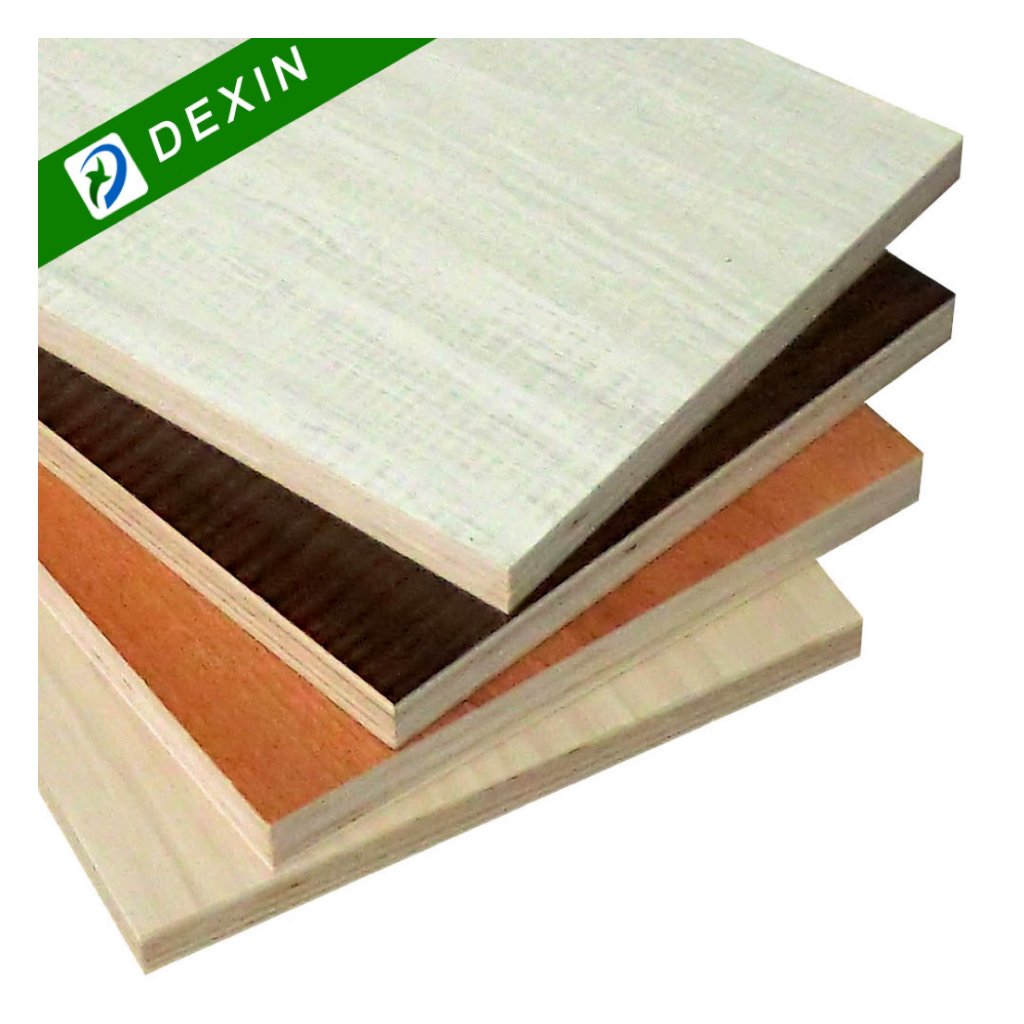
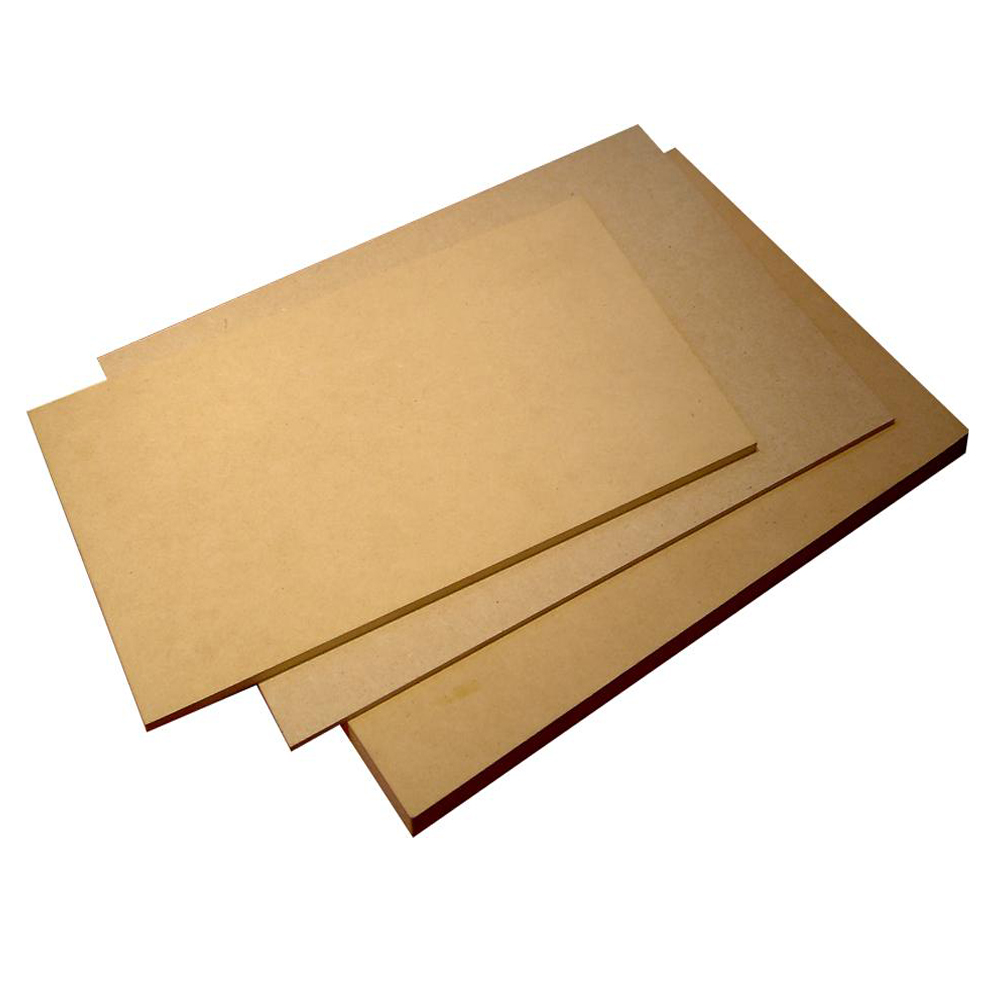
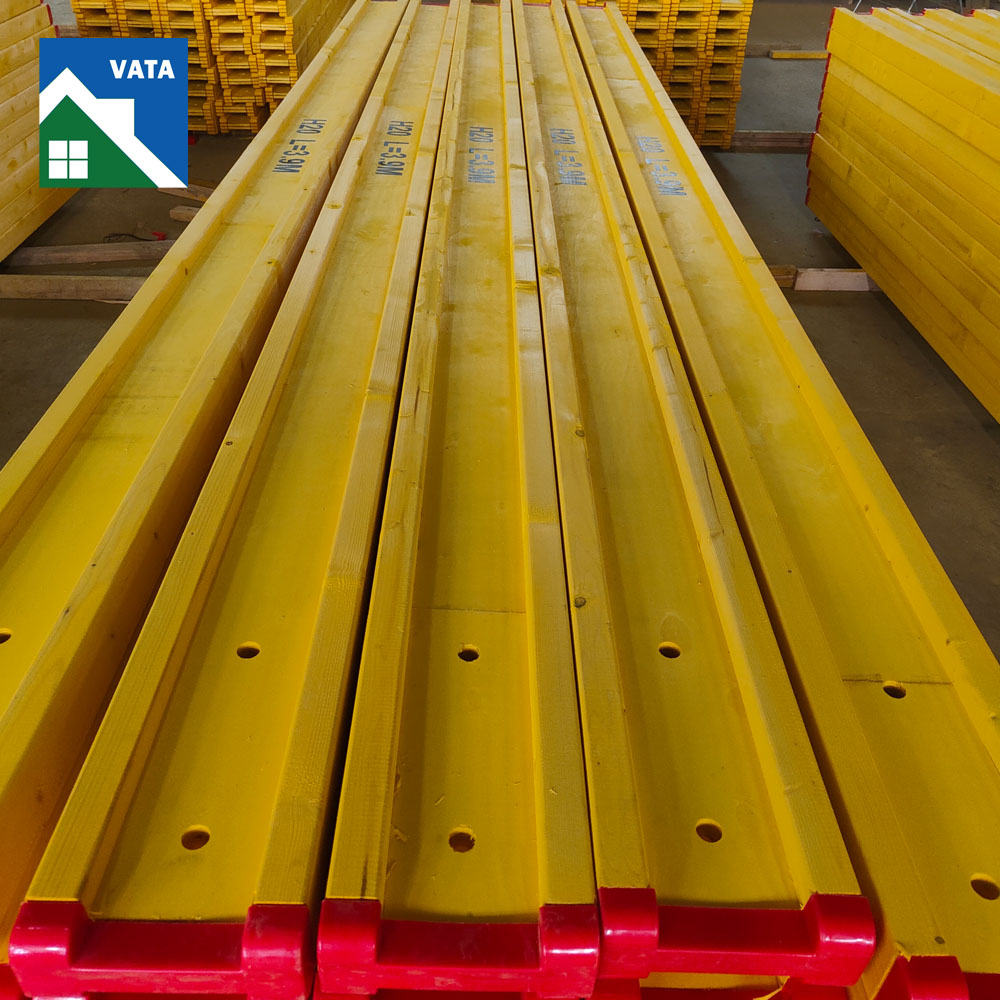
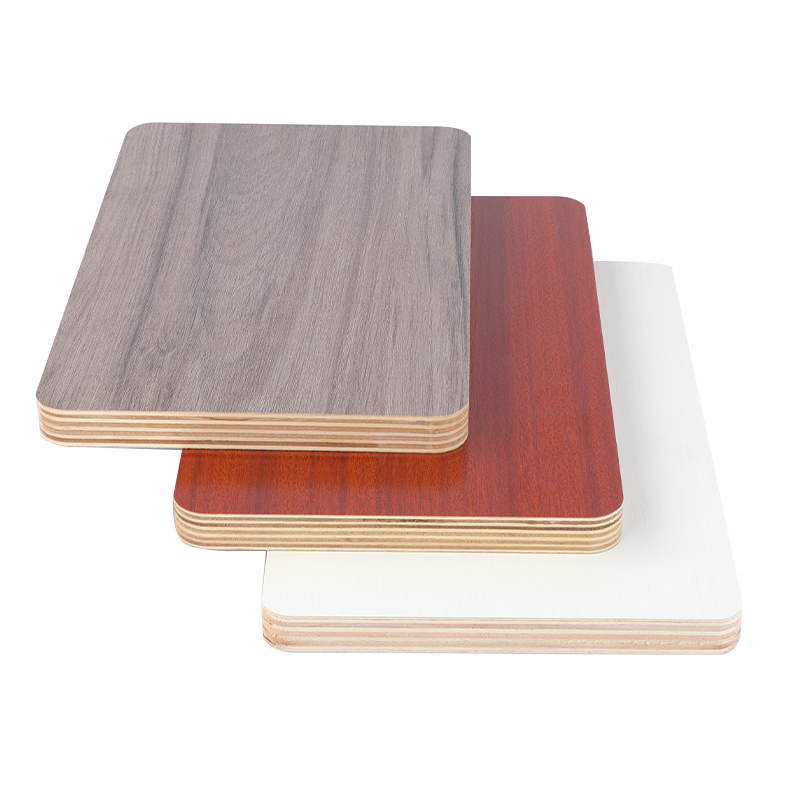
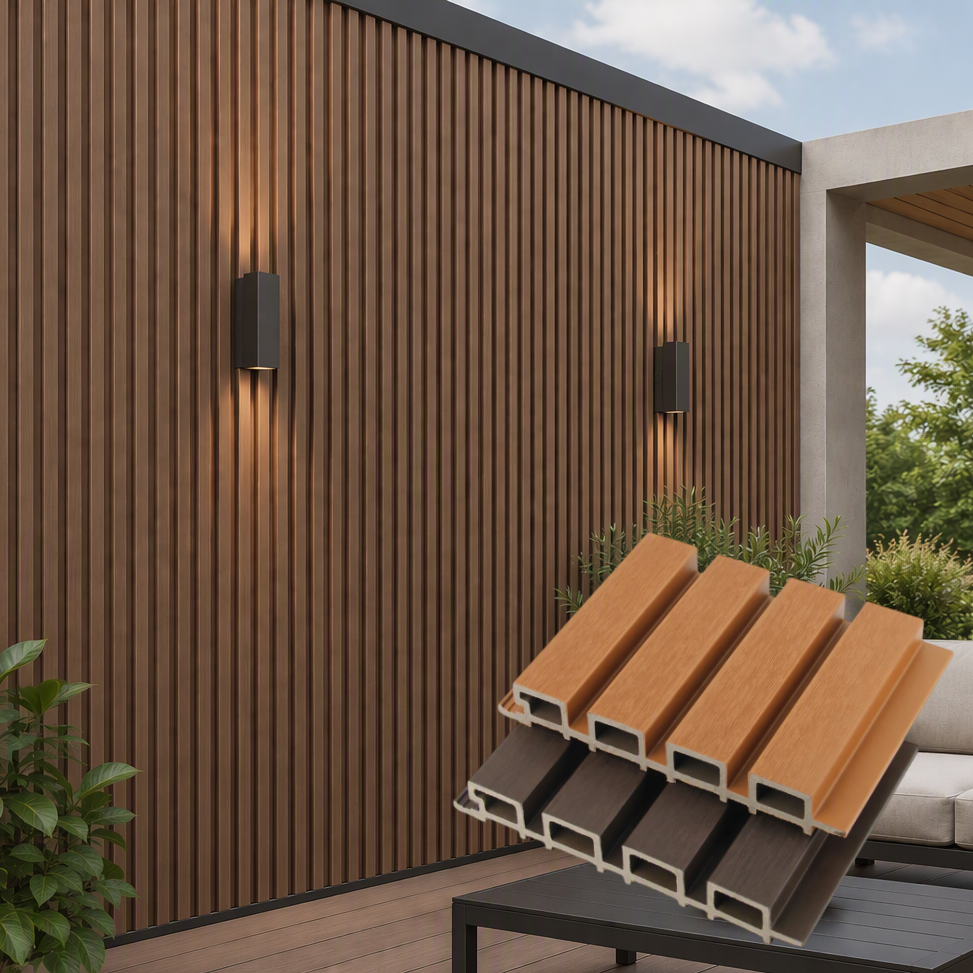
These eight products reflect the request patterns that generate repeat orders in the current export market: cabinet-grade melamine MDF, raw MDF for local lamination, E0 plywood alternatives, waterproof wall cladding, bendable decorative panels, reusable formwork beams and marine melamine plywood.

Product links preserve the original destination paths. For a mixed-container quotation, send the target thickness, surface, grade, quantity and destination port through the inquiry button at the end of this guide.

Executive Sourcing Summary

Why the Best Laminated MDF Supplier Is the One You Can Audit

Many RFQs arrive with a single line: “18mm white melamine MDF, 4x8, E1, best price.” That is not enough to compare factories. Laminated MDF performance is built from the core upward: wood fibre mix, resin content, density profile, hot-pressing cycle, sanding tolerance, melamine paper weight, resin film, press temperature, cooling and stacking discipline. A buyer who compares only FOB price per sheet is effectively outsourcing quality control to the supplier—and that is where hidden cost enters.

At KUDE, we see the difference in three places. Cabinet makers care about density and thickness tolerance because they determine screw-holding strength and whether CNC-machined edges stay crisp. Distributors care about surface batch consistency because one shade variation can trigger returns across a retail range. Project buyers care about documentation because a certificate without batch traceability may not satisfy a tender, customs file or retailer compliance team. A factory that can provide the specification, process evidence and loading record is worth more than a catalogue with lower prices.

Use the shortlist above to identify the likely material family, then use the framework below to compare factories. If the application is cabinet doors, the discussion should move quickly to density, flatness, surface bond and colour. If the application is construction, formwork beam straightness, film-faced plywood reuse and container loading become more important. If the application is wall decoration, waterproofing, fire response, joint detail and installation method matter as much as the panel price. The phrase “China best laminated MDF factories” should therefore be treated as a starting search, not a final answer.

1998Manufacturing group founded
30,000 m²Production workshops
60,000 m³Annual panel output
30+Export countries & regions
Procurement Outlook 2025–2027

Laminated MDF Procurement Trends Buyers Should Price Into Contracts

The buying brief is shifting from “cheapest 18mm white MDF” to a documented material strategy. These four shifts are visible in RFQs from Europe, North America, the Middle East, Southeast Asia and Africa.

Compliance-First Purchasing

CARB TSCA Title VI for the US, E1/E0 or local labelling, FSC chain of custody for project tenders and CE declarations for EU construction uses are moving from “nice to have” to order conditions. Buyers now ask for test reports by batch, not only a company certificate.

Surface Performance Over Gloss

Ultra-matte, anti-fingerprint, soft-touch PET, scratch-resistant UV and textured wood-grain finishes are growing faster than mirror gloss in many cabinet and interior segments. Specifiers want colour consistency and repairability; fabricators want saw-blade life and edge-banding compatibility.

Mixed Containers and Smaller MOQs

Importers consolidate laminated MDF, raw MDF, melamine plywood, WPC wall panels and construction consumables to fill one container. Suppliers that control multiple production lines can mix grades without buying from third parties, reducing coordination risk and loading delays.

Landed-Cost Modelling

Buyers now compare freight, moisture content, density, breakage rate and rework cost—not just FOB sheet price. A 5% cheaper board that machines poorly can cost more in sanding, rejects and edge-band rework after it reaches the factory floor.

Product Development Trends

What the Next Generation of Laminated MDF Panels Must Solve

Manufacturers are responding with product architectures that solve installation, durability and compliance problems rather than simply adding new colours. For buyers, these developments create opportunities to differentiate a catalogue and reduce claims.

E0 and HMR Cores

Low-emission and moisture-resistant MDF cores are increasingly requested for kitchens, bathrooms, laundry cabinets and humid export destinations. The specification must distinguish between standard core, HMR core and edge-sealed HMR construction.

PET and UV Surface Systems

PET film and UV-cured coatings continue to move beyond high gloss into matte, anti-fingerprint and soft-touch finishes. The buying question is not only “gloss or matte” but also scratch resistance, colour stability and whether the surface can be repaired on site.

Textured Wood-Grain and Stone Effects

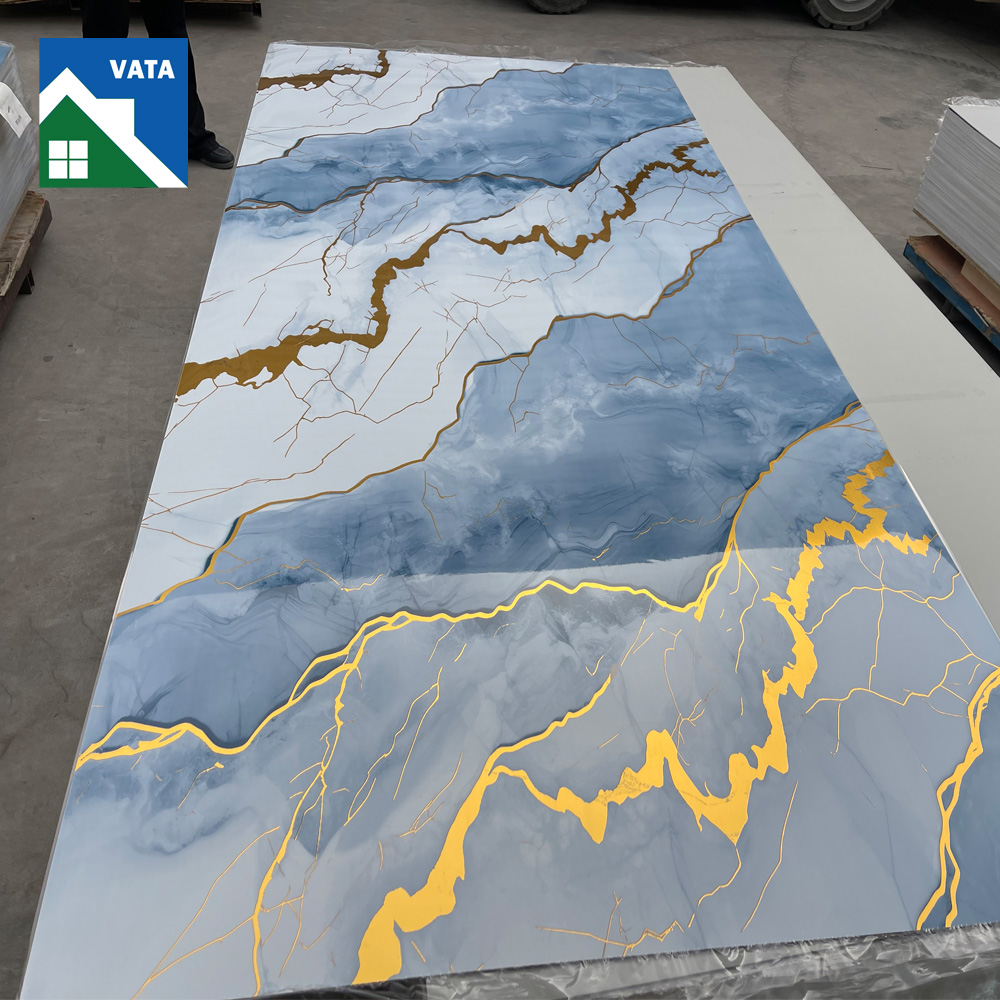
WPC, PVC, UV marble and bamboo charcoal boards are giving importers decorative wall solutions that install faster than tile or stone. Buyers should verify waterproofing, fire response, joint detail and recommended adhesive or fixing method.

Thin and Large-Format Decorative Boards

Furniture designers are specifying thinner decorative panels for wardrobe doors, wall units and retail displays. Thin boards require tighter handling, flatter storage and a supplier that understands transport damage, not just press capacity.

Fire-Retardant and Acoustic Variants

Commercial interiors increasingly ask for fire-retardant cores, acoustic perforations or composite wall systems. These are engineering products; buyers should request test standards, fixing details and sample reports before writing the specification.

Reusable Construction Systems

H20 formwork beams and film-faced plywood are being evaluated on reuse cycles, not only first-purchase price. Straightness, end-cap protection, film quality and loading efficiency now influence contractor buying decisions.

Supplier Audit Framework

A Four-Step Factory Audit for Laminated MDF

A factory visit or video audit should produce evidence that can be attached to a purchase order. Use these four checkpoints to separate a trading catalogue from a controlled manufacturing process.

Specification and Traceability

Ask for board grade, density range, nominal thickness and tolerance, core type, glue system, melamine paper weight, surface finish, emission grade and application. A reliable factory can map these to a written QC plan and raw-material suppliers.

In-Process Controls

Check how fibre is refined, how resin is dosed, how mats are formed and how the press cycle is logged. Thickness and density should be measured at defined intervals, not only during final inspection.

Lamination and Emission

For melamine MDF, check surface bond, paper weight, colour fastness and blister risk. For E0/E1/CARB markets, request test reports linked to the batch or production window. Certificates without a traceable sample are incomplete evidence.

Packing and Loading

Ask for pallet drawings, corner protection, moisture barrier, strap plan and loading photos. MDF is heavy and hygroscopic; poor packing can turn a technically good board into a damaged shipment before it reaches the distributor.

Comparison Matrix

What to Verify Before You Place a Laminated MDF Order

Verification PointQuestion to Ask the FactoryEvidence of Good PracticeWhy It Affects Your Margin
Density and thicknessWhat density range and thickness tolerance are specified, and how many points are measured?Written density range, defined measuring method and sample approval data before mass production.Affects screw-holding, flatness, weight per container and CNC yield.
Formaldehyde emissionCan you provide a batch-linked E0/E1/CARB report for this production window?Test report matched to production batch, with destination-market grade written into the contract.Non-compliance can cause rejection, rework or loss of market access.
Surface bond and appearanceWhat paper weight, resin and press cycle are used? How is colour controlled between batches?Defined paper weight, adhesion test and batch colour standard approved by the buyer.Controls blistering, edge chipping, shade variation and retail returns.
Moisture resistanceIs the core standard or HMR? Are edges sealed and packed with a moisture barrier?HMR core where specified, sealed edges and moisture-barrier packaging for humid destinations.Impacts kitchens, bathrooms, coastal markets and long sea transit.
CustomisationCan you match size, decor, logo and packaging without changing the core specification?Written sample approval and pre-production sample before the mass run.Reduces claim risk and protects the buyer’s brand and catalogue consistency.
LogisticsWhat terms, port and loading plan do you propose for a mixed container?FOB/CFR/CIF/EXW terms with loading photos, container mix plan and sealing record.Freight, breakage and delay directly affect landed cost and sell-through timing.

Values and tolerances are confirmed per product and per order. Final acceptance criteria should be written into the purchase order.

Factory Advantage

Inside KUDE: What a Linyi Manufacturing Base Adds to the Buying Proposition

KUDE is the export platform of a wood-based panel manufacturing group founded in 1998 in Linyi, Shandong—China’s largest man-made board production cluster. The advantage is not a single machine; it is the combination of cluster access, in-house process control and export discipline.

25+ Years in the Linyi Cluster

Founded in 1998, the group has grown with China’s largest wood-based panel production base. Being inside the cluster shortens the supply chain for veneer, glue, paper and core materials and supports more stable pricing across seasons.

30,000 m² and 30+ Machine Sets

The group runs more than 30 sets of production machines in 30,000 m² of workshops, with over 300 workers and annual output of 60,000 m³ of plywood, blockboard, MDF and particle board.

Certification and Test Evidence

CE, ISO 9001, ISO 14001, FSC and CARB certifications are supported by an SGS on-site assessment. E0, E1 and E2 grades are available by product and destination market.

Custom Specs, Not Catalogue-Only

Sample-based, design-based and full customisation cover size, thickness, core species, face veneer or decor, glue type, logo printing and export packaging. This reduces the gap between a catalogue image and the delivered board.

Export-Ready Terms and Documents

We accept T/T and L/C in USD, EUR or CNY and work on FOB, CFR, CIF and EXW terms. Orders load through northern China ports such as Qingdao with export documents and loading records.

Quality Logic and Inspection

Our principle is simple: survival by quality, development by prestige. Material selection, gluing and pressing, sanding and surfacing, inspection, packing and loading are treated as linked checkpoints rather than isolated departments.

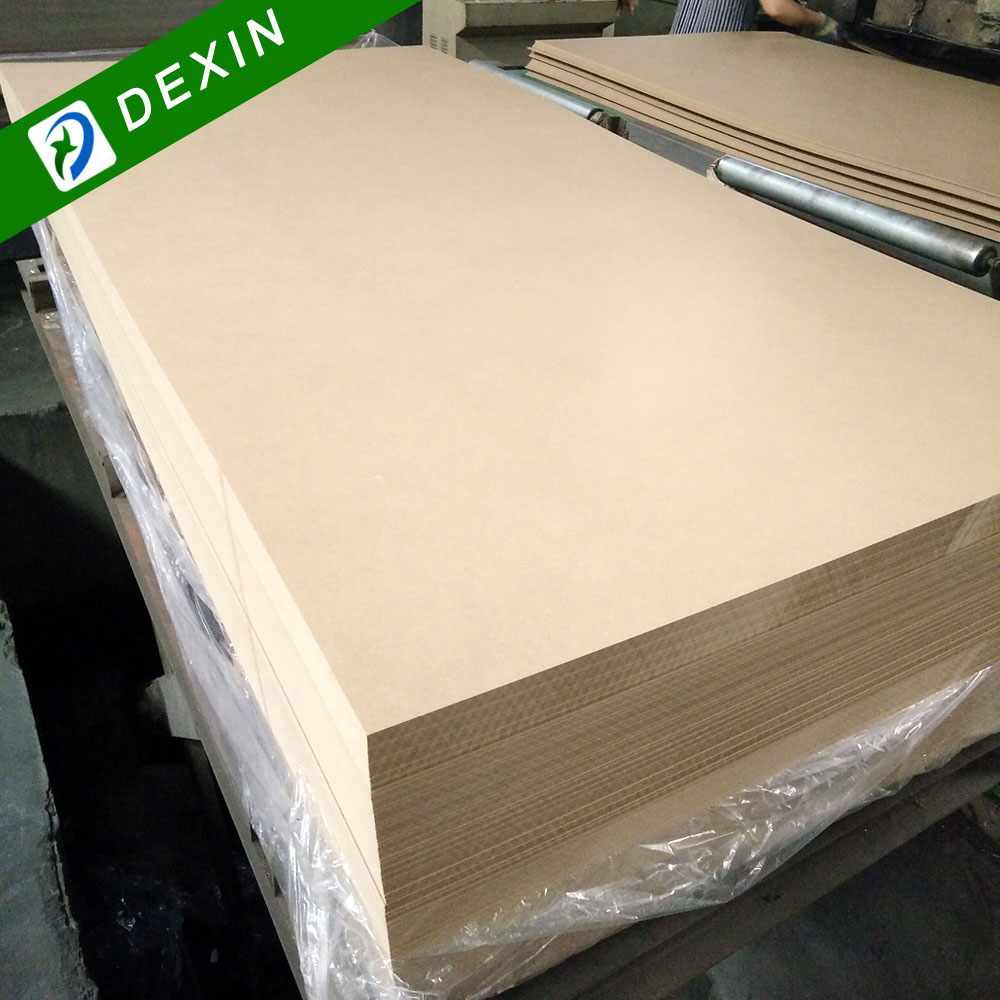
Factory images illustrate the group’s production and warehousing environment in Linyi. Product specifications, certification scope and final tolerances are confirmed for each order.

Buyer FAQ

Questions Importers Ask Before Ordering Laminated MDF from China

These answers focus on the commercial and technical checks that influence sample approval, repeat orders and claim risk.

What is laminated MDF, and is it the same as melamine MDF?
Laminated MDF is an MDF core with a decorative surface bonded to it. Melamine MDF uses melamine-impregnated paper; other laminated MDF may use PET film, PVC foil or UV coating. The core and the lamination system both matter. For cabinet use, ask for core density, thickness tolerance, surface bond and emission grade.
How do I compare “China best laminated MDF factories” without relying on directory rankings?
Use evidence: production scope, machine list, certification, batch-linked test reports, samples, packaging standard and loading record. Directory rankings are marketing signals; they do not replace a factory audit, sample approval and pre-shipment inspection.
Which certifications should a buyer request?
Confirm the certification relevant to the destination: CE for EU construction uses, CARB TSCA Title VI for the US, FSC if chain of custody is required by the project, and ISO 9001/14001 as management evidence. For formaldehyde, ask for E0, E1 or E2 test reports linked to the batch.
What is the MOQ, and can I mix products in one container?
MOQ varies by product line, commonly 50–500 sheets. Mixing is possible when specifications are confirmed and the container weight and volume plan is balanced. A mixed load can include melamine MDF, raw MDF, plywood and wall panels if packing and loading sequence are engineered.
What density and thickness tolerance should I specify for cabinet doors?
There is no universal number for every door design. Specify the density range and thickness tolerance that your machining and hinge system require, then require the factory to measure at defined points. Approve a sample and write the measured values into the purchase order rather than relying on a catalogue statement.
Can you customise size, colour, texture and packaging?
Yes. Customisation can cover size, thickness, core type, melamine paper or PET/UV decor, surface finish, glue system, logo printing and export packaging. The safest route is sample-based or design-based approval before production.
What payment terms and shipping terms are available?
We accept T/T and L/C in USD, EUR or CNY and work on FOB, CFR, CIF and EXW terms. Goods are normally loaded through northern China ports such as Qingdao, with export documents and loading photos provided.
How should I inspect laminated MDF before shipment?
Agree on an inspection plan before production: thickness and density checks, surface appearance, colour against the approved sample, bond test, emission documents and packaging inspection. Then request loading photos and container seal information. Third-party inspection can be arranged for larger or repeat orders.
Next Step

Send Your Specification Before You Compare Price

Share your target thickness, surface finish, emission grade, quantity, packing requirement and destination port. Our export team will review the specification against the available MDF, plywood and panel lines and reply with a technical proposal for a mixed or full container.