China Best Melamine Faced Plywood Factories & Factory
A factory-direct guide to melamine faced plywood, waterproof marine boards and decorative wall systems from Linyi, Shandong — where core quality, glue performance, emission grades and loading accuracy decide the real “best factory” answer.
Eight Factory-Direct Lines for Melamine Faced Plywood Buyers
Start with the exact board, not a generic quote. These eight lines cover colorful melamine marine plywood, waterproof furniture boards, eucalyptus-core panels, WPC cladding and PVC wall systems. Each card keeps the original product URL so buyers can move from research to specification without losing context.
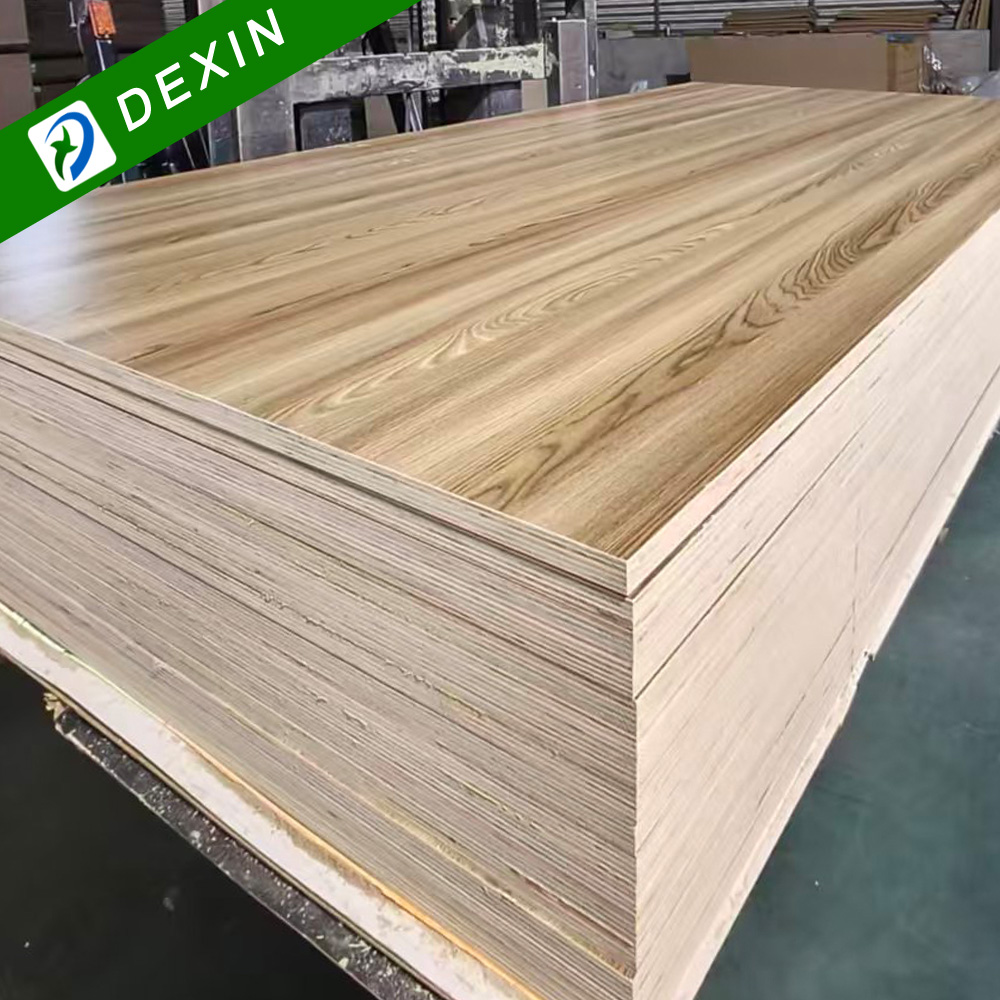
18mm Marine Laminated Contreplaque One or Double Side Colorful Melamine Faced Board Plywood for Furniture Decoration
A decorative marine-laminated board offered with single- or double-side melamine. Specify 18mm thickness, core species, emission grade and edge sealing for the target climate.

Good Price 1200x2400x18mm Melamine Coated Plywood Custom Thickness Marine Board for Furniture
A 1200×2400×18mm melamine-coated marine board for furniture production. Custom thickness, decor and packing can be confirmed against the final cabinet or panel application.
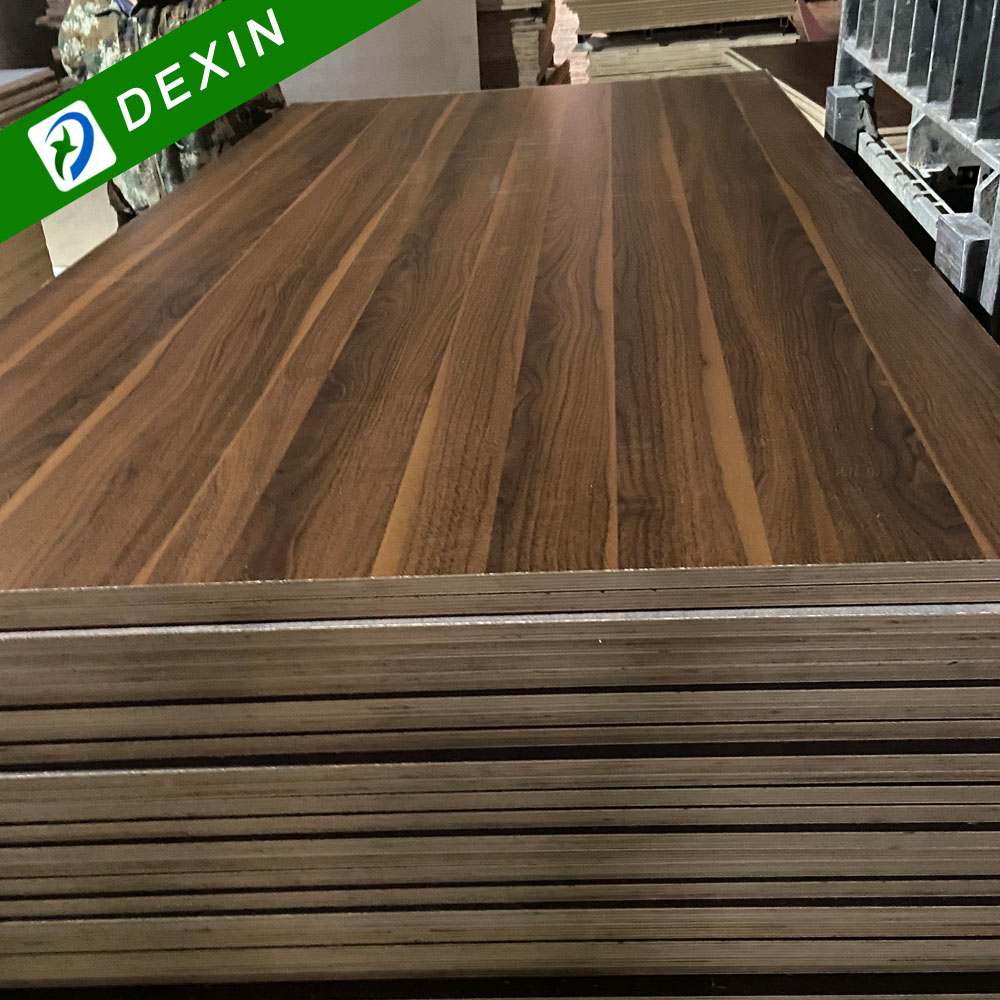
High Quality Waterproof 18mm Melamine Faced Plywood for Furniture
Waterproof 18mm melamine faced plywood for cabinets, wardrobes and wet-area fit-outs. Ask for glue type, formaldehyde grade, surface finish and matching edge banding.
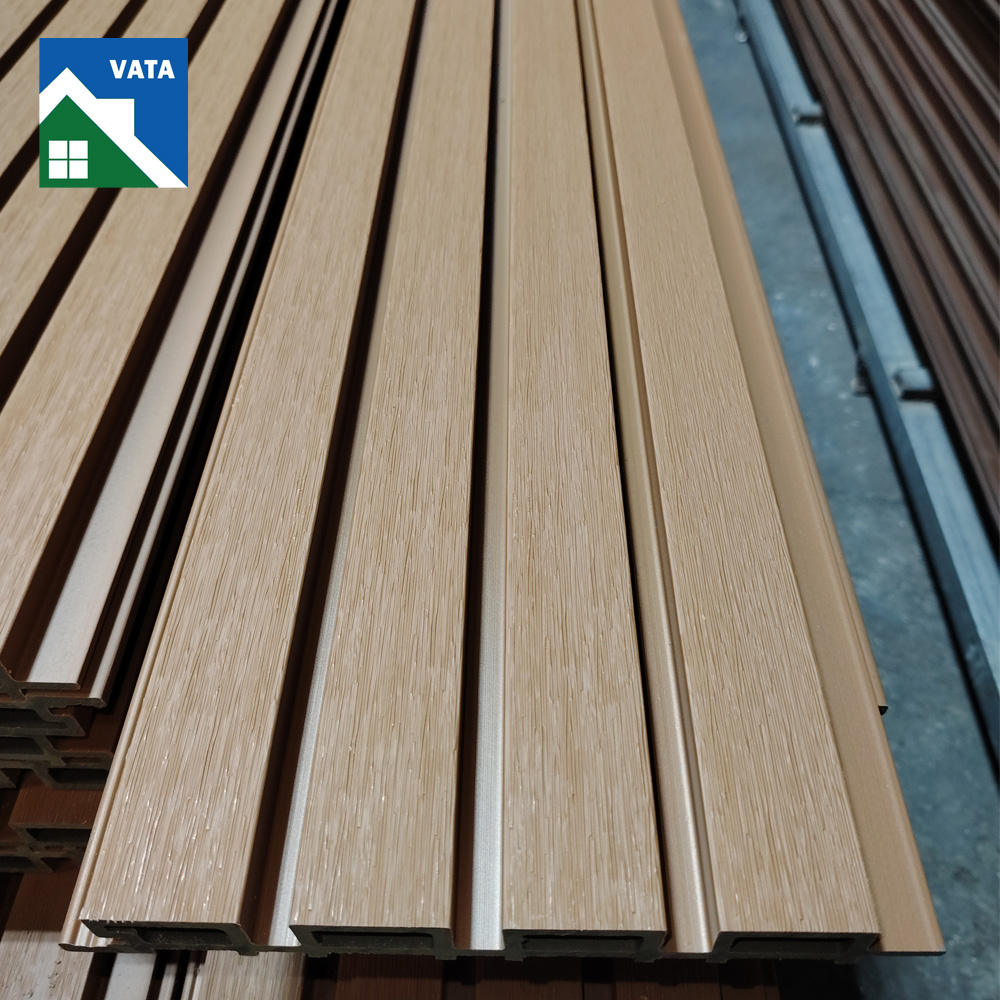
Decorative Outdoor Wood Plastic Composite Partition WPC Fluted Wall Panel Board External Siding Cladding Exterior Wall Cladding
Fluted WPC exterior cladding for partitions and façades. The composite profile delivers a timber-like decorative look with lower maintenance than natural wood in outdoor projects.
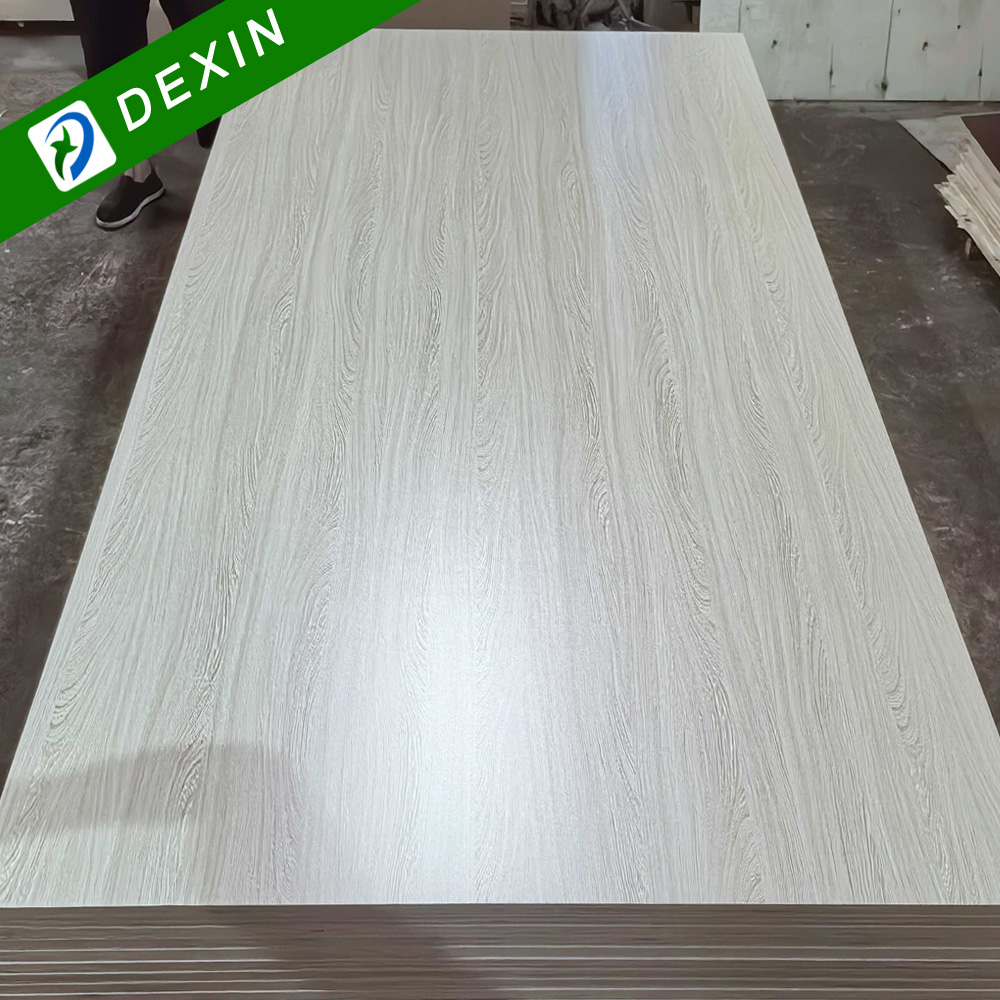
Waterproof Melamine Contreplaque De 5mm 6mm 18mm 11 Ply Glossy Matt White Eucalyptus Core Melamine Faced Plywood
Eucalyptus-core melamine plywood in 5mm, 6mm and 18mm, with 11-ply construction options and glossy or matt white surfaces. Suitable for doors, panels and cabinet parts.
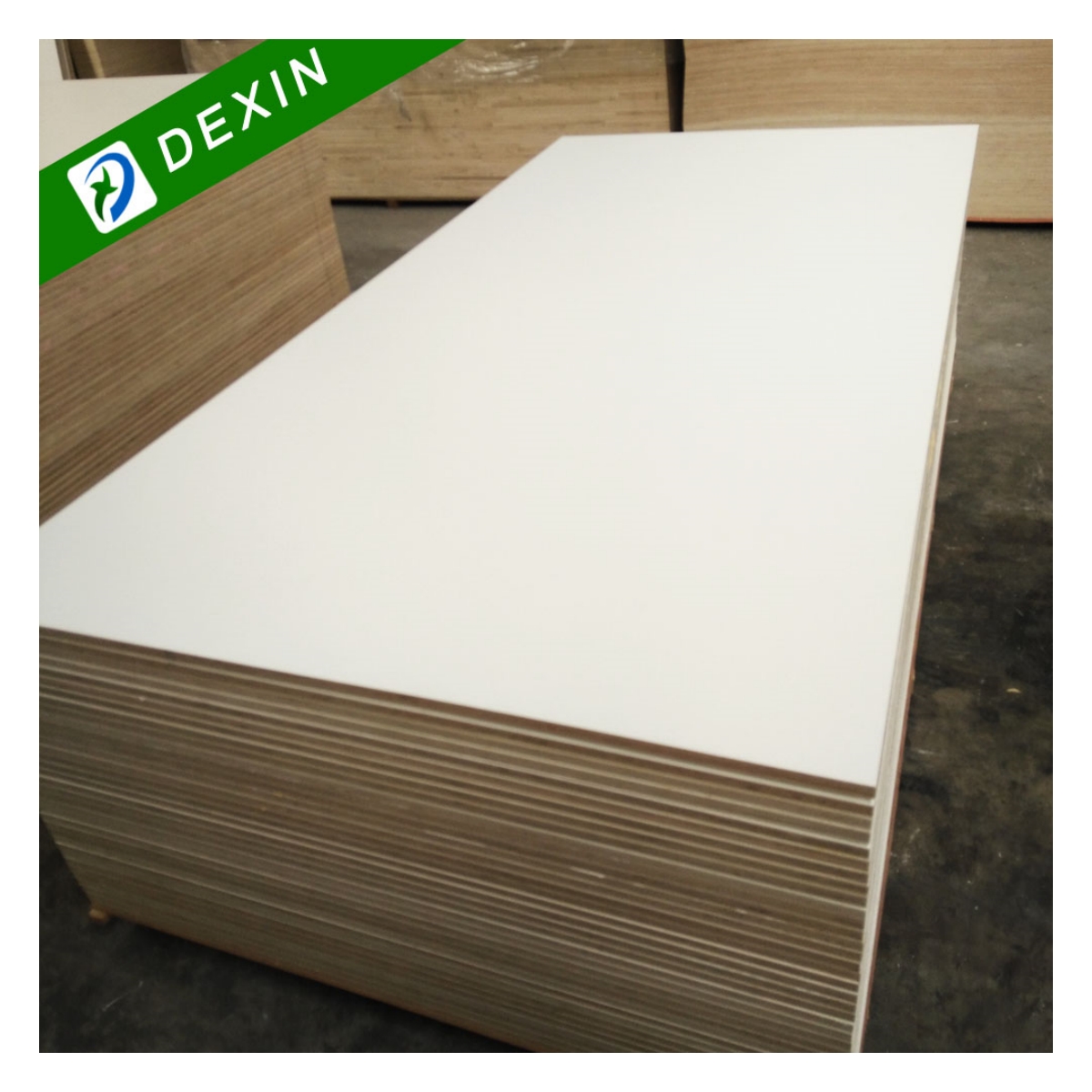
Good Quality 6mm 12mm 18mm Teak/Oak/Maple Melamine Plywood 1/2,3/4 in Flywood Sheet for Furniture
A decor-focused board in teak, oak or maple looks, available in 6mm, 12mm and 18mm. Confirm face pattern, batch tone and surface finish before ordering.
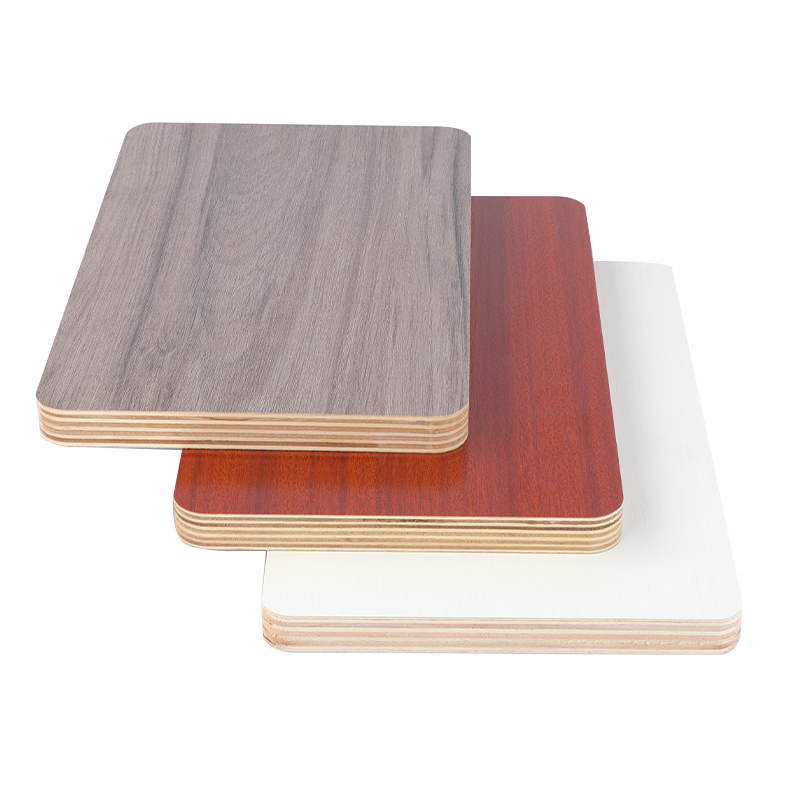
E2/E1/E0 Grade Solid Color and Wood Grain Marine Melamine Plywood Price Philippines From China
Marine melamine plywood graded E2/E1/E0 for price-sensitive and compliance-sensitive markets, including solid-color and wood-grain faces. Confirm destination-market requirements before quotation.
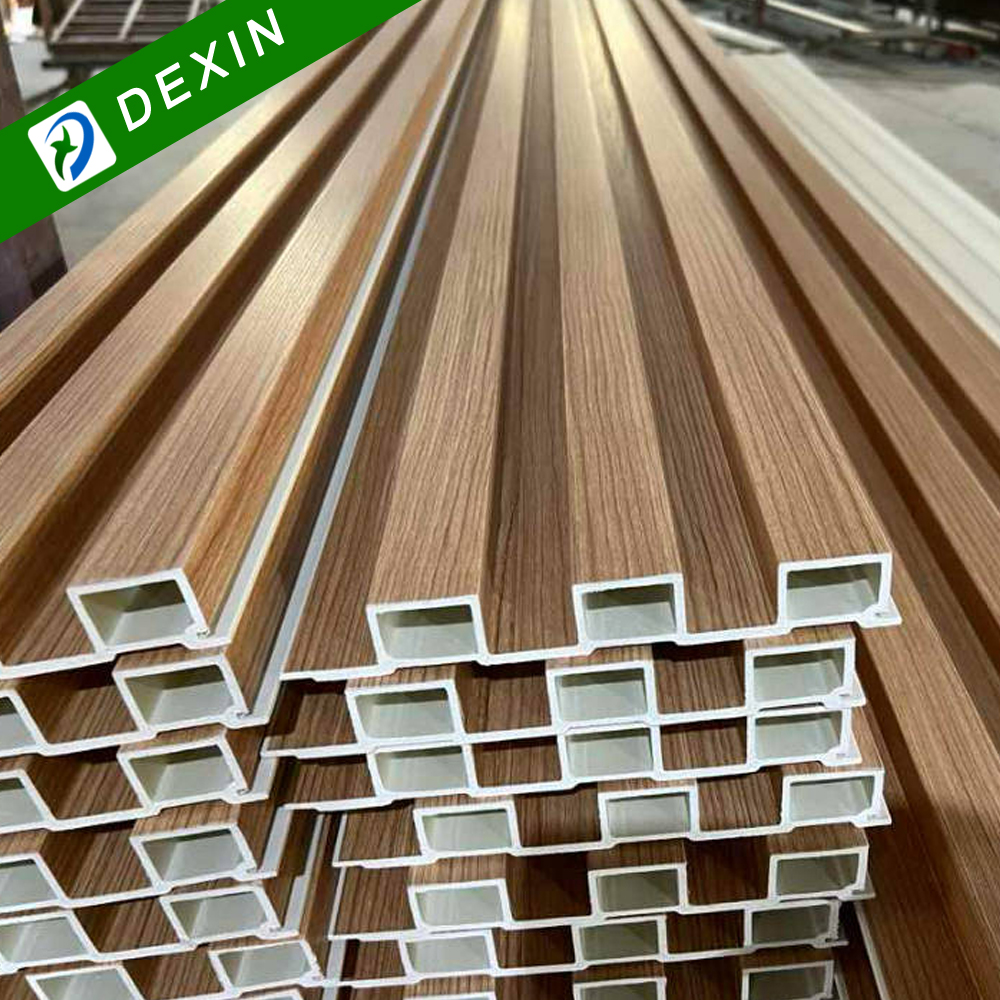
Modern Wall Cladding Home Background PVC WPC Wall Panels Interior Decorative Wall Panel for Hotel
Interior PVC/WPC wall panels for hotel, home and commercial backgrounds. Lightweight, fast to install and suitable for decorative feature walls and renovation projects.
What “China Best Melamine Faced Plywood Factories & Factory” Really Means
This query is not a simple product search. It combines country sourcing, product specification, quality judgment and supplier type. A useful page must help a buyer verify a factory, compare material systems and reduce procurement risk.
Evidence Before Adjectives
A factory page can claim “best”. A buyer needs traceable facts: certification scope, machine list, output, raw-material sourcing, batch inspection and container photos. We structure every RFQ around these evidence points.
Cluster Economics
Linyi, Shandong is China’s largest wood-based panel production cluster. Proximity to veneer, glue, decor paper and northern seaports shortens the supply chain and supports mixed-container sourcing.
Specification Fit
The optimal board is not always the thickest. For cabinet doors, 5–18mm boards may be right; for wet areas, WBP glue and sealed edges matter more than a generic “waterproof” label.
The semantic search lens: from keyword claim to factory proof
When a buyer searches for China best melamine faced plywood factories & factory, Google’s helpful-content and E-E-A-T frameworks reward pages that satisfy the whole decision, not just repeat the phrase. The page must show first-hand production context, explain technical trade-offs and make it easy to verify the supplier behind the claim.
For that reason, KUDE treats this topic as a sourcing audit rather than a slogan. A “best” melamine faced plywood factory should be assessed on seven evidence layers: core species and veneer grading; glue type and press cycle; melamine paper grammage and surface cure; thickness tolerance and flatness; formaldehyde emission class; packing and loading control; and export documentation.
Linyi KUDE International Trading Co., Ltd. operates as the export platform of a wood-based panel manufacturing group founded in 1998 in Linyi, Shandong. The group runs more than 30 machine sets in 30,000 m² of workshops, employs over 300 workers and produces 60,000 m³ of panels per year. Its location inside China’s largest wood-based panel cluster supports stable access to veneer, resin and decor paper — the practical foundation behind consistent melamine faced plywood supply.
Information-Gain Checklist for a Factory RFQ
- Factory identity: legal name, location, founding year, workshop area and machine count.
- Product proof: sizes, cores, glue types, emission grades and surface options.
- Compliance: CE, ISO 9001, ISO 14001, FSC, CARB, SGS assessment and E0/E1/E2 grades.
- Production proof: press, sanding, lamination, inspection and loading photos.
- Commercial fit: MOQ 50–500 sheets, mixed containers, T/T or L/C, FOB/CFR/CIF/EXW.
- Risk control: approved samples, inspection records and packing photos before shipment.
Specification Variables That Change Price and Performance
Melamine faced plywood is a composite system. The visible decor paper is only one layer; the core, glue line and pressing cycle determine whether the board stays flat, resists moisture and machines cleanly.
Core, glue and surface engineering
For export buyers, the first decision is not colour — it is the performance class required by the end use. A common mistake is to treat “marine” as a universal guarantee. In commercial practice, marine plywood usually means a moisture-resistant board made with WBP glue and a denser hardwood core. Buyers should still ask for core species, ply count, glue type, emission grade and edge sealing.
KUDE’s melamine faced plywood lines include eucalyptus core, poplar and combi core options, 5mm, 6mm, 12mm, 18mm and 25mm thickness ranges, and E0/E1/E2 emission grades depending on the product and destination market. Surface choice also changes perceived quality: matt finishes hide fingerprints; high-gloss surfaces reflect light but show scratches; synchronized wood grain creates a more natural furniture look; solid colours simplify hotel and retail fit-outs.
What to compare in a sample
Face: colour consistency, texture, gloss level and fingerprint resistance.
Core: veneer grading, ply count, voids, overlaps and moisture content.
Glue line: bonding strength, water resistance and edge integrity.
Flatness: twist, bow and thickness variation after conditioning.
Documentation: emission grade, certification scope and batch traceability.
| Application | Typical Board | Core / Glue | Surface | Emission | Buyer Check |
|---|---|---|---|---|---|
| Furniture carcass | 18mm melamine faced plywood | Eucalyptus / poplar; MR or WBP | Double-sided solid colour or wood grain | E1 / E0 | Flatness, screw holding, edge sealing |
| Cabinet doors | 5–18mm melamine plywood | 11-ply eucalyptus core | Glossy, matt white or decor match | E1 / E0 | Surface cure, colour consistency, warping |
| Wet-area joinery | 18mm waterproof melamine board | WBP glue; sealed edges | Waterproof melamine film | E1 / E0 | Glue type, moisture test and edge treatment |
| Hotel feature walls | WPC / PVC wall panel | Wood-plastic composite | Wood grain, fluted or modern print | Product-dependent | Profile, installation method and fire documents |
| Export furniture pack | 6mm / 12mm / 18mm mixed decors | Eucalyptus or combi core | Teak, oak, maple, white or custom | E0 / E1 / E2 | Batch matching, packing plan and loading sequence |
| Education and kids furniture | 18mm colorful melamine plywood | Dense core with controlled moisture | Colorful solid colour | E0 / E1 | Emission certificate and colour fastness |
| Distributor mixed container | Multiple SKUs | Melamine plywood, MDF and WPC | Standard 4×8 ft and project sizes | Destination-market grade | MOQ per SKU and container loading plan |
Reference ranges only. Final thickness, tolerance, emission grade and test reports are confirmed for each order and destination market.
Match the Board to the End Use Before You Compare Price
Two suppliers can quote the same 18mm board and still deliver completely different value. The difference is usually in core grading, glue line, surface cure, edge sealing and loading control.
Furniture & Cabinetry
For wardrobe carcasses, kitchen cabinets and office furniture, specify 18mm waterproof melamine faced plywood with eucalyptus core, E1/E0 emission and matching edge band. The board should hold screws, stay flat and accept CNC routing without chipping.
Hotel & Retail Interiors
Combine colorful melamine faced plywood with WPC fluted wall panels and PVC/WPC decorative panels. This creates a coordinated interior package: durable casework, fast wall installation and lower maintenance.
Marine & Wet-Area Projects
Use WBP glue, waterproof melamine surfaces and sealed edges. Require batch moisture checks and loading photos. For exterior cladding, choose WPC profiles rather than standard interior plywood.
Distributor Mixed Containers
Importers can combine melamine boards, MDF, WPC and wall panels after confirming MOQ per SKU. KUDE’s typical MOQ range is 50–500 sheets depending on product line, with FOB, CFR, CIF and EXW terms.
How Melamine Faced Plywood Buying Will Change Through 2030
Procurement is moving from “lowest price per sheet” to “lowest total risk per container”. The factories that win repeat orders will be the ones able to document material, compliance and loading performance.
Compliance-First Procurement
EUDR due diligence, CARB/TSCA expectations in the US and FSC chain-of-custody checks are moving from legal review into the RFQ. Factories that can supply clear certification scope, species information and batch documentation will face fewer delays.
Emission Grade Consolidation
E2 remains price-sensitive in some markets, but E1 and E0 are becoming default expectations for furniture brands and project work. Expect buyers to compare not only the grade but also the test report and the exact board construction behind it.
Lower-Risk Mixed Containers
Distributors increasingly order several surfaces in one container instead of a full container of one colour. This reduces stock risk but requires a factory with reliable SKU planning, colour matching and loading control.
Factory Transparency as a Criterion
Live video audits, timestamped production photos and container loading images are becoming standard in remote sourcing. Buyers want evidence that the shipped goods match the approved sample.
CNC-Ready Consistency
As furniture production becomes more automated, thickness variation, flatness and surface cure have a direct impact on yield. Factories that document tolerance and pack boards to protect edges will win repeat orders.
Cluster-Based Direct Sourcing
Linyi’s panel cluster and access to northern China ports such as Qingdao support shorter coordination cycles. Direct-from-cluster sourcing works best when the supplier also controls lamination, inspection and export packing.
What the Next Generation of Melamine Faced Plywood Will Look Like
Decorative surfaces are becoming more sophisticated, but the real product development is happening beneath the paper: adhesive systems, core density, moisture control and factory fabrication capability.
Low-Emission Adhesive Systems
Resin formulation continues to move toward lower formaldehyde release while maintaining bond strength. E0, E1 and CARB-compliant constructions are becoming product platforms rather than premium add-ons.
High-Fidelity Decorative Surfaces
Synchronized wood grain, soft-touch matt, anti-fingerprint and super-matt finishes are giving melamine boards a more premium furniture feel. Surface texture is becoming a differentiator in the same way colour was a decade ago.
Water-Resistant Core Upgrades
Eucalyptus core, controlled ply count and WBP glue are being specified for kitchens, bathrooms and humid climates. Edge sealing and moisture content checks are part of the product conversation, not an afterthought.
Thin and Lightweight Panel Systems
5mm and 6mm melamine faced boards support thin cabinet doors, drawer fronts and wall panelling. The challenge is flatness and handling, so buyers should validate packing and substrate before scaling.
Multi-Material Interior Packages
Melamine plywood, MDF, WPC cladding and PVC wall panels are increasingly sourced together. One coordinated surface palette reduces project lead times and simplifies supplier management.
Pre-Finished and Cut-to-Size Demand
Buyers are asking for cut-to-size panels, edge-banded components and private-label packing. This shifts value from basic board supply to factory-level fabrication coordination.
Why KUDE Is Built for Serious Melamine Faced Plywood Buyers
Linyi KUDE International Trading Co., Ltd. is the export platform of a wood-based panel manufacturing group founded in 1998. The advantage is not a single machine; it is the combination of cluster access, production control, certification and export discipline.
Founded in 1998
More than 25 years of manufacturing and wood-panel experience, with 15+ years of export service to global importers, distributors and contractors.
30,000 m² Production Base
30+ machine sets, 300+ workers and annual output of 60,000 m³ across plywood, blockboard, MDF and particle board product lines.
Linyi Cluster Advantage
Located in China’s largest wood-based panel production cluster, with efficient access to veneer, resin, decor paper and Qingdao port logistics.
Verified Certifications
CE, ISO 9001, ISO 14001, FSC and CARB capability, with an SGS on-site assessment on the supplier profile. E0/E1/E2 grades available by product.
Emission-Grade Flexibility
Formaldehyde grades can be matched to destination-market expectations, from price-sensitive E2 to E1 and E0 furniture and project requirements.
Custom Specifications
Sample-based, design-based and full customization of size, thickness, core species, face decor, glue type, logo printing and export packaging.
Export-Ready Logistics
T/T and L/C payment in USD, EUR or CNY; FOB, CFR, CIF and EXW terms; seaworthy packing and full export documentation through northern China seaports.
Quality Before Volume
The group principle is “survival by quality, development by prestige”. Material selection, pressing, sanding, inspection and loading are controlled as one export system.
Inside the Linyi Production Base
Remote buyers should see the production context before they approve a sample. These images reflect the workshop, lamination, inspection, packing and loading environment behind KUDE’s export programme.

Production line and panel handling

Hot press workshop for plywood bonding

In-process panel quality inspection

Finished plywood and MDF stock
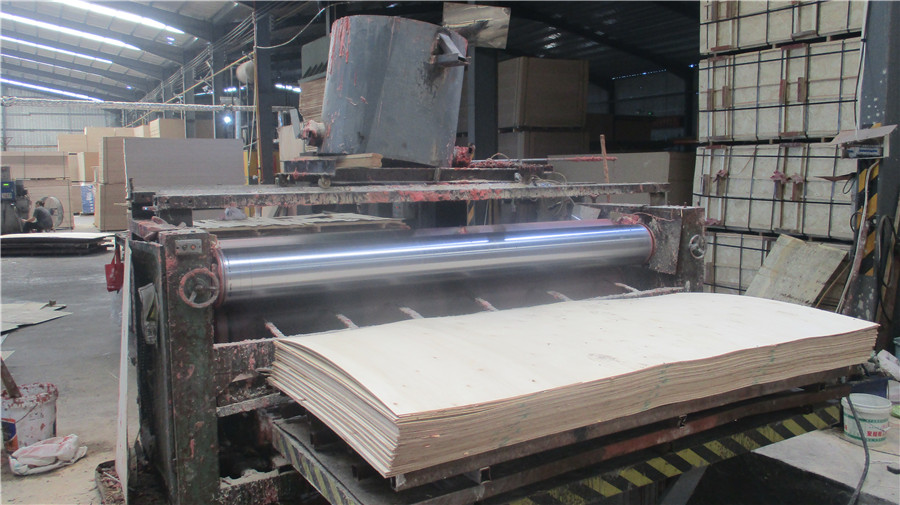
Melamine lamination and surface finishing
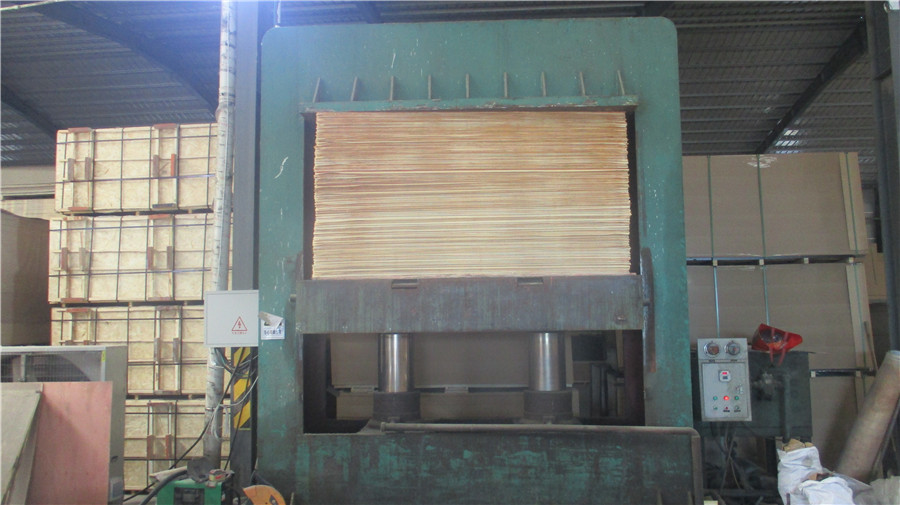
Export packing and edge protection
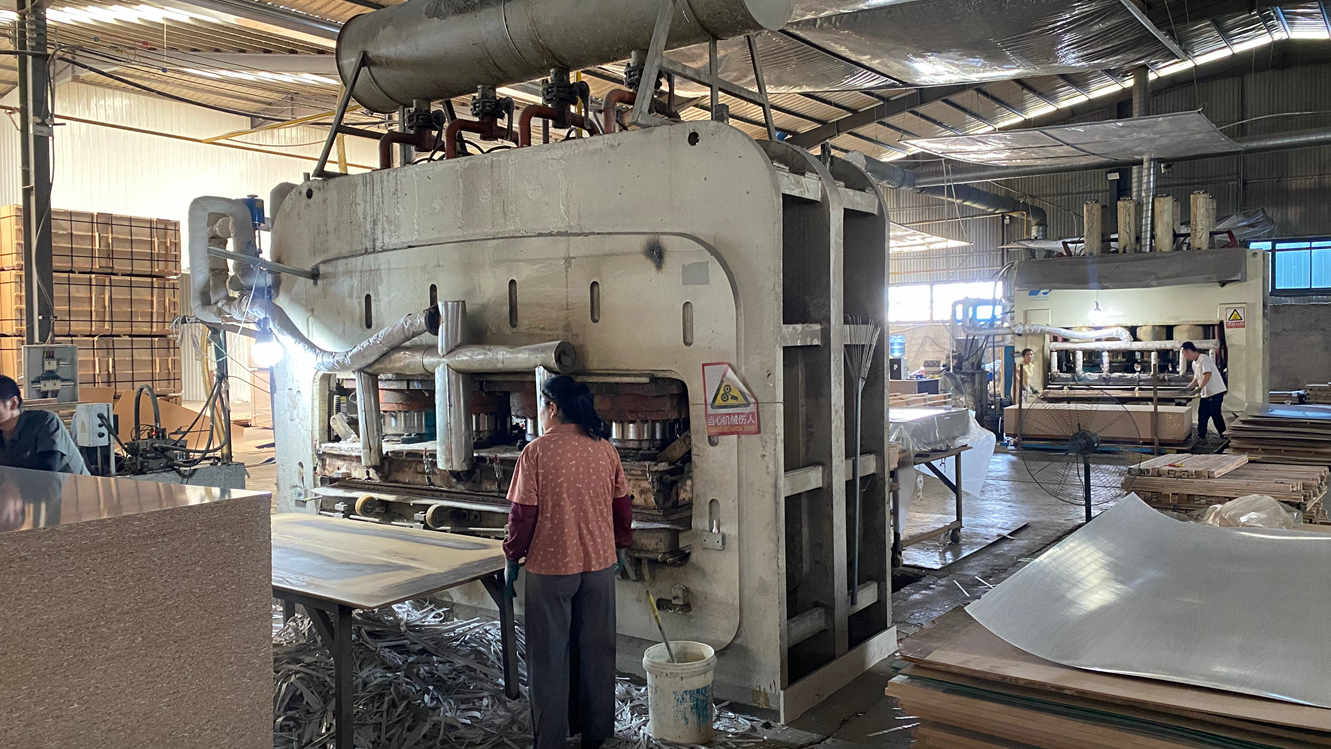
Container loading control
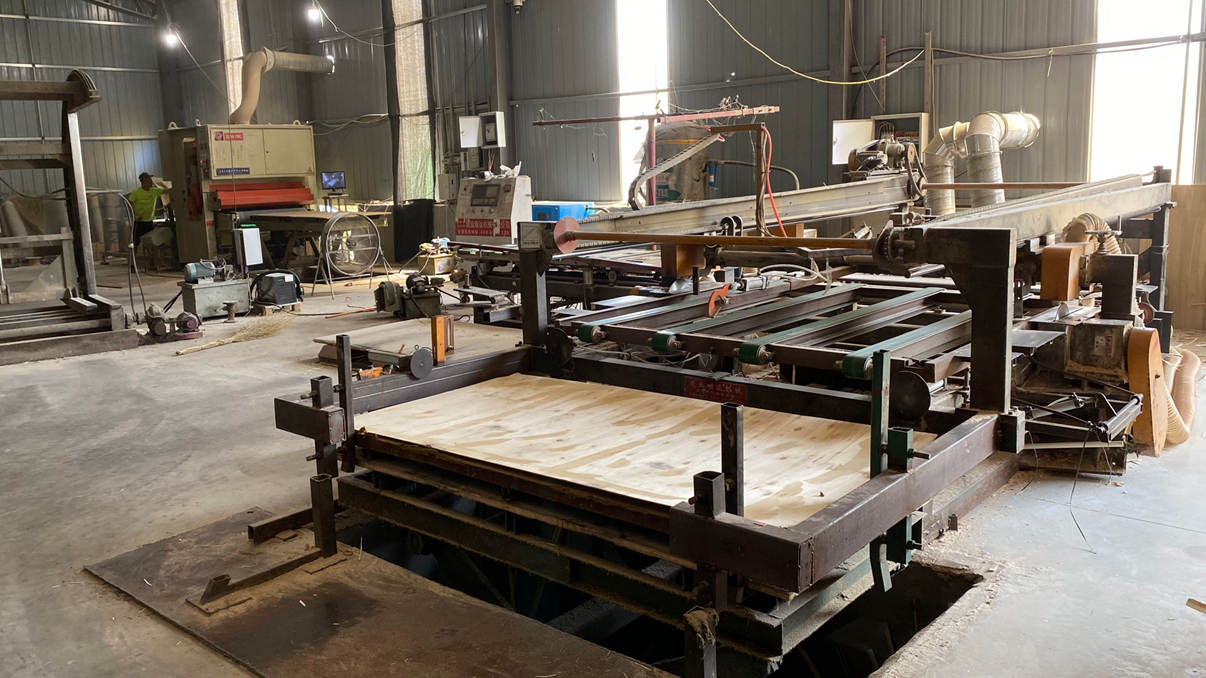
Certificates and factory capability review
Factory Verification: Certificates, QC Checkpoints and Buyer Scorecard
Certifications are not decorative badges. Buyers should ask what is covered, which product is tested and whether the certificate applies to the exact board being purchased. For melamine faced plywood, emission class and glue performance should be confirmed in writing.
ISO 9001
Quality management system coverage for production and inspection processes.
ISO 14001
Environmental management capability for factory operations and resource control.
CE
European conformity documentation for applicable product and market requirements.
FSC
Chain-of-custody sourcing options for buyers with forest-responsibility requirements.
CARB
Formaldehyde-focused compliance capability for North American furniture and retail channels.
SGS Assessed
On-site supplier assessment supports remote factory verification for export buyers.
Six QC checkpoints before the container leaves
- Veneer grading and moisture content check before gluing.
- Glue mixing and spread control against the approved formulation.
- Hot-pressing cycle monitoring for bonding and flatness.
- Calibrated sanding and melamine lamination inspection.
- Thickness, flatness, bonding and surface checks by batch.
- Export packing, edge protection and loading photos before shipment.
Buyer priority scorecard
Illustrative weighting for comparing melamine faced plywood factories. Adjust the weighting to your market, application and risk profile.
Common Questions Before Ordering Melamine Faced Plywood
These answers reflect the commercial and technical points buyers usually confirm before a container order is placed.
Which certifications should a melamine faced plywood factory provide?
Request scope and product-specific test reports. KUDE’s manufacturing group holds CE, ISO 9001, ISO 14001, FSC and CARB certifications, and has passed an SGS on-site assessment. Formaldehyde grades E0, E1 and E2 are available depending on product and market.
What is the minimum order quantity?
MOQ depends on the product line, typically from 50 to 500 sheets. Several products can be combined in one container after specification confirmation, including melamine plywood, MDF and WPC wall panels.
Can you customize size, thickness, core, surface, glue and packaging?
Yes. KUDE offers sample-based, design-based and full customization, including 1220×2440mm and project-specific sizes, 5–25mm thickness options, core species, melamine decor, glue type, logo printing and export packaging.
Which payment terms and shipping terms do you accept?
T/T and L/C are accepted in USD, EUR or CNY. Trade terms include FOB, CFR, CIF and EXW. Goods are normally shipped through northern China seaports such as Qingdao.
How do I verify quality before shipment?
Approve a sample, lock specifications in writing, request production photos or live video, and require inspection and loading photos before the container leaves. This is especially important for colour matching and emission-grade orders.
What is the difference between melamine faced plywood, laminated MDF and WPC wall panel?
Melamine faced plywood uses a plywood core for strength and screw-holding. MDF gives a smoother routed surface for cabinet doors. WPC panels are decorative wall cladding with different installation and moisture behaviour. Match the material to the application rather than treating them as interchangeable.
Send Your Specification. Get a Factory-Grade Answer.
Please include dimensions, thickness, core, melamine face code or reference, emission grade, quantity, destination port and required certification. Our export team will return a technical proposal, packing plan and container loading estimate. For urgent sourcing, include photos of the finish you want to match.
Email: info@kudeplywood.com