Eight Panel Families for Mixed Containers and Project Packages
Oak veneered MDF is often sourced alongside structural plywood, melamine boards, raw MDF and decorative wall panels. The eight product families below are from the KUDE export range and link directly to the original product pages, so buyers can build one specification file for a complete project.
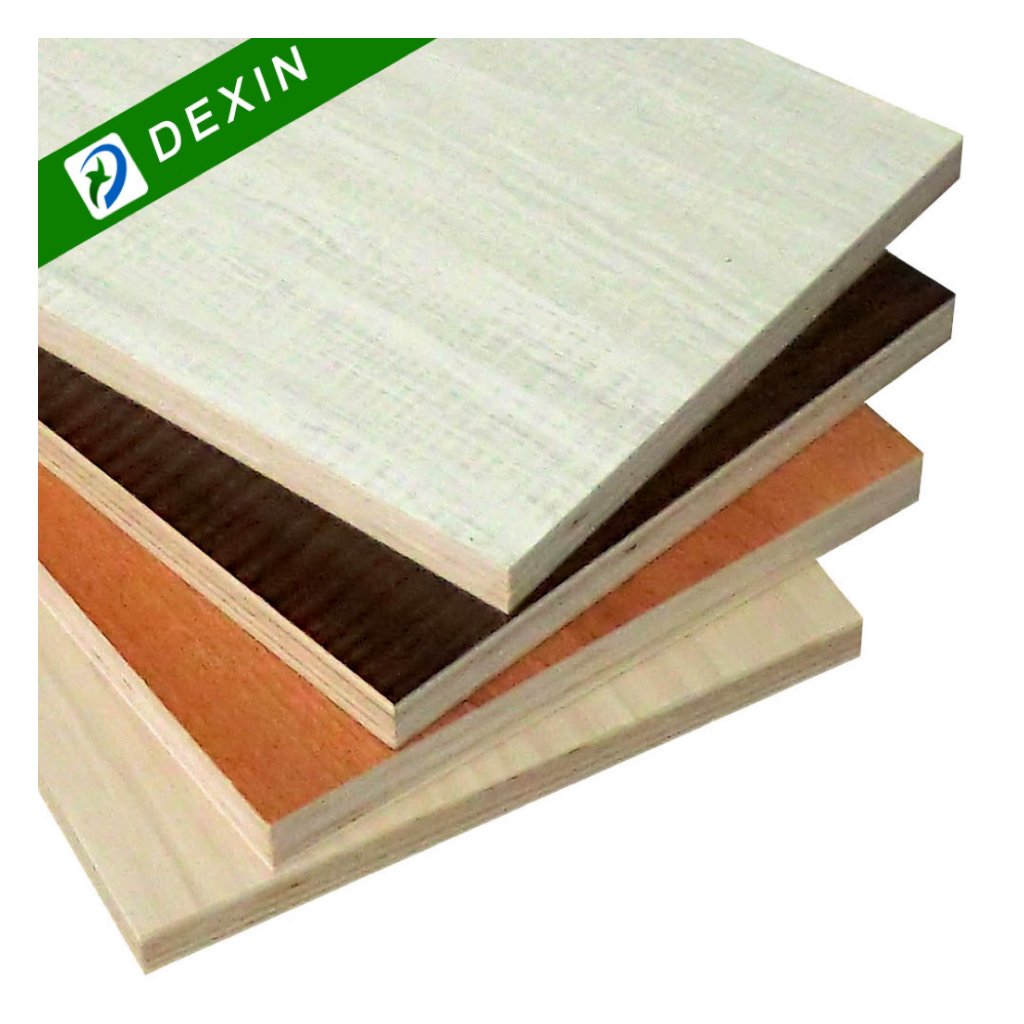
E0 First-Class Melamine Plywood 3–18 mm
Clean-faced melamine plywood for furniture cabinets, wardrobes and fit-out joinery where low-emission specification matters.

Melamine-Coated Marine Plywood 1200×2400×18 mm
Custom-thickness marine board with a melamine face for furniture that requires improved moisture resistance and a finished surface.
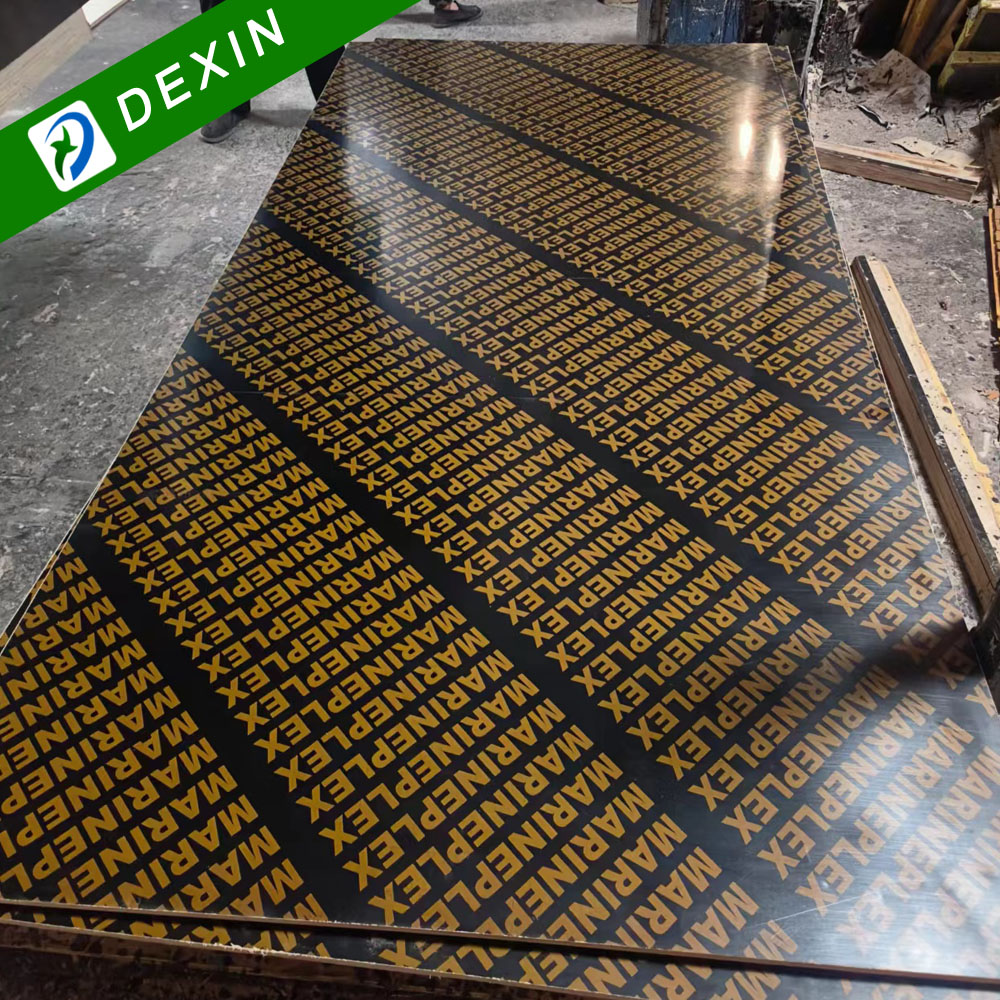
Film Faced Plywood for Construction Formwork
Phenolic film faced plywood in 9 mm, 12 mm, 15 mm and 18 mm for concrete formwork, slabs and repeated construction cycles.
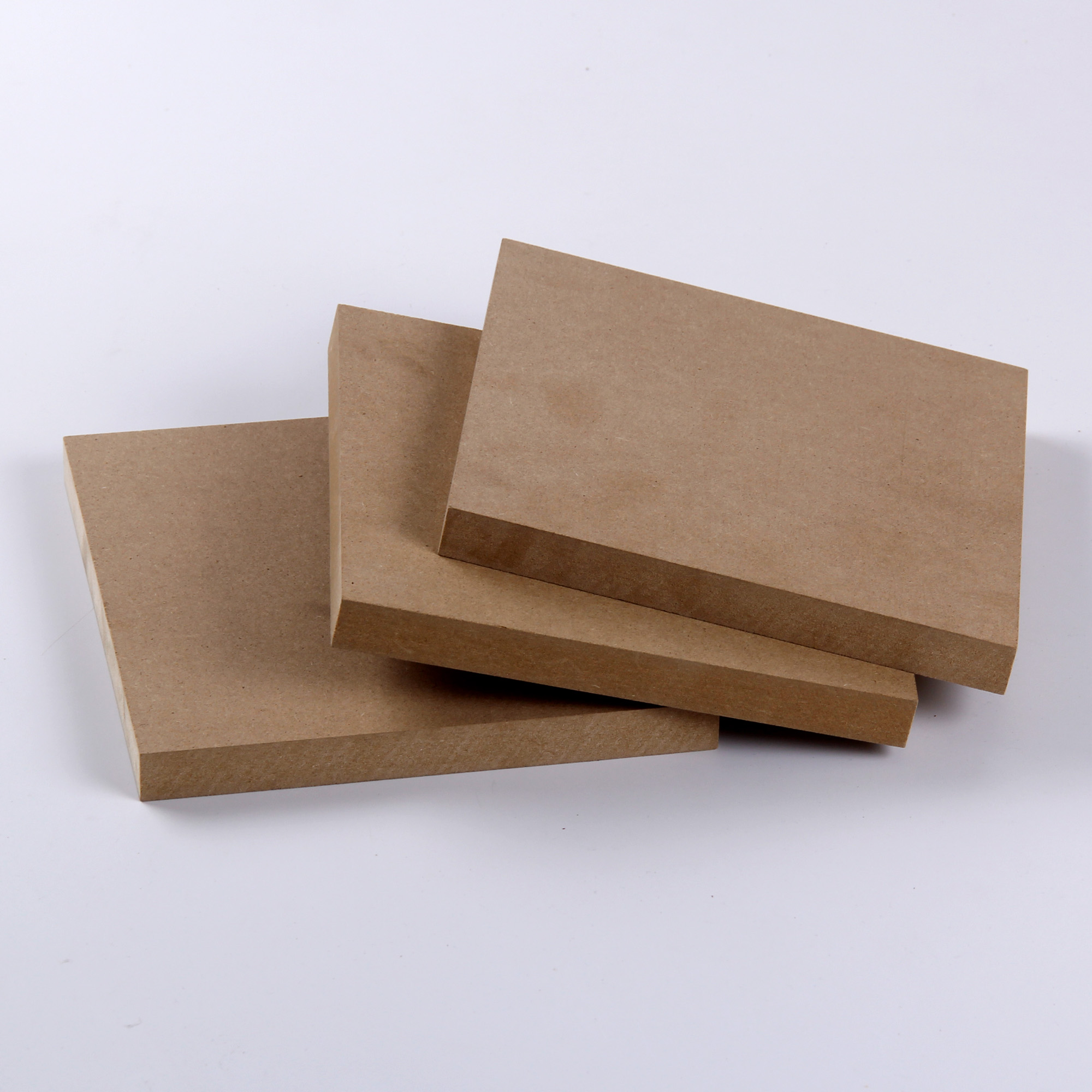
Raw MDF/HDF Board in Standard Factory Thicknesses
Raw MDF and HDF boards in 5 mm, 6 mm, 8 mm, 9 mm and 18 mm—a practical core for veneering, laminating and CNC routing.
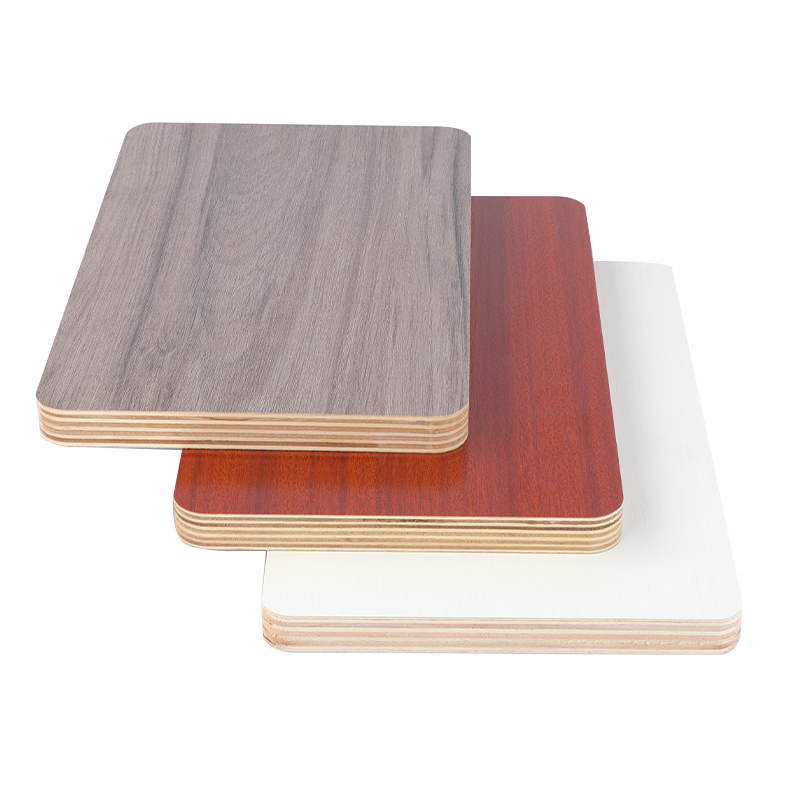
E2/E1/E0 Marine Melamine Plywood
Solid-color and wood-grain melamine plywood for distributors and furniture factories comparing price, emission grade and color consistency.
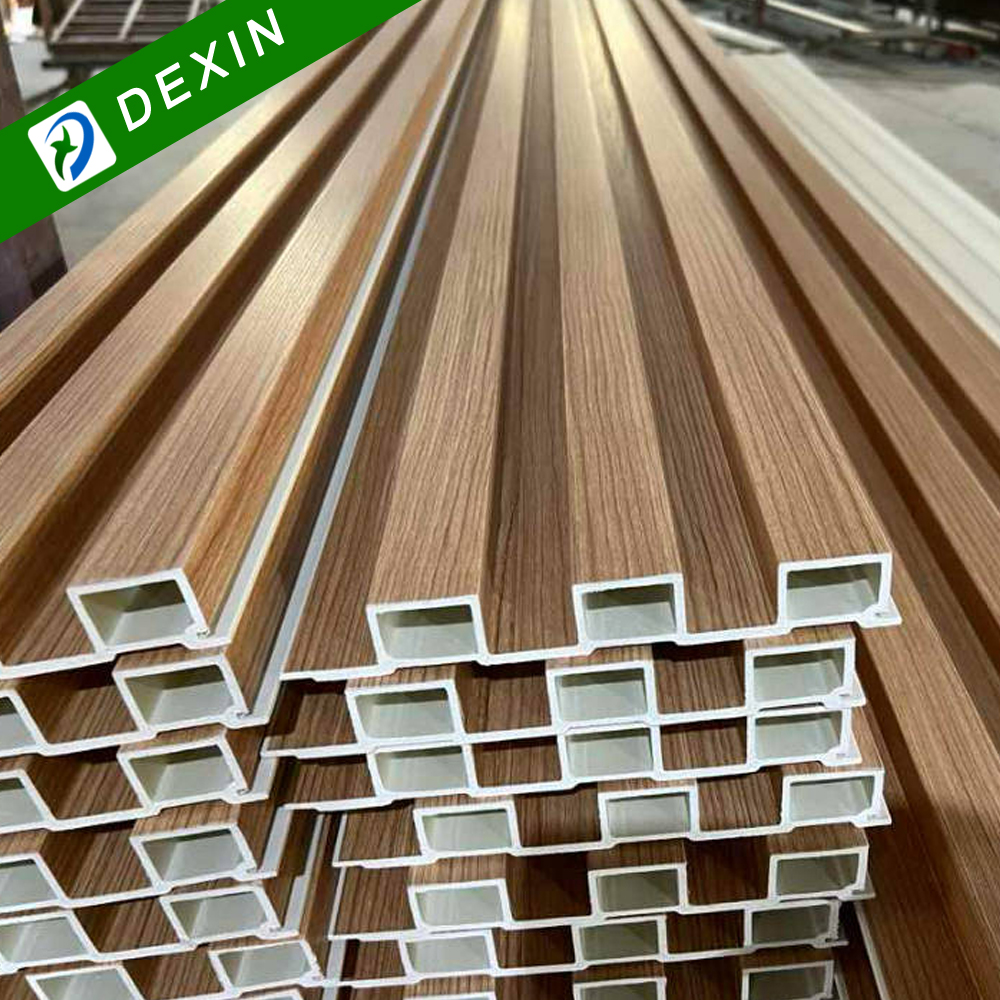
PVC/WPC Interior Decorative Wall Panel
Fast-install interior wall cladding for hotel backgrounds, feature walls and residential upgrades where moisture and maintenance matter.
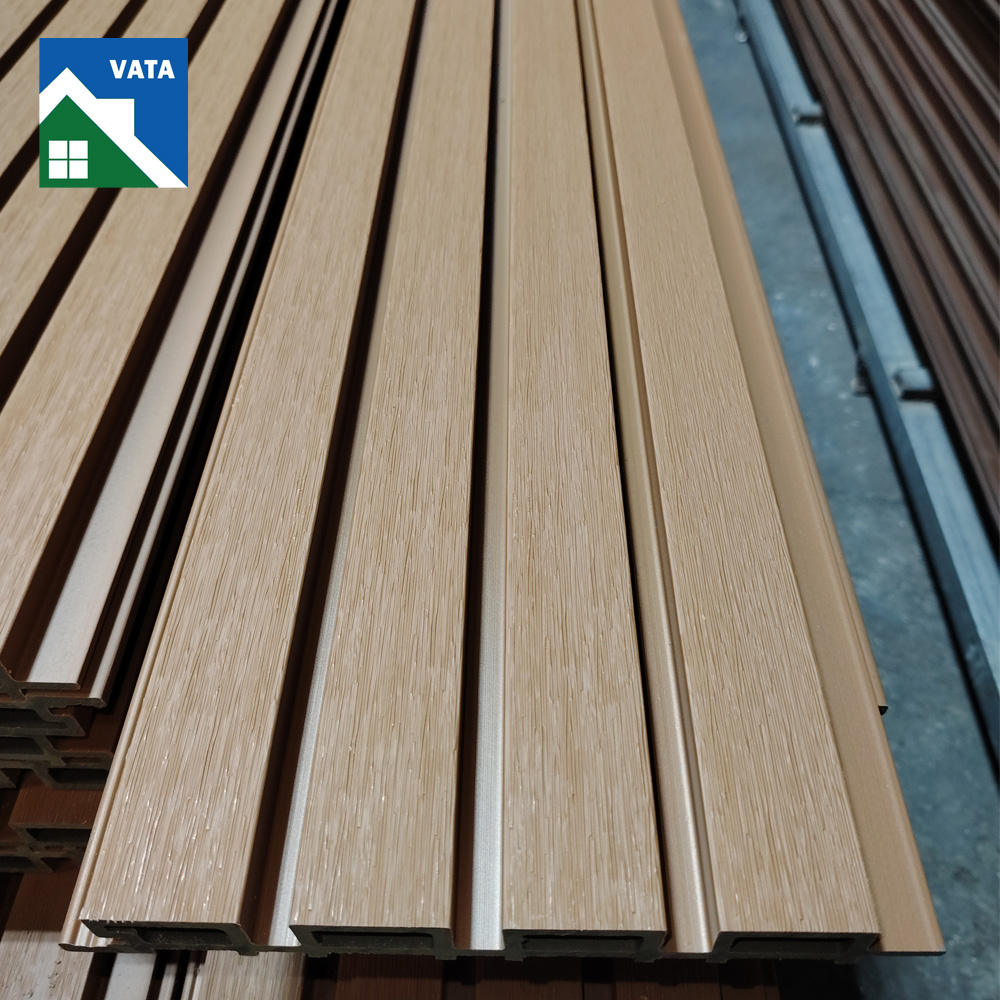
WPC Fluted Outdoor Wall Cladding Panel
Wood-plastic composite fluted panels for exterior siding, partitions and external feature walls with a low-maintenance finish.
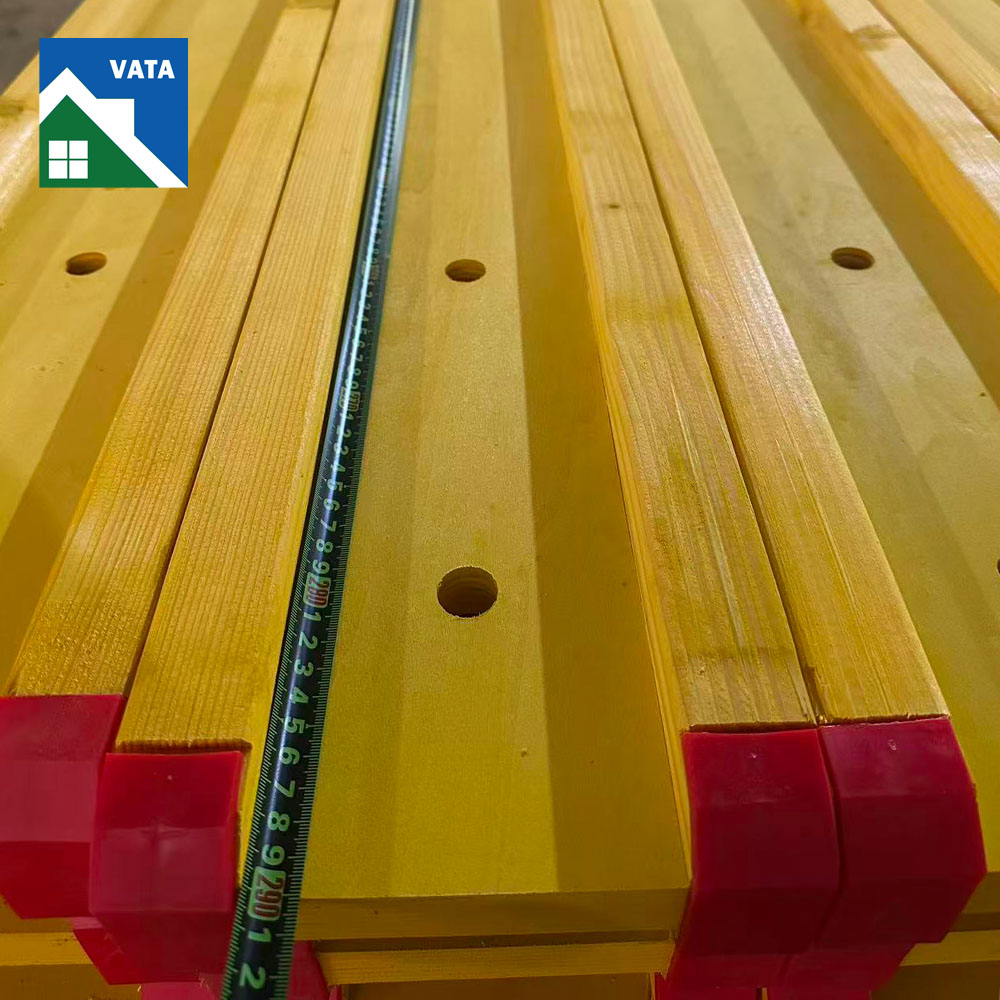
Custom Timber Formwork Beams for Exterior Walls
Stable timber formwork beams with WBP glue and pine or spruce flange for wall formwork, shoring and repeatable site systems.
China Best Oak Veneered MDF Suppliers Are Judged by Consistency, Not Adjectives
For a professional buyer, “best” is not a marketing claim. It is the ability to repeat the same oak veneer grade, MDF core density, thickness tolerance, adhesive system, emission class and packing standard across shipments.
Oak Veneered MDF: the engineered advantage
Oak veneered MDF combines a precisely sanded medium-density fibreboard core with a thin slice of natural oak. The result is a flatter, more dimensionally stable panel than solid oak, with better veneer yield, cleaner edges after edge-banding and a surface that accepts UV lacquer, PU lacquer, stain and open-pore finishes.
For furniture factories, the value is repeatability: cabinet doors, wardrobe fronts, hotel headboards and shopfitting panels can be produced from a known core and a known veneer batch. For wholesalers, the value is predictable landed cost and a specification that can be defended to architects, contractors and retailers.
Eight-point supplier audit before an order
Use this checklist when comparing oak veneered MDF wholesalers in China. It reduces the risk of receiving a sample that cannot be reproduced in production.
What Buyers Will Expect from Oak Veneered MDF Wholesalers Next
The buying decision is shifting from “price per sheet” to “documented performance per container.” That change favours suppliers who can connect raw material, production control, compliance and export packing in one system.
Compliance-first sourcing
FSC chain of custody, CARB P2, E0/E1 emission grades and CE documentation are becoming routine questions, not premium options. Buyers need documents that match the exact batch and destination market.
Lower-risk mixed containers
Wholesalers increasingly combine oak veneered MDF with melamine plywood, raw MDF, film faced plywood and WPC panels. Flexible MOQ and mixed loading reduce inventory risk and improve container utilisation.
Remote factory verification
Live video inspection, loading photos, batch labels and test-report scans are now part of the buying process. A China supplier must be able to prove production status without an in-person visit.
Landed-cost engineering
Savvy importers compare packing density, pallet dimensions, moisture protection, port charges and damage risk—not only the FOB price. Better packing often beats a small unit-price saving.
Oak Veneered MDF Product Trends for Furniture and Interior Projects
Oak remains one of the most trusted visual species in global interiors. The innovation is not in substituting oak, but in engineering the veneer, core, adhesive and finish so that oak performance is more predictable.
Matte, open-pore oak
Low-sheen natural oak finishes continue to displace high-gloss surfaces in wardrobes, kitchen fronts and hospitality furniture. Buyers are requesting tactile grain, controlled colour variation and repairable finishes.
Engineered veneer over MDF
Oak veneered MDF offers flatter panels and less movement than solid oak. The market is moving toward calibrated MDF cores, balanced backing veneers and tighter veneer matching for large door runs.
Hybrid surface systems
Oak veneer is being specified alongside PET MDF, UV MDF, melamine plywood and WPC wall panels. A single project may use natural oak in visible areas and high-performance engineered surfaces in wet or high-traffic zones.
Emission transparency
E0 and E1 grades, CARB compliance and low-formaldehyde adhesives are moving into mainstream procurement. The practical question is whether the supplier can match the claimed grade with batch-level test evidence.
Where Oak Veneered MDF Fits—and Where It Does Not
The best wholesale decision depends on the application, not on one generic panel. Use oak veneered MDF where natural oak appearance, flatness and machining quality create value; use other boards where moisture, structure or budget drives the specification.
Oak veneered MDF
Ideal for cabinet doors, wardrobe fronts, hotel headboards, reception counters and interior wall panels. It delivers a real oak surface with stable MDF core behaviour and excellent finishing potential.
Best fit: visible joinery and furniture frontsMelamine or PET MDF
A practical lower-maintenance option for high-volume cabinets, student accommodation, office storage and budget-sensitive fit-outs where consistent solid colour or decorative film is enough.
Best fit: high-volume cuboards and storageFilm faced or marine plywood
Preferred for concrete formwork, structural sheathing, marine furniture, transport and construction applications where adhesive performance and load-bearing behaviour are more important than oak appearance.
Best fit: construction and moisture-exposed workA Linyi-Based Export Partner with Verified Factory Capability
Linyi KUDE International Trading Co., Ltd. is the export platform of a wood-based panel manufacturing group founded in 1998 in Linyi, Shandong—China’s largest man-made board production cluster. For buyers comparing China oak veneered MDF suppliers, this cluster position helps shorten material supply chains for veneer, glue and cores.
Own production capability
The group operates more than 30 sets of production machinery in 30,000 m² of workshops, with over 300 workers and annual output of 60,000 m³ across plywood, blockboard, MDF and particle board. This supports stable core selection and faster response on custom projects.
Documented quality systems
CE, ISO 9001, ISO 14001, FSC and CARB certifications are part of the supplier profile, together with SGS on-site assessment. Formaldehyde grades E0, E1 and E2 can be specified according to the product and destination market.
Customisation for projects
Sample-based, design-based and full customisation covers size, thickness, core species, face veneer or decor, glue type, logo printing and export packaging. For oak veneered MDF, veneer grade, cut, backing and finish should be confirmed by an approved sample.
Export-ready logistics
FOB, CFR, CIF and EXW terms are supported, with T/T and L/C payment in USD, EUR or CNY. Orders are loaded through northern China seaports such as Qingdao, with seaworthy packing and full export documentation.
Production experience
More than 20 years of production experience and about 15 years of export experience help align factory tolerances with the practical requirements of importers, distributors and contractors in 30+ countries.
Buyer-side transparency
Export packaging, loading photos and batch-level communication reduce disputes. The operating principle—survival by quality, development by prestige—reflects the commercial value of repeat orders over one-off shipments.



From Oak Veneer Selection to Loaded Container
A wholesale programme only works when the approved sample can be repeated. These four checkpoints are fundamental for oak veneered MDF and equally relevant to the related panel products in the KUDE range.
Veneer and core selection
Check oak species, cut, veneer thickness, colour range and moisture. Confirm MDF density, thickness and core grade before lamination.
Gluing and pressing
Control adhesive spread, pressing cycle and veneer bonding. The aim is a flat panel with no blistering, delamination or telegraphing.
Sanding and finishing
Calibrated sanding, edge preparation and finish system control determine how the oak grain reads after lacquering. Approval should cover sheen and colour tolerance.
Inspection and export packing
Check thickness, flatness, bonding, surface defects and moisture protection. Use export pallets, edge protection, steel straps and loading photos.
Oak Veneered MDF Wholesale Questions Buyers Ask
These answers reflect common sourcing checks for oak veneered MDF and the wider KUDE export range. Final specifications, certifications and tolerances should be confirmed in writing for each order.
What is oak veneered MDF, and is it suitable for furniture?
How can I verify a China oak veneered MDF supplier?
Which emission grades and certifications should I request?
What is the minimum order quantity, and can I mix products in one container?
How should I specify oak veneer cut and grade?
What payment terms and shipping methods are available?
Shortlist Oak Veneered MDF and Complementary Panels
Send your oak species, veneer cut, MDF thickness, emission grade, finish requirement, estimated quantity and destination port. Our export team will reply with a technical proposal and a practical mixed-load option.
For faster quotation, include sample photos or reference codes for the oak colour and grain you want to match.