Eight Panel Products Buyers Commonly Consolidate With Sanded Chipboard
Importers rarely buy one board in isolation. Furniture factories, distributors and contractors often combine sanded chipboard, melamine-faced boards, raw MDF/HDF, plywood and decorative wall panels in one sourcing programme. The eight products below are practical companion lines from KUDE's factory-linked range.

16mm 15mm 12mm 18mm Eco-Friendly Modern MDF Board with Blanco Single/Double Sided Melamine Covering for Cabinet
A low-emission melamine-faced MDF for cabinet doors, wardrobe panels and visible interior surfaces. Request E0/E1 grade, Blanco decor and matching edge banding.
View product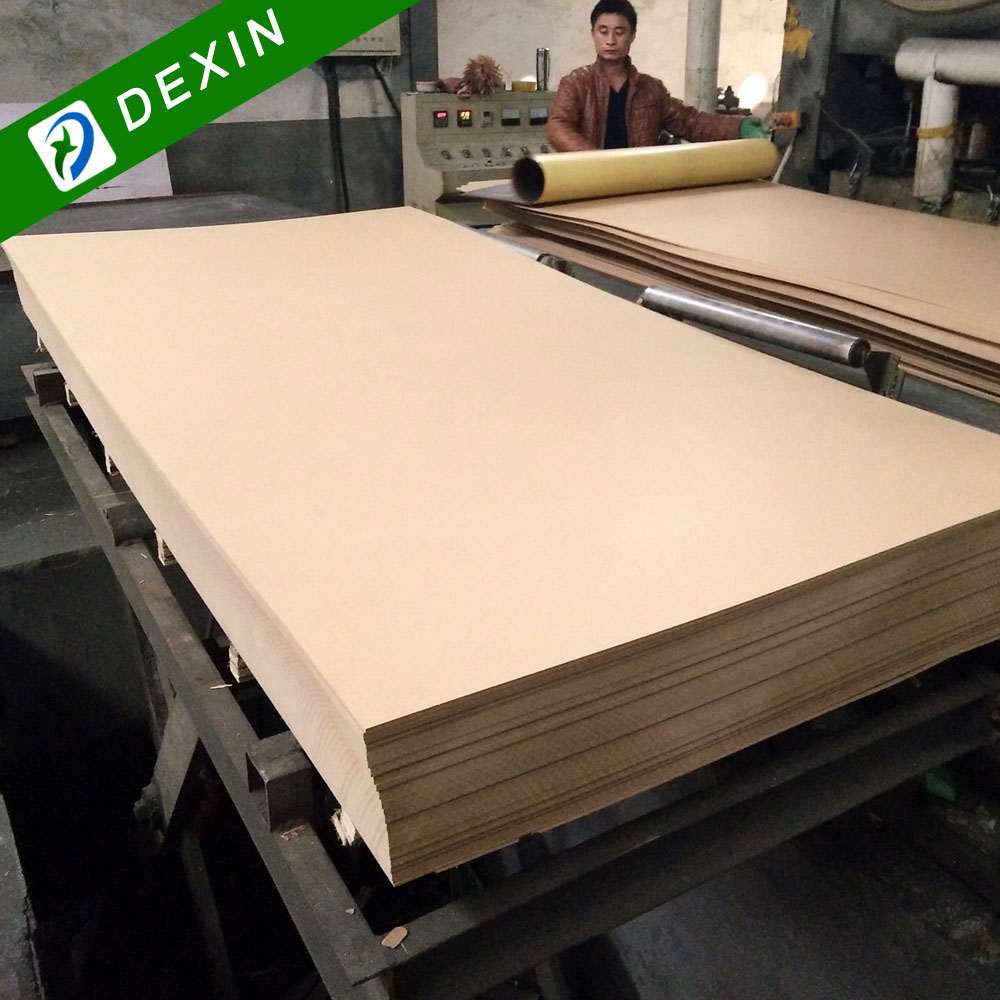
Factory Directly Sale Plain Mdf 12mm 15mm 18mm Raw HDF Board
Raw HDF and MDF for CNC routing, painting and lamination. A useful companion line when buyers combine sanded chipboard, MDF and HDF in one mixed container.
View product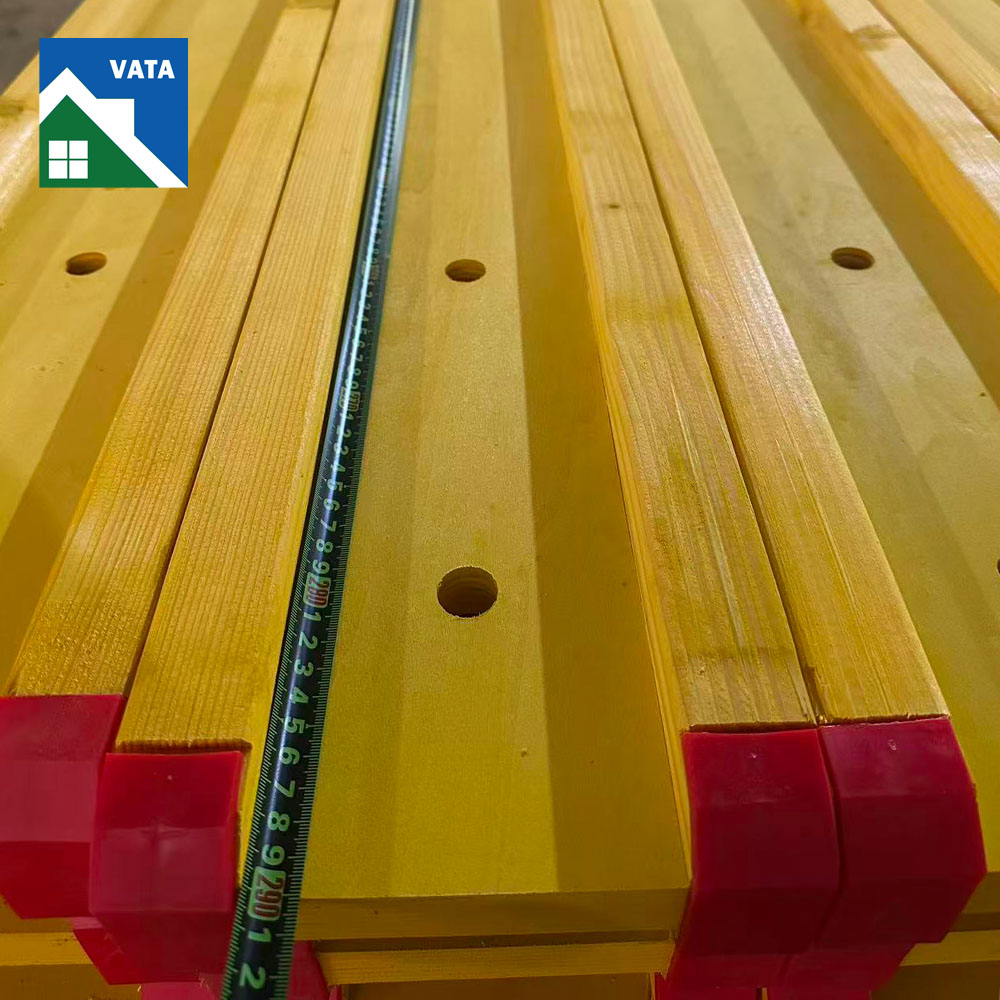
Custom Exterior Use Stable Timber Formwork Beams with WBP Glue Pine or Spruce Flange for Wall Formwork
Engineered formwork beams for wall and slab systems, with WBP glue and pine or spruce flanges for exterior construction projects.
View product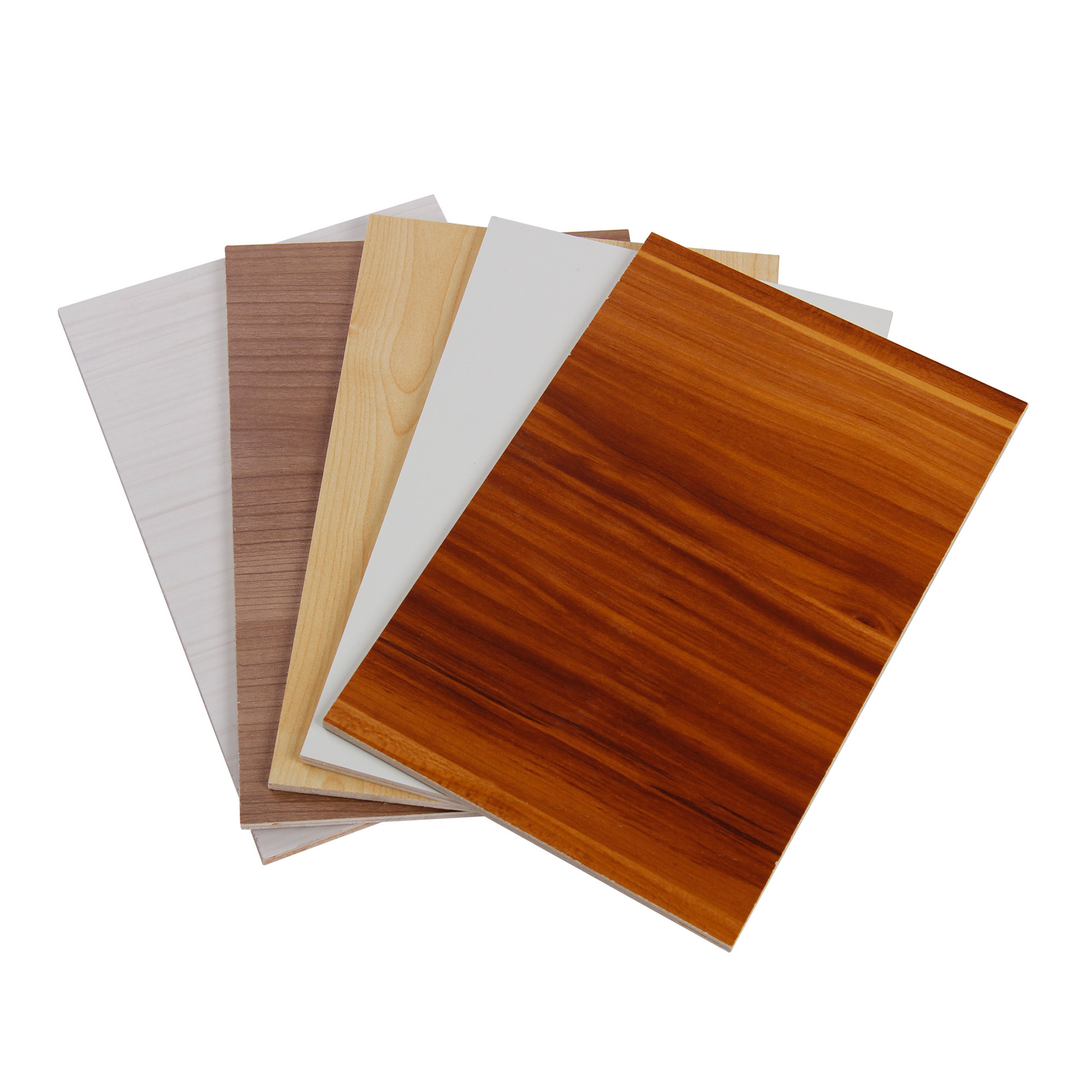
12mm 15mm 16mm 18mm Melamine Wood Board Plywood for Furniture Making
Melamine-faced plywood for furniture frames, drawers and fit-out panels where balanced strength and decorative surfaces are required.
View product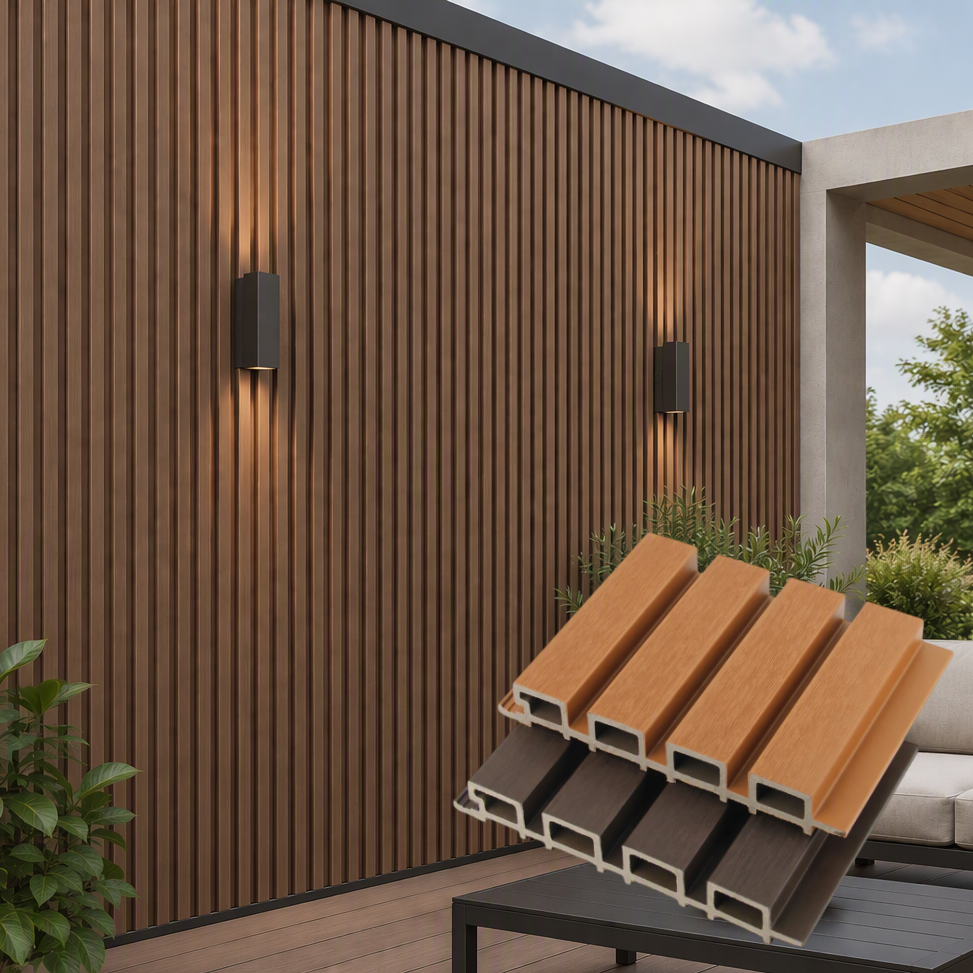
New Style Outdoor WPC Wall Cladding Panels Waterproof Villa Textured Co-Extruded Fluted Facade
Co-extruded WPC facade cladding for villas and commercial exteriors. Waterproof, low-maintenance and suitable for project colour matching.
View product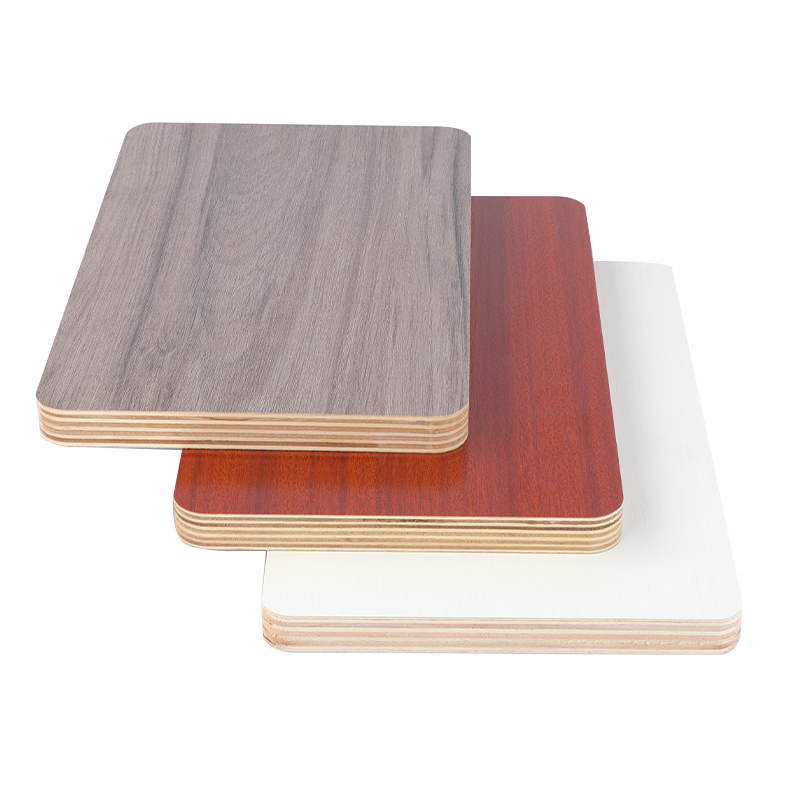
E2/E1/E0 Grade Solid Color and Wood Grain Marine Melamine Plywood Price Philippines From China
Marine-grade melamine plywood in E2/E1/E0 options, supplied in solid colours and wood grains for wet-area furniture and fit-outs.
View product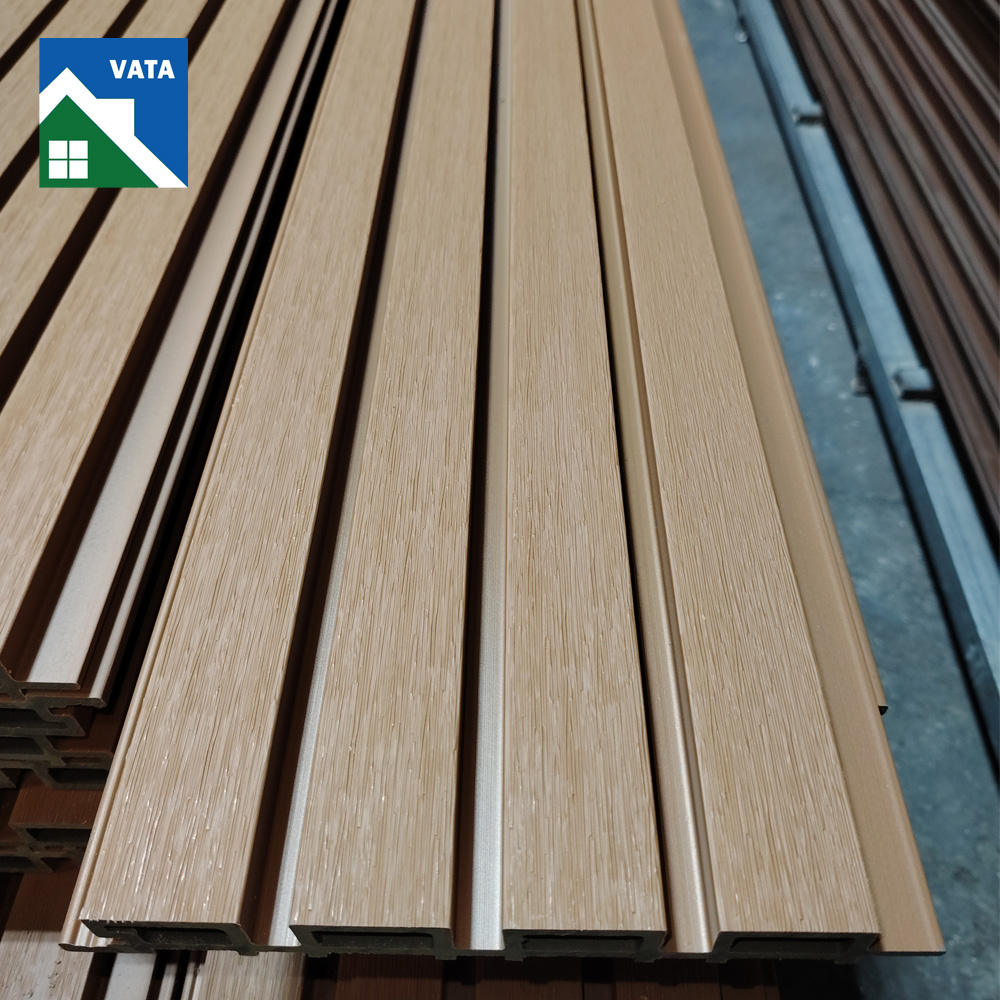
Decorative Outdoor Wood Plastic Composite Partition WPC Fluted Wall Panel Board External Siding Cladding Exterior Wall Cladding
Fluted WPC exterior wall cladding for partition walls, feature facades and external siding, with the look of timber and the durability of composite.
View product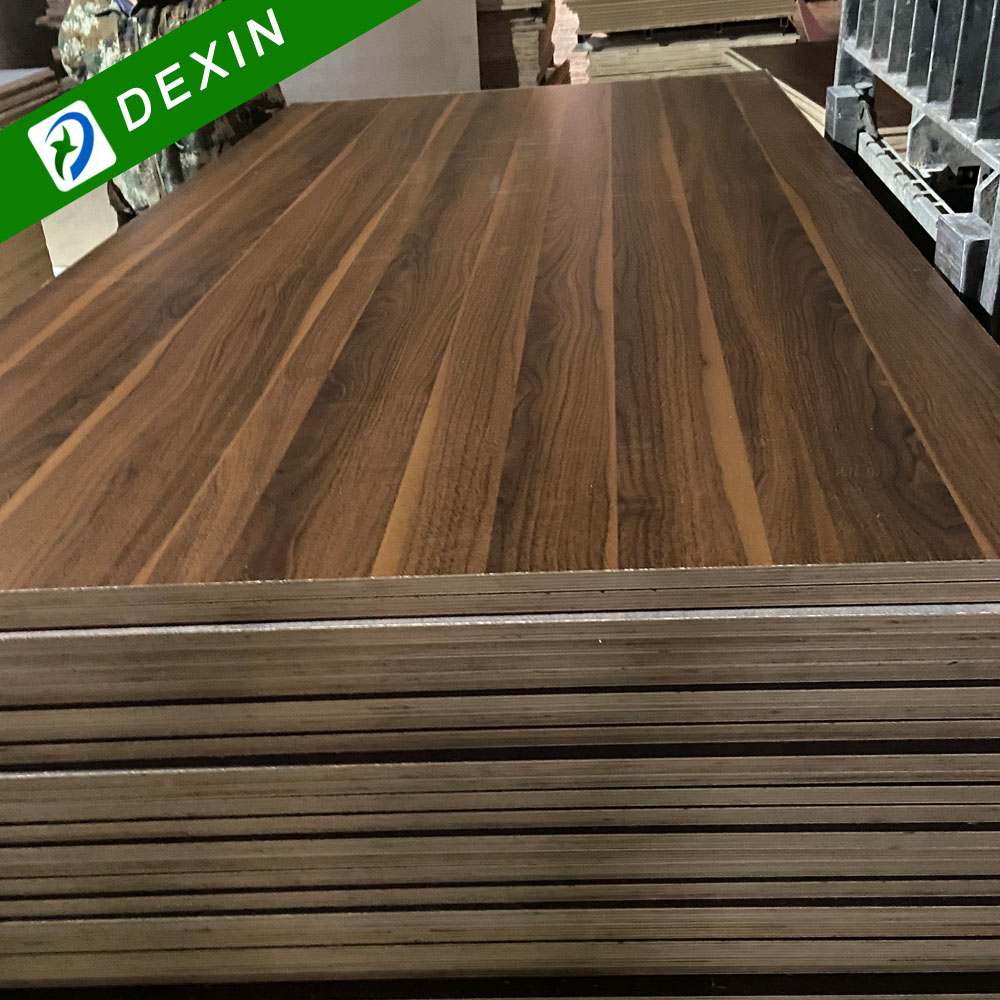
High Quality Waterproof 18mm Melamine Faced Plywood for Furniture
18mm waterproof melamine-faced plywood for furniture, cabinetry and projects that require moisture resistance and a clean decorative face.
View productWhat Does “Sanded Chipboard” Really Mean in China's Export Market?
Sanded chipboard, also called calibrated particleboard or sanded particle board, is a wood-based panel made from wood chips, sawmill residue and selected recycled wood, bonded with resin and pressed into a mat, then sanded to a controlled thickness. Buyers use the word “sanded” to separate a genuinely calibratable board from raw, dimensionally loose chipboard that may be cheaper per cubic metre but expensive at the cabinet line.
For importers, distributors and furniture factories, the search for China's best sanded chipboard factories and suppliers is not a search for the lowest quote. It is a search for repeatable thickness tolerance, stable formaldehyde emission, consistent density and screw-holding, and a supplier who can document what was loaded. A panel that sands 0.2 mm outside the agreed window can create gaps in edge banding; a resin batch with unstable emission can stop a container at the destination. The purchasing decision is therefore technical, commercial and documentary at the same time.
Linyi, Shandong is China's largest wood-based panel cluster, and KUDE's manufacturing group has operated inside that cluster since 1998. That location matters because veneer, wood chips, resin, melamine paper, sanding capacity and container logistics are all within a short supply radius. It allows a factory-linked export platform such as Linyi KUDE International Trading Co., Ltd. to combine chipboard, MDF, plywood and decorative wall panels in one buyer programme rather than forcing importers to manage many unrelated suppliers.
How to Identify China's Best Sanded Chipboard Factories & Suppliers
A low price is easy to quote. A reliable board programme is harder to repeat. These are the four filters that separate a true factory-linked supplier from a quotation-only trading channel.
Sanding calibration under production control
Ask how the factory measures thickness after sanding, how often it calibrates the sander and whether batch thickness data can be shared before loading. A good chipboard supplier treats sanding as a process control step, not a cosmetic finish.
Resin and emission discipline
For EU, US and premium indoor markets, request E0/E1 or CARB documentation and confirm which resin system is used. Emission consistency across batches matters more than a single sample report.
Density, screw-holding and machining
Target density, internal bond and face/edge screw-holding should match the application. Cabinets, shelving, packaging and door cores do not need the same chipboard grade, so a serious supplier will discuss density before quoting.
Mixed-container and export execution
Confirm MOQ per thickness, pallet pattern, corner protection, steel strapping, loading photos and the departure port. For Linyi suppliers, Qingdao port access and mixed-panel consolidation often reduce total landed cost.

Inside Linyi KUDE: The Advantages That Matter After the Quote
Linyi KUDE International Trading Co., Ltd. is the export platform of a wood-based panel manufacturing group founded in 1998 in Linyi, Shandong, China's largest man-made board production cluster. Being inside the cluster gives buyers shorter supply chains for veneer, wood chips, resin and core materials, and more stable communication between the export team and the production floor.
The group runs more than 30 sets of production machines in 30,000 m² of workshops, with over 300 workers and an annual output of 60,000 m³ of plywood, blockboard, MDF, particle board and related panels. Its operating principle is simple: survival by quality, development by prestige. That principle is why the company invests in documented quality control, export packing and long-term buyer relationships rather than one-off quote competition.
- 20+ years production experience
- 15 years of export experience
- On-site assessed by SGS
- OEM / ODM and custom specifications
- CE, ISO 9001, ISO 14001, FSC and CARB
- FOB, CFR, CIF and EXW terms
Sanded Chipboard Specification Snapshot for Serious Buyers
Use this table to build a complete inquiry. It reflects typical export production windows used when buyers request sanded chipboard alongside MDF, plywood and decorative panel lines.
| Parameter | Typical Buyer Target | Why It Matters | What to Confirm |
|---|---|---|---|
| Thickness and sanding tolerance | ±0.1–0.2 mm typical, confirmed per order | Cabinet assembly, edge banding and CNC alignment | Calibration method, batch measurement data and sample approval |
| Density | 650–750 kg/m³ depending on grade | Screw-holding, weight and machining behaviour | Target density, internal bond and application suitability |
| Formaldehyde emission | E0 / E1 / E2, CARB on request | Market access, indoor air quality and brand risk | Resin system, test report and batch traceability |
| Moisture content | Typically 5–8% | Swelling, warping and delamination risk | Drying control and equilibration before packing |
| Surface quality | Sanded, void-free face suitable for lamination | Melamine, PET or UV adhesion and visual finish | Visual inspection standard and touch test |
| Core material | Wood chip, recycled wood or agreed blend | Strength, cost, screw-holding and machinability | Raw material grading, screening and moisture control |
| Packaging | Pallets, corner protectors, steel straps, moisture barrier | Transit damage, claims and unloading efficiency | Pallet pattern, container loading photos and container condition |
| MOQ and mixed container | Typically 50–500 sheets per line, confirmed per order | Inventory planning and cash flow | Combination with MDF, plywood and WPC panels |
Values are typical production windows and are confirmed for each order. Final tolerances, grades and test reports should be written into the purchase specification.
Relative Performance Conversation: Chipboard, MDF and Plywood
This illustrative comparison helps buyers frame the right questions. It is not a test report and should not replace samples, standards or project-specific testing.
Sourcing Trends That Will Shape Sanded Chipboard Orders
Buyer behaviour is shifting from quote-driven purchasing to specification-driven sourcing. These six trends are already visible in serious enquiries from importers and furniture factories.
Emission-first purchasing
E0, E1 and CARB requirements are moving from premium projects into mainstream furniture supply chains. Buyers now ask for resin declarations and batch consistency before discussing price.
Mixed-container panel programmes
Instead of one board per container, buyers combine sanded chipboard with melamine MDF, raw HDF, plywood and WPC wall panels. This reduces supplier management and improves container utilisation.
Verified factory evidence
Factory videos, SGS assessments, loading photos and live video inspection are becoming normal parts of the buyer journey. A credible China supplier should be able to show the production base, not only a catalogue.
CNC-ready and cut-to-size demand
Furniture factories want boards that arrive closer to final dimensions. Calibrated sanding, consistent density and clean edges reduce waste and improve line efficiency.
Decorative integration
Sanded chipboard is increasingly specified with melamine, PET, UV or wood-veneer surfaces. Suppliers who understand both the substrate and the decorative face reduce delamination and colour-matching risk.
Logistics and carbon transparency
Buyers are asking about pack density, container loading efficiency, port of departure and documentation quality. Linyi's proximity to Qingdao gives north China panel suppliers a practical export advantage.
Product Development Trends: What the Next Sanded Chipboard Will Look Like
Chipboard is no longer only a low-cost furniture substrate. New resin systems, moisture-resistant cores and surface-ready sanding are widening its role in cabinetry, fit-out and project furniture.
Moisture-resistant and HMR cores
Green-core and moisture-resistant chipboard grades are gaining attention in kitchen, bathroom and utility furniture where standard chipboard may swell at cut edges.
Low-emission and recycled content
E0/E1 resin systems, CARB compliance and recycled wood content are becoming procurement criteria. Buyers want evidence, not only a grade label on an invoice.
Surface-ready sanding for lamination
Melamine, PET and UV surfaces need a flat, clean substrate. Calibrated sanding and void control are becoming part of the decorative board value proposition.
Fire-retardant, acoustic and lightweight variants
Project buyers are exploring fire-retardant chipboard, acoustic panels and lightweight cores for hotels, offices and public interiors where performance and installation weight matter.
Quality Gates From Chipboard Mat to Loaded Container
A factory is only as reliable as its checkpoints. KUDE's production logic focuses on controlled inputs, calibrated sanding and documented loading.
Raw material and resin control
Wood chips, recycled wood and resin are checked for moisture, grade and consistency before forming. Emission grade and target application are confirmed at this stage.
Forming, pressing and conditioning
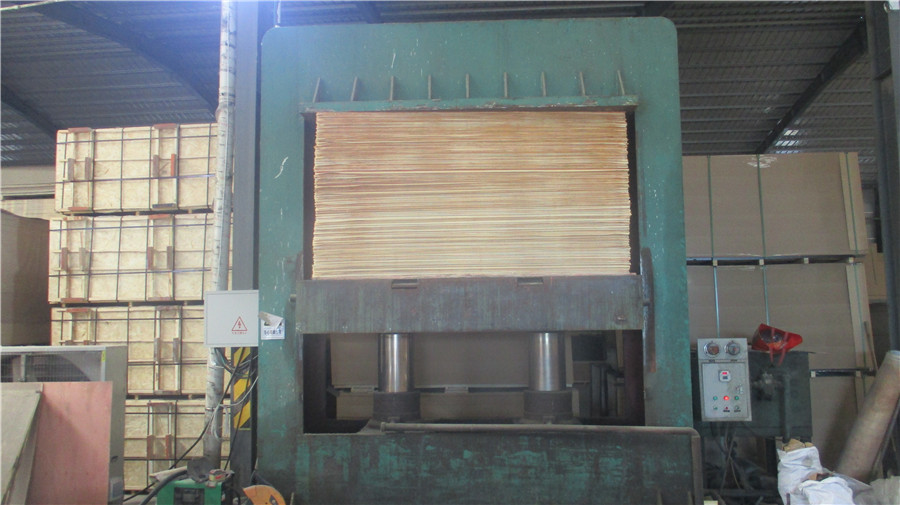
Mat forming, pressing temperature and conditioning time affect density and internal bond. Stable press cycles reduce voids, warping and screw-holding variation.
Calibration sanding and surface check
Boards are sanded to the agreed thickness window and checked for flatness, surface voids and edge quality before lamination or packing.
Inspection, packing and loading evidence
Final checks cover thickness, moisture, visual quality and pallet condition. Loading photos and export documents are prepared before the container leaves the factory.
 Production line
 Hot press workshop
 Quality inspection
 Finished stock
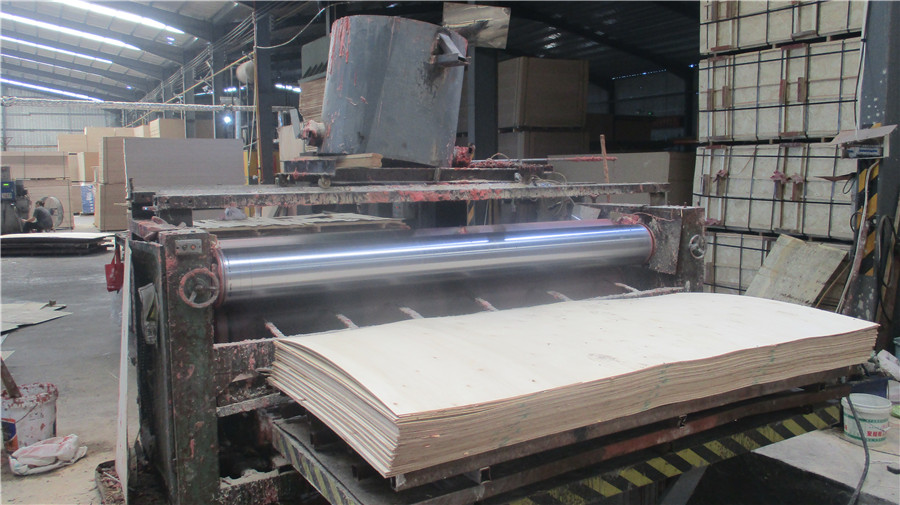 Lamination line
 Export packing
Frequently Asked Questions About China Sanded Chipboard Factories & Suppliers
What is sanded chipboard, and how is it different from raw chipboard or MDF?
How can I verify a China sanded chipboard factory before ordering?
Which certifications should I request for the EU, US and Middle East?
What is the typical MOQ, and can I mix chipboard with other panels?
Can thickness, size, density, melamine face and packaging be customized?
What payment terms, trade terms and ports do you use?
How do you control thickness tolerance and surface quality?
How is sanded chipboard packed for sea freight?
Planning a Sanded Chipboard or Mixed Panel Container?
Send your required thickness, density, emission grade, melamine decor, panel size, quantity and destination port. Our export team will review the specification and respond with a practical sourcing proposal.
Get a Quote