China Best Teak Plywood Manufacturers & Manufacturer
A factory-direct sourcing guide for teak-faced plywood, teak-colour melamine boards, waterproof marine plywood and MDF from a CE, FSC and CARB certified wood-based panel group.
8 Products for Teak Plywood, Melamine Board and MDF Buyers
Use this shortlist to match the product to the application before requesting a quotation. Each card links to the live product page. Final size, core, glue, emission grade and packaging are confirmed against the destination market and order volume.
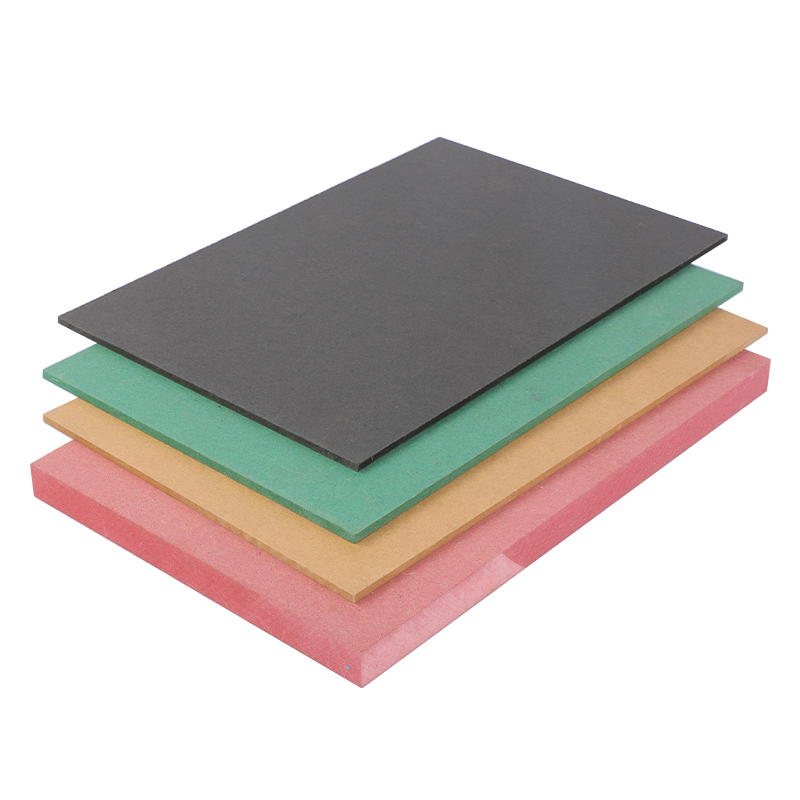
High Quality 3mm–18mm Raw/Plain MDF Sheet
A cost-controlled substrate for veneer, melamine or teak-look lamination. Suitable when buyers need a stable, sanded MDF base for furniture panels and routed components.
- 3–18 mm
- Plain / Sanded
- Emission Options
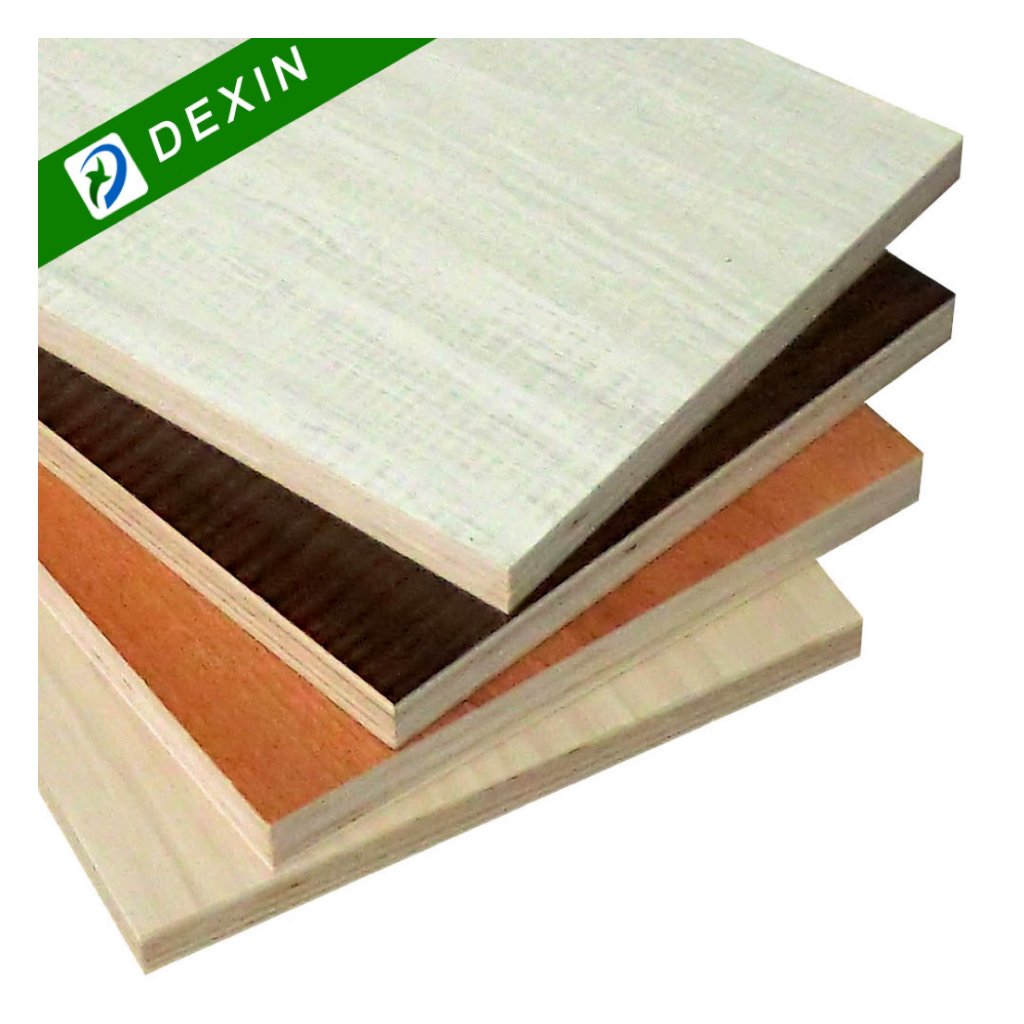
3mm 12mm 18mm E0 Melamine Plywood for Furniture Cabinets
First-class melamine faced plywood for wardrobes, cabinets and contract furniture. Choose this when the project requires a clean decorative face and low-formaldehyde documentation.
- E0
- 3–18 mm
- 4×8 ft
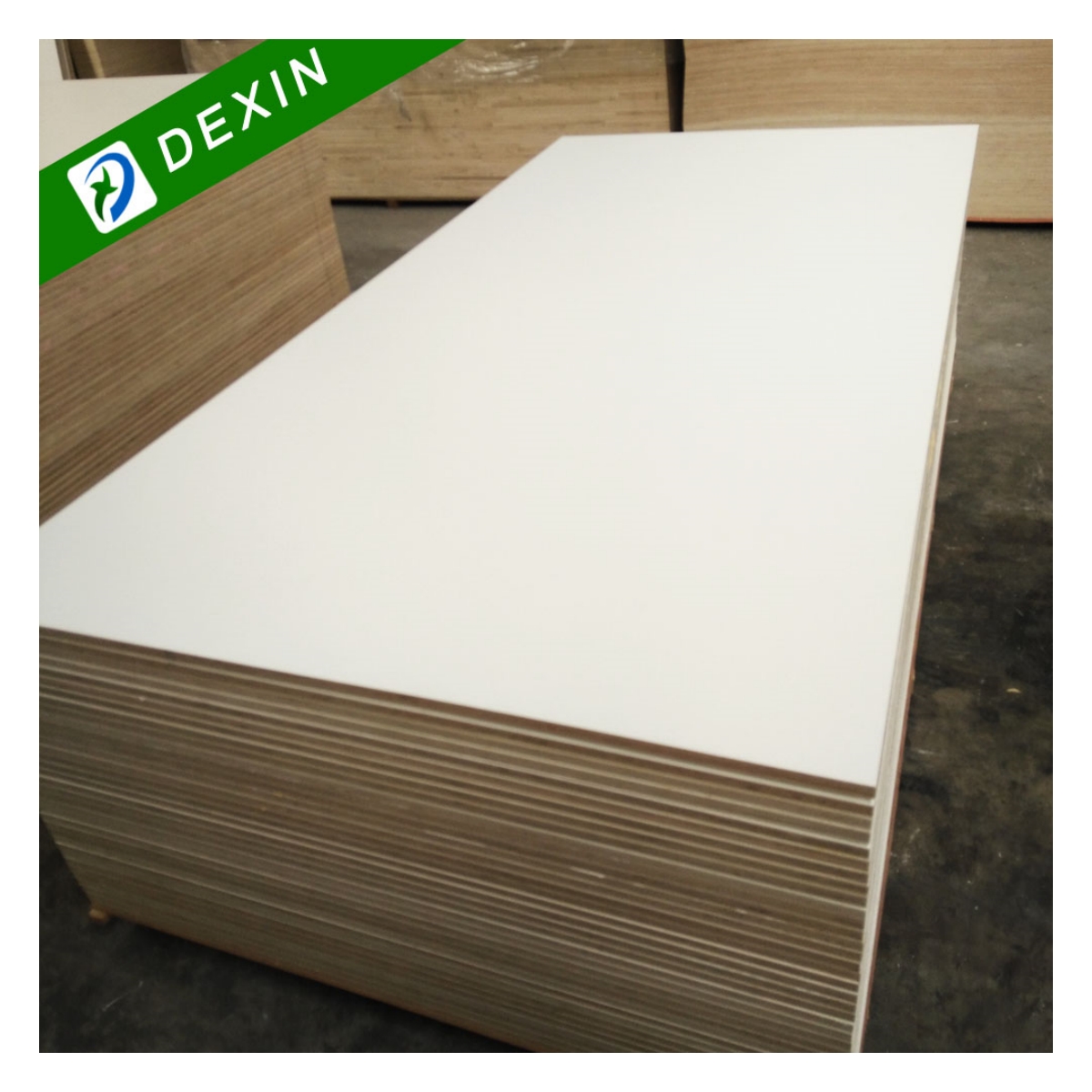
6mm 12mm 18mm Teak / Oak / Maple Melamine Plywood
The closest match to “teak plywood” intent when the required finish is a teak-colour melamine decor rather than solid teak veneer. Consistent grain and colour help furniture factories reduce waste.
- Teak Decor
- 1/2–3/4 in
- Furniture
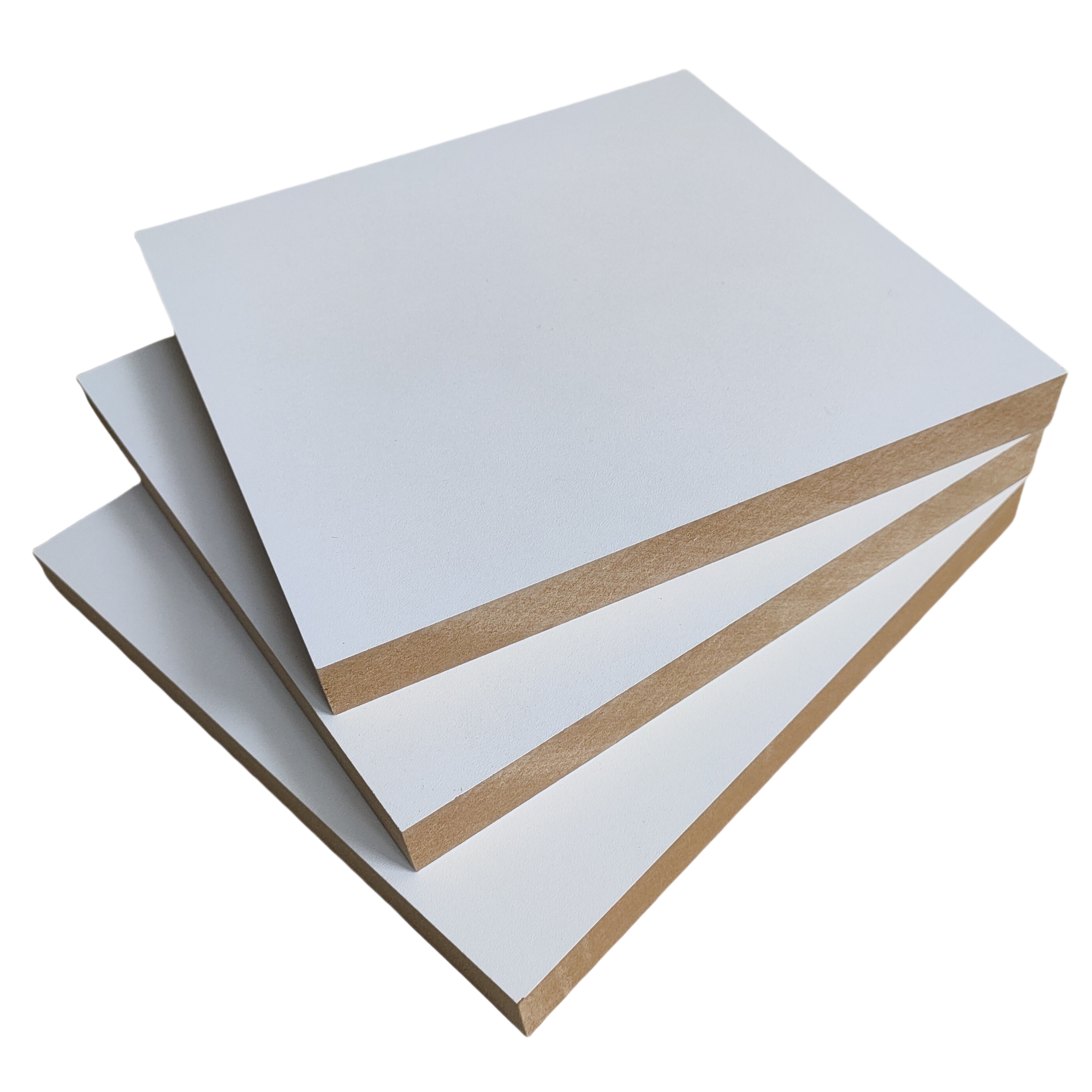
18mm Moisture-Proof White Melamine MDF Board
A practical board for kitchen and bathroom cabinet bodies where clean white surfaces and moisture resistance matter. E1 grade and wood-fibre core support routine cabinet-making.
- 18 mm
- E1 Grade
- Moisture-Proof
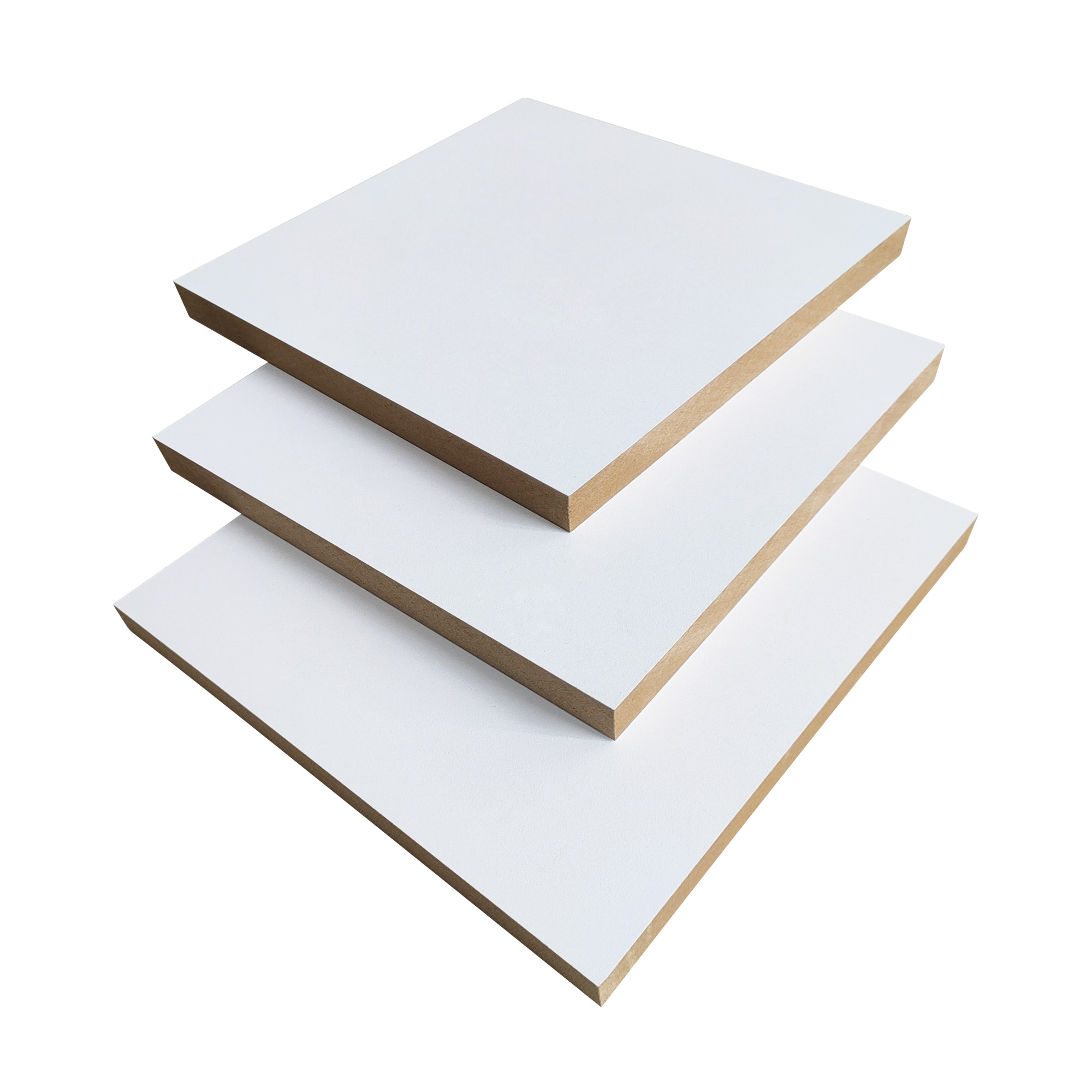
4x8ft White Melamine MDF Board for Kitchen Use
Multiple thickness options for drawer bottoms, cabinet doors and shelving. A useful complement to teak-look boards in mixed-container orders for distributors and project buyers.
- 4×8 ft
- White
- 3–16 mm
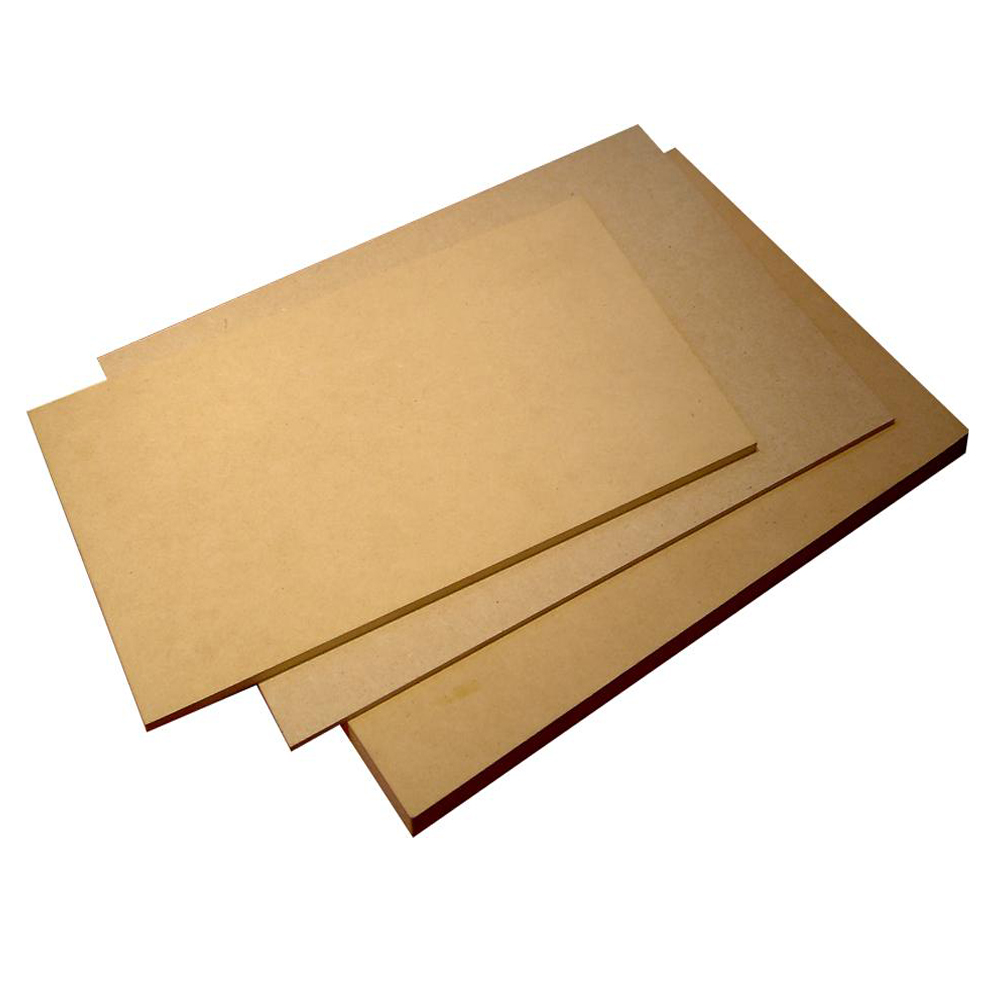
Raw Thailand MDF Board E0 / E1 / E2
For importers who laminate in-country, raw Thailand MDF can be a cost-efficient base. Confirm density, sanding quality and formaldehyde grade before combining it with decorative faces.
- E0 / E1 / E2
- Raw MDF
- Bulk Supply
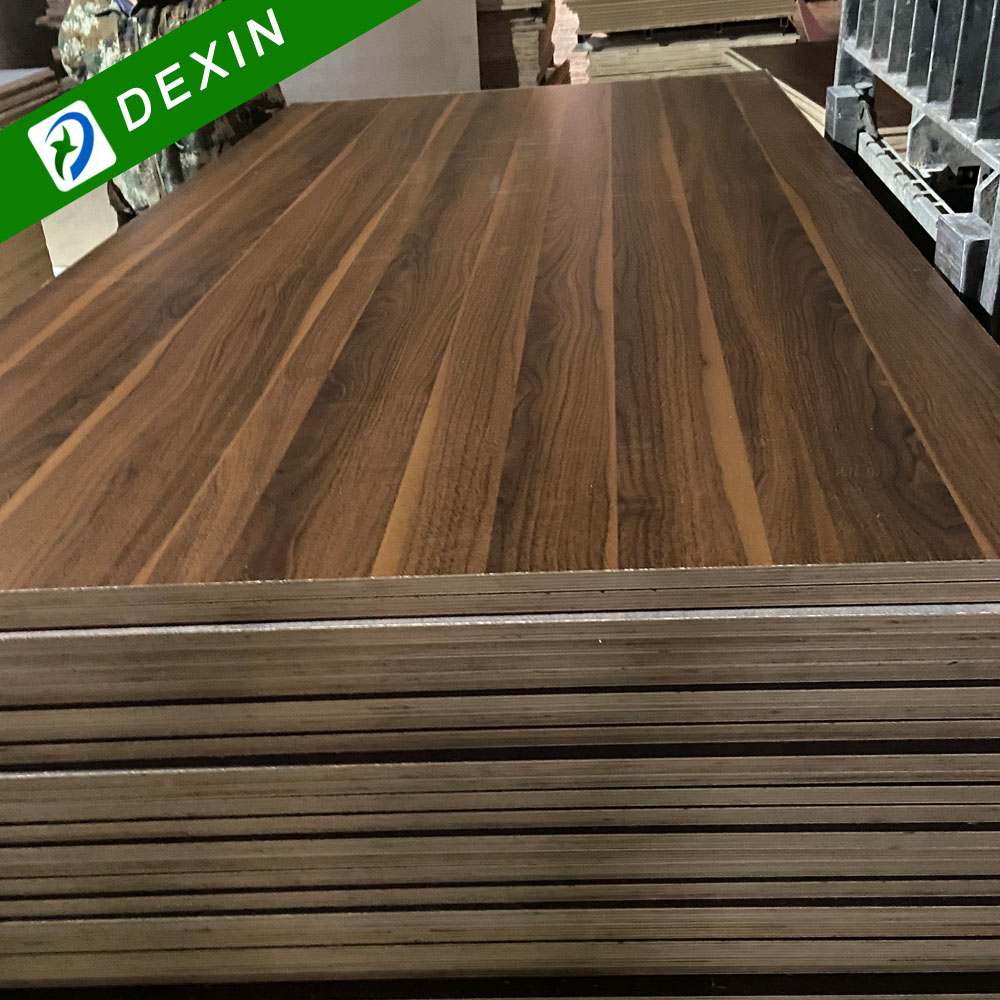
18mm Waterproof Melamine Faced Plywood for Furniture
Waterproof melamine faced plywood for furniture in humid environments. The decorative face resists daily cleaning while the core and glue system support wet-area joinery.
- 18 mm
- Waterproof
- Furniture
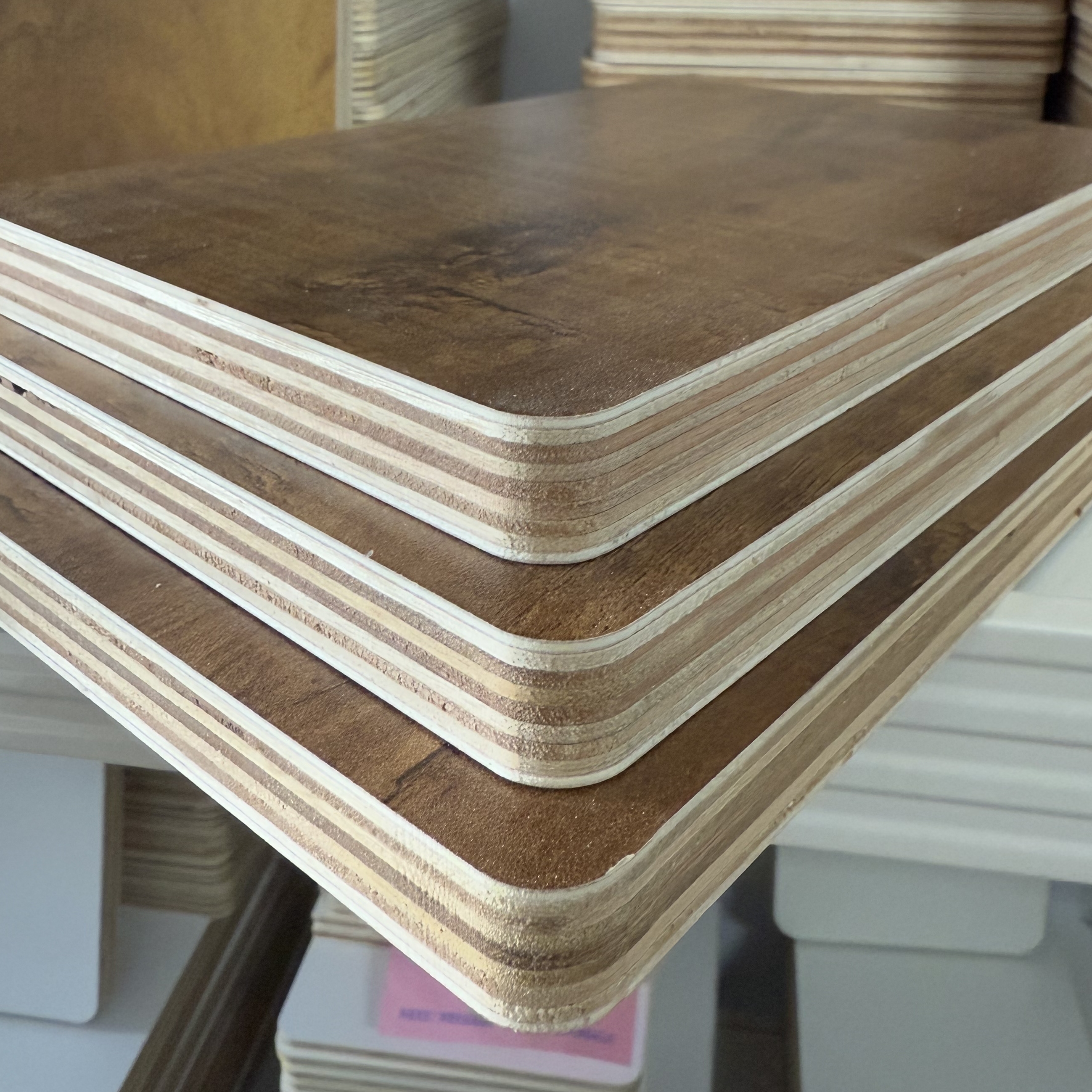
18mm Waterproof Marine Melamine Plywood, Wood & Marble Grain
Marine laminated plywood with white wood grain or marble grain faces for decorative wet-area joinery. Specify edge sealing and glue class when the project requires formal approval.
- 4×8
- Marine
- Wood / Marble
KUDE at a Glance
Real manufacturing depth matters when a buyer compares teak plywood manufacturers in China. These figures come from the production group behind Linyi KUDE International Trading Co., Ltd.
Additional facts: 300+ workers, 30+ machine sets, 15 years of export experience, and on-site assessment by SGS. Always confirm the current certificate scope for your exact product and destination.
What “Best” Should Mean When You Compare Teak Plywood Manufacturers in China
Buyers searching for China best teak plywood manufacturers & manufacturer usually have one of four buying intentions: find a teak-faced decorative panel, find a teak-colour melamine substitute, source waterproof marine plywood, or secure a factory-direct MDF/plywood supplier for furniture production. The strongest supplier is not the one that repeats the word “best”; it is the one that can document the face material, core, glue, emission grade, thickness tolerance, packing and loading process.
Product Clarity
Confirm whether the “teak” face is real teak veneer, teak-colour melamine paper, UV/PET film or printed décor. Price, repeatability and lead time differ sharply between these options.
Core and Glue
Check the core species, density, glue type and edge sealing. For humid interiors, request moisture-resistant or waterproof glue systems; for dry furniture, E0 or E1 formaldehyde grades may be preferred.
Verified Compliance
Match certification to the market: CE, FSC, CARB, ISO 9001, ISO 14001 and test reports for formaldehyde. Ask for the latest certificate scope and a signed specification before deposit.
Factory Evidence
Look for production lines, an on-site SGS assessment, loading photos and export documentation. A trading office can sell panels; only a controlled factory can consistently deliver the same batch after batch.
The most common specification mistake is treating “teak plywood” as one product. A teak veneer face, teak melamine décor and teak-colour printed MDF are different products with different risk profiles. Clarifying that point before negotiation usually saves more money than a small unit-price concession.
Why KUDE Is a Qualified Teak Plywood and Panel Manufacturer
Linyi KUDE International Trading Co., Ltd. is the export platform of a wood-based panel manufacturing group founded in 1998 in Linyi, Shandong, China’s largest wood-based panel production cluster. The group combines production depth, export experience and document control for importers, distributors, furniture factories and contractors.
Linyi Cluster Advantage
Located in the biggest man-made board production base in China. Short supply chains for veneer, glue and core materials support stable pricing and faster specification changes.
Production Depth
30,000 m² of workshops, 30+ machine sets, 300+ workers and annual output of 60,000 m³ across plywood, MDF, blockboard and particle board lines.
15 Years of Export
Products reach more than 30 countries and regions, with experience in T/T and L/C payment, FOB, CFR, CIF and EXW terms, and export documentation for different markets.
Certified Quality
CE, ISO 9001, ISO 14001, FSC and CARB certifications, with an SGS on-site assessment. Formaldehyde grades E0, E1 and E2 are available depending on the product line.
Customization
Sample-based, design-based and full customization: size, thickness, core species, face veneer or décor, glue type, logo printing and seaworthy export packaging.
Loading Documentation
Export pallets, steel straps, corner protection and loading photos help buyers verify quantity, packing and container condition before departure from Qingdao and nearby ports.





KUDE’s operating principle is simple: survival by quality, development by prestige. For importers, that principle should be visible in the sample, the test report, the packaging photo and the final loading record — not only in a brochure.
Teak Plywood Procurement Trends for 2025–2026
Buyers are moving away from simple price comparison toward landed-cost control, compliance evidence and supplier reliability. These four procurement shifts are especially relevant for importers, distributors and furniture manufacturers.
Compliance-First Sourcing
Low formaldehyde is now a baseline expectation in many furniture and interior projects. Buyers increasingly request E0/E1 or CARB evidence, FSC chain-of-custody where applicable, and product-specific test reports before confirming an order.
Mixed-Container Consolidation
Distributors prefer to combine teak-look melamine plywood, white MDF, raw boards and decorative wall panels in one container. A supplier with multiple product lines can reduce inventory risk and simplify supplier management.
Design-Driven Alternatives
Teak-colour melamine, UV-coated MDF and PET film surfaces are replacing some natural veneer demand because they offer repeatable colour, easier cleaning and lower maintenance for furniture and cabinetry.
Remote Factory Verification
Video inspections, loading photos and batch-specific test reports are now routine tools for overseas buyers. Procurement teams want traceable evidence before balance payment, not after the container arrives.
Product Development Trends in Teak Plywood, MDF and Decorative Panels
The panel industry is developing around surface realism, moisture resistance, lower emission and faster installation. These trends help buyers plan the next product range instead of purchasing only for today’s order.
Engineered Teak Looks
Teak-colour melamine and printed décor surfaces continue to improve. The better ranges offer repeatable grain, consistent colour between batches and scratch-resistant finishes for cabinets and wardrobes.
Waterproof and HMR Cores
Moisture-resistant MDF and waterproof marine plywood are increasingly specified for kitchens, bathrooms and commercial interiors. Edge sealing and glue class are becoming part of the buying checklist.
UV, PET and Super-Matt
High-gloss UV MDF and PET laminated MDF give cabinet makers easy-clean, design-led surfaces. Matte and super-matt finishes are gaining ground in modern kitchen and wardrobe projects.
Wall Panel Diversification
WPC wall panels and bamboo charcoal boards give importers a complementary decorative range. These products suit fast interior installation in hotels, retail and residential projects.
Teak Plywood Specification Checklist Before You Order
Use these questions to convert a general sourcing request into a measurable purchase specification. This checklist is especially useful for first-time importers comparing Chinese teak plywood manufacturers.
| Question to Confirm | What to Specify | Why It Matters |
|---|---|---|
| Is the face real teak veneer or teak melamine décor? | Face material, colour code, grain direction, matching requirement and sample reference. | Price, repeatability and lead time differ. Real veneer is valued for natural variation; melamine is valued for consistency. |
| What core is behind the face? | Poplar, eucalyptus, combi, pine or MDF; density and thickness tolerance. | The core affects weight, screw-holding strength, flatness, machining quality and final cabinet performance. |
| Which glue system suits the application? | MR, WBP or waterproof marine glue; edge sealing method. | Humid interiors and wet areas require more than a decorative surface. Glue and edge protection control long-term risk. |
| Which formaldehyde grade is required? | E0, E1 or E2; CARB on request; latest test report and certificate scope. | Compliance requirements differ by market and customer. A written grade protects both buyer and supplier. |
| What size and thickness are needed? | 1220×2440 mm, 4×8 ft, 2.5–25 mm or project-specific sizes; tolerance and sanding requirement. | CNC routing, edge banding and installation all depend on stable dimensions and predictable thickness. |
| How should the goods be packed and loaded? | Export pallets, corner protectors, steel straps, moisture barrier, loading photos and container plan. | Panel damage and moisture exposure often cause claims. Documented packing is part of product quality. |
From Veneer to Container: Five Quality Checkpoints
KUDE’s production process follows a practical quality-control sequence. For buyers, each checkpoint should produce evidence that can be reviewed before shipment.
Material Selection
Veneer grading, core sorting and moisture checks before gluing.
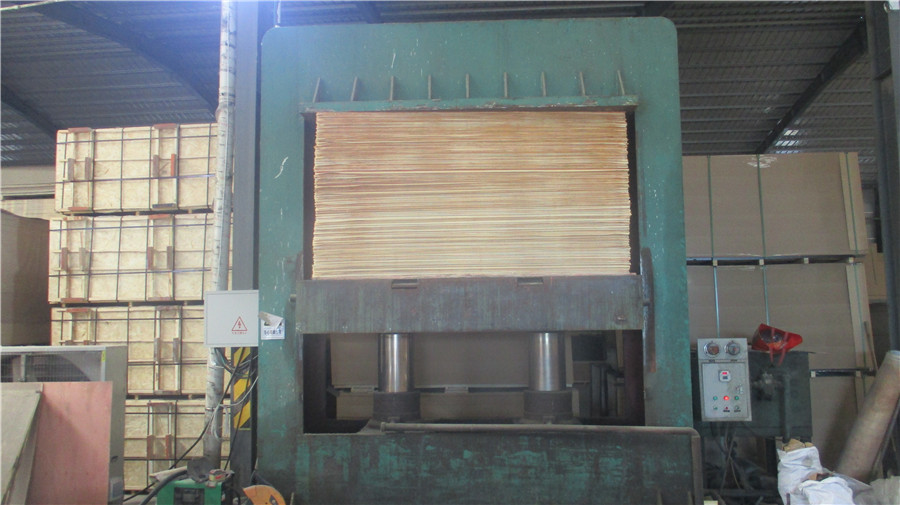
Gluing & Pressing
Controlled glue spread, cold and hot pressing cycles for bonding stability.
Sanding & Surfacing
Calibrated sanding, lamination or film overlay for a consistent face.
Inspection
Thickness, flatness, bonding, surface and packaging checks.
Packing & Loading
Export pallets, edge protection, straps and loading photos.
Teak Plywood & Panel Sourcing FAQ
These are the questions importers, distributors and furniture factories ask most often when comparing teak plywood manufacturers and MDF suppliers in China.
What does “teak plywood” mean in the Chinese export market?
How can I identify a reliable teak plywood manufacturer in China?
What sizes and thicknesses are available?
Which formaldehyde grade should I choose for furniture, kitchens or marine use?
Can KUDE customize teak colour, face, logo, size and packaging?
What is the MOQ, payment method and trade term?
How are panels packed and shipped from Linyi?
How do I request a sample, price and catalog?
Request the Teak Plywood, Melamine and MDF Catalog
Planning a container order or a furniture production program? Send your required size, thickness, face type, emission grade and destination port. KUDE’s export team will reply with a product recommendation, technical specification and quotation basis.