China Best Walnut Plywood Manufacturer & Suppliers
Factory-direct walnut veneered plywood and engineered panel solutions from a 30,000 m² Linyi manufacturing base—built for importers, distributors, furniture factories and project contractors who need verifiable face grade, stable moisture content and container-ready consistency.
8 Export-Ready Products for Walnut Plywood Programs and Adjacent Panel Supply
A walnut plywood order rarely stands alone. Importers often combine walnut veneered panels with MDF cabinet cores, melamine boards, H20 beams for site work, WPC cladding and marine-grade plywood. The eight products below are selected from KUDE’s export range so buyers can consolidate mixed-container loads and validate several specifications in one factory audit. Each product URL is preserved; confirm final veneer, core, glue and emission grade with the sales team before issuing a purchase order.
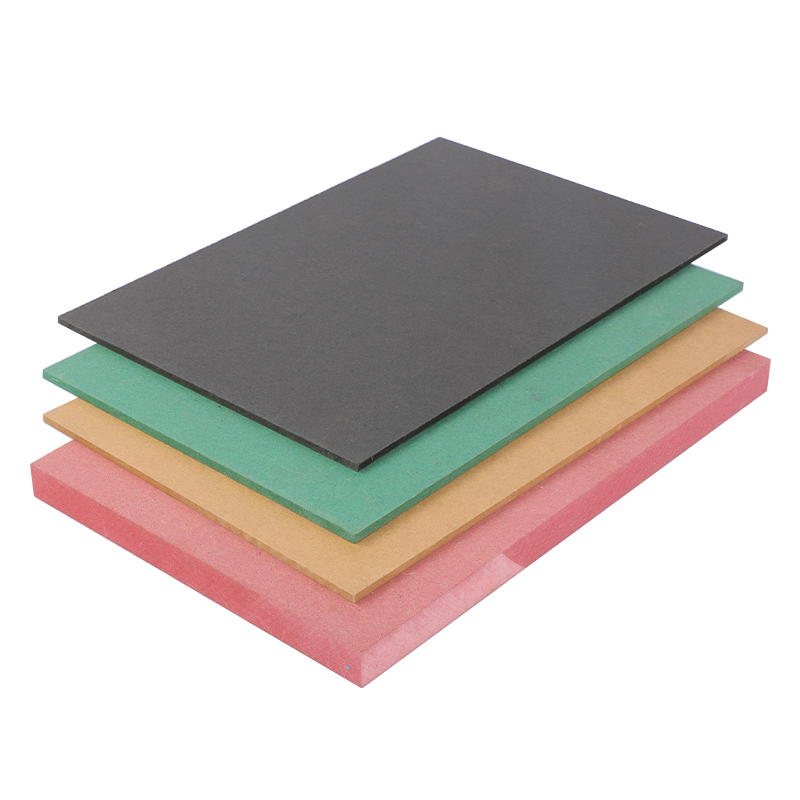
High Quality 3mm~18mm Raw/Plain MDF Sheet with Best Price
A sanded substrate for painted walnut-effect cabinetry, shopfitting and veneer backing. Specify E0/E1 and HMR grade when the project has intermittent moisture exposure.
View product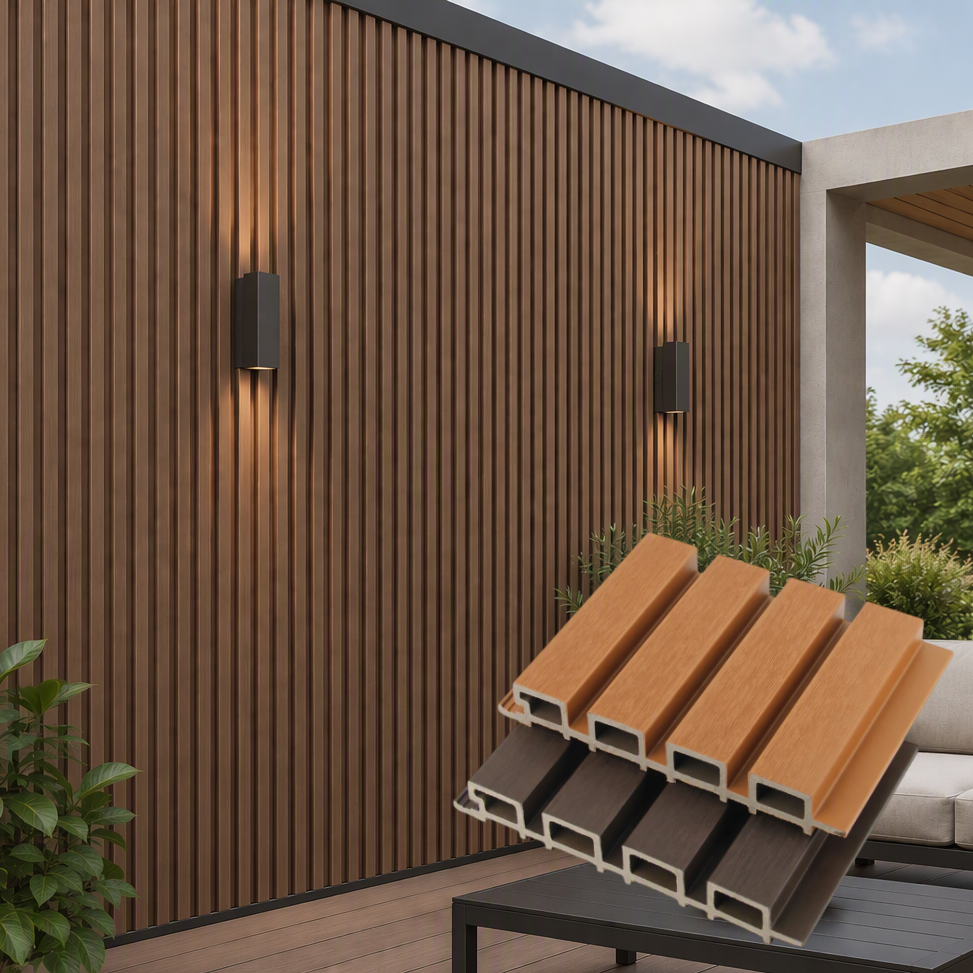
New Style Outdoor WPC Wall Cladding Panels Waterproof Villa Textured Co-Extruded Fluted Facade
Waterproof exterior or semi-exterior cladding for hospitality facades and villa feature walls. Co-extruded fluted texture reduces maintenance and supports mixed-material facades.
View product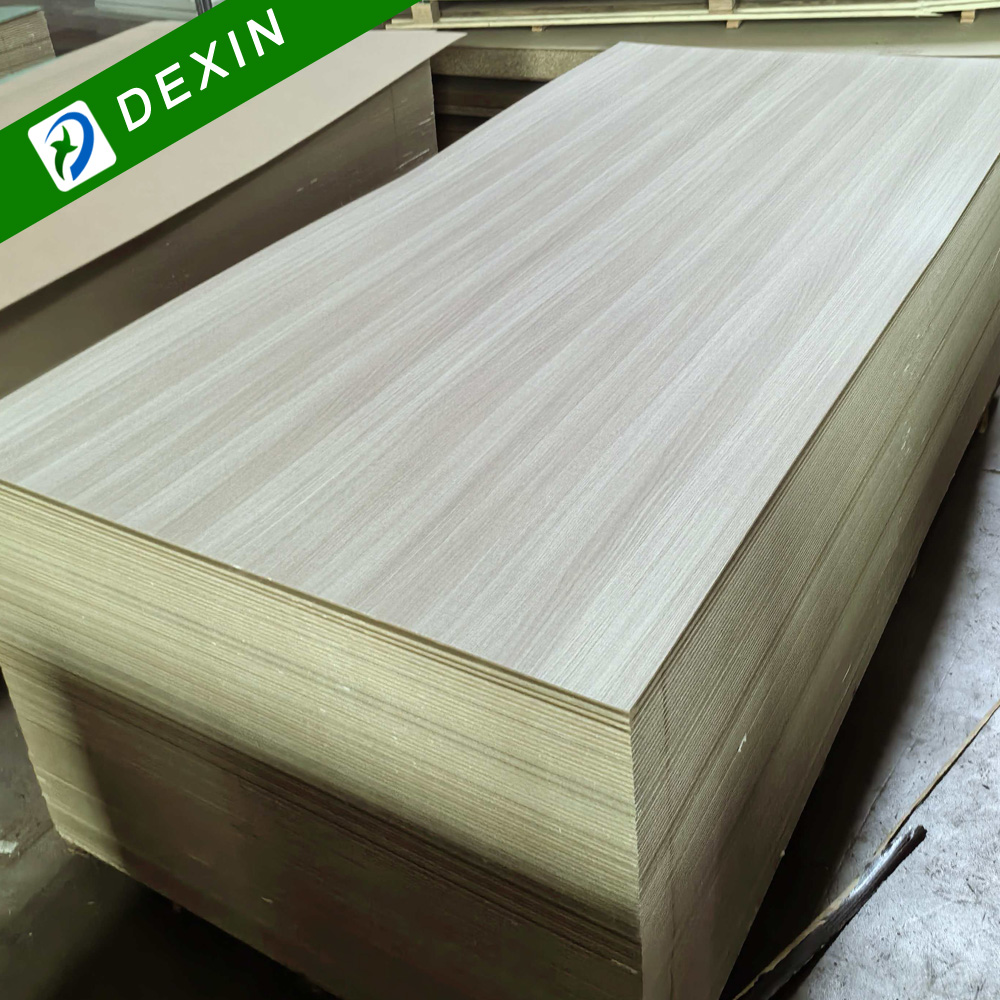
Moisture Resistant 4mm 15mm 17mm 18mm Melamine MDF Wood Panels 1220x2440mm White Textured MDF Melamine
White melamine MDF for wardrobe interiors, drawer boxes and contrast panels where walnut veneer is reserved for visible faces. A practical way to control cost while protecting appearance.
View product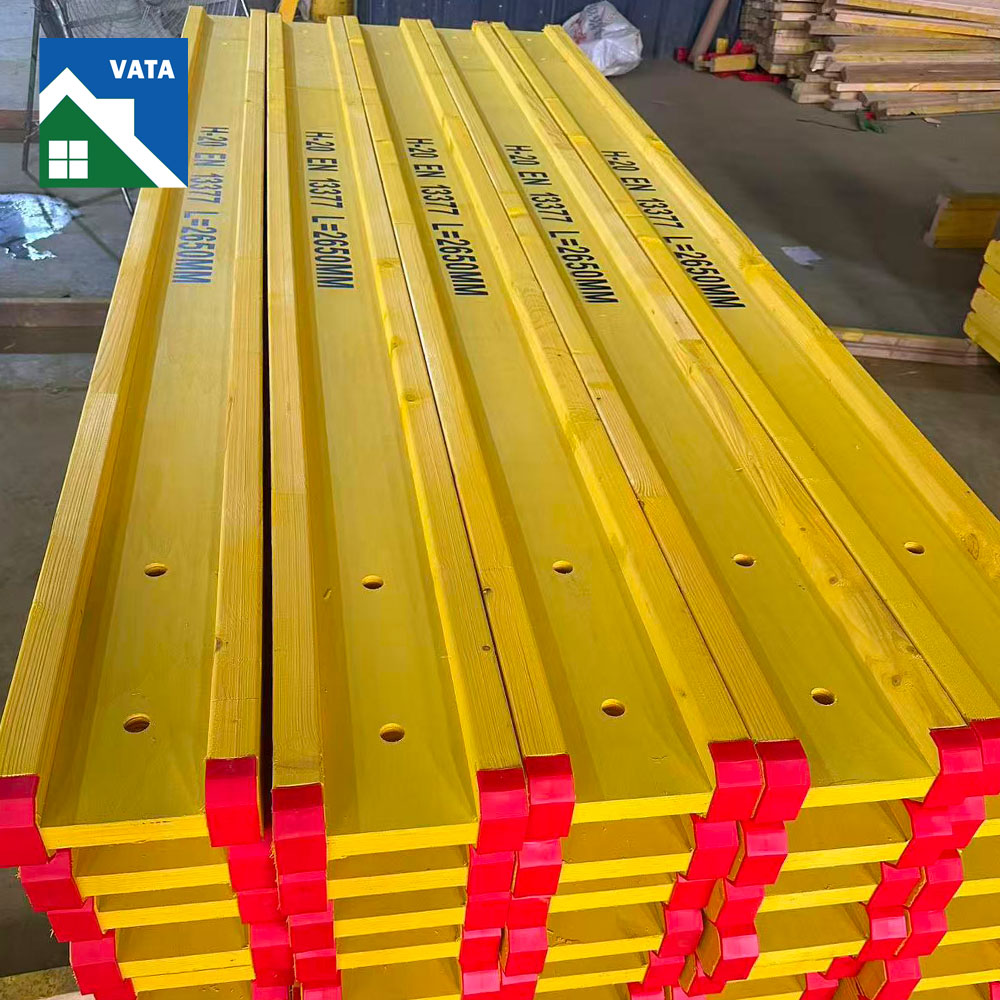
Factory Direct High Strength H20 Timber Beam Waterproof LVL Structural I Beams for Concrete Formwork
Structural H20 timber beam for concrete formwork. Useful for contractors who buy panels and formwork accessories from one source, reducing coordination risk on site.
View product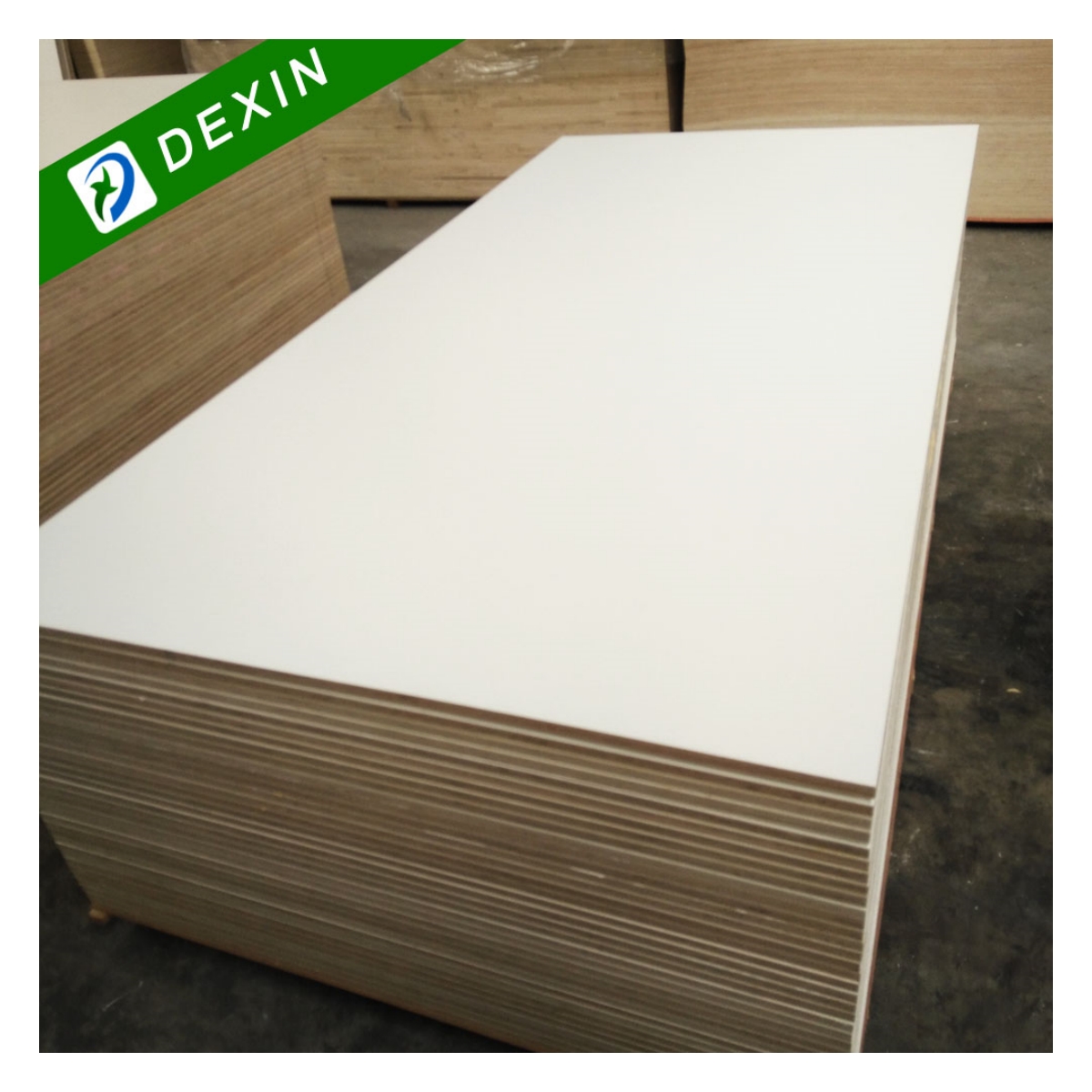
Good Quality 6mm 12mm 18mm Teak/Oak/Maple Melamine Plywood 1/2,3/4 in Plywood Sheet for Furniture
Furniture-grade melamine plywood in teak, oak or maple finishes for mixed-material interiors, quick-ship furniture and budget-controlled walnut accent programs.
View product
16mm 15mm 12mm 18mm Eco-Friendly Modern MDF Board with Blanco Single/Double Sided Melamine Covering for Cabinet
Single or double-sided melamine MDF for cabinets where walnut is specified as a premium accent rather than a full-face material. Suitable for efficient panel nesting.
View product
Customized Length Water Resistant Spruce Wooden H20 Timber Beam with 80x200mm for Concrete Formwork System
Custom-length spruce H20 beam for formwork systems. A logical mixed-load item for distributors supplying construction contractors alongside film-faced and marine plywood.
View product
Good Price 1200x2400x18mm Melamine Coated Plywood Custom Thickness Marine Board for Furniture
18 mm melamine-coated marine plywood for furniture and wet-area cabinetry. A cost-stable alternative in mixed-material furniture programs requiring stronger moisture resistance.
View productWhat “Best” Should Mean in a China Walnut Plywood Search
For B2B buyers, the phrase “China best walnut plywood manufacturer & suppliers” is not a request for an adjective. It is a request for evidence.
People searching for a China walnut plywood manufacturer are usually validating four things at once: whether the factory can produce a premium decorative face, whether the core and adhesive match the application, whether the documentation will clear the destination market, and whether the supplier can repeat the same result across containers. A supplier can publish attractive photos and still fail on face veneer thickness, color sorting, moisture balance or packing discipline. That is why “best” should be treated as a scorecard, not a slogan.
Walnut plywood is generally an engineered panel: a decorative walnut veneer is bonded to a plywood core, MDF core or another stable substrate. Performance depends on the species and grade of the walnut face, the thickness of the veneer, the flatness and moisture content of the core, the glue line, the sanding allowance and the final surface system. A panel that looks correct in a single photo may show sapwood variation, sand-through or telegraphing once eight sheets are installed side by side.
Linyi KUDE International Trading Co., Ltd. operates inside Linyi, Shandong, China’s largest wood-based panel cluster. The manufacturing group behind KUDE was founded in 1998, runs more than 30 sets of production machines in 30,000 m² of workshops, employs over 300 workers and produces about 60,000 m³ of plywood, blockboard, MDF and particle board annually. Its export platform supplies plywood, MDF, melamine boards and decorative panels to more than 30 countries. The practical advantage for walnut plywood buyers is proximity to veneer, core, glue and pressing capacity—combined with export documentation, customization and container consolidation.
Information-gain principle: request a sealed reference sample and a batch-level document pack before comparing FOB prices. A lower quotation that produces 8% extra rejects, color mismatch or customs delays is usually more expensive than a transparent quote with verified face grade, glue type and packing specification.
Walnut Plywood Buying Standard: Six Checks That Decide Visual Yield and Compliance
Use these checks to compare China walnut plywood suppliers on measurable criteria rather than brochure language.
Species and Color Sorting
Clarify whether the face is American black walnut, European walnut or Chinese walnut. Color-sorted bundles with controlled sapwood are essential for book-matched wall panels, hotel joinery and furniture runs. A low-grade mix can look acceptable in one photo but fail when multiple sheets are installed together.
Face Veneer Thickness
For furniture and architectural veneer, request a face around 0.5–0.6 mm, or a thicker grade where re-sanding is expected. Thin faces raise sand-through risk and reduce usable yield. Approve a sealed reference sample and keep it with the purchase order so the factory and QC team work to the same standard.
Core, Flatness and Moisture
Poplar, eucalyptus and combi cores behave differently during machining. Specify core species, density range, thickness tolerance and moisture content. For cabinetry, ask for flat, calibrated panels; for projects exposed to intermittent humidity, consider HMR MDF or WBP glue construction where appropriate.
Adhesive and Formaldehyde Grade
State E0, E1, E2 or CARB P2 according to your market and product use. Do not treat a certificate as an order-level guarantee: request the corresponding test report, batch identification and FSC chain-of-custody documents where relevant. Glue type must match moisture risk, not simply the lowest price target.
Surface and Finishing Compatibility
Walnut veneer may be supplied raw, sanded, UV-coated, melamine-pressed or lacquered. Each finish changes adhesion and repairability. Ask for a finished sample that matches your coating system; check grain raise, color shift, edge details and touch-up procedures before approving mass production.
Evidence, Not Adjectives
The strongest supplier response is not a claim but a document pack: approved sample, veneer grade, core specification, glue type, emission report, packing drawing, loading photos and a named QC contact. This is the practical meaning of E-E-A-T in wood-panel sourcing—experience and expertise made visible through evidence.
How to Compare Walnut Plywood Suppliers Beyond FOB Price
Use a weighted scorecard before requesting a second quotation. The model below is a starting point for a China walnut plywood supplier audit; adjust weights by application and destination regulation.
A supplier that scores well on all five areas is usually safer than one that wins only on price. Ask for a sample, a specification sheet and a packing photo set before comparing final landed cost.
Walnut Plywood Procurement Trends Buyers Should Plan for in 2025–2027
Search intent is moving from “Who can supply?” to “Who can prove consistency, compliance and speed?” These four trends are reshaping B2B panel buying.
Compliance Moves Upstream
Formaldehyde rules, chain-of-custody requests and destination-market due diligence are increasingly reviewed before a purchase order is issued. Buyers will prefer suppliers who can provide order-level test reports, species declarations and packing documentation without repeated follow-up.
Mixed Containers Replace Excess Stock
Distributors want faster replenishment without carrying six months of inventory. Combining walnut plywood, MDF, melamine boards, marine plywood and H20 beams in one container improves cash flow, but it requires disciplined loading plans and batch-level labeling.
Remote Verification Becomes Normal
Video factory tours, live production checks, batch photos and container loading records are becoming part of the standard buying process. The strongest suppliers treat transparency as a service, not an exception.
Value Engineering with Engineered Faces
Premium walnut veneer is being used more selectively: visible faces receive the best veneer, while internal structures use stable MDF, melamine or HMR boards. This design-led approach protects appearance while making the project commercially viable.
Product Development Trends: From Walnut-Faced Board to Finished System
The next competitive advantage is not only the veneer. It is how the panel is engineered for installation, durability and repeatable color.
Thicker Engineered Walnut Faces
Designers are specifying thicker face veneer and more carefully sequenced bundles for premium furniture and wall panels. The goal is fewer rejects, better book matching and a finish that can tolerate light re-sanding.
Lower-Emission, Moisture-Resistant Cores
E0, E1, CARB P2 and HMR options are increasingly requested together. Buyers want a decorative walnut surface without compromising indoor air quality or dimensional stability in kitchens and bathrooms.
Prefinished and Anti-Scratch Surfaces
UV-coated, PET, melamine and lacquered systems reduce site finishing time. For walnut plywood, the key question is whether the coating preserves grain clarity and can be repaired locally after installation.
Panel Systems and Faster Installation
WPC cladding and decorative wall systems are being specified alongside wood panels to reduce labor. A supplier that can coordinate different panel types, trims and packing reduces coordination risk for contractors.

Why KUDE Is a Practical China Walnut Plywood Manufacturer & Supplier Candidate
Linyi KUDE International Trading Co., Ltd. is the export platform of a wood-based panel manufacturing group founded in 1998 in Linyi, Shandong, China’s largest man-made board production cluster. The group operates more than 30 sets of production machines in 30,000 m² of workshops, with over 300 workers and annual output of 60,000 m³ of plywood, blockboard, MDF and particle board. Its operating principle is simple: survival by quality, development by prestige.
- 20+ years production experience
- 15+ years export experience
- On-site assessed by SGS
- CE, ISO 9001, ISO 14001, FSC and CARB
- OEM/ODM and custom specifications
- FOB, CFR, CIF and EXW terms
Factory base: 3007, Building A, Zhongde Huaerzi Community, Yimeng Road and Binhe Road, Lanshan District, Linyi, Shandong, China. Export contact: info@kudeplywood.com. Products reach the EU, USA, Caribbean, South America, Africa, Southeast Asia, Eastern Europe and the Middle East.


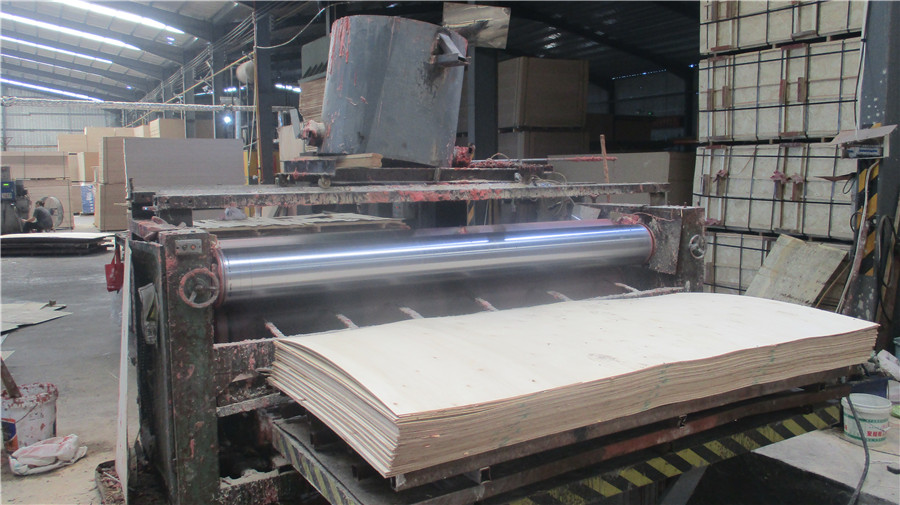
From Raw Veneer to Loaded Container: Five Quality Checkpoints
A walnut plywood program is only as reliable as the controls behind it. These are the five stages a buyer should verify before shipment.
Veneer and Core Selection
Check species, face grade, sapwood ratio, core density and incoming moisture before gluing.
Gluing and Pressing
Confirm glue type, spread rate, cold/hot pressing cycle and panel flatness after pressing.
Calibration and Surfacing
Control thickness tolerance, sanding allowance and surface preparation before coating or lamination.
Batch Inspection
Inspect color matching, bonding, delamination, flatness, moisture and dimensional accuracy.
Packing and Loading
Use seaworthy pallets, corner protection, moisture barrier and loading photos for traceability.
Where Walnut-Faced and Adjacent Panels Are Specified
Knowing the end use helps determine the right face grade, core, adhesive and surface system before a quotation is issued.
Luxury Furniture and Cabinetry
Walnut veneered panels are used for wardrobe fronts, hotel casegoods, kitchen islands and executive furniture. The priority is color consistency, book matching, stable cores and clean edge detailing. Melamine MDF or plain MDF can support internal structures to protect the walnut budget.
Hospitality and Retail Interiors
Hotels, restaurants, showrooms and retail fit-outs require repeatable visual finishes across large areas. Buyers should request a sealed approved sample, batch identification and installation guidance for touch-up and cleaning on site.
Construction and Wet-Area Projects
Adjacent products such as H20 beams, marine plywood and WPC cladding support contractors working across structure, wet areas and facades. Combining these items with walnut panels can simplify purchasing and loading plans.
Short Specification Matrix for Walnut Plywood RFQs
Use this table as a starting point. Final tolerances, grades and test reports should be confirmed for each order.
| Product | Standard Size | Thickness | Core / Surface | Glue and Emission | Typical Application |
|---|---|---|---|---|---|
| Walnut Veneered Plywood | 1220×2440 mm | 3–18 mm | Poplar, eucalyptus or combi core; walnut veneer face | MR or WBP; E0/E1/CARB on request | Furniture, wall panels, hotel joinery |
| Walnut Veneered MDF | 1220×2440 mm | 5–18 mm | HMR MDF or standard MDF; walnut veneer face | E0/E1 | Cabinet doors, wardrobes, shopfitting |
| Walnut Panel for Wet Areas | 1220×2440 mm | 12–18 mm | WBP construction; sealed edges recommended | WBP phenolic | Bathrooms, marine interiors, utility cabins |
| Melamine Marine Plywood | 1200×2400 mm | 18 mm | Marine board with melamine coating | Moisture-resistant glue system | Furniture, wet-area cabinetry |
| H20 Timber Beam | 80×200 mm profile | Custom length | Spruce LVL or structural timber | Water-resistant construction | Concrete formwork systems |
| WPC Wall Cladding | Custom profile | Profile dependent | Wood-plastic composite with co-extruded surface | Waterproof composite | Villa facades, hotels, feature walls |
China Walnut Plywood Manufacturer & Supplier Questions
These are the questions importers, distributors and project buyers ask most often before placing an order.
What exactly is walnut plywood, and is it solid walnut?
Which walnut species should I specify for export furniture or interiors?
What face veneer thickness is appropriate for walnut plywood?
Which core is best for walnut plywood: poplar, eucalyptus, combi or MDF?
How do I control color and grain consistency across multiple containers?
Which certifications and emission grades can KUDE provide?
What is the minimum order quantity for walnut plywood and mixed containers?
Which payment methods and trade terms do you accept?
Can you customize panel size, thickness, face, logo and packaging?
How are walnut plywood orders shipped from Linyi, China?
How do I request a sample and verify quality before placing a bulk order?
What makes a China walnut plywood supplier reliable for long-term projects?
Request a Specification Review and Mixed-Container Proposal
Send your size, thickness, walnut species, face grade, core preference, emission requirement and destination port. The export team can respond with a technical proposal, reference sample plan and loading solution for mixed containers.
Email: info@kudeplywood.com · Factory base: Linyi, Shandong, China · Export experience: 30+ countries and regions