Eight Product Lines Buyers Source Alongside White Melamine Plywood
White melamine plywood rarely travels alone. A serious factory source is also judged on the boards, beams and wall systems that fill the rest of the container. These eight product lines reflect the specification mix our export team handles for furniture makers, formwork contractors, distributors and interior-fit-out buyers.
 Formwork
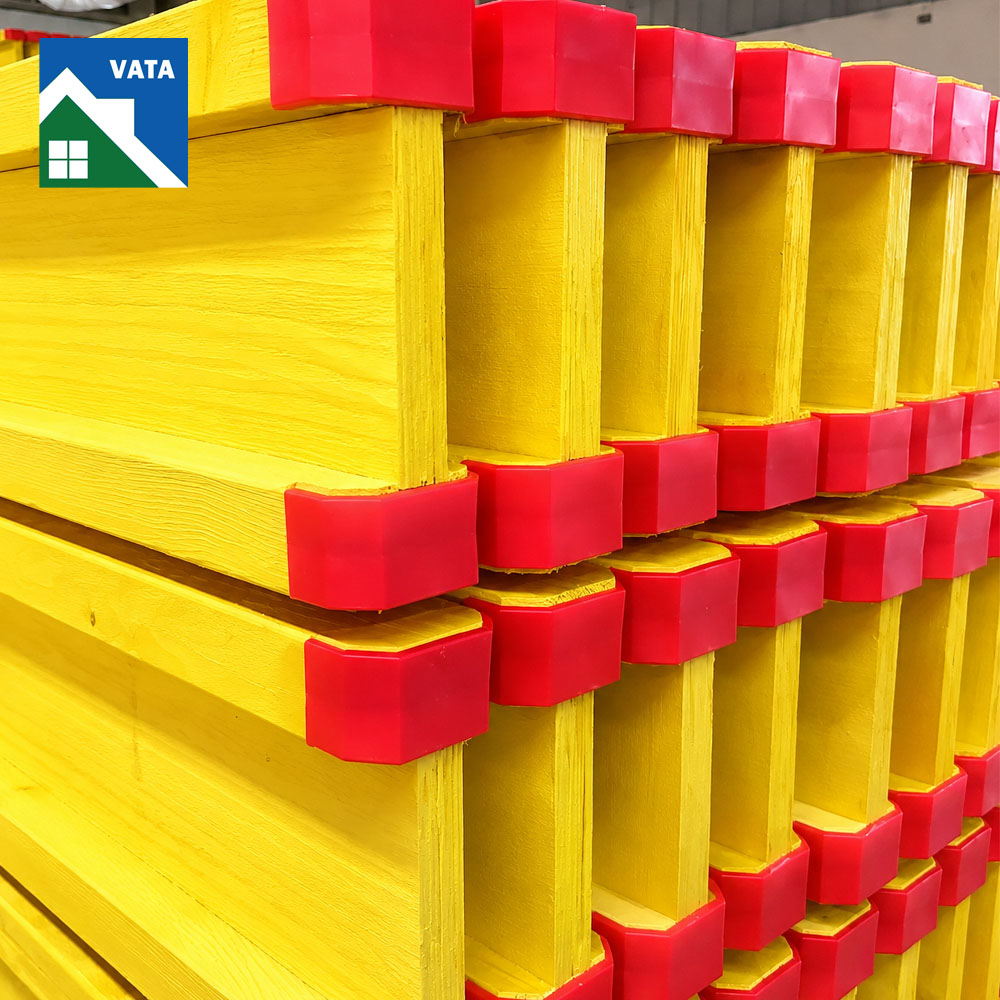
Heavy-Duty Spruce H20 Slab Formwork Beams
Durable spruce H20 I-beams for repeated concrete slab cycles, with stable dimensions and clean stripping when paired with film-faced plywood.
View product details Melamine MDF
Eco-Friendly Melamine MDF Board for Cabinets
16mm, 15mm, 12mm and 18mm melamine MDF with Blanco single- or double-sided covering for cabinet doors, carcasses and shop fixtures.
View product details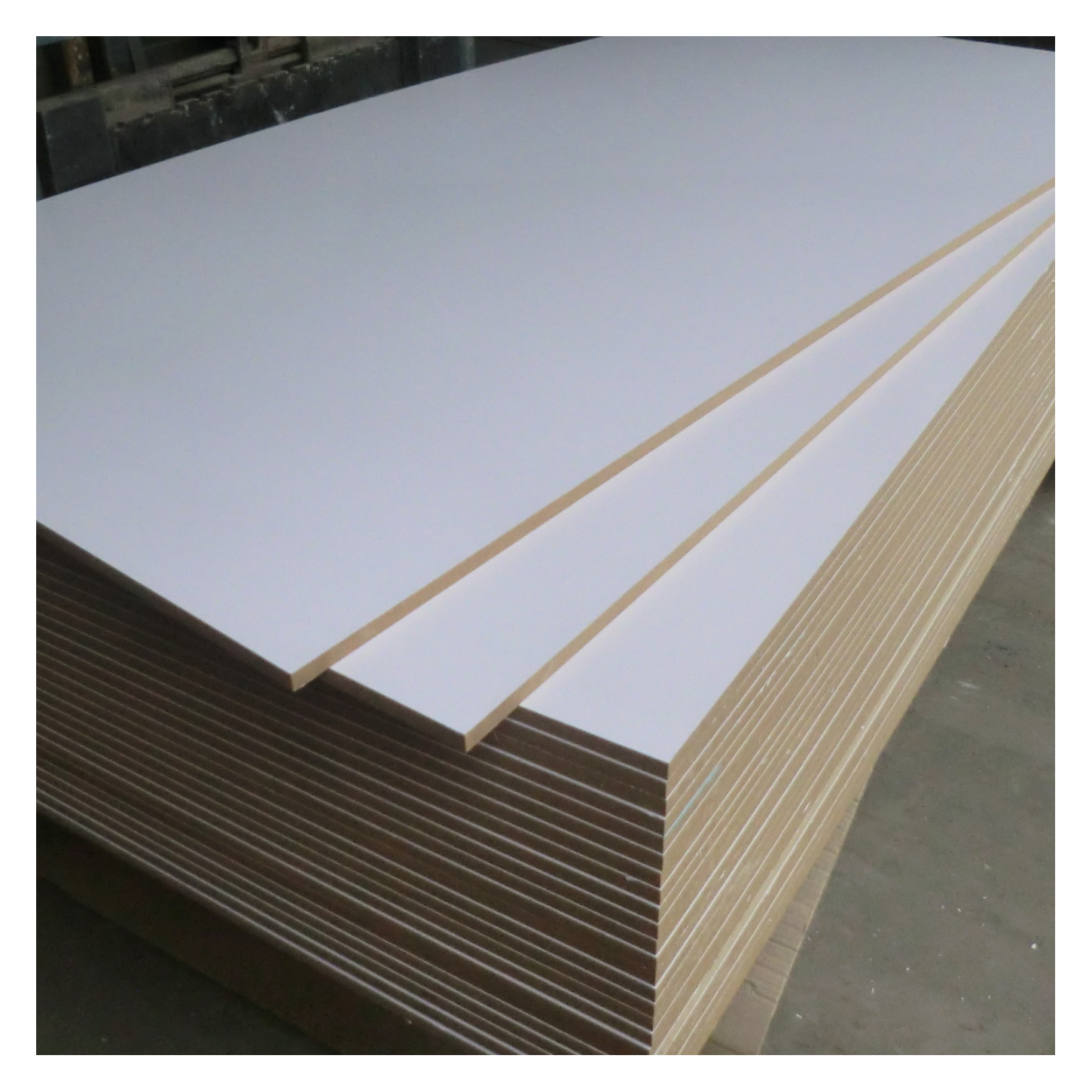 Moisture-Proof
E1 Melamine-Faced Moisture-Proof MDF
18mm E1-grade moisture-proof melamine MDF for kitchen, bathroom and utility furniture, CE certified and suited to wet-area cabinetry.
View product details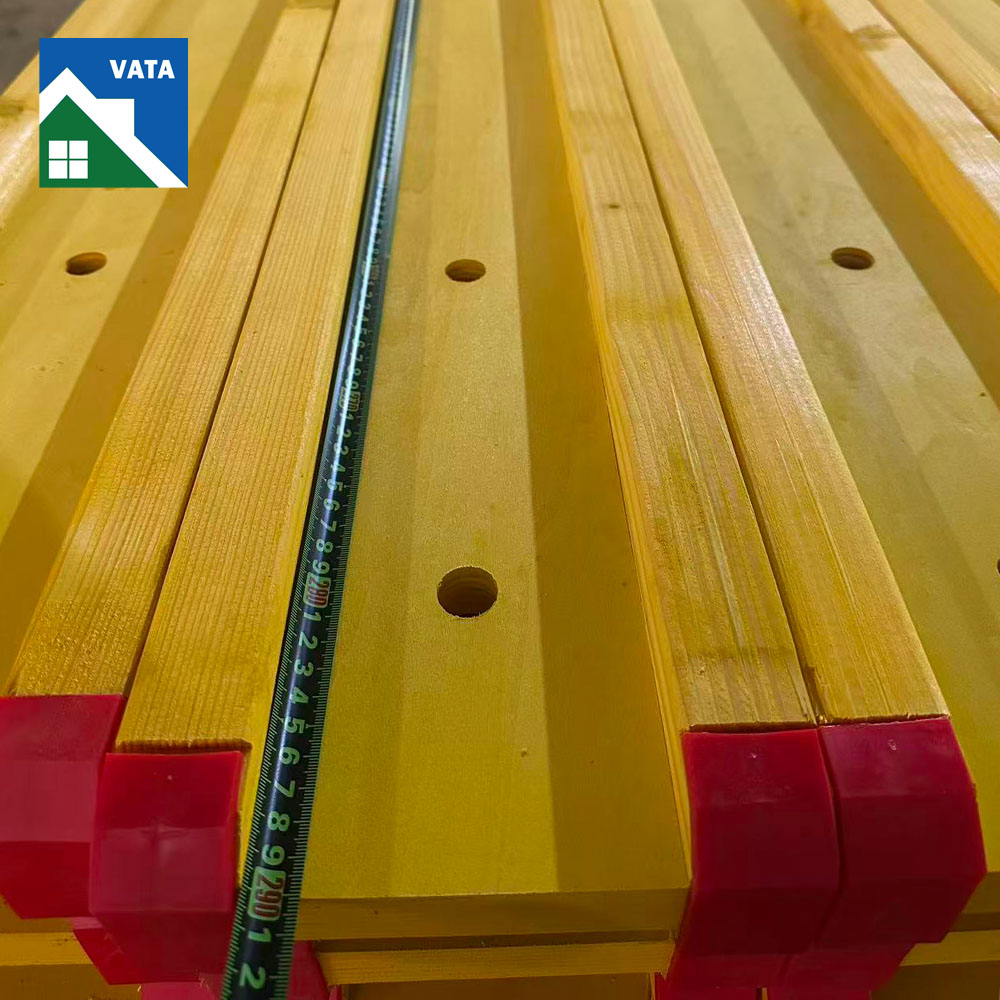 Exterior Use
Custom Exterior Timber Formwork Beams
Stable timber formwork beams with WBP glue and pine or spruce flanges for exterior wall formwork, engineered for repeatable site performance.
View product details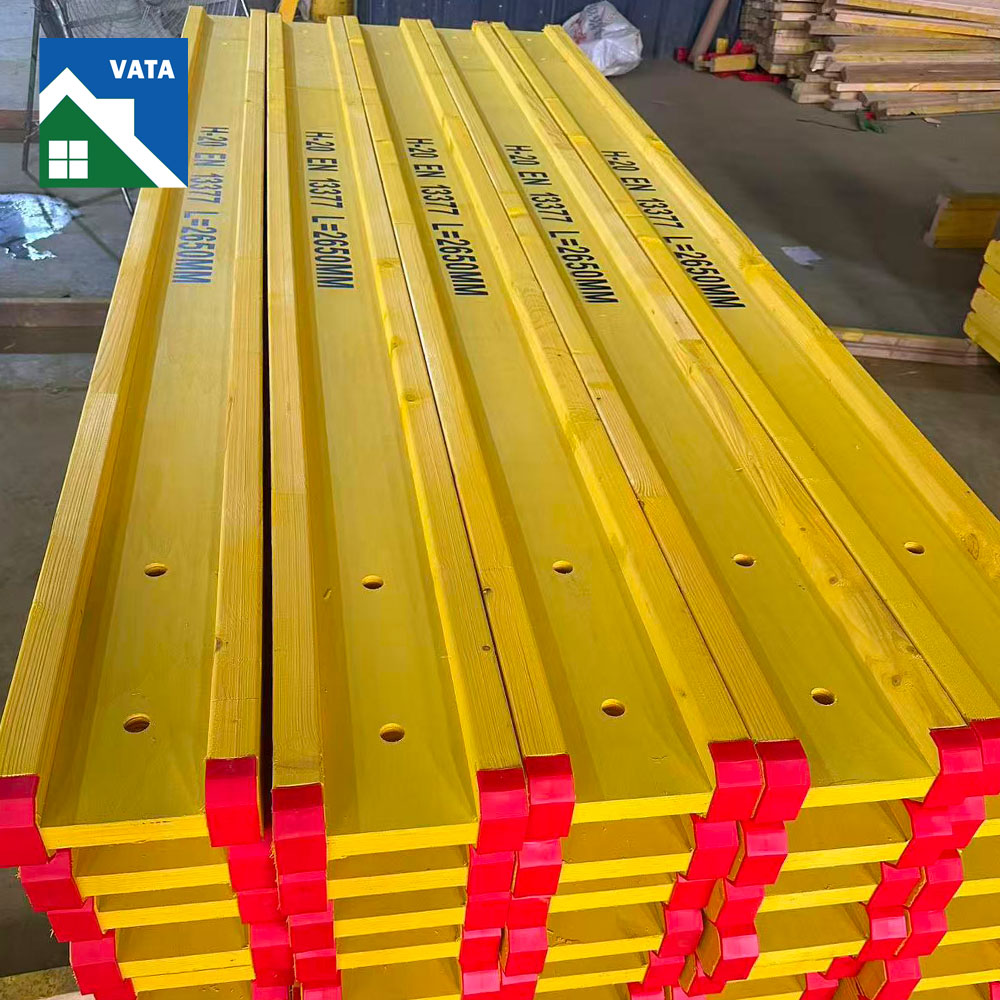 LVL Beam
High-Strength H20 Timber LVL Beam
Factory-direct H20 timber LVL structural I-beams with waterproof construction for concrete formwork, offering a high strength-to-weight ratio.
View product details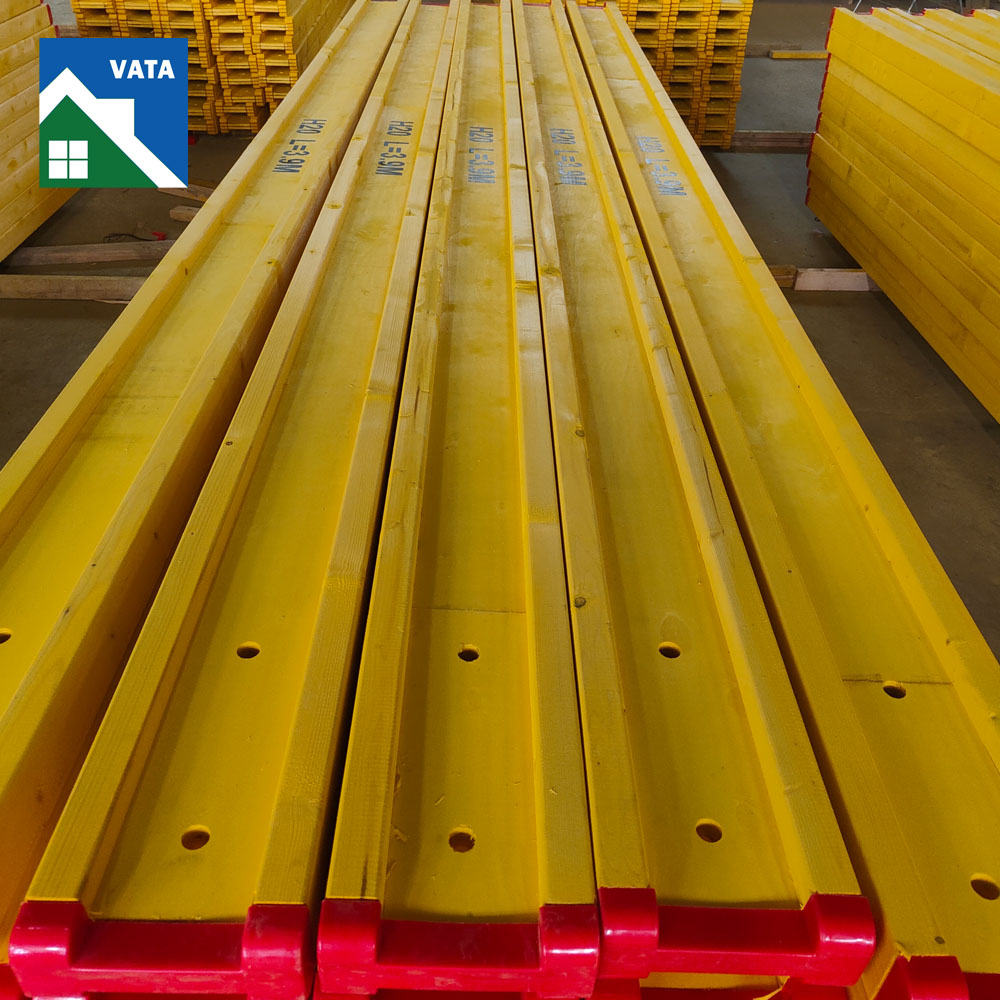 Reusable
 Yellow Painted H20 Formwork Beam
Yellow-painted H20 wooden formwork beams with plastic end caps, designed for construction projects that need fast identification and protected ends.
View product details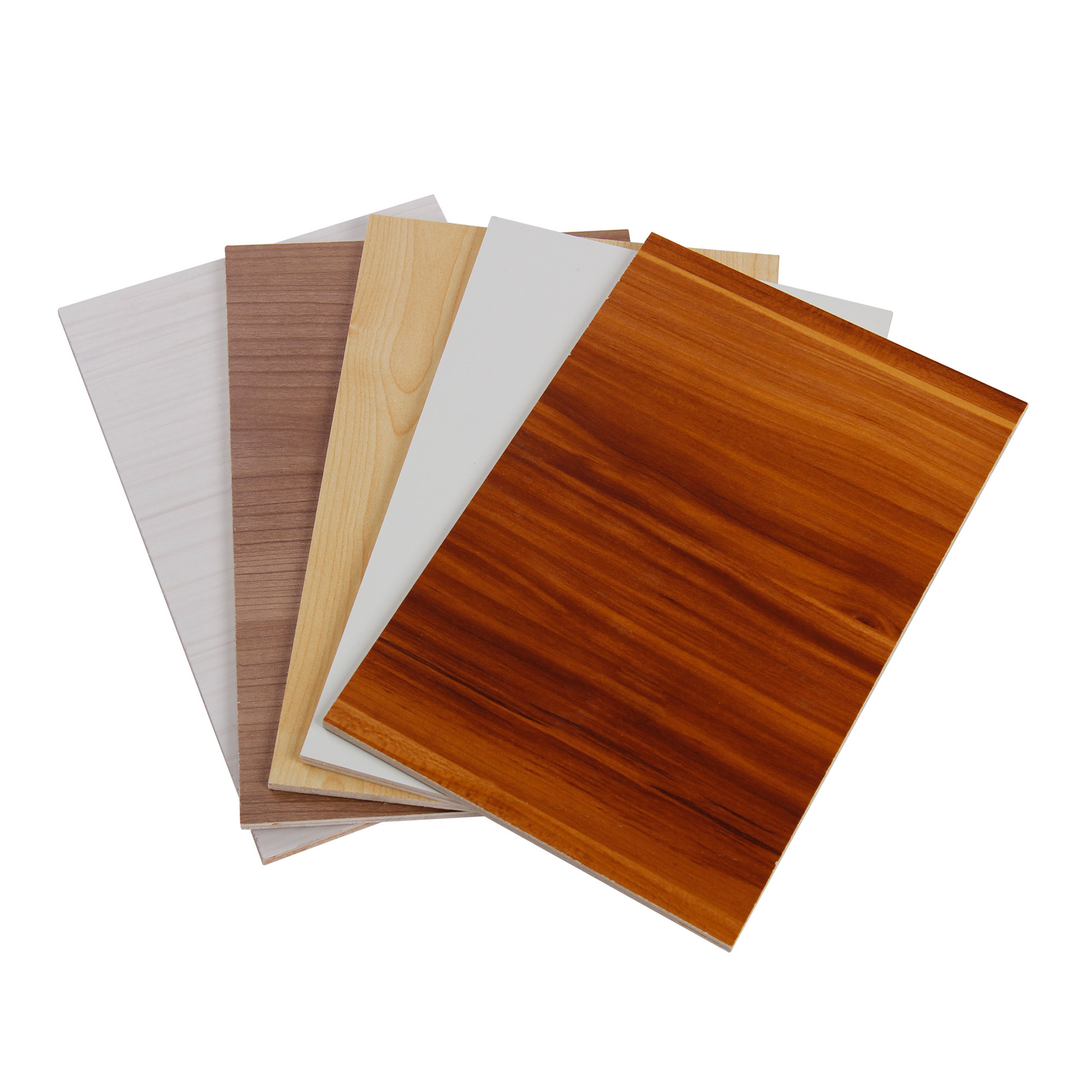 White Melamine
Melamine Plywood for Furniture Making
12mm, 15mm, 16mm and 18mm melamine wood board and plywood for furniture making, including white and woodgrain faces for cabinets and wardrobes.
View product details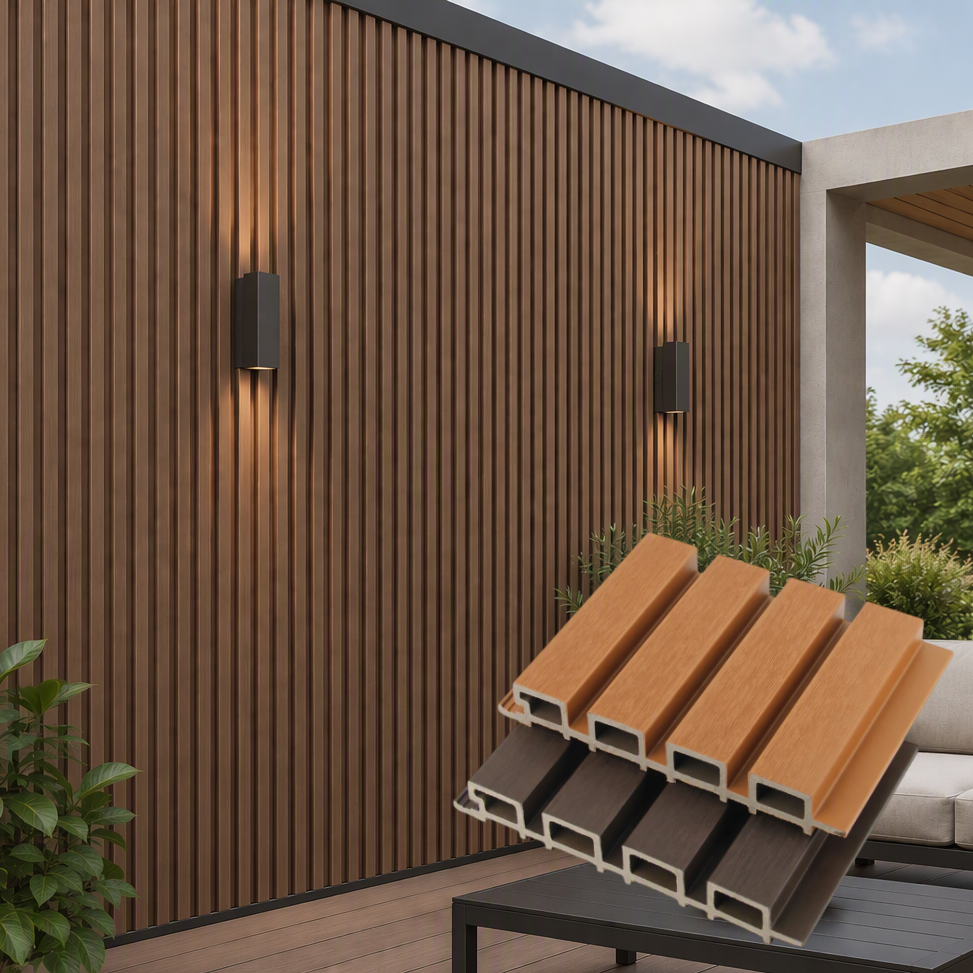 WPC Facade
Waterproof Co-Extruded WPC Fluted Wall Cladding
Outdoor WPC wall cladding panels for villa facades, with a waterproof co-extruded fluted profile and a natural textured finish.
View product detailsWhat “China Best White Melamine Plywood Factories” Really Means for Buyers
The phrase is rarely a request for one winner. It is a buyer’s shorthand for a shortlist of factories that can hold white decor consistency, control substrate caliper and ship with documents that survive customs and project audits.
White is the least forgiving melamine color. Any resin bleed, sanding scratch, glue line, uneven paper weight or low spot in the substrate is visible in a way that a dark woodgrain can hide. That is why experienced procurement teams now evaluate white melamine plywood as an engineered surface system, not as a commodity board with a price per sheet. The factory that wins serious cabinet, wardrobe and contract-furniture orders is usually the one that controls the process behind the surface, not the one that quotes the lowest FOB number.
At KUDE, we manufacture and export from Linyi, Shandong, the largest wood-based panel cluster in China. Our white melamine plywood and melamine MDF supply is built around three controls: substrate conditioning, paper and resin selection, and press-cycle discipline. Buyers importing into the EU, US, Middle East, Southeast Asia, Africa or Latin America can specify E0, E1 or E2 emission grades, CE, ISO 9001, ISO 14001, FSC and CARB documentation depending on the program and destination market.
The practical advantage of sourcing inside the Linyi cluster is not simply a lower first price. It is shorter lead time for veneer, melamine paper, resin and core material, plus the ability to adjust decor, thickness, edge-banding compatibility and packaging before a container is locked. That flexibility matters most when a buyer is validating a new white decor for a furniture line or a project tender.
Procurement insight: white is an inspection color. It magnifies every defect, so the factory’s process discipline becomes visible on the face of every sheet.
Surface Consistency
White decor must match across batches. Color difference is obvious under daylight, so ask for a master sample, agreed light source and written batch approval before production.
Substrate Stability
Thickness tolerance, density, core gaps and moisture content decide whether the white face stays flat after machining, shipping and installation.
Compliance Evidence
E0, E1, CARB, CE, FSC and ISO claims must attach to the actual product and order. A certificate on a website is not a substitute for a batch-linked test report.
Six Checks That Matter More Than a Low Quotation
Use these checkpoints when comparing a white melamine plywood factory, a melamine MDF supplier or a mixed-container exporter. They expose process maturity quickly.
01. Substrate Conditioning Before Lamination
MDF and plywood should be sanded, calibrated and moisture-conditioned before the melamine face is pressed. A white surface telegraphs low spots, fiber lumps and caliper variation, so substrate control is not a secondary issue.
02. Melamine Paper and Resin Specification
Ask for paper grammage, opacity, resin system and decor code rather than accepting “white” as a description. Paper weight and resin ratio affect coverage, scratch resistance and the risk of show-through after pressing.
03. Press Cycle and Cooling Control
Blistering, orange-peel texture, gloss variation and edge lift usually trace back to press temperature, pressure, cycle time or insufficient cooling. Request a production sample, not only a lab sample.
04. Edge Sealing and Machining Performance
White melamine plywood is often CNC-routed, drilled and edge-banded. Check chip-out, delamination and glue compatibility with the buyer’s PVC or ABS edge band. A board that looks good flat may fail at the machining stage.
05. Emission and Certification Traceability
Specify E0, E1 or E2 according to the destination market, and require batch-linked formaldehyde test reports where applicable. CE, ISO 9001, ISO 14001, FSC and CARB documents should match the product and the shipment.
06. Export Packing and Moisture Protection
White panels mark easily. Confirm PE film, corner protectors, pallet feet, strapping, desiccant and container-loading photos. Packing quality is part of product quality when panels travel by sea.
Match White Melamine Plywood to the Application Before Comparing Price
The same white decor can be produced on plywood, plain MDF, HMR MDF or moisture-resistant MDF. The right choice depends on screw-holding, routing, humidity, weight and the expected edge finish.
Cabinet Carcasses and Wardrobes
Specify 16mm or 18mm double-sided white melamine plywood or MDF for wardrobe bodies and cabinet carcasses. Use 12–16mm for drawers and back panels after confirming screw-holding and edge-band compatibility.
Kitchen and Bathroom Cabinetry
Use 18mm E1 moisture-proof melamine MDF with a green HMR core for kitchens, bathrooms and utility rooms. Seal exposed edges and cut-outs around sinks and appliances to protect the core.
Contract Furniture and Office Fit-Out
For desks, reception counters and office storage, choose a higher-density core, consistent white decor and matching PVC edge band. Low-glare white finishes are easier to maintain in commercial interiors.
Retail Display and Shopfitting
Use 12–18mm CNC-friendly white melamine board for shelving, display fixtures and cash counters. Confirm surface durability and color consistency across repeat orders, especially for roll-outs across multiple stores.
What Importers Are Changing in Their White Melamine Plywood Buying Strategy
Price remains important, but the purchase decision is shifting toward risk reduction, documentation quality and replenishment flexibility.
Compliance Is Becoming a Qualification Gate
More buyers now screen factories for E0/E1, CE, FSC, CARB and test-report traceability before discussing price. A quotation without documents is increasingly treated as incomplete.
Fewer Suppliers, Deeper Audits
Distributors are consolidating orders with suppliers that can handle melamine plywood, MDF, formwork beams and wall panels together. Fewer SKUs and fewer suppliers reduce inspection and communication cost.
Mixed Containers and Inventory-Light Purchasing
Buyers want mixed-container loading and MOQs that match real demand. A factory able to combine several lines in one container helps importers reduce working capital without losing container efficiency.
White Decor Standardization
Retail chains and furniture brands are locking master samples and decor codes. The production partner must reproduce the approved white across repeat batches, not just the first shipment.
Moisture Resistance Moves Into Mainstream Furniture
Kitchens, bathrooms, laundries and commercial washrooms are driving demand for moisture-resistant melamine MDF and properly sealed plywood edges.
Landed Cost Beats FOB Price
Buyers compare packing damage, rework, claim cost and lead-time reliability alongside the invoice price. A slightly higher FOB quotation can be cheaper after inspection, installation and after-sales costs are counted.
Where White Melamine Board Technology Is Moving
Panel development is being shaped by surface performance, low-emission construction and the practical needs of CNC furniture production.
Super-Matt and Anti-Fingerprint White
Demand is growing for low-glare white surfaces that resist fingerprints and cleaning marks in kitchens, offices and retail interiors.
Lower-Emission and Odor Control
E0 and CARB-oriented programs are pushing factories to control resin formulation, raw board emission and storage conditions, not only final test results.
Hybrid Decorative Surfaces
Melamine, UV and PET finishes are being compared side by side. White melamine remains cost-effective for large surfaces, while UV or PET may be used on visible doors and high-wear fronts.
CNC-Friendly, Edge-Stable Panels
Furniture factories want less chip-out, better screw-holding and stable edges after cutting. Panel development is moving toward tighter density control and optimized resin distribution.
Six Gates from Raw Material to Loaded Container
A white melamine plywood order should be inspected before it becomes a claim. These are the control points serious buyers ask about during a factory audit.
Raw Material Inspection
Veneer grade, core species, density, moisture content and thickness are checked before production. For MDF, surface density and fiber uniformity are reviewed before lamination.
Glue and Resin Control
Glue spread, resin mix and emission grade are matched to the order. The production record should connect the batch to the declared E0, E1 or E2 requirement.
Hot Pressing and Cooling
Press temperature, pressure and cycle time are monitored to prevent blistering, poor adhesion and gloss variation. Cooling and stacking discipline protect the white surface.
Calibration and Sanding
Thickness tolerance and flatness are checked before lamination and after sanding. Uneven caliper can create visible waves under a white melamine face.
Surface Inspection
Inspectors review color, gloss, scratches, glue lines, pinholes, edge chipping and contamination. A production sample is retained for buyer approval and later comparison.
Packing and Loading
Export pallets, PE film, corner protection, strapping and container photos are completed before departure. Loading checks reduce moisture damage and handling marks in transit.

Why KUDE Is a Practical White Melamine Plywood Partner, Not Just a Listing
Linyi KUDE International Trading Co., Ltd. is the export platform of a wood-based panel manufacturing group founded in 1998 in Linyi, Shandong. We operate inside the cluster that supplies veneer, glue, melamine paper and core materials to panel factories across northern China. That location shortens the feedback loop between a buyer’s sample approval and production correction.
The group runs more than 30 sets of production machines in 30,000 m² of workshops, with over 300 workers and annual output of 60,000 m³ of plywood, blockboard, MDF and particle board. Core products include commercial plywood, film faced plywood, melamine plywood, fancy plywood, UV MDF, PET MDF, plain MDF, bamboo charcoal board and WPC wall panels.
Quality and compliance are supported by CE, ISO 9001, ISO 14001, FSC and CARB, with an on-site assessment by SGS. Formaldehyde grades E0, E1 and E2 are available depending on the product and market. MOQ typically ranges from 50 to 500 sheets by product line, and several products can be combined in one container after specification approval.
- 20+ years of production experience
- 15 years of export experience
- Factory-direct customization
- SGS on-site assessed
- T/T and L/C payment terms
- FOB, CFR, CIF and EXW options

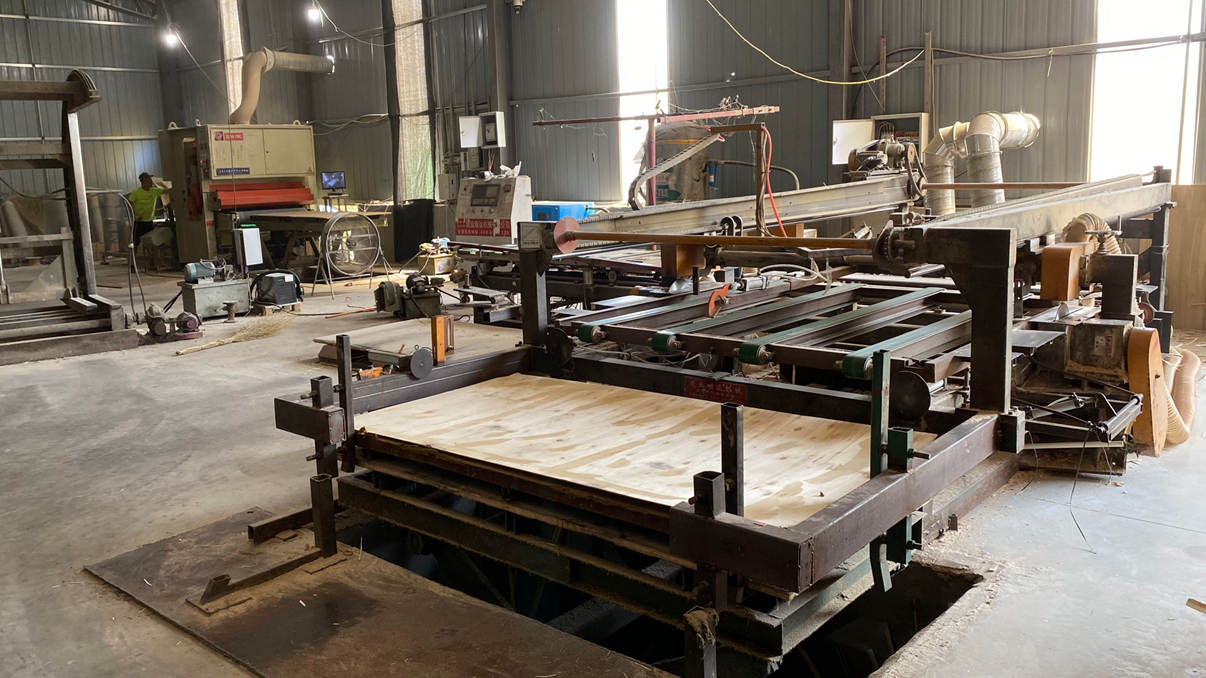
Production line control inside the Linyi wood-based panel cluster.

Finished panel stock prepared for export inspection and loading.
Certification, quality records and factory capability documentation.
Typical Export Ranges for White Melamine and Related Panels
Use this matrix to prepare an RFQ, then confirm final tolerances, decor codes and test reports for each order.
| Product | Standard Size | Thickness | Core / Surface | Emission / Glue | Typical Application |
|---|---|---|---|---|---|
| White Melamine Plywood | 1220×2440 mm | 3–25 mm | Poplar, eucalyptus or combi core; white melamine paper | E0 / E1 / E2; MR or WBP option | Wardrobes, cabinets, furniture carcasses |
| White Melamine MDF | 1220×2440 mm | 9–18 mm | MDF or HMR core; single or double melamine face | E0 / E1 | Cabinet doors, shopfitting, office furniture |
| Moisture-Proof Melamine MDF | 1220×2440 mm | 18 mm | Green HMR MDF; white or woodgrain melamine | E1 | Kitchen, bathroom and utility cabinetry |
| H20 Formwork Beam | H20 profile, custom length | Project dependent | Spruce or pine flange; LVL web; yellow paint option | WBP glue | Slab and wall formwork systems |
| Film Faced Plywood | 1220×2440 mm | 9–21 mm | Poplar or eucalyptus core; brown or black film | WBP phenolic | Concrete formwork, slabs and walls |
| WPC Wall Cladding | Custom length | Profile dependent | Co-extruded WPC; fluted or woodgrain texture | Waterproof composite | Exterior facades, villas and feature walls |
Values are typical production ranges. Final tolerances, grades, decor codes and test reports are confirmed for each order.
What to Put in Your First Inquiry to a White Melamine Plywood Factory
A complete RFQ shortens sampling, avoids re-quoting and gives the factory enough information to propose the right substrate instead of the nearest stock item.
Board Specification
- Thickness and size, including tolerance expectation
- Substrate: plywood, MDF, HMR MDF or moisture-resistant core
- White decor code, gloss level and single/double face
- Emission grade, glue type and edge-band compatibility
Commercial Terms
- Order quantity, SKU mix and mixed-container plan
- Price term: FOB, CFR, CIF or EXW
- Payment method: T/T or L/C
- Sample requirement, lead time and destination port
Quality and Documents
- Master sample approval and production sample
- Formaldehyde, CE, FSC or CARB documentation
- Packing method, pallet marking and loading photos
- Third-party inspection or pre-shipment check
Questions Buyers Ask Before Ordering White Melamine Plywood
These answers reflect the practical issues raised by importers, distributors, furniture factories and project contractors.
What is white melamine plywood?
White melamine plywood is a plywood core faced with white melamine-impregnated paper, fused under heat and pressure. The plywood core provides layered strength and screw-holding, while the white melamine face provides a clean, wipe-clean decorative surface for wardrobes, cabinets, furniture and interior fit-out.
Is white melamine plywood better than white melamine MDF?
Neither is universally better. Plywood is often preferred where screw-holding, layered core strength and lighter weight matter. MDF offers a more uniform density and smoother routed edge for painted or wrapped profiles. For cabinet carcasses, wardrobes and contract furniture, compare the substrate, density, edge finish and moisture exposure before deciding.
What thickness should I order for cabinets and wardrobes?
18mm is common for cabinet carcasses, doors and wardrobe bodies. 12–16mm is often used for drawers, shelves and back panels depending on the design and edge-banding method. Thin panels of 3–9mm are used for back panels or decorative applications where structural strength is not required.
Which emission grade should I specify?
E1 is widely used across many export markets, while E0 is specified for stricter low-emission programs and CARB is relevant to the United States. The correct choice depends on the destination regulation, the buyer’s product standard and the documentation the project requires. Always link the grade to the actual board and shipment.
How can I verify surface quality before shipment?
Approve a master sample, then ask for a production sample under an agreed light source. Check color, gloss, orange-peel texture, scratches, pinholes, glue lines and edge chipping. For repeat orders, retain the approved sample and require the factory to compare each batch against it before packing.
What is the minimum order quantity and lead time?
MOQ depends on the product line, typically from 50 to 500 sheets. Several products can be combined in one container after specifications are confirmed. Lead time depends on stock, decor, thickness, packaging and the number of SKUs, and should be confirmed in writing after sample approval.
Can you customize size, thickness, decor, logo and packaging?
Yes. KUDE supports sample-based, design-based and full customization, including size, thickness, core species, face veneer or melamine decor, glue type, logo printing and export packaging. Customization is confirmed against a written specification and approved sample.
Is white melamine plywood suitable for kitchens and bathrooms?
It can be suitable when the correct moisture-resistant core and glue system are specified, and when exposed edges and cut-outs are sealed. For high-humidity areas, many buyers prefer HMR MDF or moisture-proof melamine MDF for cabinet bodies and use properly sealed plywood where structural strength is required.
How should I compare quotations from different factories?
Compare more than the FOB price. Check substrate species or density, melamine paper weight, emission grade, thickness tolerance, surface warranty, packing method, loading photos, documentation and claim policy. Convert each quote to landed cost after packing, inspection, rework and lead-time risk are considered.
Which certifications and company strengths does KUDE offer?
KUDE operates within a manufacturing group founded in 1998 in Linyi, Shandong, with 30,000 m² of workshops, 30+ machine sets and annual output of 60,000 m³. The group holds CE, ISO 9001, ISO 14001, FSC and CARB, has been assessed on site by SGS, and exports to more than 30 countries.
Request a White Melamine Plywood Sample and Quotation
Send your thickness, size, white decor, emission grade, quantity and destination port. Our export team will reply with a technical specification, packing options and a factory-direct quotation.
info@kudeplywood.com