8 Products Buyers Combine with Concrete Form Plywood Orders
Concrete formwork is a system, not a single sheet. Buyers sourcing from China top concrete form plywood factories usually add H20 beams, timber formwork beams, melamine boards for site furniture and decorative panels for sales offices or handover fit-out. The eight products below reflect this real export basket from KUDE’s Linyi base; every original product URL is preserved for direct specification checking.
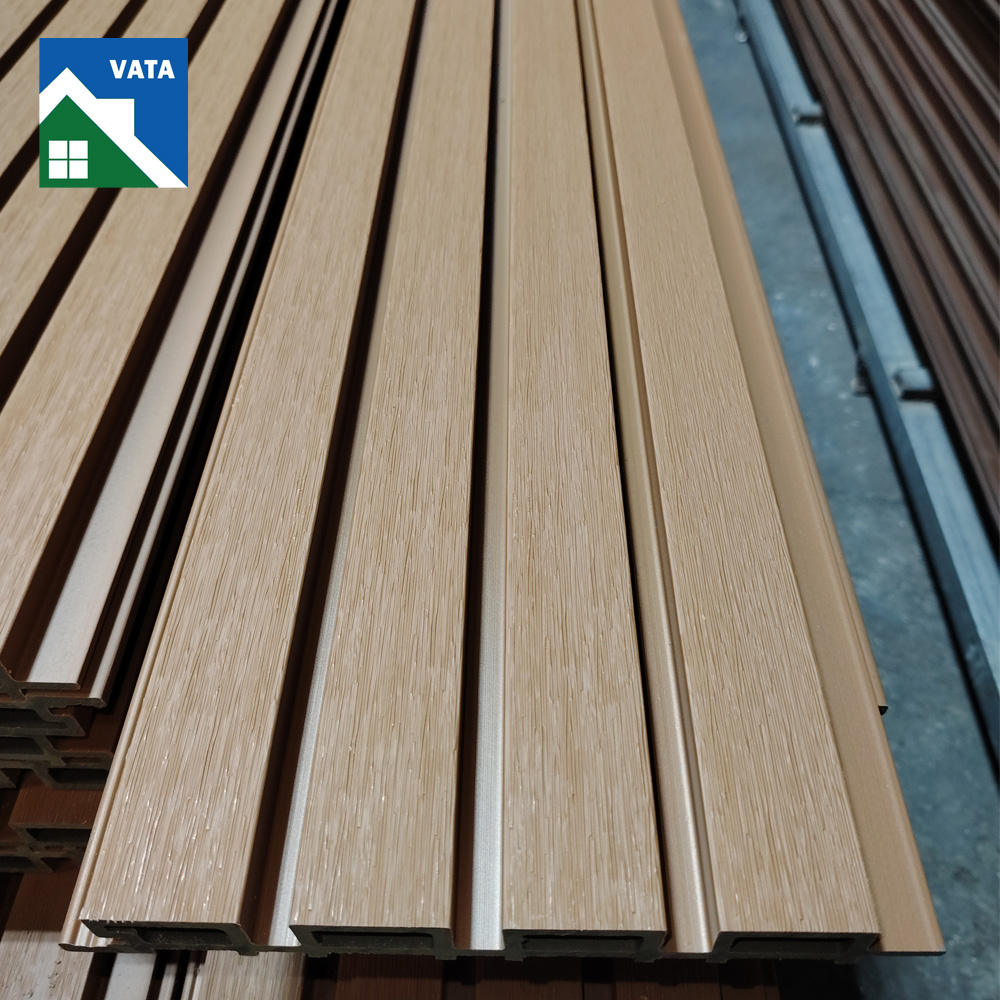
Decorative Outdoor WPC Fluted Wall Panel Board
Waterproof wood-plastic composite cladding for exterior walls, site showrooms and hospitality interiors. A fast-install, high-margin add-on for distributors shipping formwork and finish panels together.
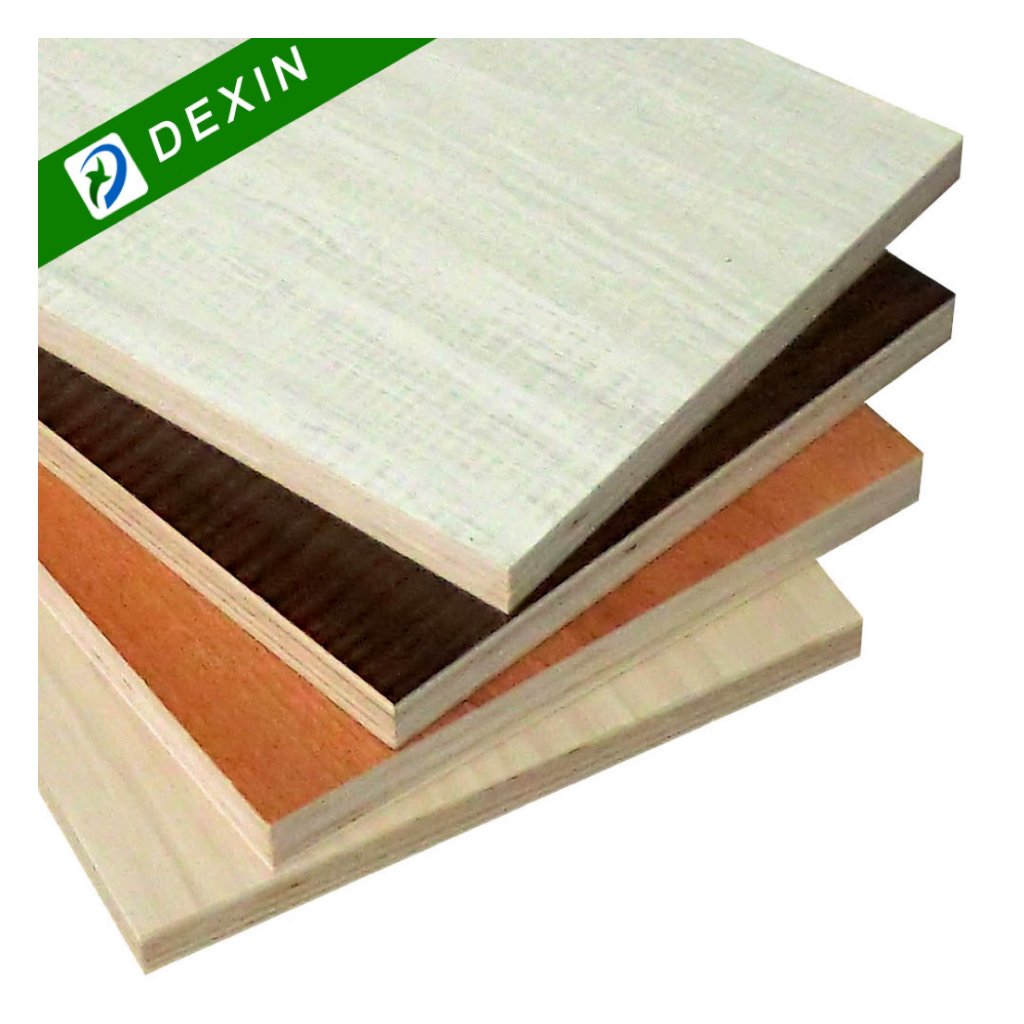
3mm 12mm 18mm E0 Melamine Plywood for Furniture
E0 first-class melamine faced plywood for cabinets, wardrobes and project furniture. A low-emission grade that supports EU and US retail fit-out procurement programmes.
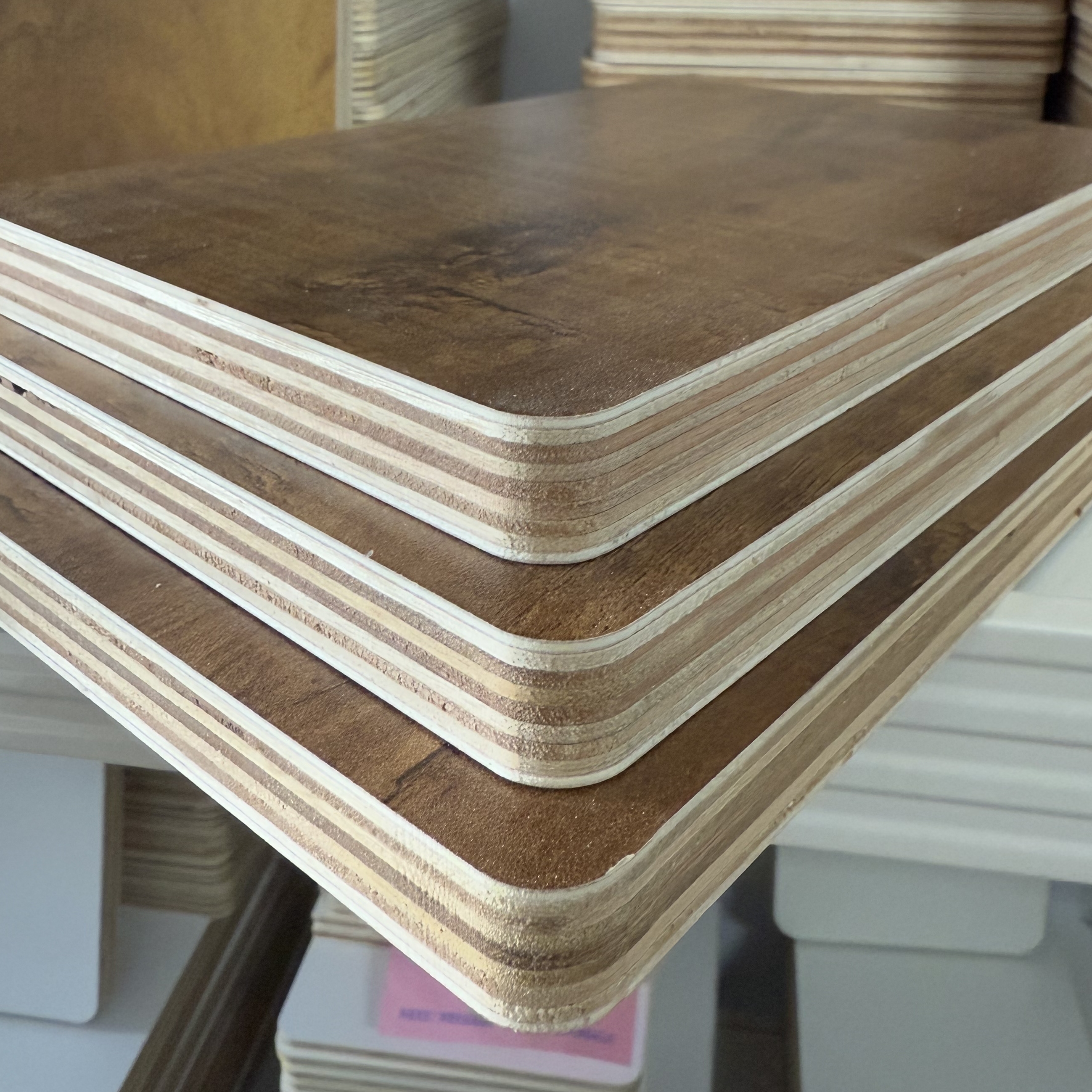
Waterproof 4x8 18mm Melamine Marine Plywood Sheet
Waterproof melamine laminated marine plywood with white wood-grain or marble-grain face in 4x8 ft. Suitable for wet areas, kitchens, bathrooms and humidity-sensitive interiors.

Customized Length Spruce H20 Timber Beam 80x200mm
Water-resistant spruce H20 timber beam for modular wall formwork. A key accessory when buyers specify film faced concrete form plywood together with clamps, walers and shoring.
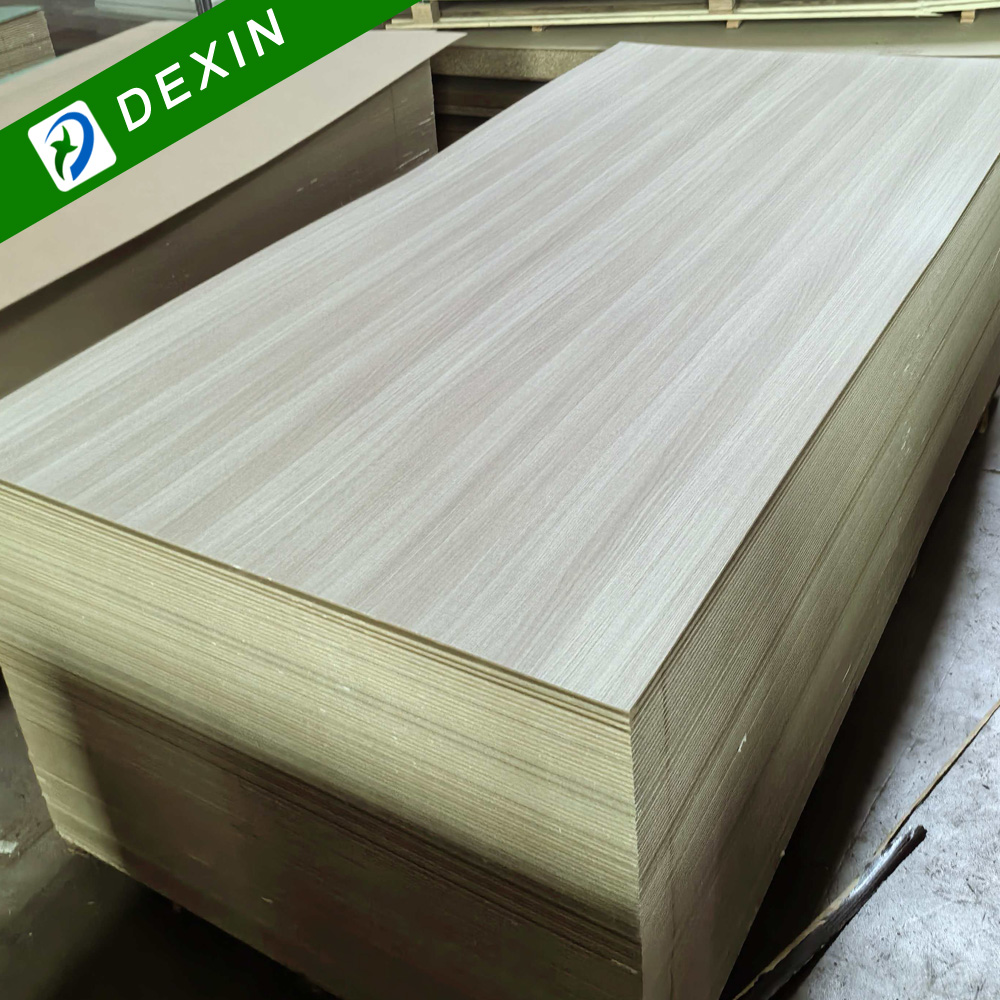
Moisture Resistant 4–18mm White Melamine MDF
White textured melamine MDF in 1220x2440mm for cabinets, wardrobe doors, reception counters and durable site-office furniture. A practical mixed-container item for project buyers.
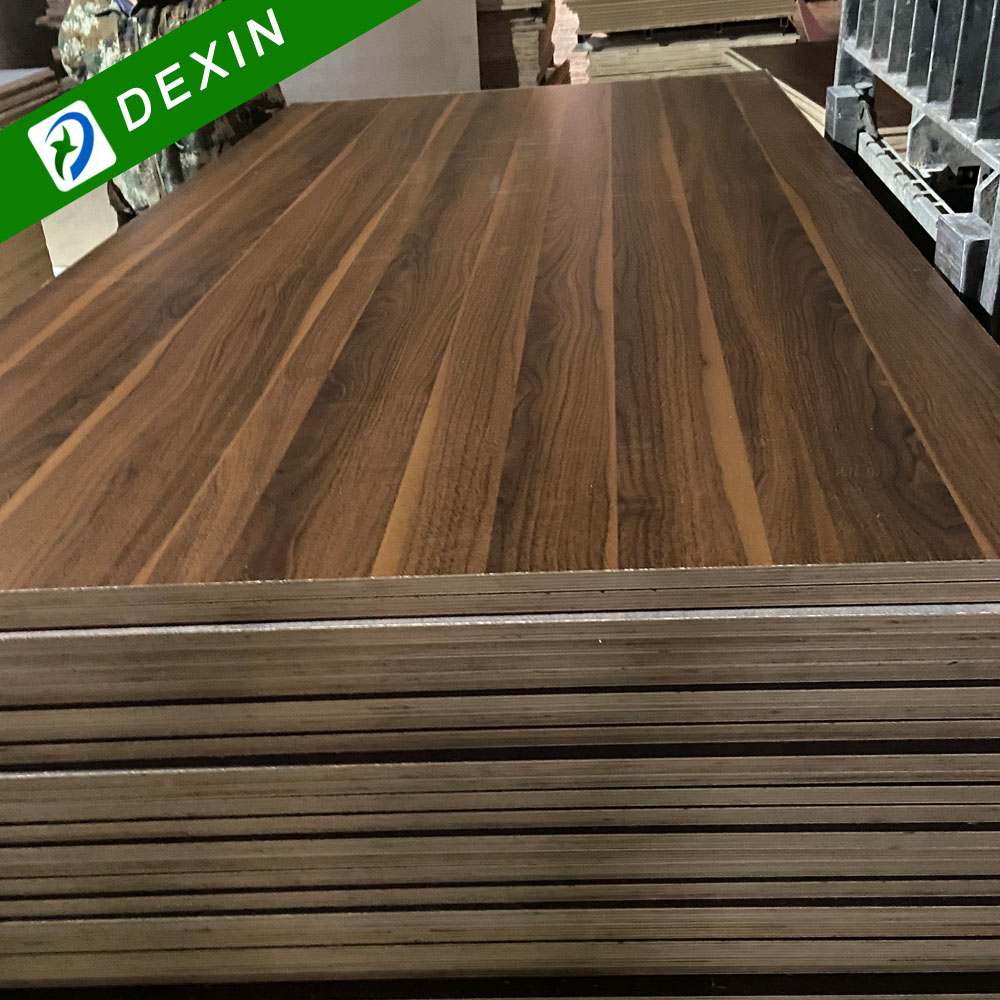
18mm Waterproof Melamine Faced Furniture Plywood
High-quality 18mm waterproof melamine faced plywood for furniture and joinery. Stable thickness, closed faces and E0/E1 options for export projects requiring consistent finish.
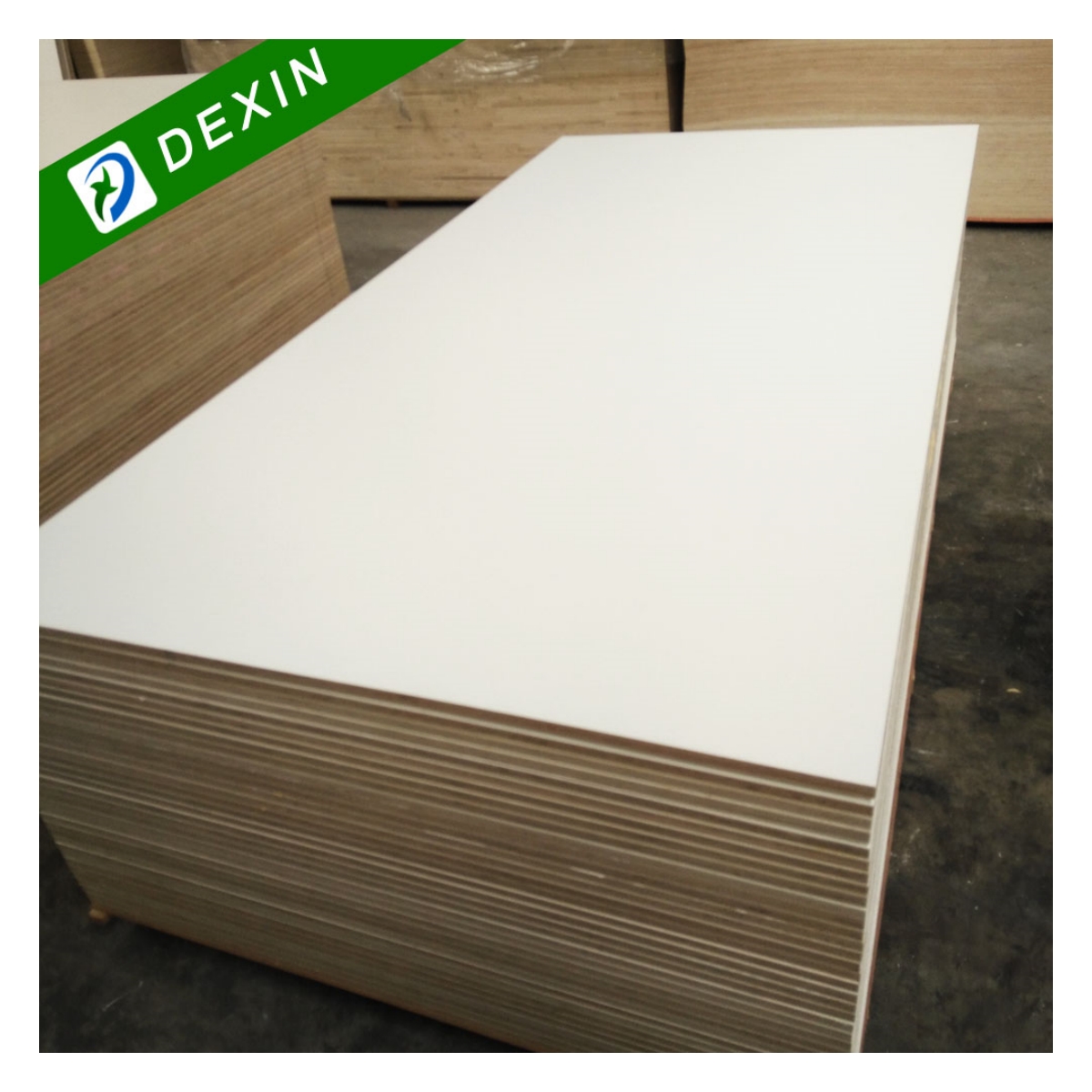
Teak Oak Maple Melamine Plywood 1/2, 3/4 in
6mm, 12mm and 18mm decorative melamine plywood with teak, oak or maple face options. A specification-friendly panel for furniture, shop fitting and contract interiors.
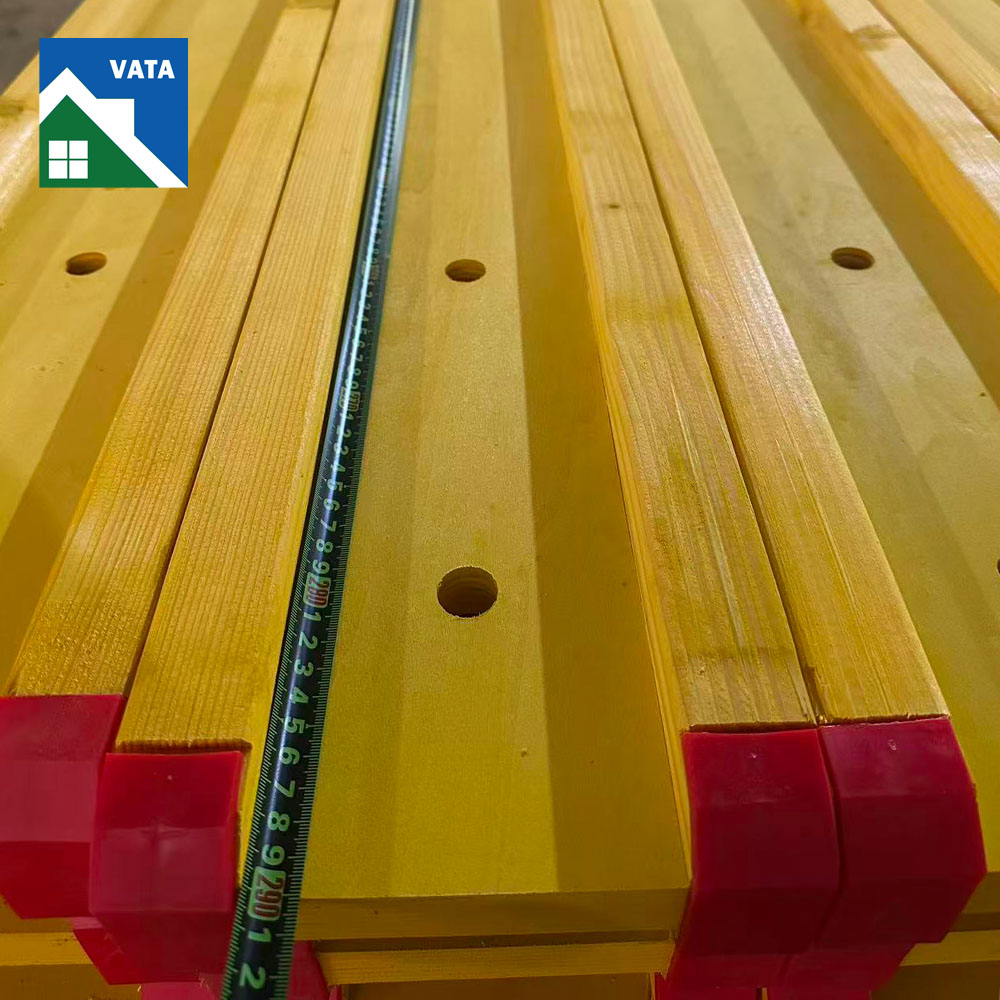
Custom Exterior Timber Formwork Beams with WBP Glue
Stable exterior-use timber formwork beams with pine or spruce flange and WBP glue. Designed for wall formwork, shoring and repeated site handling alongside concrete form plywood.
For a mixed quotation covering concrete form plywood, H20 beams, melamine boards and finish panels, open the live catalog request and include your target re-use cycles and destination port.
What Makes a China Top Concrete Form Plywood Factory?
Buyers searching for China top concrete form plywood factories usually need more than a supplier list. They need a factory whose boards survive repeated stripping, hold thickness under pour pressure, release cleanly from concrete and arrive with documents that match the purchase order.
Compare total cost per pour, not price per sheet. A 15% lower sheet price can disappear after two fewer re-use cycles. If a panel costs USD 14 and achieves 8 pours, material cost is about USD 1.75 per pour before labour and cleaning. If a cheaper panel costs USD 12 but reaches only 5 pours, material cost rises to USD 2.40 per pour. Film quality, glue line, core density, edge sealing and thickness tolerance therefore have direct financial value.
Information gain for procurement teams: ask every candidate factory for a one-page specification lock before price negotiation. It should state glue type, film weight, core species, thickness tolerance, moisture content, edge treatment, emission grade, packaging method and loading-photo commitment. This single document reduces post-arrival claims and makes factory comparison factual rather than visual.
KUDE’s manufacturing group was founded in 1998 in Linyi, Shandong, China’s largest wood-based panel cluster. The group operates 30,000 m² of workshops, more than 30 machine sets, 300+ workers and 60,000 m³ of annual output. Its export platform, Linyi KUDE International Trading Co., Ltd., has 15 years of export experience and serves buyers in 30+ countries. CE, ISO 9001, ISO 14001, FSC and CARB certifications, plus an SGS on-site assessment, give procurement teams evidence beyond a brochure.
The most reliable factories also control the boring details: batch photos before packing, steel-strap protection on pallet corners, container loading images, and a clear answer on which certification applies to which product line. For concrete form plywood, the strongest signal is not a slogan about quality. It is a repeatable quality record tied to the exact batch that will leave the factory.
Buyer Audit Weighting Model
Use these percentages to structure a factory scorecard before booking samples or a container.
How Concrete Form Plywood Buying Will Change
Procurement is moving from lowest price per sheet to lowest verified cost per pour. The following six changes are already visible in importer requests, tender documents and factory audits.
Total cost per pour
Importers are building award decisions around verified re-use cycles, not the lowest FOB sheet price. Ask for trial evidence covering film wear, edge breakage and screw-holding after stripping.
Specification lock sheets
Purchase orders increasingly attach a one-page specification covering glue, film, core, tolerance, moisture, emission and packaging. This is the cheapest quality-control tool available to buyers.
Mixed containers, lower stock risk
Buyers combine formwork plywood, H20 beams, melamine boards, MDF and WPC panels to fill one container without overstocking slow-moving SKUs. Mixed orders reduce cash tied up in inventory.
Compliance-first buying
E0/E1, CARB, FSC and CE documents are requested earlier in tenders. Factories without traceable reports lose projects before the price discussion even starts.
Video audits and shipment evidence
Live video inspection, batch photos and container loading reports now replace some first factory trips. They shorten supplier qualification while creating a record for claims management.
Linyi–Qingdao replenishment
Linyi’s panel cluster and nearby Qingdao port support faster raw-material access and predictable loading. For repeat buyers, this logistics base is a working-capital advantage.
Where Concrete Form Plywood and Formwork Panels Are Heading
Product development is converging on longer service life, system compatibility and documentation. The winning panel is no longer just a plywood sheet; it is part of a repeatable formwork programme.
Higher-cycle phenolic film systems
New film and twice-pressed surfaces aim at more pours with less patching. Buyers should request sample records for film wear and edge integrity, not only a glossy photo.
Densified mixed-hardwood cores
Core engineering is improving screw-holding, flatness and edge stability under pressure. Poplar, eucalyptus and combi cores are being specified by application rather than by habit.
Sealed and repairable edges
Waterproof edge sealers and repairable panel edges extend service life on site. For contractors, a repairable edge can be worth more than a marginal increase in initial film gloss.
H20 and modular compatibility
Concrete form plywood is increasingly sold with H20 beams, clamps and modular frames as one system. System compatibility reduces site labour and improves pour-to-pour consistency.
Low-formaldehyde and low-carbon data
E0/E1, CARB and FSC requirements are moving from premium options to standard tender conditions. Factories that can match grade, glue and documentation win repeat contracts.
Finish panels for site and sales spaces
Melamine plywood, MDF and WPC panels complete the container for showrooms, site offices and handover fit-out. This turns a formwork order into a higher-value project pack.

Inside KUDE: A Linyi Factory Built for Formwork and Panel Buyers
Linyi KUDE International Trading Co., Ltd. is the export platform of a wood-based panel manufacturing group founded in 1998 in Linyi, Shandong, China’s largest man-made board production base. Being inside the cluster gives buyers shorter supply chains for veneer, glue and core materials, plus more stable production planning across seasons.
The group runs more than 30 sets of production machines in 30,000 m² of workshops, with over 300 workers and an annual output of 60,000 m³ of plywood, blockboard, MDF and particle board. Its working principle is simple: survival by quality, development by prestige. That principle matters most when a buyer needs consistency across repeat containers, not just a strong first sample.
KUDE holds CE, ISO 9001, ISO 14001, FSC and CARB certifications, and its supplier profile has passed an SGS on-site assessment. With 15 years of export experience, the team supports OEM/ODM customization, export documentation, seaworthy packing and loading photos for buyers in 30+ countries.
- 20+ years production experience
- 15 years of export experience
- SGS on-site assessed profile
- OEM / ODM and custom specifications
- CE, ISO 9001, ISO 14001, FSC, CARB
- FOB, CFR, CIF and EXW terms
Own production lines
30+ machine sets covering peeling, gluing, hot pressing, sanding and laminating reduce middle-man markup on core products.
Verified quality
CE, ISO 9001, ISO 14001, FSC and CARB are supported by batch records and emission grades matched to your destination market.
Flexible customization
Sample-based, design-based or full customization of size, thickness, core, face, glue, logo printing and packaging is available.
Export-ready logistics
FOB, CFR, CIF and EXW terms; T/T and L/C payment; seaworthy pallet packing and full export documentation from Qingdao.
A Practical Checklist for Concrete Form Plywood Buyers
Use this table as a pre-order audit sheet. It separates marketing claims from the evidence a procurement team can actually verify before releasing a deposit.
| Audit Area | What to Ask For | KUDE Evidence |
|---|---|---|
| Legal entity and factory base | Business licence, factory address, production video, export licence | Linyi, Shandong manufacturing group founded in 1998; 30,000 m² workshops |
| Glue and film control | Glue type, film weight, bonding test, release performance | WBP phenolic options, batch QC, E0/E1/E2 emission grades by product |
| Core and thickness | Core species, moisture content, thickness tolerance, flatness | Poplar, eucalyptus, combi and pine options; calibrated sanding and inspection |
| Quality process | Material, pressing, sanding, inspection and packing checkpoints | Five-stage internal control from raw veneer to loaded container |
| Certifications | CE, ISO, FSC, CARB and test reports in the buyer’s market | CE, ISO 9001, ISO 14001, FSC and CARB; SGS on-site assessment |
| Packing and loading | Pallet corners, steel straps, moisture protection, loading photos | Export pallets, steel straps, loading photos and document matching |
| Trade terms | FOB, CFR, CIF, EXW; T/T or L/C; lead time and port | FOB, CFR, CIF, EXW; T/T and L/C; Qingdao and northern China ports |
| Customization | Size, thickness, core, face, logo, packaging and mixed SKUs | OEM/ODM; sample-based, design-based and full customization |
Concrete Form Plywood Factory Questions Buyers Ask
These are the questions that most often decide whether a concrete form plywood factory becomes a repeat supplier or a one-container transaction.
What is concrete form plywood, and how is it different from commercial plywood?
Concrete form plywood, also called film faced plywood or shuttering plywood, uses a phenolic film and waterproof glue to resist concrete moisture, abrasion and repeated stripping. Commercial plywood is generally for furniture, packaging or interior use and may use MR glue; it is not automatically suitable for high-pressure formwork.
Which thickness should I choose for walls and slabs?
Common choices are 9–12 mm for light or curved work, 15–18 mm for standard wall and slab formwork, and 18–21 mm for heavy pours or repeated use. Final selection should follow your formwork design, beam spacing and expected pour pressure.
How many re-use cycles can I expect from quality form plywood?
Quality film faced concrete form plywood may reach 8–15+ cycles in careful site conditions, while economy panels often run 3–6 cycles. Re-use depends on film quality, core density, edge sealing, stripping technique, cleaning and storage.
Which glue and film should a buyer specify?
Specify WBP phenolic glue for exterior formwork and a film weight matched to your pour schedule. If a smooth concrete finish is required, ask for a film sample and trial report rather than judging by a catalogue photo.
How do I verify a China top concrete form plywood factory before ordering?
Check the legal entity, factory address, production lines, batch QC records, certification scope, export documents and loading photos. Live video inspection and a third-party pre-shipment check reduce risk before the first container ships.
What is the MOQ, and can I mix products in one container?
MOQ depends on the product line, typically from 50 to 500 sheets. Several products can be combined in one container after specifications are confirmed; H20 beams, melamine boards, MDF and WPC panels can help fill a mixed order.
Which certifications do KUDE plywood and MDF products have?
The manufacturing group holds CE, ISO 9001, ISO 14001, FSC and CARB certifications, and the supplier profile has passed an SGS on-site assessment. Formaldehyde grades E0, E1 and E2 are available depending on the product.
What payment methods and trade terms do you accept?
KUDE accepts T/T and L/C in USD, EUR or CNY, and works on FOB, CFR, CIF and EXW terms. Final terms depend on order value, destination, product mix and inspection requirements.
Can you customize panel size, thickness, face, logo and packaging?
Yes. Sample-based, design-based and full customization are available, including size, thickness, core species, face veneer or decor, glue type, logo printing and export packaging.
Where is KUDE located, and how are goods shipped?
KUDE is based in Linyi, Shandong, China’s largest wood-based panel production cluster. Orders are loaded in containers and shipped through nearby northern China seaports such as Qingdao.
Do you provide samples and pre-shipment inspection?
Yes. Samples and decor swatches can be prepared before order. Before shipment, the team can provide batch photos, packing details, container loading images and coordination for third-party inspection.
Can H20 beams be supplied together with concrete form plywood?
Yes. H20 timber beams, custom timber formwork beams, film faced plywood and related panels can be specified together so the container matches one formwork system instead of mixed standards.
Request a Concrete Form Plywood Specification & Factory Catalog
Send your panel size, thickness, film requirement, glue type, edge sealing, target re-use cycles, quantity, destination port and certificate requirement. KUDE’s export team will reply with a practical specification and mixed-container proposal.
Factory base: Linyi, Shandong, China · Export port: Qingdao · Certifications: CE, ISO 9001, ISO 14001, FSC, CARB · SGS on-site assessed profile.