Why Eucalyptus Core Plywood Is Becoming a Strategic Sourcing Material
The search phrase “China top eucalyptus core plywood factories & exporters” combines three buying intents: factory identification, material verification, and export reliability. A credible supplier page must answer all three, not simply list panels.
Eucalyptus-core plywood has moved from a cost substitute to an engineered sourcing material for furniture carcasses, cabinet backs, packaging, decorative panels, and construction formwork. Compared with light poplar cores, denser eucalyptus veneers can improve screw-holding, compression resistance, and panel stiffness when the factory controls veneer grade, moisture content, glue spread, and hot-press cycles. The difference between a reliable export program and a claim-prone shipment is usually not the species name alone; it is the manufacturing discipline behind that species.
China’s most concentrated wood-based panel cluster is in Linyi, Shandong. Buyers searching for eucalyptus core plywood factories and exporters are often directed to this region because veneer, glue, hot pressing, sanding, laminating, hardware, packaging, and port logistics are available within a short supply chain. The cluster effect supports mixed-product containers, faster sample development, and more competitive landed-cost planning.
What a Top-Tier Exporter Should Prove
Factory-direct manufacturing is not a slogan. It is a chain of evidence that begins with raw veneer grading and continues through glue formulation, pressing, sanding, lamination, inspection, pallet packing, and container loading. Importers should request batch-level photographs, thickness measurements, emission documents, and a live video walk-through when a new relationship is being built.
For buyers comparing China-based factories, the strongest suppliers make verification easy. They publish their production scope, export markets, certifications, customization options, minimum order expectations, and shipping terms in plain language.
- ✓Manufacturing depth: 30+ machine sets and 300+ workers
- ✓Quality documents: CE, ISO 9001, ISO 14001, FSC, CARB
- ✓Emission grades: E0, E1, E2 by destination market
- ✓SGS on-site assessment of supplier capability
Information Gain for Buyers: Species Is Not Specification
Two panels described as “eucalyptus core” can behave differently if one uses thin, mixed veneers and the other uses graded eucalyptus veneers with controlled density and moisture. The serious question is not “Do you have eucalyptus?” but “How do you control eucalyptus?”
Ask for veneer thickness tolerances, moisture content records, glue type, press parameters, thickness tolerance after sanding, face quality limits, and packaging method. These details separate a commodity quotation from a repeatable export specification.
E-E-A-T signal: a supplier with export experience in 30+ countries should be able to explain how product specifications change for the EU, USA, Middle East, Southeast Asia, Africa, and South America rather than offering one generic board for every market.
Eight Export-Ready Product Lines for 2026 Buyer Programs
The following lines support mixed-container sourcing for furniture factories, distributors, formwork contractors, and interior fit-out suppliers. Product links and image paths are retained for quotation and sample matching.
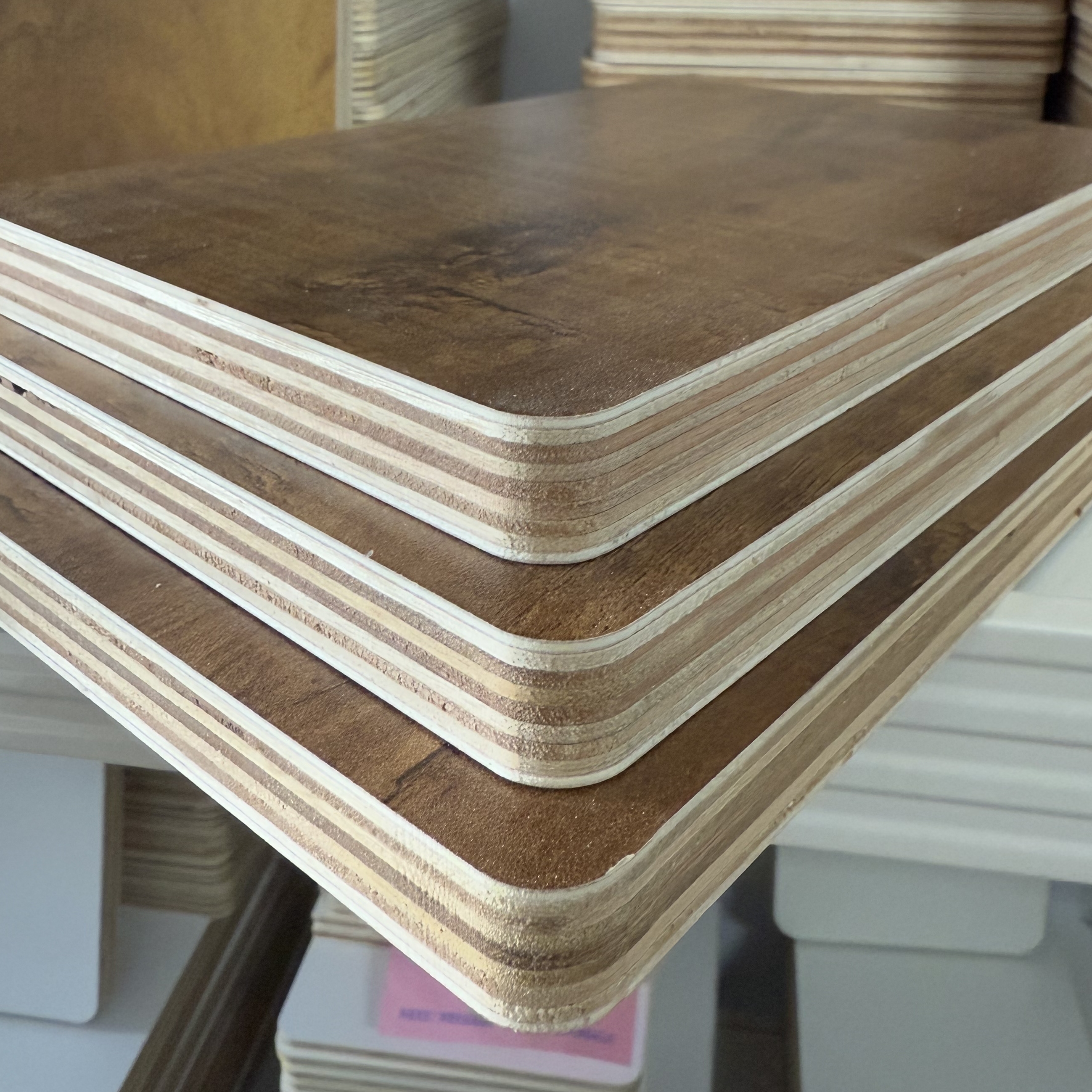
Waterproof White Wood Grain Marble Grain 4x8 18mm Melamine Coated Marine Plywood Sheet for Furniture
Recommended for bathroom cabinetry, wardrobe interiors, retail fixtures, and furniture exposed to humidity where a wipe-clean decorative face is required.
View product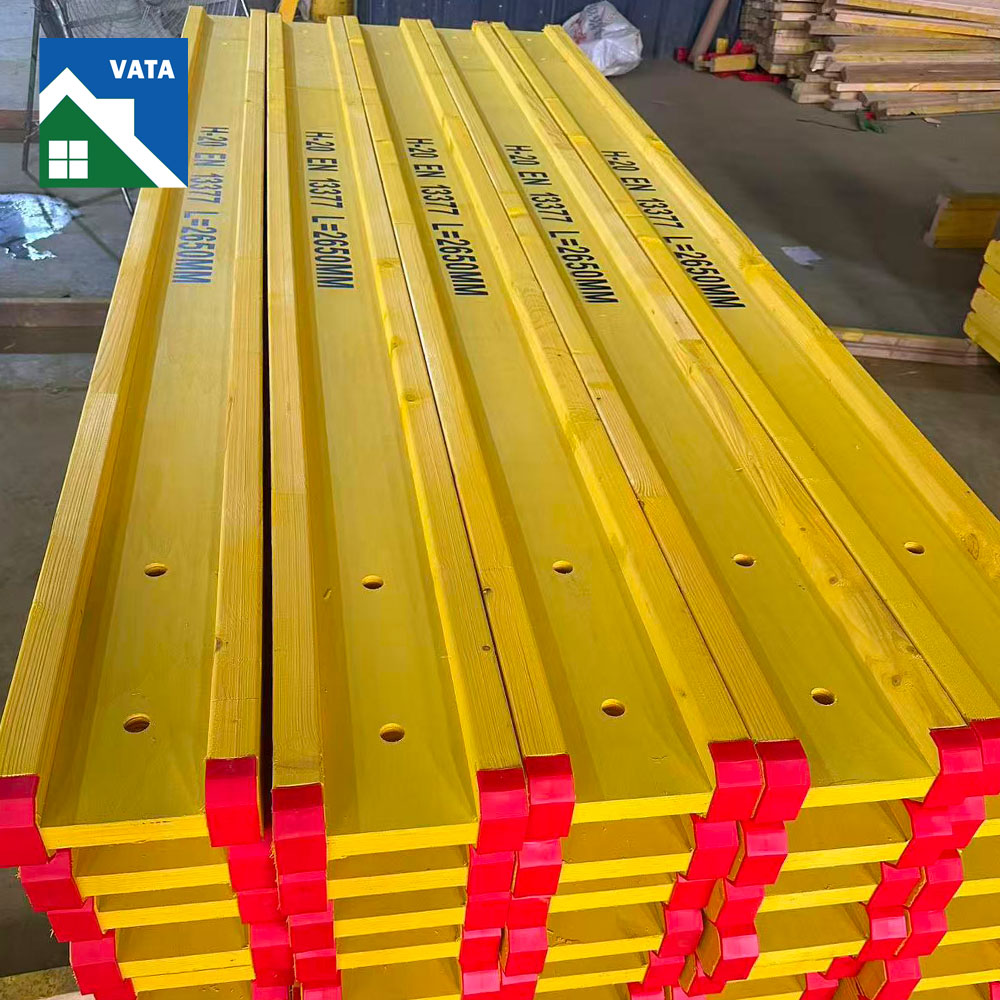
Factory Direct High Strength H20 Timber Beam Waterproof LVL Structural I Beams for Concrete Formwork
Recommended for reusable formwork systems, slab support, and wall formwork where dimensional stability and consistent strength matter.
View product
Customized Length Water Resistant Spruce Wooden H20 Timber Beam with 80x200mm for Concrete Formwork System
Recommended for contractors who need project-specific lengths and a lighter timber beam option for modular formwork and shoring systems.
View product
1220x2440mm, 1525x2440mm, 1830x2440mm Green/Red/Black Core Wood Fiber Plain MDF/HDF Board
Recommended for cabinet makers, laminate processors, and furniture factories that need moisture-resistant cores and multiple sheet formats.
View product
Good Price 1200x2400x18mm Melamine Coated Plywood Custom Thickness Marine Board for Furniture
Recommended for kitchen units, office furniture, shop fitting, and ready-to-assemble furniture where a balanced decorative plywood is needed.
View product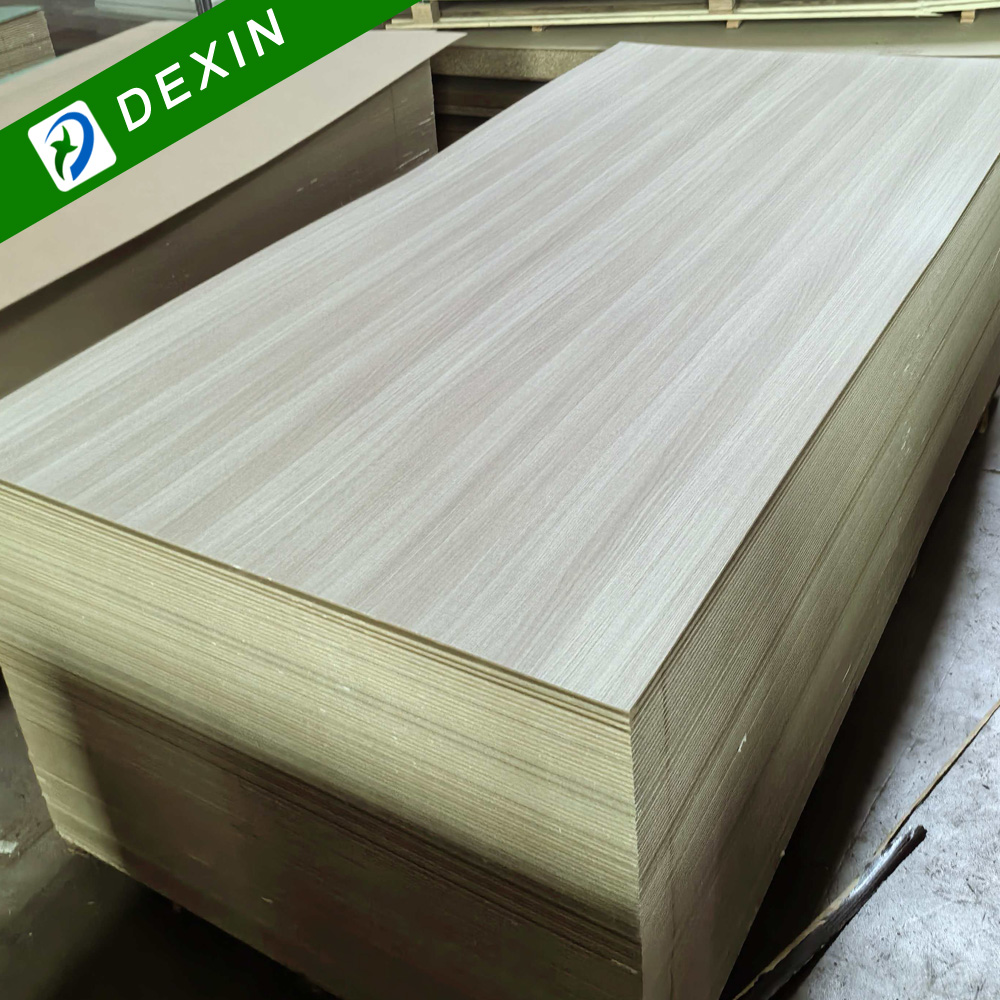
Moisture Resistant 4mm 15mm 17mm 18mm Melamine MDF Wood Panels 1220x2440mm White Textured MDF Melamine
Recommended for wardrobe doors, bathroom cabinets, office partitions, and interior fit-out programs requiring a clean white textured finish.
View product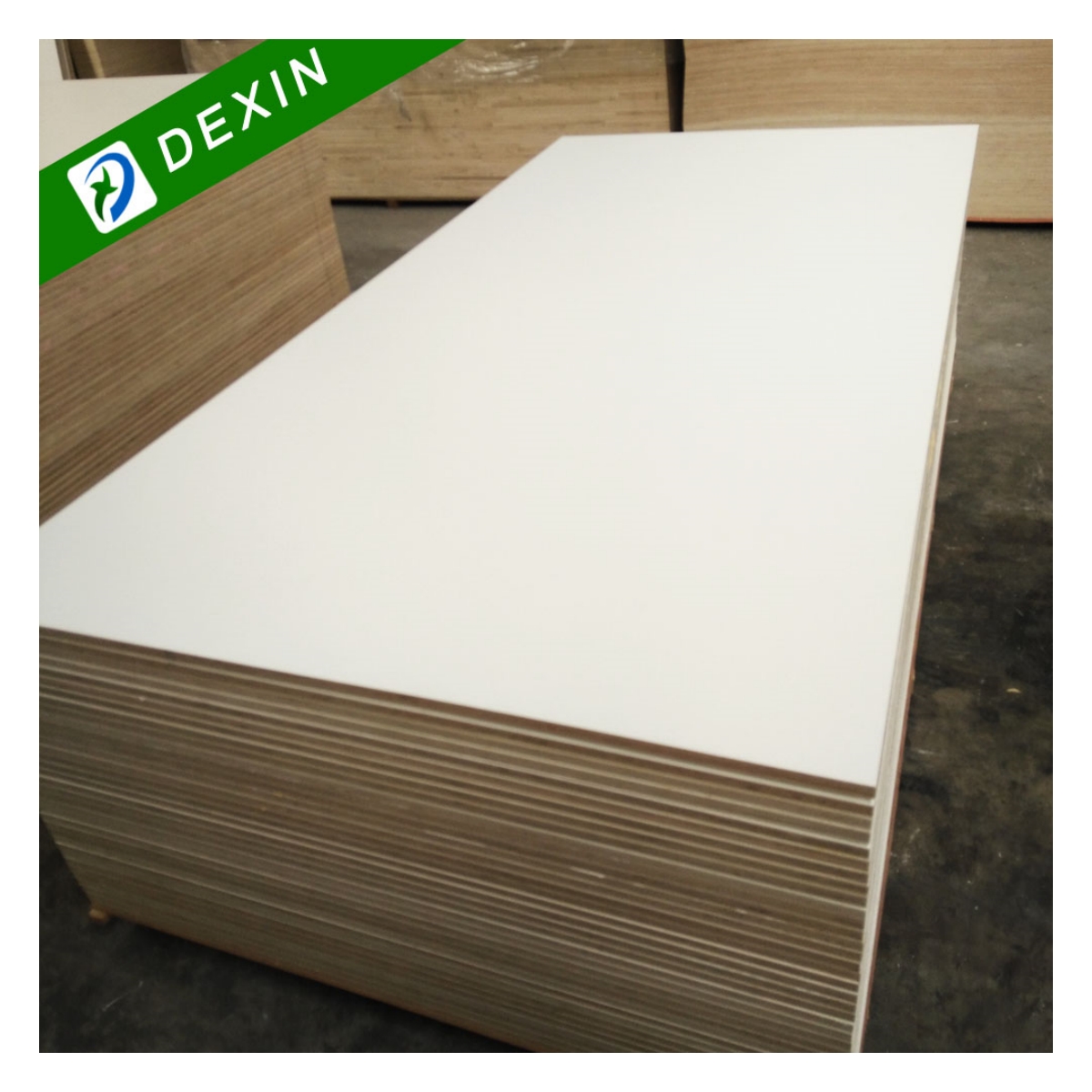
Good Quality 6mm 12mm 18mm Teak/Oak/Maple Melamine Plywood 1/2,3/4 in Plywood Sheet for Furniture
Recommended for furniture exporters that need popular wood-grain decors, mixed thicknesses, and project-specific panel schedules.
View product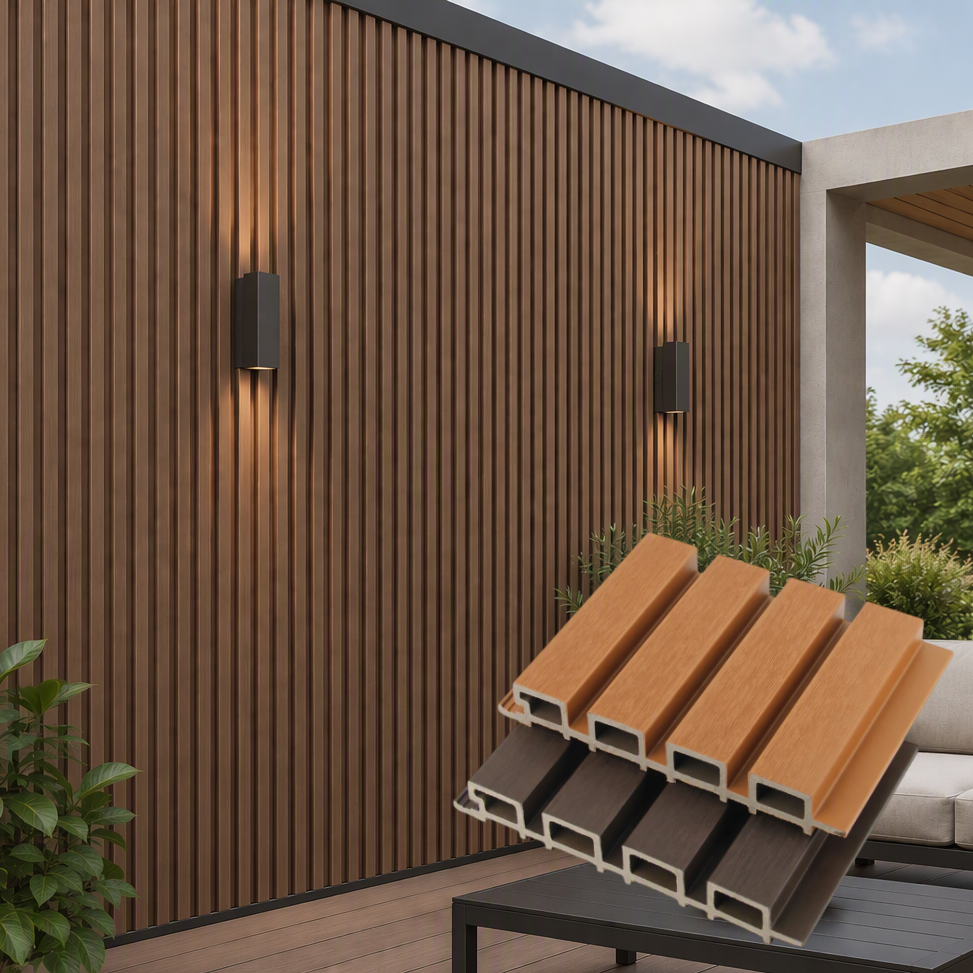
New Style Outdoor WPC Wall Cladding Panels Waterproof Villa Textured Co-Extruded Fluted Facade
Recommended for villa facades, hotel exteriors, feature walls, and renovation projects where waterproof wood-grain cladding is preferred.
View productThe Factory and Exporter Advantages Behind a Reliable Eucalyptus Core Supply Program
Linyi KUDE International Trading Co., Ltd. is the export platform of a wood-based panel manufacturing group founded in 1998 in Linyi, Shandong. The advantage is not one machine or one certificate; it is the combination of production depth, material access, quality documentation, customization, and export execution.
Manufacturing Depth
The group operates 30+ production machine sets in 30,000 m² of workshops with 300+ workers and an annual output of 60,000 m³ across plywood, blockboard, MDF, and particle board.
Verified Quality
CE, ISO 9001, ISO 14001, FSC, and CARB certification support destination-market compliance. E0, E1, and E2 formaldehyde grades are available by product and market requirement.
Customization
Sample-based, design-based, and full customization cover size, thickness, core species, face veneer or decor, glue type, logo printing, packaging, and container loading plans.
Export Execution
FOB, CFR, CIF, and EXW terms; T/T and L/C payment in USD, EUR, or CNY; seaworthy pallet packing; export documentation; and shipment through Qingdao and nearby northern China ports.

Panel production line

Hot-press workshop

Quality inspection
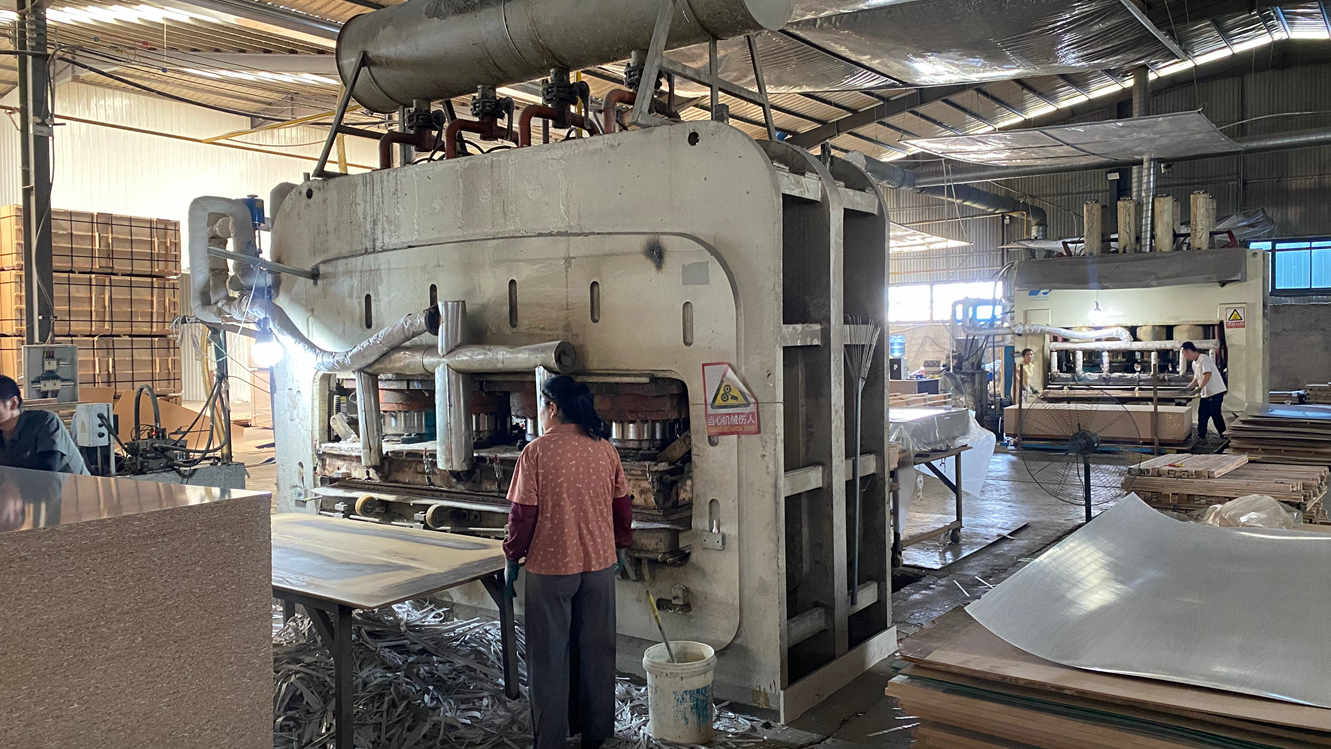
Export container loading
Procurement Trends Reshaping Eucalyptus Core Plywood Orders
Search interest is shifting from generic “cheap plywood” queries toward specification-led searches: emission grade, core species, thickness tolerance, moisture resistance, film-faced durability, and mixed-container flexibility.
Compliance Comes First
Importers now ask for CARB, E1, CE, FSC, and test reports before price negotiation. A supplier that cannot organize documents quickly becomes a schedule risk even if the quotation is low.
Mixed-Load Sourcing
Distributors increasingly combine melamine plywood, plain MDF/HDF, H20 timber beams, and WPC cladding in one container. MOQ commonly ranges from 50 to 500 sheets depending on the product line and customization level.
Engineered Hybrid Specs
Buyers are pairing eucalyptus-core plywood with film-faced overlays, H20 LVL, and moisture-resistant MDF cores to balance strength, weight, surface performance, and total project cost.
Surface Performance
Melamine, UV, PET, high-gloss, matt, anti-scratch, and textured finishes are now specified by application. Kitchen cabinets and wardrobes demand surface durability as much as core strength.
Destination-Specific Specifications
North America often prioritizes CARB and structural confidence; the EU focuses on CE, FSC, and emission documentation; the Middle East and Africa emphasize formwork durability; Southeast Asia prioritizes furniture-grade melamine and MDF.
Visual Verification
Remote buyers request live video inspections, loading photos, container seals, batch labels, and sample retention. These simple controls reduce disputes between first quotation and final delivery.
Product Development Trends to Specify in 2026–2028
Panel innovation is moving toward lower emissions, higher strength-to-weight ratios, easier installation, and more predictable decorative surfaces.
E0 and CARB-compliant glue systems will continue replacing generic urea glue for furniture and interior panels, especially in markets with strict indoor-air requirements.
Graded eucalyptus veneers and tighter moisture control allow thinner panels to maintain stiffness, which supports lightweight furniture and packaging designs.
Marine glue, edge sealing, moisture-resistant MDF cores, and fire-retardant options will be specified earlier in project planning rather than added after a claim.
Co-extruded WPC fluted cladding, UV marble sheets, and PET/UV MDF support faster installation and consistent visual finishes for hotels, villas, and retail spaces.
How to Compare China Eucalyptus Core Plywood Factories & Exporters
Use this matrix as a practical information-gain checklist. It helps buyers ask for the evidence that actually affects yield, claims, and repeat-order performance.
| Verification Area | What to Request | Why It Affects Landed Cost |
|---|---|---|
| Core Species and Veneer Grade | Species declaration, veneer photos, density test, mixed-core disclosure, and sample cross-section. | Weak or mixed cores can reduce screw-holding and increase breakage during fabrication and transport. |
| Glue Type and Emission Grade | MR or WBP glue declaration, E0/E1/E2 or CARB report, and batch traceability. | Non-compliant emission can block customs clearance, retail acceptance, or project handover. |
| Thickness Tolerance and Flatness | 10-point thickness measurement, sanding tolerance, flatness check, and sample board photos. | Uneven thickness wastes laminate, increases sanding time, and creates visible joints in finished furniture. |
| Moisture Content | In-house moisture records, target range, packaging moisture barrier, and arrival re-check plan. | High moisture can cause warping, mold risk, and delamination after a long sea shipment. |
| Bonding and Water Resistance | Knife test, boiling-water test report, glue spread records, and film-faced edge-sealing samples. | Poor bonding shortens formwork reuse and increases claim risk in humid or exterior applications. |
| Face and Surface Quality | Melamine GSM or film thickness, decor matching, UV/PET finish samples, and defect limits. | Surface defects lower furniture yield and can force rework or replacement in retail programs. |
| Packaging and Loading | Pallet photos, corner protection, steel straps, moisture film, container loading photos, and seal number. | Weak export packing causes edge damage and claims that erase the benefit of a lower unit price. |
Tip: Compare suppliers using the same sample specification, destination market, and inspection protocol. A quotation without a matching quality protocol is not directly comparable.
Why the Lowest Quotation Is Not the Lowest Landed Cost
A 2% price advantage disappears when a 4% claim rate appears.
For importers, the real cost of eucalyptus-core plywood includes panel yield, lamination waste, breakage, moisture claims, container utilization, and the management time needed to resolve defects. A supplier that documents thickness, moisture, glue, and loading performance is often more profitable than a supplier with a lower first quotation but inconsistent production.
Matching Eucalyptus Core Plywood and Panel Products to Your Market
Different markets search for different product outcomes. A factory page that speaks only about “plywood” misses the semantic intent behind construction, furniture, and interior-fit-out queries.
Middle East & Africa
Contractors and building-material distributors often prioritize film-faced plywood, H20 timber beams, and commercial plywood for high-rise, infrastructure, and residential formwork.
Recommended: film-faced plywood · H20 LVL · marine plywoodSoutheast Asia
Furniture factories and cabinet makers source melamine plywood, moisture-resistant MDF, UV MDF, and PET MDF for kitchens, wardrobes, and contract furniture.
Recommended: melamine plywood · MDF/HDF · UV/PET surfacesAmericas & Europe
Importers require FSC chain of custody, CARB or E1 emission compliance, consistent thickness, and strong packaging for retail and commercial project channels.
Recommended: CARB-ready commercial plywood · plain MDF · WPC claddingCommon Questions About China Eucalyptus Core Plywood Factories & Exporters
These are the questions importers ask most often before requesting samples, price lists, and container plans.
What is the difference between eucalyptus core plywood and ordinary commercial plywood?
Eucalyptus core plywood uses eucalyptus veneers as part of the core structure. Compared with light poplar cores, graded eucalyptus cores can provide higher density and improved screw-holding when veneer quality, moisture, glue, and pressing are controlled. The keyword is “graded”: buyers should ask for species declaration, veneer photos, density data, and a cross-section sample rather than accepting the species name alone.
How can I verify whether a China plywood factory is a real manufacturer or a trading company?
Request a live video tour of the production line, hot press, warehouse, and loading area. Ask for machine photos, workshop address, export documents, certification records, and a batch-specific inspection report. KUDE’s group profile includes 30,000 m² of workshops, 30+ machine sets, 300+ workers, and an SGS on-site assessment, which gives buyers a practical starting point for verification.
Which certifications and test documents can be supplied?
The manufacturing group holds CE, ISO 9001, ISO 14001, FSC, and CARB certifications. Formaldehyde grades E0, E1, and E2 are available depending on the product and destination market. For formal projects, confirm the exact test standard, sample batch, and document format with the sales team before placing the order.
What is the minimum order quantity, and can several products be mixed in one container?
MOQ depends on the product line and customization level, typically from 50 to 500 sheets. Several products can be combined in one container after confirming specifications, packing, and loading sequence. This is useful for distributors that need melamine plywood, plain MDF, H20 beams, and decorative wall panels in a single shipment.
Can you customize size, thickness, core, face, logo, and packaging?
Yes. Sample-based, design-based, and full customization are available for size, thickness, core species, face veneer or decorative paper, glue type, logo printing, and export packaging. For eucalyptus-core plywood, the most important customization details are core grade, moisture target, glue type, thickness tolerance, and final application.
How are orders shipped from Linyi, and what payment terms are accepted?
Linyi is well positioned for container loading through Qingdao and nearby northern China seaports. Common terms include FOB, CFR, CIF, and EXW. Payment can be arranged by T/T or L/C in USD, EUR, or CNY, subject to order details. Buyers should always confirm Incoterms, port, packing method, and inspection plan in the final quotation.
Request the 2026 Eucalyptus Core Plywood & Panel Catalog
Share your target market, panel size, thickness, core density, emission class, surface finish, MOQ, and destination port. The export team can recommend a specification and prepare a mixed-container sourcing plan.
Get CatalogFactory-direct plywood, MDF/HDF, H20 timber beams, and WPC wall cladding from Linyi, China.