China Top High Gloss MDF Exporter & Exporters
A practical sourcing guide for importers, distributors, contractors and private-label furniture brands comparing high gloss MDF, melamine-faced boards, film-faced plywood and decorative wall panels from China. Built from KUDE's production, quality-control and export experience in Linyi, China's largest wood-based panel cluster.
8 Export-Ready Panel Products for High Gloss MDF Buyers
This curated range reflects how serious buyers assemble a container: a decorative core board, a moisture-resistant option, a substrate for lamination, and complementary construction or wall-panel products. Each item below keeps the original product URL so specification teams can move from research to quotation without losing context.
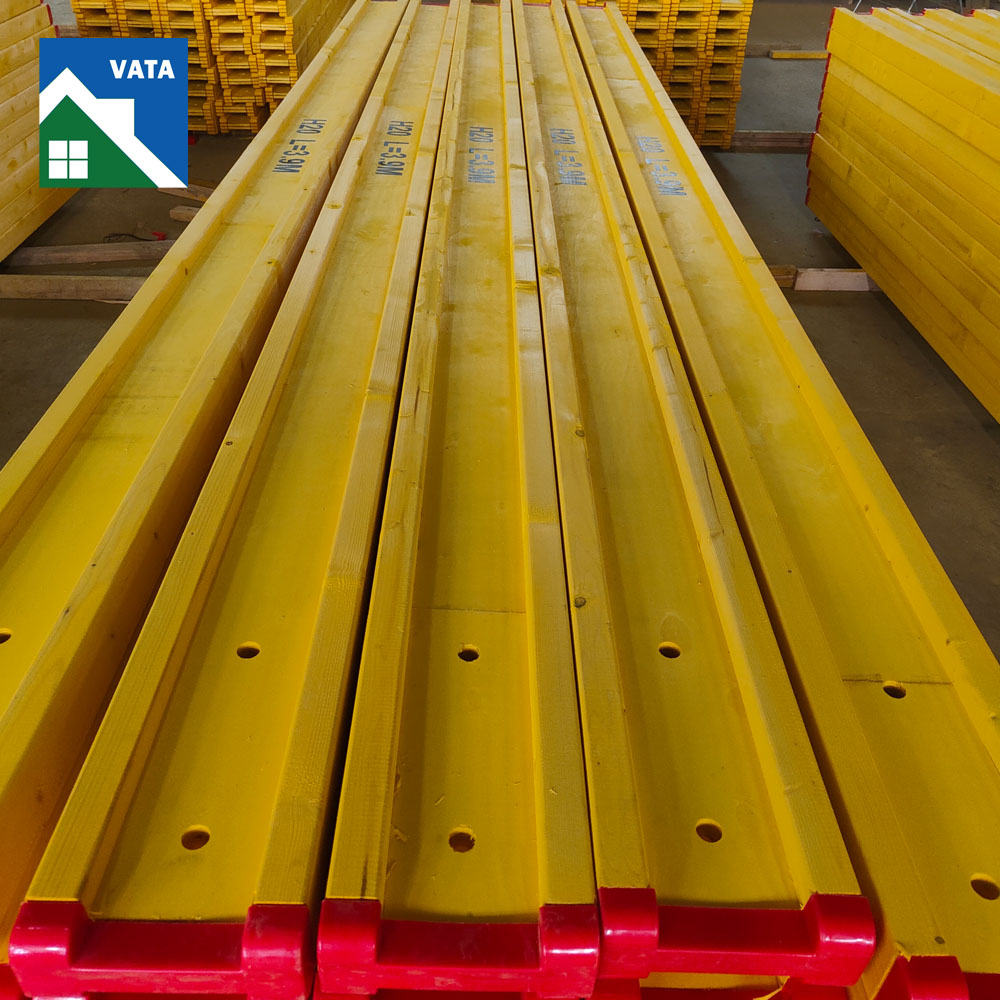
Manufacturer Reusable Yellow Painted H20 Wooden Formwork Beam with Plastic End Caps for Construction Building Projects
Reusable H20 beam for slab and wall formwork, designed to pair with film-faced plywood in structural projects where repeatability and handling efficiency matter.
- Reusable
- H20
- Export Packing
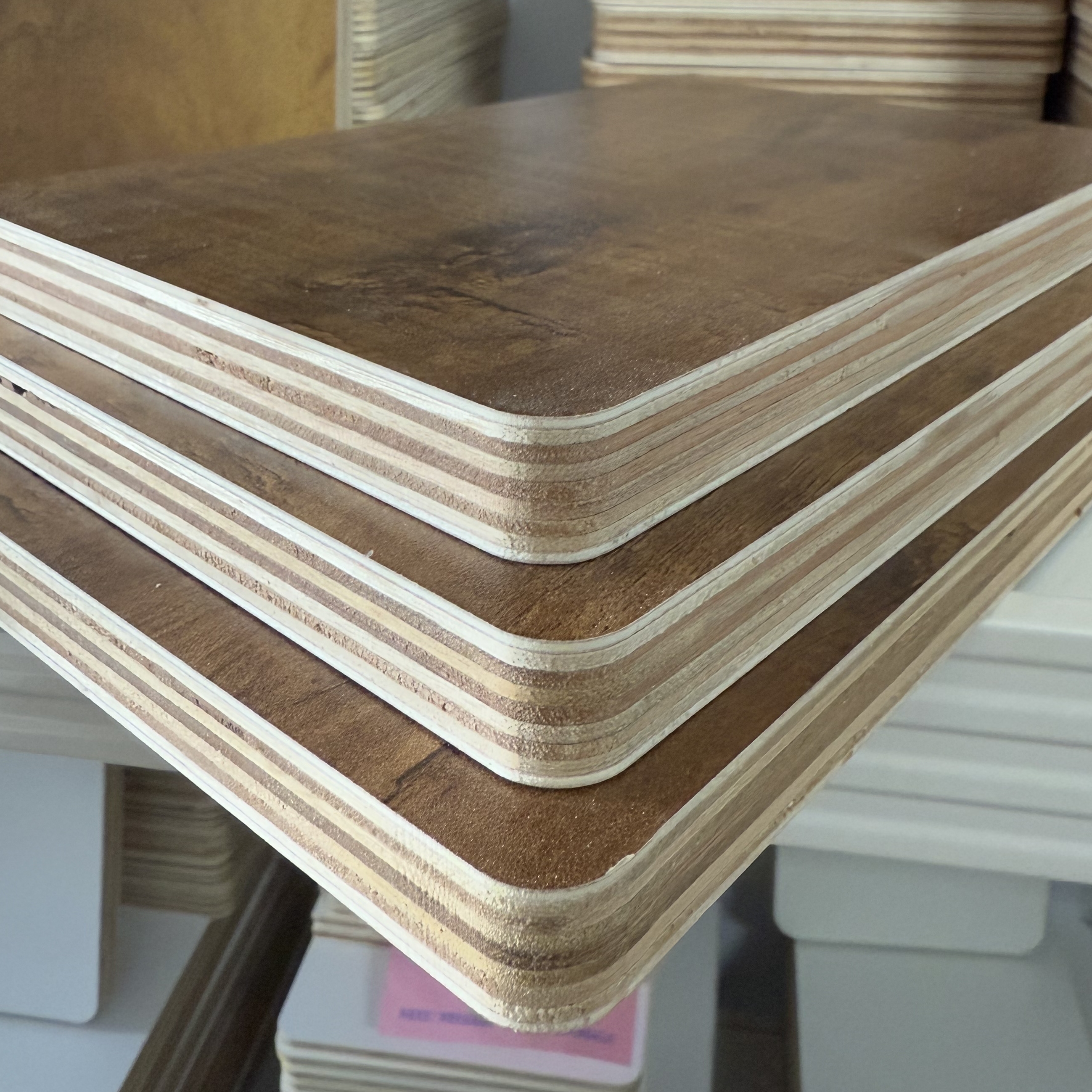
Waterproof White Wood Grain Marble Grain 4x8 18mm Ply Board Melamine Coated Marine Laminated Plywood Sheet for Furniture
Waterproof melamine-laminated marine plywood with white wood-grain or marble-grain face options for wet-area furniture, retail fit-outs and design-led cabinetry.
- 4x8
- 18mm
- Waterproof
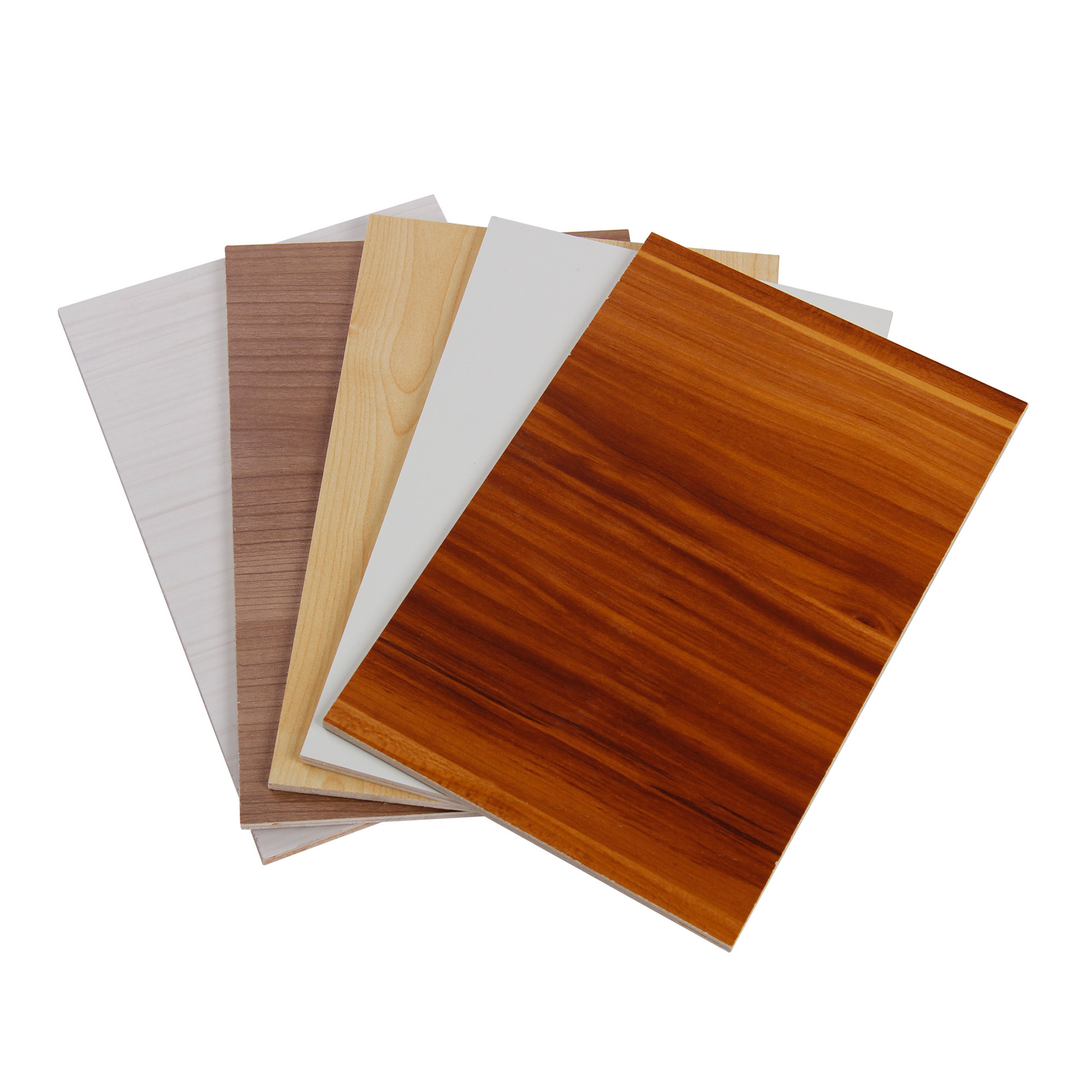
12mm 15mm 16mm 18mm Melamine Wood Board Plywood for Furniture Making
Multi-thickness melamine plywood for cabinets, shelving and contract furniture, with color matching and OEM packaging support for distributor programs.
- 12–18mm
- Melamine
- Furniture
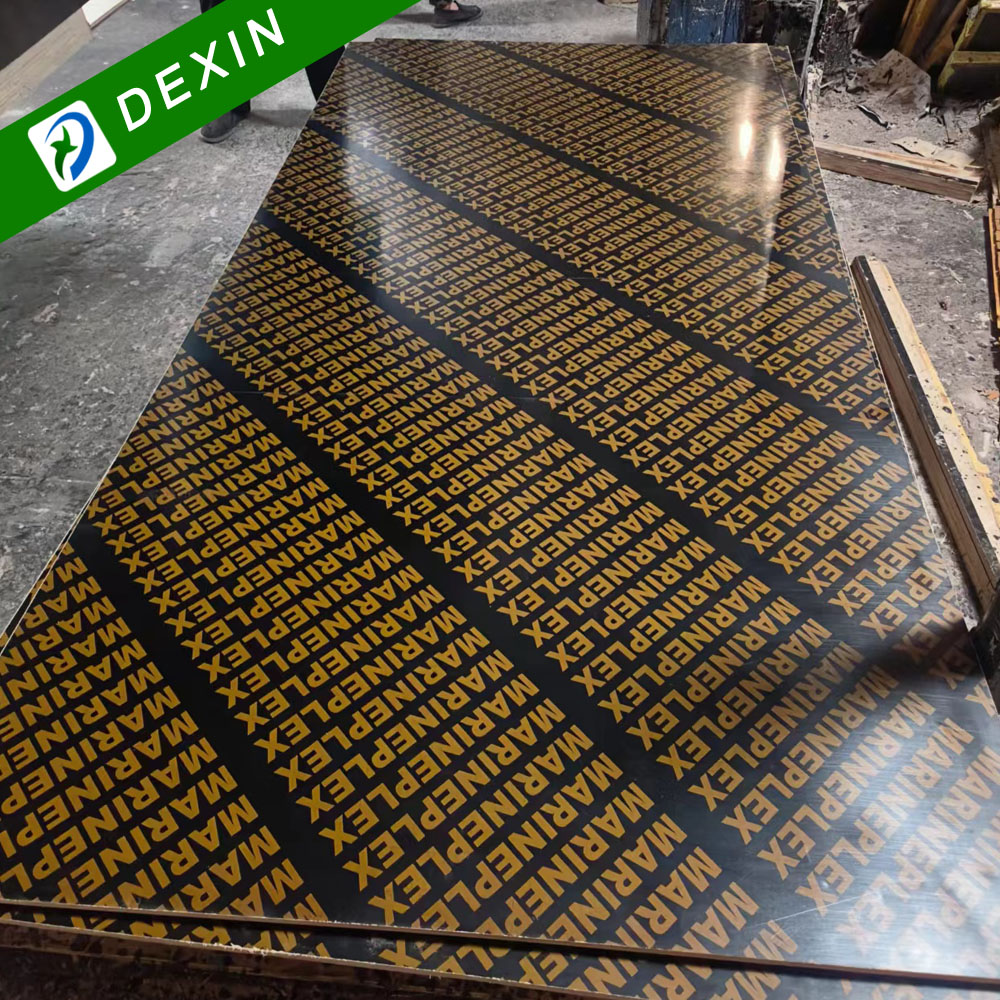
1220*2440* 15mm / 9mm / 12mm / 18mm Film Faced Plywood Marine Construction Formwork Board
Film-faced formwork board with a dense release surface for concrete construction, suitable for contractors requiring repeat pours and clean finishes.
- 1220×2440
- WBP
- Formwork

1220x2440mm, 1525x2440mm, 1830x2440mm Green/ Red/ Black Core Wood Fiber Plain MDF/ HDF Board
Plain MDF and HDF with color-coded cores for routing, painting, lamination and high gloss processing. Color cores help fabricators identify grade and reduce mixing errors.
- MDF / HDF
- Color Core
- Raw Board
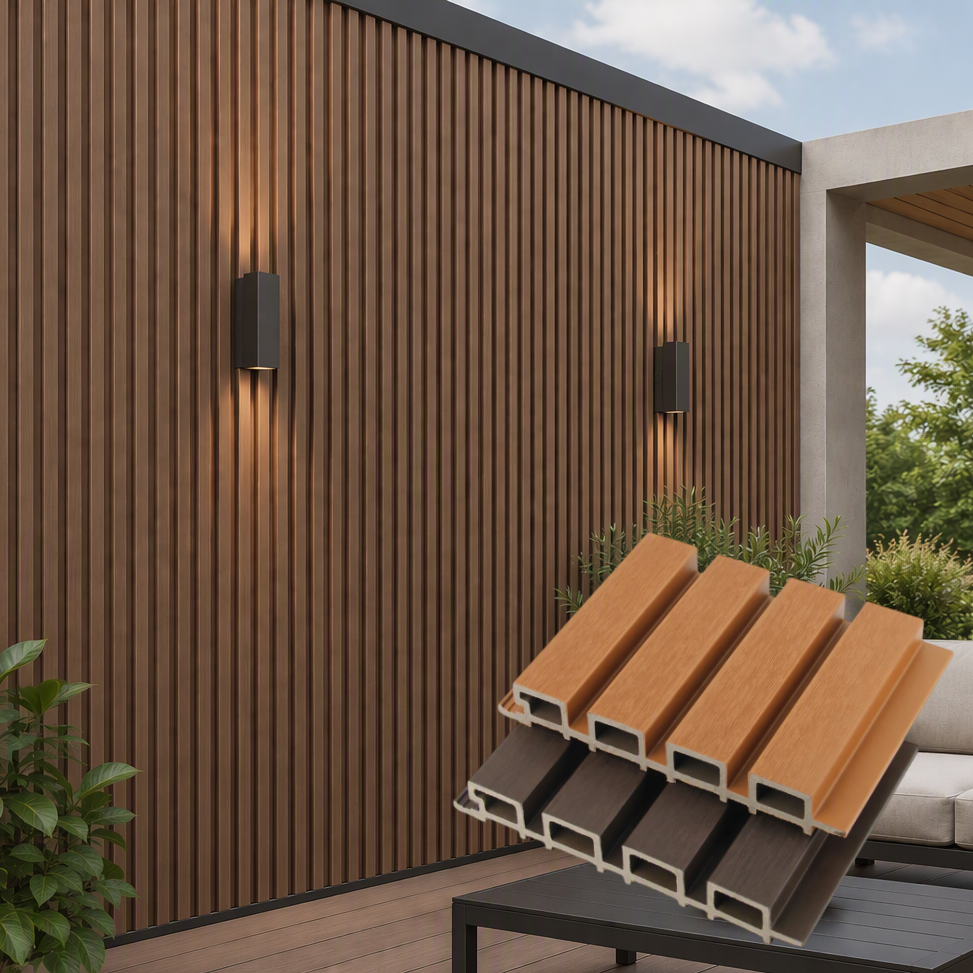
New Style Outdoor WPC Wall Cladding Panels Waterproof Villa Textured Co-Extruded Fluted Facade
Co-extruded WPC cladding for exterior feature walls, villas and facades. Waterproof, wood-textured and low-maintenance for projects seeking fast installation.
- WPC
- Outdoor
- Fluted
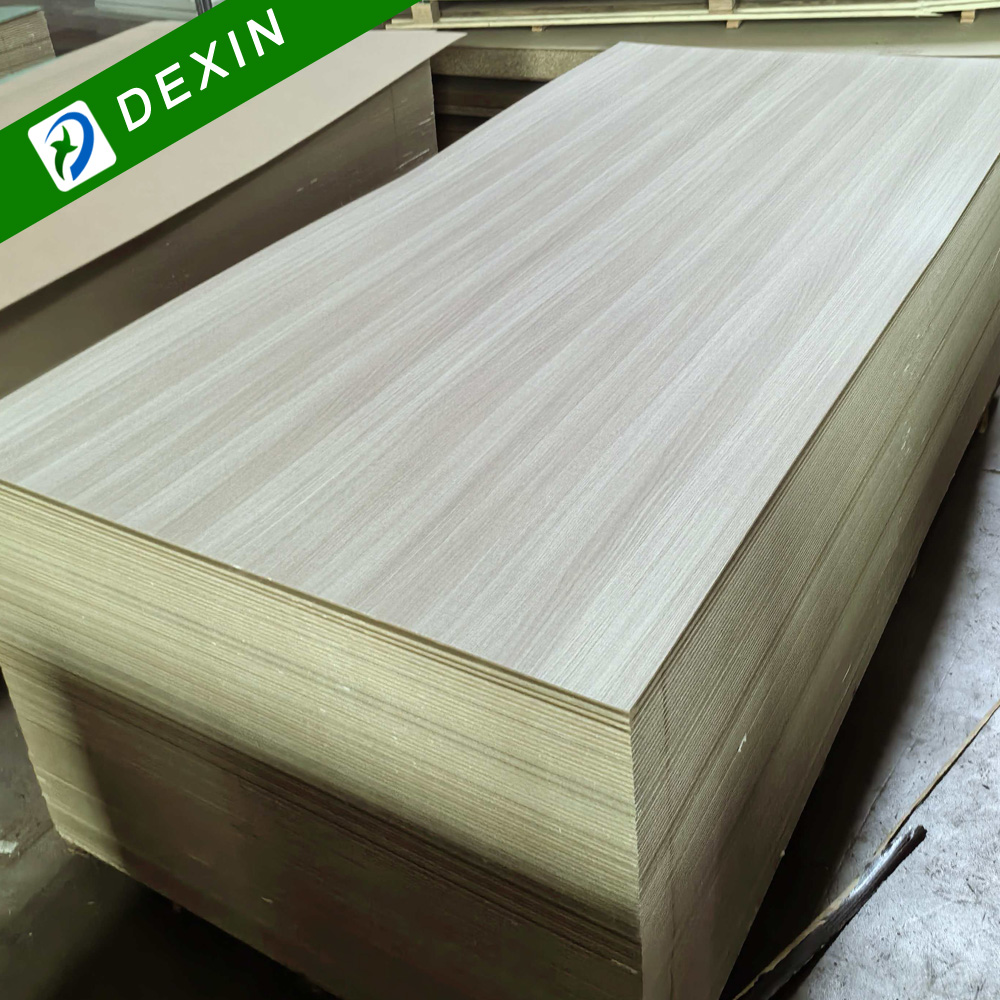
Moisture Resistant 4mm 15mm 17mm 18mm Melamine MDF Wood Panels 1220x2440mm White Textured MDF Melamine
White textured melamine MDF with moisture-resistant core for kitchen, bathroom and utility cabinetry where visual consistency and humidity resistance are required.
- HMR
- White Textured
- 1220×2440
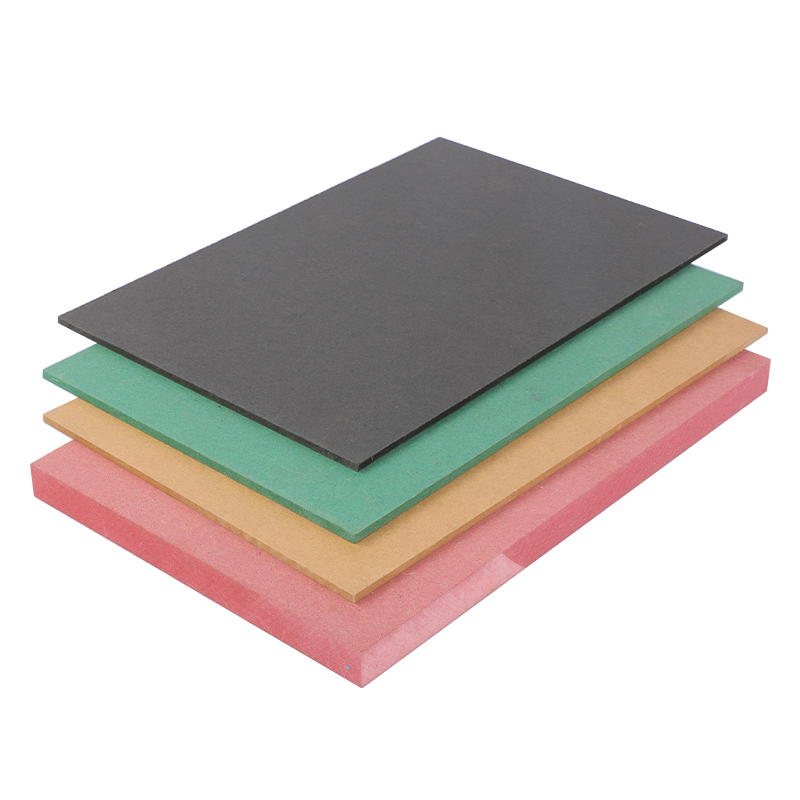
High Quality 3mm~18mm Raw/Plain MDF Sheet with Best Price
Raw MDF substrate for UV, PET, melamine and veneer lines. Thickness options support cabinet doors, panels and packaging, with OEM specifications available.
- 3–18mm
- Raw MDF
- OEM
How to Judge a China High Gloss MDF Exporter Before You Approve the Sample
The phrase "top high gloss MDF exporter" is not a trophy. It is a claim that should be tested against process control, documentation and repeat-order performance. High gloss MDF is a finish system built on a substrate, not a color. Base board density, fiber distribution, sanding accuracy, primer absorption, film or UV coating cure, and edge sealing determine whether a door still reads as furniture-grade after 12 months in a kitchen, hotel or humidity-controlled showroom.
In China, the strongest suppliers are usually found in clusters where raw MDF, melamine paper, PET film, UV lines, glue and hardware are within short transport distance. Linyi, Shandong, is one of those clusters. KUDE's production base has operated there since 1998, which gives the export team direct access to the material ecosystem rather than a pure trading-layer view.
For importers, the specification conversation should move in a fixed order: application, substrate, finish, emission, dimensions, hardware and packing. A high gloss wardrobe door for Europe may require E1 or CARB compliance and a moisture-resistant core; a retail display in the Middle East may prioritize gloss retention and heat resistance; a distributor in Southeast Asia may need mixed containers with melamine plywood, raw MDF and WPC wall panels to protect freight economics. KUDE supports sample-based, design-based and full customization of size, thickness, core species, face veneer or decor, glue type, logo printing and export packaging.
Experience matters most when a batch deviates. A factory that has run 30,000 m² of workshops, 30+ machine sets and 60,000 m³ of annual panel output has seen more thickness, moisture and adhesion edge cases than a trading company reselling anonymous stock. That is why our buyer conversations start with the final application and the destination market, not with a single price per sheet. KUDE's group holds CE, ISO 9001, ISO 14001, FSC and CARB certifications, and our supplier profile has passed an on-site assessment by SGS. These are not decorative badges; they shape how we select glue, document emission grades and prepare inspection files.
Use the finish matrix below as a practical shortlisting tool. It is intentionally direct: each surface system has a best-fit use, a cost profile and a set of failure modes that a buyer should check before placing a container order.
| Surface System | Visual Character | Typical Use | Buyer Checks |
|---|---|---|---|
| UV high gloss MDF | Mirror-like clear coating, deep reflection and smooth touch | Kitchen cabinet doors, wardrobe fronts and retail fixtures | UV cure, adhesion, yellowing resistance, edge sealing and gloss retention |
| PET high gloss MDF | Film-laminated surface with consistent solid, wood or marble colors | Flat-pack kitchens, bathroom vanities and wardrobe doors | Film thickness, primer bond, scratch resistance, color lot and corner protection |
| Melamine-faced MDF | Matte, textured, wood-grain or soft-touch paper with a broad color range | Storage cabinets, office furniture and utility interiors | Paper weight, core HMR grade, edge chipping and batch color consistency |
| Raw / plain MDF | Uncoated sanded board for post-finishing by the fabricator | CNC routing, painted panels, veneer and high gloss lines | Density, thickness tolerance, surface sanding, moisture content and emission grade |
Purchasing Trends Reshaping High Gloss MDF Orders in 2025–2030
Buying behavior has shifted from "find the cheapest sheet" to "secure a repeatable finish." These four trends are visible in buyer briefs, sample requests and container plans.
Specification-Led Buying
RFQs now arrive with target emission grade, gloss level, core type, thickness tolerance and packaging marks. Buyers want batch-specific inspection photos before shipment, not only a catalog.
Container Mix Optimization
Freight cost per cubic meter makes single-SKU containers less attractive. Importers combine high gloss MDF, raw MDF, melamine plywood, film-faced formwork and WPC cladding to fill a 40HQ and serve multiple customer segments.
Private-Label Packaging
Distributors request branded protective film, barcode labels, edge-band matching cards and pallet footprints aligned to warehouse racking. OEM packaging is now part of the product, not an afterthought.
Documentation as Risk Control
FSC, CE, CARB, ISO and SGS assessment files are requested earlier in the buying cycle. Reliable exporters prepare test reports, packing lists and loading evidence that match the exact batch and destination.
Product Development Trends: The Next Generation of High Gloss MDF
The next wave of high gloss MDF is less about glare and more about durability, indoor air quality and visual realism.
Hybrid and Low-Sheen Gloss
Buyers want a mirror finish only where it sells. Matte, satin and soft-touch surfaces are growing in the same kitchen program, so factories must control multiple surface systems without color drift.
HMR and Color-Core Substrates
Moisture-resistant MDF, green/red/black core and HDF options are specified for kitchens, bathrooms and utility cabinets. Color cores help fabricators identify grade on the factory floor.
Emission and Odor Control
E0, E1, E2 and CARB requirements increasingly sit beside odor and TVOC questions. Low-emission glue, controlled drying and clean packing are becoming qualification criteria, not upgrades.
Digital Decor and Texture
Marble, wood grain and stone looks are printed with tighter repeatability. Synchronized embossing and edge-band matching allow high gloss and textured MDF to compete with veneer and stone at lower weight and faster installation.
Application-Led Product Recommendations for Importers
A high gloss MDF program should be matched to the room, the installer and the climate.
Kitchen and Bathroom Cabinet Doors
For humid rooms, start with moisture-resistant MDF or HMR melamine MDF, then choose PET or UV gloss. Specify edge sealing, hinge and handle drilling, and packing that protects corners. KUDE's moisture-resistant melamine MDF and raw MDF lines can be combined with color-matched edge banding for private-label kitchen programs.
Wardrobes, Office and Contract Furniture
Use melamine plywood and melamine MDF where screw-holding, flatness and color consistency matter. For visible doors, high gloss PET or UV MDF gives a uniform surface; for carcasses, melamine-faced boards reduce finishing time. Mixed containers can include 12–18 mm melamine board, 4x8 marine plywood and raw MDF.
Construction, Retail and Facade Packages
Film-faced plywood and H20 beams support concrete formwork; WPC cladding supports exterior feature walls. For retail fit-outs, raw MDF is often routed and painted or wrapped, while melamine plywood provides fast structural panels. This is where KUDE's eight-product export portfolio becomes a single sourcing point.
Why KUDE Is Positioned as a Reliable China High Gloss MDF Exporter
KUDE's export advantage is not a slogan; it is a combination of cluster location, manufacturing depth and export discipline. Linyi KUDE International Trading Co., Ltd. is the export platform of a wood-based panel manufacturing group founded in 1998 in Linyi, Shandong, China's largest wood-based panel production cluster. The group operates 30,000 m² of production workshops with more than 300 workers and 30+ machine sets. Annual panel output reaches 60,000 m³, with products exported to 30+ countries and regions.
The stated management principle is "survival by quality, development by prestige." Our supplier profile has passed an on-site assessment by SGS; the group holds CE, ISO 9001, ISO 14001, FSC and CARB certifications; and formaldehyde grades E0, E1 and E2 are available depending on product and market. For buyers, that means the factory discussion can focus on the real variables: substrate density, surface system, emission grade, edge quality, packing and delivery.
Factory-Direct Cost Structure
30+ machine sets cover peeling, gluing, hot pressing, sanding and laminating. Buyers deal with a production-linked export team instead of an opaque chain of middlemen.
Linyi Cluster Access
Veneer, glue, paper, film and hardware are close to the line. That matters when a custom color, core or thickness requires fast sampling and stable repeat supply.
Verified Quality System
CE, ISO 9001, ISO 14001, FSC, CARB and SGS assessment. E0, E1 and E2 grades are matched to destination requirements and documented per order.
Customization and OEM
Sample-based, design-based and full customization: size, thickness, core species, face veneer or decor, glue type, logo printing and seaworthy packaging.
Export Terms and Logistics
T/T and L/C in USD, EUR or CNY; FOB, CFR, CIF and EXW; loading through Qingdao and northern China seaports with export documents and loading photos.
Technical Response, Not Just Price
Send the application, climate, target market and packing requirement. We return a specification proposal with substrate, finish, emission grade, MOQ and container plan.
From Raw Board to Export Pallet: Four Checkpoints That Protect the Finish
High gloss defects rarely appear at the final polish. They begin with moisture, density variation, sanding marks or contaminated coating lines. Our QC logic follows the board.
Material and Core Selection
Veneer grading, fiber quality, moisture content and glue selection are checked against the target application. HMR and colored cores are kept separate to prevent mix-ups.
Pressing, Calibration and Sanding
Thickness tolerance, density, flatness and surface preparation are controlled before any film or coating is applied. A high gloss surface cannot hide an unstable substrate.
Surface and Gloss Inspection
For UV or PET programs, adhesion, cure, scratch resistance, color lot and edge condition are reviewed. For melamine boards, paper bond and edge chipping are checked.
Packing and Loading Verification
Export pallets, corner protection, steel straps, moisture barriers and container loading photos are prepared. Final inspection records travel with the order.
Questions Importers Ask Before Ordering High Gloss MDF from China
What makes high gloss MDF different from standard MDF?
Should I choose UV high gloss MDF or PET high gloss MDF?
Which emission grades and certifications can KUDE provide?
Can I customize size, thickness, core, color and packaging?
What is the MOQ, and can I mix high gloss MDF with other panels in one container?
How are panels packed, and which trade terms and ports do you use?
How can I verify quality before shipment?
Send Your High Gloss MDF Specification for a Factory-Level Review
To receive a useful quotation, send dimensions and thickness, substrate and emission grade, surface system and color reference, application and climate, order quantity, destination port, packaging and branding requirements, and target certification. Our export team will return a technical proposal with product recommendation, MOQ and container plan.
Get a QuoteEmail: info@kudeplywood.com · Linyi, Shandong, China · Exporting to 30+ countries and regions