Eight Plywood Sheet Products That Fit Real Procurement Briefs
A strong supplier page should help buyers shortlist, not just browse. The eight products below cover the most common export demand patterns: structural formwork, furniture substrates, melamine-faced boards, moisture-resistant kitchen panels and fast-install decorative surfaces.
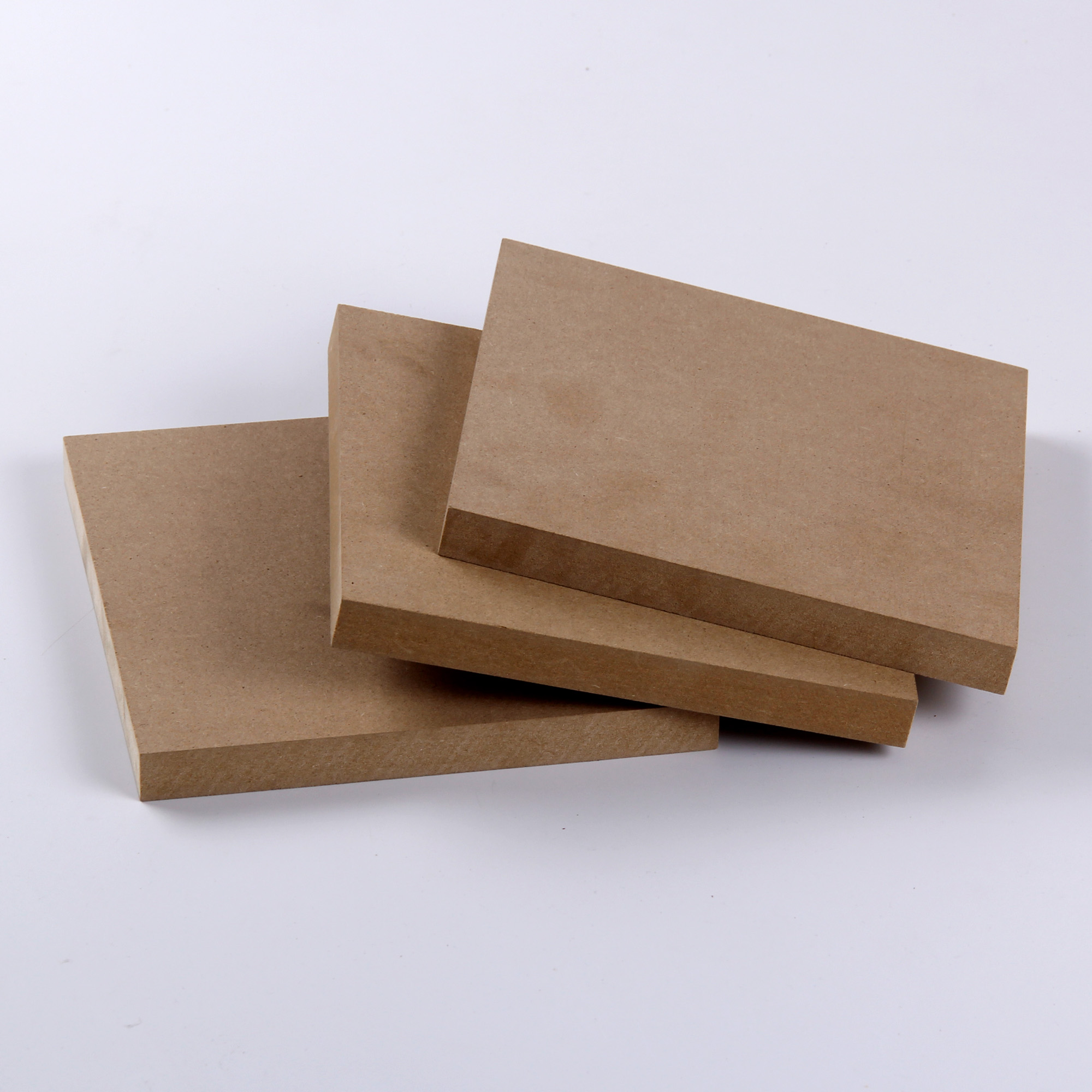
Factory Standard Raw MDF/HDF Board, 5–18 mm
A dimensionally consistent raw board for furniture, doors and lamination lines. Buyers use it when thickness calibration, sanding quality and surface flatness matter more than a low headline price.
Inspect specifications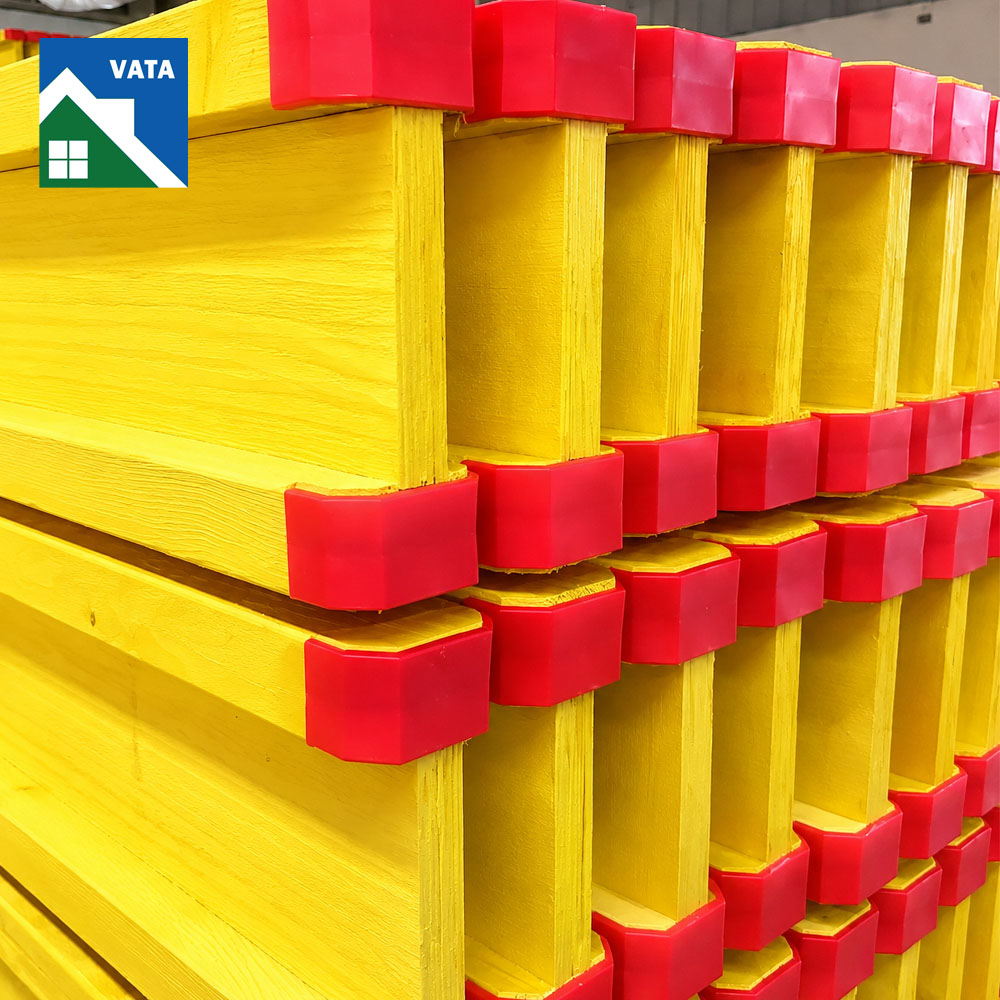
Heavy-Duty Spruce H20 Formwork Beams
Engineered spruce beams for slab formwork where straightness, nail-holding and repeatable assembly drive labor efficiency. Pair with film-faced plywood for a complete formwork package.
Inspect specifications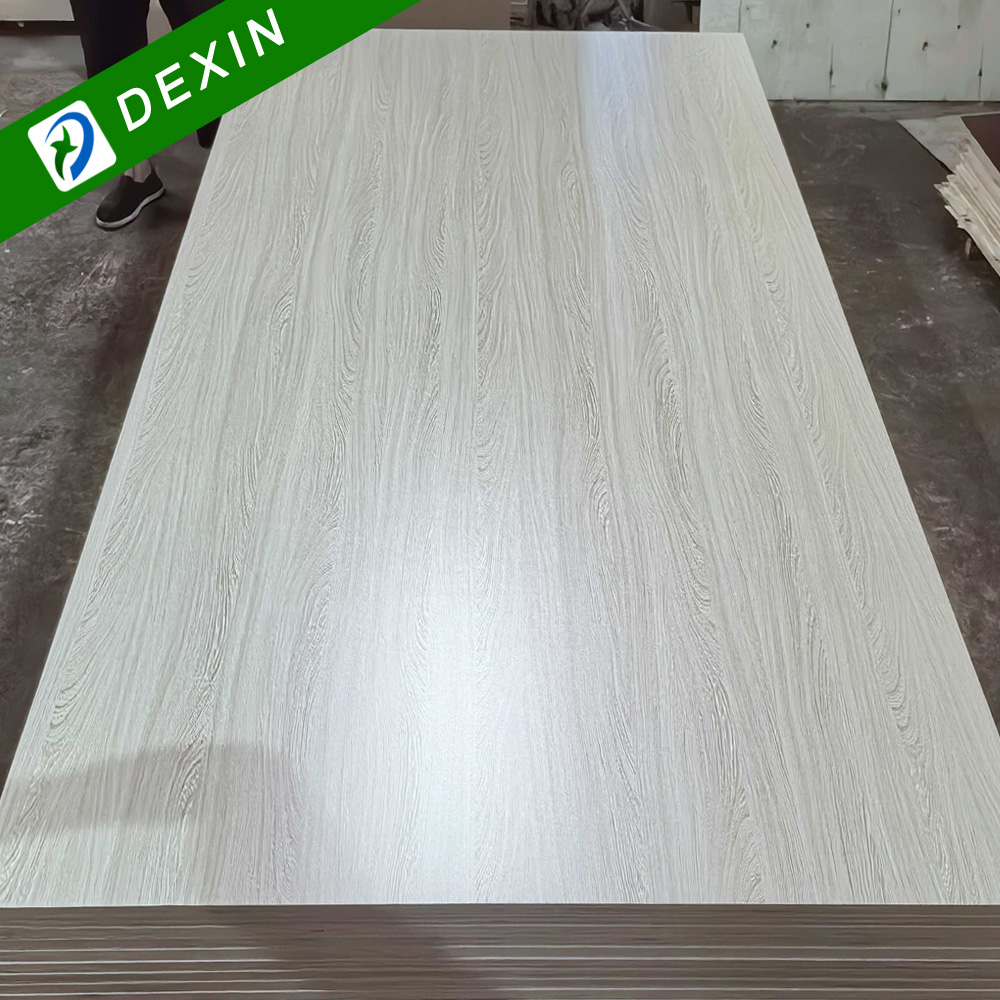
Waterproof Melamine-Faced 11-Ply Eucalyptus Plywood
A 5 mm, 6 mm and 18 mm waterproof melamine plywood with 11-ply eucalyptus core. The dense core and faced surface suit kitchen cabinets, bathroom vanities and export furniture.
Inspect specifications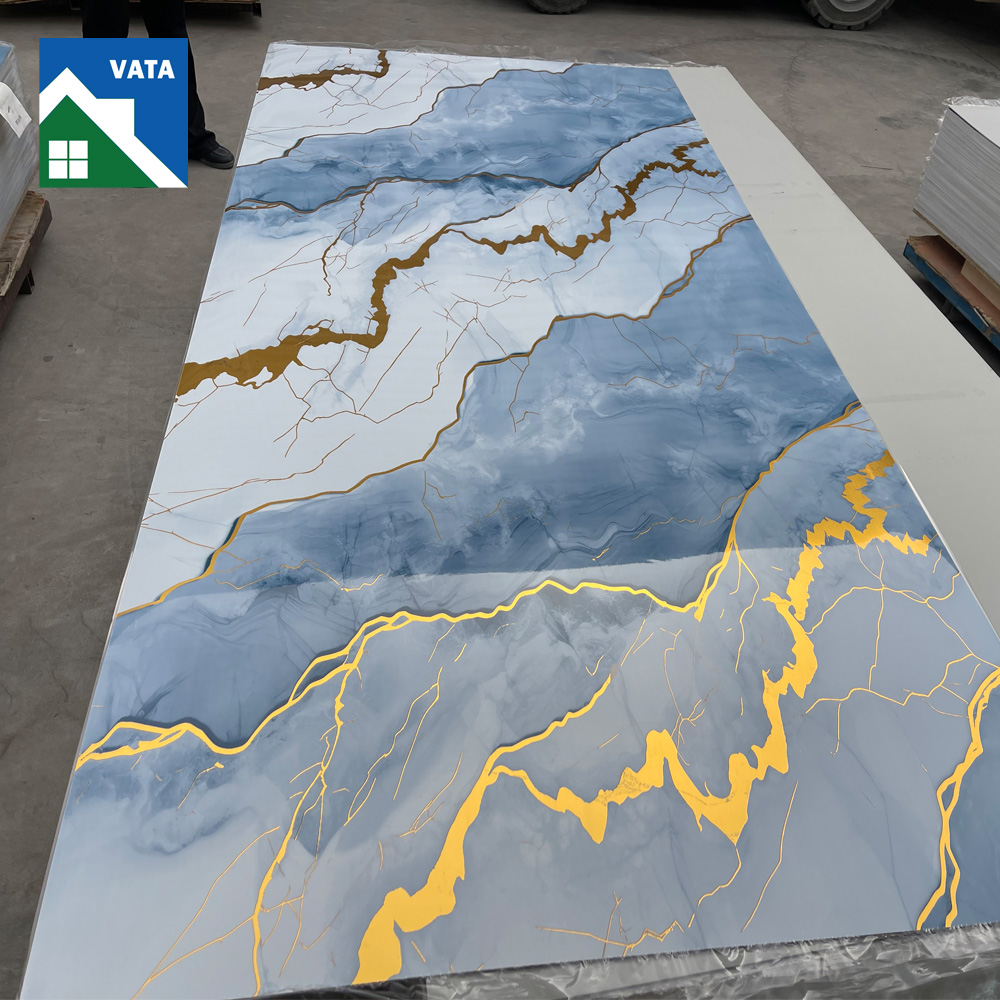
Bendable High-Gloss PVC/UV Marble Wall Sheet
Bendable high-gloss PVC/UV marble sheet for TV walls and fast interior upgrades. Lightweight, easy to install and effective where stone is too heavy or too slow to fit.
Inspect specifications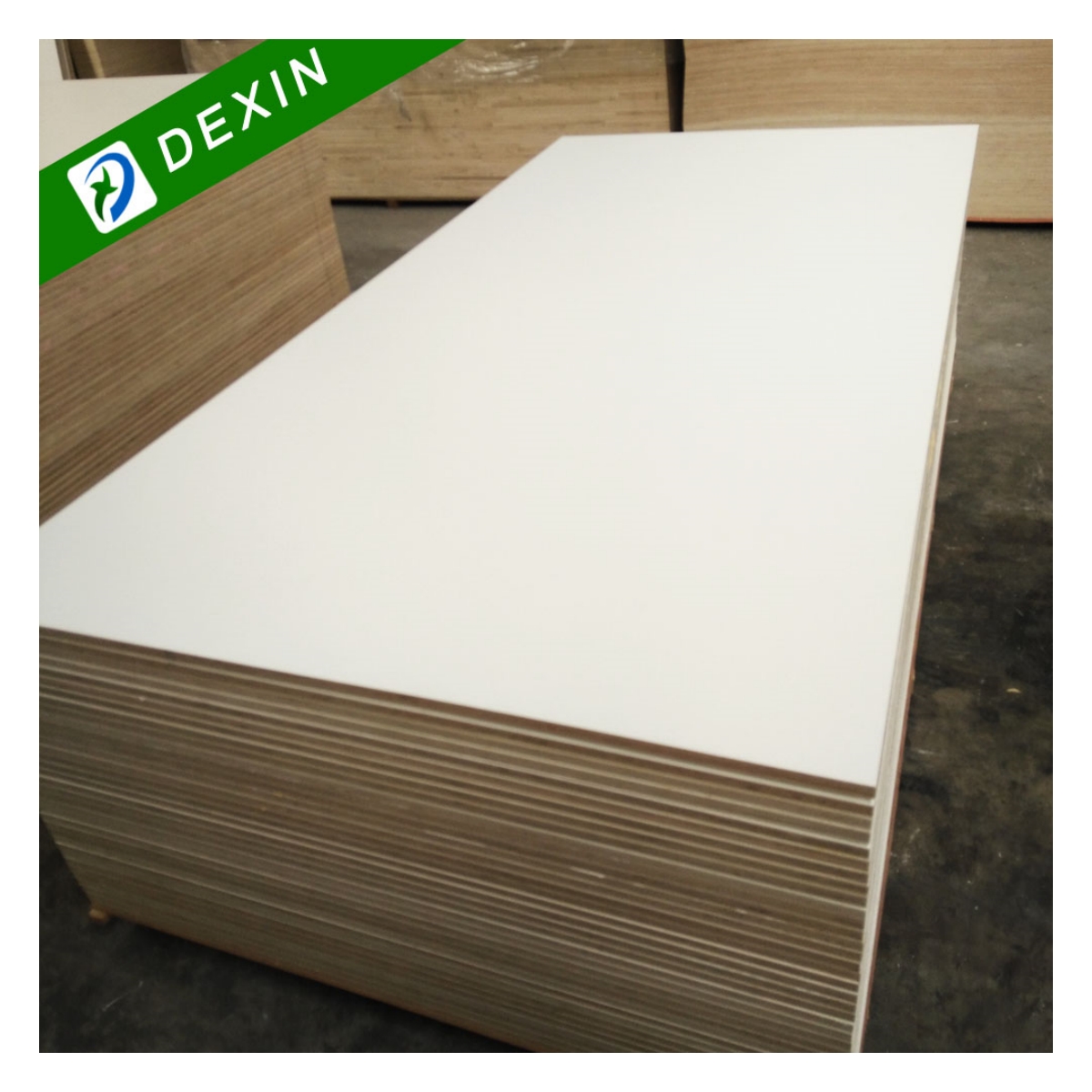
Teak, Oak and Maple Melamine Plywood for Furniture
Teak, oak and maple melamine plywood in 6 mm, 12 mm and 18 mm for furniture factories that need repeatable decor across containers and stable stock availability.
Inspect specifications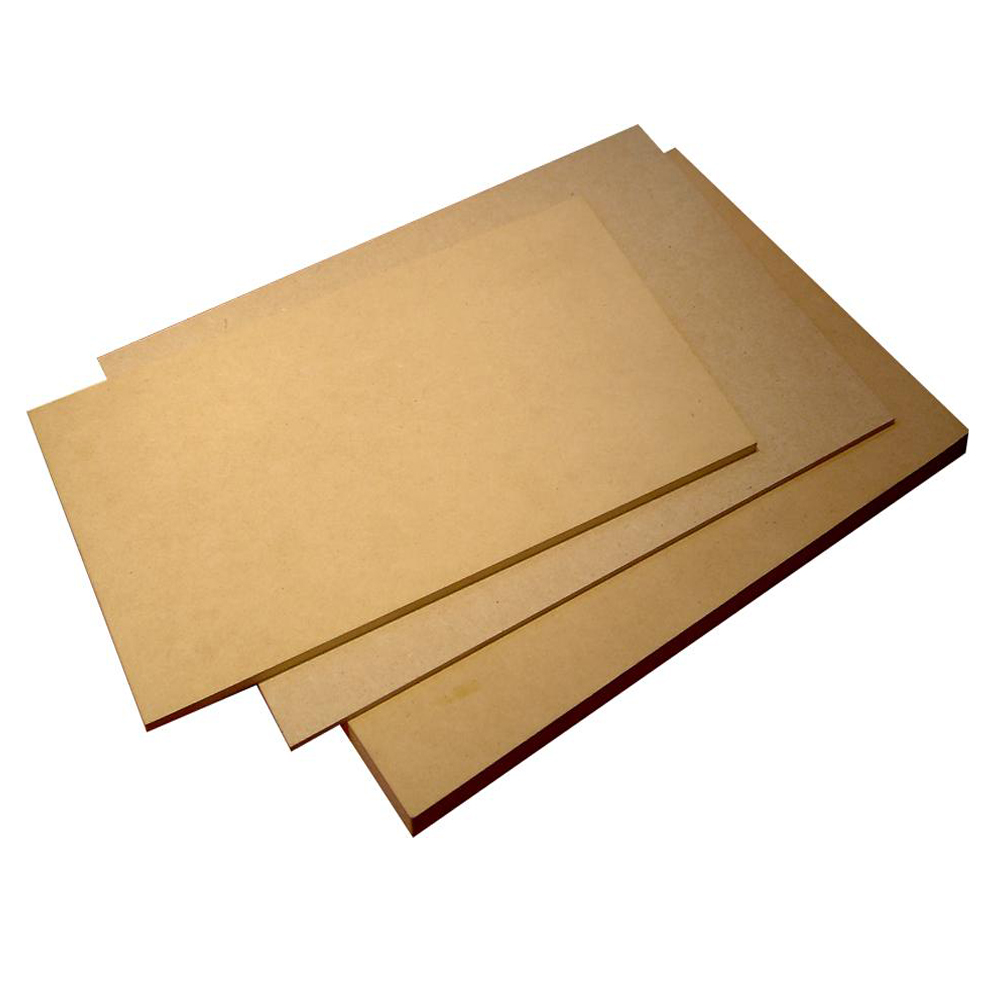
E0, E1 and E2 Glue Raw Thailand MDF Board
Raw Thailand MDF with E0, E1 or E2 glue options. A practical choice for price-sensitive furniture, packaging and laminate lines when density and sanding quality are verified.
Inspect specifications
Water-Resistant Spruce H20 Timber Beam, 80×200 mm
Custom-length water-resistant spruce H20 timber beams, 80 x 200 mm, for concrete formwork systems. The profile supports alignment, re-use and compatibility with slab hardware.
Inspect specifications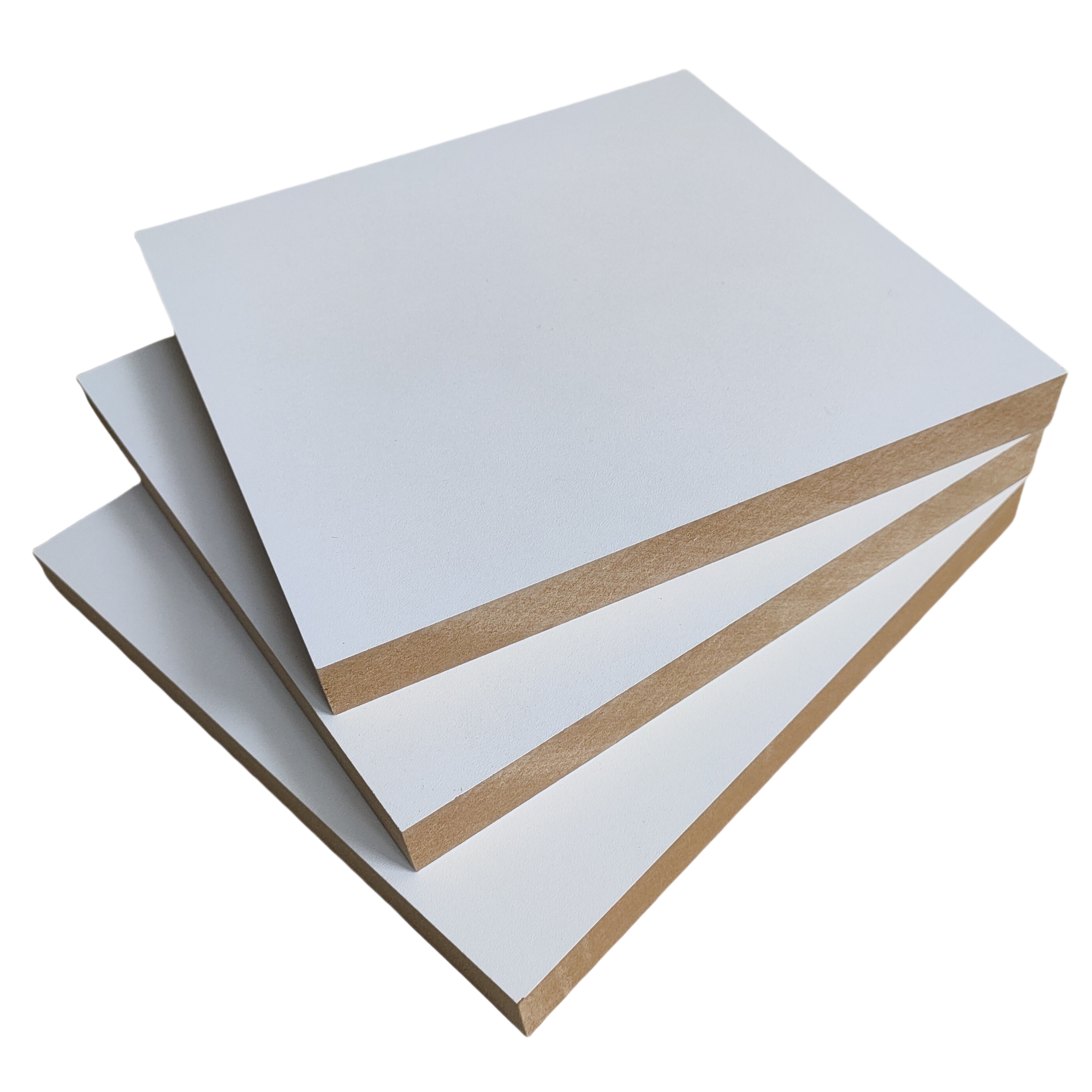
18 mm Moisture-Proof White Melamine MDF/HDF for Kitchens
18 mm white melamine MDF/HDF with moisture-proof performance for kitchen and bathroom furniture. A clean face, consistent color and stable substrate reduce rework at the cabinet line.
Inspect specificationsFactory figures reflect the manufacturing group behind KUDE; final order capacity is confirmed by product line and season.
What “Top” Should Mean When You Compare China Plywood Sheets Manufacturers
For a B2B buyer, the search term China top plywood sheets manufacturer is a high-intent starting point, not a final answer. Search results can reveal scale, certificates and product range, but they cannot tell you whether a mill can hold thickness tolerance across the third container, whether the melamine decor will match the approved sample, or whether the loading plan protects edges during a long sea freight route.
KUDE approaches the question from inside the Linyi wood-based panel cluster, where veneer, glue, core and surface materials are close to the production line. The group behind KUDE was founded in 1998, operates 30,000 m² of workshops with more than 300 workers and 30+ machine sets, and exports plywood, MDF, HDF, blockboard, particle board and decorative panels to more than 30 countries. That operating context matters because it supports faster specification changes, realistic lead-time planning and tighter coordination between raw material and finished panel quality.
The expensive mistake is normalizing quotes on price per sheet without normalizing thickness tolerance, core species, glue type, formaldehyde grade, face quality, film weight, packaging method and documentation. A buyer comparing an E1 melamine plywood with a mixed-core board, or an H20 beam with a generic timber batten, is not comparing the same product. The strongest supplier is the one that can prove the agreed specification in writing, in production photos and in the pre-shipment inspection record.
Supplier selection scorecard: recurring criteria in KUDE export inquiries, 2023–2025
These are relative scores, not a market survey. They reflect the criteria that repeatedly decide whether an export quotation becomes a repeat order.
Application-First Specification: Match the Board to the Failure Risk
The fastest way to compare a China plywood sheets supplier is to move from product names to failure risks. Start with the application, then define thickness, core, glue, emission grade and surface finish before discussing price.
| Application | Recommended product | Typical thickness | Glue / grade focus | What to verify before ordering |
|---|---|---|---|---|
| High-repeat concrete formwork | Film-faced plywood combined with spruce H20 beams | 12–18 mm | WBP phenolic; sealed edges | Film weight, edge sealing, beam straightness, re-use target and hardware compatibility. |
| Kitchen cabinets and wet areas | Waterproof melamine-faced eucalyptus core plywood or moisture-proof MDF/HDF | 18 mm | E0 / E1; MR or WBP glue | Density, screw holding, edge swell, melamine adhesion and color consistency under cabinet lighting. |
| Export furniture carcasses | Melamine plywood or raw MDF/HDF substrate | 5, 6, 9, 12, 18 mm | E1 / E0 | Thickness tolerance, sanding quality, core gaps, surface defects and decor batch matching. |
| Interior feature walls and TV backgrounds | Bendable PVC/UV marble sheet | Profile-specific | Waterproof composite surface | Coating adhesion, bending performance, gloss level, color batch and installation method. |
| Decorative furniture and doors | Teak, oak or maple melamine plywood | 6, 12, 18 mm | E1 | Veneer-look repeatability, surface scratch resistance and consistency across production batches. |
| Budget-sensitive furniture and lamination | Raw Thailand MDF board | 5–18 mm | E2 / E1 / E0 | Density profile, moisture content, sanding quality and written emission grade for the destination market. |
| Slab formwork alignment and support | Water-resistant spruce H20 timber beam, 80×200 mm | Custom length | Water-resistant engineered timber | Straightness, nail-holding, end sealing, dimension stability and loading protection. |
| White kitchen and wardrobe systems | 18 mm moisture-proof white melamine MDF/HDF | 18 mm | E1 | Whiteness consistency, moisture resistance, face cleanliness and CNC cutting performance. |
Values are typical production ranges. Final tolerance, glue, emission grade, packaging and inspection criteria should be confirmed in the order specification.
Inside KUDE: The Manufacturing Advantages Behind a Factory-Direct Quote
KUDE is the export platform of a wood-based panel manufacturing group in Linyi, Shandong. The advantage is not simply “factory price”; it is the ability to control specification, inspect production and prepare export documentation with fewer hand-offs.
Linyi cluster, integrated production
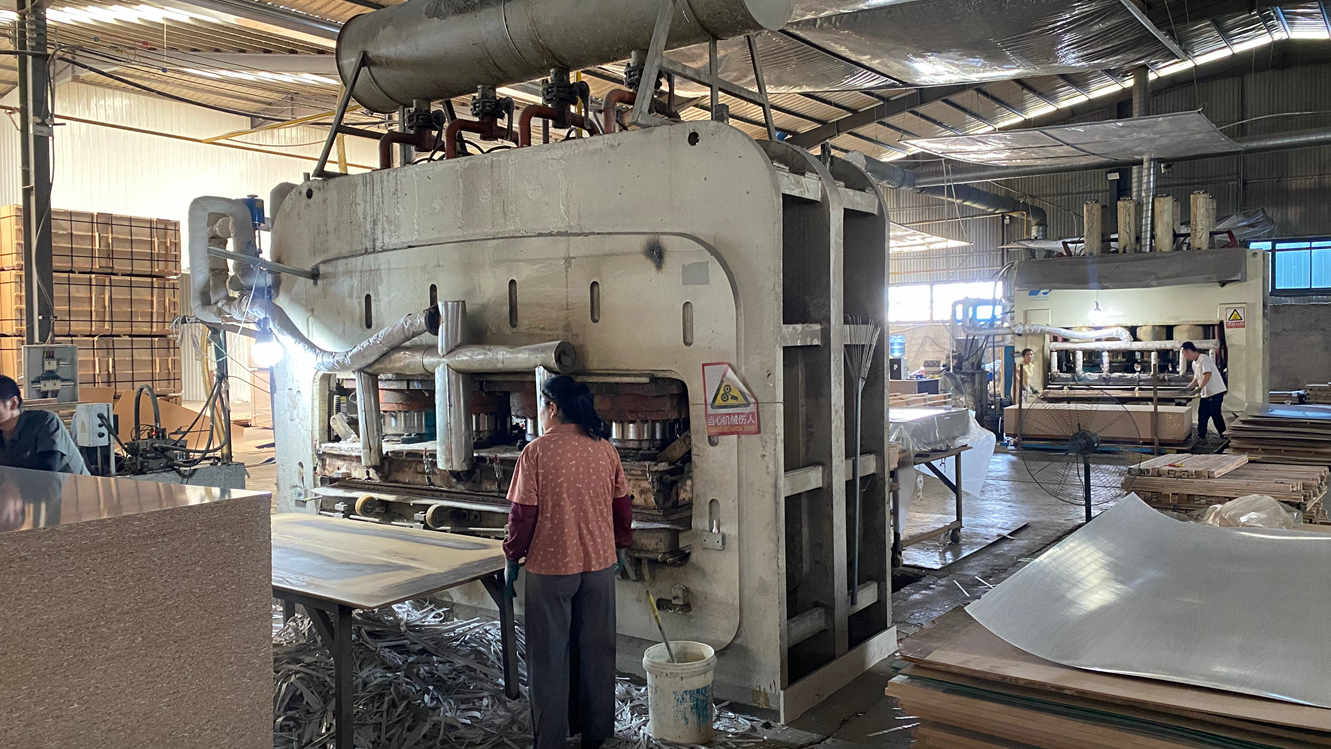
Founded in 1998, the group operates 30,000 m² of workshops, 300+ workers, 30+ machine sets and 60,000 m³ annual panel output. The Linyi location shortens the supply chain for veneer, glue and cores.
Verified quality, not paper-only
CE, ISO 9001, ISO 14001, FSC and CARB certifications are supported by an SGS on-site assessment. E0, E1 and E2 grades are matched to the product and destination market.
Customization without surprises
Sample-based, design-based and full customization: size, thickness, core species, face veneer or decor, glue, logo printing and export packaging. The specification is locked before production.
Export-ready logistics and communication
T/T and L/C in USD, EUR or CNY; FOB, CFR, CIF and EXW terms; seaworthy pallet packing, container loading photos and shipment through Qingdao and nearby northern China ports.
Inside Our Linyi Production Base



Plywood Sheets Procurement Trends Reshaping Supplier Selection, 2025–2030
Buyers are moving from “find the cheapest sheet” to “find the supplier that can prove the same sheet again.” That shift changes which capabilities are valuable in a China plywood sheets manufacturer.
Compliance becomes a gate
E0/E1 declarations, CARB documentation, FSC chain of custody and CE requirements are moving from a purchasing preference to a tender condition. Suppliers must match certificates to the exact product and destination.
Batch-level traceability
Importers increasingly ask for batch photos, glue records, thickness measurements, packaging lists and loading evidence. This reduces disputes and makes repeat orders easier to control.
Mixed-container efficiency
Distributors are combining melamine plywood, raw MDF, H20 beams and decorative wall panels in one shipment. A supplier with multi-category coordination can lower inventory exposure without sacrificing specification control.
Moisture and edge engineering
Kitchen, bathroom and coastal projects are driving demand for moisture-resistant cores, sealed edges and clear performance claims. Buyers want durability evidence, not just the word “waterproof.”
Surface performance over pattern
UV, PET and PVC surfaces are judged by abrasion resistance, gloss consistency and adhesion as much as by the marble or wood-grain look. Specifying only the color is no longer enough.
Visual evidence before payment
Pre-shipment video inspection, container loading photos and sample retention are becoming normal expectations. A supplier that documents production early avoids expensive surprises at the port.
Product Development Trends: What Plywood Sheets Will Look Like by 2030
The next competitive gap is not simply more capacity. It is the ability to combine lower emissions, stable cores and higher-performance surfaces at a price that importers can still sell.
Lower-emission adhesives at mainstream cost
E1 is already common in export furniture, but E0 and CARB-aligned production will continue to move from premium request to standard expectation for buyers selling into regulated markets.
Engineered cores for flatter boards
Densified MDF/HDF surfaces, stabilized plywood cores and tighter thickness tolerance reduce machining loss. Furniture factories value boards that stay flat after lamination and shipping.
Hybrid decorative surfaces
UV, PET and PVC systems will continue to merge the look of stone, wood and solid color with easier cleaning and faster installation. The winning supplier will control decor repeatability across batches.
Formwork systems with measurable reuse
H20 beams and film-faced plywood will be specified as a system, not as separate commodities. Buyers will ask for straightness, edge protection and reuse cycles that translate into lower slab cost.
An 8-Point Supplier Audit Before You Pay a Deposit
Use this field checklist to turn a broad supplier search into a comparable, evidence-based decision. It applies to plywood sheets, MDF/HDF, H20 beams and decorative panels.
Normalize the offer: size, thickness, tolerance, core, face, glue, emission grade and packaging.
Request certificates tied to the product and destination market, not only a company brochure.
Ask for production batch photos, thickness measurement records and surface inspection results.
Test a sample for water resistance, screw holding, edge swell and surface abrasion where relevant.
Confirm packing and loading plan: pallet height, corner protection, steel strapping and container fill.
Verify the documentary chain: invoice, packing list, certificate of origin and product-specific compliance files.
Plan a mixed-container order to balance stock risk across plywood, MDF, H20 beams and wall panels.
Put the after-sales remedy, replacement policy and claim evidence requirements in writing before deposit.
What Buyers Ask Before a Plywood Sheets Order
Which certifications do KUDE plywood and MDF products have?
Our manufacturing group holds CE, ISO 9001, ISO 14001, FSC and CARB certifications, and our supplier profile has passed an on-site assessment by SGS. Formaldehyde grades E0, E1 and E2 are available depending on the product line and destination market.
What is the minimum order quantity?
MOQ depends on the product line, typically from 50 to 500 sheets. Several products can be combined in one container after confirming specifications, packing and loading plan with our sales team.
Which payment methods and trade terms do you accept?
We accept T/T and L/C in USD, EUR or CNY, and work on FOB, CFR, CIF and EXW terms. The final term is confirmed with the quotation, destination port and inspection requirements.
Can you customize panel size, thickness, face and packaging?
Yes. We offer sample-based, design-based and full customization, including size, thickness, core species, face veneer or decor, glue type, logo printing and export packaging. Custom orders require written approval of the specification and sample reference.
Where is KUDE located and how are goods shipped?
We are based in Linyi, Shandong, China’s largest wood-based panel production cluster. Orders are loaded in containers and shipped through nearby northern China seaports such as Qingdao, with loading photos and export documents prepared before departure.
How should I choose between plywood, MDF and HDF for furniture?
Plywood offers layered construction, good screw holding and moisture tolerance in many furniture structures. MDF provides a uniform surface for routing, painting and lamination. HDF is denser and is often selected for high-wear or thin-profile applications. The right choice depends on load, finish, humidity and machining method.
What do E0, E1 and E2 mean in practice?
They describe formaldehyde emission grades. The acceptable grade depends on the target market, product use and buyer specification. For regulated markets, request the relevant test report and confirm that the grade applies to the exact board, glue and surface construction being ordered.
How can I verify quality before shipment?
Approve a retained sample, confirm the written specification, arrange pre-shipment inspection for thickness, bonding, surface and packaging, and request production and loading photos. For repeat orders, keep the approved sample and batch records as the baseline for comparison.
Send One Specification, Receive a Container-Level Proposal
Share the panel type, size, thickness, core, face, glue, emission grade, quantity, destination port and target application. Our export team will review the specification, flag the cost drivers and propose a practical production and loading plan.
Get a Quote