China Wholesale Sanded Plywood Supplier & Exporters
A technical sourcing programme for importers, distributors, furniture factories and project contractors who need calibrated thickness, consistent sanding quality, verified emission grades and reliable container loading from Linyi, Shandong.
Eight export-ready board and panel lines under one procurement programme
The search phrase “China wholesale sanded plywood supplier & exporters” carries several buying intentions. One buyer needs sanded faces for furniture coating; another needs MDF, particle board or melamine plywood for cabinetry; a project contractor may need formwork beams and exterior cladding in the same shipment. The eight products below are high-rotation export items around that demand, with original product links preserved for direct specification review.
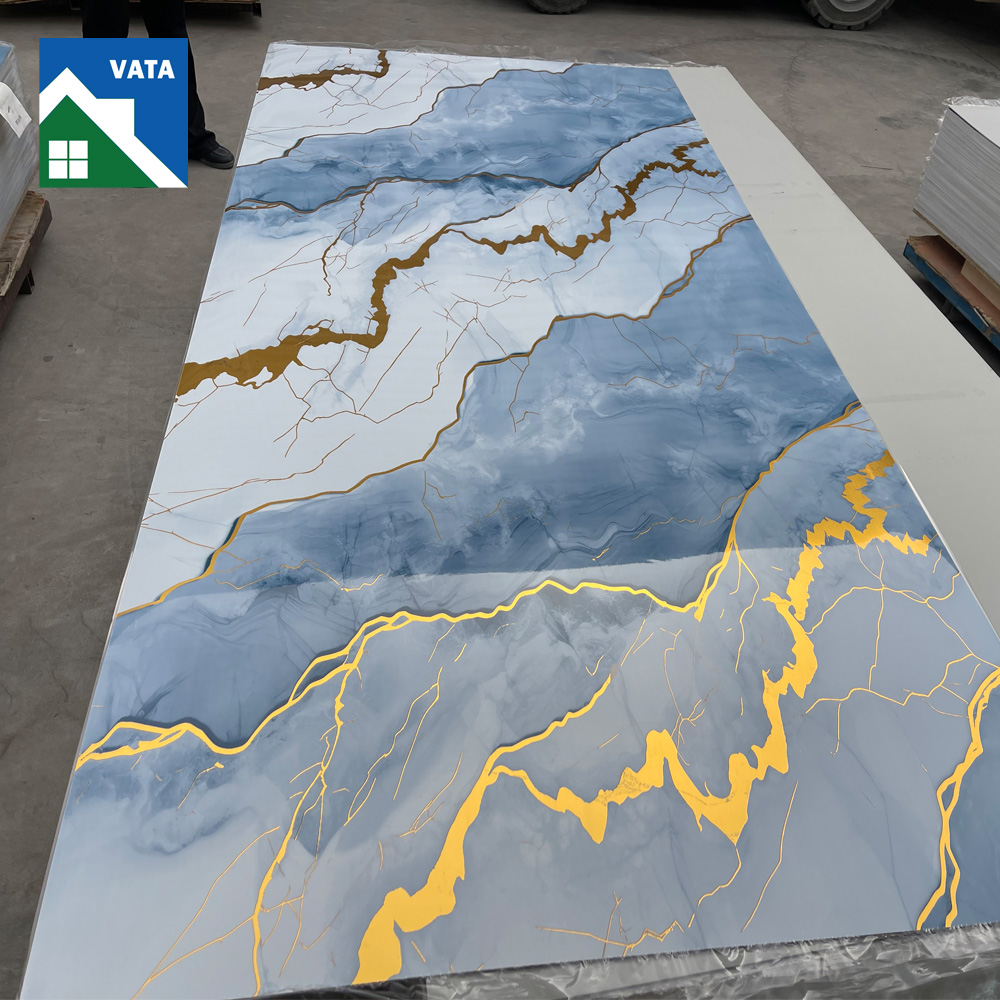
Customized Easy Installation High Glossy PVC Wall Panel Bendable DIY Indoor TV Wall Background Board Glossy UV Marble Sheets
Recommended for distributors selling fast-install decorative wall systems. The flexible PVC/UV sheet lowers breakage risk in transit and supports marble-look interior projects where lightweight cladding is preferred over stone.
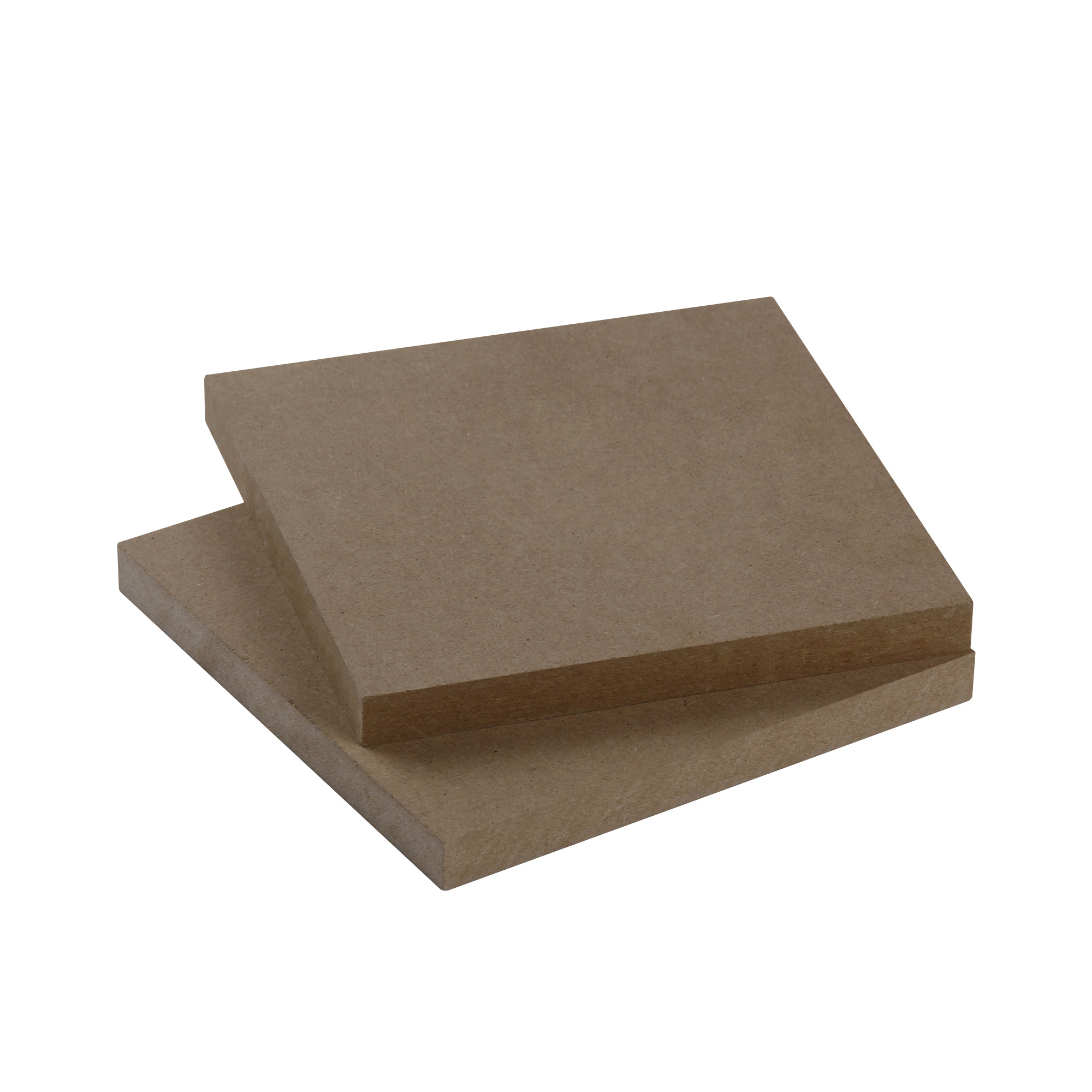
Dexin First-Class Plain Particle Board & MDF Wood Board E2 Emission Moisture-Proof for Bangladesh
A practical board for furniture carcasses, shopfitting and door cores. The moisture-proof treatment is useful in humid markets; specify E1 or E0 where destination regulations or brand programmes require lower formaldehyde emission.
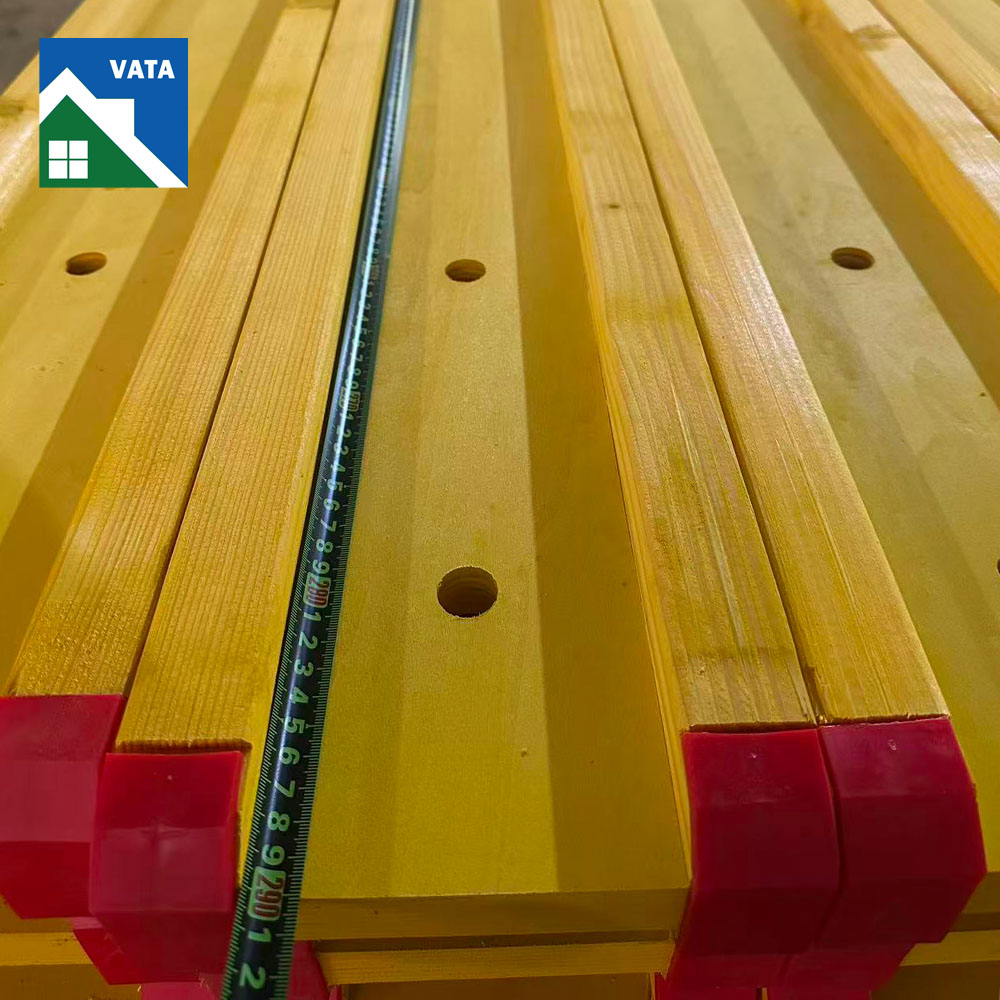
Custom Exterior Use Stable Timber Formwork Beams with WBP Glue Pine or Spruce Flange for Wall Formwork
For concrete formwork systems and structural support. WBP glue and stable flanges reduce movement on site; pair with film faced plywood for a complete formwork package and fewer compatibility issues between suppliers.
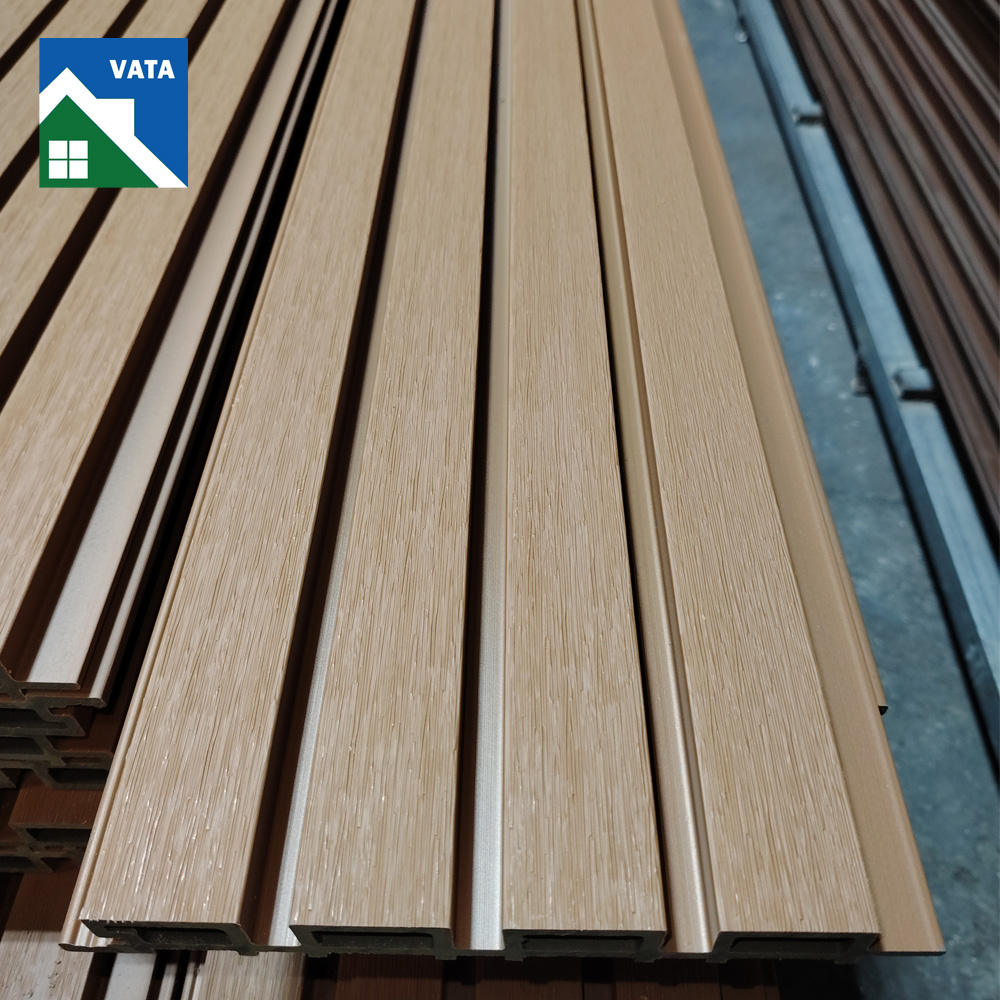
Decorative Outdoor Wood Plastic Composite Partition WPC Fluted Wall Panel Board External Siding Cladding Exterior Wall Cladding
A low-maintenance exterior cladding option for architects and contractors. The fluted profile provides visual depth while WPC construction resists moisture and rot, making it suitable for feature facades and sheltered outdoor walls.
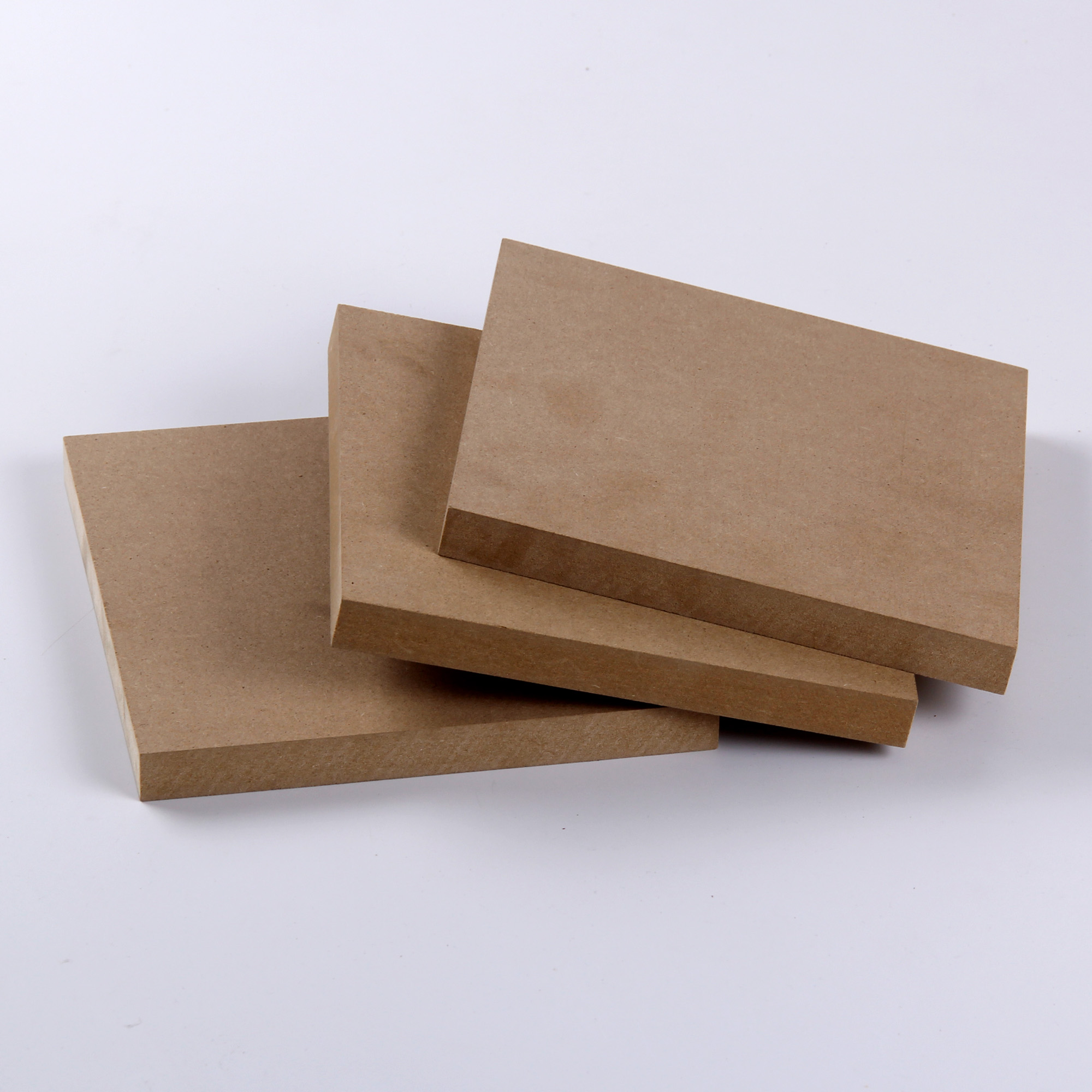
Factory Standard Size with Thickness of 5mm, 6mm, 8mm, 9mm, 18mm Raw MDF/HDF Board
A flexible raw board platform for sanding, lamination, painting and CNC routing. Importers can consolidate multiple thicknesses in one container to reduce freight cost per cubic metre and improve stock availability.
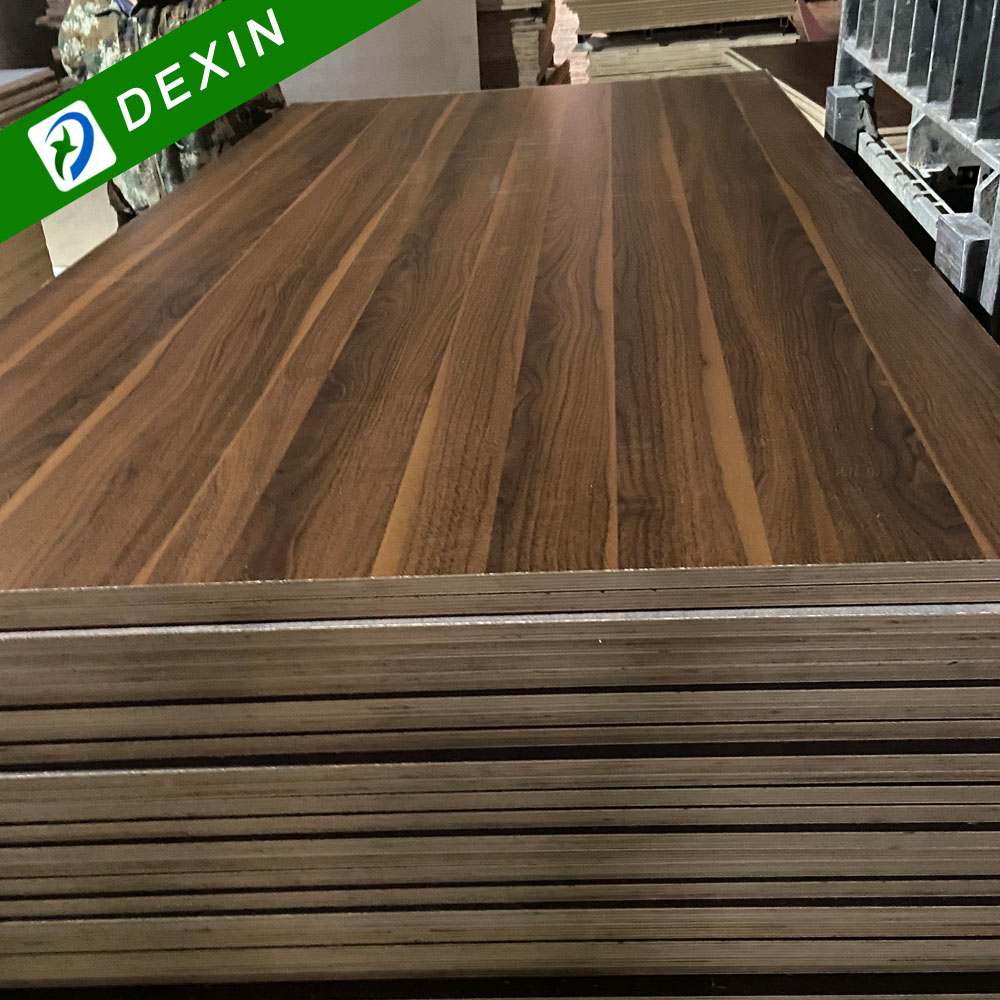
High Quality Waterproof 18mm Melamine Faced Plywood for Furniture
For kitchen cabinets, wardrobes and contract furniture where both moisture resistance and a finished surface matter. Confirm face colour, gloss level, substrate tolerance and edge sealing before mass production.
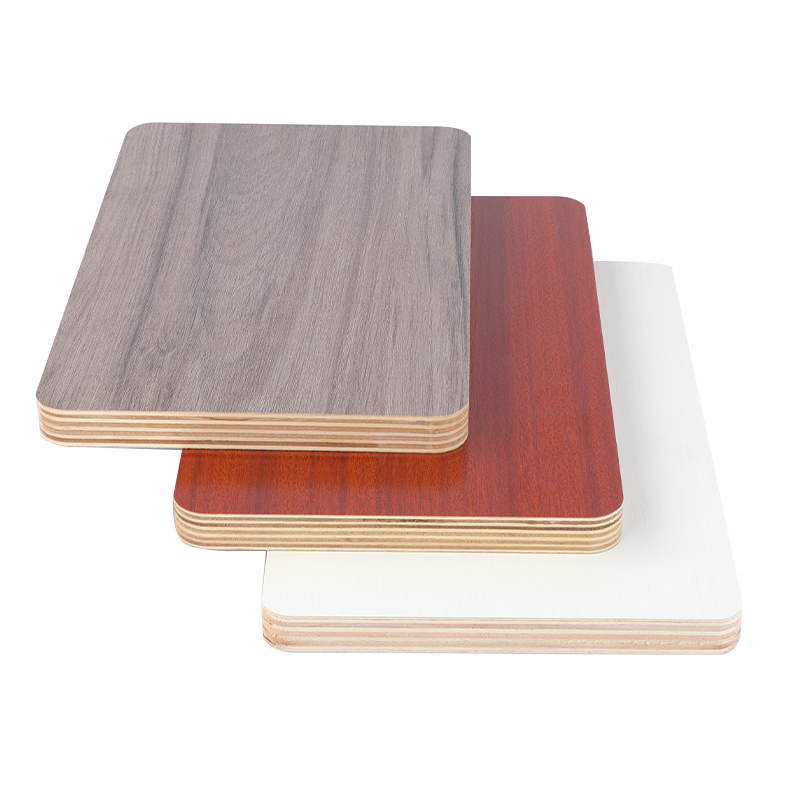
E2/E1/E0 Grade Solid Color and Wood Grain Marine Melamine Plywood Price Philippines From China
A practical option for Philippine importers and Southeast Asian furniture makers. The E0/E1/E2 choice should be linked to local formaldehyde rules, ventilation conditions and end use, not price alone.
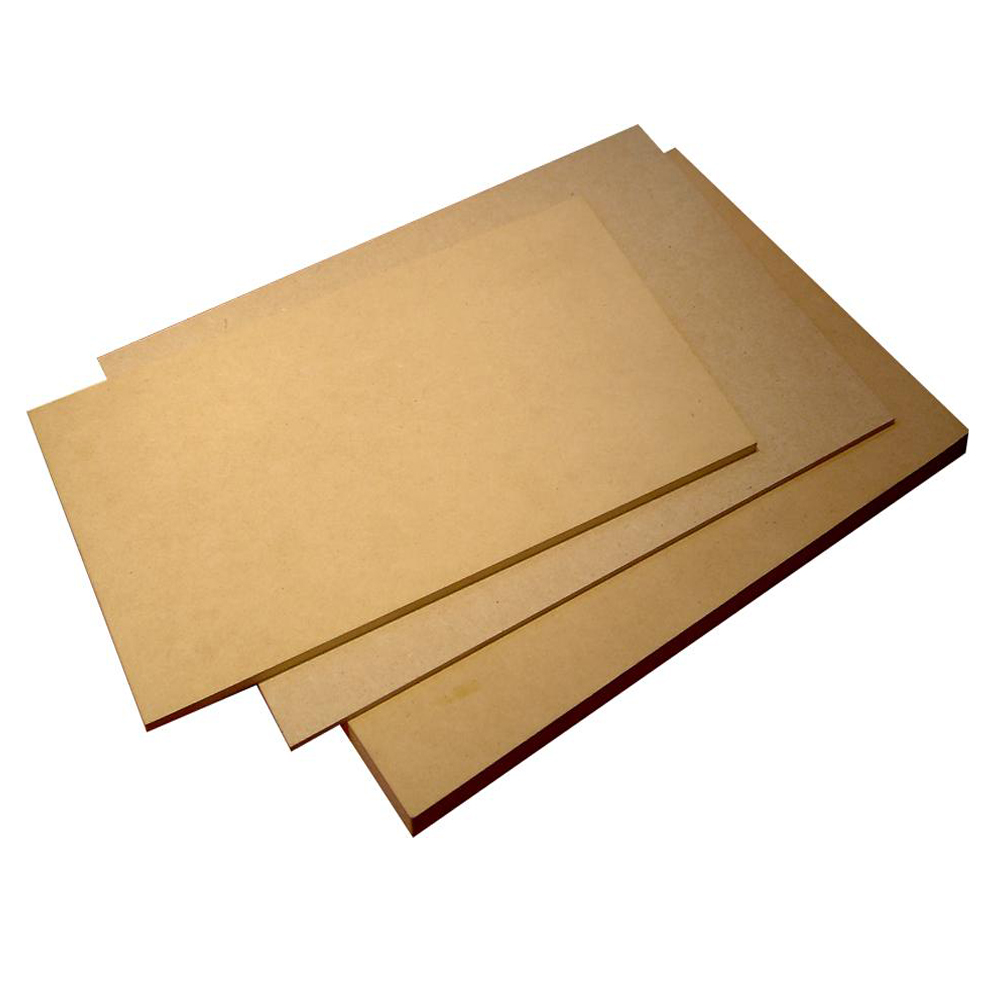
E0 E1 or E2 Glue Raw Thailand MDF Board with Cheap Price on Sale
For buyers who need raw MDF from a Thailand-linked supply route. Check density, thickness tolerance, sanding quality and moisture content before comparing quotes; two cheap boards rarely carry the same process risk.
What “sanded plywood” really means to a wholesale buyer
In China wholesale trade, the term sanded plywood describes a process outcome, not a single commodity. The commercial value depends on measured thickness, surface uniformity, core integrity, glue line, moisture content and the next manufacturing step the board must survive.
The phrase China wholesale sanded plywood supplier and exporters brings together several buyer journeys. A furniture factory may need a board that accepts melamine paper, wood veneer, UV coating or paint without telegraphing core defects. A distributor may be building a stock programme across 5 mm, 9 mm, 12 mm, 15 mm and 18 mm. A project buyer may need sanded plywood, film faced plywood, formwork beams and decorative wall panels in one mixed container. These are not identical purchase intents, and they should not be quoted with one generic price sheet.
Sanding is often described as a cosmetic step, but in export production it is a dimensional and surface-preparation control. The sander must bring the board closer to the agreed thickness, remove saw marks, improve flatness and create a consistent face for the next process. If the face is too rough, laminate adhesion and paint consumption suffer. If the board is over-sanded, the face veneer can become thin and the core may become visible. If thickness is inconsistent, furniture assembly lines compensate with glue, shims or reject rates.
This is why a serious quotation should state the nominal thickness, the measured tolerance, the core species, the face veneer grade, the glue type, the formaldehyde emission class, the moisture content range and the packaging method. “18 mm sanded plywood” without those details is not a specification; it is a conversation starter. In our export discussions, we ask for the destination port, end application, surface treatment, annual volume and target regulatory market before recommending a board construction.
- Furniture and cabinetry: sanded plywood, MDF/HDF and particle board should be evaluated by thickness consistency, screw-holding, face quality and emission class.
- Interior fit-out: PVC/UV wall panels and WPC cladding should be checked for impact resistance, joint tolerance and colour consistency between batches.
- Construction: film faced plywood and timber formwork beams need WBP glue, edge sealing, dimensional stability and a documented reuse expectation.
- Distribution: mixed-container flexibility matters as much as unit price because freight, warehousing and slow-moving SKUs decide the real margin.
Illustrative buyer scorecard
What experienced importers scrutinise before approving a wholesale board shipment. Final weighting depends on application, destination market and contract terms.
How wholesale buyers are changing their sourcing model
Price discovery is faster than ever, but supply risk is also easier to underestimate. The next procurement cycle rewards buyers who compare total landed cost, compliance evidence and container productivity rather than a single FOB quotation.
Total landed cost replaces lowest FOB price
Buyers now model freight, damage, rework, storage and delayed installation. A slightly higher board price with stable thickness and reliable loading often returns a lower landed cost than a cheap quote with hidden process losses.
Compliance-first sourcing
CE, ISO 9001, ISO 14001, FSC and CARB evidence is increasingly requested at quotation stage. Emission grades E0, E1 and E2 should be matched to the destination market and final application, not selected by habit.
Mixed-container flexibility
Distributors want one container to carry multiple thicknesses, decors and panel systems. A supplier that can combine sanded plywood, MDF, melamine boards and wall panels reduces inventory risk and improves cash conversion.
Digital verification before shipment
Live video inspection, batch photos, packing lists and loading supervision are becoming normal buyer expectations. Documentation is no longer paperwork; it is a risk-control product that protects both importer and factory.
Faster decorative cycles
Hospitality, retail and residential interiors are moving toward shorter design cycles. Suppliers with UV, PET, melamine, WPC and PVC programmes can support faster colour and texture changes without rebuilding the whole supply chain.
Supply-chain resilience
China remains a reference market for wood-based panel scale, but buyers increasingly split orders, qualify a second specification and keep buffer stock for fast-moving SKUs. Resilience is now part of the commercial calculation.
Where sanded plywood and panel products are heading
The next product advantage is not only a new décor. It is a more predictable substrate: lower emission, better dimensional stability, cleaner surfaces and packaging that protects the board through a longer journey.
Lower-emission and odour-controlled boards
E0 and E1 specifications are moving from premium request to mainstream expectation in many furniture and interior markets. Glue selection, raw material consistency and factory process control matter more than a label printed on a quote.
Dimensional stability and moisture resistance
Humid markets and kitchen applications are pushing buyers toward moisture-resistant cores, controlled moisture content and better edge protection. A board that looks correct in the sample room can still fail after a long sea transit if packaging is weak.
Surface engineering for direct lamination
Sanded surfaces are being specified for melamine, PET, UV, veneer and paint in one production flow. Buyers increasingly ask for face veneer consistency, sanding marks control and flatness because surface defects become visible after coating.
Lightweight and easy-install systems
WPC, PVC and bamboo charcoal wall panels continue to grow because they reduce installation time and structural load. For distributors, the value is a system: matching trims, adhesive guidance, packing protection and colour continuity.
Texture and décor realism
Marble, wood grain, stone and metallic finishes are becoming more convincing and more repeatable. The commercial question is not only how a décor looks on a sample, but whether the same batch can be reproduced for a repeat order.
Packaging as part of product design
Seaworthy pallets, corner protection, moisture barriers, steel strapping and container loading plans protect margin. In wholesale, packaging is not a cost centre; it is a quality-control layer and a customer-service signal.
A six-step buying framework for China sanded plywood and panels
Use this checklist to compare suppliers on evidence rather than sales language. It is also the framework our export team uses to convert a product search into a repeatable container programme.
Write a specification, not a product name
Define size, nominal and measured thickness, tolerance, core, face, glue, emission grade, moisture range, surface treatment, packing and destination port. This becomes the baseline for samples and production inspection.
Verify factory capability and documents
Check production lines, workshop area, annual output, certifications, on-site assessment and export experience. CE, ISO 9001, ISO 14001, FSC and CARB claims should be supported with current documents.
Approve a reference sample
Compare face veneer, surface roughness, edge quality, thickness and colour. Keep the approved sample and its measurement record because memory is not a quality standard.
Test the production batch
Review thickness tolerance, flatness, bonding, moisture content, emission classification and packaging before shipment. For melamine or UV surfaces, check adhesion and visual consistency under appropriate lighting.
Supervise packing and loading
Confirm pallet dimensions, corner protection, straps, moisture barrier, container fill rate and loading photos. Poor packing can turn a good board into a rejected board before the container reaches the importer.
Close the documentation loop
Keep the approved specification, inspection record, packing list, commercial documents and after-sales contact in one file. Repeat orders become faster and less risky when the specification is traceable.

Why KUDE is a credible China wholesale sanded plywood supplier
Linyi KUDE International Trading Co., Ltd. is the export platform of a wood-based panel manufacturing group founded in 1998 in Linyi, Shandong, China’s largest man-made board production base. Being inside the cluster shortens the supply chain for veneer, glue, cores and transport, while giving buyers access to a broad range of panel specifications from one commercial team.
The group operates more than 30 sets of production equipment in 30,000 m² of workshops, with over 300 workers and annual output of 60,000 m³ of plywood, blockboard, MDF and particle board. Our principle is straightforward: survival by quality, development by prestige. That principle is translated into written specifications, batch inspection, export packing and loading photos rather than vague quality claims.
- 20+ years production experience
- 15 years of export experience
- CE, ISO 9001, ISO 14001, FSC, CARB
- SGS on-site assessed supplier profile
- OEM/ODM and full customization
- FOB, CFR, CIF and EXW terms




Match the board to the buying intention
Use this reference to shortlist a product route before requesting a formal quotation. Final tolerances, grades, testing and packing are confirmed against each order and destination market.
| Product route | Typical size | Thickness | Core / surface | Best-fit application |
|---|---|---|---|---|
| Sanded plywood / commercial plywood | 1220×2440 mm, 1250×2500 mm on request | 2.5–25 mm | Poplar, eucalyptus, combi or pine core; okoume, bintangor, birch or pine face | Furniture, cabinets, packaging, interior fit-out and coating preparation |
| Melamine faced plywood | 1220×2440 mm | 9–25 mm | Single or double melamine face; solid colour or wood grain; matt or glossy | Wardrobes, kitchen units, office furniture and contract interiors |
| Raw MDF / HDF | 1220×2440 mm | 5–18 mm | Raw sanded board, moisture-resistant option, E0/E1/E2 | Lamination, painting, CNC routing, wall panels and furniture components |
| Particle board / plain MDF | 1220×2440 mm | 9–25 mm | Plain, moisture-proof or E2 base; customizable facing | Cost-controlled carcasses, shopfitting, door cores and packaging |
| Film faced plywood / formwork beams | 1220×2440 mm; custom beam lengths | 9–21 mm | WBP phenolic film; pine or spruce flange for beams | Concrete formwork, slabs, walls and structural support |
| WPC / PVC decorative panels | Custom length or standard panel sizes | Profile dependent | WPC fluted cladding; PVC/UV marble sheet; exterior or interior grade | Feature walls, exterior cladding, TV backgrounds and fast interior renovation |
Values are typical production ranges. Confirm final tolerance, emission grade, test report and packing specification before order confirmation.
Questions wholesale buyers ask before ordering
These answers address the practical gaps between a product search, a formal quotation and a repeat container programme.
What is sanded plywood, and how is it different from raw or unsanded plywood?
Sanded plywood has been passed through a sanding line to improve thickness consistency, surface smoothness and flatness. It is usually prepared for lamination, painting, veneering or direct use in furniture and interior applications. Unsanded or raw plywood may still have saw marks, slight thickness variation or a rougher face. The important buying detail is not merely that the board is “sanded”, but the agreed tolerance, face grade, core quality and moisture content.
Which sanded plywood thicknesses and tolerances can KUDE supply for wholesale orders?
Typical export thicknesses range from 2.5 mm to 25 mm, with 5 mm, 9 mm, 12 mm, 15 mm and 18 mm among the most common furniture and interior specifications. Tolerance depends on the product construction, core and destination requirement. For a reliable quotation, send the nominal thickness, accepted measured range, application and annual volume. We will then recommend a practical board construction rather than quoting only a nominal size.
How do I choose between sanded plywood, MDF, particle board and melamine boards?
Choose by application and process. Sanded plywood is strong, dimensionally stable and suitable for structural or furniture uses where a veneer face, coating or laminated surface is required. MDF and HDF offer a uniform edge and smooth face for routing, painting and lamination. Particle board is often a cost-controlled choice for carcasses and shopfitting. Melamine-faced boards reduce finishing steps and are useful for wardrobes, kitchens and office furniture. Many importers combine several board types in one container to serve different customer segments.
Which certifications and formaldehyde emission grades are available?
Our manufacturing group holds CE, ISO 9001, ISO 14001, FSC and CARB certifications, and our supplier profile has passed an on-site assessment by SGS. Formaldehyde grades E0, E1 and E2 are available depending on the product line and destination market. Buyers should confirm the required emission class, test method and documentation before order confirmation, because “low emission” without a defined grade and test reference is not a usable specification.
What is the minimum order quantity, and can I mix products in one container?
MOQ depends on the product line and specification, typically from 50 to 500 sheets for many board products. Several products can be combined in one container after confirming specifications, packing dimensions and loading plan with our sales team. Mixed loading is especially useful for distributors testing a new décor or balancing fast-moving sanded plywood, MDF, melamine boards and decorative wall panels in one shipment.
How do you control thickness tolerance, sanding quality and moisture content?
Control starts with the approved specification and raw material selection, then continues through gluing, pressing, sanding, calibration and final inspection. Batch checks cover thickness, flatness, surface condition, bonding and moisture. For coated or laminated products, adhesion and visual consistency are also reviewed. The final inspection record can be shared with the buyer before shipment, and loading photos help confirm that the approved packing method was used.
What trade terms, payment methods and shipping ports do you support?
We work on FOB, CFR, CIF and EXW terms. Payment methods include T/T and L/C, with USD, EUR or CNY available by agreement. Goods are typically loaded in containers and shipped through northern China seaports such as Qingdao. The export team will confirm the nearest suitable port, documentation requirements and estimated lead time after reviewing the product specification and destination address.
Can you customize panel size, core, face, glue, logo and packaging?
Yes. We offer sample-based, design-based and full customization depending on the product line. Customization can include size, thickness, core species, face veneer or décor, glue type, emission grade, logo printing and export packaging. For decorative panels, colour, texture, profile and matching trims can be discussed against samples. Clear drawings, reference samples and written tolerances reduce misunderstanding before mass production.
How can I verify factory capability before placing a wholesale order?
Review the company profile, production photos, certifications and on-site assessment record, then request a live video tour or a sample with measurement data. A serious supplier should be comfortable discussing machine capability, raw material sourcing, inspection points, packing method and the documents required for your market. Before shipment, ask for batch photos and loading supervision. Verification is not a one-time event; it should continue through the first repeat order.
Send your sanded plywood specification and get a technical quotation
Share your size, thickness, core, face, glue, emission grade, annual volume, packing requirement and destination port. Our export team will recommend a practical product route, confirm the customization scope and prepare a quotation for the right market application.
Factory-direct from Linyi, Shandong · Exporting to 30+ countries