Custom OEM Bintangor Plywood Manufacturers & Manufacturer
Factory-direct bintangor plywood with custom face grades, lower-emission options and export-ready packing for importers, distributors and furniture brands.
Bintangor Plywood for OEM Programs: The Specification Is the Product
Bintangor plywood is not a single, interchangeable commodity. It is a family of commercial plywood constructions in which rotary-cut bintangor face veneer is bonded to a poplar, eucalyptus, combi or pine core. The face brings a pale red-brown tone, a relatively closed grain and a smooth surface that accepts lacquer, print, paper and protective coatings. The core, glue, press cycle, sanding and moisture control determine whether the board behaves like a reliable furniture input or an expensive rework problem.
For importers, distributors and furniture brands searching for custom OEM Bintangor plywood manufacturers, the buying decision should move from “price per sheet” to “reproducible specification”. That means a written face-grade standard, measured thickness tolerance, glue class, formaldehyde grade, moisture content, edge quality, packaging and a document set that clears the destination market. It also means a supplier that can repeat the same result across multiple containers, not just in a single pre-production sample.
Linyi KUDE International Trading Co., Ltd. approaches bintangor plywood this way. As the export platform of a wood-based panel manufacturing group founded in 1998 in Linyi, Shandong, KUDE combines mill-level production with an export team that has served buyers in more than 30 countries. The factory base covers 30,000 m² of workshops, runs more than 30 machine sets, employs over 300 workers and produces about 60,000 m³ of panels per year. The company principle — survival by quality, development by prestige — is a useful filter for OEM buyers: price is negotiated once, but specification discipline is tested in every shipment.
What this means for your next PO
Use the eight product families below to test a mixed-container strategy. Ask for a face-graded sample set, glue and emission reports, a thickness measurement report and a packing drawing before confirming the order.
- ✓Sample-based, design-based or full OEM customization
- ✓E0, E1 and E2 options depending on product line
- ✓FOB, CFR, CIF and EXW trade terms
- ✓CE, ISO 9001, ISO 14001, FSC, CARB and SGS-assessed
Recommended Panel Range for OEM and Contract Buyers
The eight products below are practical additions to a bintangor plywood purchasing programme. They support furniture factories, distributors and project contractors that prefer a consolidated container plan.

16mm 15mm 12mm 18mm Eco-Friendly Modern MDF Board with Blanco Single/Double Sided Melamine Covering for Cabinet
A melamine MDF panel for cabinet doors, shelves and shop fixtures. Specify white, woodgrain or solid décor, one or two sides, and E0/E1 emission according to market requirements.
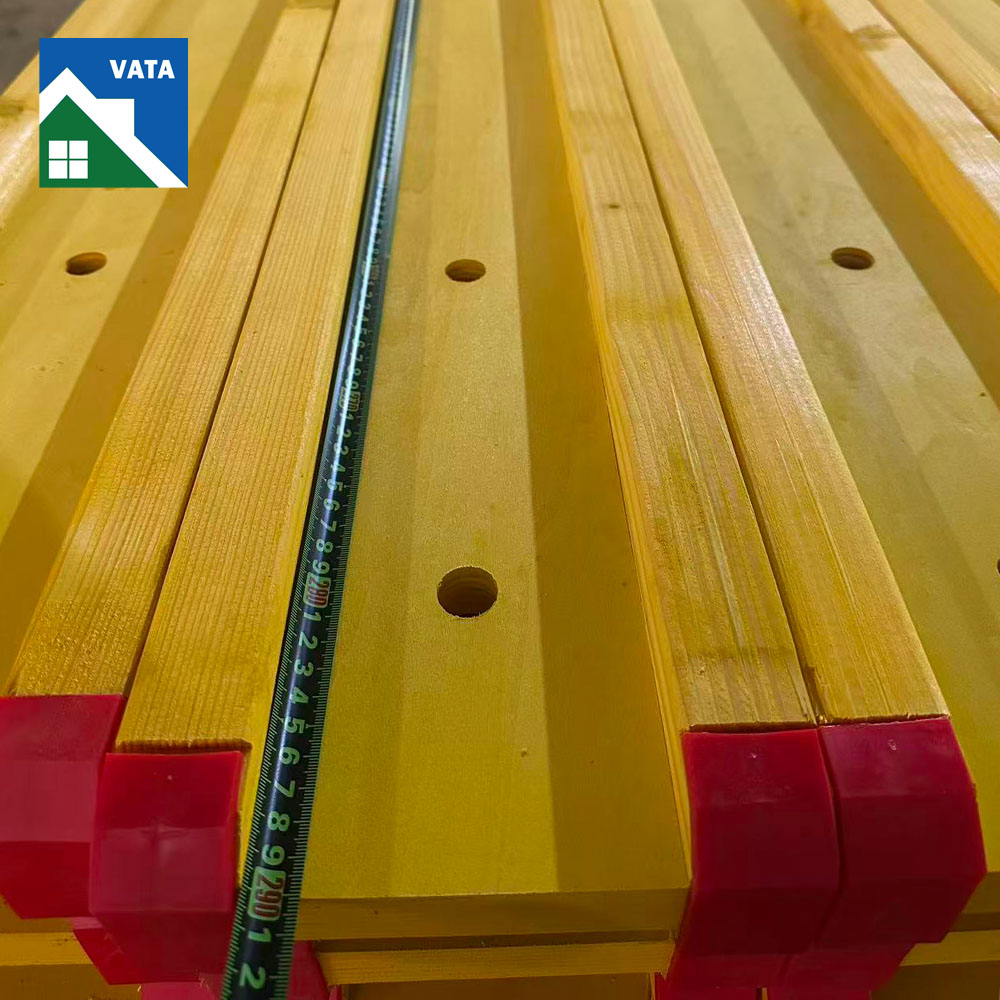
Custom Exterior Use Stable Timber Formwork Beams with WBP Glue Pine or Spruce Flange for Wall Formwork
Formwork beams with pine or spruce flange for wall formwork. OEM dimensioning and WBP glue help match local slab systems, edge protection and site handling routines.
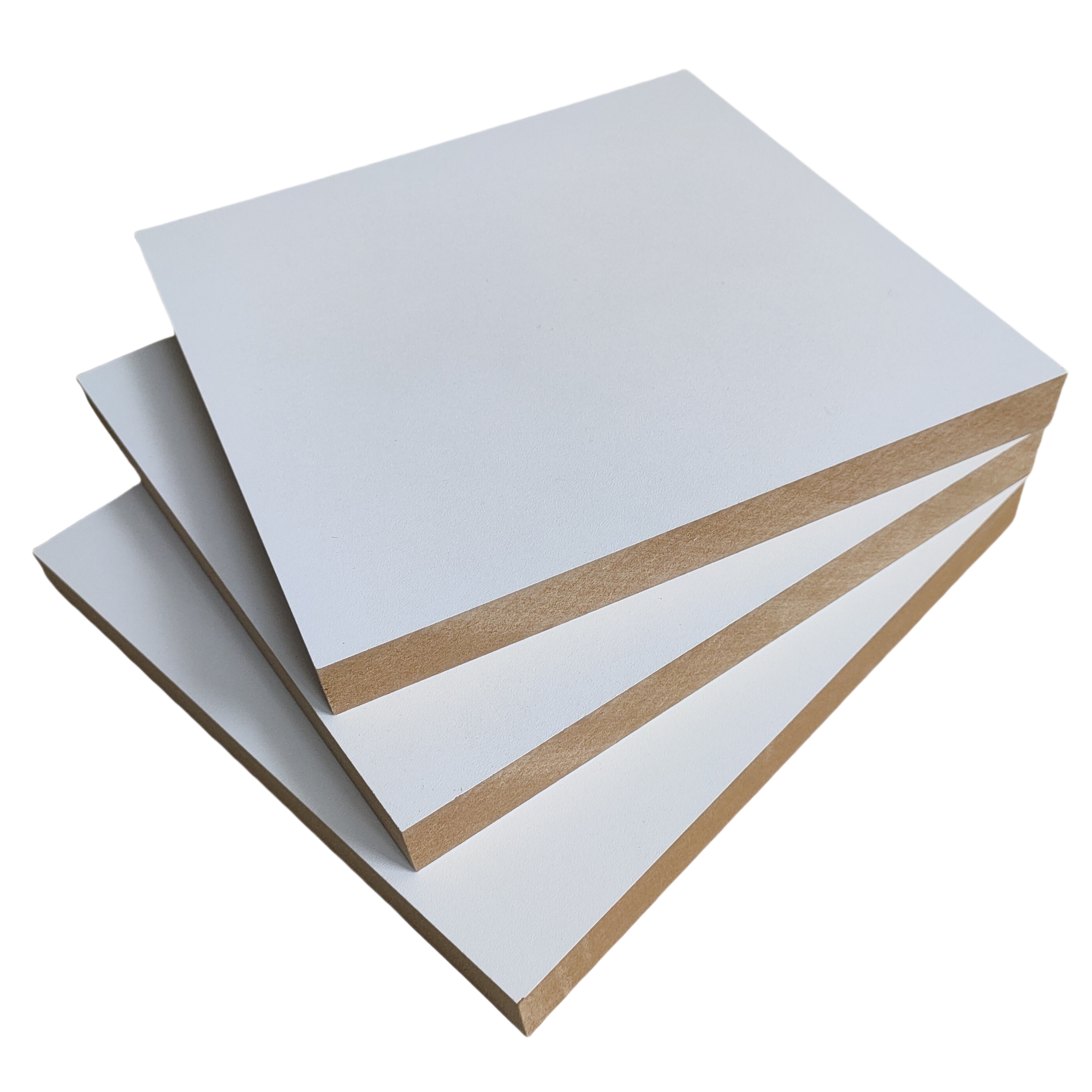
18mm Kitchen Furniture Use White Wood Fiber Board E1 Grade Melamine MDF/HDF Sheet Moisture-Proof
Moisture-resistant white melamine MDF for kitchens and bathroom cabinetry. Specify core density, face colour, edge sealing and E1 emission for a consistent finished component.
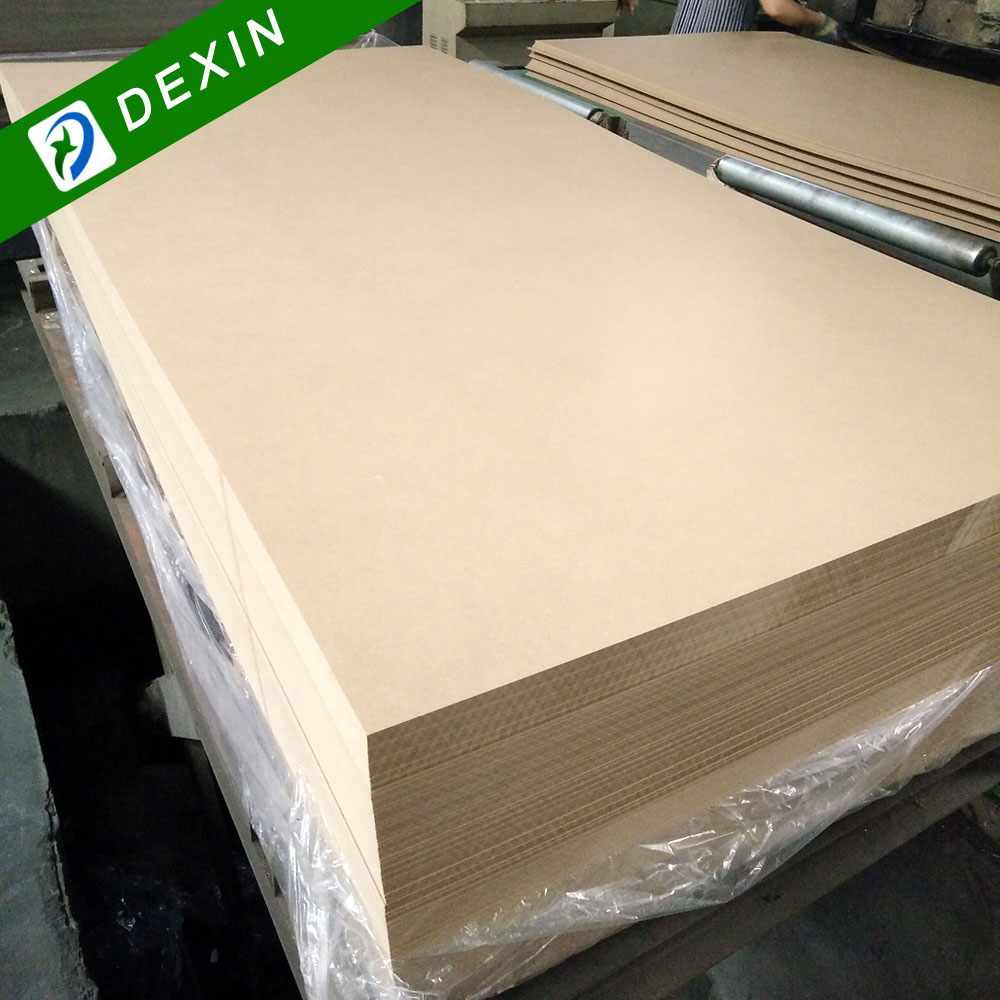
3mm, 12mm, 15mm, 18mm Raw/ Plain MDF Board for Furniture Decoration
Raw/plain MDF for painting, routing and laminating. Consistent sanding and density are central for OEM finishing lines, especially when boards are used across multiple thicknesses.
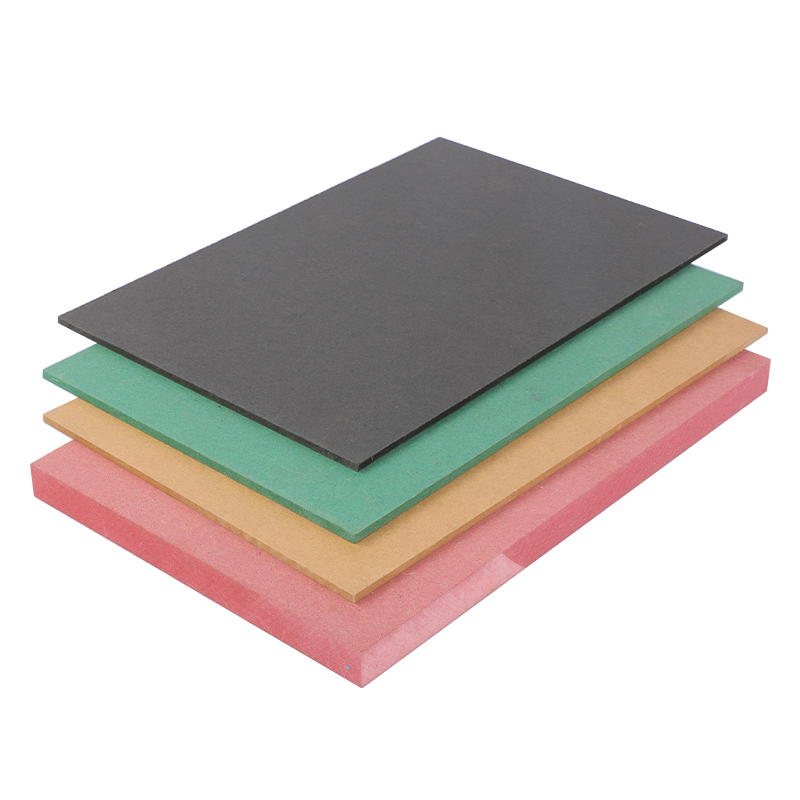
High Quality 3mm~18mm Raw/Plain MDF Sheet with Best Price
A volume-focused raw MDF option for buyers who need stable thickness, sanding quality and reliable replenishment. Confirm flatness, edge integrity and moisture content before production.

Good Price 1200x2400x18mm Melamine Coated Plywood Custom Thickness Marine Board for Furniture
Melamine-coated marine plywood for furniture and wet-area applications. Confirm glue class, face grade, edge sealing and décor match, especially when the board joins a bintangor-faced programme.
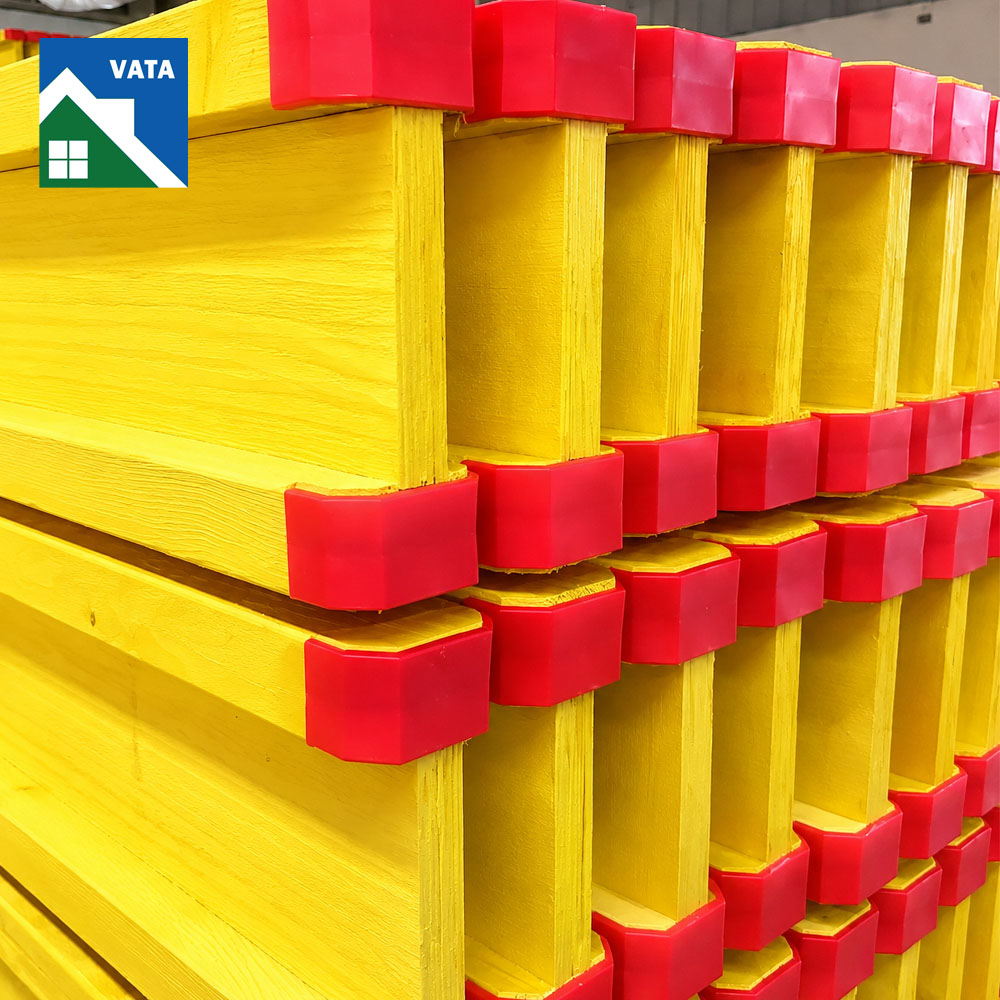
Wholesale Heavy Duty Wooden I-Beams Durable Spruce H20 Formwork Beams for Slab Formwork
Heavy-duty H20 slab formwork beams for concrete systems. Check flange grading, glue line, end sealing and dimensional consistency when integrating with local compatible accessories.
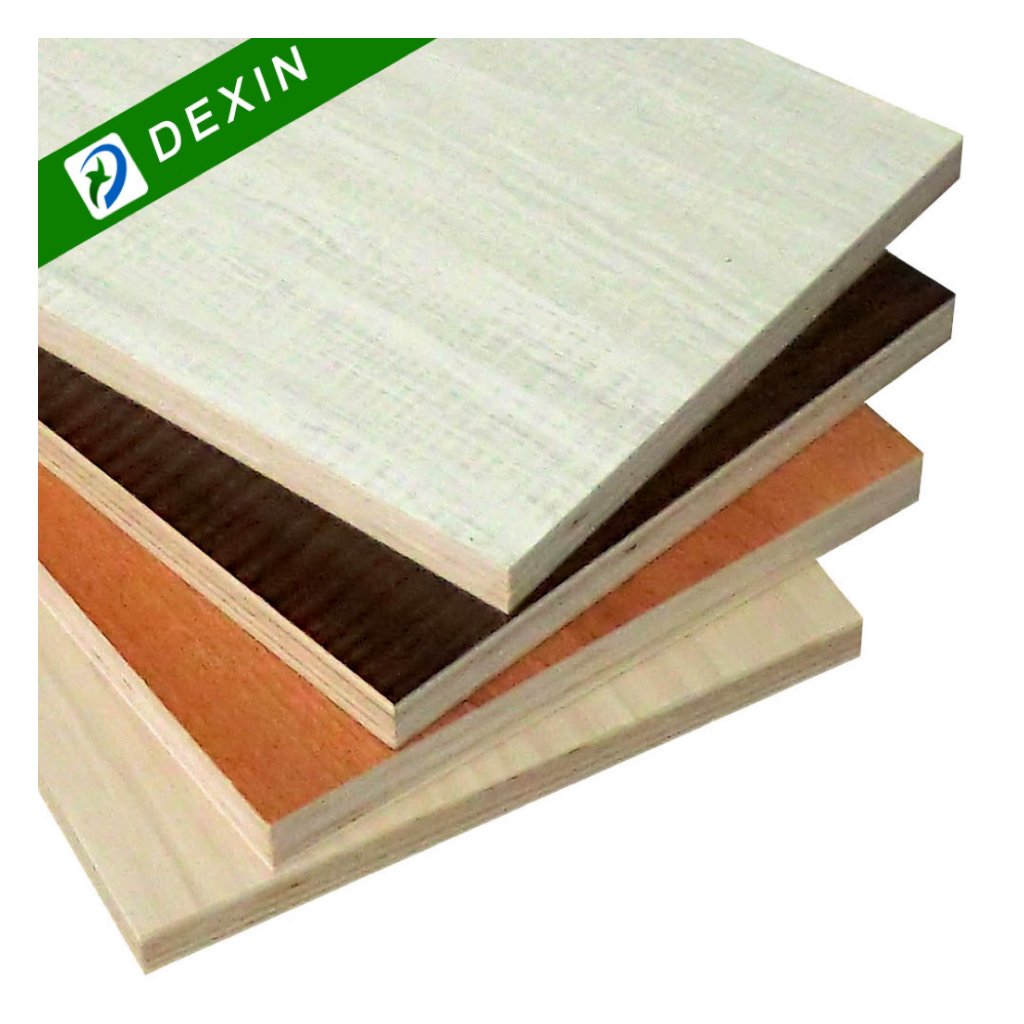
3mm 12mm 18mm E0 First-Class Melamine Contrachapado/Kontrplak 4x8 Paneles Laminas De Melamina Plywood for Furniture Cabinet Use
E0 melamine plywood for furniture cabinets. A practical choice where lower formaldehyde, décor consistency and stable supply are required for retail furniture or contract fit-out.
Procurement Trends Reshaping Custom OEM Bintangor Plywood Sourcing
Four shifts are visible in RFQs from furniture factories, distributors and project contractors. They reward suppliers that can document, customize and repeat production — not only quote a price.
Private-label depth is increasing
Importers want more than a generic board: printed labels, custom pallet marks, brand cards, specific face grades and packaging that protects the product through multiple handling points. OEM depth is becoming part of the sellable value of the container.
Brand-ready supplyCompliance enters the RFQ stage
Emission grade, FSC chain of custody, CE and CARB documentation are now reviewed during supplier qualification, not after price negotiation. Buyers need test reports, traceable batch information and confidence that the declared grade will match the shipped order.
Documentation-first buyingMixed-container buying is becoming normal
Distributors reduce inventory risk by combining bintangor plywood with MDF, melamine boards, film faced plywood or formwork beams. The supplier must manage different specifications, labels and loading sequences within one export plan.
Flexible MOQ planningVerification is going remote
Video factory tours, pre-shipment inspection videos, loading photos and retained sample sets increasingly replace repeated travel. A manufacturer with organized QC records and a clear communication system becomes easier to qualify and reorder.
Audit-ready communicationWhat the Next Bintangor Plywood Generation Looks Like
Product development in commodity wood panels is rarely about a single breakthrough. It is the accumulation of tighter tolerances, cleaner adhesives, better surfaces and more reliable packaging.
Engineered core stability
Poplar, eucalyptus and combi cores continue to improve through veneer grading, controlled glue spread and calibrated sanding. OEM buyers increasingly specify measured thickness tolerance and flatness, not only nominal thickness.
Lower-emission adhesive systems
E0 and E1 expectations are moving from premium projects into mainstream furniture supply. Low-emission glue formulations, controlled press cycles and batch-level testing are becoming standard parts of the technical discussion.
Pre-finished and hybrid surfaces
Bintangor faces can be paired with UV-cured lacquer, water-based coatings, melamine film or other decorative systems. The goal is to reduce finishing steps at the furniture factory while preserving a natural wood appearance.
Traceable OEM packaging
Printed labels, batch codes, moisture-barrier wrap, corner protection and container loading plans are no longer secondary details. They reduce claims, simplify warehouse receiving and protect the brand experience at the destination.
How to Audit a Custom OEM Bintangor Plywood Manufacturer
A serious OEM audit should produce evidence that can be compared across suppliers. Use the following six checkpoints to structure samples, factory review and pre-shipment approval.
1. Face grade and colour consistency
Bintangor face veneer should be graded against a photo-based defect standard: knots, splits, discoloration, patching and grain direction. Ask for a retained master sample and compare each shipment against it under neutral light.
2. Core construction and glue line
Confirm the core species mix, veneer thickness, glue spread and press cycle. For furniture and wet-area use, specify MR or WBP glue clearly. Glue-line integrity should be checked by a qualified inspector, not inferred from the exterior.
3. Thickness, moisture and flatness
Measure thickness at specified points, record moisture content and check flatness after acclimatization. A nominal 18mm board is not the same as a caliper-verified 18mm board. Tight tolerances protect CNC programmes, edge banding and assembly lines.
4. Formaldehyde and certification
Match E0, E1, E2 or CARB requirements to the destination market and end use. Review certificate scope, test methods and batch traceability. Certificates support the purchase decision only when they align with the actual product being shipped.
5. Sanding, calibration and edges
Check surface smoothness, caliper consistency and edge quality. For melamine, UV, PET or lacquer lines, surface preparation is decisive. Edge sealing and corner protection also influence moisture pickup and transport damage.
6. Packing and export documentation
Review pallet drawings, steel strapping, corner boards, moisture-barrier wrap, label placement and container loading sequence. Ask for loading photos and a final document checklist before the container leaves the factory.
Bintangor Plywood Specification Snapshot for OEM Buyers
Use this table to frame the first technical conversation. Final tolerances, grades and test reports should always be confirmed against the sample and the purchase order.
| Specification | Typical OEM options | Buyer note |
|---|---|---|
| Face veneer | Bintangor rotary-cut veneer; selected face grade | Agree on colour, patch and grain standards with photos |
| Core | Poplar, eucalyptus, combi or pine | Core choice affects weight, screw holding and price |
| Panel size | 1220×2440 mm, 915×1830 mm, cut-to-size | Confirm trimming allowance and actual dimensions |
| Thickness | 2.5–25 mm range by product line | Measure at agreed points; do not rely on nominal only |
| Glue and emission | MR / WBP; E0 / E1 / E2; CARB on request | Match destination regulation and end-use moisture risk |
| Surface | Raw, sanded, melamine, UV, printed or coated | Surface preparation must suit your finishing line |
| Packing | Export pallet, loose pack, logo and private label | Check container utilisation, corner protection and labels |
Bintangor vs. Other Face Veneers: Where It Fits
Bintangor is often selected for a balanced combination of appearance, workability and cost. The right choice still depends on the finish, end use and target market.
| Face veneer | Visual character | Best-fit applications | OEM consideration |
|---|---|---|---|
| Bintangor | Pale red-brown tone; relatively closed grain; smooth finishing base | Furniture carcasses, interior panels, painted or laminated boards | Strong balance of appearance and cost; grade face consistency carefully |
| Okoume | Light, even colour; clean paint base | Premium painted furniture, marine and interior joinery | Availability and price can vary; confirm face grade and core |
| Meranti | Darker red-brown; stronger grain expression | Stained furniture, doors and decorative panels | Natural colour variation is wider; manage buyer expectations |
| Birch | Pale, tight and hard surface | Bright finishes, cabinetry and high-wear panels | Can raise cost; specify face grade and edge treatment |
| Pine | Knotty, rustic and warm | Packaging, rustic interiors and structural sheathing | Not ideal for uniform OEM finishes; knots affect yield |
Applications That Reward the Right Bintangor Specification
Bintangor plywood performs best when the specification follows the application. A board for painted furniture should not be specified in the same way as a panel for shopfitting or light structural use.
Furniture carcasses and case goods
Use bintangor-faced plywood for cabinet boxes, shelves, drawer components and bed frames where a smooth face and reliable screw holding matter. Specify core density, thickness tolerance and emission grade against the furniture line, then approve a master sample before the first production run.
Shopfitting and interior panels
Retail fixtures and interior fit-out projects need consistent colour, flatness and surface quality. Bintangor face veneer is a practical base for lacquer, print or decorative film when the face grade and sanding standard are written into the order.
Packaging and light assembly
Selected bintangor plywood grades can support packaging, crates and light structural assemblies where thickness, glue class and edge protection are appropriate. For demanding structural applications, request an engineered specification rather than assuming a decorative face grade is sufficient.
KUDE: A Factory-Direct OEM Partner in Linyi, China
Custom bintangor plywood is a manufacturing commitment. The supplier needs production depth, quality records, export experience and a team that can turn a specification into a repeatable shipment.

Mill-level control, export-ready service
Linyi KUDE International Trading Co., Ltd. is the export platform of a wood-based panel manufacturing group established in 1998 in Linyi, Shandong — China’s largest wood-based panel production cluster. The group operates more than 30 machine sets in 30,000 m² of workshops, employs over 300 workers and delivers approximately 60,000 m³ of annual panel output.
Our export team has 15 years of international trade experience and serves buyers in more than 30 countries and regions. We support OEM/ODM programmes with sample-based, design-based and full customization, and we work on T/T and L/C terms with FOB, CFR, CIF and EXW options.
Mill-level production depth
Peeling, gluing, hot pressing, sanding and laminating are managed inside a coordinated panel manufacturing system, reducing dependence on fragmented subcontracting.
Certified quality framework
CE, ISO 9001, ISO 14001, FSC and CARB certifications support the quality discussion, while E0, E1 and E2 options help match different destination-market requirements.
OEM and ODM customization
Size, thickness, core species, face veneer or décor, glue type, logo printing and export packaging can be aligned with private-label programmes and local market expectations.
Export logistics support
Seaworthy pallet packing, steel strapping, loading photos and export documentation help reduce transit damage and simplify customs and warehouse receiving.
Five-checkpoint quality control
Material selection, gluing and pressing, sanding and surfacing, inspection, and packing and loading are reviewed as separate control points before shipment.
Cluster and communication advantage
Being located in Linyi shortens the supply chain for veneer, glue and core materials. An English-speaking export team connects that manufacturing base to your technical and commercial requirements.
Frequently Asked Questions About Custom OEM Bintangor Plywood
These are the questions buyers usually ask before requesting a formal quotation or sample set.
Are you a manufacturer or a trading company?
What Bintangor plywood OEM options are available?
What is the minimum order quantity?
Which certifications and emission grades do you support?
How do you control quality before shipment?
Which payment terms and shipping terms do you accept?
Send Your Bintangor Plywood Specification for a Factory Quote
Share size, thickness, core, face grade, glue, emission grade, surface finish, packing requirements, target port and order volume. Our export team will respond with a technical proposal, MOQ, lead time and document checklist.
Get a Quote OEM samples · Mixed-container planning · CE, ISO, FSC and CARB documentation support