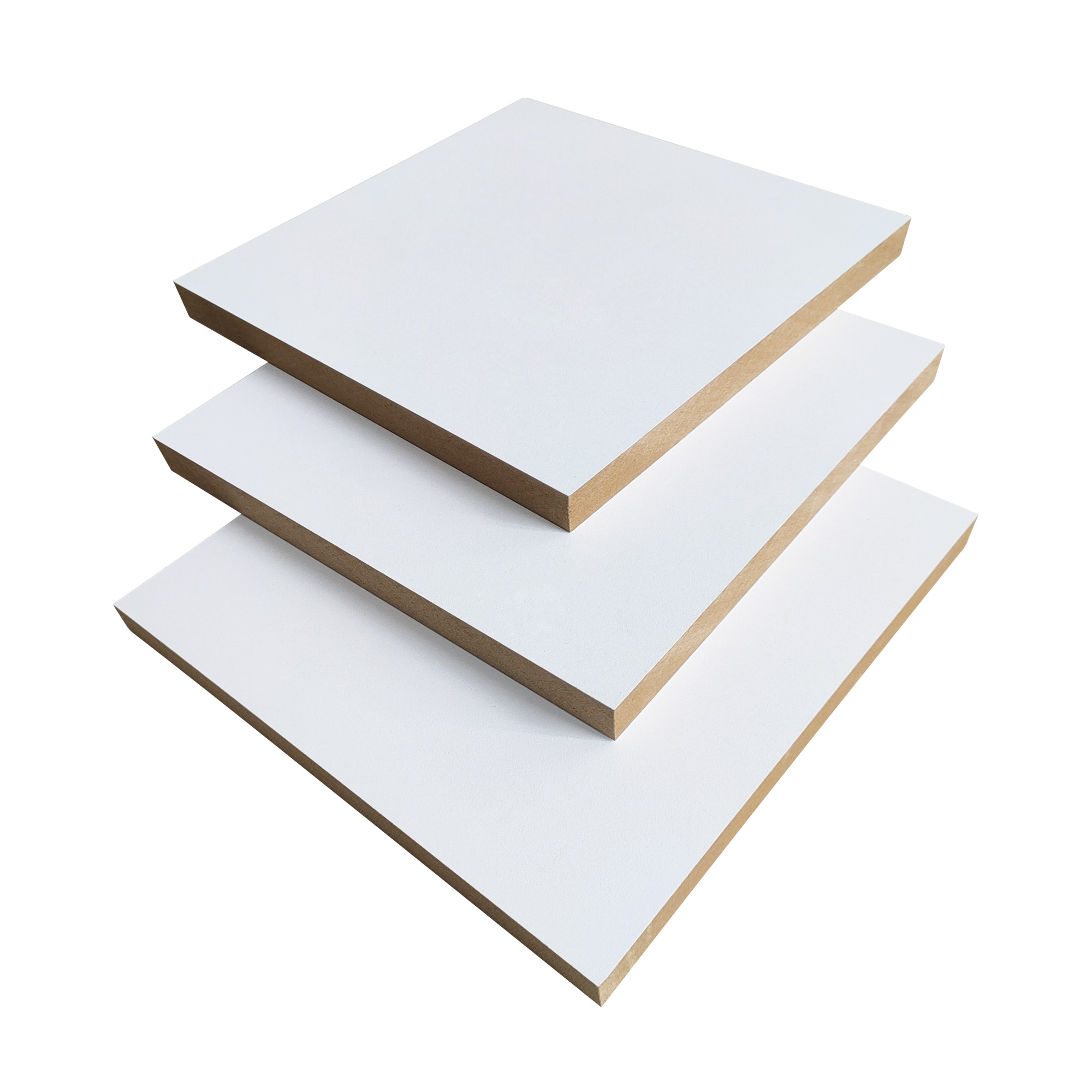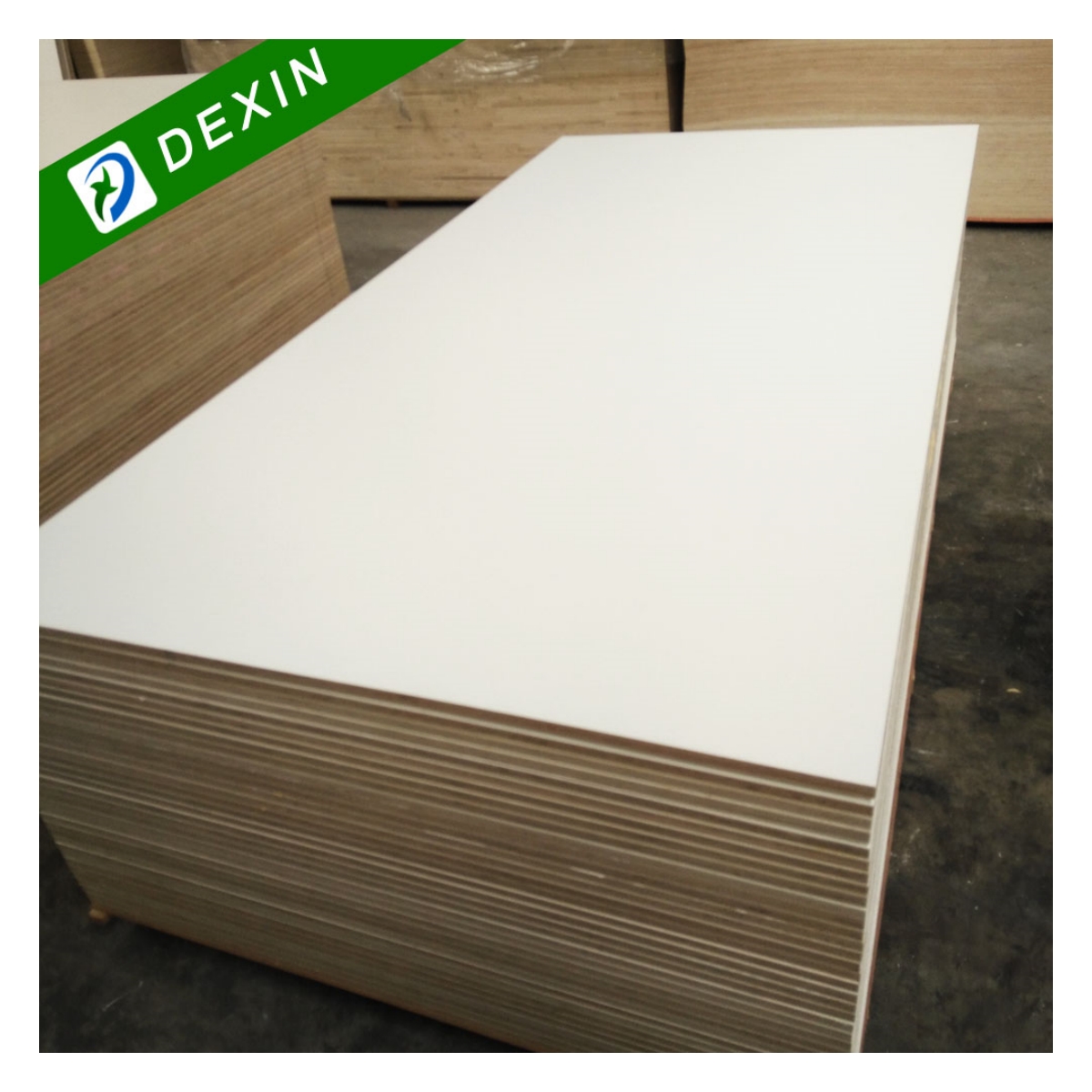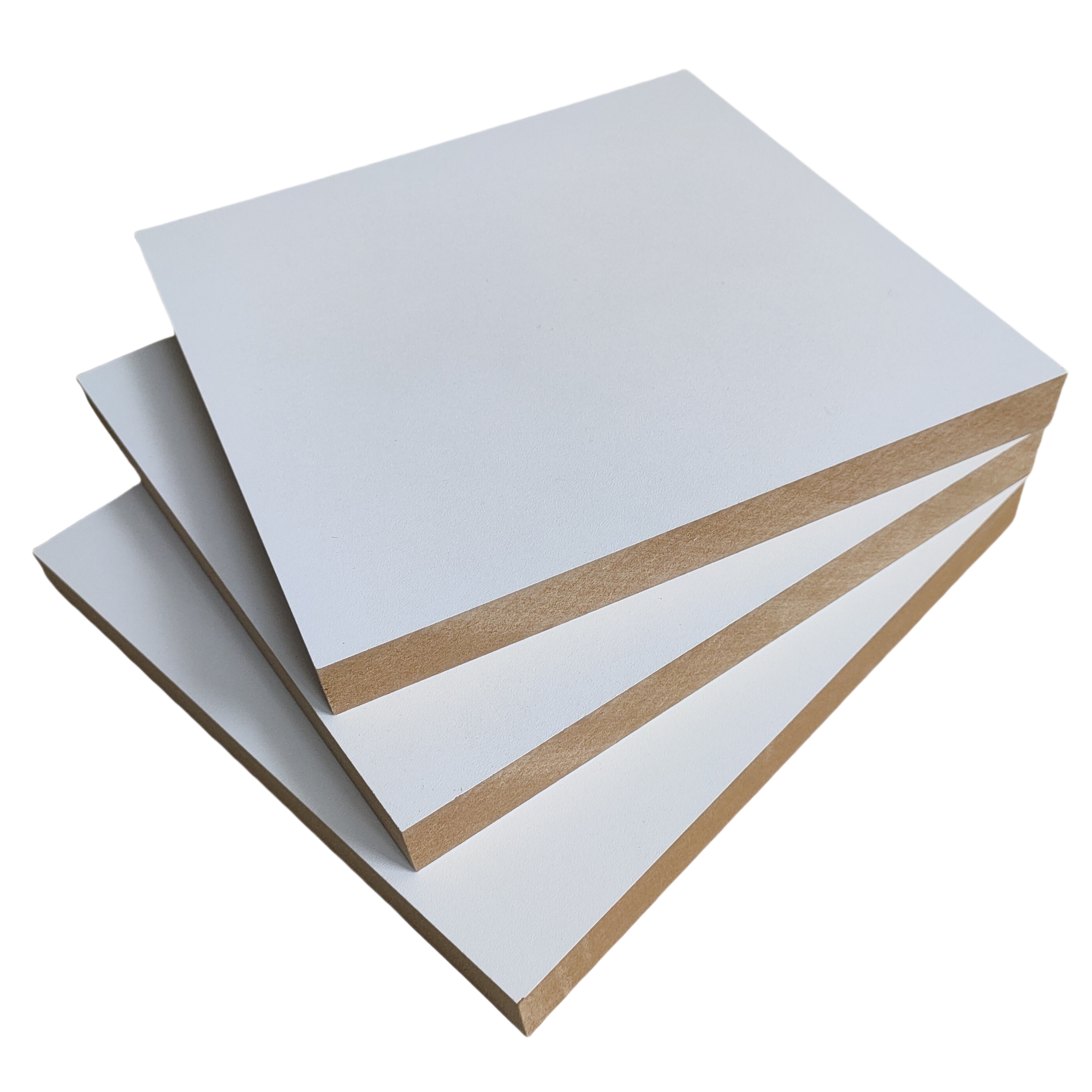
18mm White Melamine MDF/HDF Moisture-Proof Panel
An E1-grade melamine-faced MDF/HDF option for kitchen cabinets, wardrobe carcases and interior furniture where a clean white surface and moisture resistance matter.
- 18 mm
- E1
- Moisture-proof
These product families cover the practical buying intents behind “custom OEM decorative plywood exporters and wholesalers”: melamine surfaces, natural veneer looks, moisture-resistant substrate, film faced construction panels, MDF cabinetry boards and structural LVL beam systems. Every product link below is preserved from the source catalogue so buyers can move directly from specification review to a quotation request.
An E1-grade melamine-faced MDF/HDF option for kitchen cabinets, wardrobe carcases and interior furniture where a clean white surface and moisture resistance matter.
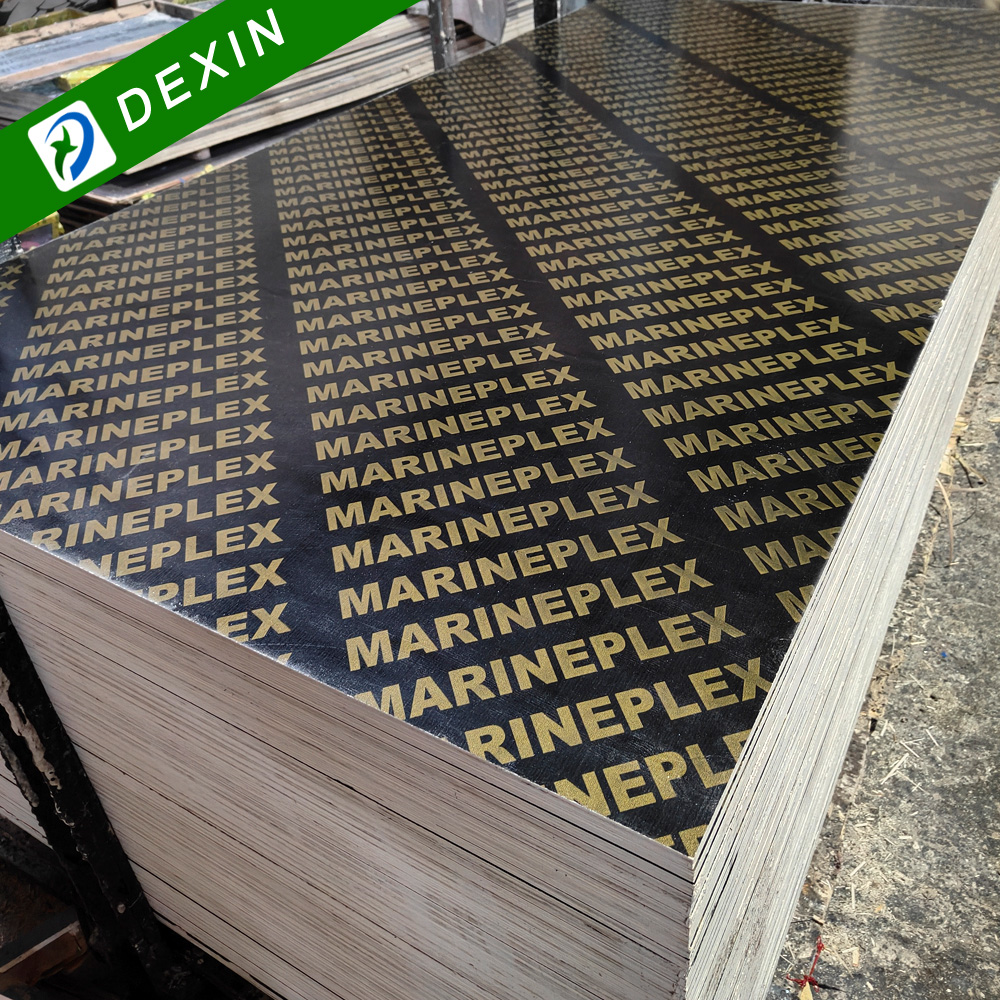
A marine-grade concrete formwork panel with black phenolic film, smooth release surface and repeat-pour durability for contractors and building-material distributors.
A versatile white melamine MDF for kitchen cabinets, storage systems and contract furniture. Available in 3mm, 6mm, 9mm, 12mm and 16mm for different component roles.
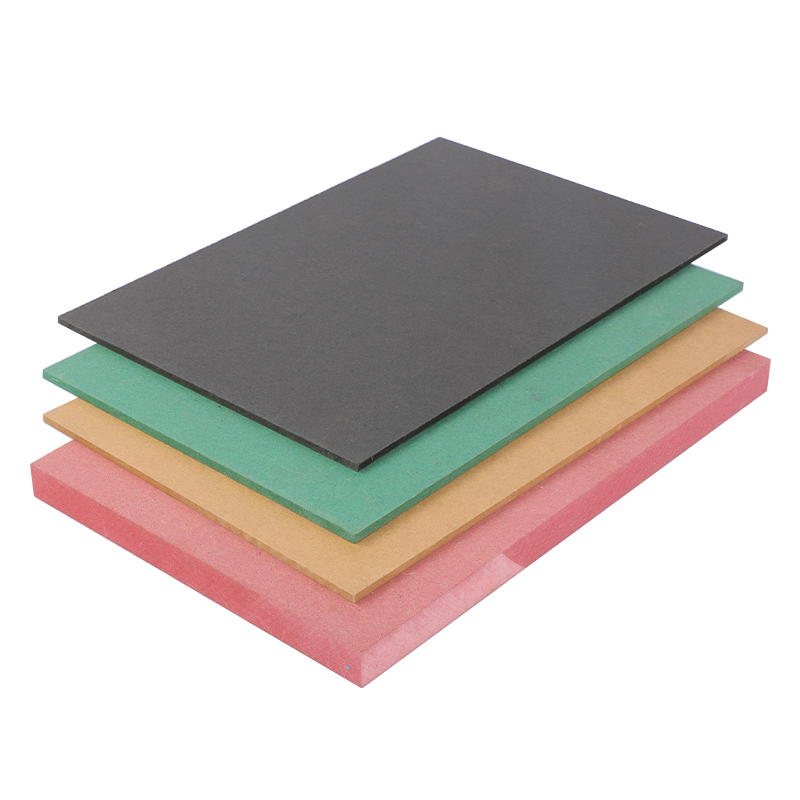
A sanded raw MDF substrate for painting, CNC routing, laminating and OEM decorative panel programs. A practical base for buyers who need stable thickness and competitive input cost.
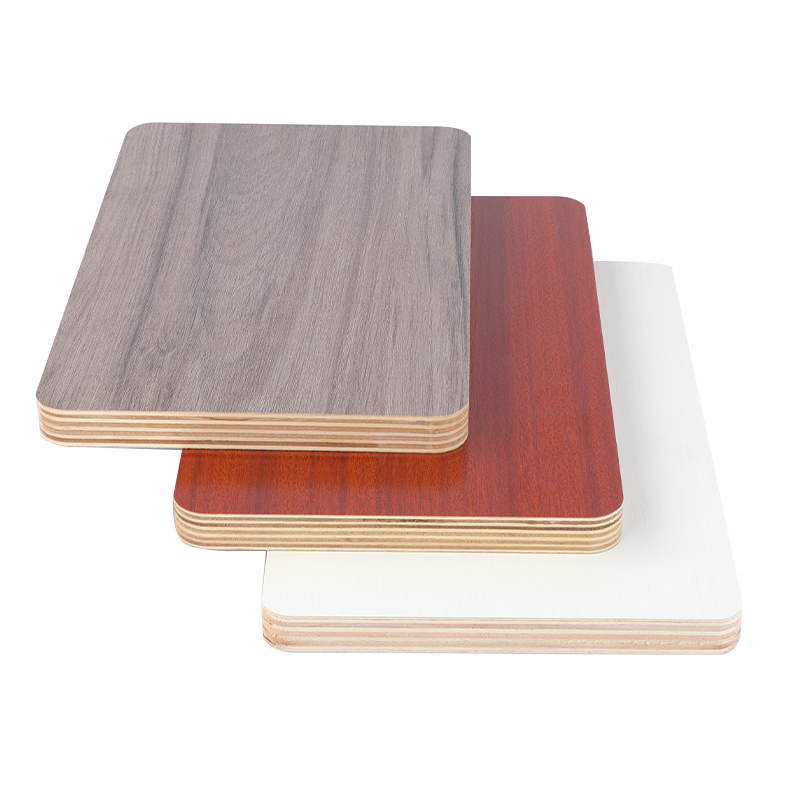
Solid-color and wood-grain melamine plywood for humid interiors, furniture and fit-out projects. Emission grades can be matched to destination-market requirements.
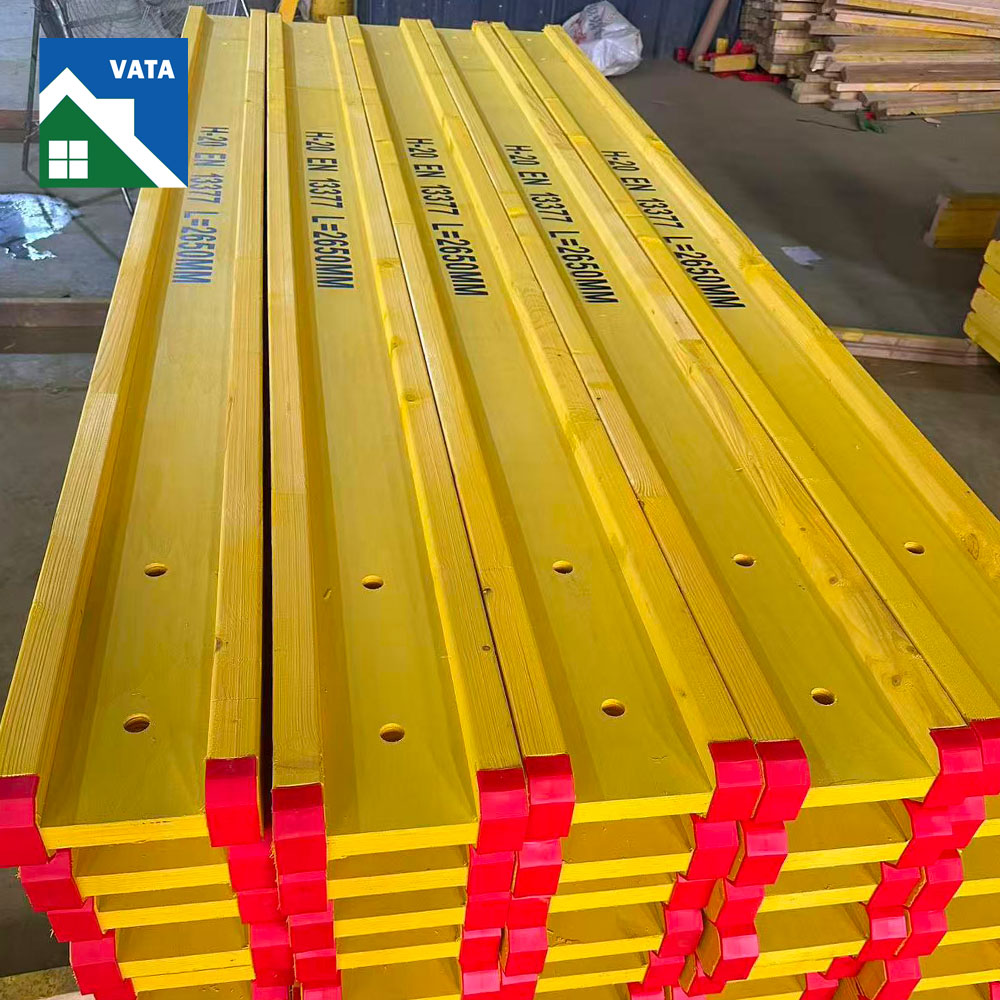
A waterproof, high-strength H20 LVL structural beam for concrete formwork systems, offering consistent straightness and repeatable load performance for project buyers.
Single-sided or double-sided melamine MDF with Blanco and modern decor options for cabinet makers seeking a lower-emission, ready-to-fabricate board.
Decorative melamine plywood in 6mm, 12mm and 18mm for furniture, wardrobe panels and wood-grain interior designs. The 1/2 and 3/4 inch equivalents are useful for export markets using imperial specifications.
Decorative plywood is not one commodity. It is a family of engineered wood panels whose commercial value sits at the interface between substrate, adhesive, surface, thickness tolerance and final application. For importers and wholesalers, the phrase “Custom OEM Decorative Plywood Exporters & Wholesalers” combines three search intents: a manufacturer that can customise specifications, an exporter that can manage documents and container logistics, and a wholesaler-grade source that can support assortment planning and repeat orders.
This is where information gain matters. A buyer does not need another generic page that repeats “high quality and competitive price.” A serious OEM program needs to know which substrate will run on existing cutting and edge-banding lines, which emission grade will clear the destination market, how décor consistency is controlled from batch to batch, how panels are protected during sea transport, and which items can share a container without turning inventory into a slow-moving assortment. Those are the details that separate a usable supplier from a low-cost sample that fails at volume.
KUDE is the export platform of a wood-based panel manufacturing group founded in 1998 in Linyi, Shandong, China’s largest wood-based panel production cluster. More than 30 sets of production machinery operate across 30,000 m² of workshops, with over 300 workers and annual output of 60,000 m³. The group produces and exports commercial plywood, film faced plywood, melamine plywood, fancy plywood, UV MDF, PET MDF, plain MDF, bamboo charcoal boards and WPC wall panels. For decorative panel buyers, this range matters because it allows one qualified source to support furniture, cabinetry and interior fit-out programs without forcing the buyer to coordinate multiple factories for every substrate or finish.
Size, thickness, core species, face veneer or décor, glue type, emission grade, logo printing and export packing can be specified as part of the order.
Several panel types can be combined in one container after confirming specifications, helping distributors test decors while controlling working capital.
CE, ISO 9001, ISO 14001, FSC, CARB, SGS assessment and standard export packing support serious B2B procurement and project tenders.
Three forces are reshaping B2B panel sourcing: compliance, assortment economics and verifiability. In mature markets, a board that cannot show a clear emission grade and document trail is increasingly difficult to place. In emerging markets, price still drives the first conversation, but wholesalers are differentiating on stable thickness, surface consistency and availability of matching décors.
Buyers increasingly request E0/E1/E2 formaldehyde grades, CARB compliance, FSC chain of custody and test documents before approving a decorative plywood supplier. The winning supplier is the one that can match the correct grade to the destination market without over-specifying the whole order.
Wholesalers want to test several decors, thicknesses and panel families without committing a full container to one SKU. Flexible MOQs, typically from 50 to 500 sheets depending on the line, and mixed loading plans help distributors respond faster to local demand.
SGS on-site assessment, factory videos, loading photos and live video inspection are now part of the buying decision. For an overseas buyer, verifiable production evidence reduces the risk that a sample does not represent the production batch.
Panel selection is increasingly based on total landed cost, not only the FOB price. Thickness tolerance, breakage risk, packing method, container utilisation and trade terms such as FOB, CFR, CIF and EXW all influence the real margin for importers.
Indicative weighting based on common B2B decorative panel RFQ priorities, not a statistical market forecast.
Decorative panel development is moving from “more colours” to “more usable systems.” A décor code is only valuable if it can be reproduced across batches, substrates and thicknesses. Buyers should ask for a master sample, gloss level, texture direction, edge treatment and packing protection before scaling an OEM program.
E0, E1, E2 and CARB-focused specifications continue to grow in furniture, kitchen and contract interiors. The practical issue is not only the glue system, but batch-level consistency and the ability to provide documents that match the invoice and packing list.
UV high-gloss, PET film and melamine surfaces are being selected for scratch resistance, moisture resistance and easy cleaning. For wholesale programs, matte, gloss and textured options must be stable enough to repeat across multiple production runs.
Teak, oak and maple looks remain strong in furniture and interior doors, but buyers want engineered consistency. Fancy plywood and melamine wood-grain surfaces let OEM buyers balance natural wood appearance with controlled cost and supply.
Decorative surfaces are increasingly sold alongside H20 LVL beams, WPC wall panels and bamboo charcoal boards. This hybrid approach supports builders and distributors who need both structural formwork and interior finishing products from one export relationship.
| Product Family | Typical Core / Substrate | Surface Options | Thickness Range | Glue / Emission Focus | Best-Fit Applications |
|---|---|---|---|---|---|
| Melamine Plywood | Poplar, eucalyptus, combi | Single or double melamine, solid colour, wood grain | 3–25 mm | E0 / E1 / E2; MR or WBP on request | Wardrobes, kitchen units, office furniture |
| Fancy Plywood | Plywood substrate | Natural teak, oak, maple and other veneers | 3–18 mm | E1 / E2 | Doors, cabinets, decorative furniture |
| Film Faced Plywood | Poplar or eucalyptus core | Brown or black phenolic film | 9–21 mm | WBP phenolic | Concrete formwork, slabs, walls |
| UV MDF | MDF base | UV-cured high-gloss coating | 9–18 mm | E0 / E1 | Kitchen cabinet doors, wardrobe doors |
| PET MDF | MDF base | PET film, matte or mirror gloss | 9–18 mm | E0 / E1 | Scratch-resistant cabinet and wardrobe surfaces |
| Plain MDF | Raw sanded or HMR moisture-resistant | Painting, laminating, CNC routing | 3–25 mm | E0 / E1 / E2 | Furniture substrate, painted components, 3D routing |
| H20 Timber Beam LVL | LVL structural timber | Waterproof structural beam | Project specific | Waterproof glue system | Concrete formwork, slab support systems |
| WPC / Bamboo Charcoal Board | Wood-plastic composite or decorative board | Wood grain, marble, solid colour | Profile dependent | Waterproof composite system | Interior walls, ceilings, fast-install feature surfaces |
Final tolerances, grades, décor matching and test reports are confirmed for each order. The table is a specification reference, not a substitute for a pre-production sample approval.
For wholesale buyers, a low unit price means little if the supplier cannot repeat the specification, provide the right documents or load the container as agreed. KUDE’s advantage is the combination of Linyi cluster economics, in-house production capability and export-oriented customisation.
More than 30 machine sets cover peeling, gluing, hot pressing, sanding and laminating. This reduces reliance on spot-market buying and helps hold tolerances across repeat orders for melamine plywood, MDF and film faced panels.
CE, ISO 9001, ISO 14001, FSC and CARB credentials support buyer compliance reviews. Formaldehyde grades E0, E1 and E2 are available depending on the product and destination market, with SGS on-site assessment adding third-party verification.
Sample-based, design-based and full customisation can cover size, thickness, core species, face veneer or décor, glue type, logo printing and export packaging. That flexibility is essential for importers building their own brand and decor collection.
T/T and L/C payments in USD, EUR or CNY; FOB, CFR, CIF and EXW terms; seaworthy pallet packing; and shipment through northern China ports such as Qingdao. Loading photos and export documents are part of the communication discipline.
Linyi production base
Panel production line
Hot press workshop
Export packing
For a B2B buyer, trust is not a slogan. It is the ability to see experience, expertise, authority and reliability in the details of the offer. A credible decorative plywood supplier should be able to connect its factory capability to a specific specification, a verifiable document set and a repeatable loading plan.
Raw veneer grading, moisture checks and substrate selection are the first control points. For decorative surface programs, the substrate must be stable enough for laminating, cutting and edge-banding without excessive thickness variation.
Controlled glue spread and pressing cycles support bonding performance and surface flatness. Emission grade and glue type should be confirmed against the destination market before production begins, not after the container is booked.
Calibrated sanding, lamination or film overlay must match the approved master sample. Gloss level, colour direction, texture and edge appearance are reviewed together because a single mismatch can make a whole batch difficult to sell.
Thickness, flatness, bonding and surface checks are followed by export packing, steel strapping and loading photos. For overseas buyers, this document trail is part of the product value because it lowers claim risk and protects the wholesale margin.
These are the practical questions that wholesalers, importers and project buyers ask before moving from a catalogue request to a container order.
Decorative plywood is a broad term for plywood with a visual surface. Melamine plywood uses a melamine-impregnated paper for solid colours or wood-grain effects, while fancy plywood uses a natural wood veneer face such as teak, oak or maple. For OEM programs, the choice depends on the desired appearance, abrasion resistance, cost target and whether a real veneer grain is required.
Custom OEM can include panel size, thickness, core species, face veneer or melamine décor, glue type, emission grade, logo printing and export packaging. In practice, the buyer should approve a master sample and written specification before production. That avoids disputes over colour direction, gloss level, texture and edge appearance.
KUDE’s manufacturing group holds CE, ISO 9001, ISO 14001, FSC and CARB certifications, and the supplier profile has passed an on-site assessment by SGS. E0, E1 and E2 formaldehyde grades are available depending on the product line. Buyers should confirm the required grade for the destination market and request the relevant test documents with the quotation.
MOQ depends on the product line and specification, typically from 50 to 500 sheets. Several products can be combined in one container after confirming specifications with the sales team. Mixed loading is useful for wholesalers testing new décors or balancing decorative panels with film faced plywood, raw MDF or structural LVL.
KUDE accepts T/T and L/C in USD, EUR or CNY, and works on FOB, CFR, CIF and EXW terms. The best trade term depends on the buyer’s freight relationships, destination port, insurance arrangement and internal cash-flow requirements. Final terms should be confirmed in the proforma invoice before production.
Buyers should request product samples, approved specifications, production photos, thickness and surface inspection records, packing details and container loading photos. For larger or repeat orders, third-party inspection or live video review can be arranged before shipment. This reduces the risk that the production batch differs from the approved sample.
Send your target product, size, thickness, core, surface décor, glue type, emission grade, estimated quantity, destination port and packaging requirements. Our export team will match the specification to a practical production plan and reply with a technical proposal.
Get CatalogFactory-direct source · Linyi, Shandong, China · CE / FSC / CARB / ISO 9001 · Export packing and loading verification available.