Eight OEM-Ready Panel Products for Wholesale Buyers
The fastest-moving products in KUDE’s export catalogue also show why a custom OEM hardwood core plywood supplier should be judged by more than one SKU. Buyers can combine plywood, MDF, formwork beams and wall panels in mixed container programs, reducing supplier audits, documentation gaps and landed-cost surprises.
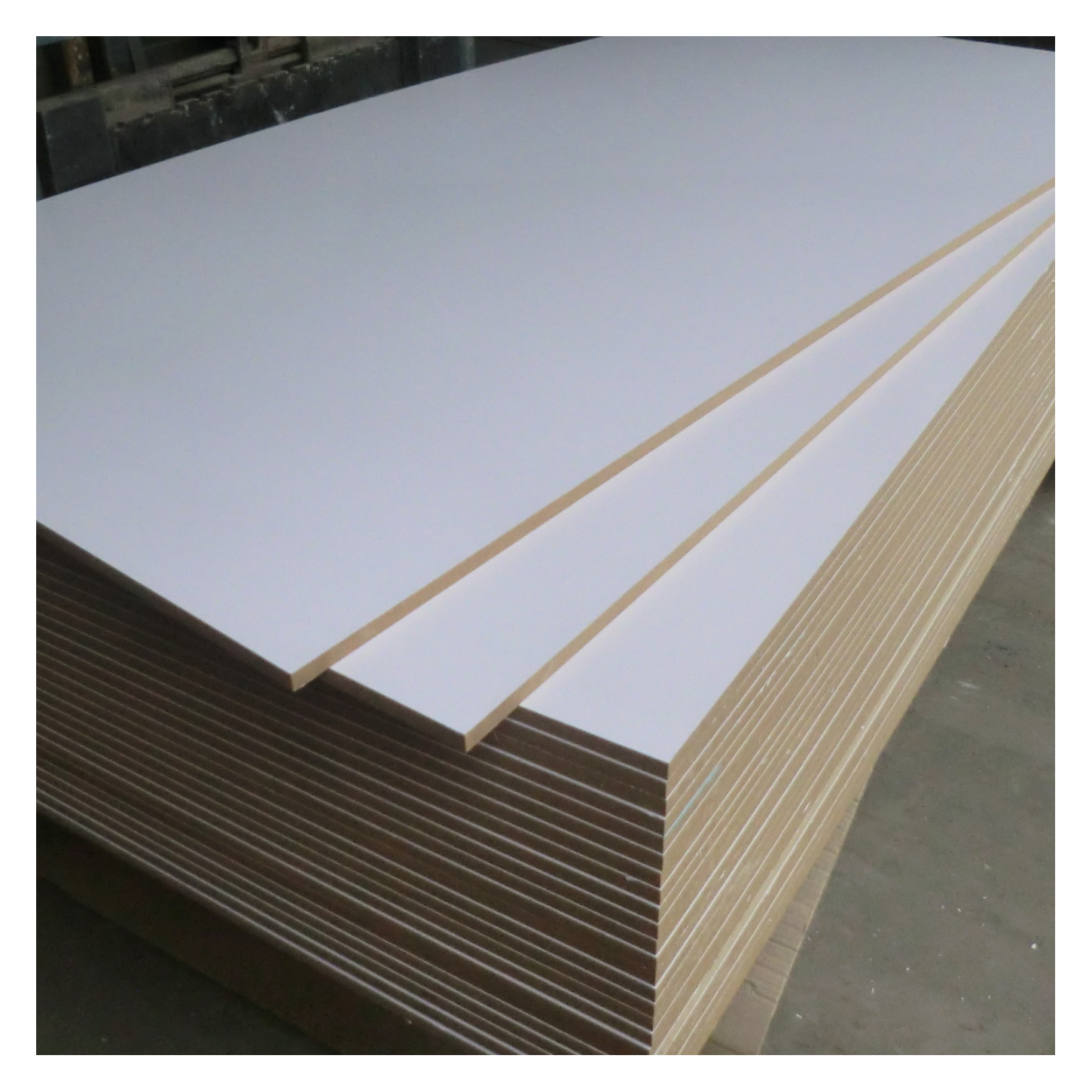
Wholesale E1 Grade Melamine Faced Moisture-Proof MDF Board for Kitchen Furniture Use 18mm Thickness CE Certified
Moisture-resistant MDF with E1 melamine face for kitchen carcasses, wardrobe panels and contract furniture.
View product →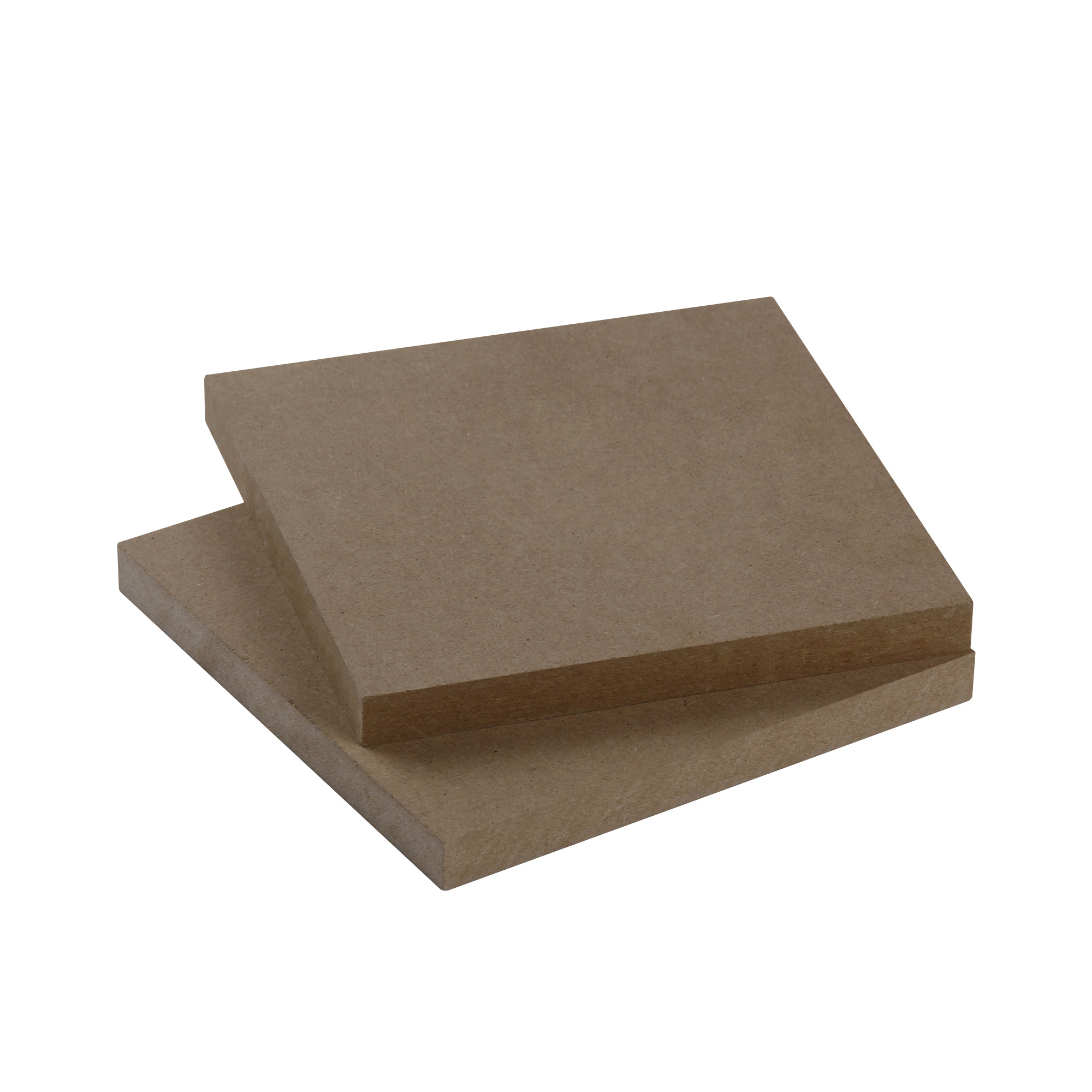
Dexin First-Class Plain Particle Board & MDF Wood Board E2 Emission Moisture-Proof for Bangladesh
Cost-efficient plain board for furniture factories, distributors and volume-driven project markets.
View product →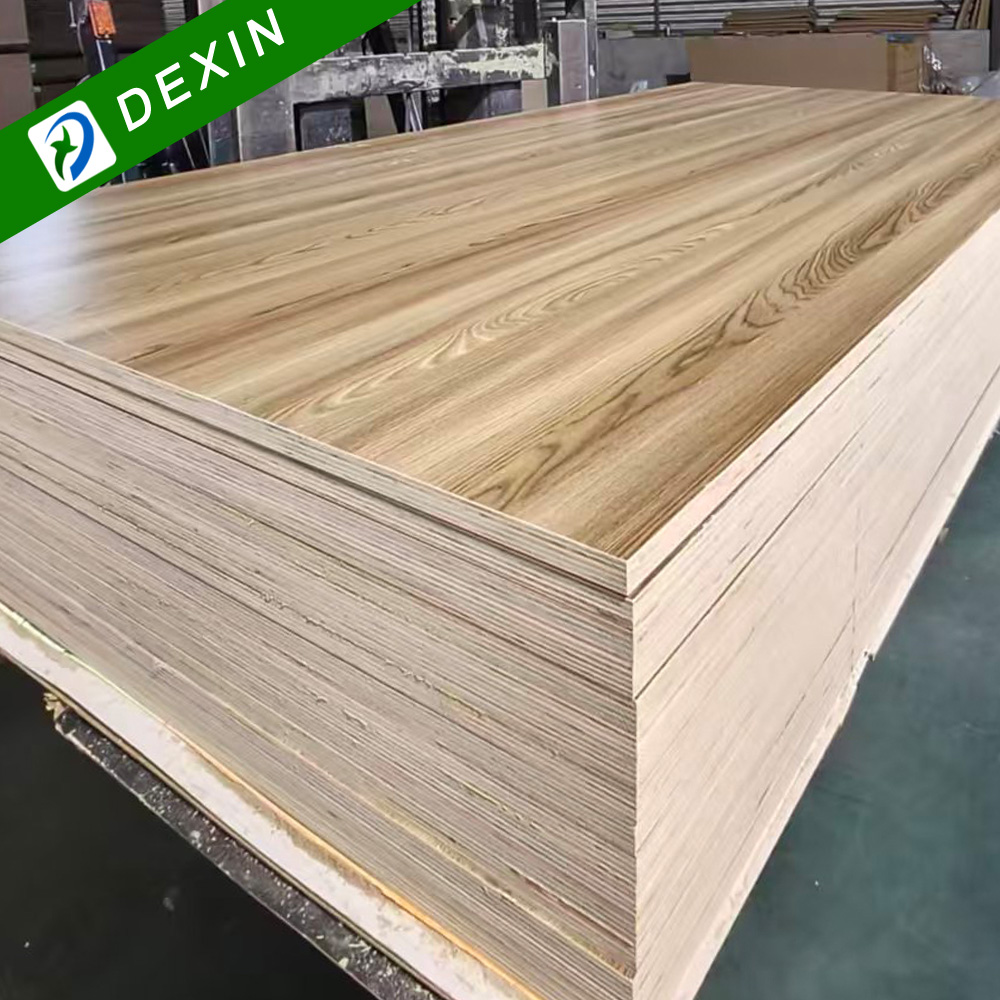
18mm Marine Laminated Contreplaque One or Double Side Colorful Melamine Faced Board Plywood for Furniture Decoration
Double or single decorative face on a marine-type plywood build for fit-out and furniture applications.
View product →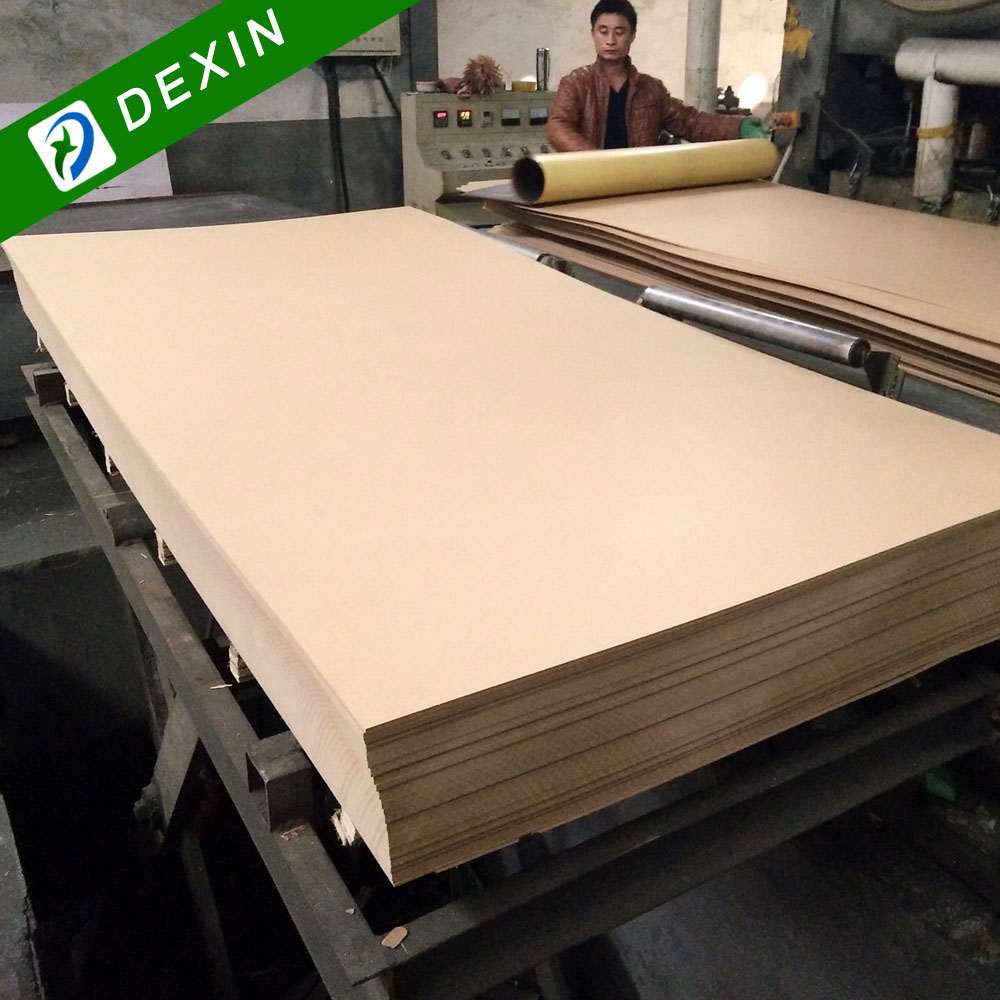
Factory Directly Sale Plain Mdf 12mm 15mm 18mm Raw HDF Board
Raw MDF and HDF for painting, laminating, CNC routing and distributor stock programs.
View product →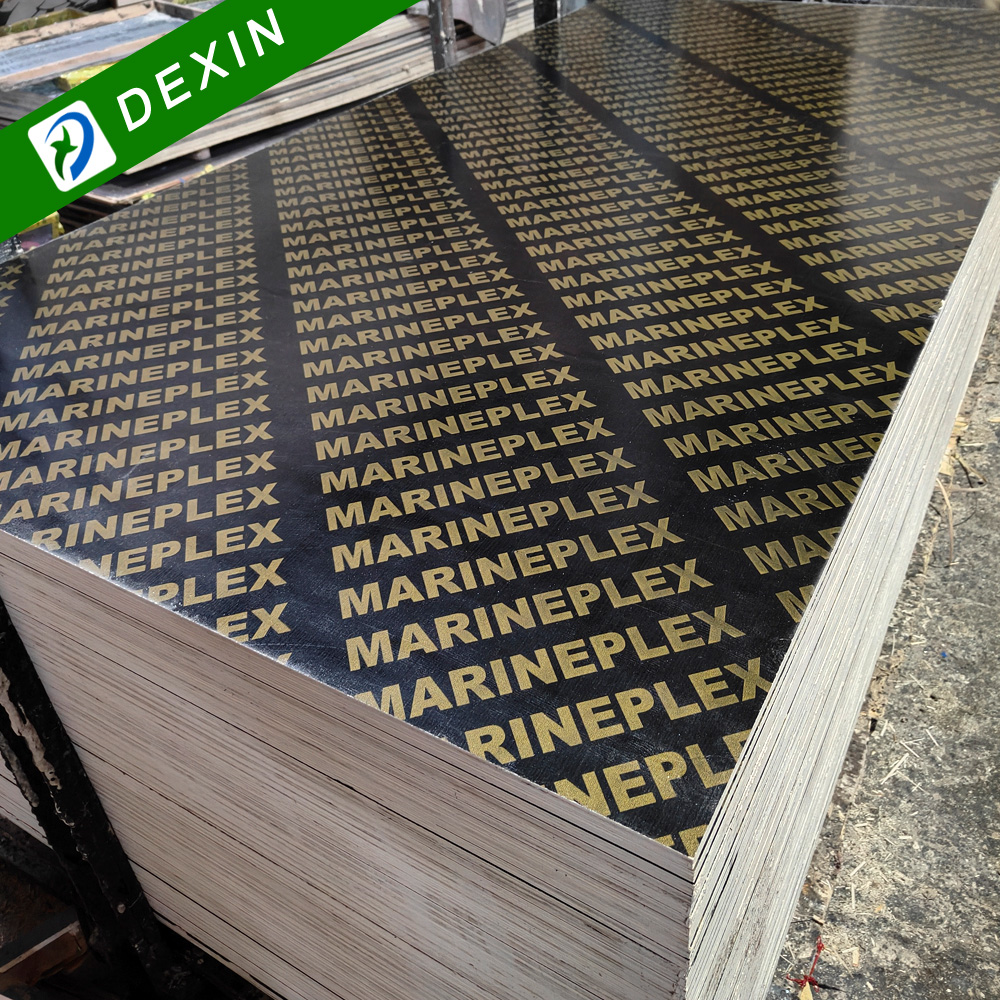
China Manufacturer 4x8ft Concrete Black Film Faced Plywood 9~25mm Marine Contreplaque Board for Construction
Black film formwork plywood for slab and wall pours where repeat use and release performance matter.
View product →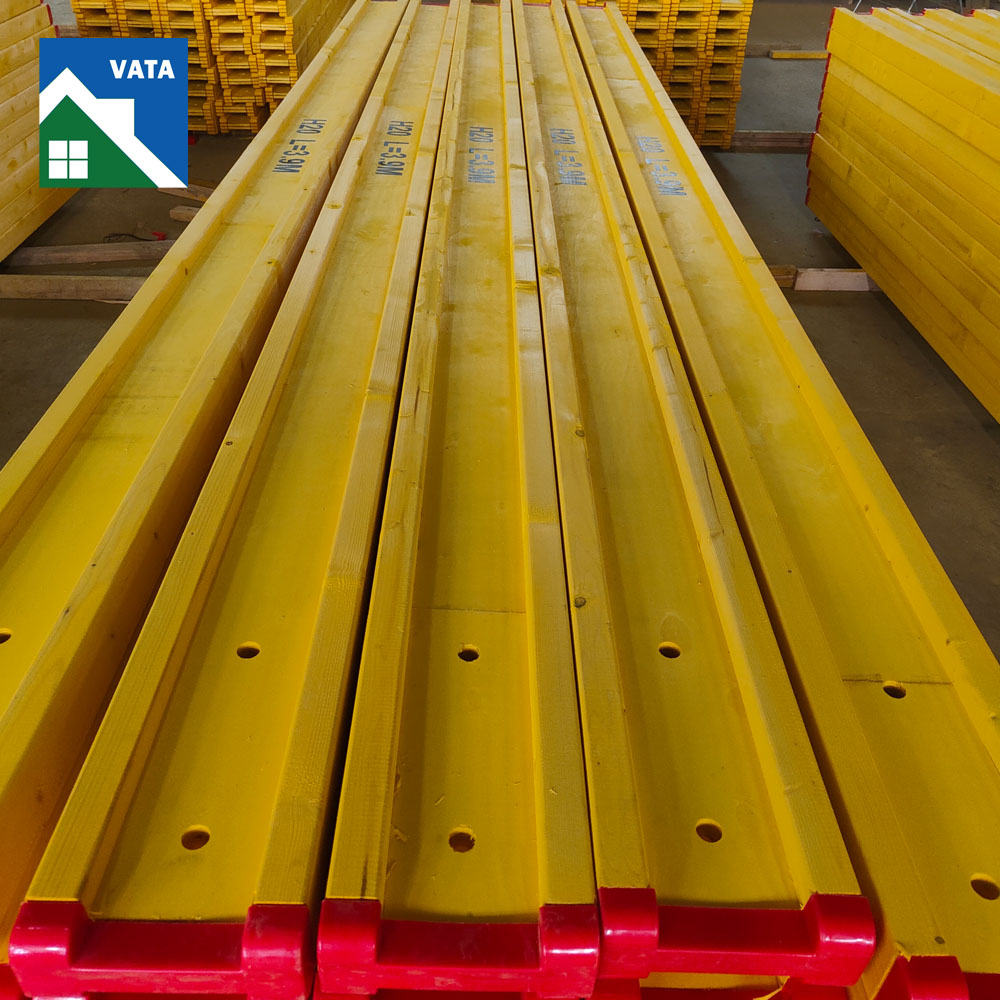
Manufacturer Reusable Yellow Painted H20 Wooden Formwork Beam with Plastic End Caps for Construction Building Projects
Reusable H20 beam for slab formwork systems, engineered for handling and site durability.
View product →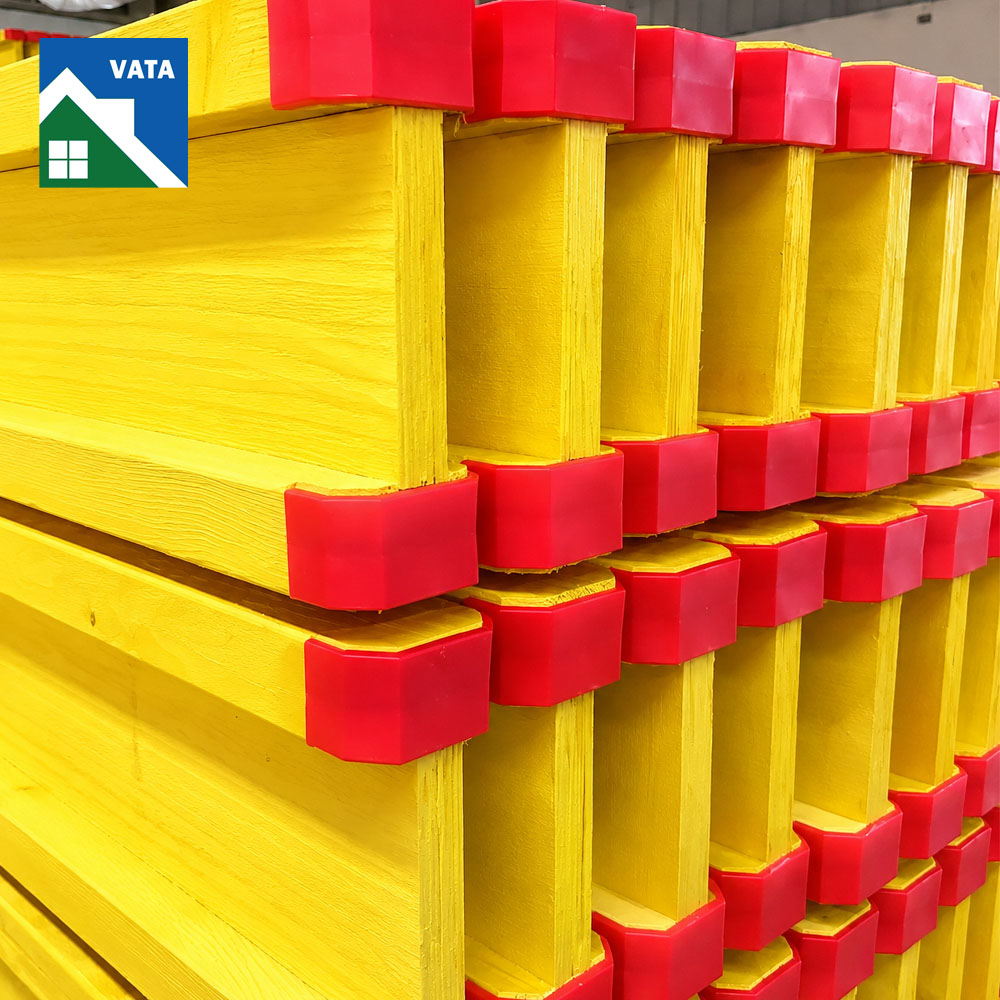
Wholesale Heavy Duty Wooden I-Beams Durable Spruce H20 Formwork Beams for Slab Formwork
Spruce H20 slab formwork beams for distributors supplying construction contractors.
View product →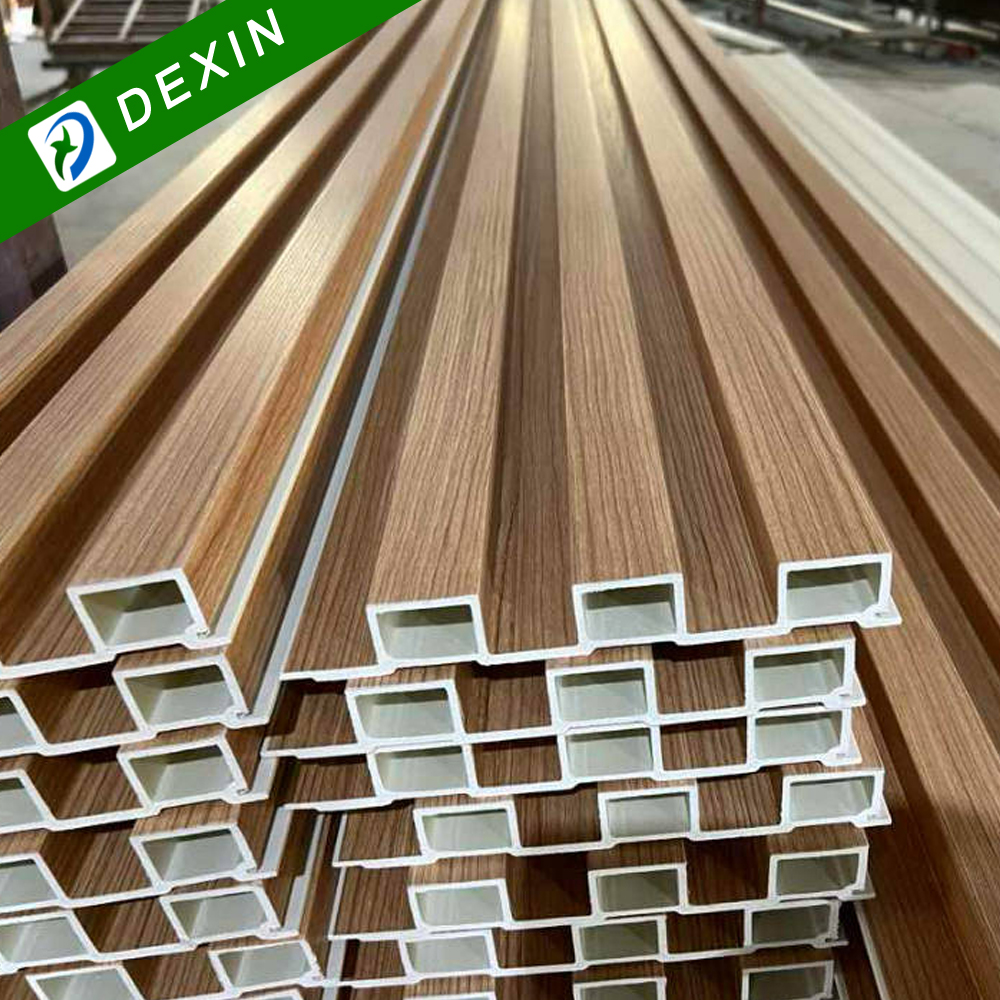
Modern Wall Cladding Home Background PVC WPC Wall Panels Interior Decorative Wall Panel for Hotel
Fast-install decorative wall panels for hotels, retail and residential interiors.
View product →
Built Inside China’s Largest Wood-Based Panel Cluster
Linyi KUDE International Trading Co., Ltd. is the export platform of a wood-based panel manufacturing group founded in 1998 in Linyi, Shandong. Being inside China’s largest man-made board production cluster gives buyers shorter supply chains for veneer, glue and core materials, and more stable access to raw board during seasonal demand swings.
The group operates more than 30 sets of production machines across 30,000 m² of workshops, with over 300 workers and an annual output of 60,000 m³ of plywood, blockboard, MDF and particle board. For OEM buyers, that matters because commercial plywood, melamine plywood, MDF, formwork and wall panel programs can be coordinated through one export team instead of fragmented suppliers.
- 20+ years production experience
- 15 years of export experience
- SGS on-site assessed profile
- CE, ISO 9001, ISO 14001, FSC, CARB
- OEM / ODM and custom specifications
- Export packing with loading verification
A Practical Wholesale Partner for OEM Panel Programs
Wholesalers and importers do not need another catalogue. They need repeatable thickness, honest emission grades, document packages that clear customs and containers loaded as agreed. These four capabilities support that standard.
Own Production Lines
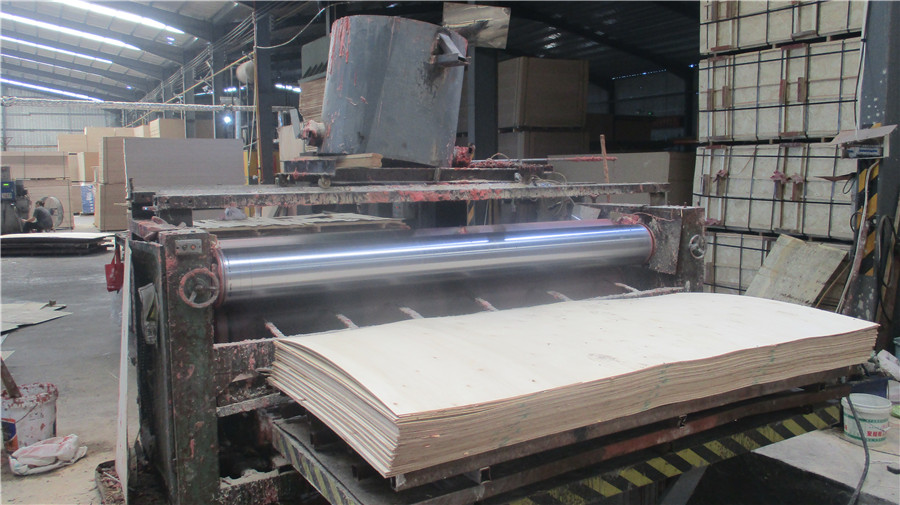
Peeling, gluing, hot pressing, sanding and laminating are coordinated within the group’s Linyi base, reducing middle-man variation and improving batch traceability.
Verified Quality Files
CE, ISO 9001, ISO 14001, FSC and CARB documentation, with E0, E1 and E2 emission grades matched to destination-market requirements.
Flexible OEM Control
Sample-based, design-based or full customization: size, thickness, core blend, face veneer, melamine decor, glue type, logo printing and packaging.
Export-Ready Logistics
FOB, CFR, CIF and EXW terms; T/T and L/C payment; pallet packing, steel strapping, moisture protection and loading photos before departure.
Custom OEM Hardwood Core Plywood: What Wholesalers Must Lock Before Production
“Hardwood core” is not one recipe. It may mean eucalyptus, birch, mixed hardwood or a blended core selected for density, screw-holding, machining stability and price. A reliable OEM quotation should define the species mix, veneer grade, glue line, tolerance, face/back and packaging before the first sheet is pressed.
For distributors, the commercial risk is rarely the product on the sample table. It is the gap between the approved sample and the third container. A supplier that can lock a written specification, keep thickness within a stated tolerance and repeat the same face colour lot is more valuable than a lower first price with undocumented substitutions.
For project buyers, hardwood core plywood is often compared with poplar-core plywood for cabinet frames, door skins, shop fitting and furniture parts. Hardwood core can improve density and screw-holding, but the final performance still depends on veneer quality, glue spread, pressing cycle, moisture content and sanding calibration. The correct buying decision is application-led, not species-led alone.
Use the specification matrix below as a practical request-for-quotation template. It creates an audit trail for your sales team, your factory inspector and your customs broker — and reduces disputes when the order reaches your warehouse.
OEM Specification Lock
- Core: hardwood species blend, density target and percentage range.
- Glue: MR, WBP or phenolic according to humidity and formwork use.
- Tolerance: stated thickness range, flatness and edge squareness.
- Surface: face/back grade, veneer or melamine decor, gloss level.
- Emission: E0, E1, E2 or CARB with supporting test file.
- Packing: pallet size, corner protection, logo and moisture barrier.
| Specification Lever | What to Write in the PO | Why It Changes Buyer Risk |
|---|---|---|
| Core species blend | Eucalyptus, birch, mixed hardwood or approved blend; density range | Affects screw-holding, machining finish, panel weight and price stability |
| Glue and water resistance | MR, WBP or phenolic; interior, kitchen or formwork application | Controls bonding performance in humidity, transport and end use |
| Thickness tolerance | Nominal thickness plus accepted tolerance and flatness limit | Protects CNC nesting, door alignment, lamination and installation speed |
| Face and back grade | Veneer grade, melamine colour, film type or PET/UV surface | Prevents colour-lot mismatch and visible defects in retail furniture |
| Emission grade | E0/E1/E2/CARB matched to destination market | Reduces clearance, retail compliance and project handover delays |
| Export packaging | Pallet footprint, strapping, edge protection, logo and marking | Lowers transit damage, unloading claims and distributor rework |
Trends Shaping Hardwood Core Plywood Wholesale
Buyers are moving toward fewer, better-documented suppliers. Price still matters, but the winning quotation is increasingly the one that reduces compliance risk, inventory imbalance and supplier-management workload.
Compliance-First Sourcing
Importers are asking for emission reports, FSC status, CE documentation and batch consistency before they approve a second order. A supplier’s document pack is becoming part of the product.
Smaller OEM Runs, Mixed Containers
Distributors want to test colours, sizes and surfaces without committing a full container to one SKU. Mixed-load capability helps them respond to local furniture and construction demand faster.
Total Landed Cost Discipline
Thickness tolerance, packing damage, moisture claims and loading efficiency can erase a low FOB price. Experienced buyers compare defect rate, cube utilisation and repeatability, not just cost per sheet.
What Buyers Rank First in Panel Supplier Selection
Based on the practical priorities KUDE sees across importers, distributors and project contractors in 30+ export markets.
Product Development Trends for OEM Panel Buyers
Panel development is moving in two directions at once: more engineered performance for industrial users, and more decorative integration for furniture and interior channels.
Hybrid Core Engineering
Hardwood, poplar and eucalyptus blends are being specified by application so buyers can balance density, machinability and cost without overpaying for unnecessary performance.
Low-Emission Surfaces
E0/E1 and CARB-aligned boards are becoming normal stock expectations in kitchens, wardrobes, schools and hospitality projects.
Decorative Integration
Melamine, PET, UV and natural veneer surfaces are increasingly quoted as one system with the core, not as a separate lamination step handled by another supplier.
System Selling
Formwork plywood, H20 beams and fast-install wall panels are being sold as coordinated packages for contractors and distributors that serve complete projects.
Six Quality Gates from Veneer to Container
A controlled OEM program needs checkpoints, not promises. These are the practical gates used to keep hardwood core plywood, MDF and decorative panel orders aligned with the approved sample.
Core Veneer Grading
Species blend, veneer thickness, defects and moisture are checked before gluing.
Glue and Press Control
Glue spread, assembly time and pressing cycle are controlled for the specified MR, WBP or phenolic system.
Thickness Calibration
Calibrated sanding keeps thickness, flatness and surface preparation within the agreed range.
Bonding and Surface Checks
Bonding, face grade, colour-lot consistency and lamination quality are inspected against the sample.
Emission and Document Audit
Emission grade, certificates, packing list and test reports are reviewed with the export file.
Packing and Loading Photos
Pallet condition, strapping, moisture protection and container loading are recorded before shipment.





Export Markets and Application Fit
KUDE panels reach the EU, USA, Caribbean, South America, Africa, Southeast Asia, Eastern Europe and the Middle East. Application priorities differ by market, so the specification conversation should start with end use and destination compliance.
Middle East & Africa
Contractors and building-material distributors prioritize film-faced plywood, H20 beams and commercial plywood for high-rise, infrastructure and formwork projects.
Film faced plywood · H20 beams · Commercial plywoodSoutheast Asia
Furniture factories and cabinet makers source melamine boards, plain MDF, UV MDF and PET MDF for kitchens, wardrobes and contract interiors.
Melamine plywood · UV MDF · PET MDFAmericas & Europe
Importers often require FSC chain of custody, CARB or E1 emission alignment and stable colour lots for retail, hospitality and project channels.
Commercial plywood · Plain MDF · WPC panelsFAQ for Custom OEM Hardwood Core Plywood Buyers
These are the questions wholesale buyers and project sourcing teams ask most often before approving an OEM panel program.
What does “custom OEM hardwood core plywood” mean in a supplier quotation?
Which certifications and emission grades can KUDE supply?
What is the minimum order quantity for OEM hardwood core plywood?
Can you customize size, thickness, core, face and packaging?
How do you verify quality before shipment?
Which payment methods and trade terms do you accept?
Where is KUDE located and how are goods shipped?
Need a Wholesale Quote or OEM Specification Review?
Send your panel size, thickness, core preference, face grade, emission target and destination port. KUDE’s export team will reply with a technical proposal, packing plan and documentation checklist for your market.
info@kudeplywood.com