OEM/ODM Beech Veneered MDF Factories & Suppliers
Factory-direct veneered MDF, melamine boards, plywood and formwork systems from Linyi, China — built for importers, contract furniture makers, distributors and project buyers who need documented quality, flexible customization and export-ready supply.
Eight Panel Products for Custom Furniture and Fit-Out Programs
A credible beech veneered MDF supplier should prove more than one surface capability. These adjacent product routes show the production ecosystem KUDE can consolidate for buyers sourcing decorative panels, furniture boards, plywood and formwork materials from one export platform.
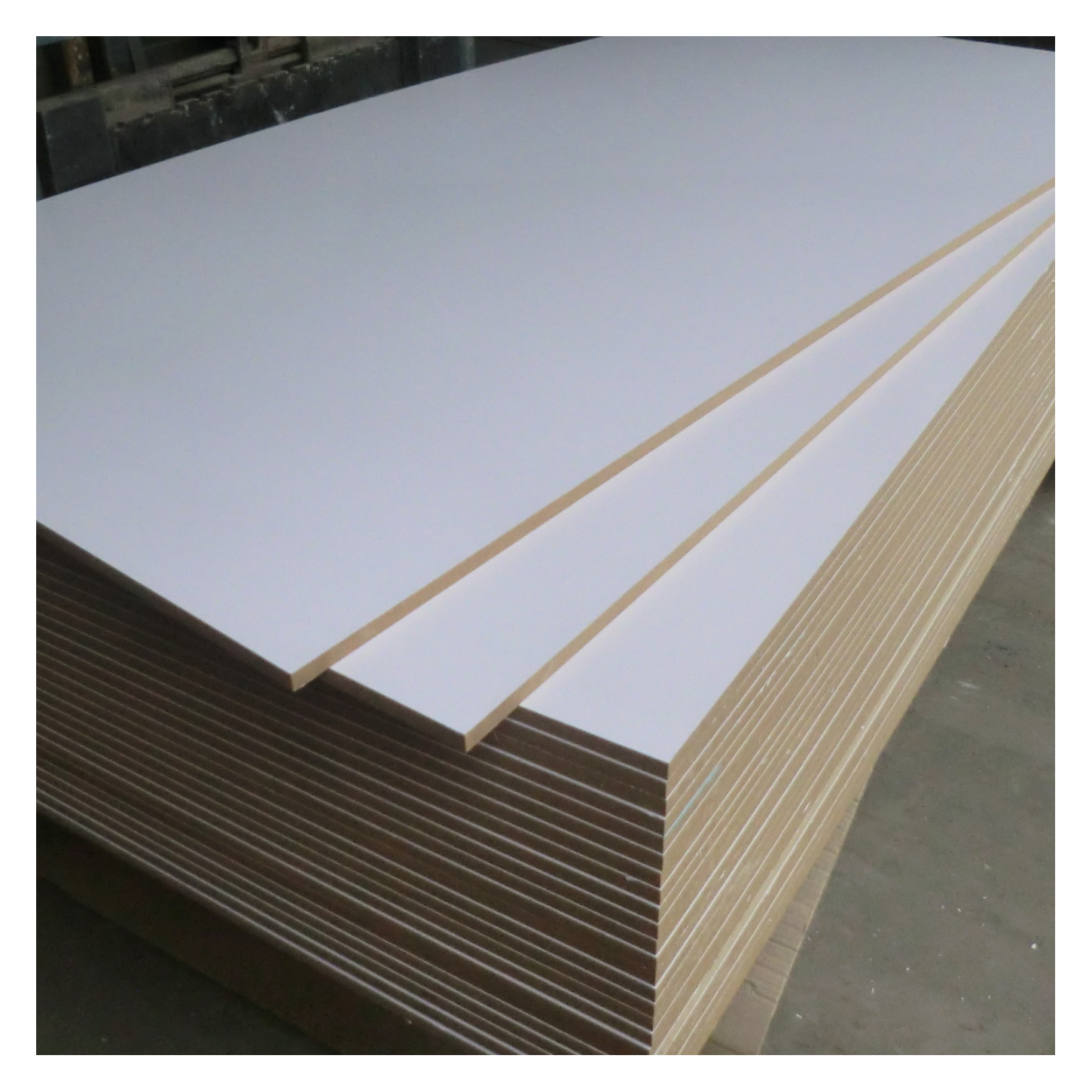
E1 Melamine Faced Moisture-Proof MDF Board, 18mm
Kitchen and furniture-grade MDF with melamine face, E1 emission control and moisture-resistant performance for interior fit-out.
View product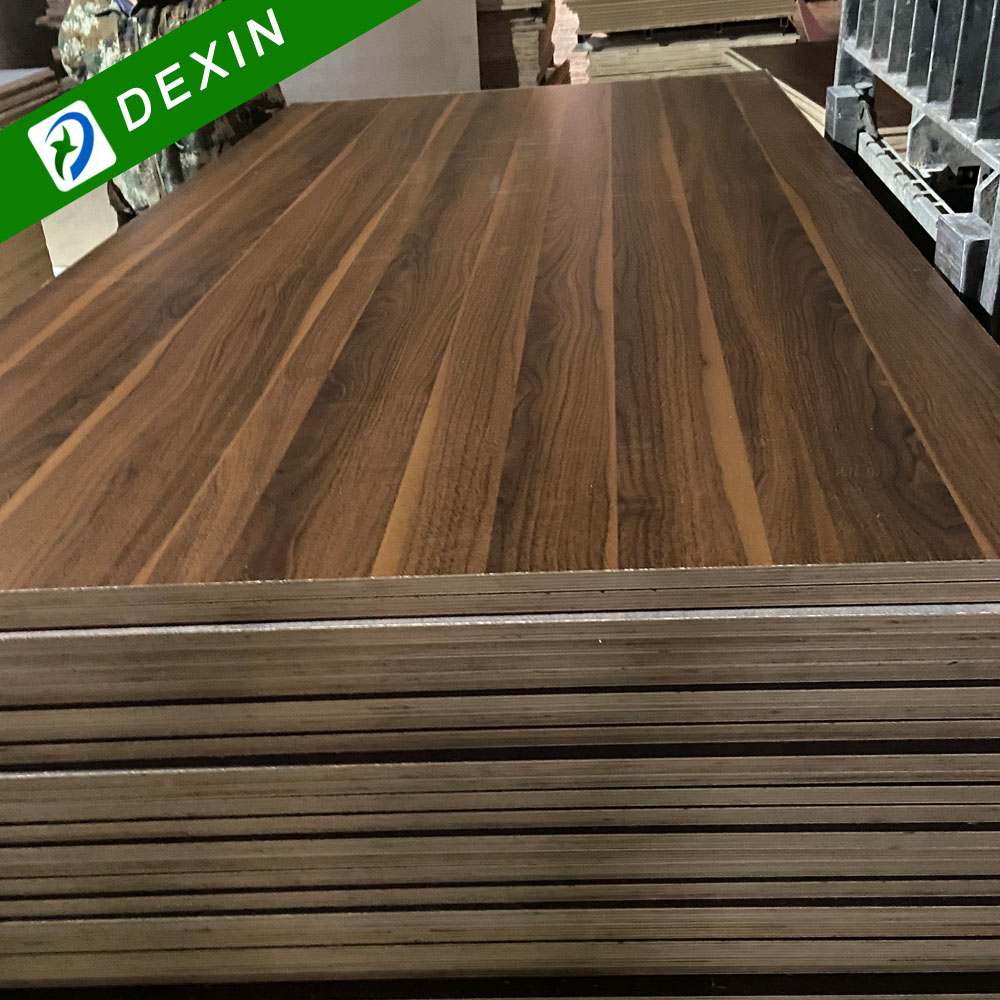
Waterproof 18mm Melamine Faced Plywood for Furniture
Melamine-faced plywood for furniture structures where a stable panel, clean surface and water-resistant glue system are required.
View product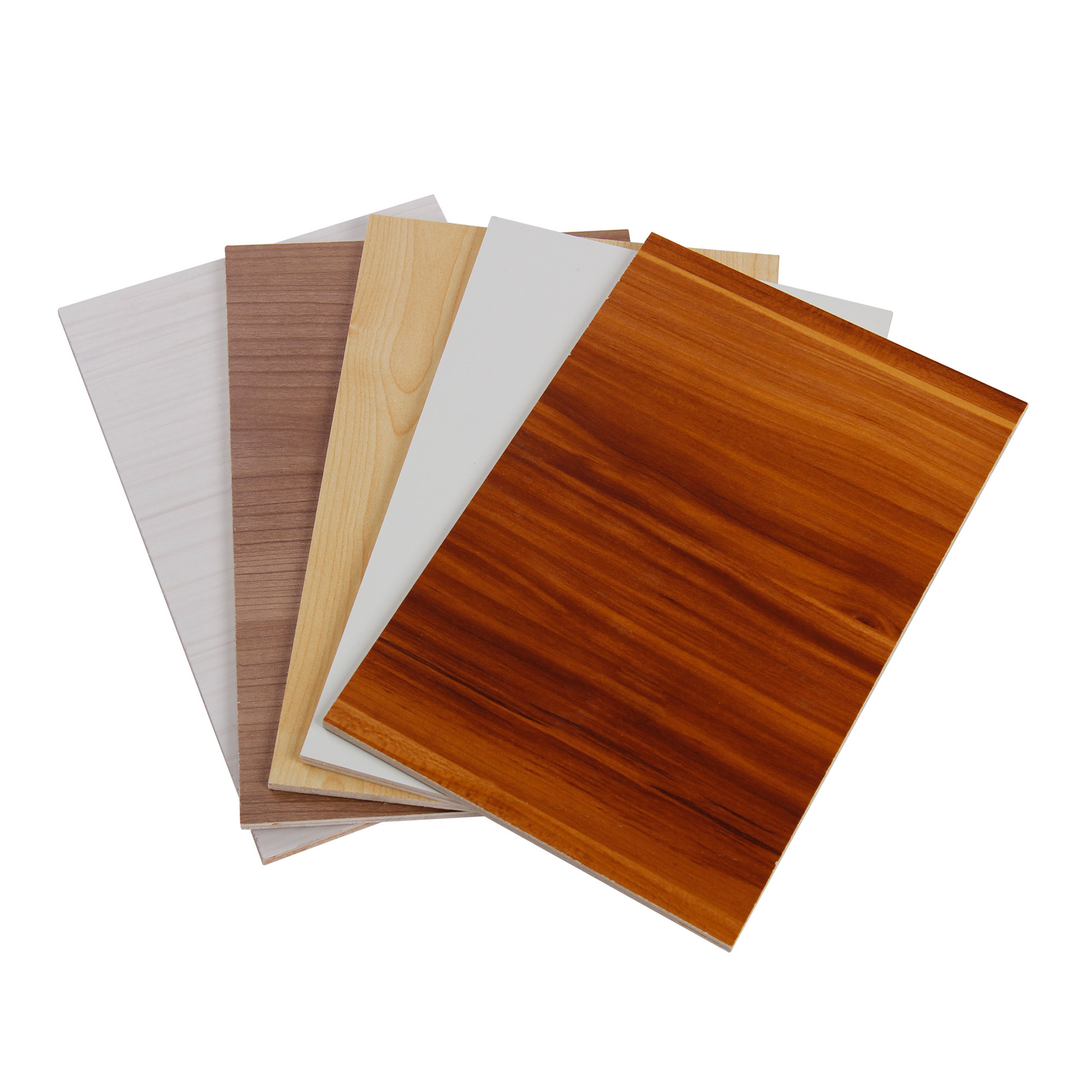
12–18mm Melamine Wood Board Plywood for Furniture Making
Multiple thickness options for cabinet carcases, shelving and furniture parts, with melamine surfaces ready for edgebanding and assembly.
View product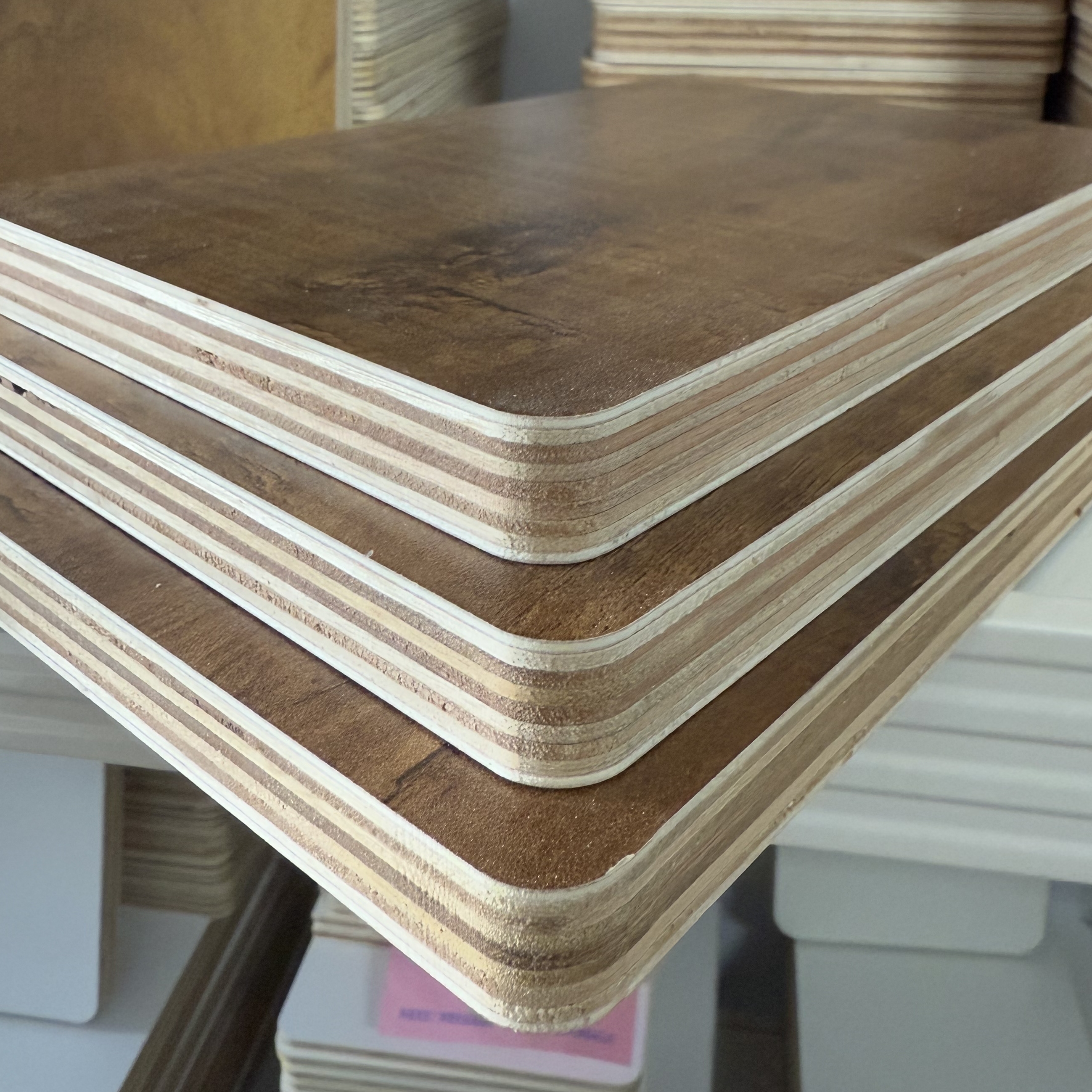
Waterproof 4x8 Melamine Laminated Marine Plywood Sheet
Decorative marine plywood sheet for wet-area furniture, retail fixtures and interior applications requiring a clean laminated face.
View product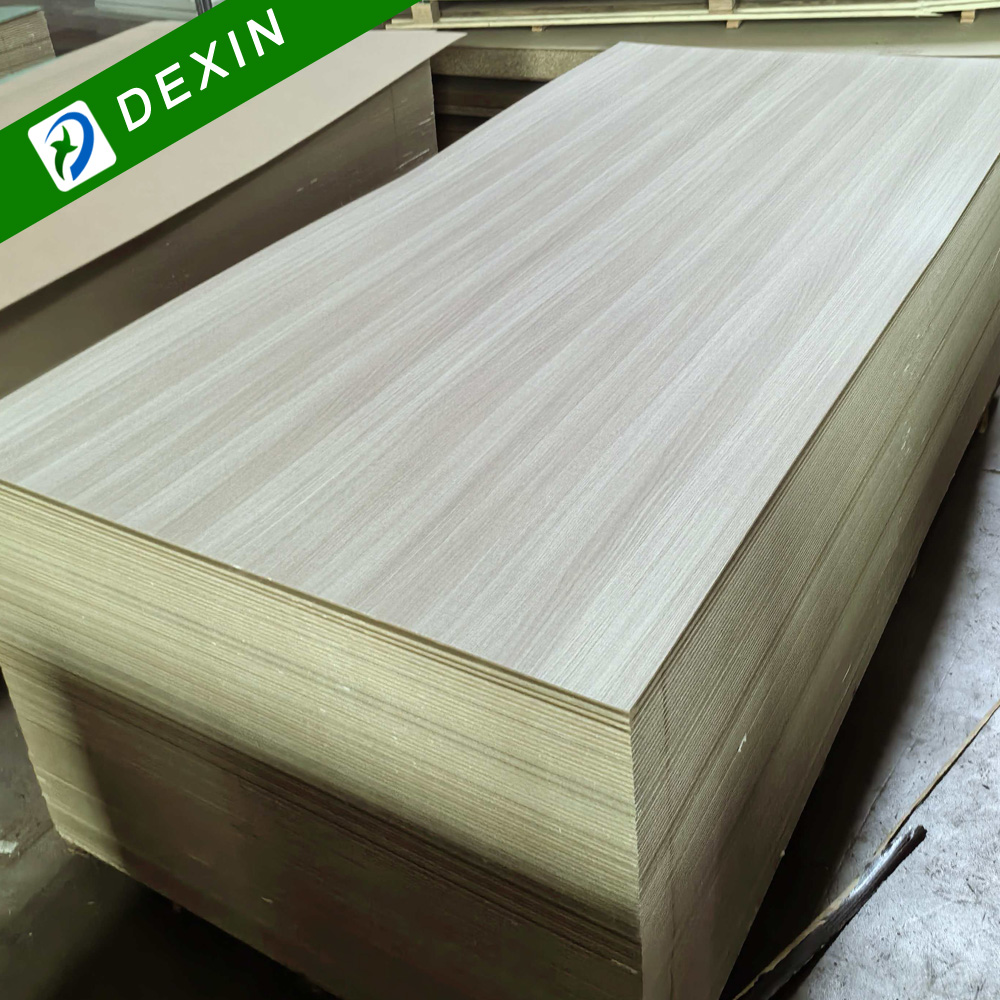
Moisture-Resistant White Melamine MDF Panels, 1220×2440mm
White textured melamine MDF in multiple thicknesses, suitable for wardrobe interiors, kitchen cabinets and commercial fit-out.
View product
Spruce H20 Timber Beam for Concrete Formwork
Water-resistant H20 timber beam with 80×200mm profile for concrete formwork systems, available in customized lengths.
View product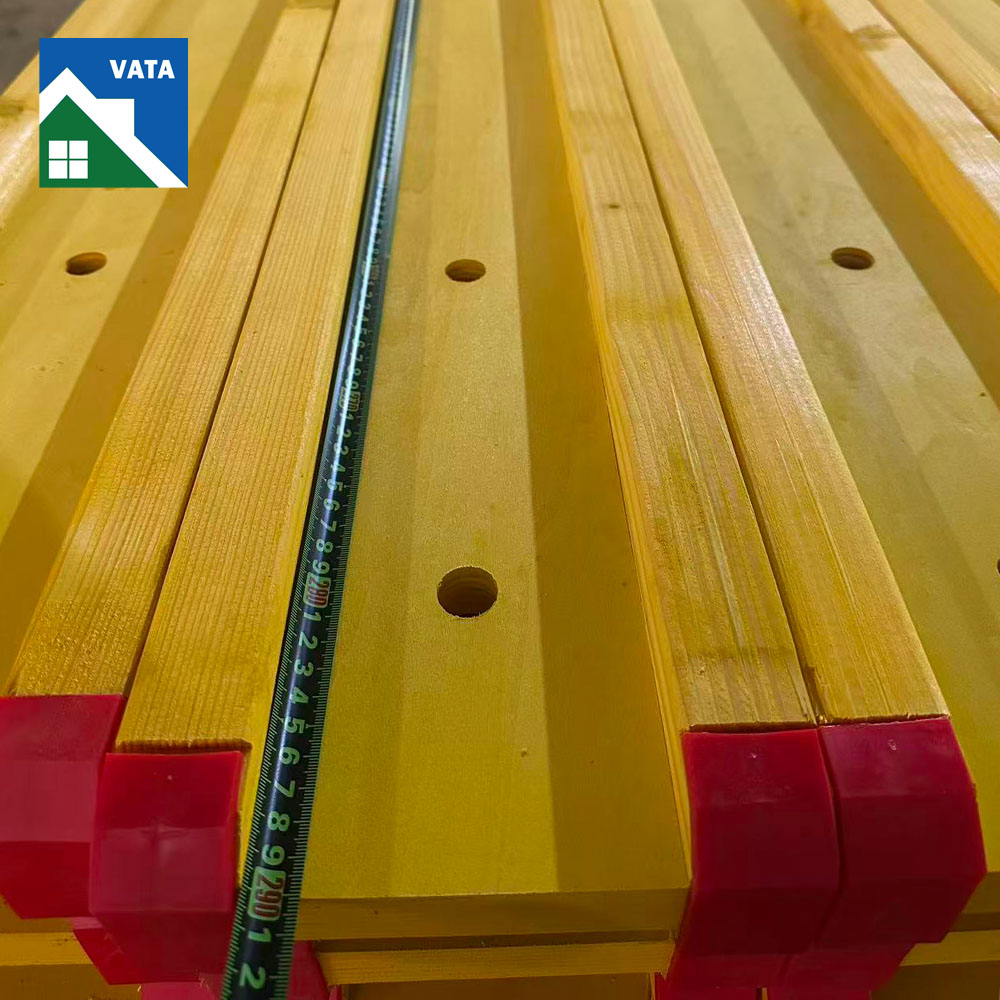
Custom Exterior-Use Timber Formwork Beams
Stable timber formwork beams with WBP glue and pine or spruce flange options for wall formwork and repeated site use.
View product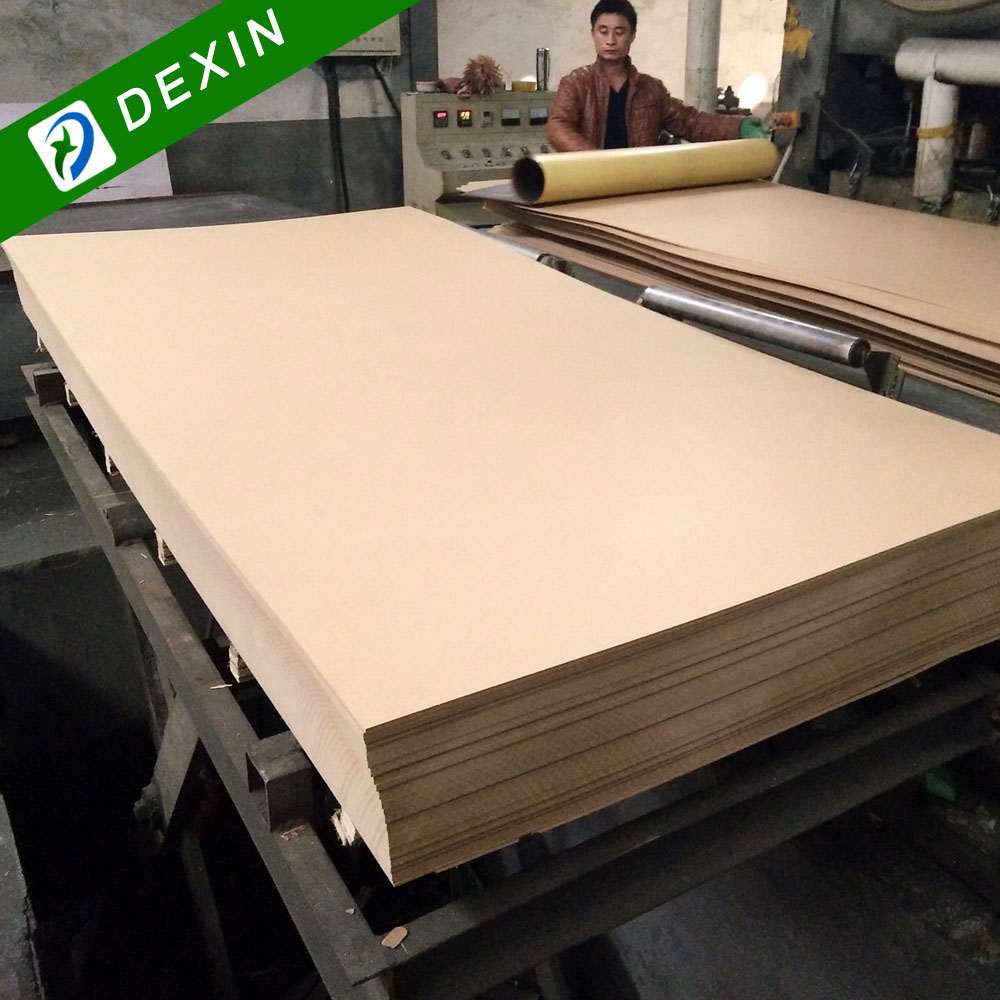
Factory-Direct Plain MDF / HDF Board, 12–18mm
Raw sanded MDF and HDF boards for painting, laminating, CNC routing and veneered MDF production programs.
View productWhat Is Beech Veneered MDF?
Beech veneered MDF is an engineered interior panel made by bonding sliced beech veneer to a calibrated medium-density fibreboard core. The MDF core delivers dimensional stability, uniform density and predictable machining behaviour; the beech veneer supplies the warmth, fine closed grain and natural variation that designers associate with solid beech. For OEM furniture programmes, this construction is often the most practical route to a solid-wood appearance without the movement, waste and machining variability of solid timber.
The search intent behind “OEM/ODM Beech Veneered MDF Factories & Suppliers” is rarely a simple price comparison. Serious buyers want to know who can match a veneer sample, control formaldehyde and moisture, machine panels to CNC tolerances, match edgebanding, protect the surface for container transit and provide documentation for their destination market. That is why a technical sourcing brief is more useful than a directory list.
Where beech veneered MDF performs best
- Contract furniture: cabinet fronts, wardrobe doors, desk tops, reception counters and hotel casegoods.
- Interior joinery: wall panelling, door skins, shelving and fitted furniture where grain continuity matters.
- Retail and hospitality fit-out: display fixtures, feature walls and high-touch surfaces with a natural veneer finish.
- OEM programmes: repeatable panel specifications, sample-approved surfaces and mixed-container supply.
For buyers, the key distinction is between visual veneer and balanced veneer construction. A decorative face alone can create bowing when humidity changes. A balanced panel uses a suitable backing veneer or balancing layer so that face and reverse stresses remain closer to equilibrium. This matters most for large door panels, long shelving and veneered panels used in air-conditioned buildings or humid climates.
Built Around Your Market — Not a One-Size SKU
- Core: sanded MDF, HMR moisture-resistant MDF or lightweight MDF; E0 / E1 / E2 and CARB options discussed by product.
- Veneer: sliced beech face; grade, colour, grain and sapwood tolerance agreed against an approved sample.
- Thickness: commonly 3–25mm for panel programmes; final tolerance confirmed per order.
- Panel size: 1220×2440mm and custom sizes subject to cutting plan, packing and container fill.
- Surface: sanded, UV lacquer, clear coating or other specified finish; reverse can be balanced or laminated as required.
- Fabrication: cut-to-size, CNC routing, drilling, edgebanding and matched edge veneer can be discussed for OEM/ODM projects.
- Documentation: approved sample, packing list, test reports where applicable, FSC claim if available and destination-specific documents confirmed before shipment.
| Panel Option | Visual Character | Stability / Machining | Best-Fit Application |
|---|---|---|---|
| Beech veneered MDF | Natural beech grain, warm tone, subtle variation; premium solid-wood appearance. | MDF core gives uniform density and stable machining; balance facing is important for large panels. | Furniture fronts, wardrobe doors, joinery, retail fixtures and design-led interiors. |
| Melamine faced MDF | Printed decor, solid colours and woodgrains; repeatable and easy to clean. | Good dimensional stability; no natural veneer variation; edgebanding is critical to final appearance. | Kitchen cabinets, office furniture, shelving and value-engineered fit-out. |
| PET / UV MDF | High-gloss, matt or anti-scratch film; modern designer surfaces. | Good surface durability; careful protection needed during transport and fabrication. | Kitchen doors, wardrobe fronts and contemporary cabinetry. |
| Solid beech | Authentic grain and tactile solid timber character throughout. | Requires moisture control and acclimatisation; movement and waste are higher. | Frames, legs, handles and small components where solid timber is structurally justified. |
The best specification is the one that matches your finish, climate, machining process and warranty position. Confirm all grades, tolerances and claims in the final contract.
Why KUDE Fits the Profile of a Practical OEM/ODM Beech Veneered MDF Supplier
Linyi KUDE International Trading Co., Ltd. is the export platform of a wood-based panel manufacturing group founded in 1998 in Linyi, Shandong — China’s largest wood-based panel production cluster. Our operating principle is simple: survival by quality, development by prestige. That principle is supported by production scale, export documentation and a customization workflow built for buyers rather than anonymous catalogue sales.
Linyi Cluster Cost Control
Being inside the production cluster shortens the supply chain for veneer, glue, cores and packaging. That helps stabilise lead times and keeps OEM/ODM discussions grounded in real production economics.
Own Production Lines & Capacity
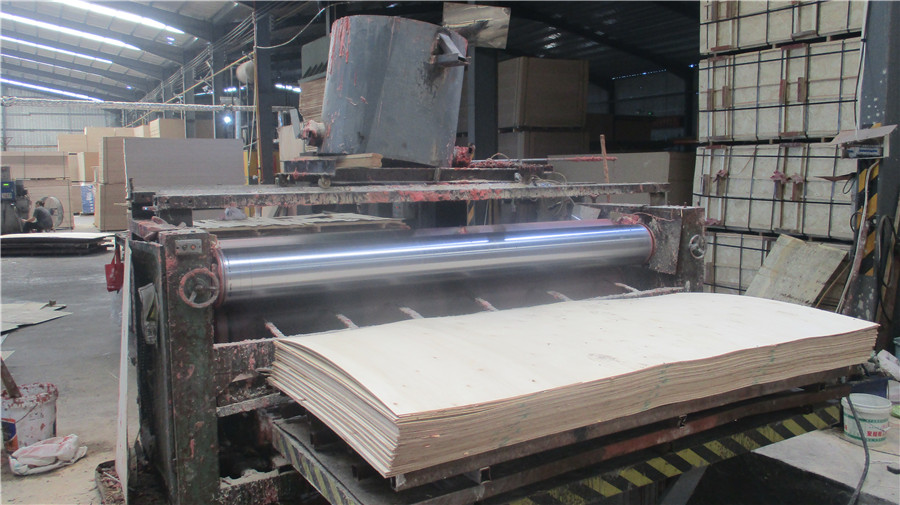
The group operates more than 30 sets of production machinery in 30,000m² of workshops, with 300+ workers and annual output of 60,000m³ across plywood, blockboard, MDF and particle board product routes.
Verified Quality & Compliance
CE, ISO 9001, ISO 14001, FSC and CARB are part of our manufacturing group’s certification profile, and the supplier profile has passed an on-site SGS assessment. Formaldehyde grades E0, E1 and E2 are available by product.
OEM / ODM Customization
Sample-based, design-based and full customization can cover size, thickness, core species, face veneer or decor, glue type, logo printing and export packaging. The aim is a repeatable specification your team can reorder.
Export-Ready Logistics
FOB, CFR, CIF and EXW terms are supported, with T/T and L/C payment in USD, EUR or CNY. Orders load in containers through northern China ports such as Qingdao with seaworthy pallet packing.
Buyer-Side Communication
We support specification review, sample coordination, loading photos and factory video review. For buyers who cannot visit Linyi, documented evidence and clear approval steps reduce sourcing risk.
Inside the Linyi Production Base





Future Procurement Trends for Beech Veneered MDF Buyers
Procurement teams are moving away from one-off price requests and toward documented, repeatable supply. The following trends are especially relevant for importers, distributors and contract manufacturers planning 2025–2030 panel programmes.
Compliance as a Line Item
Emission class, certification scope, species declaration and test reports are becoming purchasing requirements rather than afterthoughts. Buyers will compare suppliers by the quality of their documentation as much as by panel price.
Traceability & Responsible Sourcing
FSC claims, species information and due-diligence records are increasingly expected in export markets. Regulatory frameworks such as the EU Deforestation Regulation are changing documentation expectations, so confirm current requirements with your compliance advisors.
Mixed-Container Flexibility
Distributors want to combine beech veneered MDF with melamine MDF, plywood, raw MDF and formwork products. Suppliers that can consolidate several lines in one container reduce inventory risk and improve cash flow.
Value-Added Price Engineering
Cut-to-size panels, matched edgebanding, CNC drilling and protective coatings can reduce downstream labour. Buyers are increasingly comparing landed cost and factory throughput, not just the per-sheet price.
Digital Inspection Evidence
Remote buyers will expect more than a catalogue photo: batch photos, loading images, packing details and video review. Clear evidence reduces disputes and speeds up repeat orders.
Longer-Term Supplier Partnerships
Freight volatility and raw-material swings make short-term shopping less effective. Importers are awarding repeat programmes to suppliers that can hold a specification, plan capacity and communicate honestly when conditions change.
Product Development Trends Shaping Beech Veneered MDF
Veneered MDF is no longer only a visual substitute for solid wood. The next generation of products combines natural surfaces with improved cores, protective coatings and fabrication-ready formats.
Natural Veneer With Engineered Stability
Designers want real wood grain without the movement of solid timber. Beech veneer on MDF delivers that balance when the panel is properly balanced, sanded and finished. The trend favours subtle grain, calibrated colour ranges and premium matt surfaces.
Lower-Emission and Moisture-Resistant Cores
E0, E1, E2 and CARB expectations vary by market. At the same time, HMR MDF is used where kitchens, bathrooms and humid interiors demand better moisture resistance. The core specification is becoming a selling point, not a hidden detail.
Coatings That Protect Without Plastic Look
UV-cured lacquer, water-based clear coats and anti-fingerprint finishes allow a natural veneer while improving cleanability. The challenge is to preserve tactile grain and avoid an overly plastic appearance that undermines the value of real beech.
Precision for CNC and Edgebanding
OEM furniture factories run tight nesting and edgebanding processes. Thickness tolerance, flatness, chip-free sawing, edge veneer matching and packaging protection are now part of the product, not separate service items.
Purchase Specification Checklist for OEM/ODM Beech Veneered MDF
Use this checklist before asking for a quotation. A clear specification protects your project schedule, finish quality and documentation position.
| Specification Area | What to Confirm | Why It Matters | Typical Options / Notes |
|---|---|---|---|
| Core & emission class | MDF type, density, formaldehyde class and destination-market requirement. | Controls compliance, machining behaviour and indoor air quality claims. | E0 / E1 / E2; CARB on request; HMR or lightweight MDF discussed per project. |
| Thickness & tolerance | Nominal thickness, caliper tolerance, flatness and sanding condition. | Affects CNC fit, edgebanding quality and final panel weight. | Common 3–25mm range; final tolerance confirmed order by order. |
| Panel size | Standard 1220×2440mm or custom cut sizes and grain direction. | Improves material yield, packing efficiency and installation speed. | Custom sizes subject to cutting plan, packing and container loading. |
| Beech veneer grade | Colour range, grain pattern, sapwood tolerance, knots and sample approval. | Natural veneer varies; approved samples align buyer, factory and designer expectations. | Request physical sample or high-resolution batch photos before mass production. |
| Balancing & backing | Face veneer, reverse veneer, balancing layer or laminated back. | Reduces bowing and protects the panel in changing humidity. | Balanced construction is especially important for large doors and long panels. |
| Surface treatment | Sand finish, UV lacquer, clear coat, moisture protection and sheen level. | Defines touch, cleanability, protection and visual value. | Matt and low-sheen finishes are growing in furniture and interior design. |
| Fabrication & edgebanding | Cut-to-size, CNC routing, drilling, edgebanding and edge veneer matching. | Reduces downstream labour and improves consistency for OEM lines. | Confirm trial panel and machining drawing before production. |
| Packaging & moisture protection | Seaworthy pallets, corner protection, film, desiccant and container loading method. | Ocean transit and port storage can expose panels to moisture and impact. | Ask for packing photos and loading photos before shipment. |
| Documentation | Invoice, packing list, certificate of origin, test reports and applicable FSC claim. | Supports customs clearance, tender compliance and customer audits. | Confirm document requirements for each destination before order confirmation. |
| MOQ, price & lead time | Order quantity, mixed-container rules, payment terms and delivery schedule. | Prevents hidden costs and reduces supply disruption. | MOQ typically discussed from 50–500 sheets depending on product line; multiple products can be combined in one container after specification confirmation. |
Frequently Asked Questions About OEM/ODM Beech Veneered MDF
These are the questions export buyers ask most often before sampling, ordering and booking production capacity.
Are you a beech veneered MDF factory or a trading company?
Which certifications and quality credentials do you hold?
What is the minimum order quantity for beech veneered MDF?
Can you customize panel size, thickness, veneer, core and packaging?
What is the difference between beech veneered MDF and melamine faced MDF?
How do you control veneer colour and surface quality?
Which payment methods and trade terms do you accept?
Where do you ship from and how are goods loaded?
How do I request samples and a quotation?
What affects the price and lead time of beech veneered MDF?
Build Your Next Beech Veneered MDF Programme With KUDE
Send your panel size, thickness, veneer grade, core specification, surface finish, target volume and destination port. Our export team will respond with a practical specification route, sampling plan and quotation for your market.