OEM/ODM MDF Sheets Manufacturers & Manufacturer
Custom melamine, moisture-resistant, raw and decorative MDF sheets plus matched plywood and wall panels for importers, distributors, furniture factories and contractors that require documented quality, repeatable specifications and export-ready loading.
MDF Sheets and Companion Panels for OEM/ODM Buyers
The eight products below are the starting points international buyers ask for most often. Each product link preserves the original specification page, while custom size, thickness, decor, glue grade, branding and packaging can be developed through the inquiry window.
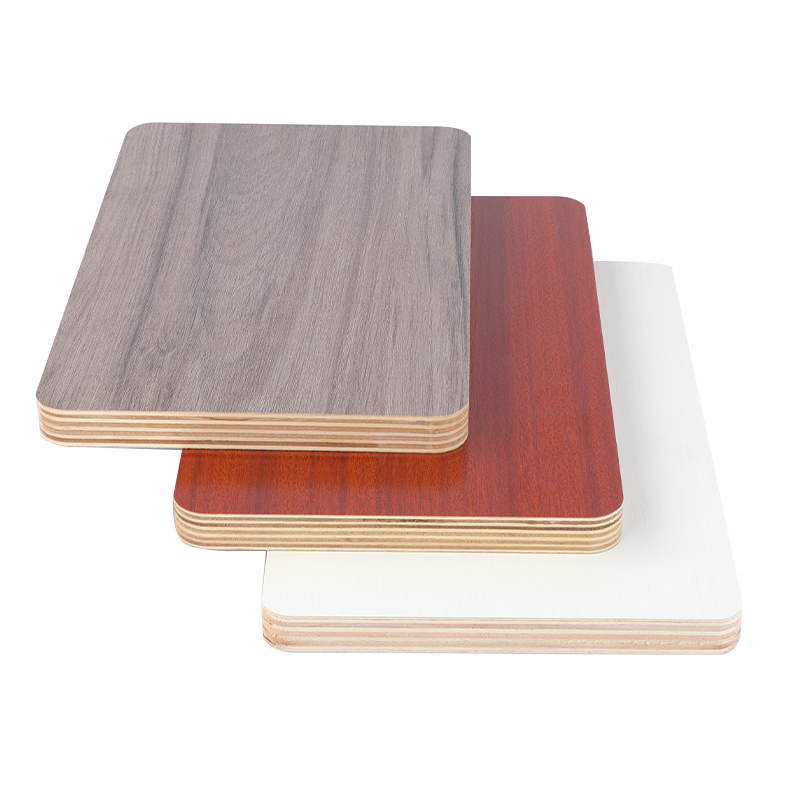
E2/E1/E0 Grade Solid Color and Wood Grain Marine Melamine Plywood Price Philippines From China
A flexible melamine face program for buyers comparing marine claims, E0/E1/E2 glue options, wood-grain selection and export packing. Confirm the core, application and destination standard before approval.
View specification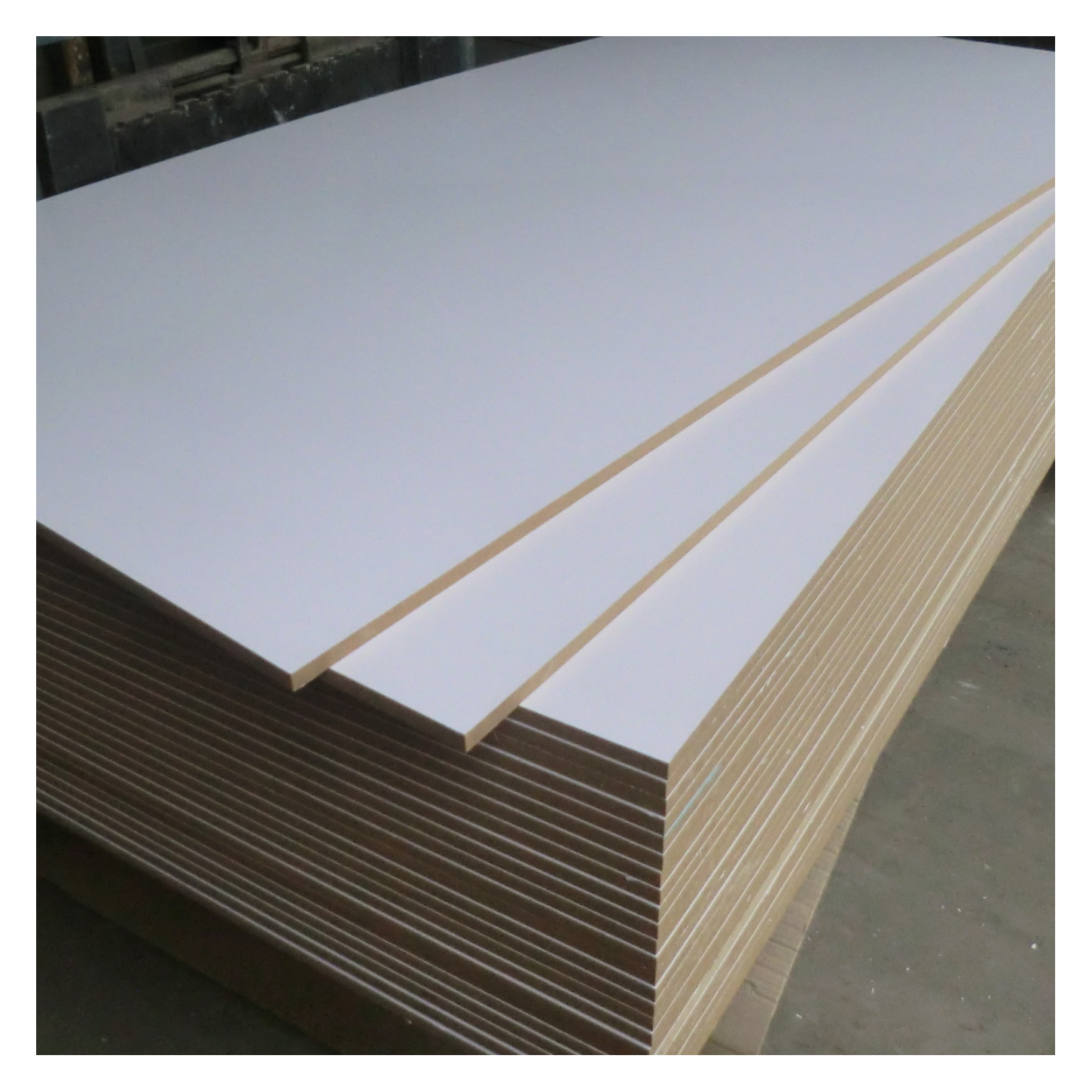
Wholesale E1 Grade Melamine Faced Moisture-Proof MDF Board for Kitchen Furniture Use 18mm Thickness CE Certified
An 18 mm melamine-faced moisture-resistant MDF option for kitchen cabinets, wardrobes and humid interior joinery. Define density, face/back balance, edge sealing and CE documentation for your market.
View specification
Good Price 1200x2400x18mm Melamine Coated Plywood Custom Thickness Marine Board for Furniture
A custom-thickness melamine-coated program for furniture projects that need a decorative face, marine-board claim or project-specific core. Clarify glue type, thickness tolerance and loading plan.
View specification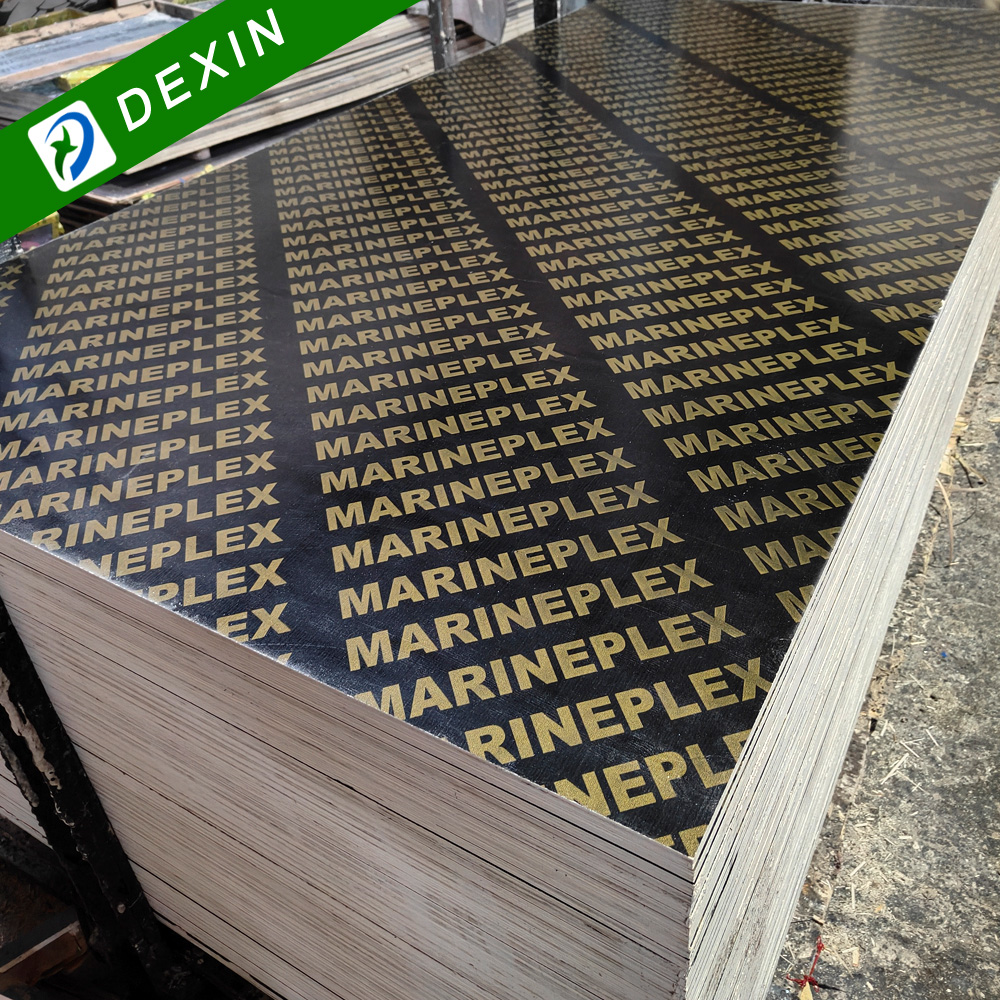
China Manufacturer 4x8ft Concrete Black Film Faced Plywood 9~25mm Marine Contreplaque Board for Construction
Black-film formwork plywood for construction buyers. The important specification is not film colour alone, but glue line, edge protection, re-use target and container loading protection.
View specification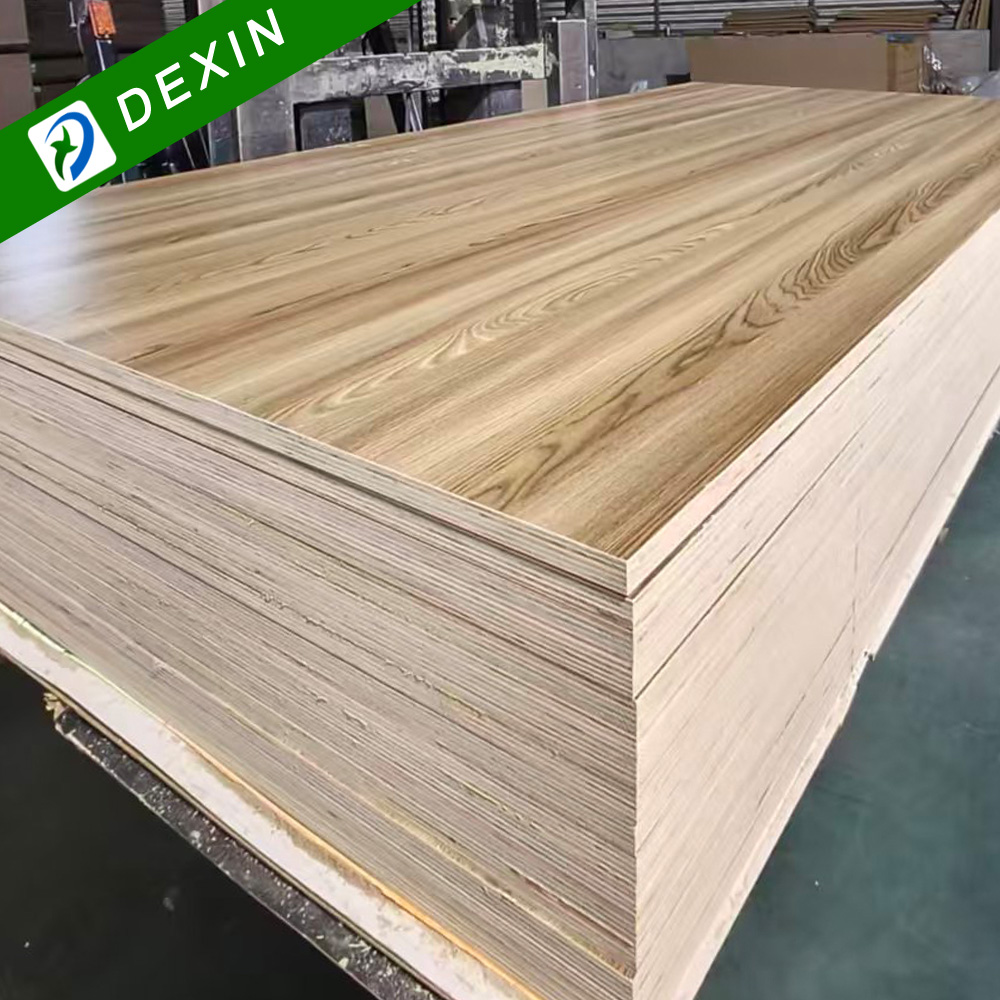
18mm Marine Laminated Contreplaque One or Double Side Colorful Melamine Faced Board Plywood for Furniture Decoration
Single- or double-sided colourful melamine faced board for furniture decoration. Suitable for buyers consolidating decorative faces, project colours and mixed panel orders in one program.
View specification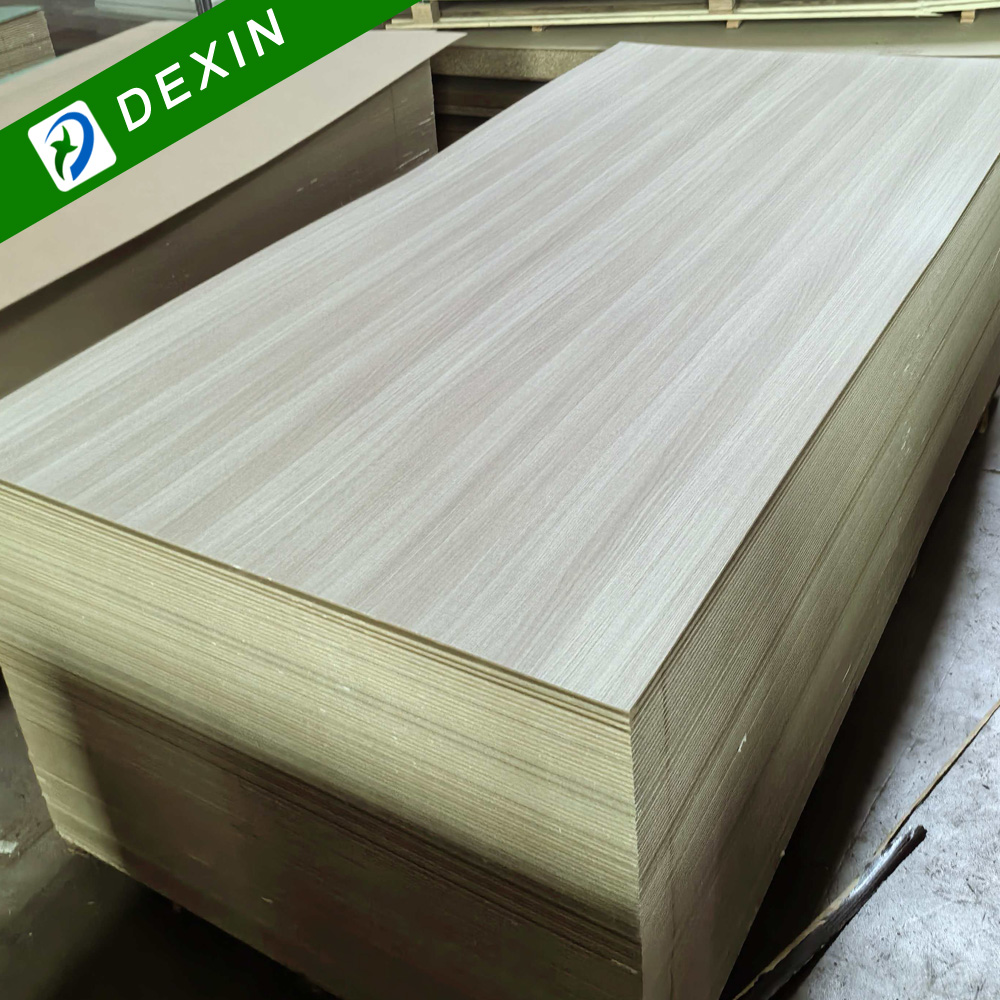
Moisture Resistant 4mm 15mm 17mm 18mm Melamine MDF Wood Panels 1220x2440mm White Textured MDF Melamine
White textured melamine MDF in 4 mm, 15 mm, 17 mm and 18 mm for cabinets, panels and interior fit-out. Moisture-resistant options should be approved by core, coating and edge performance.
View specification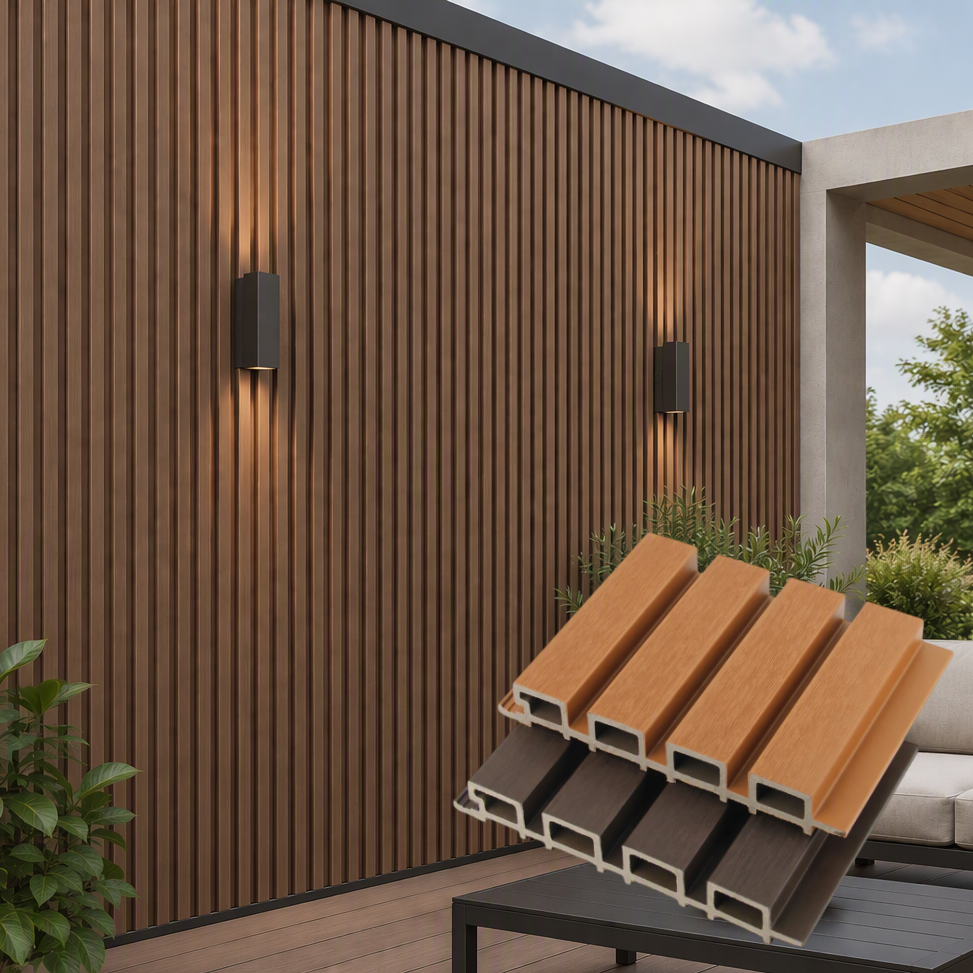
New Style Outdoor WPC Wall Cladding Panels Waterproof Villa Textured Co-Extruded Fluted Facade
A companion decorative line for buyers serving villa, hotel and retail interiors. Co-extruded fluted profiles are specified by profile, colour, UV exposure and installation system.
View specification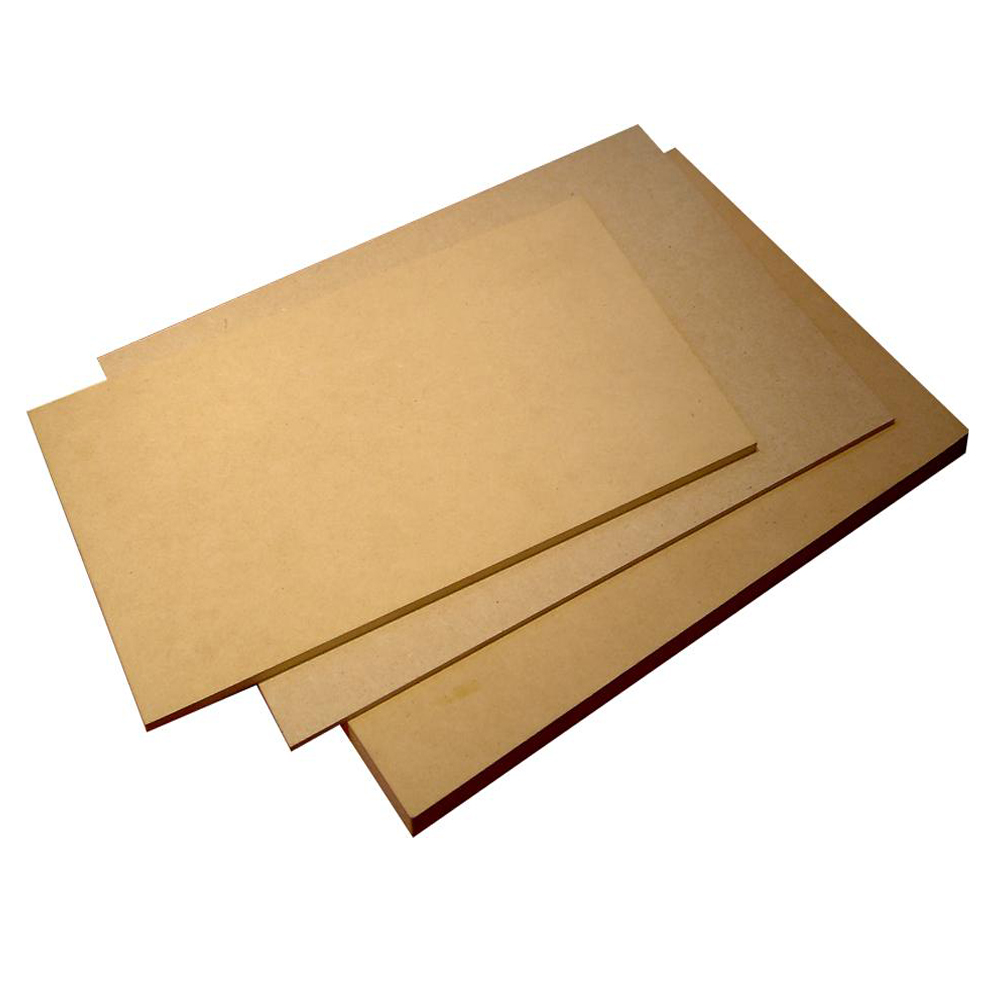
E0 E1 or E2 Glue Raw Thailand MDF Board with Cheap Price on Sale
Raw MDF with E0, E1 or E2 glue options for buyers who laminate, paint or machine in their own factory. Density, thickness tolerance, sanding quality and moisture content should be written into the purchase order.
View specificationFor buyers comparing OEM/ODM MDF sheets manufacturers, these eight items are a starting point rather than a fixed catalogue. MDF, plywood and decorative panels can be combined in one container after specification approval.
How to Buy OEM/ODM MDF Sheets Without Under-Specifying the Order
Price comparison is necessary, but it is not sufficient. The technical and commercial details that sit behind a repeatable MDF sheet program usually decide whether a low quotation becomes a low total cost.
MDF is a component, not a commodity line item
In commodity panel trading, “MDF sheet” is often treated as a simple SKU: a size, a thickness and a price. In OEM/ODM supply, the same sheet becomes a controlled component in the customer’s production line. A cabinet-door program may require an 18 mm board that holds CNC profiles, accepts PET film without telegraphing, and maintains colour consistency across three containers. A contract furniture project may need E0 or E1 documentation, a stated screw-holding value and export packing that survives transshipment. These requirements are not visible in a one-line quotation. They must be converted into a purchase specification.
The first variables to clarify are density profile, resin and emission class, sanding and calibration, and surface adhesion. Density affects weight, machining behaviour and screw holding. Resin choice affects formaldehyde performance and odour. Calibration affects thickness consistency and fit-up. Surface adhesion affects melamine, PET and UV performance after heat, humidity and edge processing. A buyer who defines these four areas before negotiating price usually receives a more stable product and fewer claims.
Why the lowest price per cubic metre can be the most expensive order
A low FOB price can hide higher landed cost through moisture damage, thickness drift, face mismatch, poor edge protection or a resin grade that does not clear the destination market. Information gain comes from asking the supplier to explain the production route, not only the price. Which fiber and glue system is used? What tolerance is guaranteed after sanding? Which face and back are balanced? How are pallets protected and photographed before loading? These answers reduce uncertainty and make the quotation comparable.
For an OEM/ODM MDF sheet program, the stronger RFQ includes the application, annual volume, destination port, required emission grade, surface finish, thickness tolerance, packaging standard and document pack. It also states the failure point the buyer wants to avoid, such as edge swelling, film delamination, colour variation or CNC chip-out. That single change often improves supplier selection more than another round of price pressure.
What importers screen first
Recommended OEM/ODM MDF Sheet Programs by Application
The right MDF specification depends on the surface, the machining route and the environment in which the finished panel will live. These three program paths cover most furniture, cabinetry and distribution inquiries.
Kitchen and wardrobe cabinet doors
For a repeatable door program, specify 18 mm E0/E1 MDF with a PET, UV or melamine face. PET is usually selected for scratch resistance and colour consistency; UV high-gloss is selected when a mirror-like finish is required. Confirm face and back balance, edge sealing, CNC tolerance and the approved decor under your lighting. Buyers should review the moisture-resistant melamine MDF and white melamine MDF options before locking the bill of materials.
- 18 mm calibrated core and stable thickness tolerance
- PET, UV or melamine surface with approved retained sample
- E0/E1 emission and destination-specific documents
- Private-label packing and mixed-colour container plan
Moisture-resistant MDF for kitchens and utility joinery
HMR MDF is not a waterproof board, and buyers should not treat it as one. It is a moisture-resistant grade designed for humid interior conditions and occasional wetting. Specify the green core, water absorption target, edge swelling limit, melamine adhesion and sealed edges. For export markets, match the emission grade and certification file to the destination standard, then approve a sample that represents the actual production batch.
- Moisture-resistant core rather than a standard core
- Face and edge adhesion tested after humidity exposure
- Surface texture approved for cabinet and panel use
- Packing designed for humid sea freight conditions
Raw MDF for painting, laminating and CNC machining
Raw Thailand MDF is often selected by factories that apply their own paint, veneer, laminate or PET film. The order should define density, thickness tolerance, sanding quality, moisture content, screw-holding performance and face defects. A low-cost raw board becomes expensive if it requires extra filling, creates rejects or increases tool wear. Request a machining sample before the container order and record the approved density and surface condition.
- E0, E1 or E2 glue grade for the target market
- Consistent sanding for painting and lamination
- Machining trial for routing, drilling and edge profiles
- Container mix with melamine or decorative panels
MDF Sheet Procurement Trends Buyers Are Already Pricing Into 2025–2026
Purchasing teams are moving from spot buying toward supplier programs that reduce risk across compliance, inventory, verification and landed cost.
Compliance-first sourcing
Emission class is moving from a technical footnote to a purchase gate. Buyers increasingly ask for E0/E1 statements, CARB or FSC documentation where relevant, CE marking for covered products and batch-linked test reports. A supplier that can assemble the file quickly has a commercial advantage.
Mixed-container inventory
Distributors want one container to cover several colours, thicknesses and complementary panels rather than one SKU. This reduces working capital but increases packing and traceability complexity. The practical solution is an approved mixed-container matrix with clear minimum quantities.
Digital factory verification
Video factory tours, live batch inspection, loading photos and document scans are becoming normal parts of the RFQ. For remote buyers, evidence collected before shipment is more useful than a static catalogue. Ask for the production line, stock, packing and loading sequence.
Landed-cost and claim avoidance
Buyers are comparing failure costs, not only FOB price. Moisture damage, thickness drift, face mismatch and poor edge protection create claims that erase a low quotation. Specify pallet height, corner protection, steel strapping, container desiccant and photo records.
Product Development Trends in OEM/ODM MDF Sheets
MDF development is moving toward tighter emission control, more durable surfaces and measurable consistency for automated furniture production.
Low-formaldehyde and low-odour grades
E0 and E1 demand continues to tighten in furniture, cabinetry and interior fit-out. Resin selection and press control matter as much as the final test certificate. For schools, hospitals and residential projects, buyers should ask for batch-consistent emission performance rather than a one-off sample result.
Surface innovation
PET, UV, super-matt, anti-fingerprint and synchronised wood-grain surfaces are expanding. The commercial challenge is colour consistency across batches and adhesion under heat and humidity. Approve a retained sample and define the lighting condition for colour matching before production.
HMR and hybrid performance
Moisture-resistant MDF, high-density MDF and hybrid boards are being specified for kitchens, bathrooms and prefabricated interiors. The trend is not simply “more waterproof”; it is a more precise definition of edge swelling, screw holding and surface adhesion.
Precision for CNC and flat-pack furniture
Flat-pack furniture and automated CNC lines require consistent density, thickness and surface flatness. Buyers are moving from visual inspection to measurable tolerances. A mill that records calibration and sanding data can reduce fit-up problems in the customer’s factory.
Why Global Buyers Shortlist Linyi KUDE for OEM/ODM MDF Sheets
Factory depth, documented quality, customization discipline and export experience are the four reasons buyers move from a trial order to a repeat program.

A manufacturing group inside China’s largest wood panel cluster
Linyi KUDE International Trading Co., Ltd. is the export platform of a wood-based panel manufacturing group founded in 1998 in Linyi, Shandong — China’s largest man-made board production cluster. Our workshops cover 30,000 m², with more than 30 sets of production machines, 300+ workers and an annual output of 60,000 m³ of plywood, blockboard, MDF and particle board. This is the practical base behind our MDF sheet, melamine board, film faced plywood and decorative panel programs.
Our principle is simple: survival by quality, development by prestige. For buyers, that translates into documented specifications, stable repeat orders and export packing that protects the panel from mill to warehouse. We support sample-based, design-based and full customization, including size, thickness, core species, face veneer or decor, glue type, logo printing and export packaging.
- 20+ years production experience
- 15 years of export experience
- SGS on-site assessed supplier profile
- OEM / ODM & custom specifications
Own production depth
30+ machine sets covering peeling, gluing, hot pressing, sanding and laminating. Being inside the Linyi cluster shortens the supply chain for veneer, glue and core materials and supports more stable project pricing.
Verified quality system
CE, ISO 9001, ISO 14001, FSC and CARB certifications; E0, E1 and E2 emission grades available by product. The supplier profile has passed an on-site assessment by SGS, supporting buyer verification before order placement.
Customization with commercial discipline
Sample-based, design-based or full customization of size, thickness, core, face, glue, logo printing and packaging. MOQ typically ranges from 50 to 500 sheets by product line, and several products can be combined in one container after confirmation.
Export-ready logistics
FOB, CFR, CIF and EXW terms; T/T and L/C payment in USD, EUR or CNY. Orders ship through northern China seaports such as Qingdao, with seaworthy pallet packing, export documentation and loading photos for remote buyers.
Specifications, Inspection and Loading Evidence for OEM/ODM MDF Sheets
An OEM/ODM MDF sheet order should leave a clear evidence trail from raw material to loaded container. The table below is a practical shortlist for buyer discussions; final tolerances and test reports are confirmed per order.
| Product family | Typical size | Thickness | Surface / core | Emission / glue options | Typical OEM use |
|---|---|---|---|---|---|
| Melamine MDF | 1220×2440 mm | 4–18 mm | Melamine face, standard or HMR core | E0 / E1 | Kitchen cabinets, wardrobes, storage |
| White textured melamine MDF | 1220×2440 mm | 4 / 15 / 17 / 18 mm | White textured face, moisture-resistant option | E0 / E1 | Interior panels, cabinet boxes, fit-out |
| Raw MDF | 1220×2440 mm | 3–25 mm | Sanded raw or green HMR core | E0 / E1 / E2 | Painting, lamination, CNC routing |
| PET / UV MDF | 1220×2440 mm | 9–18 mm | PET film or UV coating on MDF | E0 / E1 | Cabinet doors, wardrobe fronts |
| Melamine plywood / decorative panel | 1220×2440 mm | 3–25 mm | Melamine paper on plywood or project core | E0 / E1 / E2 | Furniture carcasses, decoration |
| Film faced plywood | 1220×2440 mm | 9–21 mm | Brown or black film, poplar / eucalyptus core | WBP phenolic | Concrete formwork, slabs, walls |
| WPC wall panel | Custom length | Profile dependent | Wood-plastic composite, co-extruded surface | Waterproof composite | Interior walls, feature cladding |
Material selection
Veneer, fiber, glue and core inputs checked before production.
Gluing & pressing
Controlled glue spread and press cycles for stable bonding.
Sanding & surfacing
Calibrated sanding, lamination, film overlay or coating.
Inspection
Thickness, flatness, bonding, surface and packaging checks.
Packing & loading
Export pallets, corner protection, straps and loading photos.




The factory evidence above is drawn from the existing company profile and production image library. Buyers can request current batch photos, packing details and document copies during the quotation stage.
OEM/ODM MDF Sheets: Common Procurement FAQ
These are the questions buyers usually ask before confirming a sample, a trial container or a repeat OEM/ODM program.
Are you a manufacturer or a trading company?
Can you produce MDF sheets to our brand, size, colour and packaging?
Which certifications and formaldehyde grades are available?
What is the minimum order quantity and can I mix products?
Which payment methods and trade terms do you accept?
How do you control quality before shipment?
Can you send samples and what should we approve?
Build a repeatable OEM/ODM MDF sheet program with KUDE
Send your target size, thickness, face, emission grade, application, annual volume and destination port. Our export team will return a technical proposal with recommended products, MOQ, packing and documentation requirements. If you already have a running SKU, share the current specification and the failure point you want to solve — we will suggest the most practical production route.
Get a Quote Factory-direct inquiry for OEM/ODM MDF sheets, melamine boards, raw MDF and companion decorative panels.