Eight Product Lines Buyers Review Alongside Birch-Faced Plywood
Birch-faced plywood sourcing rarely happens in isolation. Furniture factories, distributors, and contractors usually combine decorative faces, moisture-resistant cores, film-faced formwork, and structural components in one container. The eight products below are part of KUDE’s export panel program and give buyers a practical starting point for a mixed sourcing plan.
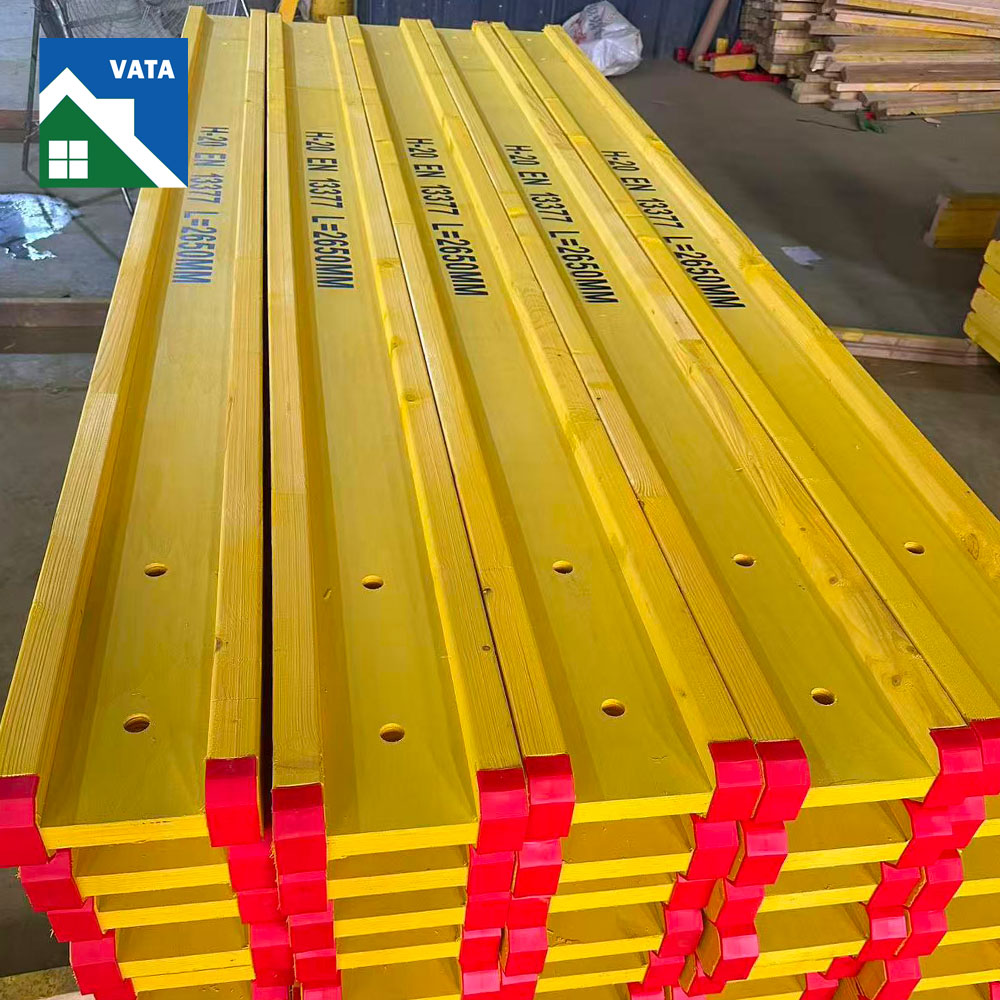
Factory Direct High Strength H20 Timber Beam Waterproof LVL Structural I Beams for Concrete Formwork
Waterproof H20 LVL timber beams for high-repeat concrete formwork systems, slab support, and structural alignment.
View product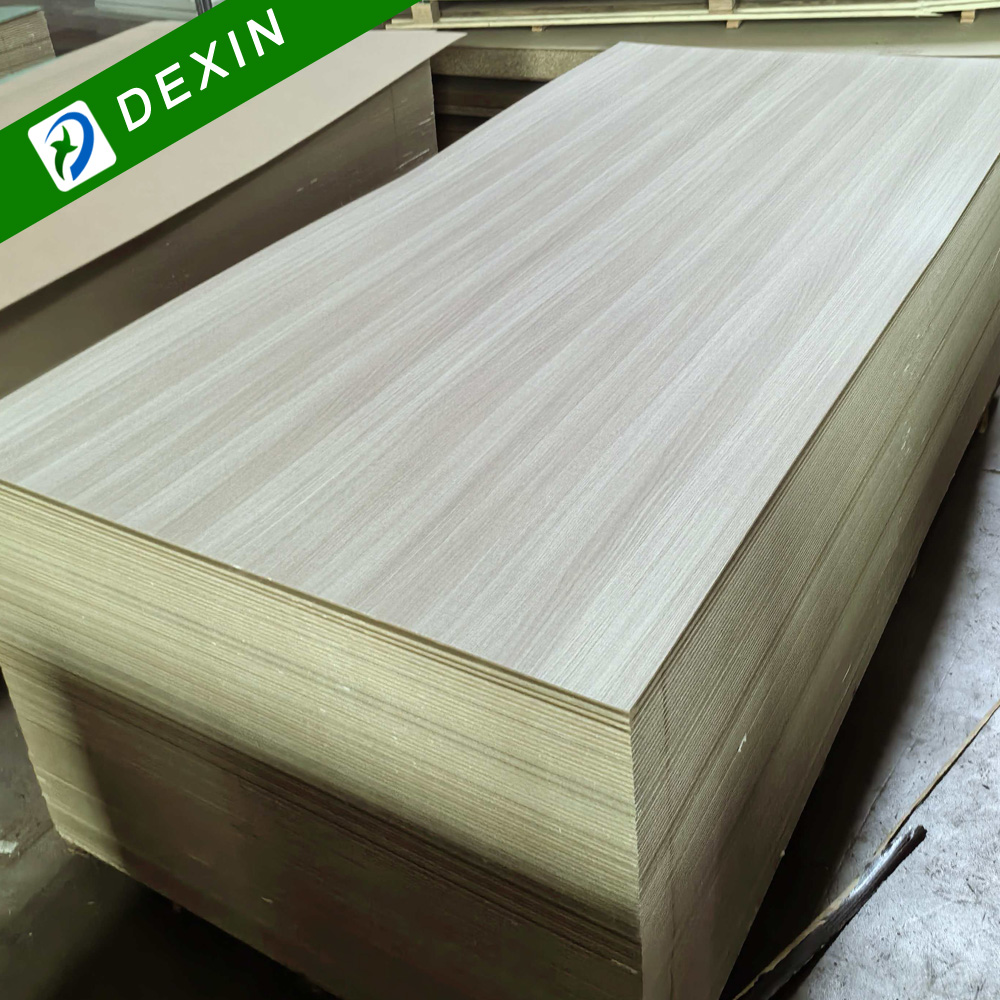
Moisture Resistant 4mm 15mm 17mm 18mm Melamine MDF Wood Panels 1220x2440mm White Textured MDF Melamine
White textured melamine MDF in multiple thicknesses for wardrobes, kitchen interiors, and commercial fit-out.
View product
16mm 15mm 12mm 18mm Eco-Friendly Modern MDF Board with Blanco Single/Double Sided Melamine Covering for Cabinet
Single or double-sided Blanco melamine MDF for cabinet production where color consistency and clean edges matter.
View product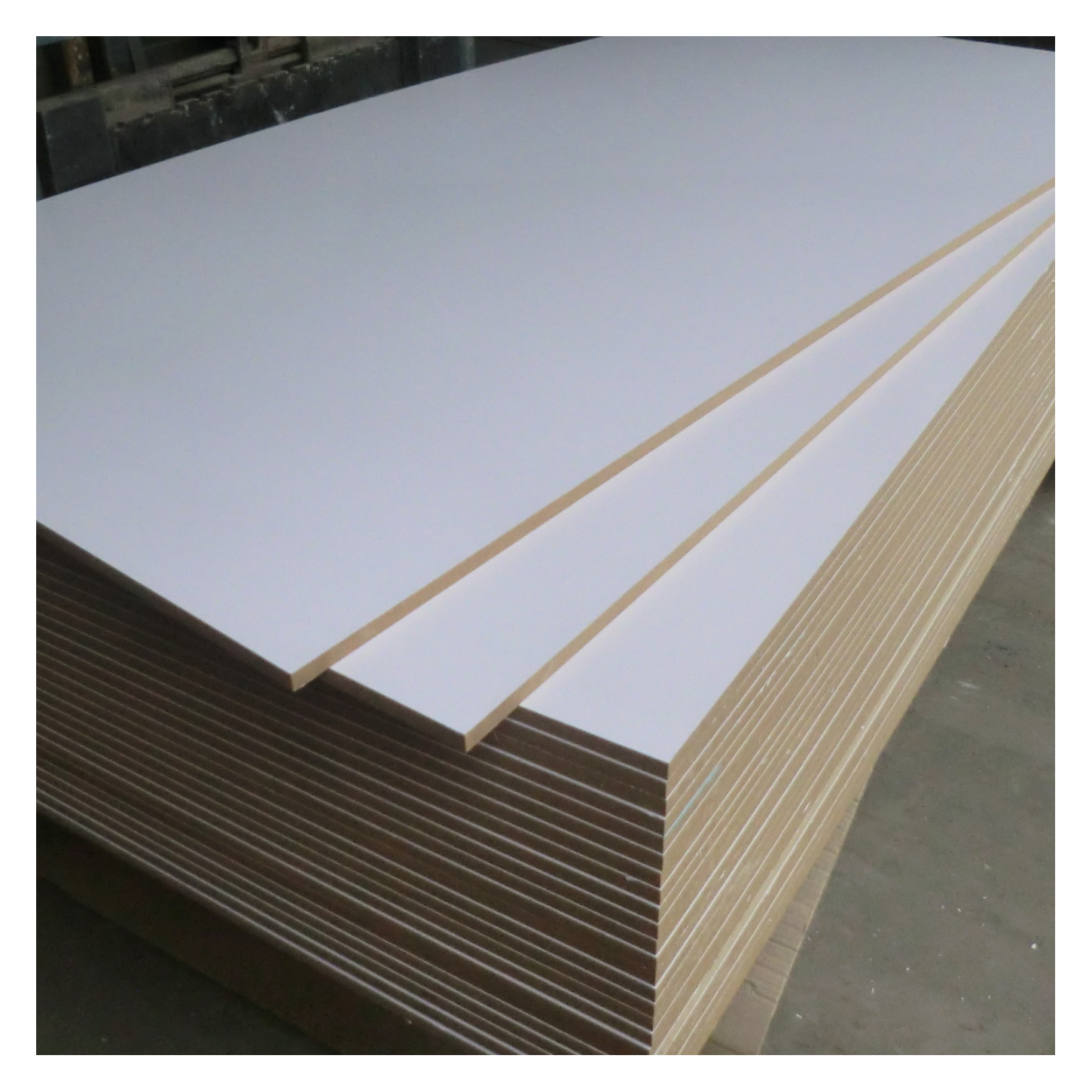
Wholesale E1 Grade Melamine Faced Moisture-Proof MDF Board for Kitchen Furniture Use 18mm Thickness CE Certified
18mm E1 moisture-proof melamine MDF with CE documentation for kitchen furniture and export projects.
View product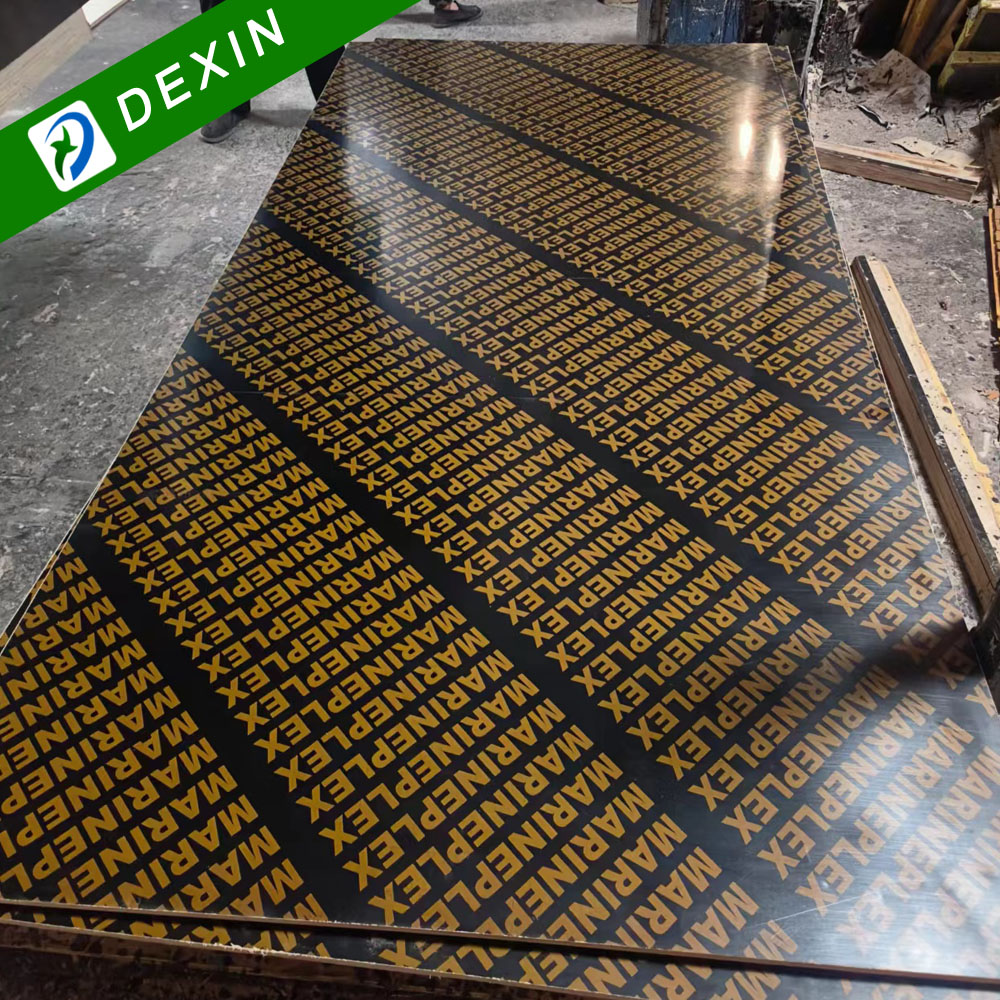
1220*2440* 15mm / 9mm / 12mm / 18mm Film Faced Plywood Marine Construction Formwork Board
Phenolic film-faced marine plywood for concrete slabs, walls, and repeated formwork cycles.
View product
Good Price 1200x2400x18mm Melamine Coated Plywood Custom Thickness Marine Board for Furniture
Melamine-coated marine plywood with custom thickness options for furniture frames and moisture-prone interiors.
View product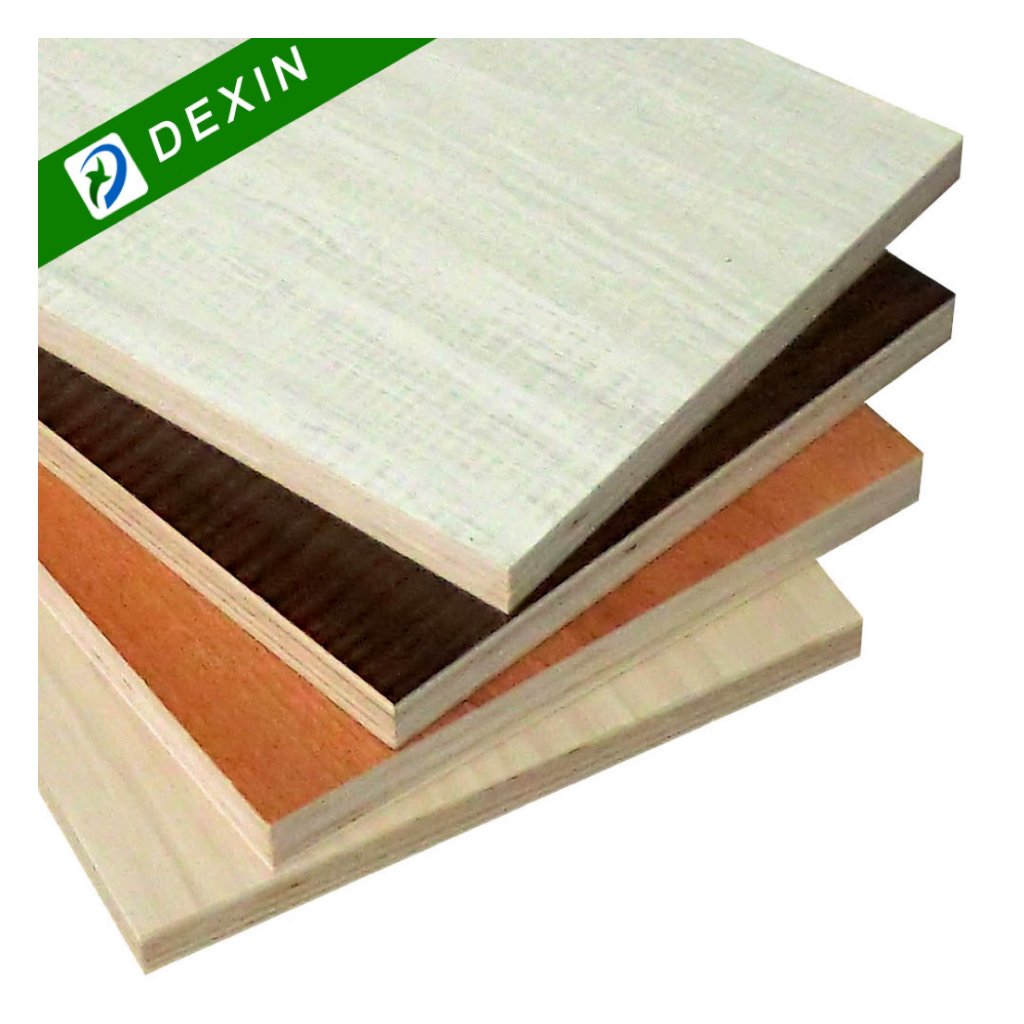
3mm 12mm 18mm E0 First-Class Melamine Contrachapado/Kontrplak 4x8 Paneles Laminas De Melamina Plywood for Furniture Cabinet Use
E0 melamine plywood in 4x8 sheets for furniture cabinets, wardrobe panels, and low-emission projects.
View product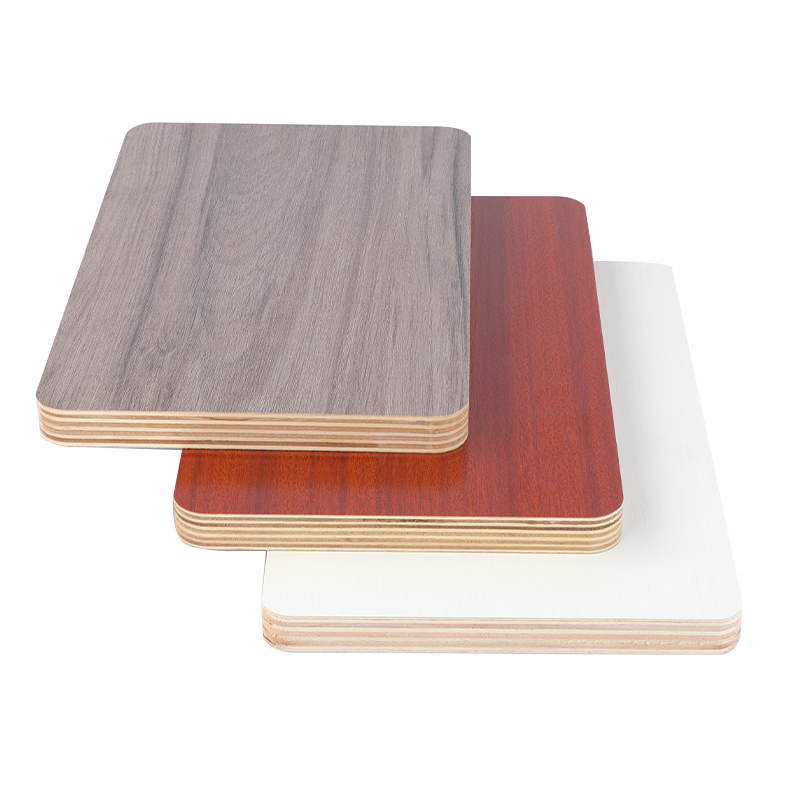
E2/E1/E0 Grade Solid Color and Wood Grain Marine Melamine Plywood Price Philippines From China
Solid-color and wood-grain marine melamine plywood for Philippine importers and regional distribution.
View productNeed a birch-faced specification instead of a catalogue item? Share your target face grade, core, glue, thickness, emission class, quantity, and destination port. The KUDE export team will map the closest production route.
Send an InquiryWhy a Top 10 List Must Be Auditable
Buyers searching for the Top 10 Birch Faced Plywood Manufacturers & Manufacturer are usually not looking for a popularity contest. They are trying to reduce risk before a container order: risk of inconsistent face veneer, hidden core substitution, thickness drift, formaldehyde non-compliance, unclear loading photos, or a supplier who disappears after the deposit. For that reason, a credible shortlist should be built from evidence, not from copied directory claims.
This white paper treats the “top 10” as a 10-point manufacturer audit. Each checkpoint reflects a question that experienced importers, furniture factories, and project contractors ask during supplier qualification. KUDE is presented as a benchmark manufacturer because the company can document its production base, certifications, export terms, and customization process. The goal is not to flatter a single supplier; it is to show what a serious birch faced plywood manufacturer should be able to prove.
The information gain here is practical. Instead of repeating “high quality, competitive price, fast delivery,” this guide explains how to compare birch face grade, core species, glue line, thickness tolerance, emission class, packaging, and loading evidence. It also connects product selection to future procurement trends so that buyers can plan repeat orders, not just one shipment.
Prepared by KUDE’s panel engineering and export team, this guide draws on more than 20 years of production experience and 15 years of export documentation. It is written for importers, distributors, furniture manufacturers, shopfitting contractors, and project buyers who need a defensible purchasing decision.
What “Birch Faced” Really Means in a Purchase Order
The phrase “birch faced plywood” can describe several constructions. A buyer who does not separate face veneer from core species may compare quotations that look similar on paper but behave very differently in production.
In commercial plywood, a birch face is a decorative or semi-decorative veneer bonded to a substrate. That substrate may be poplar, eucalyptus, combi, pine, or an all-birch core. The face is usually rotary-cut or sliced, graded for knots, color, and grain consistency, then sanded and pressed. A true Baltic birch plywood normally uses all-birch plies and a different core construction. A birch faced plywood may use a lighter or more economical core while still delivering the pale, tight grain that designers want.
For furniture and cabinetry, the buyer should specify whether the face is single-sided or double-sided, the acceptable knot count, the face thickness, the core species, the glue type, and the formaldehyde emission class. For shopfitting and retail displays, color consistency across batches is often more important than absolute knot-free grading. For structural or moisture-prone applications, the glue line and core density matter more than the visual face.
This is why a manufacturer’s quotation should be read as a specification document, not just a price. The best suppliers ask clarifying questions before quoting: What is the final application? Will the panel be cut, edged, laminated, or coated? What emission class must be declared at customs or by the project consultant? What thickness tolerance can the buyer’s CNC line accept? These questions reduce claim risk later.
Face veneer is not the same as core species
Birch face can sit on poplar, eucalyptus, combi, or all-birch cores. Always require the core species in writing and compare density, screw-holding, and moisture performance.
Grade language differs by factory
Terms such as A/BB, B/BB, or “first-class” mean little without defect limits. Ask for a photo standard, sample approval, and a batch inspection checklist.
The glue line controls the claim risk
MR, WBP, and phenolic systems serve different environments. Specify the end use first, then confirm glue type, emission class, and test report requirements.
Top 10 Birch Faced Plywood Manufacturers & Manufacturer: A 10-Point Audit Matrix
Use these ten checkpoints to shortlist suppliers. A manufacturer that can answer all ten clearly, with documents and samples, is a stronger candidate than one that only offers the lowest FOB price.
Raw material & face veneer traceability
Can the supplier explain where the birch face veneer comes from, how it is graded, and how color variation is controlled between batches?
Core species & glue system
Confirm whether the core is poplar, eucalyptus, combi, pine, or all-birch, and whether the glue is MR, WBP, or phenolic for the intended environment.
Thickness calibration & sanding tolerance
Ask for nominal thickness, tolerance range, and sanding control. Poor calibration creates problems in CNC routing, edge banding, and cabinet assembly.
Formaldehyde emission & certification mapping
Map E0, E1, E2, CARB, CE, FSC, and ISO documents to your destination market. Certificates should match the actual product and factory.
Surface color, grain, and defect consistency
Request a photo standard and approved sample. For exposed birch faces, batch-to-batch color consistency is a key buyer experience factor.
Moisture content & dimensional stability
Moisture content affects cutting, warping, and adhesion. A professional manufacturer should state control ranges and inspect before packing.
Customization flexibility
Check whether size, thickness, face grade, core, glue, logo printing, and packaging can be customized without losing production control.
In-process QC & pre-shipment inspection
Ask for inspection points, loading photos, and third-party inspection support. “Trust us” is not a quality system.
Export documentation & container loading
Confirm Incoterms, payment terms, packing method, pallet strength, and port of loading. Documentation errors can cost more than a panel discount.
Claim response & after-sales discipline
A reliable manufacturer responds with evidence when a batch issue appears. Clarify the claim window, photo requirements, and replacement policy before ordering.

A Manufacturer in China’s Largest Wood Panel Cluster
Linyi KUDE International Trading Co., Ltd. is the export platform of a wood-based panel manufacturing group founded in 1998 in Linyi, Shandong. Being inside the cluster gives buyers shorter supply chains for veneer, glue, and core materials, as well as more stable production planning across seasons.
The group operates more than 30 sets of production machines in 30,000 m² of workshops, with over 300 workers and an annual output of 60,000 m³ of plywood, blockboard, MDF, and particle board. Its operating principle is simple: survival by quality, development by prestige. For buyers, that principle should be visible in samples, inspection records, and loading photos.
KUDE has 20+ years of production experience and 15 years of export experience. Its manufacturing group holds CE, ISO 9001, ISO 14001, FSC, and CARB certifications, and its supplier profile has passed an on-site assessment by SGS. Formaldehyde grades E0, E1, and E2 are available depending on the product line and destination market.
Review the full company profileOwn Production Lines
30+ machine sets cover peeling, gluing, hot pressing, sanding, and laminating. This reduces middle-man markup and improves specification control on core products.
Verified Quality
CE, ISO 9001, ISO 14001, FSC, CARB, and SGS on-site assessment support export compliance conversations and buyer qualification.
Flexible Customization
Sample-based, design-based, and full customization of size, thickness, core species, face veneer, decor, glue type, logo printing, and export packaging.
Export-Ready Logistics
FOB, CFR, CIF, and EXW terms; T/T and L/C payment; seaworthy pallet packing; full export documentation and loading evidence.
Linyi Cluster Advantage
Direct access to China’s largest wood-based panel production base supports material availability, faster sampling, and competitive cost structure.
Traceable Communication
Quotation, sample approval, production updates, inspection photos, and loading records create a paper trail that importers can share internally.
 Production line
 Hot press
 Inspection
 Warehouse
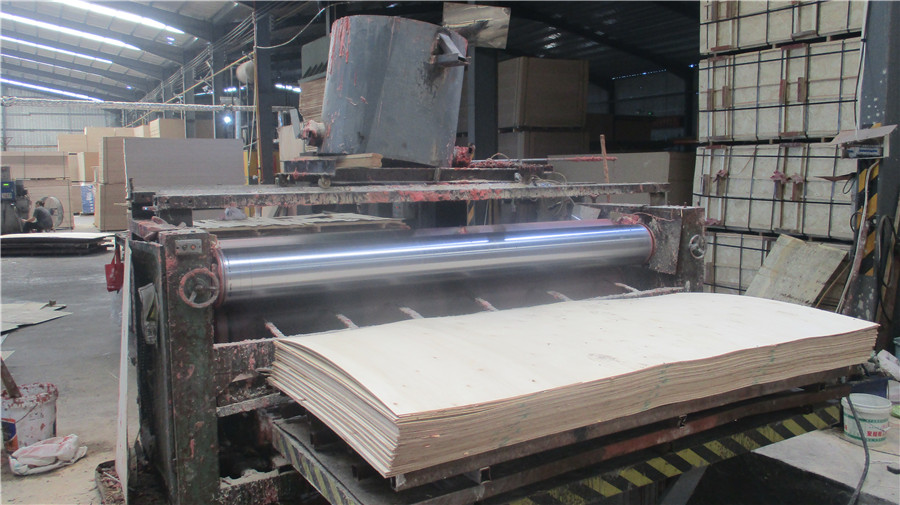 Lamination
 Export packing
Matching Birch-Faced Plywood to the Application
Use the application first, then choose face grade, core, glue, and complementary panel products. This reduces over-specification and avoids under-specification claims.
| Buyer Application | Birch-Faced Specification Focus | Complementary KUDE Product | Why It Matters |
|---|---|---|---|
| Kitchen, wardrobe, and cabinet carcass | 18mm birch-faced plywood, E0/E1, B/BB or approved photo standard, MR or WBP glue depending on moisture exposure | Melamine MDF for cabinets or E1 moisture-proof melamine MDF | Balances visual face quality with stable machining, edge banding, and moisture resistance. |
| Shopfitting, retail display, and commercial interiors | 12mm or 18mm birch face with tight grain, low color variation, and clear-coat approval sample | Melamine-coated marine plywood or UV/PET MDF | Protects the design intent when panels are visible and must match across multiple batches. |
| Furniture frames, drawers, and hidden structural parts | 5mm to 12mm birch-faced or commercial plywood, controlled thickness, suitable glue line | White melamine MDF | Controls cost while keeping internal components stable and consistent for CNC production. |
| Concrete formwork and project construction | Film-faced or structural panels rather than decorative birch face; confirm repeated-pour requirement | Film faced plywood and H20 timber beam | Matches the surface release and structural performance to the actual jobsite condition. |
Not sure which grade fits your market? Send the final application, required emission class, and expected monthly volume. KUDE can propose a sample-first specification route before a container commitment.
Send an InquiryFuture Purchasing Trends for Birch-Faced Plywood Buyers
Procurement is moving from price-only comparison toward evidence-based sourcing. The following trends are already visible in buyer questions and project specifications.
Compliance-first purchasing
Buyers increasingly ask for species declaration, FSC chain-of-custody where required, emission test reports, and documents that match the exact product. Compliance is becoming a shortlisting filter, not an afterthought.
Total landed cost over FOB price
Thickness tolerance, packing quality, moisture content, and claim risk affect the real cost per usable panel. Experienced buyers compare landed cost and yield, not just the lowest quotation.
Mixed containers and smaller test batches
Distributors want to test several products in one shipment: birch-faced plywood, melamine MDF, film-faced plywood, and decorative panels. Flexible mixed loading supports market testing with less inventory risk.
Remote inspection and digital evidence
Factory videos, batch photos, thickness measurements, and container loading records are becoming standard buyer expectations. Suppliers who document production clearly reduce communication friction.
How Birch-Faced Plywood and Decorative Panels Are Evolving
Product development is being shaped by interior design, emission regulation, and furniture manufacturing efficiency. These directions are useful when planning next season’s range.
Engineered face consistency
Buyers want pale, even birch faces with predictable grain and fewer defects. Photo standards and batch color control are becoming part of the specification.
Low-emission and low-VOC positioning
E0, E1, CARB, and project-specific emission requirements continue to influence product selection for furniture, interiors, and export markets.
Moisture-resistant cores
Kitchen, bathroom, and utility applications are pushing demand for HMR MDF, moisture-resistant plywood, and sealed edges that perform in humid conditions.
Deep matte and tactile surfaces
Interior designers are moving beyond high gloss. Matte textures, synchronized wood grain, and soft-touch decorative faces are gaining attention in cabinetry and shopfitting.
Fire-retardant and acoustic composites
Commercial projects increasingly ask for panels that combine decoration with fire performance or acoustic benefit. These requirements must be engineered at the panel level, not added by marketing copy.
Traceability at batch level
Batch IDs, loading photos, and QR-linked inspection records help distributors answer end-customer questions and manage claims with evidence.
Common Questions About Birch-Faced Plywood Sourcing
These are the questions importers ask most often before requesting a sample or placing a container order.
What is the difference between birch-faced plywood and Baltic birch plywood?
Baltic birch plywood normally uses all-birch plies throughout the core and is known for a dense, multi-ply construction. Birch-faced plywood uses a birch veneer on the face, but the core may be poplar, eucalyptus, combi, pine, or another specified substrate. Always confirm the core species, ply count, glue type, and face grade in the purchase order.
How can I verify a top 10 birch-faced plywood manufacturer before ordering?
Start with the 10-point audit: raw material traceability, core species, thickness tolerance, emission certification, surface consistency, moisture control, customization capability, QC records, export documentation, and claim response. Ask for samples, factory photos, certificate copies, and loading evidence from previous orders. A supplier that answers with specifics is usually safer than one that replies only with price lists.
Which thickness and grade should I choose for furniture and cabinetry?
For cabinet carcasses, 18mm is common; 12mm and 15mm are often used for drawers, backs, and internal components; 5mm to 9mm may be used for drawer bottoms or decorative panels. For visible birch faces, agree on a photo standard or approved sample for knots, color, and grain. For hidden parts, a more economical face grade may be acceptable.
Which certifications and test reports should I request?
Request the documents required by your destination market and project specification. Common requests include CE, ISO 9001, ISO 14001, FSC, CARB, and formaldehyde emission reports for E0, E1, or E2 grades. Check that the certificate scope matches the product and manufacturing site. KUDE’s manufacturing group holds CE, ISO 9001, ISO 14001, FSC, and CARB certifications, and its supplier profile has passed an SGS on-site assessment.
What is KUDE’s MOQ, payment term, and shipping port?
MOQ depends on the product line, typically from 50 to 500 sheets, and several products can be combined in one container after specifications are confirmed. KUDE accepts T/T and L/C in USD, EUR, or CNY, and works on FOB, CFR, CIF, and EXW terms. Goods are loaded in containers and shipped through northern China seaports such as Qingdao.
Can KUDE customize birch face, core, size, thickness, and packaging?
Yes. KUDE offers sample-based, design-based, and full customization covering size, thickness, core species, face veneer or decor, glue type, logo printing, and export packaging. For birch-faced plywood, the buyer should provide the target application, face grade reference, core preference, emission class, and packing requirement before quotation.
How do I control color variation and delamination in bulk orders?
Approve a physical sample and photo standard before production, specify acceptable color and defect limits, and require pre-shipment photos under consistent lighting. For delamination risk, confirm glue type, moisture content control, pressing parameters, and inspection criteria. Third-party inspection can be arranged when the buyer requires additional assurance.
How do I request a quotation or sample for birch-faced plywood?
Send the panel size, thickness, face grade, core species, glue type, emission class, estimated quantity, destination port, and target application. If you have a reference photo or sample board, include it. The KUDE export team will reply with a specification proposal, sample route, production lead time, and commercial terms.
Send Your Birch-Faced Plywood Specification
Share your size, thickness, face grade, core, glue, emission target, quantity, and destination port. KUDE’s export team will respond with a factory-direct technical proposal and sample route.