What “Chipboard Sheets” Really Means to a Factory Buyer
In international trade catalogues, chipboard sheets is often used as an umbrella phrase for particle board, raw MDF, melamine-faced panels and other low-cost engineered wood boards used in furniture, packaging, shopfitting, cabinets and interior fit-out. That ambiguity is exactly why commercial buyers should not evaluate a supplier on a single per-sheet price. The factory that can document resin grade, density, thickness tolerance, moisture resistance, surface quality and container loading standard usually delivers a lower landed cost across a full project cycle than a supplier that only quotes the cheapest board.
For semantic search, the real intent behind “top 10 chipboard sheets factories” is layered. A buyer is asking: who can supply factory-direct chipboard or compatible engineered sheets, which supplier can hold emission compliance across destination markets, how can capacity be verified before paying a deposit, and what product mix keeps one container economically full? This guide answers those questions through a factory-level checklist, product recommendations, procurement trends, product development trends and buyer FAQs. The “top 10” here is not a paid directory list. It is a practical set of ten factory attributes that separate a genuine production source from a trading layer.
The evaluation approach is built around information gain: instead of repeating generic supplier claims, it explains what purchasing teams should test, compare and document. That is especially important in chipboard and panel sourcing, where two boards can look identical in a photo but differ in density, formaldehyde emission, screw-holding strength, swelling behaviour and surface bonding. A serious factory should be comfortable with technical questions — and should be able to provide samples, test reports, loading photos and a clear specification sheet before an order is confirmed.
What serious buyers verify first
- Factory location inside a real wood-based panel cluster
- Formaldehyde grade and destination-market compliance
- Thickness tolerance, density and moisture performance
- Surface quality after lamination, UV or PET coating
- Mixed-container flexibility and export packing standard
- Written QC records and pre-shipment loading evidence
Use these six checks as a fast filter before requesting a formal quotation.
Factory-Recommended Chipboard & Compatible Panel Product Range
Buyers often begin with chipboard sheets and then add melamine MDF, plywood, H20 formwork beams or decorative wall panels to the same container. The products below reflect the engineered wood range that supports furniture, formwork, fit-out and distribution buyers.
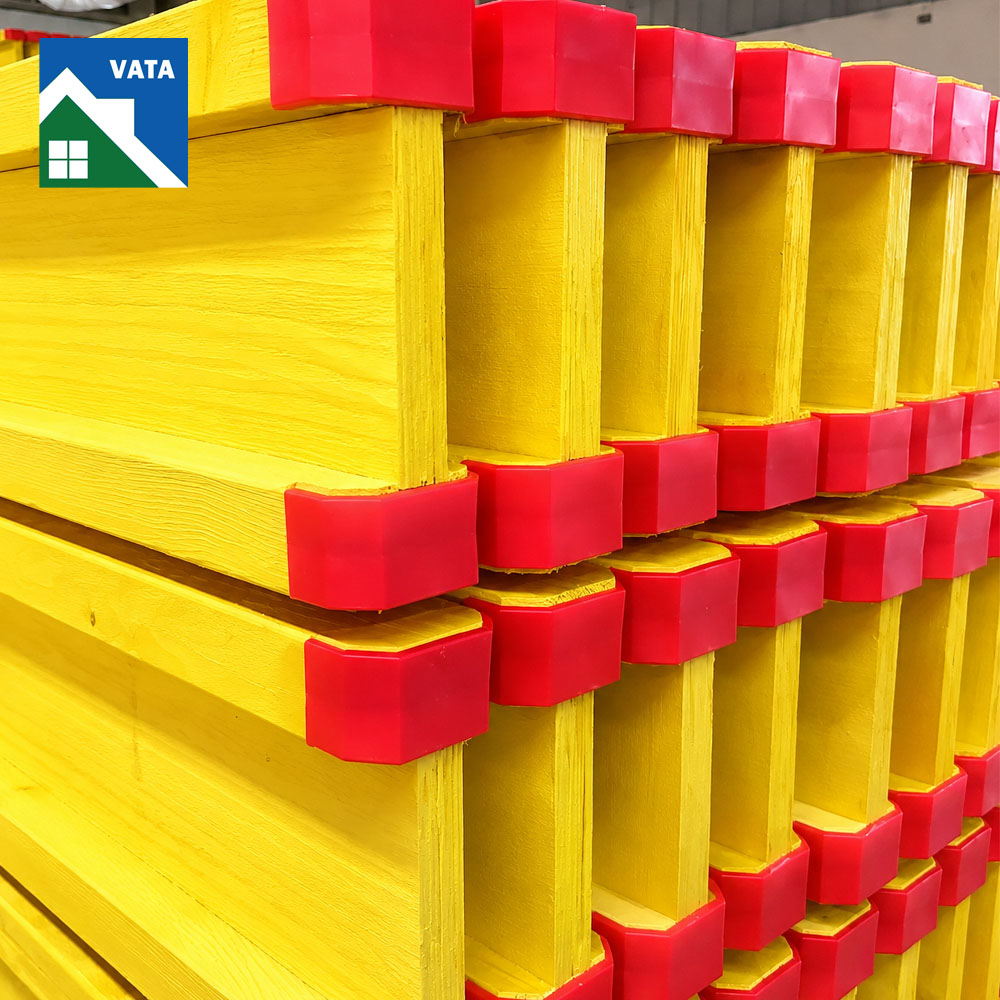
Heavy-Duty H20 Formwork Beams
Durable spruce H20 slab formwork beams for contractors that need stable, repeatable formwork support.
Wholesale Heavy Duty Wooden I-Beams Durable Spruce H20 Formwork Beams for Slab Formwork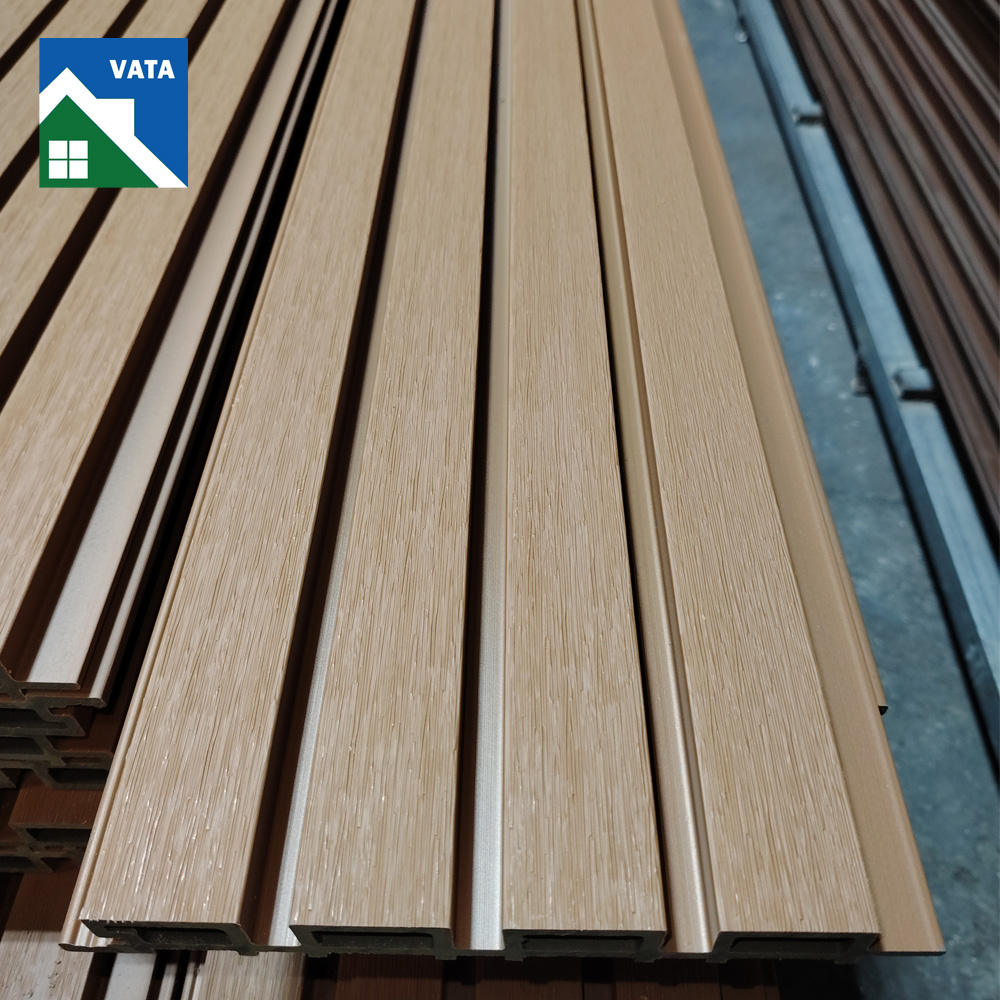
WPC Fluted Wall Cladding
Waterproof wood-plastic composite exterior wall cladding with a decorative fluted profile.
Decorative Outdoor Wood Plastic Composite Partition WPC Fluted Wall Panel Board External Siding Cladding Exterior Wall Cladding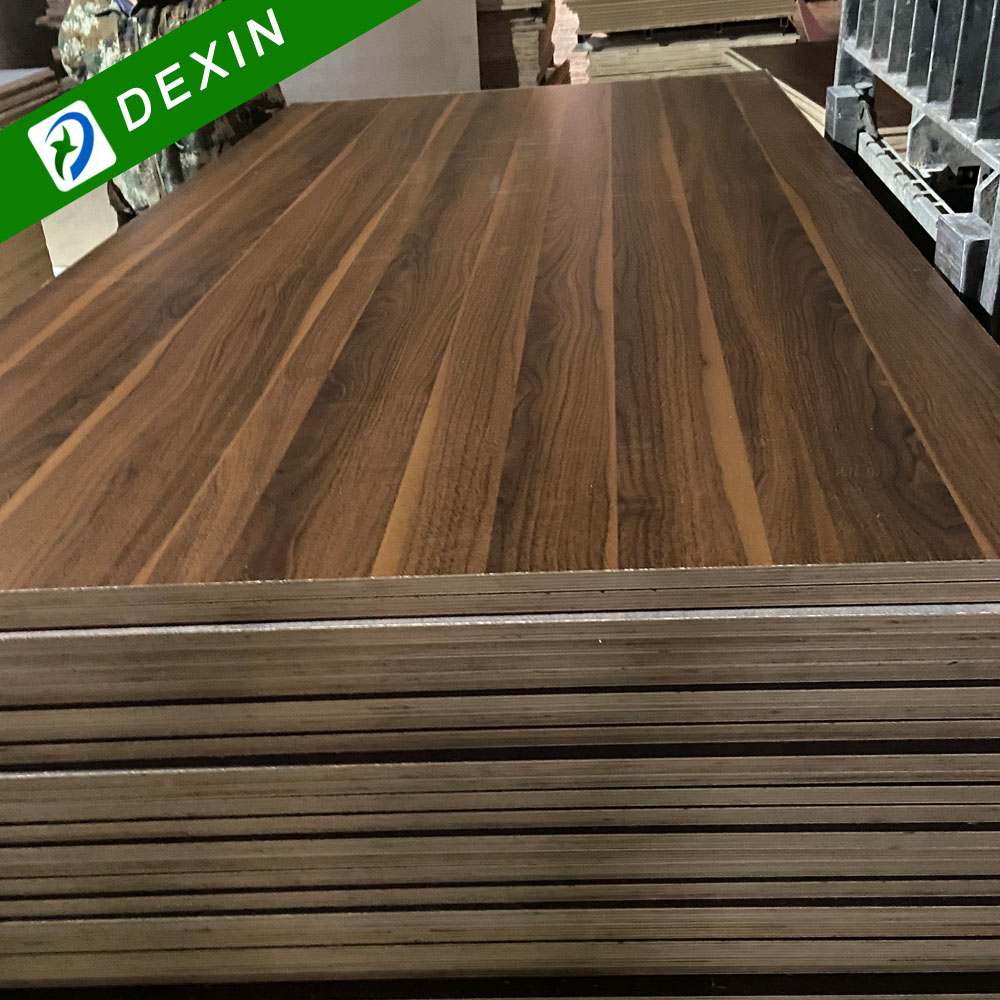
18mm Waterproof Melamine Plywood
Furniture-grade plywood with melamine face for cabinets, wardrobes and moisture-aware interiors.
High Quality Waterproof 18mm Melamine Faced Plywood for Furniture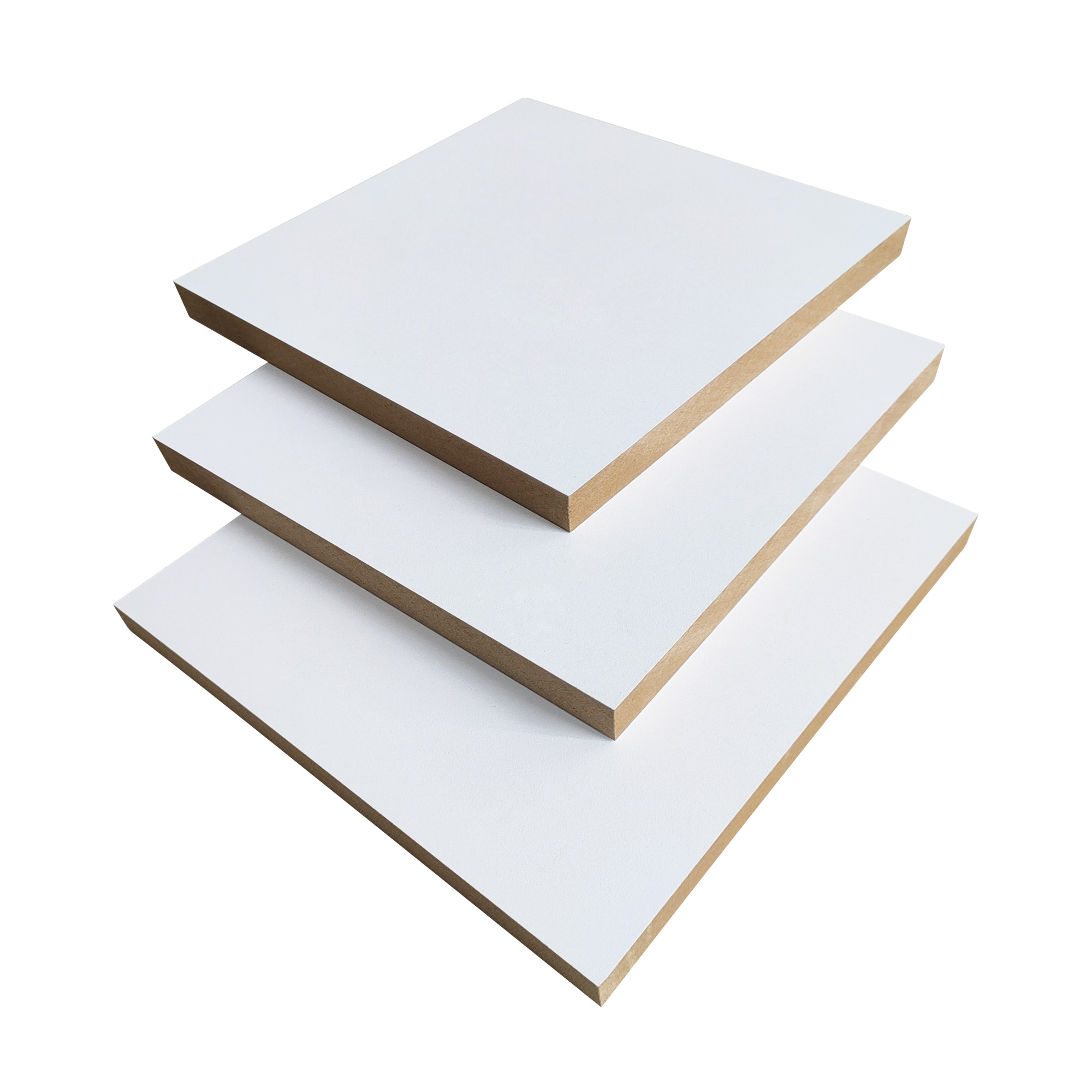
4x8ft White Melamine MDF
E1 formaldehyde grade white melamine MDF board for kitchen and furniture manufacturing.
High Quality 4x8ft White Melamine MDF Board China Manufacturer E1 Formaldehyde for Kitchen Use-Sizes 3mm 6mm 9mm 12mm 16mm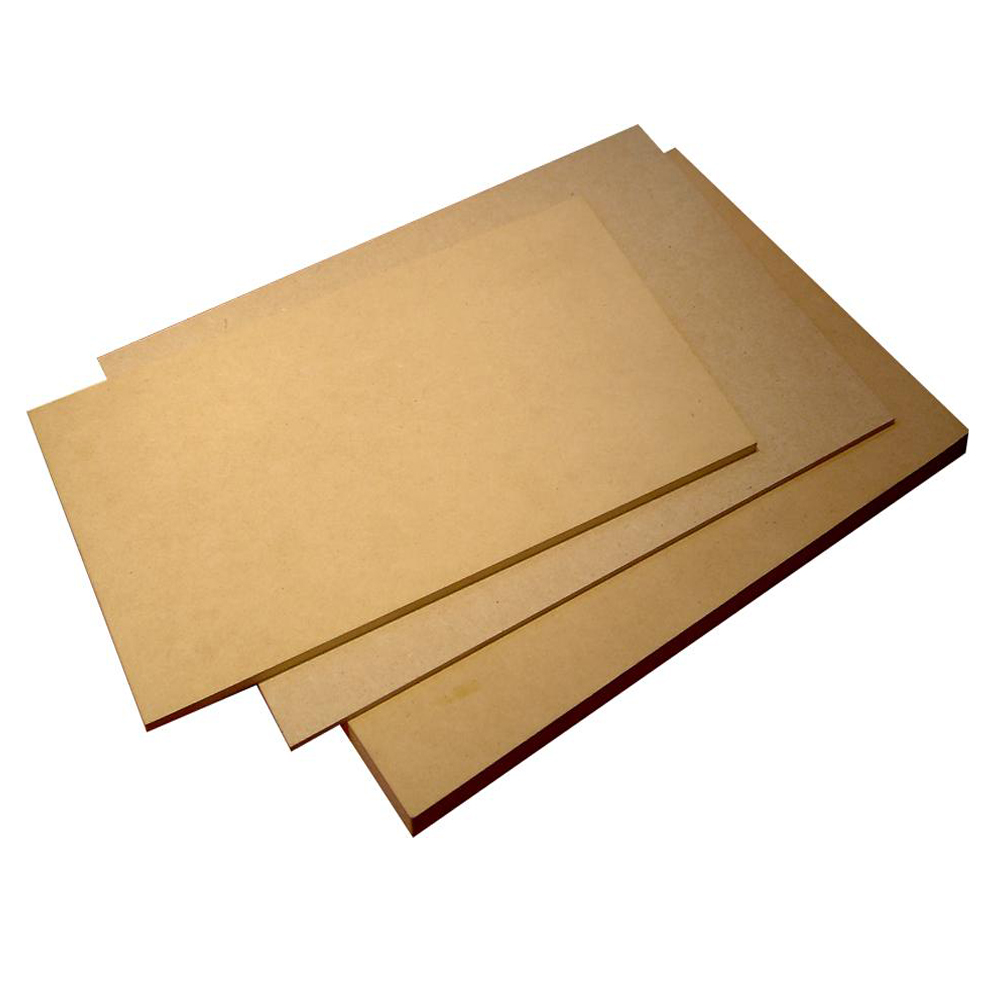
Raw Thailand MDF Board
Cost-controlled raw MDF with E0, E1 or E2 glue options for lamination and furniture processing.
E0 E1 or E2 Glue Raw Thailand MDF Board with Cheap Price on Sale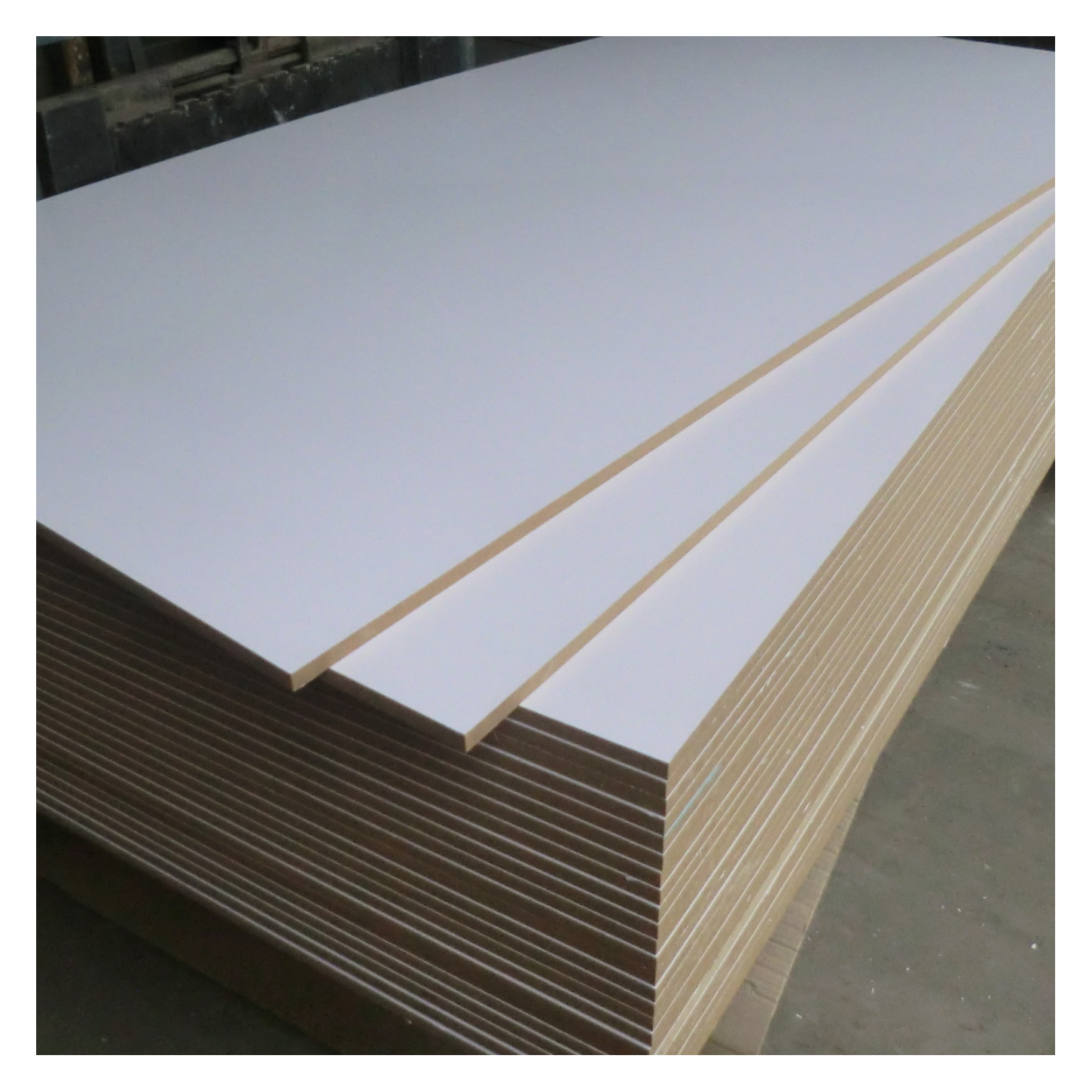
E1 Moisture-Proof Melamine MDF
18mm CE-certified melamine MDF for kitchens and furniture where moisture resistance matters.
Wholesale E1 Grade Melamine Faced Moisture-Proof MDF Board for Kitchen Furniture Use 18mm Thickness CE Certified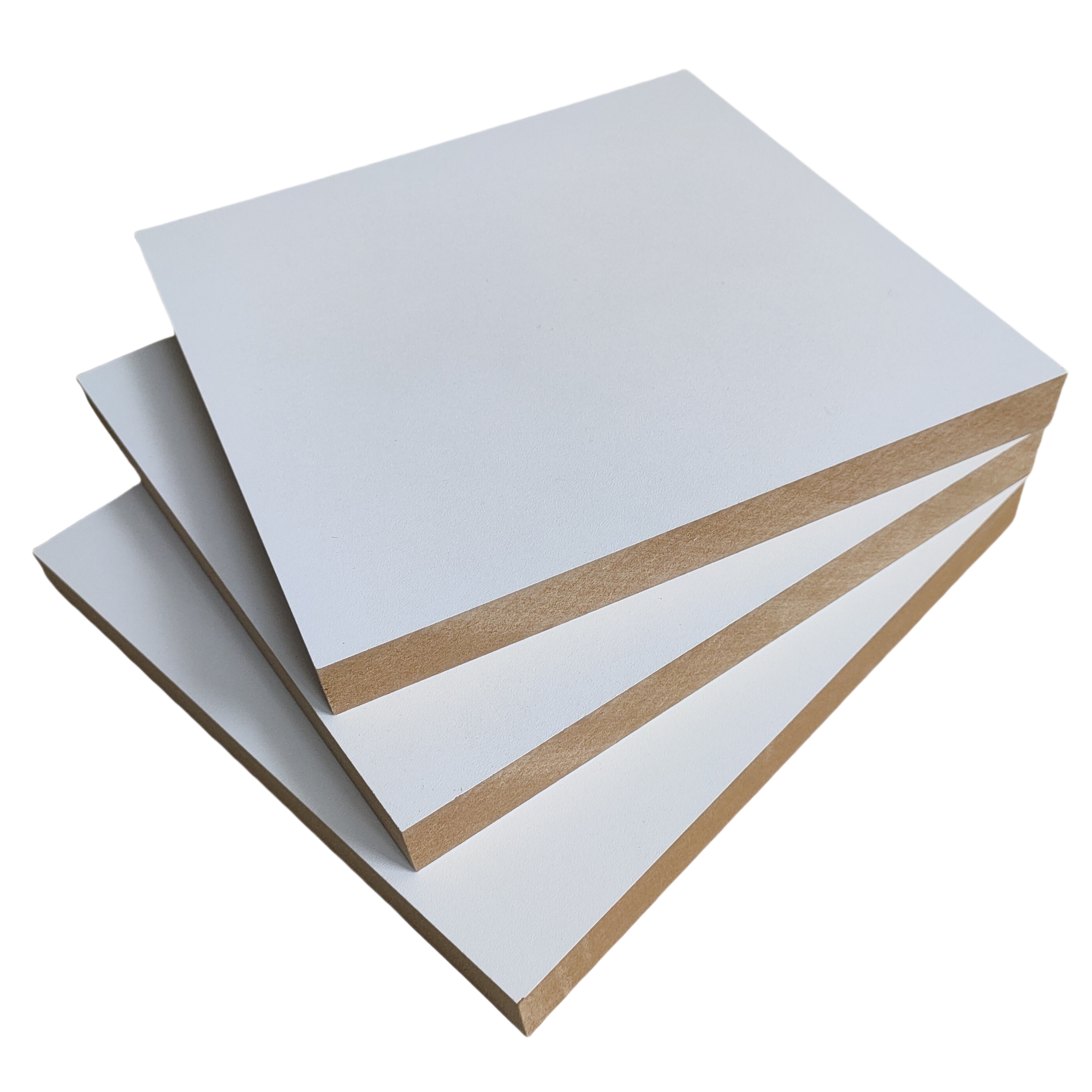
18mm White Melamine MDF
White wood-fibre MDF sheet with E1 melamine face and moisture-proof performance for kitchen cabinets.
18mm Kitchen Furniture Use White Wood Fiber Board E1 Grade Melamine MDF/HDF Sheet Moisture-Proof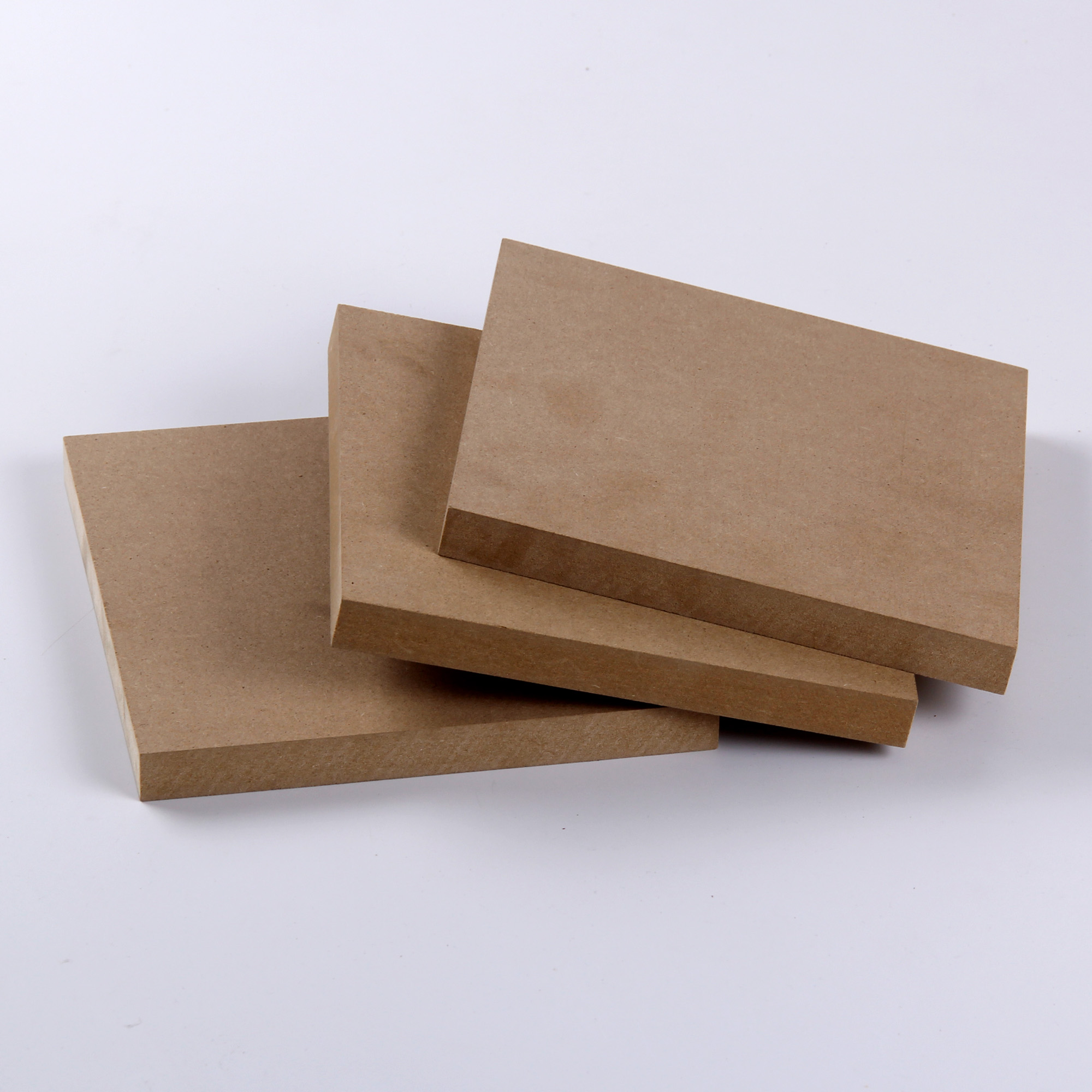
Raw MDF / HDF Standard Boards
Factory standard sizes and thicknesses for distributors, fabricators and secondary processing.
Factory Standard Size with Thickness of 5mm, 6mm, 8mm, 9mm, 18mm Raw MDF/HDF BoardWhy Linyi Cluster Location Matters for Chipboard & Panel Supply
Linyi KUDE International Trading Co., Ltd. is the export platform of a wood-based panel manufacturing group founded in 1998 in Linyi, Shandong — China’s largest man-made board production base.

A Factory Platform, Not a Catalogue Middleman
Being inside the Linyi panel cluster gives buyers shorter supply chains for veneer, glue, core materials and laminating services, plus more stable pricing across seasons. The group operates more than 30 sets of production machines in 30,000 m² of workshops, with over 300 workers and annual output of 60,000 m³ of plywood, blockboard, MDF and particle board. That scale matters when a buyer needs consistent chipboard sheets, melamine MDF and plywood from one production and export platform.
The operating principle is straightforward: survival by quality, development by prestige. With more than 20 years of production experience and 15 years of export experience, the team understands that a container order is not only a product transaction. It is a documentation, compliance, packing and timing commitment. The supplier profile has also passed an on-site assessment by SGS, giving overseas buyers a verifiable starting point for due diligence.
- CE, ISO 9001, ISO 14001, FSC and CARB certifications
- E0, E1 and E2 emission grades available by product line
- OEM / ODM and specification-based customization
- FOB, CFR, CIF and EXW terms with T/T or L/C payment
Own Production Lines
30+ machine sets covering peeling, gluing, hot pressing, sanding and laminating — with direct control over core product quality.
Verified Quality
CE, ISO 9001, ISO 14001, FSC and CARB, with emission grades matched to destination-market requirements.
Flexible Customization
Sample-based, design-based or full customization of size, thickness, core, face, glue, logo printing and packaging.
Export-Ready Logistics
Seaworthy pallet packing, loading photos, full export documentation and shipment through northern China seaports such as Qingdao.
Top 10 Chipboard Sheets Factory Evaluation Criteria
Use these ten criteria to compare suppliers before you send a deposit. Each one translates directly into product consistency, compliance risk, container economics or after-sales cost.
Raw Material & Core Control
Check whether the factory controls wood chips, veneer, core species and moisture before pressing. Core control is the first defence against density variation and delamination.
Resin & Formaldehyde Compliance
Confirm E0, E1, E2, CARB or other requested grades in writing. Ask for test reports that match the production batch, not only a generic certificate.
Density & Thickness Tolerance
Thickness variation affects CNC routing, edge banding, lamination and finished cabinet alignment. Request the factory’s standard tolerance and sample measurement.
Moisture Resistance & Swelling
For kitchens, bathrooms and humid markets, ask about moisture-proof MDF, HMR board or appropriate chipboard grades and their swelling performance.
Surface Quality & Lamination
Melamine, UV, PET and veneer surfaces must bond cleanly without bubbles, scratches or colour drift. Compare samples under consistent lighting.
Cut-to-Size & CNC Capability
For furniture factories, cut-to-size panels and drilling reduce waste. Confirm whether dimensions, edge quality and packaging suit your production line.
QC Documentation
A reliable factory records thickness, flatness, bonding, surface and packing checks. Pre-shipment photos and inspection reports reduce disputes.
MOQ & Mixed-Container Flexibility
Typical MOQ can range from 50 to 500 sheets depending on the line. Several products can often be combined in one container after specification confirmation.
Export Packing & Loading
Edge protection, pallet strength, steel strapping and container loading plan determine whether panels arrive flat and undamaged after ocean freight.
Communication & Claims Response
Fast technical replies, clear specification sheets and a documented claims process matter as much as price when repeat orders are planned.
Future Procurement Trends: How Chipboard Sheet Orders Will Be Placed
Chipboard sheet purchasing is moving from spot buying toward specification-led, compliance-led and mixed-container sourcing. Buyers want fewer surprises after the container arrives.
Compliance-Led RFQs
Quotations increasingly include formaldehyde grade, certification scope, moisture performance and destination-market documents, not only size and price.
Mixed-Container Efficiency
Importers combine chipboard, melamine MDF, plywood and decorative panels to fill one container and test several product lines before larger commitments.
Traceability & Digital Verification
Video factory reviews, batch photos, loading records and documented test reports are becoming normal parts of supplier approval.
Landed-Cost Planning
Buyers compare packing density, damage rate, lead time and claims risk — not just FOB price — when calculating the true cost per usable panel.
What the Next Generation of Chipboard Sheets Will Deliver
Panel development is being shaped by indoor air quality, moisture performance, decorative surfaces and furniture manufacturing efficiency.
Low-Emission & Bio-Based Binders
E0, E1, CARB-oriented production and lower-emission resin systems are becoming purchasing requirements for furniture and interior panels.
Moisture & Fire Performance
HMR MDF, moisture-proof melamine boards and fire-retardant options are expanding into kitchens, bathrooms, public interiors and modular buildings.
Decorative Surface Engineering
UV, PET, melamine and digital decor surfaces now imitate wood, stone and metal with better scratch resistance and faster installation.
Lightweight & Recycled Composites
Furniture makers and distributors are testing lighter panels, recycled wood content and composite wall panels to reduce freight and handling costs.
Matching Chipboard and Compatible Panels to Application
Use this reference to shortlist the right board before confirming an order. Final tolerances, grades and test reports should be confirmed for each batch.
| Panel Type | Best-Fit Use | Typical Thickness | Compliance Check | Buyer Verification |
|---|---|---|---|---|
| Raw Chipboard / Particle Board | Furniture carcasses, packaging, underlay and commercial fit-out | 9–25 mm | E0 / E1 / E2 depending on market | Density, thickness tolerance, screw-holding strength |
| Melamine Chipboard / Melamine MDF | Wardrobes, kitchen cabinets, office furniture and shop fixtures | 3–25 mm | E1 or E0, surface bonding quality | Colour consistency, scratch resistance, edge quality |
| Raw MDF / HDF | CNC routing, lamination, painting and furniture components | 3–25 mm | E0 / E1 / E2 and density grade | Surface sanding, flatness, machining performance |
| Moisture-Proof MDF | Kitchen units, bathroom furniture and humid interiors | 9–18 mm | E1 plus moisture-resistant grade | Swelling test, core colour, lamination adhesion |
| Plywood | Furniture, formwork, structural sheathing and packaging | 2.5–25 mm | MR / WBP glue, CARB on request | Core species, glue line, face veneer and thickness |
| WPC / Decorative Wall Panels | Interior walls, ceilings, hotel fit-out and retail displays | Profile dependent | Waterproof composite and surface film quality | Profile fit, colour batch, installation system |
The values above are typical production ranges. Final specifications, tolerances and test reports are confirmed for each quotation and order.
From Raw Material to Loaded Container: Five Quality Checkpoints
A controlled factory process reduces the hidden cost of rejected panels, damaged edges and inconsistent surfaces after a long ocean shipment.
Material Selection
Veneer, wood chips and core materials are graded, moisture-checked and approved before production.
Gluing & Pressing
Controlled glue spread and hot-pressing cycles support bonding strength and stable board density.
Sanding & Surfacing
Calibrated sanding, lamination, UV coating or film overlay creates a consistent working surface.
Inspection
Thickness, flatness, bonding, surface and emission documentation are checked against the order.
Packing & Loading
Export pallets, edge protection, steel straps and loading photos protect the buyer’s investment.
Questions Buyers Ask Before Ordering Chipboard Sheets
Practical answers for importers, distributors, furniture factories and project contractors comparing factory-direct supply.
What is the difference between chipboard sheets, MDF and plywood?
Which certifications and formaldehyde emission grades can you supply?
What is the minimum order quantity for chipboard and panel products?
Can you customize size, thickness, surface, logo and packaging?
How do you control quality before shipment?
Which payment methods and trade terms do you accept?
Where are goods shipped from, and which port is used?
Can multiple panel types be combined in one container?
Send Your Chipboard Sheets Specification for a Technical Quotation
Share your panel type, size, thickness, emission grade, surface requirement, quantity and destination port. The export team will respond with a practical specification, packing proposal and container loading plan.
Factory-direct engineered wood panels · Linyi, Shandong, China · Exporting to 30+ countries