Top 10 Combi Core Plywood Exporter & Exporters
A buyer-focused, manufacturing-informed framework for comparing exporters by core consistency, glue discipline, certification, packing quality and export reliability.
Why “Top 10 Combi Core Plywood Exporter & Exporters” Is a High-Intent Sourcing Query
Buyers who search for the Top 10 Combi Core Plywood Exporter & Exporters are usually close to a purchasing decision. They already know that plywood is not a simple commodity. They are comparing suppliers that can demonstrate raw material control, glue line discipline, veneer grading, dimensional tolerance, emission compliance and shipment reliability.
This whitepaper is written from the perspective of a working export manufacturer in Linyi, Shandong, China — one of the world’s most concentrated wood-based panel production clusters. Instead of publishing an unsupported “top 10” list, it provides a practical benchmark: what serious importers should verify before placing a container order for combi core plywood, melamine plywood, MDF, film faced plywood, H20 formwork beams and decorative wall panels.
The goal is information gain. A reliable combi core plywood exporter should not simply quote a price per sheet. It should explain how the core is blended, which wood species are used, which adhesive system applies to the final environment, how faces are graded, how tolerance is measured, how moisture is controlled during packing and how export documentation is prepared for the destination market.
What Makes Combi Core Plywood Reliable?
Combi core plywood is a plywood construction in which the inner plies combine more than one wood species — commonly poplar with eucalyptus, pine with poplar, or other locally available species selected to balance stiffness, weight, screw-holding, machinability and cost.
Core Architecture
A combi core should be engineered, not randomly mixed. Buyers should ask for the species blend, number of plies, veneer thickness range, moisture content before gluing and the intended load or screw-holding requirement. The correct blend supports flatness and machining stability while keeping the board commercially competitive.
Adhesive and Emission
Glue type must match the end use. MR glue is common for interior furniture and dry conditions; WBP or phenolic systems are specified for moisture exposure and formwork. Formaldehyde grades such as E0, E1 and E2, plus CARB where required, should be supported by current test reports rather than verbal claims.
Faces and Calibration
Face veneer grading, colour matching, sanding quality and thickness tolerance influence yield for furniture factories and contractors. Okoume, bintangor, birch, pine, melamine paper, UV coating and PET film each require different process control. A complete product specification should state the face, back, core, glue, emission grade, size and tolerance.
Top 10 Combi Core Plywood Exporter & Exporters: Evaluation Matrix
Rather than accepting a supplier’s own ranking, use the ten dimensions below to compare exporters on evidence. Each dimension can be checked through samples, pre-shipment inspection, certificates, test reports, factory video and shipment documents.
| Benchmark dimension | Why it matters | What to verify |
|---|---|---|
| 1. Raw material control | Core species and veneer quality determine strength, weight and surface stability. | Species blend, veneer grade, moisture content, supplier traceability and seasonal availability. |
| 2. Core lay-up consistency | Random lay-up causes warping, thickness variation and machining defects. | Ply count, symmetry, overlap control, patching policy and core gap limits. |
| 3. Glue line and bonding | Weak bonding leads to delamination during transport, cutting or moisture exposure. | Adhesive type, glue spread, pressing cycle, bonding test and boil or cyclic test results where relevant. |
| 4. Calibration and squareness | Thickness and dimension errors reduce yield in automated furniture lines. | Thickness tolerance, length and width tolerance, diagonal difference, flatness and sanding quality. |
| 5. Face veneer grading | Face quality affects finishing, colour matching and customer acceptance. | Grade definition, colour lot, defect allowance, repaired area limits and face/back matching. |
| 6. Emission documentation | Different markets enforce different formaldehyde and VOC requirements. | E0/E1/E2 grade, CARB or other destination requirements, test method and report date. |
| 7. Certification scope | A logo alone is not enough; the scope must cover the product and factory. | CE, ISO 9001, ISO 14001, FSC, CARB and SGS assessment scope, validity and product coverage. |
| 8. Moisture and packing | Sea freight and port storage can damage boards through humidity and handling. | Moisture barrier, corner protection, pallet strength, steel strapping, marking and container condition. |
| 9. Loading and documents | Incorrect loading or paperwork creates claims and demurrage risk. | Loading photos, container sealing, packing list, invoice, certificate of origin and destination-specific documents. |
| 10. Technical communication | Fast, precise answers reduce specification errors before production begins. | Response time, sample follow-up, drawing or specification confirmation and after-sales claim procedure. |
A credible exporter can provide evidence for each dimension. If a supplier cannot answer basic questions on core blend, glue type and tolerance, price alone should not drive the decision.
Eight Export-Ready Product Lines for Combi Core & Panel Buyers
Although combi core plywood is the central subject, real container programmes often combine structural boards, decorative surfaces, formwork accessories and wall panels. The eight products below reflect the categories global importers most often request alongside plywood and MDF.
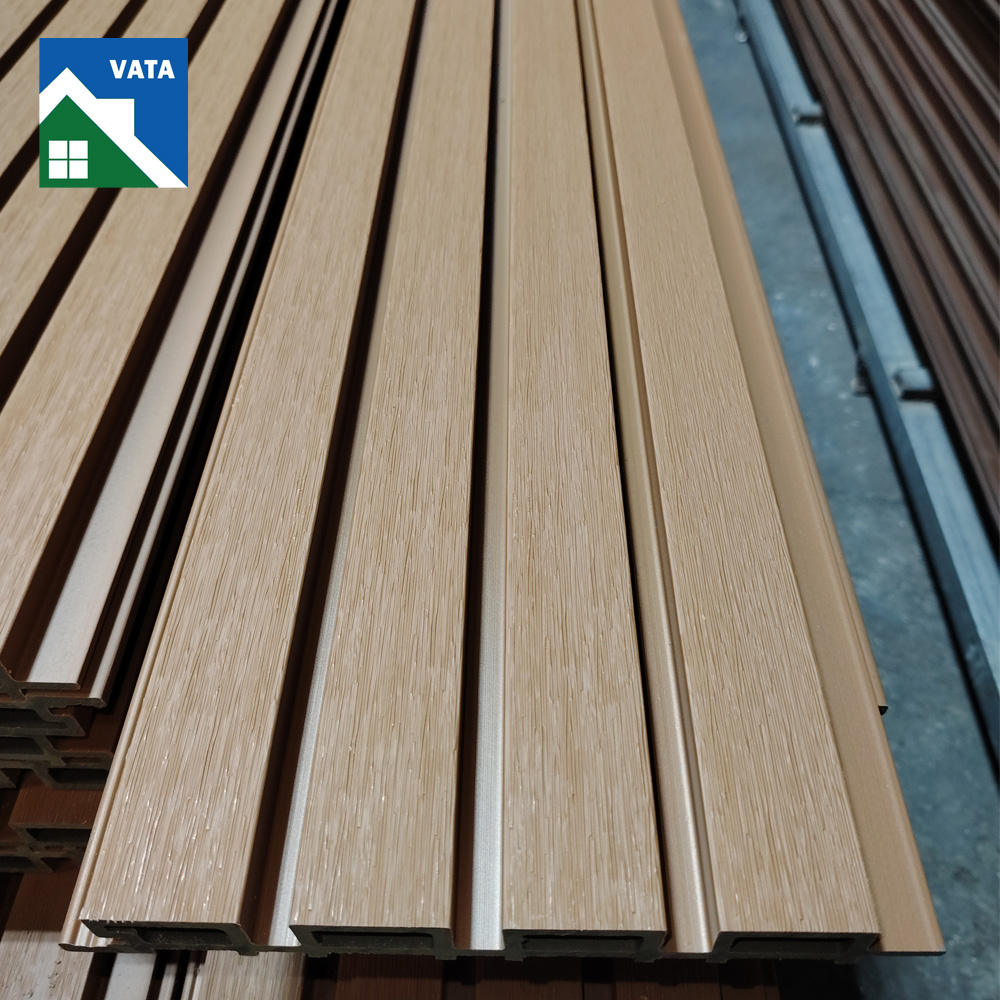
Decorative Outdoor Wood Plastic Composite Partition WPC Fluted Wall Panel Board External Siding Cladding Exterior Wall Cladding
WPC fluted wall panel for partitions, feature walls and exterior cladding. A lightweight decorative complement to structural plywood programmes; confirm fixing profiles, ventilation and surface requirements for the project.
View product details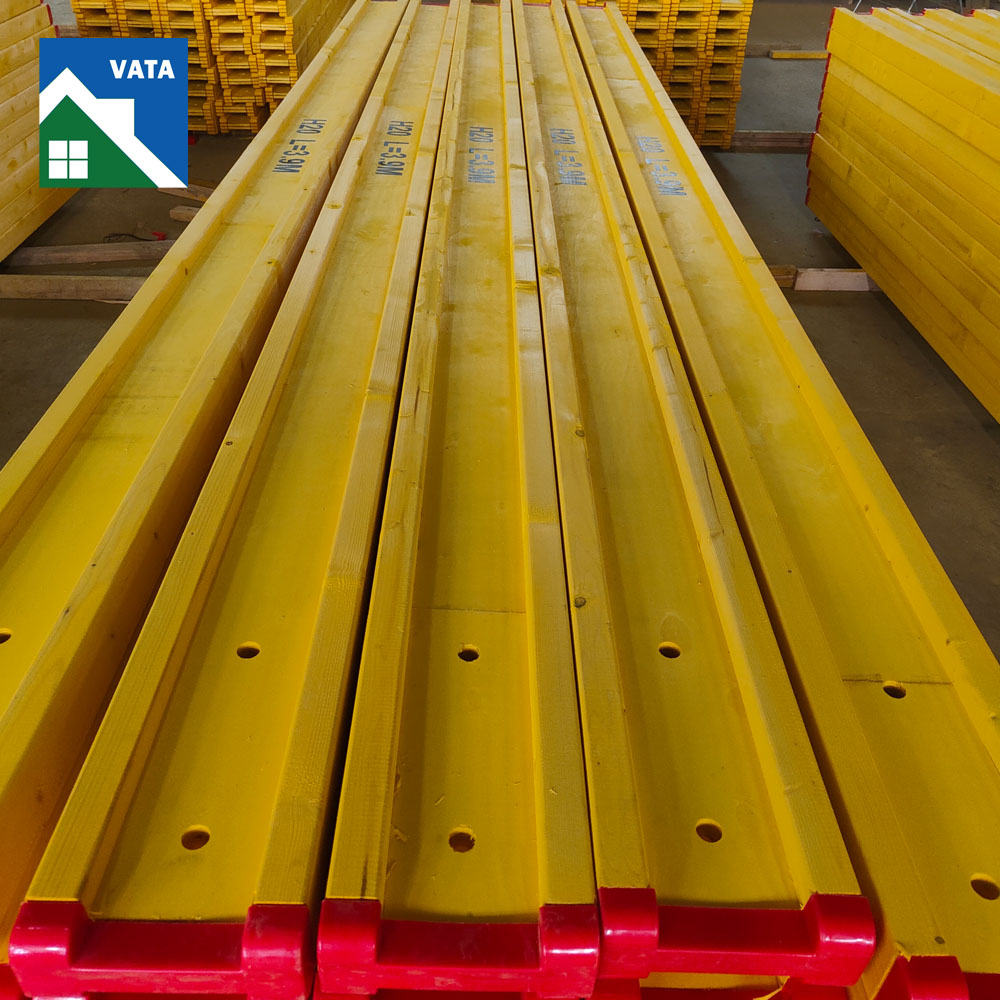
Manufacturer Reusable Yellow Painted H20 Wooden Formwork Beam with Plastic End Caps for Construction Building Projects
Reusable H20 timber beam for slab formwork and construction projects. It pairs naturally with film faced plywood and combi core panels; check dimension, end-cap condition and repeated-pour requirements.
View product details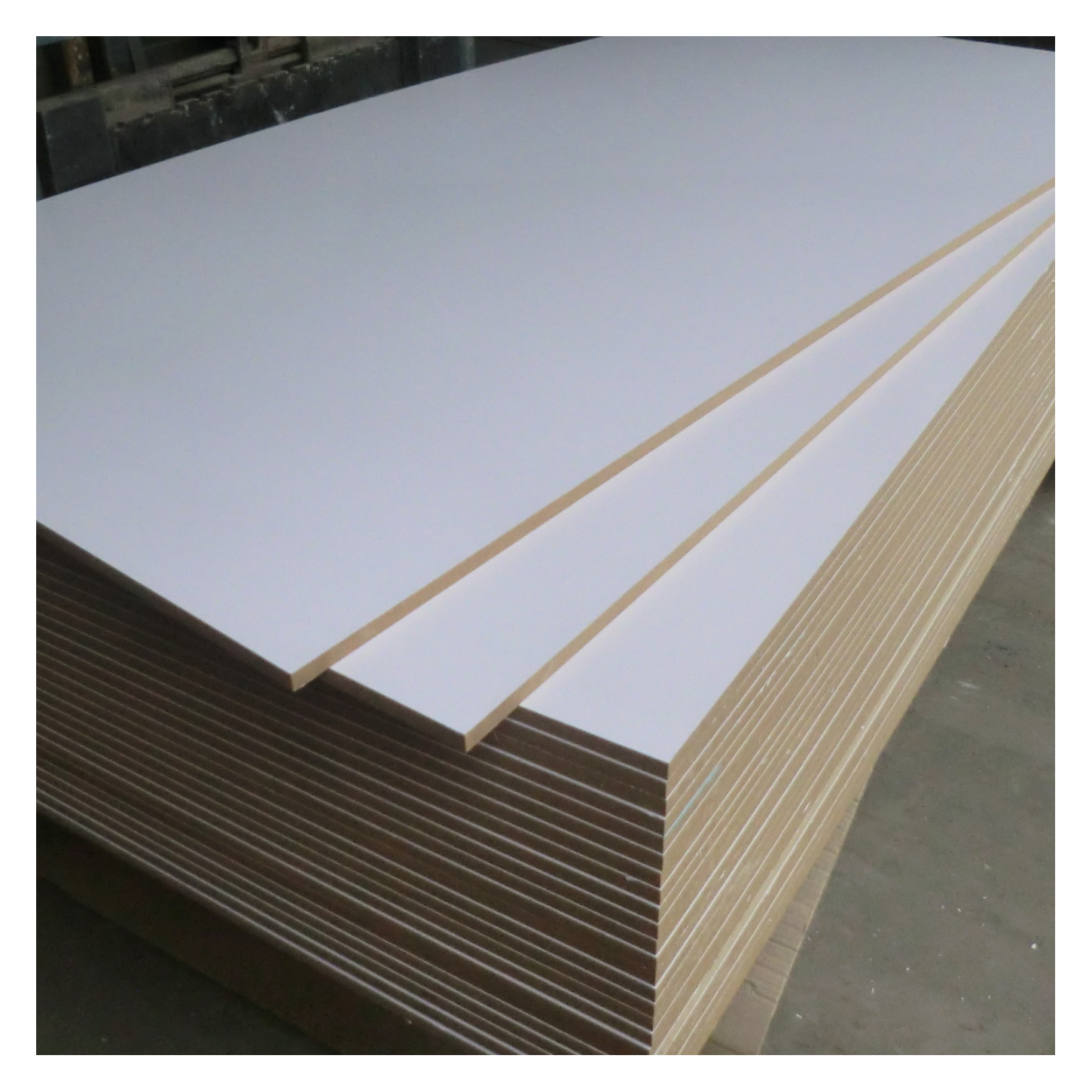
Wholesale E1 Grade Melamine Faced Moisture-Proof MDF Board for Kitchen Furniture Use 18mm Thickness CE Certified
18 mm E1 melamine-faced moisture-proof MDF for kitchen and bathroom furniture. Specify face colour, gloss level, substrate density, edge sealing and CE documentation before production.
View product details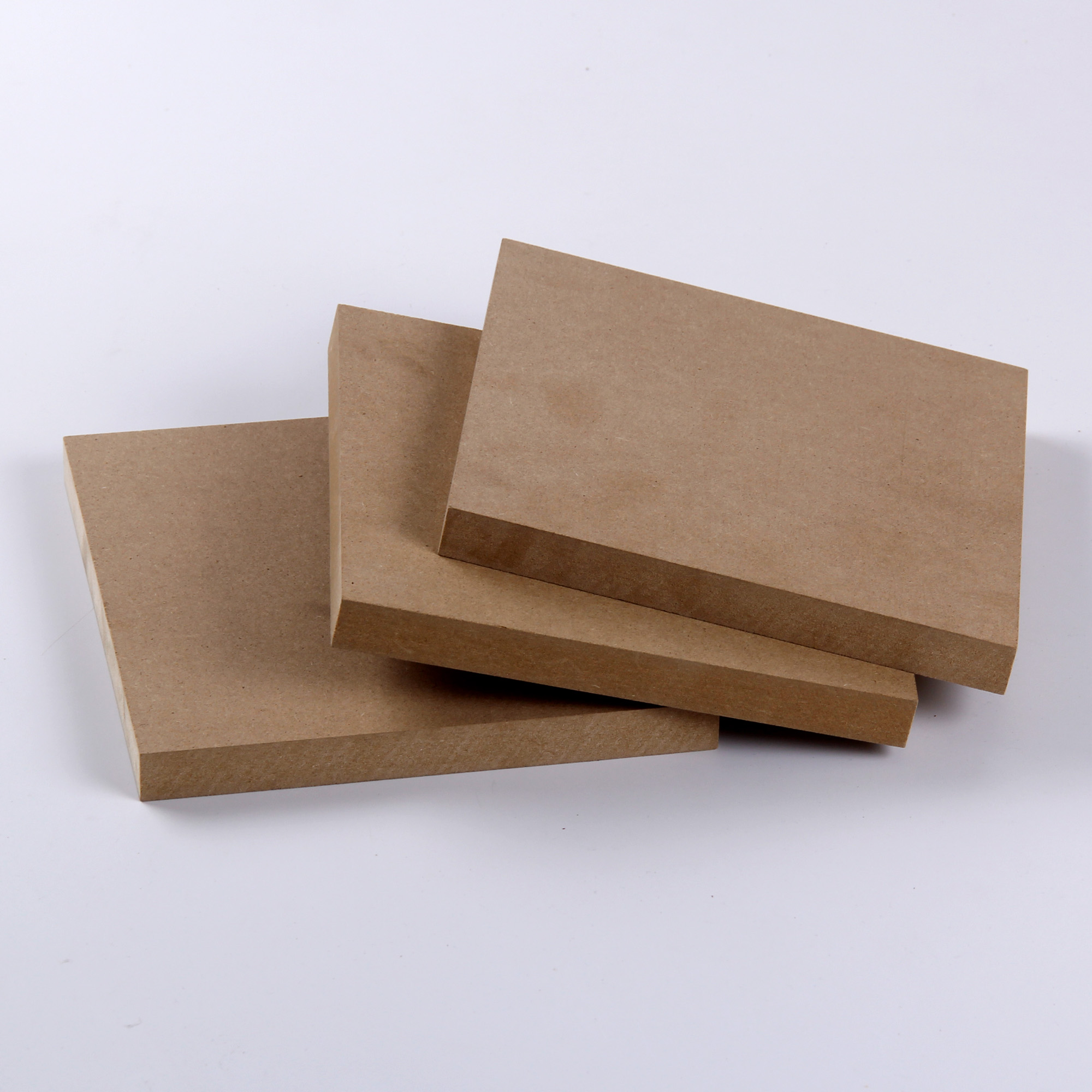
Factory Standard Size with Thickness of 5mm, 6mm, 8mm, 9mm, 18mm Raw MDF/HDF Board
Raw MDF/HDF in common factory thicknesses for routing, painting, laminating and packaging. Density, sanding quality and thickness tolerance are the key supply points to confirm.
View product details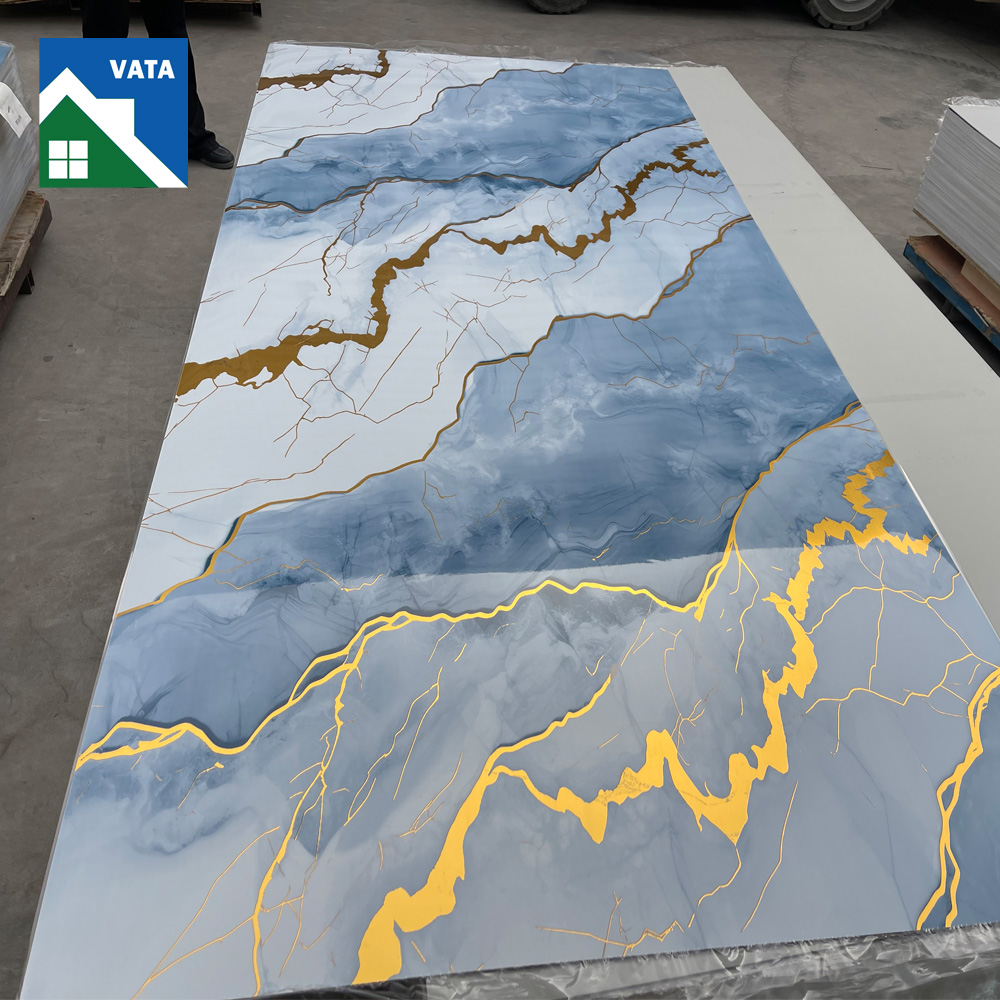
Customized Easy Installation High Glossy PVC Wall Panel Bendable DIY Indoor TV Wall Background Board Glossy UV Marble Sheets
High-gloss PVC/UV marble-look wall sheet for TV backgrounds and commercial interiors. Fast installation and visual impact should be balanced with substrate preparation, fire documentation and profile accessories.
View product details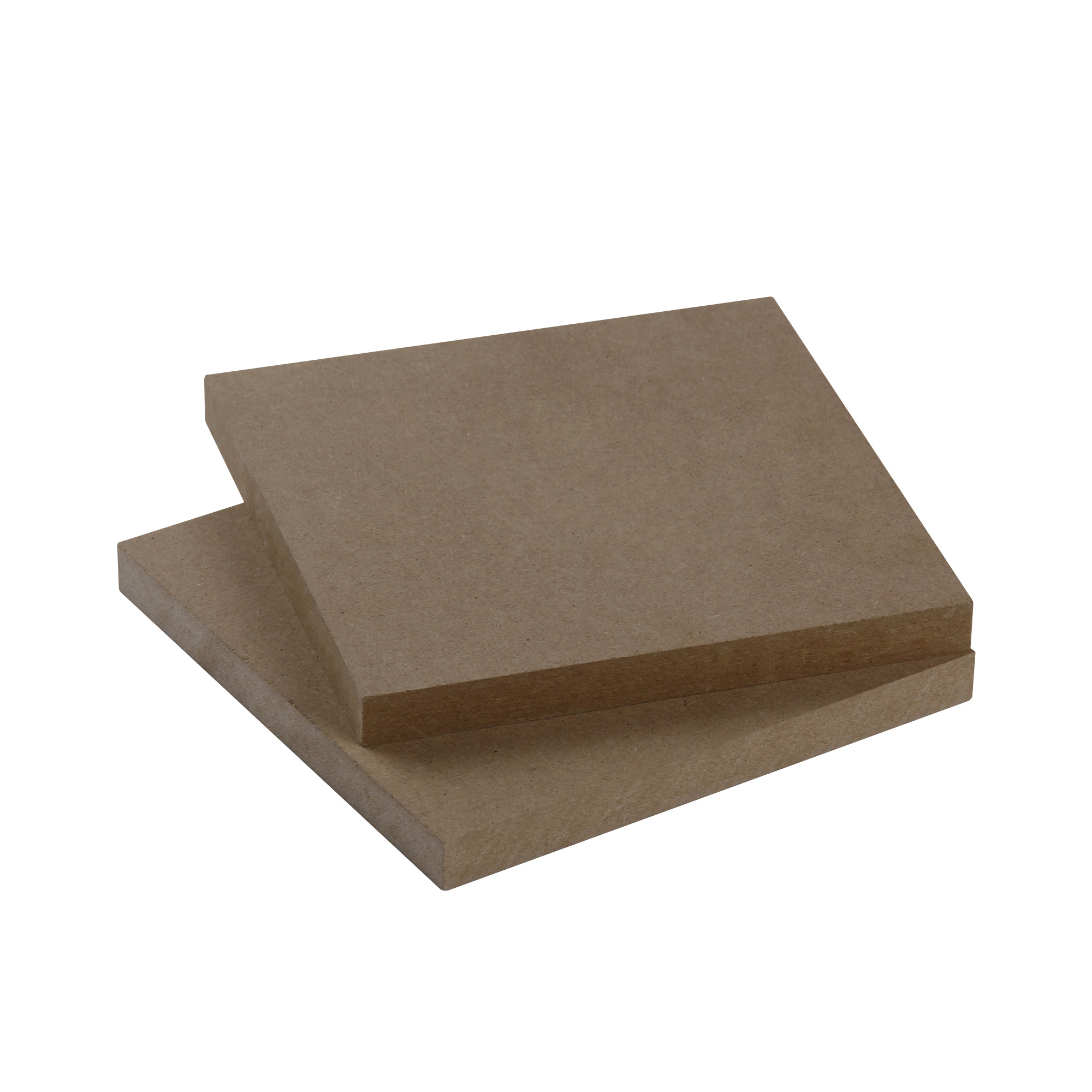
Dexin First-Class Plain Particle Board & MDF Wood Board E2 Emission Moisture-Proof for Bangladesh
E2 moisture-proof plain particle board and MDF for cost-sensitive furniture and project programmes. Request density, screw-holding, surface quality and emission documents for the target market.
View product details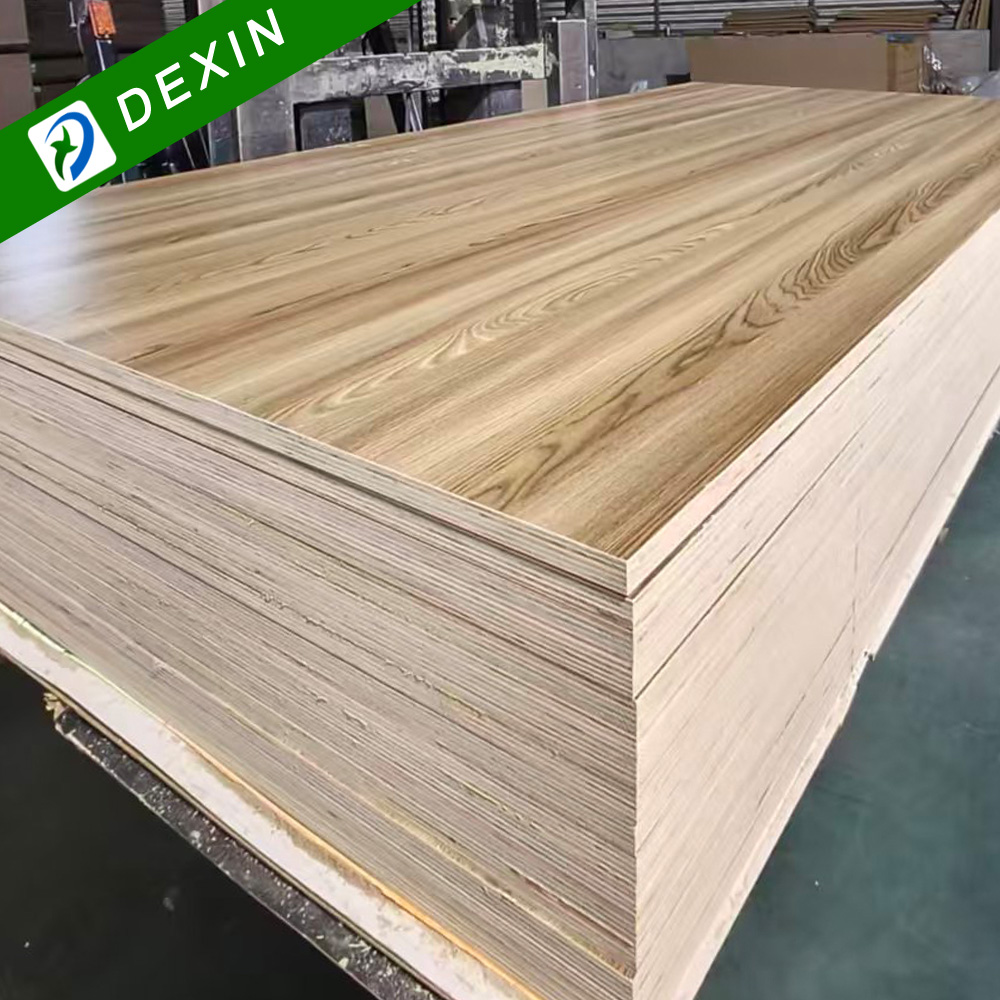
18mm Marine Laminated Contreplaque One or Double Side Colorful Melamine Faced Board Plywood for Furniture Decoration
18 mm colourful melamine-faced marine plywood, single or double side, for furniture and decorative applications where moisture resistance and surface appearance both matter. Confirm glue type, colour lot and edge finishing.
View product details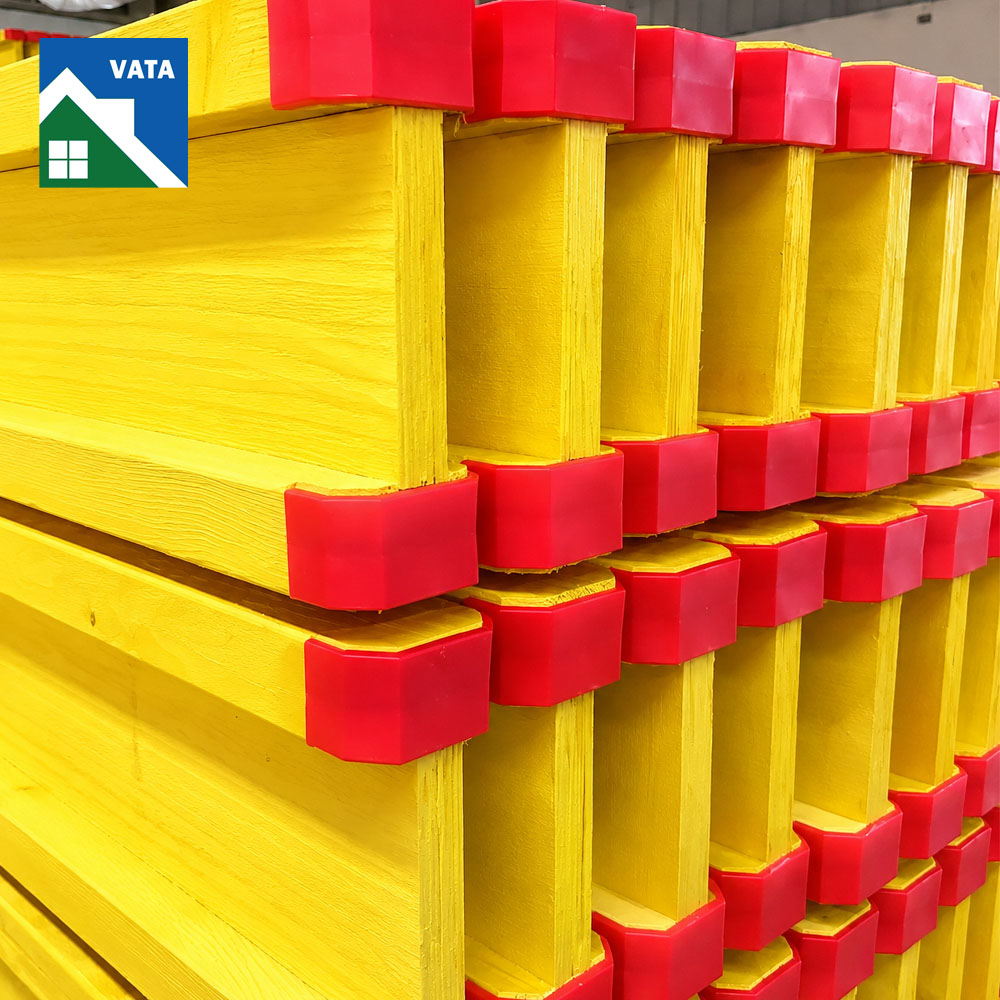
Wholesale Heavy Duty Wooden I-Beams Durable Spruce H20 Formwork Beams for Slab Formwork
Spruce H20 slab formwork beams for demanding construction use. For tender evaluation, compare beam grade, moisture, straightness, end protection and compatibility with the formwork system.
View product detailsFuture Purchasing Trends for Combi Core Plywood Importers
Plywood sourcing is becoming more technical and more documented. Buyers are moving away from purely price-based purchasing towards landed-cost, compliance and supply-continuity models.
Specification-Led RFQs
Professional buyers now issue RFQs with core species, glue type, emission grade, face grade, thickness tolerance, packaging and destination port. This reduces sampling cycles and protects both sides from costly specification disputes.
Compliance as a Purchasing Gate
Emission reports, certification scope, FSC chain of custody and country-specific documentation are increasingly checked before price negotiation. Exporters that maintain organised test files and traceable production records have a clear advantage.
Mixed Containers and Trial Orders
Importers increasingly combine combi core plywood, melamine boards, MDF, H20 beams and wall panels in one container. Flexible MOQs and mixed-load capability help distributors test demand without overstocking slow-moving specifications.
Landed-Cost Planning
Freight volatility, glue prices and raw material availability make quarterly price reviews more common. Buyers now compare landed cost, breakage risk, moisture protection and loading efficiency rather than FOB price alone.
Dual Sourcing and Audits
Supply chain teams are reducing dependence on a single factory while keeping a primary supplier for consistency. Factory video audits, SGS-style assessments and pre-shipment inspections are becoming routine procurement steps.
Remote Inspection and Batch Records
Photographs of glue lines, board edges, face veneer, pallet packing and container loading help overseas buyers verify quality without travelling. Batch records also support faster claim resolution if a problem appears after arrival.
Where Combi Core Plywood and Decorative Panels Are Heading
Product development is being shaped by furniture manufacturing efficiency, building regulations, lower-emission requirements and faster interior installation.
Lower Emission, Lower Odour
E0 and E1 boards, CARB-oriented programmes and stricter factory glue control are becoming standard expectations in developed markets. Buyers should ask for current test reports and confirm that the reported grade applies to the exact board construction being ordered.
Moisture-Resistant Combinations
HMR MDF, WBP-bonded plywood, marine laminated plywood and melamine-faced moisture-resistant boards continue to grow in kitchen, bathroom and utility applications. The key is to match the moisture exposure level to the adhesive and surface system.
Factory-Integrated Decorative Surfaces
Melamine, UV coating, PET film and synchronised wood-grain textures reduce finishing work for furniture factories. The purchasing decision is shifting from “raw board plus local lamination” to “ready-to-cut decorative board with consistent colour and scratch resistance”.
System Selling: Board + Beam + Panel
Construction and interior buyers want fewer suppliers. A programme that combines film faced plywood, combi core plywood, H20 beams, WPC cladding and decorative wall sheets can simplify logistics, documentation and after-sales responsibility.
Why KUDE Is a Practical Partner for Combi Core Plywood Programs
Linyi KUDE International Trading Co., Ltd. is the export platform of a wood-based panel manufacturing group founded in 1998 in Linyi, Shandong, China — one of the country’s largest man-made board production bases.
The group operates more than 30 sets of production equipment in 30,000 m² of workshops, with over 300 workers and an annual output of 60,000 m³ of plywood, blockboard, MDF and particle board. Its supplier profile has been assessed on site by SGS, and its management system includes ISO 9001 and ISO 14001, with CE, FSC and CARB certification available for relevant product programmes.
Products are exported to more than 30 countries and regions, serving importers, distributors, contractors and furniture manufacturers. The team supports E0, E1 and E2 grades, OEM/ODM customization, mixed container programmes, T/T and L/C payment, and FOB, CFR, CIF and EXW trade terms.
KUDE’s operating principle is survival by quality, development by prestige. That principle matters most in the details buyers cannot see in a catalogue: veneer grading, glue spread, pressing time, sanding calibration, moisture protection, pallet strength, loading photos and document accuracy.
For combi core plywood enquiries, the export team can review the intended application, recommend a core and glue specification, prepare samples and confirm packaging requirements before production. Where projects require multiple categories, plywood, MDF, H20 beams and wall panels can be planned as one coordinated shipment.
Factory-Direct Economics
Production control in Linyi reduces unnecessary intermediary markup and gives buyers a clearer path from raw material to finished export pallet.
Certification and Test Support
CE, ISO 9001, ISO 14001, FSC, CARB and SGS assessment records help buyers prepare compliance files for destination markets.
Custom Engineering
Sample-based, design-based and full customization can cover size, thickness, core species, face veneer or decor, glue type, logo and packaging.
Export-Ready Logistics
FOB, CFR, CIF and EXW terms; T/T and L/C payment; seaworthy pallet packing and container loading photos on request.
One Container, Many Categories
Combine combi core plywood with melamine board, MDF, H20 beams or wall panels after confirming specifications and MOQ per line.
Pre-Shipment Visibility
Production updates, sample confirmation, inspection records and loading photos reduce uncertainty for first-time and repeat buyers.



From Raw Veneer to Loaded Container
Every export batch should pass clear checkpoints before shipment. The sequence below reflects the practical controls buyers should expect from a serious combi core plywood exporter.
Material Selection
Veneer grading, species mix, moisture checks and core availability review before gluing.
Gluing & Pressing
Controlled glue spread, lay-up symmetry, cold and hot pressing cycles, and bonding checks.
Sanding & Surfacing
Calibrated thickness, flatness control, face grading, lamination or film overlay inspection.
Final Inspection
Thickness, dimensions, squareness, moisture, bonding, surface defects and packing review.
Packing & Loading
Export pallets, corner protection, steel strapping, container loading photos and document check.
Frequently Asked Questions About Combi Core Plywood Exporters
These are the questions importers most often ask when comparing suppliers for combi core plywood, melamine boards and mixed panel containers.
How should I compare top 10 combi core plywood exporters without relying on a simple list?
What is combi core plywood best used for?
Which glue and emission grades should I specify?
Do you provide samples, and what is the minimum order quantity?
Which payment methods and trade terms are accepted?
Can size, thickness, core, face and packaging be customized?
How do you protect panels from moisture during sea freight?
Where is KUDE located and how are shipments arranged?
Build Your Combi Core Plywood Specification with KUDE
Send your required size, thickness, core blend, glue type, emission grade, face veneer or melamine colour, quantity, packing requirement and destination port. Our export team will review the application and reply with a technical proposal and quotation.