Construction Plywood, MDF and Formwork Products Buyers Request Most
Every series below is produced or sourced through our Linyi wood-based panel base and can be customized by size, thickness, core, face, glue, emission grade and export packing.
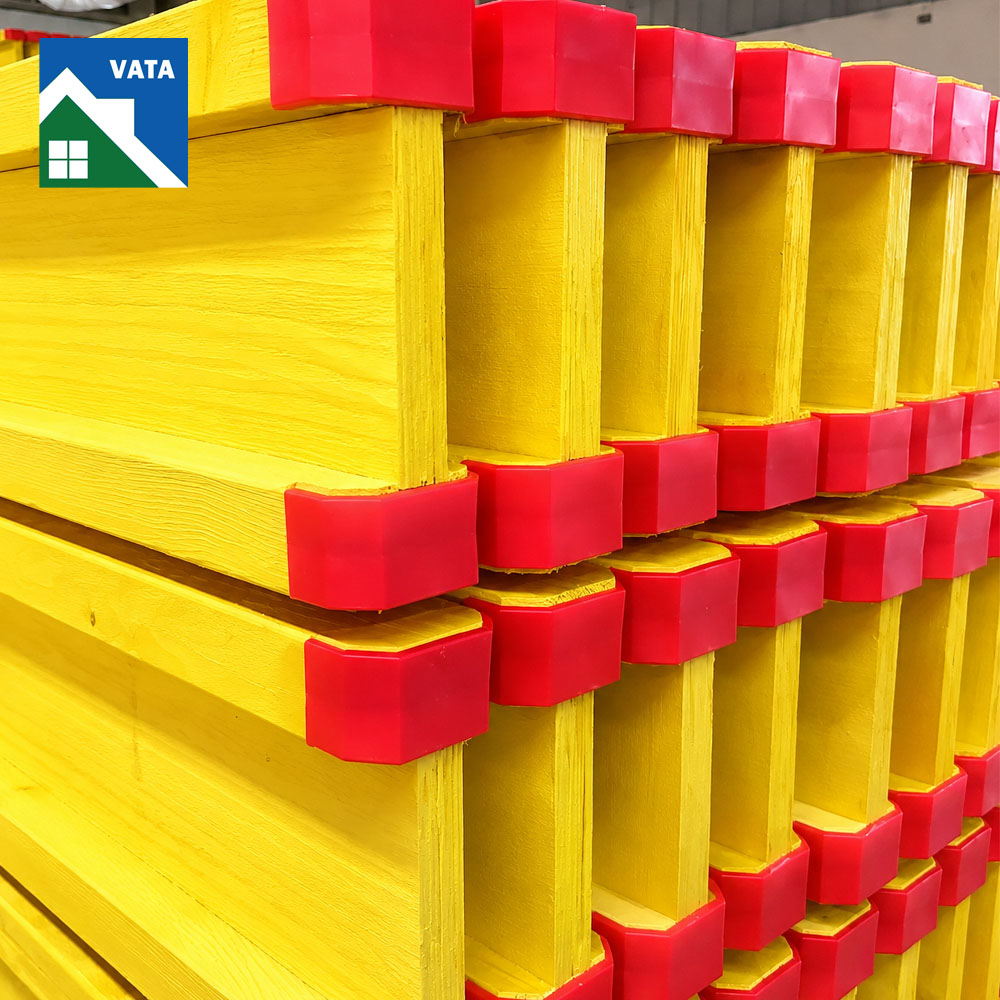
Wholesale Heavy Duty Wooden I-Beams Durable Spruce H20 Formwork Beams for Slab Formwork
Reusable spruce H20 beams with stable dimensions, protected ends and consistent strength for high-cycle slab formwork.
View product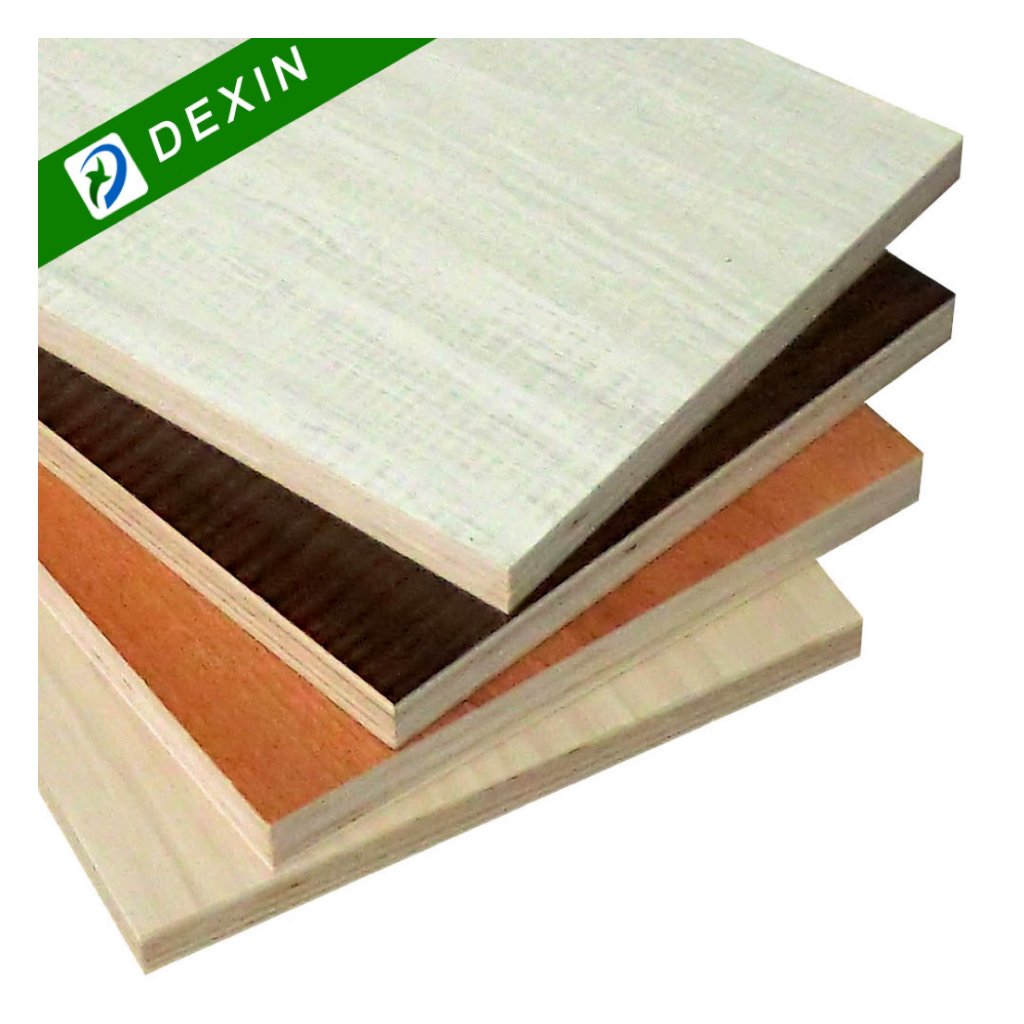
3mm 12mm 18mm E0 First-Class Melamine Contrachapado/Kontrplak 4x8 Paneles Laminas De Melamina Plywood for Furniture Cabinet Use
Low-emission melamine plywood with decorative faces for wardrobes, cabinets and indoor furniture manufacturing.
View product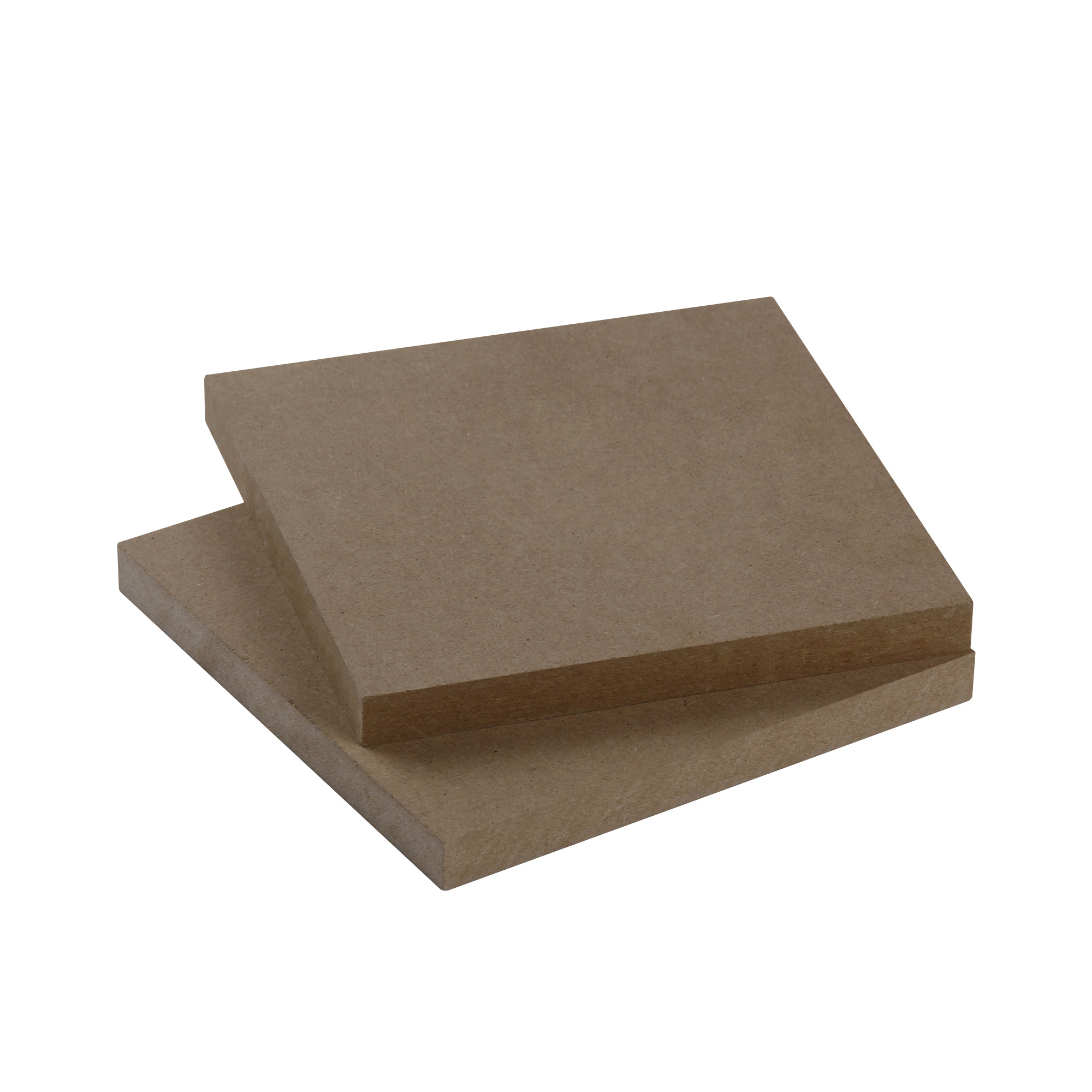
Dexin First-Class Plain Particle Board & MDF Wood Board E2 Emission Moisture-Proof for Bangladesh
Moisture-proof particle board and MDF engineered for humid markets and value-focused furniture production.
View product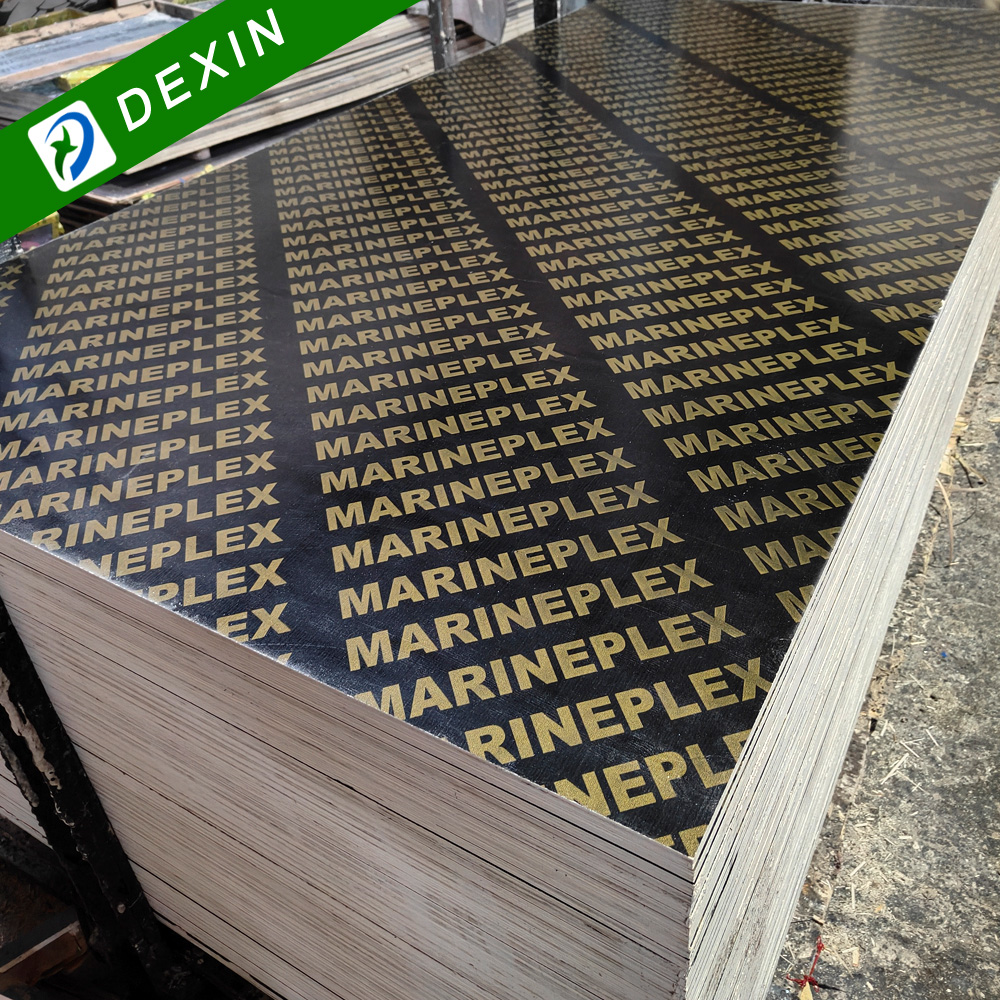
China Manufacturer 4x8ft Concrete Black Film Faced Plywood 9~25mm Marine Contreplaque Board for Construction
Black film faced plywood with phenolic glue and smooth release surfaces for concrete walls, slabs and columns.
View product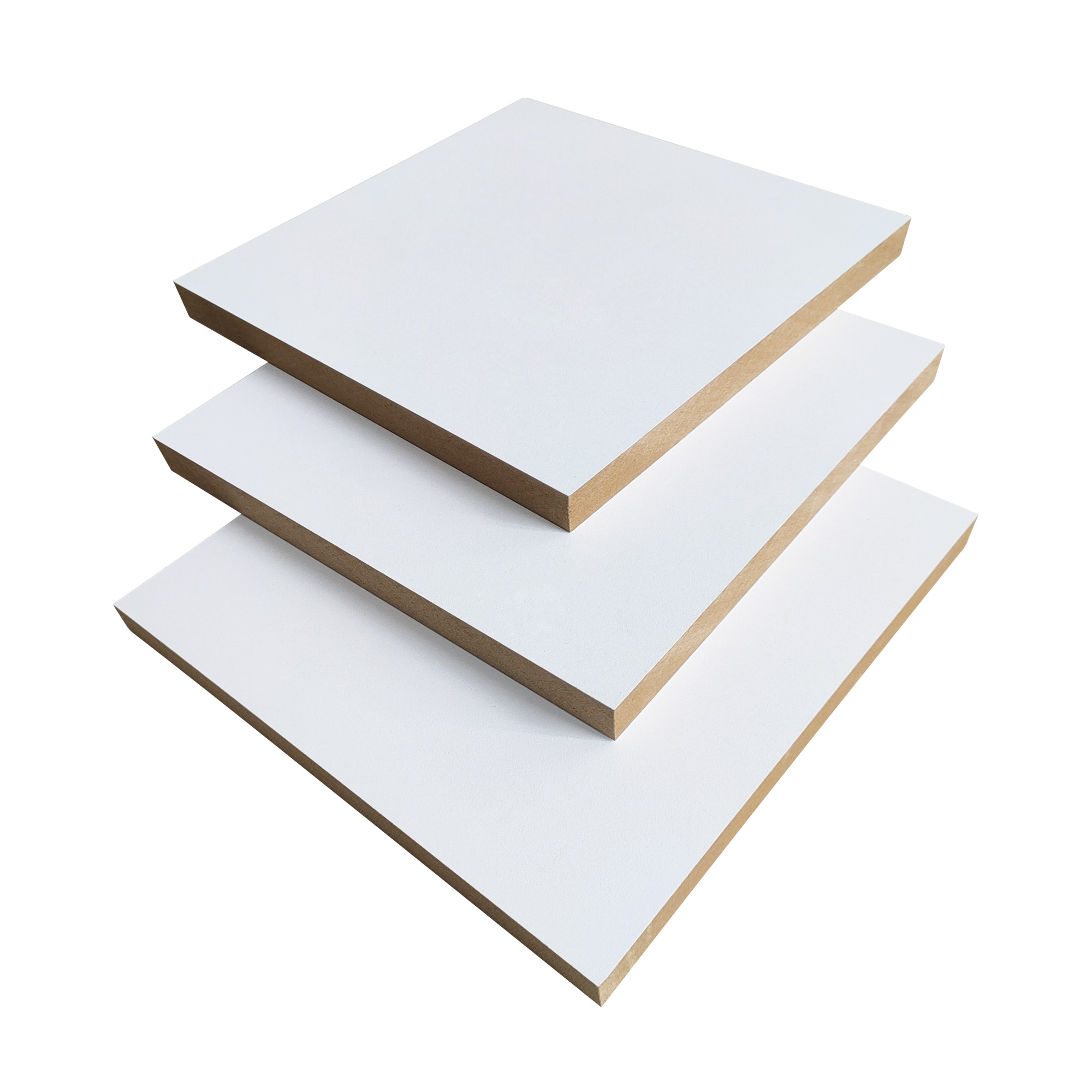
High Quality 4x8ft White Melamine MDF Board China Manufacturer E1 Formaldehyde for Kitchen Use-Sizes 3mm 6mm 9mm 12mm 16mm
Clean white melamine MDF with E1 formaldehyde control for kitchens, wardrobes, shop fitting and interior furniture.
View product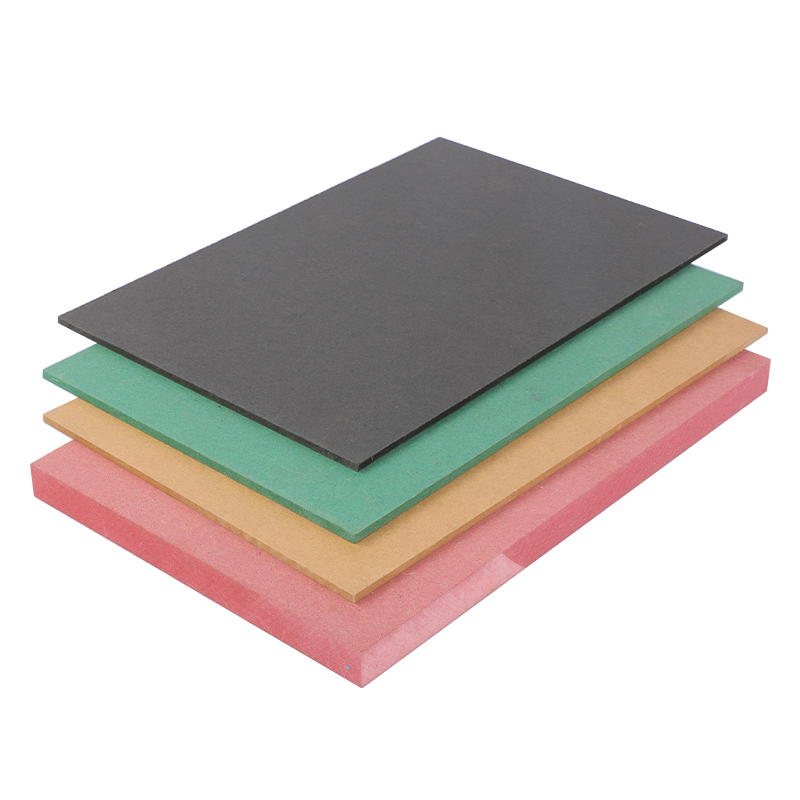
High Quality 3mm~18mm Raw/Plain MDF Sheet with Best Price
Sanded raw MDF with stable density for painting, laminating, CNC routing, furniture frames and interior projects.
View product
16mm 15mm 12mm 18mm Eco-Friendly Modern MDF Board with Blanco Single/Double Sided Melamine Covering for Cabinet
Eco-friendly melamine MDF in modern Blanco decors for cabinet carcasses, doors and flat-pack furniture programs.
View product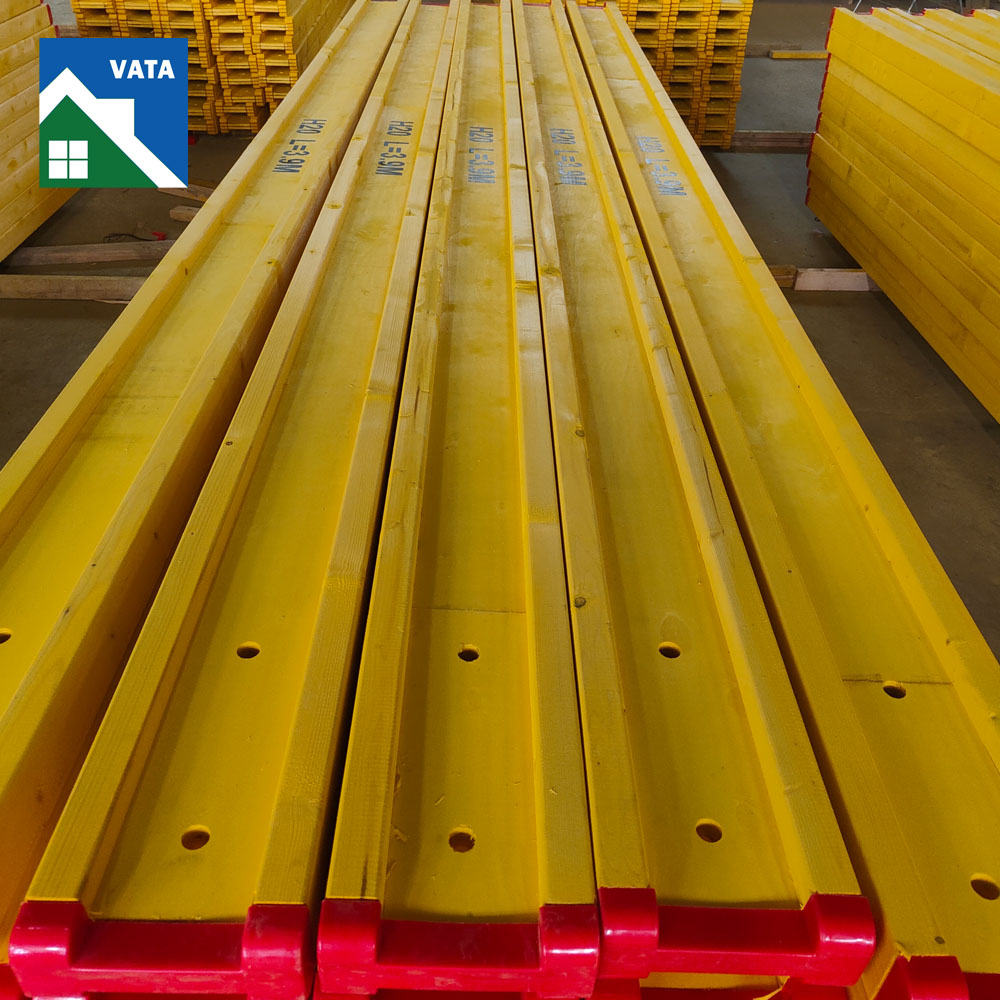
Manufacturer Reusable Yellow Painted H20 Wooden Formwork Beam with Plastic End Caps for Construction Building Projects
Painted H20 formwork beams with plastic end caps for repeat use in building projects and modular formwork systems.
View productWhat “Top 10” Should Mean in Construction Plywood Sourcing
Searching for the top 10 construction plywood manufacturer & supplier usually returns a long list of companies with similar catalogues, similar photographs and similar promises. For importers, distributors and contractors, the useful question is not who claims to be in the top ten. The useful question is which supplier can prove a repeatable control system across core selection, glue line, film weight, thickness tolerance, formaldehyde class, packing and export documentation.
A construction plywood manufacturer with its own pressing, sanding, laminating and quality inspection workflow can control more variables than a pure trading company. That matters because plywood performance is rarely decided by one visible feature. A film faced panel can look correct on the outside while hiding inconsistent core density, uneven glue spread or moisture that only appears after a few concrete pours. A melamine board can photograph well but fail in cabinet production if thickness varies across the pallet or the decor paper shades differ between batches.
The practical benchmark is landed cost per compliant panel, not the lowest FOB quotation. When you compare suppliers, normalize every offer to the same thickness, core, glue type, film weight, emission class, packing method, container loading plan and claim terms. This is where experience in the Linyi panel cluster becomes valuable: access to veneer, glue, core materials and specialized finishing lines allows a manufacturer to stabilize quality and shorten the supply chain.
Linyi KUDE International Trading Co., Ltd. has operated in this environment since 1998. Our group runs more than 30 sets of production machines across 30,000 m² of workshops, with 300+ workers and annual output of 60,000 m³. We have supplied commercial plywood, film faced plywood, melamine plywood, fancy plywood, MDF, particle board, H20 formwork beams and decorative wall panels to buyers in more than 30 countries. The sections below explain how to buy more intelligently, which products fit which applications, and what procurement teams should expect from the next cycle of construction panel sourcing.
How to Compare Top 10 Construction Plywood Manufacturers
Use this ten-point scorecard to separate a genuine export manufacturer from a supplier that only resells whatever is available in the market. Each point should be documented before you place a container order.
Certification fit
Match CE, FSC, CARB, ISO or E0/E1 requirements to the destination market and end use.
Core and veneer control
Confirm core species, veneer grade and moisture content, not only the face appearance.
Glue and film integrity
Review glue type, film weight, edge sealing and bond performance for formwork panels.
Thickness and density
Measure tolerance at multiple points per panel; average thickness is not enough.
Moisture conditioning
Ask how boards are dried and conditioned before pressing, sanding and packing.
Batch traceability
Ensure the supplier can link finished panels to production records and inspection results.
Reuse-cycle testing
For formwork, request data on reuse cycles, water absorption and release performance.
Packing and loading
Seaworthy pallets, corner protection, steel strapping and loading photos reduce claims.
Technical response
A strong supplier explains specifications clearly and answers claims with evidence.
Landed cost per use
Compare total cost after freight, packing, waste, compliance and expected service life.
Which Construction Panel Fits Which Project?
The fastest way to reduce defects is to specify by application. The following matrix links our eight buyer-ready product series to common construction and furniture applications.
| Product | Best application | Procurement logic |
|---|---|---|
| Spruce H20 Formwork Beams | Slab formwork, wall formwork, modular systems | Check straightness, end protection, load consistency and reuse cycle; buy as a system with film faced plywood. |
| E0 Melamine Plywood | Furniture cabinets, wardrobes, interior fit-out | Specify E0 where low indoor emission is required; verify decor consistency, surface scratch resistance and core quality. |
| Moisture-Proof Particle Board & MDF | Value furniture, humid climate projects | Use for cost-controlled production in humid regions; confirm E2 class, swelling behavior and screw-holding performance. |
| Black Film Faced Concrete Plywood | Concrete walls, columns, slabs, infrastructure | Compare film weight, glue type and reuse cycles; calculate cost per pour instead of price per sheet. |
| White Melamine MDF | Kitchen cabinets, shop fittings, interior furniture | Look for uniform density, clean white surface and E1 formaldehyde control for indoor applications. |
| Raw/Plain MDF | Painting, laminating, CNC routing, furniture frames | Use thickness tolerance, sanding quality and density as the main comparison points. |
| Eco-Friendly Melamine MDF | Cabinet programs, doors, flat-pack furniture | Confirm single or double-sided melamine, Blanco decor matching and packaging protection for finished faces. |
| Yellow Painted H20 Beams | Construction building projects and repeat formwork | Inspect paint coverage, plastic end caps and dimensional stability for multi-project reuse. |
Four Shifts Reshaping Construction Plywood Procurement
Buyers are moving away from “cheapest sheet in the container” toward documented, risk-managed supply. These four shifts will influence supplier selection in the next buying cycle.
Compliance-first buying
Emission class, FSC chain of custody, CARB documentation and CE marking are becoming routine purchasing filters rather than premium options. Suppliers must provide test reports and batch consistency, not only a certificate image.
Container-level optimization
Importers increasingly mix film faced plywood, melamine boards, MDF and H20 beams in one container. The winning supplier can plan loading, protect different finishes and keep documentation clean across multiple SKUs.
Traceability and inspection
Video inspection, batch photos, loading records and measurable QC checkpoints are replacing trust based on catalogues. Buyers want evidence that the first and last pallet are produced to the same specification.
Landed cost per use
For formwork, the better metric is cost per reused square metre. Film faced plywood that costs slightly more but releases cleaner and lasts more pours can beat a cheaper panel once waste and labor are counted.
Where Construction Plywood and MDF Technology Is Going
Demand is shifting toward panels that solve a specific job: lower emission, higher reuse, better moisture resistance or faster decorative installation. Product development follows those jobs.
Low-emission boards
E0 and E1 melamine plywood and MDF will continue to replace uncontrolled boards in furniture, kitchens and indoor fit-out, especially where air quality is regulated or specified by developers.
High-cycle film faces
Concrete contractors are asking for tighter film weight control, sealed edges and consistent phenolic bonding to extend reuse cycles and reduce surface repair.
Moisture-resistant MDF
HMR MDF and moisture-proof particle board are becoming standard options for humid climates, kitchen carcasses and projects where transport or site conditions expose boards to damp.
Decorative melamine and PET
Flat-panel furniture production favors consistent decor papers, scratch-resistant surfaces and modern matt or high-gloss finishes that reduce the need for painting.
Reusable formwork systems
H20 beams, film faced plywood and accessories are increasingly purchased as systems. Compatibility, replacement parts and reuse documentation matter as much as the panel itself.
Lightweight decorative walls
WPC and bamboo charcoal wall panels are growing in hotel, retail and residential interiors where fast installation, water resistance and low maintenance are priorities.
Why KUDE Belongs on Your Top 10 Supplier Shortlist
A supplier shortlist should be based on evidence: production depth, export experience, certification, customization and the ability to keep promises from sample to container.

Linyi KUDE International Trading Co., Ltd. is the export platform of a wood-based panel manufacturing group founded in 1998 in Linyi, Shandong, China’s largest wood-based panel production cluster. Being inside this cluster shortens the supply chain for veneer, glue, core materials and specialized finishing, which helps buyers obtain consistent specifications and more predictable delivery.
Our group operates more than 30 sets of production machines in 30,000 m² of workshops, with 300+ workers and annual output of 60,000 m³ of plywood, blockboard, MDF and particle board. Our principle is simple: survival by quality, development by prestige.
- Factory-direct production since 1998
- More than 15 years of export experience
- On-site assessed by SGS
- CE, ISO 9001, ISO 14001, FSC and CARB
- E0, E1 and E2 formaldehyde grades
- OEM, ODM and full specification customization
Own production depth
Peeling, gluing, hot pressing, sanding and laminating are managed through a controlled production chain, reducing middle-man markup and specification drift.
Verified quality
CE, ISO 9001, ISO 14001, FSC and CARB are supported by documented inspection practices and destination-market emission options.
Flexible customization
Sample-based, design-based and full customization covering size, thickness, core species, face veneer, decor, glue, logo printing and packing.
Export-ready logistics
FOB, CFR, CIF and EXW terms; T/T and L/C payment; seaworthy pallets, steel strapping and loading photographs for claim protection.




From Raw Veneer to Loaded Container
Four checkpoints help keep construction plywood, MDF and formwork beams consistent from sample approval to mass production.
Material selection
Veneer grading, core species confirmation and moisture checks before gluing. For MDF, fiber preparation and density control begin here.
Gluing and pressing
Controlled glue spread, cold and hot pressing cycles, and parameter records that support bond performance and thickness consistency.
Sanding and surfacing
Calibrated sanding, film overlay, melamine lamination or decorative finishing, with surface inspection before packing.
Inspection and packing
Thickness, flatness, bonding, surface and edge checks, followed by export pallets, steel straps, corner protection and loading photos.
Turn Specifications into a Cost Model Before You Negotiate
For film faced plywood, compare offers with a simple formula: cost per reused m² = (panel price + freight allocation + packing + claim allowance) ÷ verified reuse cycles. A lower sheet price can lose once you count edge sealing, release quality, labor for repair and premature replacement.
For furniture-grade melamine plywood and MDF, compare thickness tolerance, density, surface defects, decor consistency and packing protection. Ask for a measurement method, not a verbal assurance. On large orders, even a small average thickness shortfall can represent a meaningful volume loss across hundreds of panels.
Use a weighted scorecard that reflects your actual project risk. A contractor pouring exposed concrete may weight film durability and reuse highly. A cabinet factory may weight decor consistency and low emission more heavily. This is how semantic procurement decisions become measurable, and how an experienced supplier can add genuine information gain to your buying process.
Questions Buyers Ask Before Ordering Construction Plywood
What makes a construction plywood manufacturer “top 10”?
Which certifications do KUDE plywood and MDF products carry?
What is the MOQ, and can I mix products in one container?
Which products are best for concrete formwork?
How do I choose between E0 and E1 melamine boards?
Can KUDE customize size, thickness, core, face and packaging?
How are panels packed and shipped?
How can I verify quality before shipment?
Send Your Panel List and Get a Technical Proposal
Share your size, thickness, core, face, emission grade, estimated quantity and destination port. Our export team will respond with a product recommendation, packing suggestion and quotation path for your construction or furniture project.