What “Top 10 MDF Factory & Exporter” Should Actually Mean
A search for this phrase is usually a commercial-investigation query, not a simple price request. Buyers are comparing risk, not only board cost.
Search results for Top 10 Medium Density Fiberboard Factory & Exporter often return directory lists ranked by advertising, or factory pages that describe every panel as “high quality.” Neither gives procurement teams the evidence they need. This guide treats “Top 10” as a benchmark framework rather than a paid ranking. The purpose is to help importers compare MDF/HDF factories and exporters on the variables that affect yield, compliance, delivery and total landed cost.
Medium density fiberboard is an engineered wood panel made from refined wood fibers bonded with resin and pressed under heat and pressure. The commercial category includes standard MDF, moisture-resistant HMR MDF, high-density fiberboard (HDF), and decorative MDF such as melamine-faced, UV-coated and PET-laminated board. For a buyer, the most expensive panel is rarely the lowest price per sheet; it is the panel that fails on the CNC line, swells at a cabinet edge, creates excessive dust, or is rejected by the destination market because formaldehyde documentation is incomplete. Information gain begins with measurable production parameters, not adjectives.
This evaluation draws on the operating profile of Linyi KUDE International Trading Co., Ltd., the export platform of a wood-based panel manufacturing group founded in 1998 in Linyi, Shandong, China. The group operates more than 30 sets of production machinery in 30,000 m² of workshops, employs over 300 workers and reports annual output of 60,000 m³ of plywood, blockboard, MDF and particle board. Its buyer-facing advantages include CE, ISO 9001, ISO 14001, FSC and CARB certifications, on-site assessment by SGS, 20+ years of production experience, 15 years of export experience and flexible OEM/ODM customization.
Procurement insight: specify density and tolerance, not just thickness
A purchase order that says “18 mm MDF” leaves too much room for interpretation. Professional buyers should state nominal thickness, tolerance band, density range, formaldehyde grade, surface type, core color, moisture resistance requirement, edge stability expectation and packaging method. A supplier that can answer those points line by line is more credible than one that offers the lowest quotation without constraints.
2025–2030 MDF Procurement Trends Reshaping Factory Selection
The next purchasing cycle will reward factories that can prove compliance, control moisture and support decorative surface innovation.
The MDF market is moving away from commodity buying toward specification-led sourcing. Furniture factories increasingly ask for E0/E1 low-emission board, HMR MDF for wet areas, high-density HDF for routed doors and PET/UV decorative surfaces for retail-ready cabinetry. Distributors, meanwhile, need mixed-container flexibility so they can combine melamine MDF, plain MDF, film faced plywood and decorative wall panels without carrying excessive stock. In Europe and North America, chain-of-custody and formaldehyde documentation are no longer back-office details; they are release conditions for many projects.
A second shift is the demand for evidence-based supplier evaluation. Buyers are asking for loading photos, batch labels, thickness measurement records, glue type confirmation, certification validity and live video inspection. Factories that can provide structured documentation reduce claims and improve downstream planning. That is why the strongest MDF exporters now compete on traceability and communication speed as much as on panel price.
Professional buyer weighting for MDF factory selection
8 MDF, HDF and Complementary Panel Products for Global Buyers
These products reflect typical export demand from furniture factories, importers, contractors and interior fit-out suppliers.
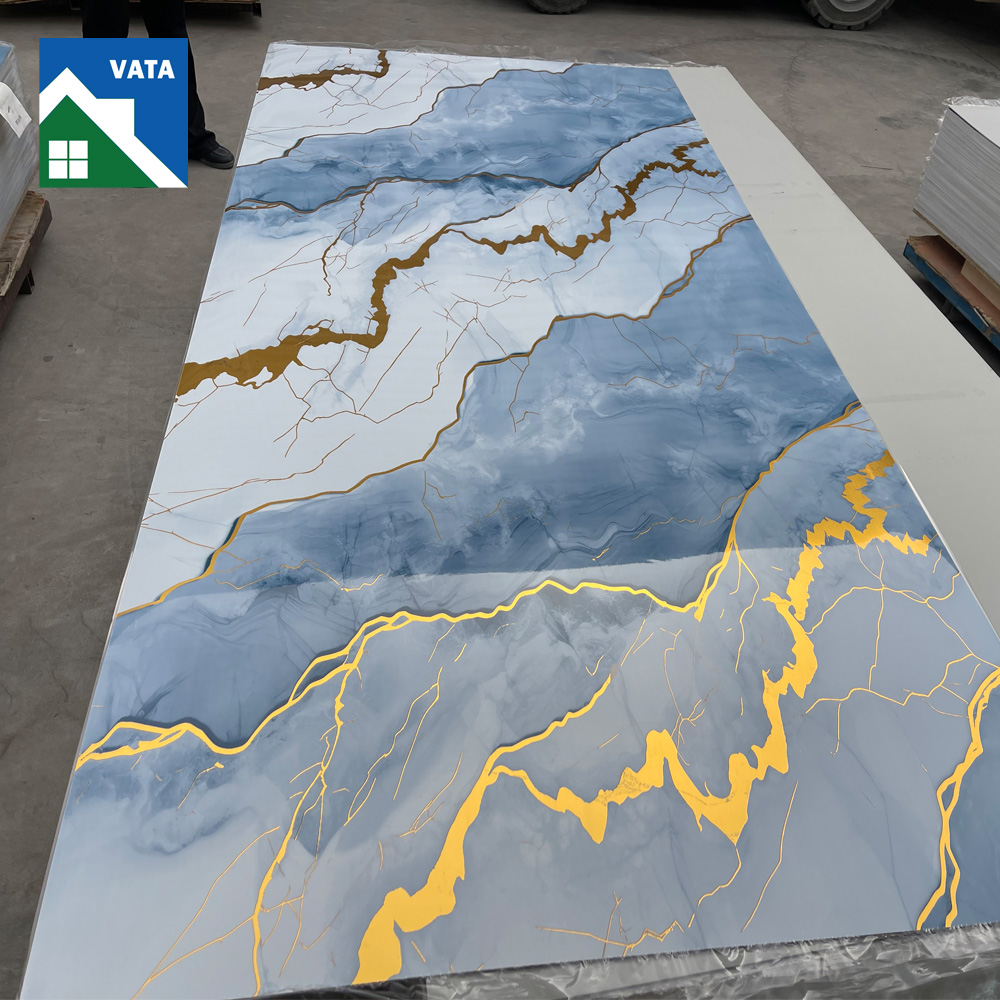
Customized Easy Installation High Glossy PVC Wall Panel Bendable DIY Indoor TV Wall Background Board Glossy UV Marble Sheets
A flexible decorative panel for feature walls, retail interiors and fast renovation projects where a glossy marble look is required without heavy stone.
- UV Marble
- Bendable
- DIY Install
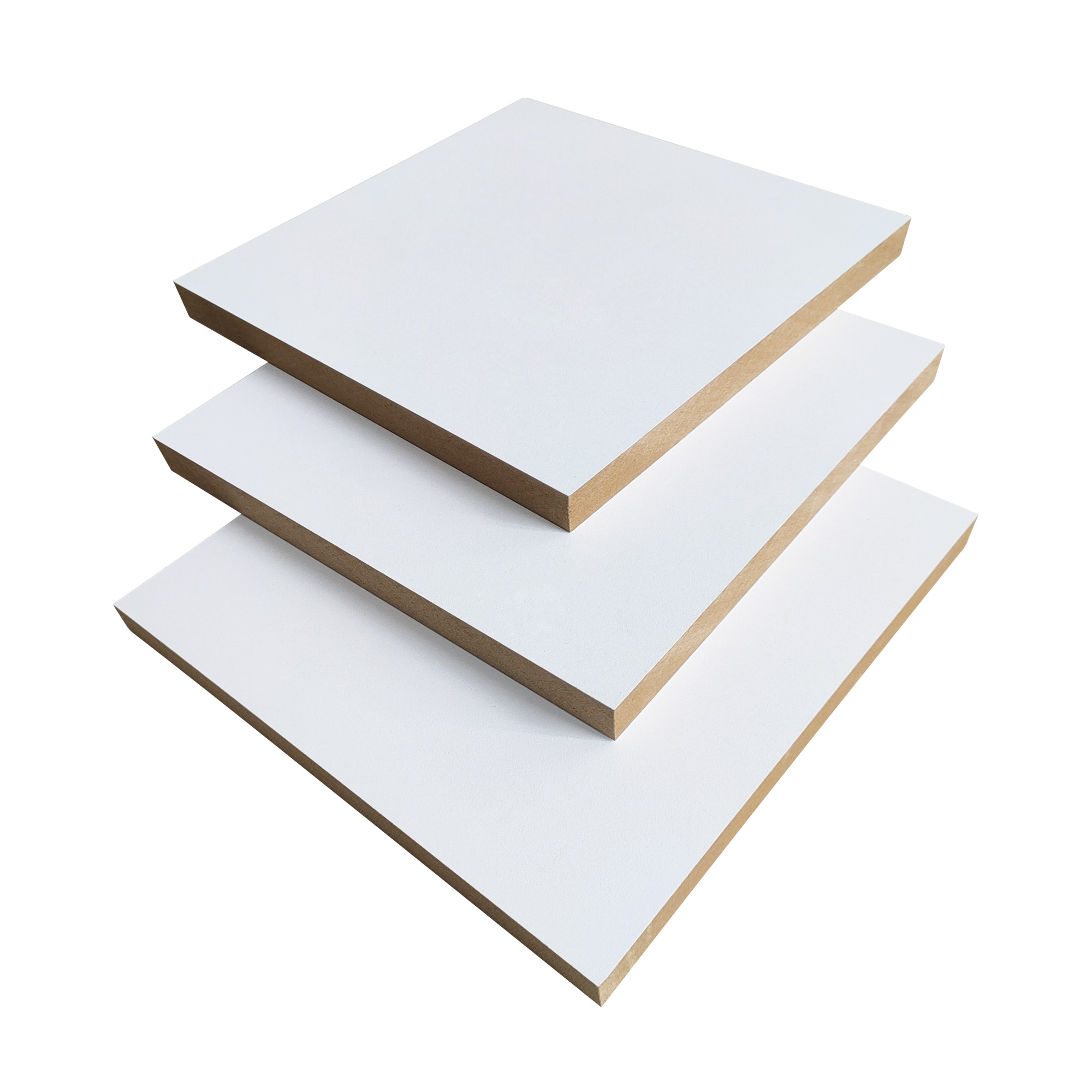
High Quality 4x8ft White Melamine MDF Board China Manufacturer E1 Formaldehyde for Kitchen Use-Sizes 3mm 6mm 9mm 12mm 16mm
A practical melamine-faced MDF for kitchen cabinets, wardrobe backs and interior furniture where clean white surfaces and stable supply matter.
- 4x8 ft
- E1 Grade
- 3–16 mm
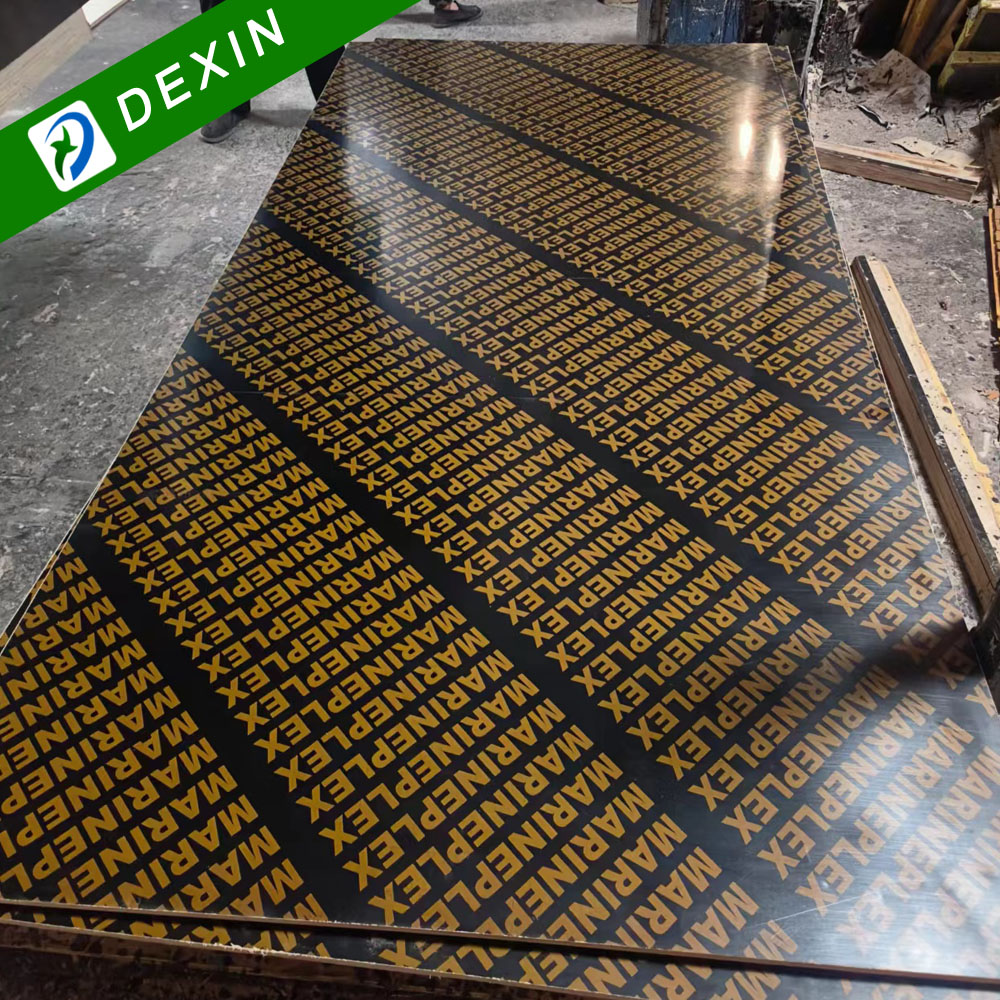
1220*2440* 15mm / 9mm / 12mm / 18mm Film Faced Plywood Marine Construction Formwork Board
A durable film-faced panel for concrete formwork, structural slabs and repeat-use construction applications requiring release and edge stability.
- 1220×2440
- 9–18 mm
- Formwork
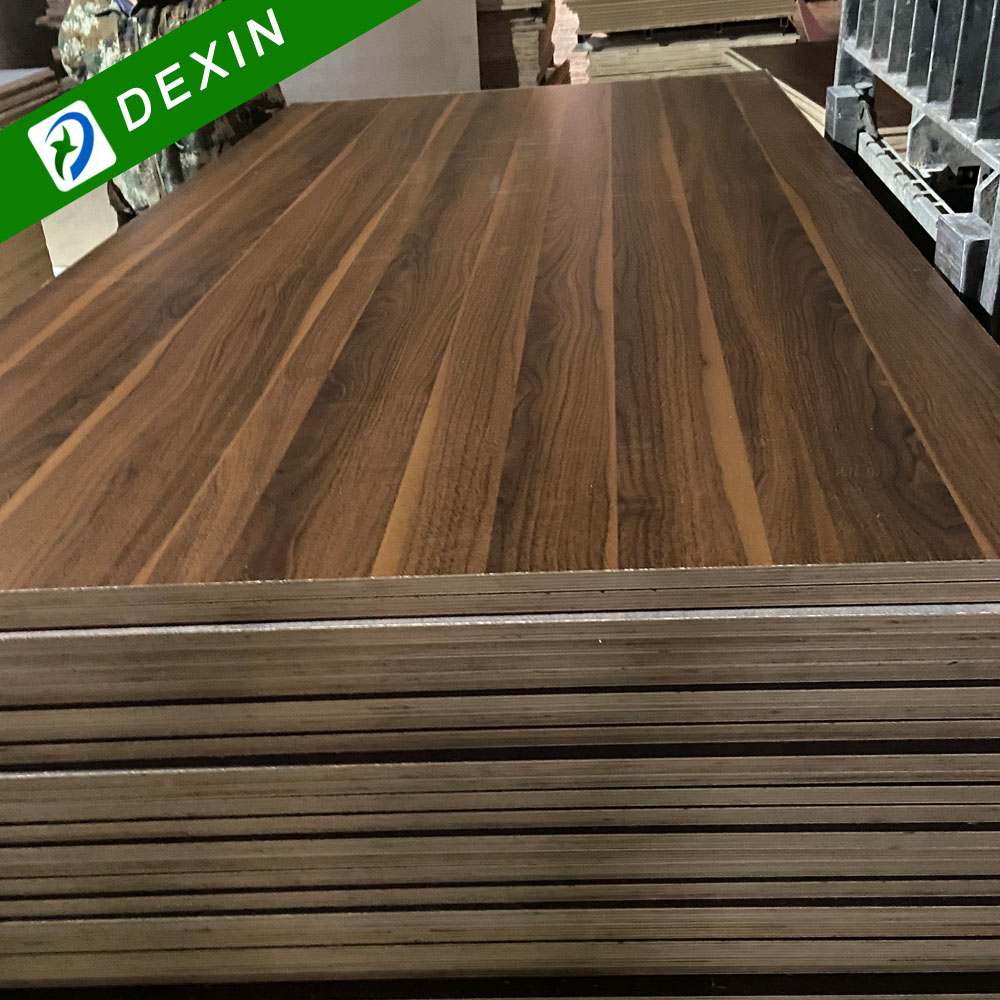
High Quality Waterproof 18mm Melamine Faced Plywood for Furniture
A melamine-faced plywood for furniture construction where moisture resistance, screw-holding strength and decorative surfaces are all important.
- 18 mm
- Waterproof
- Furniture
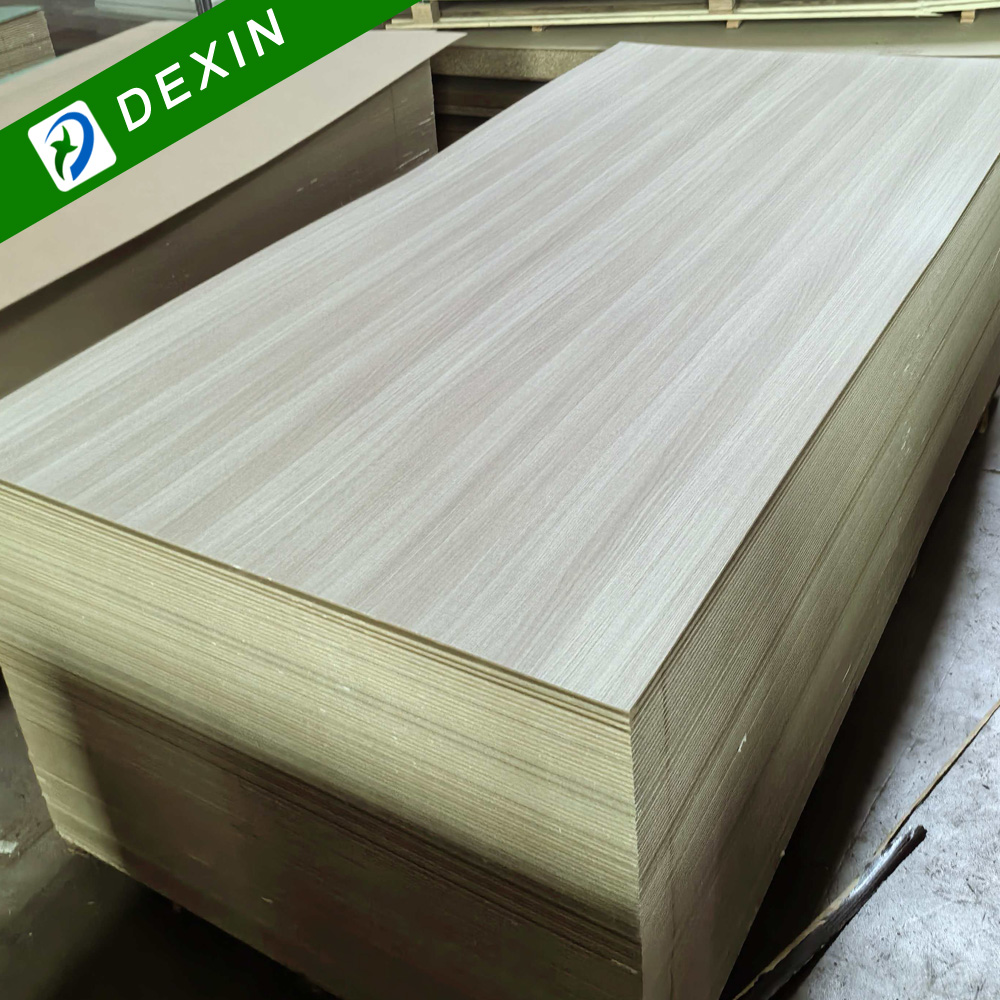
Moisture Resistant 4mm 15mm 17mm 18mm Melamine MDF Wood Panels 1220x2440mm White Textured MDF Melamine
A moisture-resistant melamine MDF range for bathrooms, kitchens and utility furniture in humid climates or wet-area applications.
- HMR MDF
- White Texture
- 1220×2440
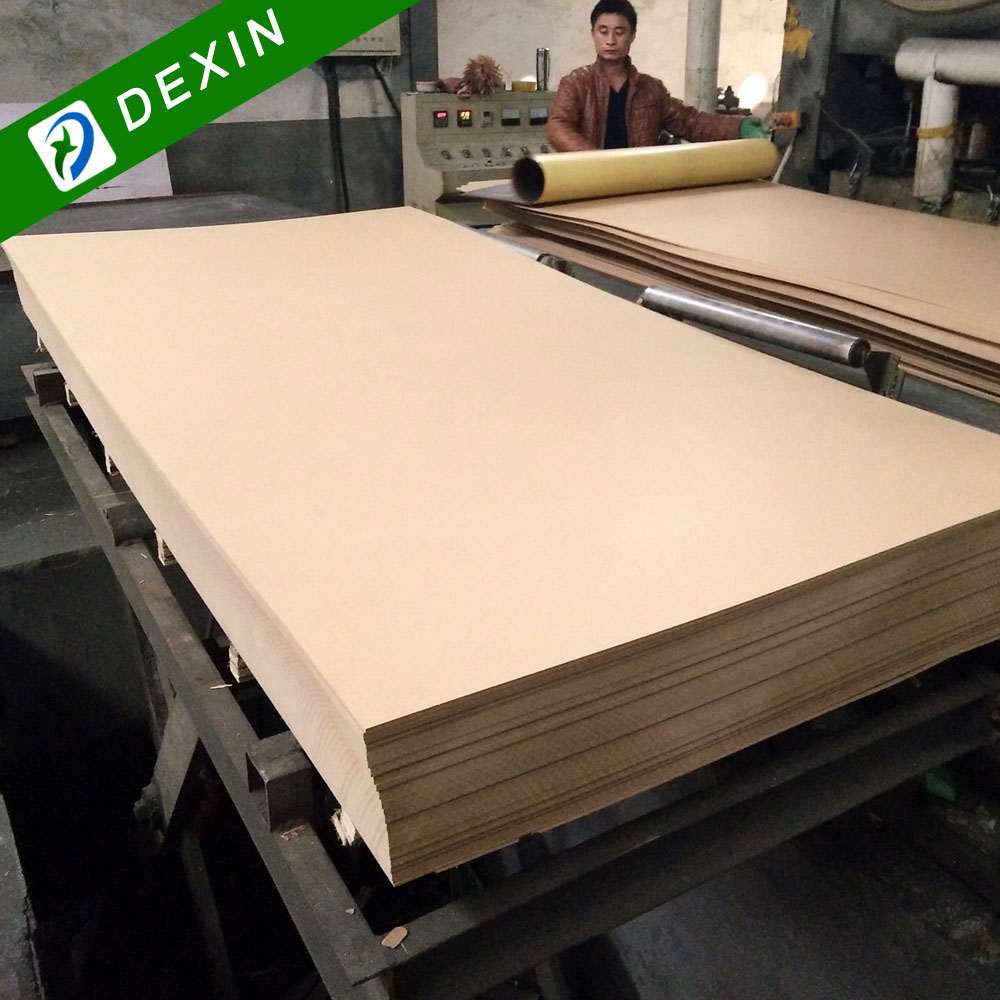
Factory Directly Sale Plain Mdf 12mm 15mm 18mm Raw HDF Board
Raw MDF/HDF for painting, CNC routing, lamination and general furniture production, with size and grade controlled at the factory level.
- Plain MDF
- 12–18 mm
- Factory Direct
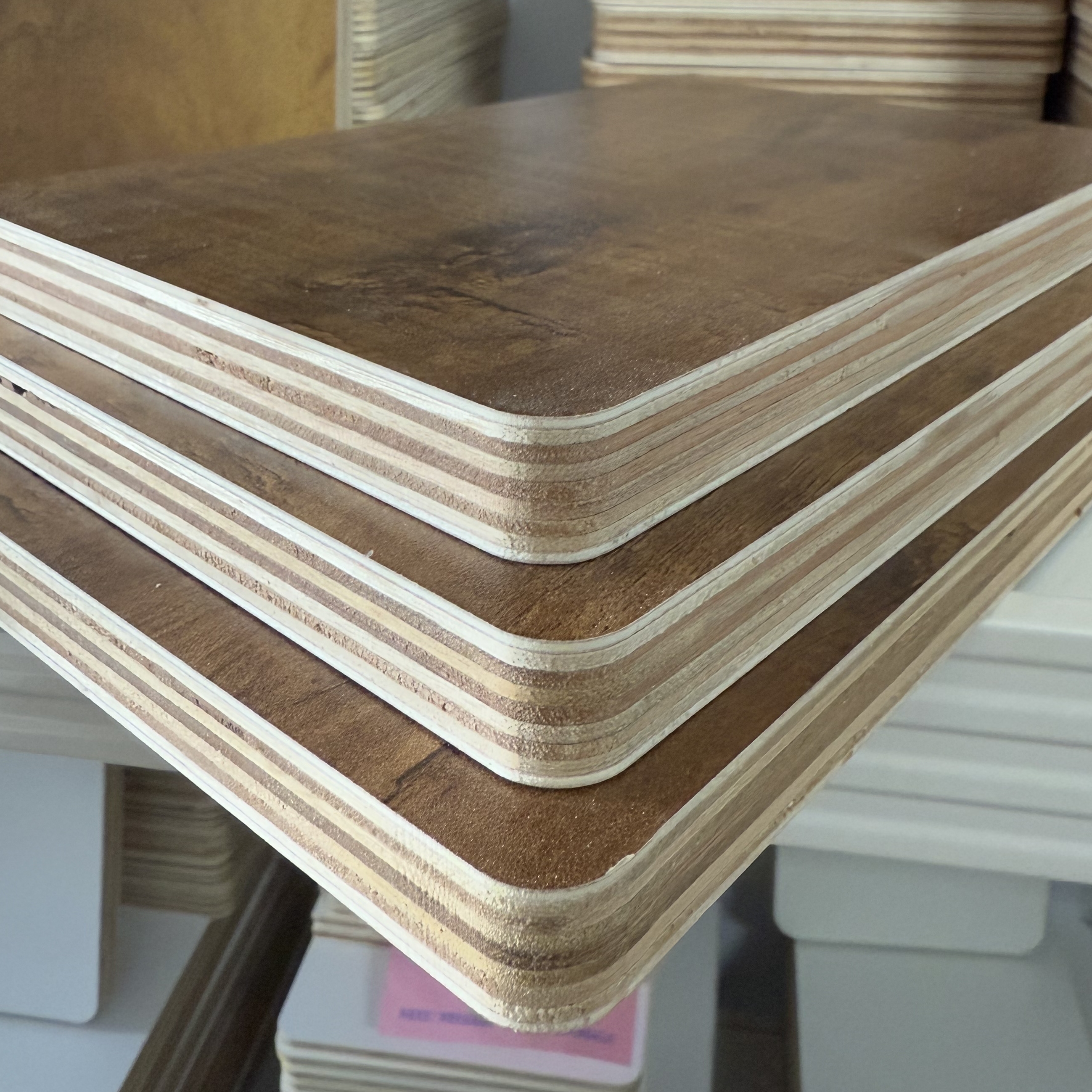
Waterproof White Wood Grain Marble Grain 4x8 18mm Ply Board Melamine Coated Marine Laminated Plywood Sheet for Furniture
A decorative marine plywood for furniture and fit-out projects that need a waterproof core together with wood-grain or marble-grain surfaces.
- 18 mm
- Marine Ply
- Wood/Marble
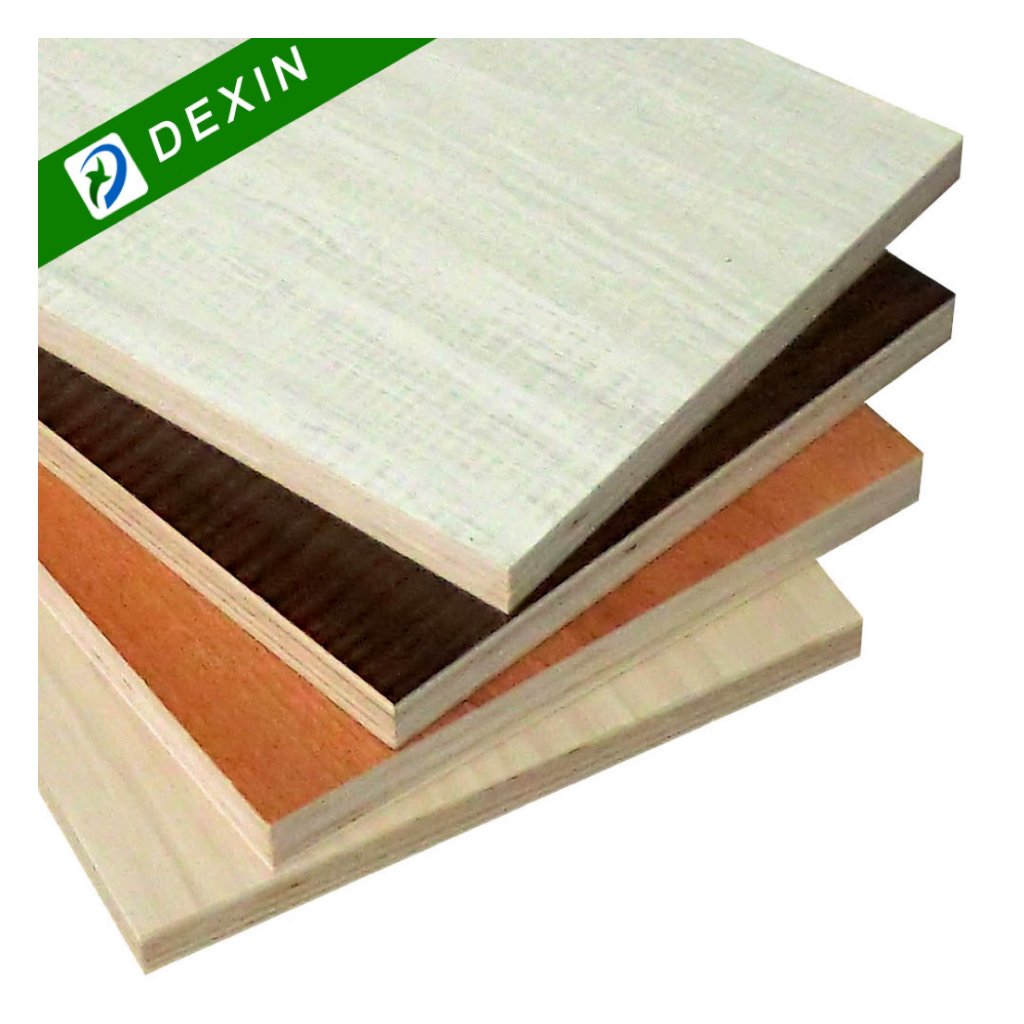
3mm 12mm 18mm E0 First-Class Melamine Contrachapado/Kontrplak 4x8 Paneles Laminas De Melamina Plywood for Furniture Cabinet Use
An E0-oriented melamine plywood option for cabinet makers and importers who need a cleaner indoor-air story alongside decorative surfaces.
- E0 Grade
- 3–18 mm
- Cabinets
Specifications shown are typical export ranges. Final density, thickness tolerance, emission grade, surface and packaging should be confirmed for each purchase order.
How to Benchmark a Top 10 MDF Factory & Exporter
Use a weighted scorecard. A true top-tier exporter should perform across all six areas, not lead on one and fail on another.
Density & Thickness Architecture
Ask for density range, thickness tolerance and profile consistency. Standard MDF and HDF are not interchangeable; routed doors and thin backs need different density bands.
Emission & Certification Evidence
Request current CE, ISO 9001, ISO 14001, FSC and CARB documents where applicable. The grade must match the destination market and the actual production batch.
Surface Engineering Capability
Compare melamine, UV, PET, high-gloss, super-matt and textured finishes. For cabinets, surface durability and edge appearance often matter more than raw board price.
Production Capacity & Scheduling
Check annual output, press capacity, lamination lines and peak-season lead times. A supplier that cannot protect your sailing date creates hidden inventory cost.
Traceability & Packaging
Batch labels, moisture protection, corner guards, steel strapping and container loading photos reduce transit damage and disputes after arrival.
Export Documentation & Communication
FOB, CFR, CIF and EXW terms, T/T and L/C payment, packing lists, inspection support and responsive pre-shipment communication are part of product quality.

Factory Advantages: Inside Linyi’s Wood-Based Panel Cluster
Linyi KUDE International Trading Co., Ltd. is the export platform of a manufacturing group founded in 1998 in Linyi, Shandong, one of China’s largest wood-based panel production clusters. Being inside the cluster supports shorter supply chains for veneer, fiber, resin, decorative paper and logistics, which helps stabilize both specification quality and delivery planning.
The group operates more than 30 sets of production machines across 30,000 m² of workshops, with over 300 workers and annual output of 60,000 m³. Its operating principle, survival by quality and development by prestige, is reflected in buyer-facing controls: material grading, glue and press parameters, sanding calibration, surface inspection and export packing checks.
- 20+ years production experience
- 15 years export experience
- On-site assessed by SGS
- CE, ISO 9001, ISO 14001
- FSC and CARB available
- OEM / ODM customization
- Mixed product containers
- Seaworthy export packing
From Wood Fiber to Loaded Container: Six Quality Gates
A credible MDF factory can explain where each control happens, who signs off and what evidence is retained for the buyer.
Material Selection
Wood fiber, veneer, glue and decorative paper are checked for moisture, contamination and grade before production begins.
Fiber & Resin Preparation
Resin dosage, wax and moisture content are controlled to support density, internal bond and moisture resistance targets.
Forming & Hot Pressing
Mat formation, press temperature, pressure and cycle time determine thickness consistency and board stability.
Calibration & Sanding
Thickness calibration and sanding create a flat, uniform surface suitable for melamine, UV, PET or paint systems.
Surface & Edge Inspection
Color, gloss, texture, bonding and edge quality are checked before panels are stacked or laminated further.
Packing & Container Loading
Moisture protection, corner guards, straps, pallet marks and loading photos protect the shipment and support claims prevention.
MDF Product Trends Buyers Should Prepare For
Future orders will combine compliance, decorative performance and fabrication efficiency in one specification.
Low-Emission & Low-Carbon MDF
E0/E1, CARB and FSC-related requirements will continue to influence supplier qualification, especially for furniture and interior projects.
Moisture-Resistant & Fire-Retardant Panels
HMR MDF, marine plywood and fire-retardant grades are expanding from wet areas into commercial fit-out and public projects.
High-Density HDF for CNC
Door skins, routed panels and thin applications require tighter density control and cleaner machining behavior than standard commodity MDF.
UV, PET & Synchronised Textures
High-gloss, super-matt, anti-scratch and synchronised wood-grain surfaces are becoming standard expectations in cabinet and wardrobe supply chains.
Where KUDE MDF and Panel Products Fit
Different regions prioritize different specifications. A factory with export experience should adjust recommendations to the destination market.
Middle East & Africa
Contractors and building-material distributors often require film faced plywood for formwork, plus durable decorative panels for hospitality and residential fit-out. Loading efficiency and moisture protection are critical.
Southeast Asia
Furniture factories and cabinet makers source melamine MDF, UV MDF and PET MDF for kitchens and wardrobes, with growing interest in E0/E1 board and consistent surface quality for export furniture programs.
Americas & Europe
Importers frequently require FSC chain of custody, CARB or E1 emission alignment, reliable packaging and complete export documentation for retail, distribution and commercial project channels.
MDF Factory & Exporter Questions Buyers Ask
These answers address common sourcing, specification and shipping questions for international panel buyers.
Which certifications do KUDE MDF, plywood and panel products have?
What is the minimum order quantity for MDF and panel products?
How should I specify MDF density, thickness and formaldehyde grade?
What is the difference between MDF and HDF?
Can you customize panel size, thickness, face, glue type and packaging?
Which payment methods and trade terms are accepted?
How do you reduce moisture damage during ocean shipping?
Where is KUDE located and how are goods shipped?
Planning a Container of MDF, HDF or Decorative Panels?
Send your density target, thickness, emission grade, surface, quantity and destination port. The export team can respond with a technical proposal, recommended specification and loading plan.