8 Product Paths That Support a Reliable Phenolic Plywood Supply Chain
Factory-direct purchasing works best when the product portfolio is as disciplined as the quality system behind it. These eight product paths are drawn from KUDE’s Linyi supply base and are often combined with phenolic film-faced plywood orders to improve container utilisation, simplify supplier management and keep fabricators supplied under one documentation set. Images are shown in full without cropping.
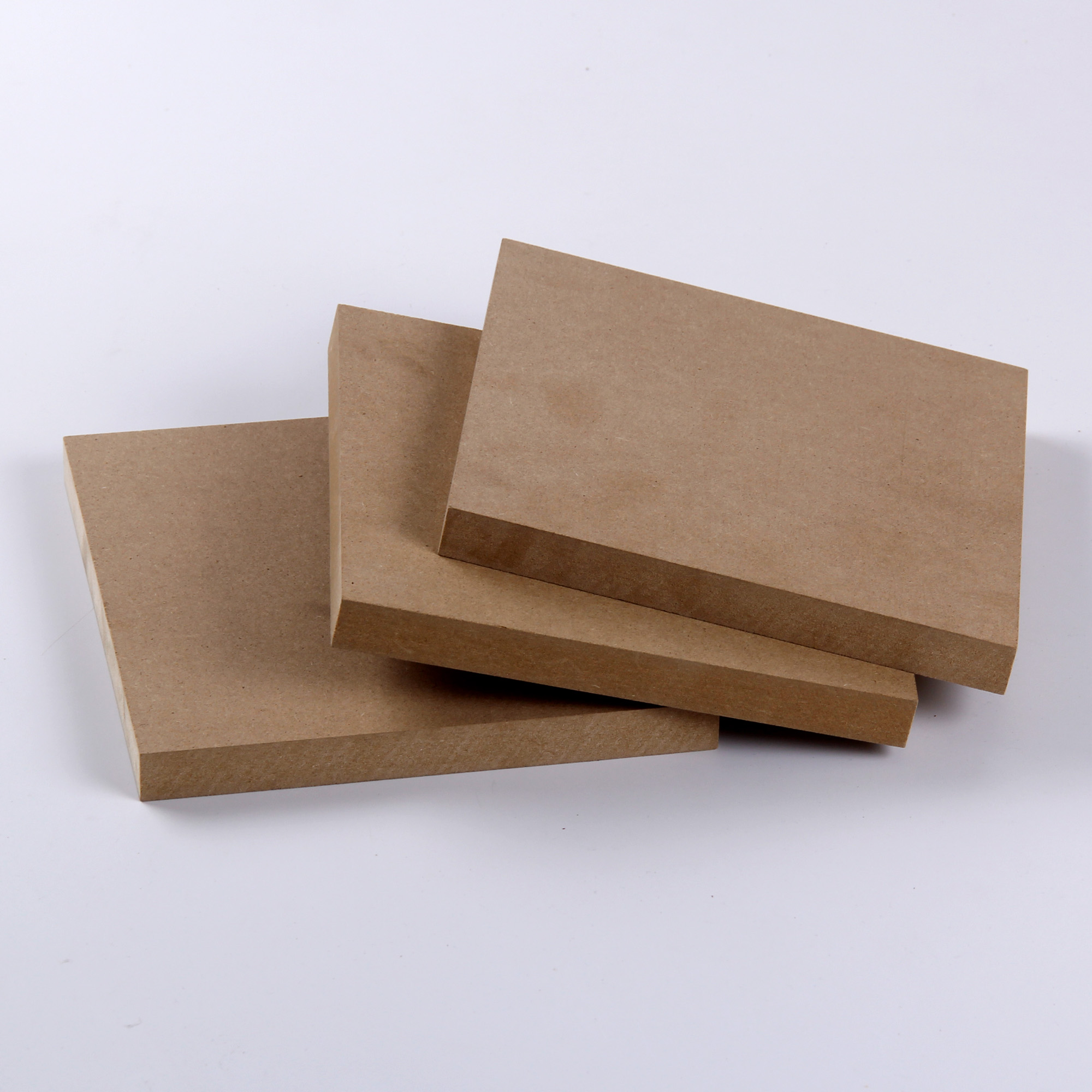
Factory Standard Size with Thickness of 5mm, 6mm, 8mm, 9mm, 18mm Raw MDF/HDF Board
A stable substrate for furniture, fit-out and later lamination. Useful when buyers consolidate mixed panel loads into one container programme.
View product details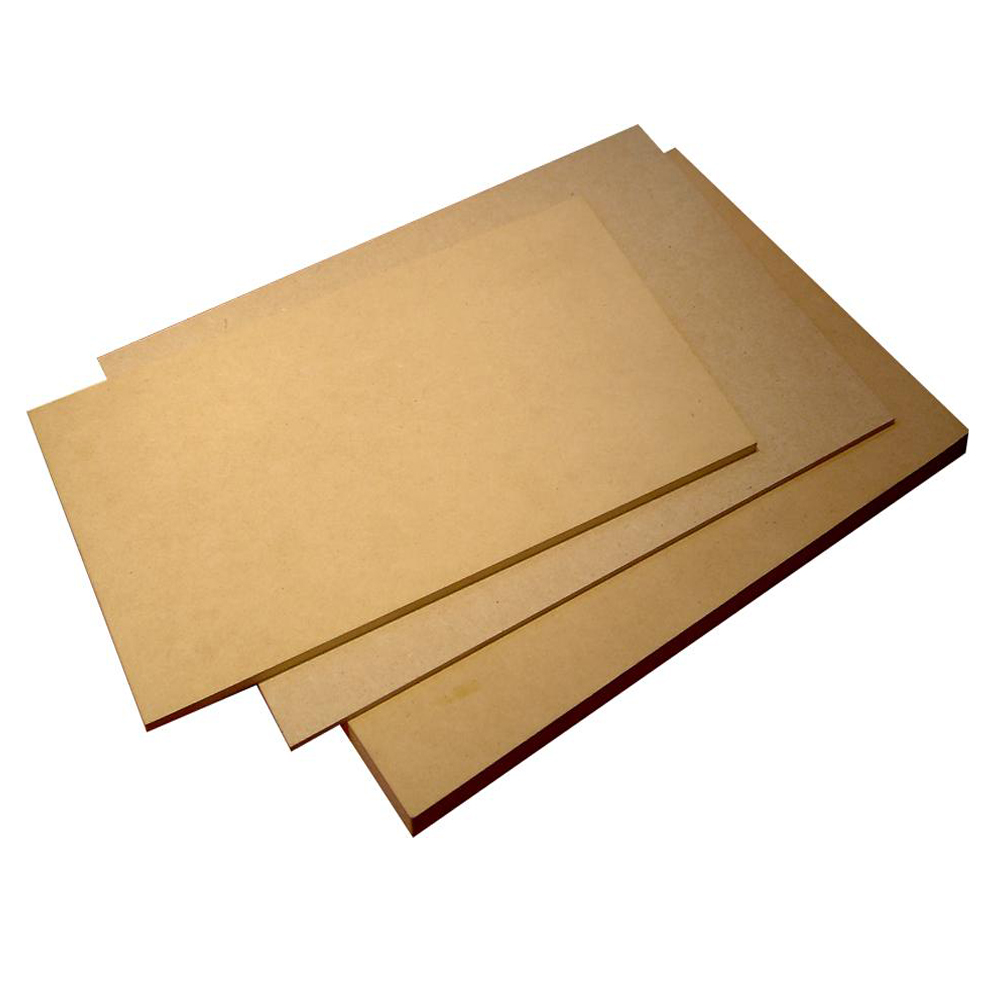
E0 E1 or E2 Glue Raw Thailand MDF Board with Cheap Price on Sale
Thailand-origin raw MDF with explicit E0, E1 or E2 glue options. Confirm the final emission grade and test report before order release.
View product details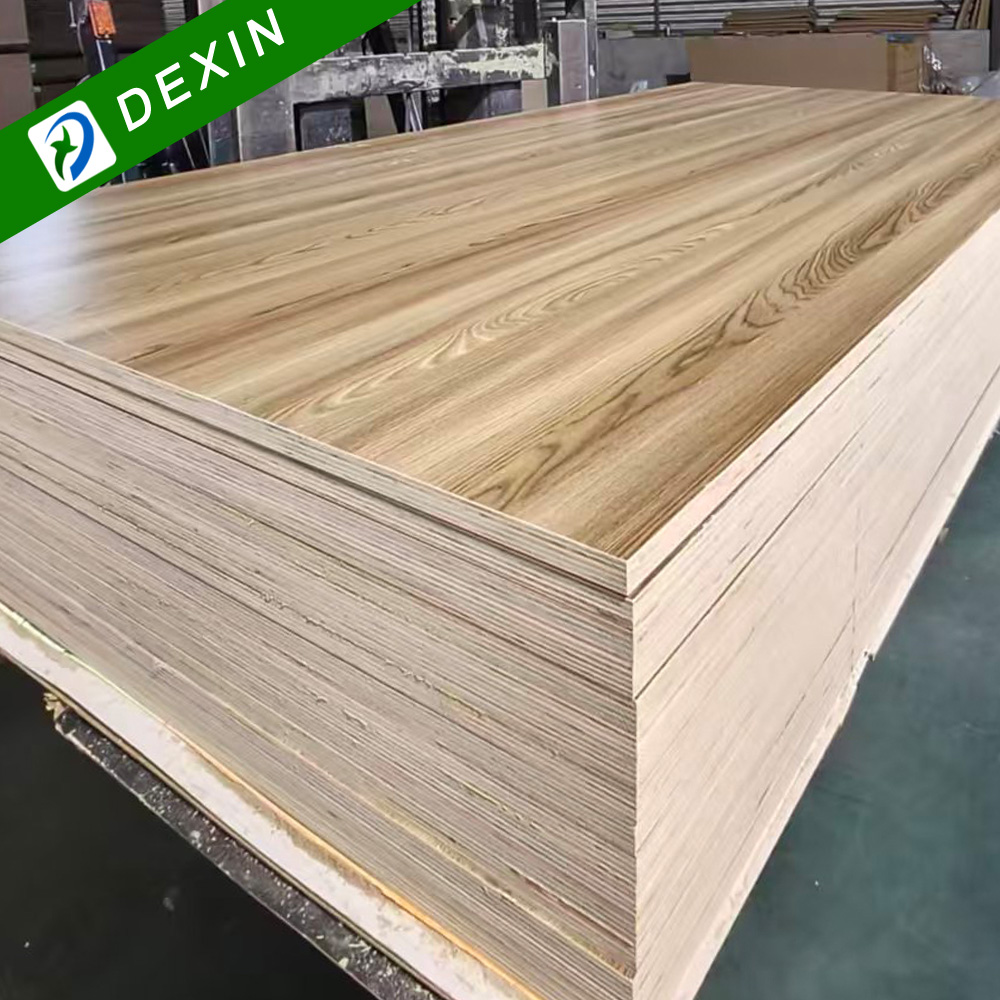
18mm Marine Laminated Contreplaque One or Double Side Colorful Melamine Faced Board Plywood for Furniture Decoration
Single- or double-sided melamine on a marine plywood base for furniture, cabinetry and decorative wet-area fit-out.
View product details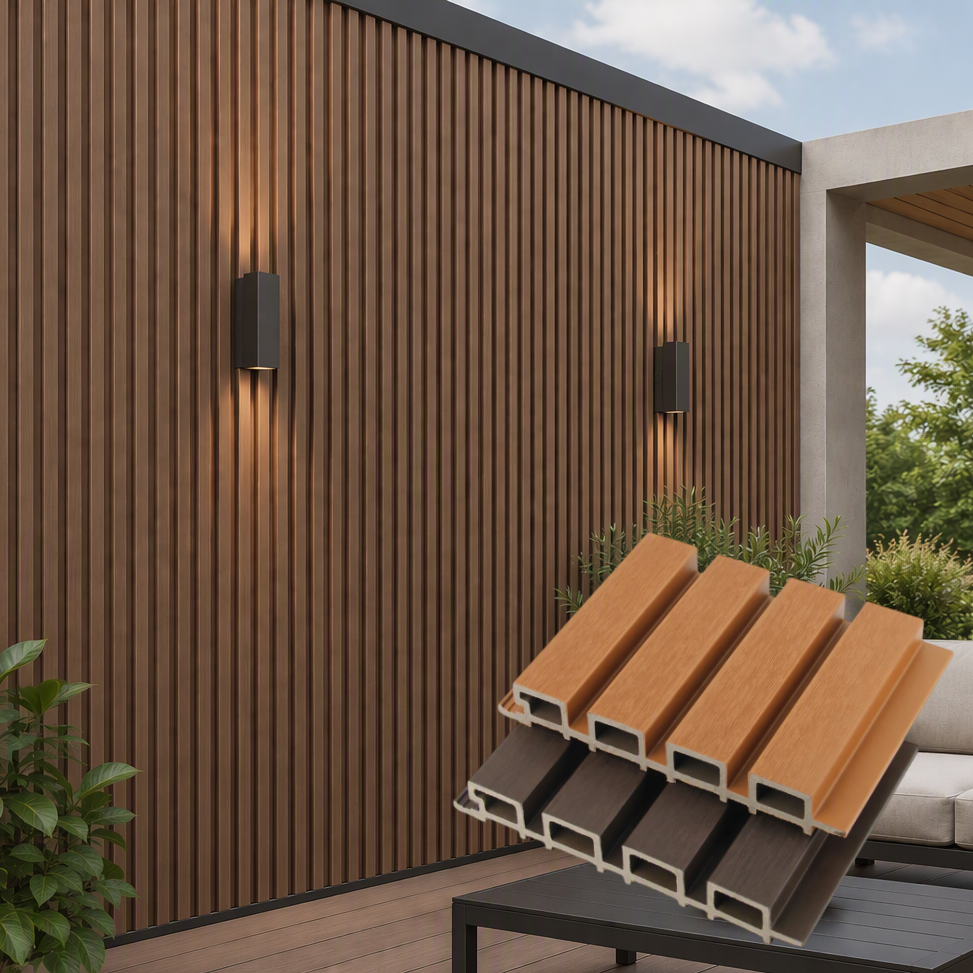
New Style Outdoor WPC Wall Cladding Panels Waterproof Villa Textured Co-Extruded Fluted Facade
Co-extruded WPC fluted facade panels for villas and commercial exteriors. Confirm profile, fixing plan and colour batch before shipment.
View product details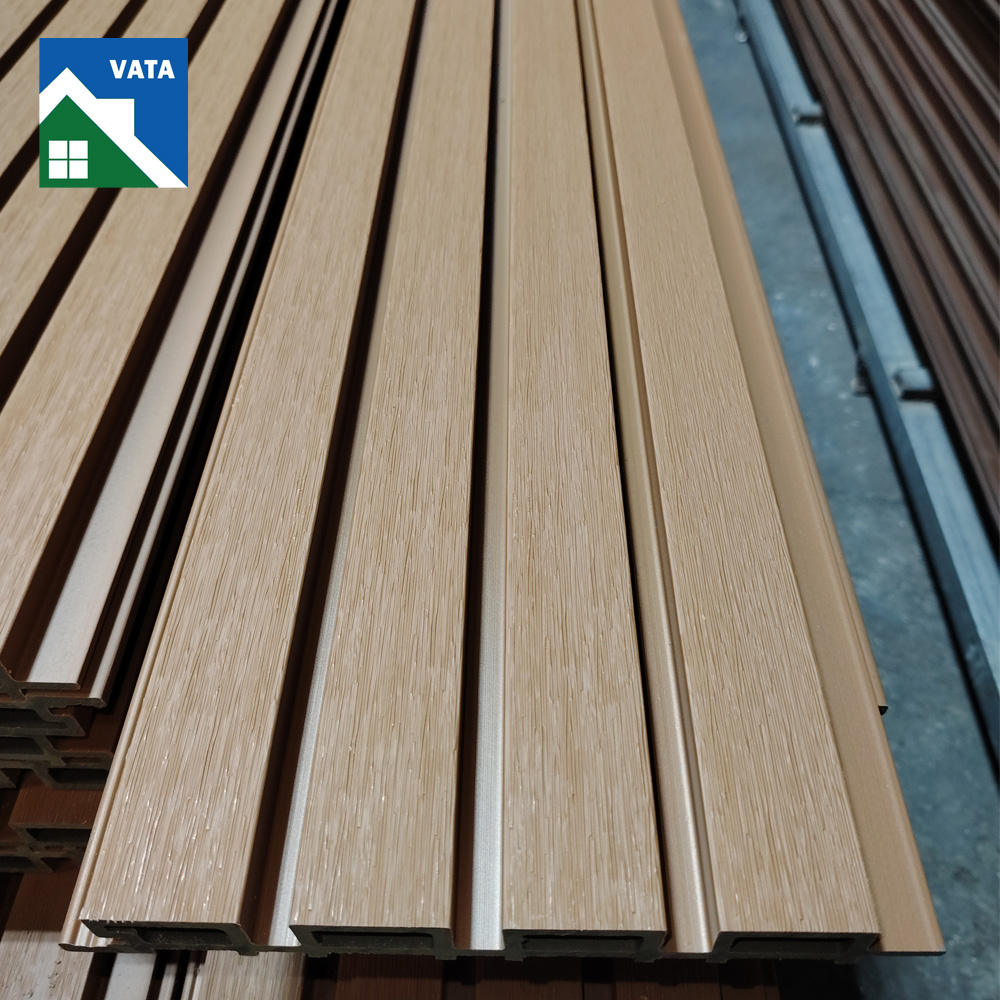
Decorative Outdoor Wood Plastic Composite Partition WPC Fluted Wall Panel Board External Siding Cladding Exterior Wall Cladding
A timber-look exterior cladding option with lower maintenance than natural wood. Specify profile, length, accessory kit and packing method together.
View product details
Good Price 1200x2400x18mm Melamine Coated Plywood Custom Thickness Marine Board for Furniture
A mainstream 1200×2400×18 mm furniture specification. Verify core, melamine face quality, edge treatment and formaldehyde class.
View product details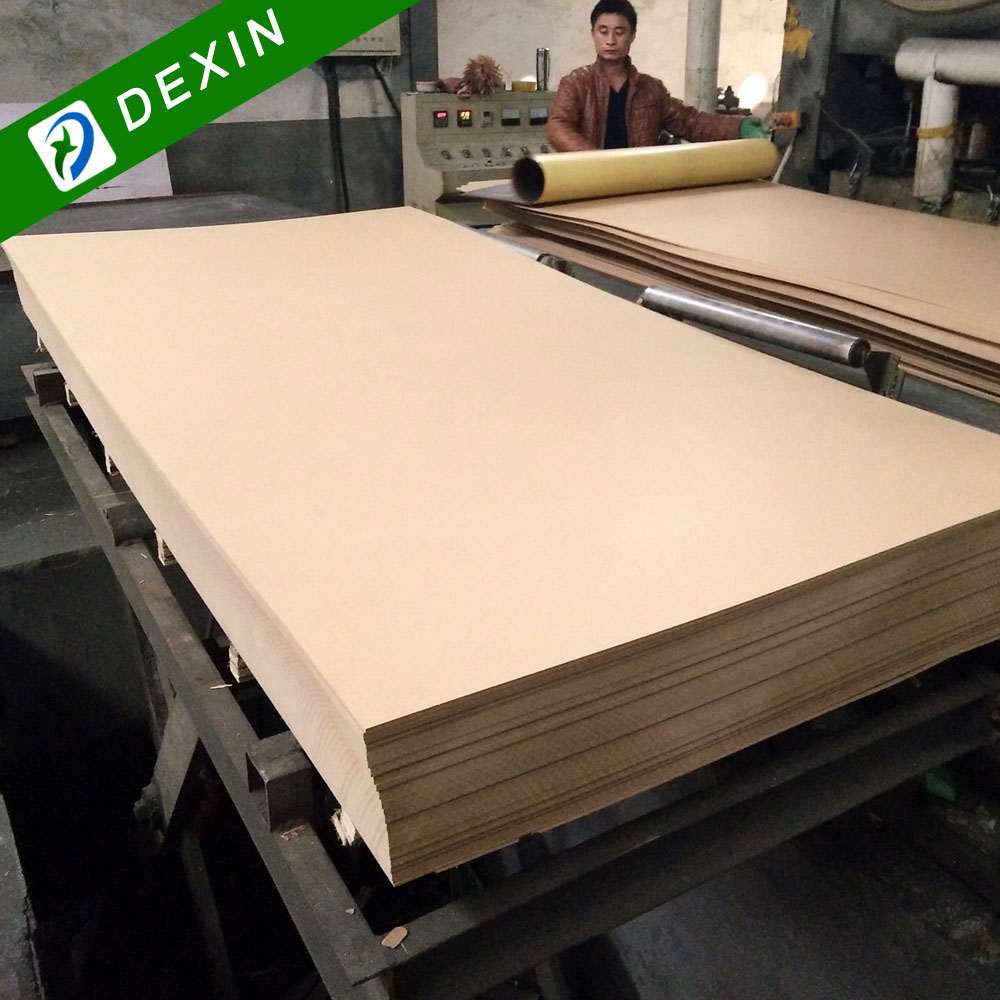
Factory Directly Sale Plain Mdf 12mm 15mm 18mm Raw HDF Board
For cabinetry, shop fitting, painted furniture and CNC routing. Specify sanding grade, density and moisture resistance instead of ordering “MDF” generically.
View product details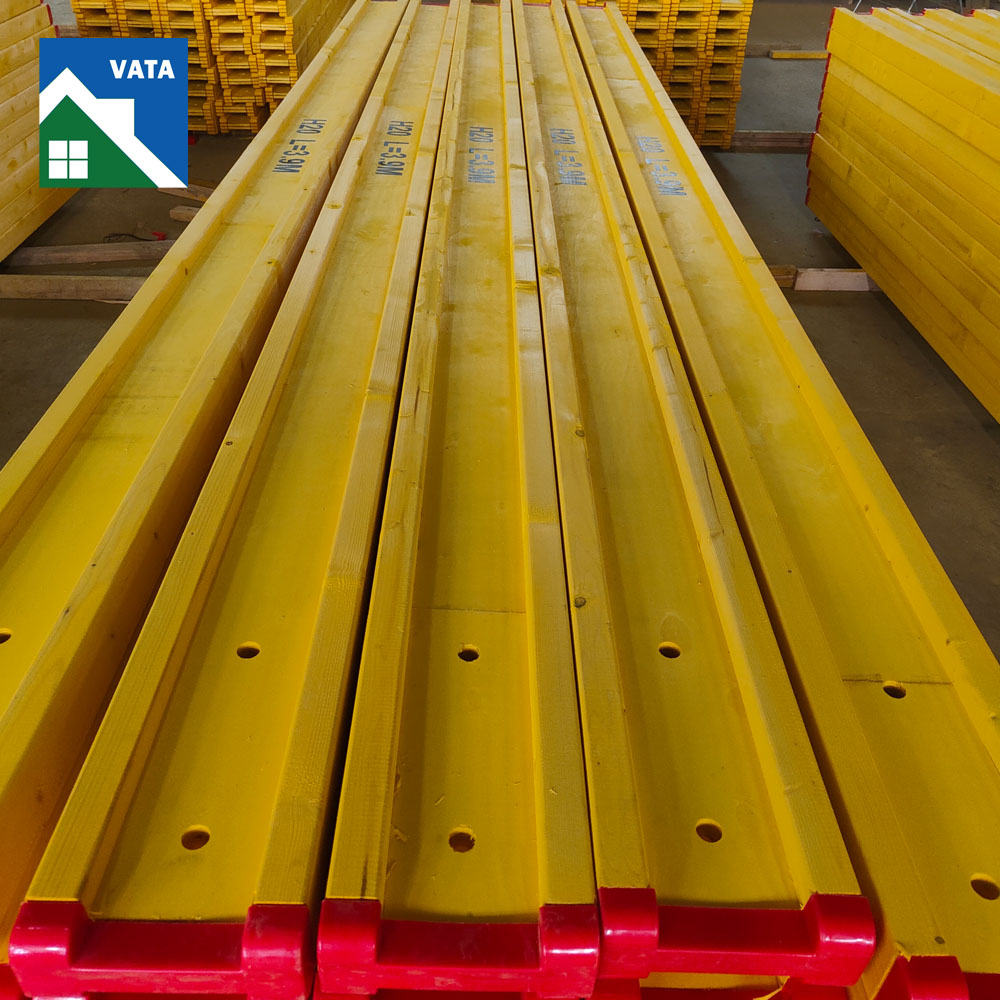
Manufacturer Reusable Yellow Painted H20 Wooden Formwork Beam with Plastic End Caps for Construction Building Projects
A repeatable slab and beam formwork component. Pairs naturally with phenolic film-faced plywood in projects where cycle life matters.
View product detailsPhenolic Plywood Is a High-Risk Purchase Disguised as a Commodity
Two phenolic plywood panels can share the same dimensions and still behave very differently after ten pours. The difference lies in veneer grade, glue spread, press cycle, film weight, edge sealing and the honesty of the specification. The most useful interpretation of “Top 10 Phenolic Plywood Factories & Factory” is therefore not a paid directory ranking, but a 10-point factory screen: the winner is not the lowest quoted price per sheet, but the supplier that can repeat the same panel, document it, and ship it on time.
For importers, distributors and contractors, phenolic plywood — commonly traded as film-faced plywood, WBP plywood or brown film plywood — is used in concrete formwork, transport flooring and moisture-exposed structural applications. A failed panel does not merely lose its own value. It can stop a pour cycle, damage a finished surface, create rework, delay a container and trigger a claim. That is why professional buyers evaluate a factory through process evidence: raw veneer grading, resin control, hot-press records, thickness inspection, edge protection and packing photos.
KUDE, based in Linyi, Shandong, has operated within China’s largest wood-based panel cluster since 1998. The manufacturing group runs 30,000 m² of workshops, more than 30 machine sets, over 300 workers and 60,000 m³ of annual panel output. Its products reach 30+ countries, with CE, ISO 9001, ISO 14001, FSC, CARB and an SGS on-site assessment in its capability set. For buyers, the practical advantage is proximity to veneer, glue, press capacity and a mature export loading base — the building blocks of repeatable supply.
What “Phenolic” Must Mean in a Purchase Order
Phenolic plywood is not simply “waterproof plywood”. In a technical quotation, the term should trigger four specification questions before price is discussed.
Film weight and surface
Brown or black phenolic film, with film weight, texture and gloss stated. Heavy construction cycles need a tougher surface; decorative or single-use applications may allow a lighter film.
WBP phenolic glue line
Ask for the resin system, glue spread and bond-test evidence. “Waterproof” and “boiling water resistant” are used loosely in trade; the order should name the glue class and test method.
Core as a structural material
Veneer species, grade, patch limits, density and thickness tolerance control stiffness, screw holding and reuse. A beautiful film cannot compensate for a weak or inconsistent core.
Edge sealing and repair
Sealed edges, corner protection and correct stacking reduce water ingress. In formwork, edge failure often appears before face failure, so the unloading and repair plan belongs in the quotation.
The 10-Point Factory Screen Behind a Reliable Top 10 List
Use this as a buyer-side scorecard. It is deliberately not a paid ranking. A factory earns a place on your shortlist only when it can answer all ten points with evidence.
Declare the glue
Ask for WBP phenolic glue and bond-test evidence. The purchase order should name the resin system, not merely promise “waterproof” performance.
Match film to the pour
Film weight, texture and colour affect release and abrasion. Heavy construction cycles need a tougher surface than a single-use fit-out panel.
Audit the core
Veneer species, grade, patch rate and density determine durability. Request the core specification in writing, including permitted repairs.
Measure tolerance
Thickness tolerance, diagonal squareness and flatness influence joint quality and formwork alignment. Ask how batches are measured and recorded.
Demand reuse evidence
A reuse claim should be supported by bond tests and field feedback. Request the intended cycle range, cleaning method and edge-repair procedure.
Verify certificate scope
CE, ISO 9001, ISO 14001, FSC and CARB are valuable only when the scope covers the product and factory. Check entity, product family and expiry date.
Inspect the factory
Use an on-site or live video audit to see veneer storage, glue mixing, press loading, sanding and packing. Samples can be hand-selected; processes cannot.
Review export packing
Seaworthy pallets, steel straps, corner protectors, desiccant where needed, and loading photos reduce transit damage and claim risk.
Test customisation
Size, thickness, core, face, glue, logo and packaging should be customisable in a controlled way. Customisation is useful only when it remains repeatable.
Check commercial fit
MOQ of roughly 50–500 sheets varies by line; mixed containers should be planned. T/T and L/C in USD, EUR or CNY, plus FOB, CFR, CIF and EXW terms, should be clear before deposit.
Choose the Panel by Failure Risk, Not by Product Name Alone
The right product is the one that removes the highest risk in your project. These four configurations are practical starting points for a quotation.
Concrete formwork
Use 18–21 mm WBP phenolic film-faced plywood with sealed edges, suitable film and a high-cycle core. Prioritise reuse, release and flatness over the lowest FOB price.
Explore film faced plywoodFurniture and cabinetry
Use 18 mm melamine-coated marine plywood or MDF with E0/E1 grade matched to humidity. Double-sided melamine improves balance and reduces finishing work.
Explore melamine plywoodExterior wall design
Use co-extruded WPC fluted cladding for villas and commercial facades. Confirm UV exposure, fixing details, thermal movement and colour batch consistency.
View WPC claddingConstruction systems
H20 beams with phenolic plywood face panels create a repeatable slab system. Plastic end caps and consistent beam dimensions help protect cycle life.
View H20 formwork beamHow Phenolic Plywood Buying Will Change
Price discovery is becoming faster. What remains difficult is proof of consistency. These procurement shifts are already visible in serious importer conversations.
Evidence-led supplier selection
Brochures are losing value. Live video audits, batch photos, loading reports and certificate scope checks are becoming standard tools in importer buying decisions.
Total cost per pour
Buyers are shifting from price per sheet to cost per reuse cycle, including labour, release agent, edge repair, cleaning time and disposal.
Compliance before quotation
EU, North American and Middle East buyers increasingly pre-screen formaldehyde class, CE documentation, FSC claims and CARB requirements before negotiation begins.
Mixed-container sourcing
One container may combine phenolic plywood, MDF, melamine boards, WPC panels and H20 beams to improve cash efficiency and reduce the number of active suppliers.
Traceable batch data
QR codes, batch numbers, inspection photos and test reports are moving from premium projects to routine procurement, especially for repeat project buyers.
Supplier consolidation
Distributors prefer fewer, more capable factories that can cover structural, decorative and cabinetry panels under one quality system and one shipment plan.
Where Phenolic Plywood and Adjacent Panels Are Heading
Panel development is moving in two directions at once: tougher surfaces for reuse-driven construction, and cleaner, more decorative surfaces for interior specification.
Higher-retention films
Improved film formulations aim to resist abrasion, alkali attack and release-agent build-up. The commercial benefit appears in cycle count, not in the datasheet alone.
Densified and sealed surfaces
Edge sealing, densified faces and better coating control reduce water uptake. For formwork buyers, these features are often more valuable than a small price reduction.
Lower-emission resin systems
E0, E1 and CARB-aligned specifications continue to expand from furniture boards into construction panel purchasing, especially where indoor air quality is audited.
Engineered cores
More consistent density, lighter panel options and controlled veneer repair help reduce weight variation and improve screw holding in repeat furniture and formwork production.
System accessories
Edge sealants, plastic end caps, H20 beams and reusable formwork components are being specified together, because system compatibility affects cycle life more than one panel alone.
Decorative integration
Melamine, UV/PET MDF and WPC panels increasingly sit in the same procurement plan as phenolic plywood, allowing distributors to serve both structure and finish from one supplier.
A More Useful Way to Compare Total Cost of Ownership
Price alone is a weak signal. In a project review, weight the decision across the full ownership picture. The percentages below are a discussion framework, not a market statistic.
Why KUDE Fits a Serious Phenolic Plywood Shortlist
KUDE’s strength is not a single product page. It is a manufacturing and export platform that can support repeat orders, mixed specifications and destination-market documentation.
Production base in Linyi
The manufacturing group was founded in 1998 and operates 30,000 m² of workshops with 30+ machine sets, 300+ workers and 60,000 m³ annual output.
Quality credentials
CE, ISO 9001, ISO 14001, FSC and CARB are supported in the capability set, alongside an SGS on-site assessment. E0, E1 and E2 grades are available by product.
Customisation capability
Sample-based, design-based and full customisation can cover size, thickness, core species, face veneer or decor, glue type, logo printing and export packaging.
Export execution
T/T and L/C in USD, EUR or CNY; FOB, CFR, CIF and EXW terms; seaworthy export packing and loading records from the Linyi base through northern China seaports.
Buyers often use KUDE as a single source for film-faced plywood, commercial plywood, melamine plywood, fancy plywood, MDF, HDF, WPC wall panels and H20 formwork beams. That breadth is useful only when it is backed by process control. The group’s stated principle — survival by quality, development by prestige — is a practical reminder that a low quotation without repeatable production is not a saving; it is a transferred risk.
For a first order, the strongest approach is to request a specification review before a price. Send the panel type, size, thickness, core, face, glue, emission grade, quantity and destination port. A supplier that asks the right technical questions before quoting is usually a better long-term partner than one that sends a number immediately.
From Raw Veneer to Loaded Container
A factory visit should follow the material, not the showroom. These six checkpoints show where phenolic plywood quality is created or lost.
Material selection
Veneer grading, moisture checks and core species verification before gluing. Inconsistent veneer creates inconsistent panel performance.
Glue and resin control
Resin type, mix ratio, glue spread and batch records. For phenolic plywood, WBP glue must be a controlled process, not a label.
Hot pressing
Temperature, pressure and press time determine bond integrity. Records should be traceable to the production batch.
Calibration and surfacing
Calibrated sanding, film overlay, melamine lamination or veneer face. Surface quality and thickness consistency are checked here.
Inspection
Thickness, flatness, bonding, surface defects, edge condition and packing preparation. Photos should be available before loading.
Packing and loading
Export pallets, steel straps, corner protection, container plan and loading photos. Good packing protects the margin you negotiated.
Common Questions Before Ordering Phenolic Plywood
These answers combine the factory’s published capability information with practical sourcing checks for importers and project buyers.
Which certifications do KUDE plywood and MDF products have?
What is the minimum order quantity?
Which payment methods and trade terms are accepted?
Can you customize panel size, thickness, face and packaging?
Where is KUDE located and how are goods shipped?
How can I verify phenolic plywood before shipment?
Why is the lowest FOB price often not the lowest project cost?
Can different products be mixed in one container?
Send Your Phenolic Plywood Specification for Review
Share the panel type, size, thickness, core, film, glue, emission grade, quantity, packing requirement and destination port. The KUDE export team can then respond with a technical proposal, suitable product options and a practical loading plan.