8 Production-Line Products Raw Particle Board Buyers Often Combine
Raw particle board is rarely sourced in isolation. Importers and furniture factories usually consolidate chipboard, raw MDF, melamine boards and construction panels into the same container. The eight products below come from the same manufacturing and export ecosystem, so buyers can reduce supplier count, simplify documentation and improve landed-cost control.
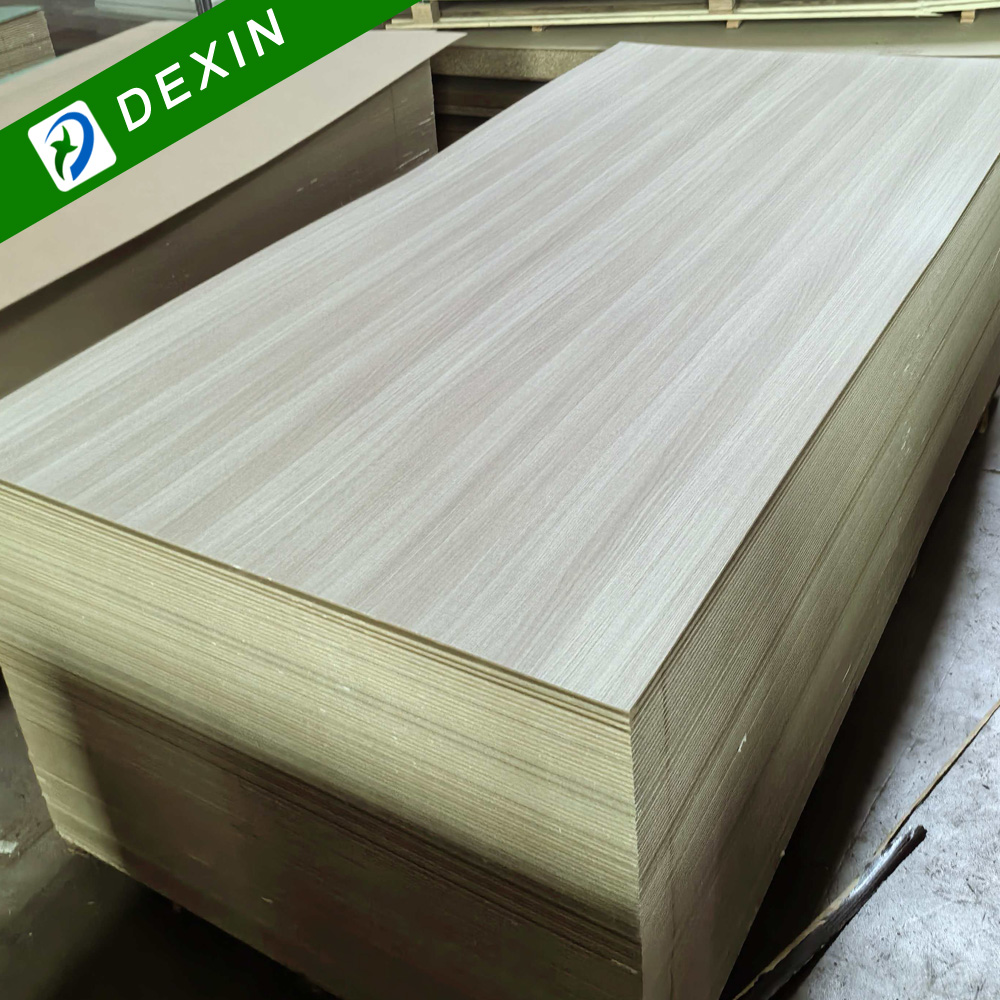
Moisture Resistant 4mm 15mm 17mm 18mm Melamine MDF Wood Panels 1220x2440mm White Textured MDF Melamine
White textured melamine MDF for kitchen units, bathroom furniture and retail fixtures where surface consistency matters.
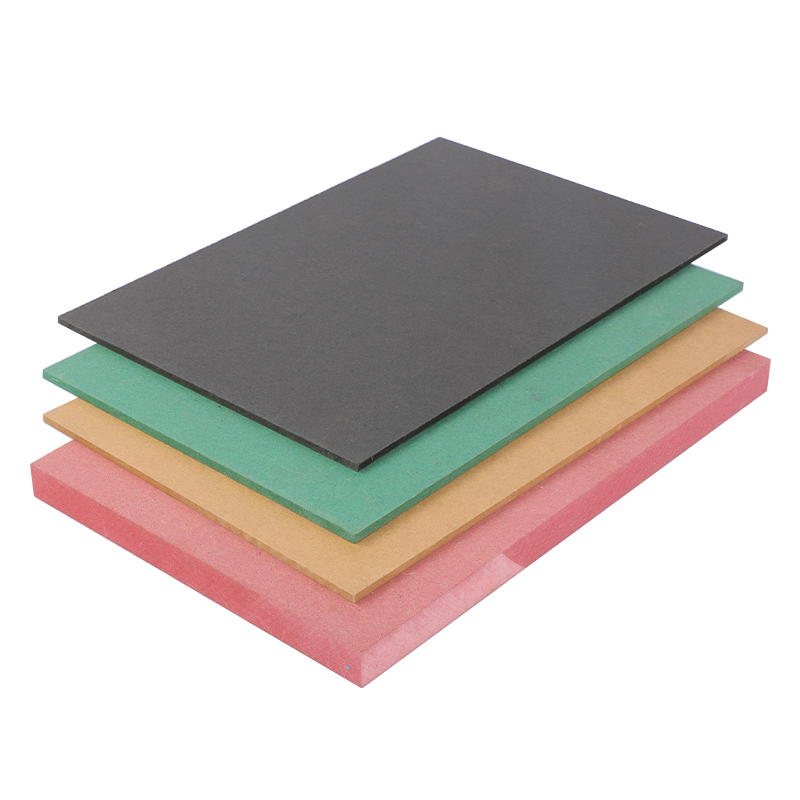
High Quality 3mm~18mm Raw/Plain MDF Sheet with Best Price
Sanded raw MDF for laminating, painting, CNC routing and edge-banded furniture components with stable density.
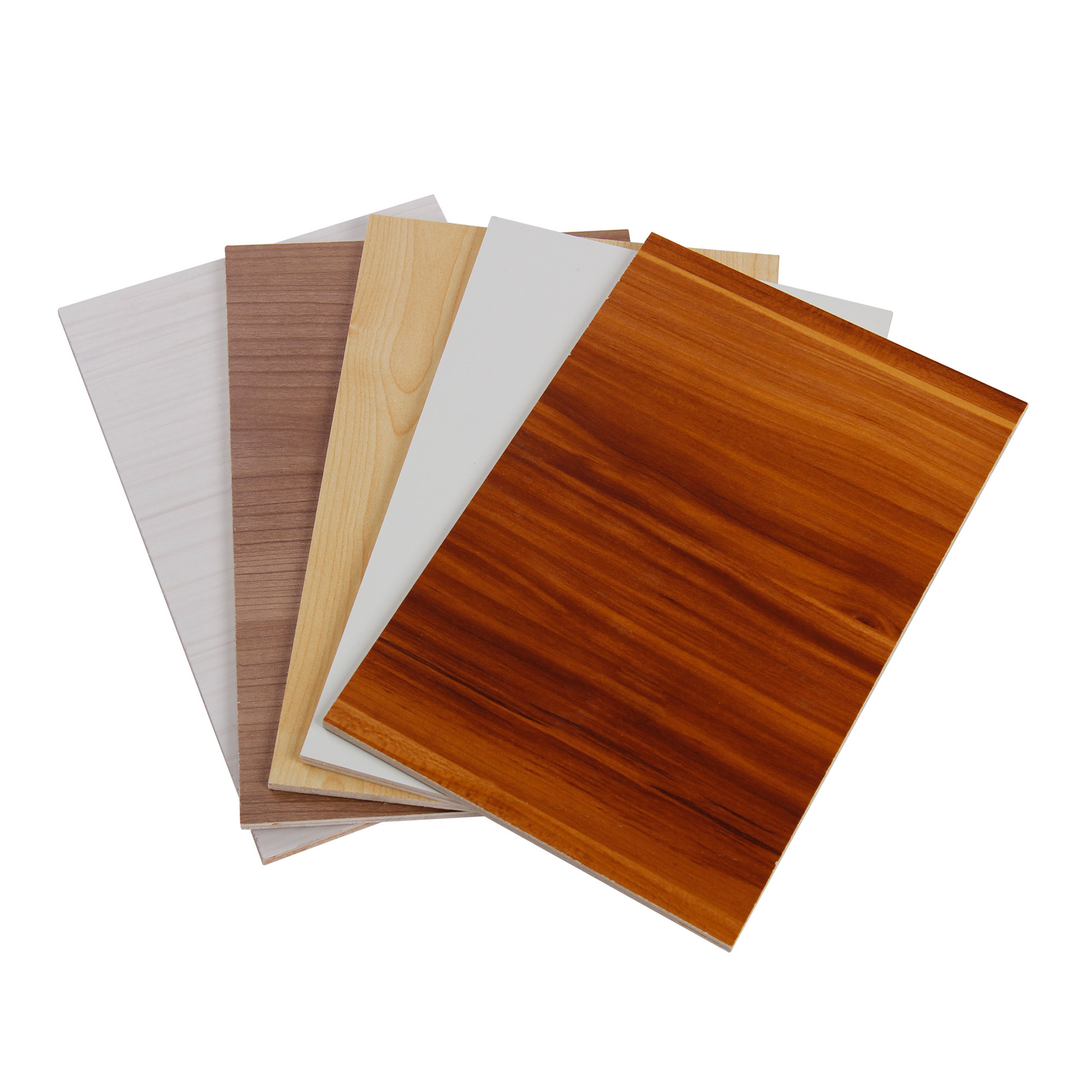
12mm 15mm 16mm 18mm Melamine Wood Board Plywood for Furniture Making
Decorative melamine plywood for cabinets, wardrobes and office furniture where dimensional stability is required.
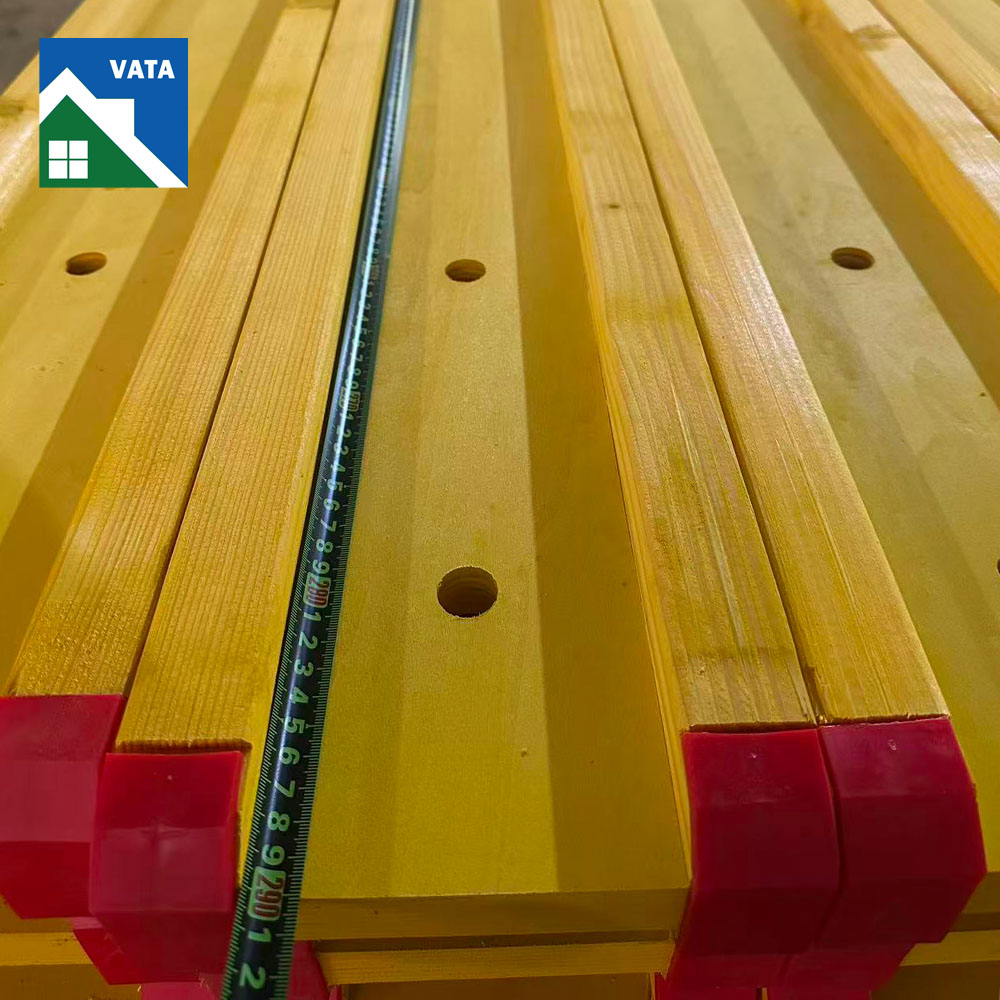
Custom Exterior Use Stable Timber Formwork Beams with WBP Glue Pine or Spruce Flange for Wall Formwork
Engineered formwork beams with WBP glue for construction projects requiring repeatable strength and exterior durability.
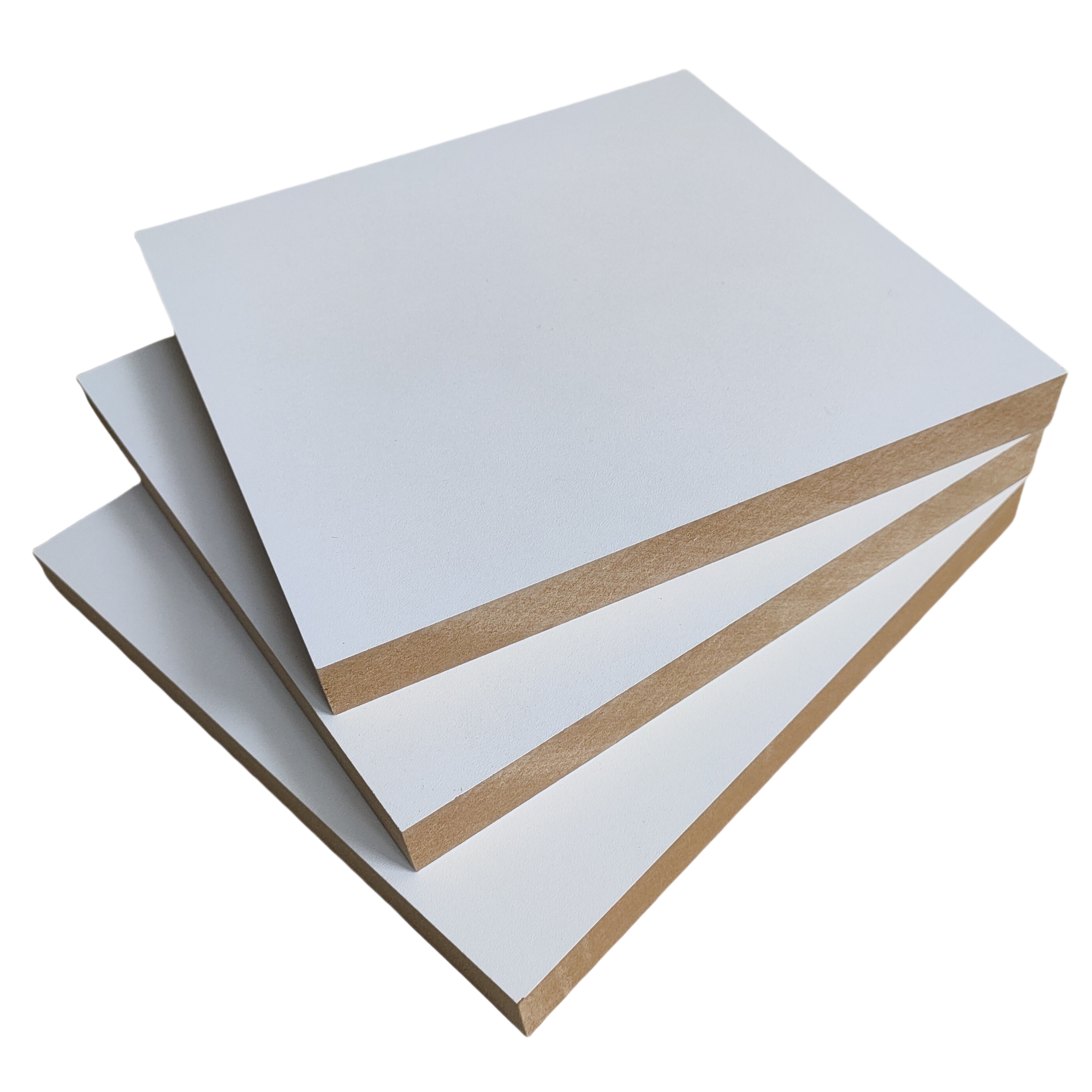
18mm Kitchen Furniture Use White Wood Fiber Board E1 Grade Melamine MDF/HDF Sheet Moisture-Proof
Kitchen-grade white melamine MDF/HDF with moisture-proof performance and a clean, paintable visual finish.

1220x2440mm, 1525x2440mm, 1830x2440mm Green/ Red/ Black Core Wood Fiber Plain MDF/ HDF Board
Colour-core MDF/HDF for moisture-resistant furniture and flooring substrates where visual core identification helps.

Good Price 1200x2400x18mm Melamine Coated Plywood Custom Thickness Marine Board for Furniture
Melamine-coated marine plywood for furniture and fit-out projects needing moisture tolerance plus a finished face.
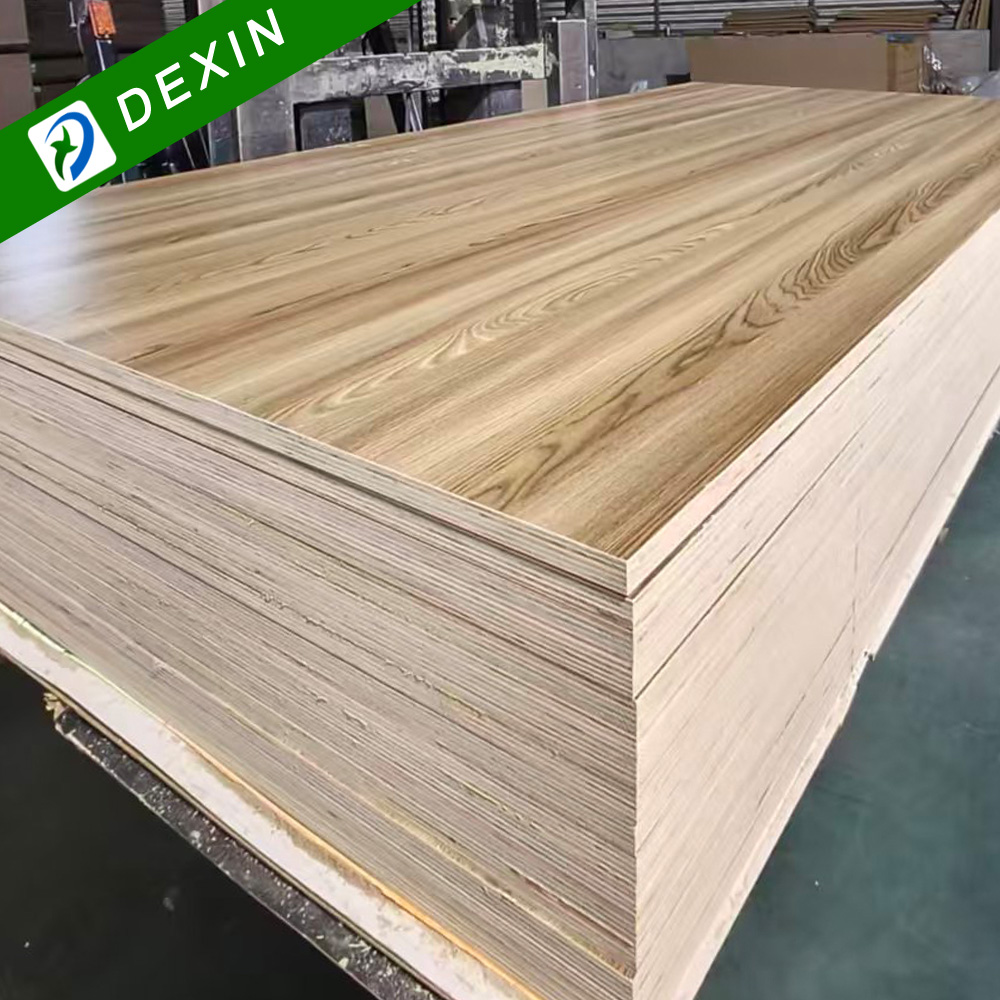
18mm Marine Laminated Contreplaque One or Double Side Colorful Melamine Faced Board Plywood for Furniture Decoration
Colourful double- or single-sided melamine marine plywood for interior decoration and commercial furniture.
Why “Top 10” Should Be Read as a Supplier Shortlist, Not a Price List
Search demand for raw particle board exporters has shifted from simple price discovery to compliance-first supplier qualification. Buyers now search for E0 chipboard, CARB P2 raw particle board, FSC-certified particle board, moisture-resistant chipboard and low-formaldehyde panel exporters because the cost of a failed shipment is far higher than a small per-sheet price difference.
For a procurement team, the phrase “top 10 raw particle board manufacturer & exporters” represents a shortlist of suppliers that can prove consistent density, thickness tolerance, formaldehyde performance, packaging quality and export documentation. In practice, the strongest supplier is not always the one with the lowest quotation. It is the one whose raw material control, resin discipline, sanding accuracy and loading discipline are visible before the first deposit. That is the basis of this white paper: a practical evaluation framework for importers, distributors and contract furniture factories.
Raw particle board — also called chipboard — is an engineered wood panel made from wood chips, sawmill residues and recycled wood bonded with resin and pressed into a stable sheet. It is cost-efficient, dimensionally predictable and well suited to furniture carcasses, shelving, packaging, underlayment and laminated components. The sourcing risk lies in the details: density variations, resin quality, moisture content, sanding tolerance and edge integrity. A supplier that can document these details is more valuable than a catalogue that lists dozens of sizes without process transparency.
In Linyi, Shandong, the industrial cluster supplies veneer, wood chips, resin, paper overlays and export packaging within a short radius. That ecosystem reduces lead times and improves cost control, but it does not automatically create quality. Buyers still need to verify the factory behind the trading name. The strongest exporters combine local cluster access, in-house pressing capacity, independent inspection and clear export terms.
10 Attributes Shared by Top Raw Particle Board Manufacturers & Exporters
Use these ten checkpoints to compare suppliers with a structured scorecard. Each point is more useful than a generic “years of experience” claim because it can be verified through samples, test reports, factory video or third-party inspection.
01. Raw Material Control
Clean chips, controlled moisture and stable wood mix protect density and internal bond strength.
02. Resin & Emission Discipline
E0, E1, E2 and CARB P2 capability requires resin selection, glue spread and press control.
03. Press Capability
Continuous or multi-daylight pressing affects density profile, flatness and output consistency.
04. Thickness Tolerance
Sanded panels should hold tight tolerance, usually around ±0.2 mm after calibration.
05. Internal Bond Strength
Good internal bond reduces screw pull-out failure, edge crumbling and lamination defects.
06. Surface Quality
Uniform surface density helps melamine, veneer and laminate adhere without telegraphing.
07. Moisture Resistance
HMR and green-core grades need verified swelling performance, not only a colour label.
08. Certification & Reports
CE, ISO 9001, ISO 14001, FSC, CARB and SGS-related documents support market access.
09. Export Packaging
Seaworthy pallets, steel straps, corner protection and loading photos reduce transit claims.
10. Communication & Service
Fast technical replies, sample follow-up and after-sales inspection protect repeat business.
Raw Particle Board vs MDF/HDF vs Plywood: Procurement Fit
The right board depends on load path, surface finish, screw-holding requirement, moisture exposure and budget. This comparison helps buyers decide where raw particle board belongs in the specification.
| Property | Raw Particle Board / Chipboard | MDF / HDF | Plywood |
|---|---|---|---|
| Cost efficiency | High for volume furniture and packaging | Medium | Medium to high |
| Surface uniformity | Good after sanding; best with melamine or laminate | Excellent for routing, painting and lamination | Dependent on face veneer and core |
| Screw holding | Moderate; design with inserts or edge support | Good; dense HDF performs better | Strong along the face; edge depends on construction |
| Moisture performance | Standard or HMR grades | Standard, HMR or moisture-resistant MDF | MR or WBP marine grades available |
| Typical application | Furniture carcasses, shelving, packaging, underlayment | Cabinet doors, routed panels, painted furniture | Structural uses, formwork, marine furniture |
| Export specification focus | Density, IB, thickness, formaldehyde, edge quality | Density, surface, screw pull-out, emission | Glue type, veneer grade, bonding, moisture |
Typical ranges are for preliminary sourcing only. Final density, tolerance, emission grade and test reports must be confirmed order by order.
Three Specification Scenarios for Raw Particle Board Buyers
Contract Furniture & Cabinetry
Specify 18mm E0 or E1 raw particle board with density around 680–720 kg/m³, tight thickness tolerance and good internal bond. For visible surfaces, pair with melamine MDF or melamine plywood doors. Request edge-banding trials and screw pull-out data before mass production.
Kitchen & Bathroom Carcasses
Choose HMR or moisture-resistant chipboard where humidity exposure is intermittent. Confirm swelling thickness after 24-hour immersion, not just the core colour. Combine with moisture-resistant melamine MDF for fascia and shelf components, and insist on sealed edges at cut-outs and sink areas.
Export Packaging & Industrial Use
For crates, dunnage and industrial components, prioritize consistent density, flatness and cost-per-cubic-metre. Standard E1 or E2 grades may be adequate depending on destination rules. Confirm loadability, pallet pattern and moisture protection during ocean transport.
What Importers Will Demand from Raw Particle Board Exporters Next
Procurement is moving from transactional buying to supplier partnership. The winners will be exporters that can combine compliance documentation, flexible specifications and reliable loading schedules.
Compliance-First Sourcing
E0, E1, CARB P2, FSC and CE documentation will be requested earlier in the buying cycle. Suppliers without traceable test reports will be filtered out before price negotiation.
Supplier Consolidation
Buyers will combine raw particle board, MDF, melamine panels and wall panels in one container to reduce freight, inspection and administrative costs.
Custom Thickness & Cut-to-Size
Furniture factories increasingly prefer pre-cut panels, reduced sanding waste and dimensionally stable packs that fit automated production lines.
Traceability & Digital Documentation
Loading photos, batch labels, packing lists and inspection reports will become standard buyer expectations, especially for project-based orders.
Price Risk Management
Resin, wood chip and freight volatility will push buyers toward suppliers with stable production planning and transparent quotation structures.
Lower-Carbon & Recycled Content
Recycled wood, improved resin efficiency and lower-emission manufacturing will influence tenders in Europe, North America and premium retail supply chains.
Where Raw Particle Board Technology Is Moving
Low-Emission Resins
MDI, modified urea-formaldehyde and low-mole-ratio resins are helping producers meet E0 and CARB P2 demands without sacrificing internal bond strength.
Moisture & Fire Performance
HMR chipboard and fire-retardant grades are expanding into hotel, office and public-project furniture where safety specifications are stricter.
Lightweight Engineering
Lower-density and hollow-core concepts appeal to flat-pack furniture, caravan interiors and e-commerce packaging where weight affects total logistics cost.
Decorative Integration
Direct printing, melamine overlays and synchronised textures let raw particle board move closer to finished furniture surfaces without additional processing.
From Wood Chip to Loaded Container: Five Control Gates
Material Selection
Wood chip grading, moisture check and foreign-matter control before blending.
Resin & Pressing
Controlled glue spread, forming and press cycle to stabilise density and bond.
Sanding & Calibration
Thickness calibration and surface inspection for flatness and consistency.
Inspection
Emission, density, moisture, screw holding and edge checks against order spec.
Packing & Loading
Seaworthy pallets, corner protection, steel straps and loading photos.

A Linyi Manufacturing Base Built for Export Buyers
Linyi KUDE International Trading Co., Ltd. is the export platform of a wood-based panel manufacturing group founded in 1998 in Linyi, Shandong — China’s largest wood-based panel cluster. The group operates more than 30 production machine sets in 30,000 m² of workshops, with 300+ workers and annual output of 60,000 m³ across plywood, blockboard, MDF and particle board. The operating principle is direct: survival by quality, development by prestige.
For raw particle board and engineered panel buyers, the advantage is not only factory access. It is the ability to combine in-house production, flexible customization, certified quality and export-ready logistics in one order. The supplier profile has passed an on-site assessment by SGS, and the group holds CE, ISO 9001, ISO 14001, FSC and CARB certifications. E0, E1 and E2 grades are available depending on product and destination market.
- 20+ years production experience
- 15 years export experience
- OEM / ODM & full customization
- T/T and L/C; FOB, CFR, CIF, EXW
- Seaworthy export packing
- Qingdao port access
Export Support for 30+ Countries and Regions
Middle East & Africa
Contractors and distributors source film-faced plywood, commercial plywood and raw boards for furniture, fit-out and infrastructure supply. Confirm heat, humidity and port-handling requirements before loading.
Southeast Asia
Furniture factories and cabinet makers buy melamine boards, UV/PET MDF and particle board substrates. Buyers value fast colour matching, sample confirmation and mixed-container flexibility.
Americas & Europe
Importers require FSC chain of custody, CARB or E1 emission compliance and reliable technical files for retail and project channels. Documentation quality is part of product quality.
Raw Particle Board Procurement FAQs
These are the questions that most often determine whether a quotation becomes a repeat order.
What exactly is raw particle board, and how is it different from MDF?
Which thickness and density should importers specify?
What formaldehyde grades are available for export?
What is the minimum order quantity for raw particle board?
Can raw particle board be moisture-resistant or fire-retardant?
Which certifications and test reports can be supplied?
How do you control quality and thickness tolerance?
What are typical lead times and shipping terms?
Can you customize size, density, resin, face and packaging?
How should buyers compare quotations from top 10 manufacturers and exporters?
Planning a Raw Particle Board or Mixed Panel Order?
Send your size, thickness, density, emission grade, surface requirement and destination port. The export team can respond with a technical proposal, sample plan and container-loading estimate.