Ash Veneered MDF and Complementary Panel Lines
The eight lines below form a practical sourcing menu for ash veneered MDF programmes: raw MDF and HDF cores, moisture-resistant MDF, melamine MDF, construction boards and decorative faces. Each product line can be quoted separately or combined in a mixed container to reduce freight cost and improve range coverage for wholesalers.
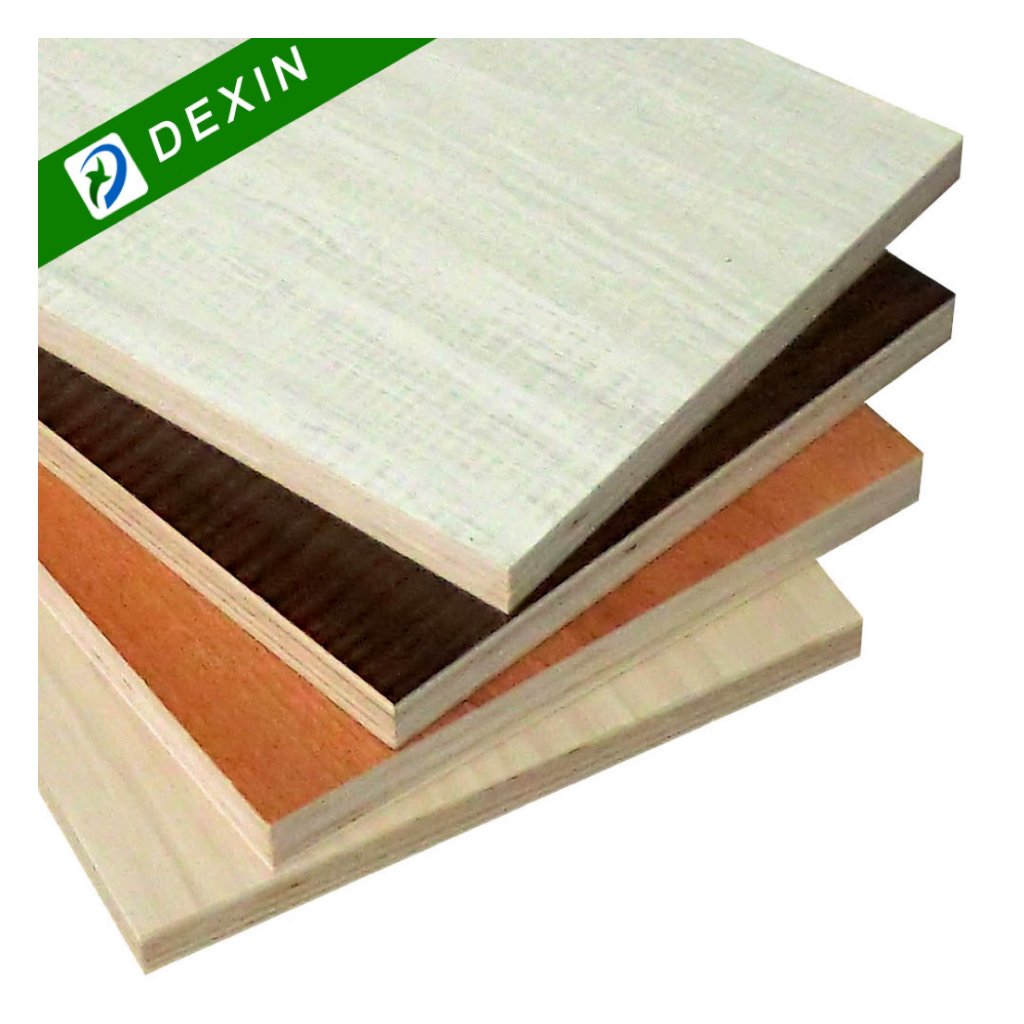
E0 Melamine Plywood for Furniture Cabinets
A clean, low-emission faced board for drawer boxes, shelving and utility furniture. A useful companion line when buyers combine ash veneered MDF faces with melamine carcass panels in the same container.
View product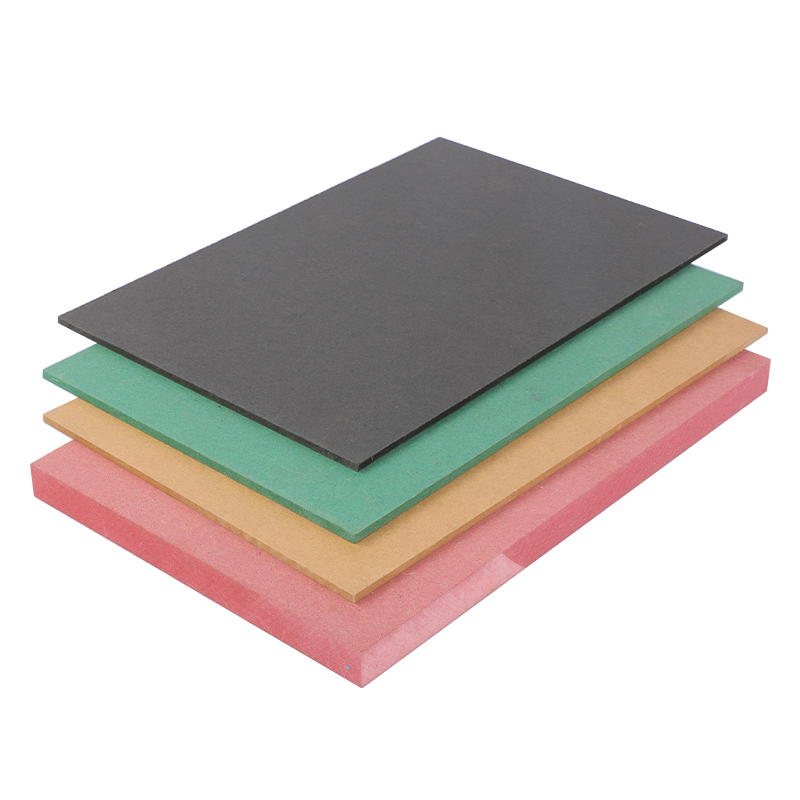
High Quality 3mm–18mm Raw Plain MDF Sheet
The substrate most often specified for ash veneer lay-up. Consistent sanding, density and thickness help control glue lines, telegraphing and post-machining flatness before veneer pressing.
View product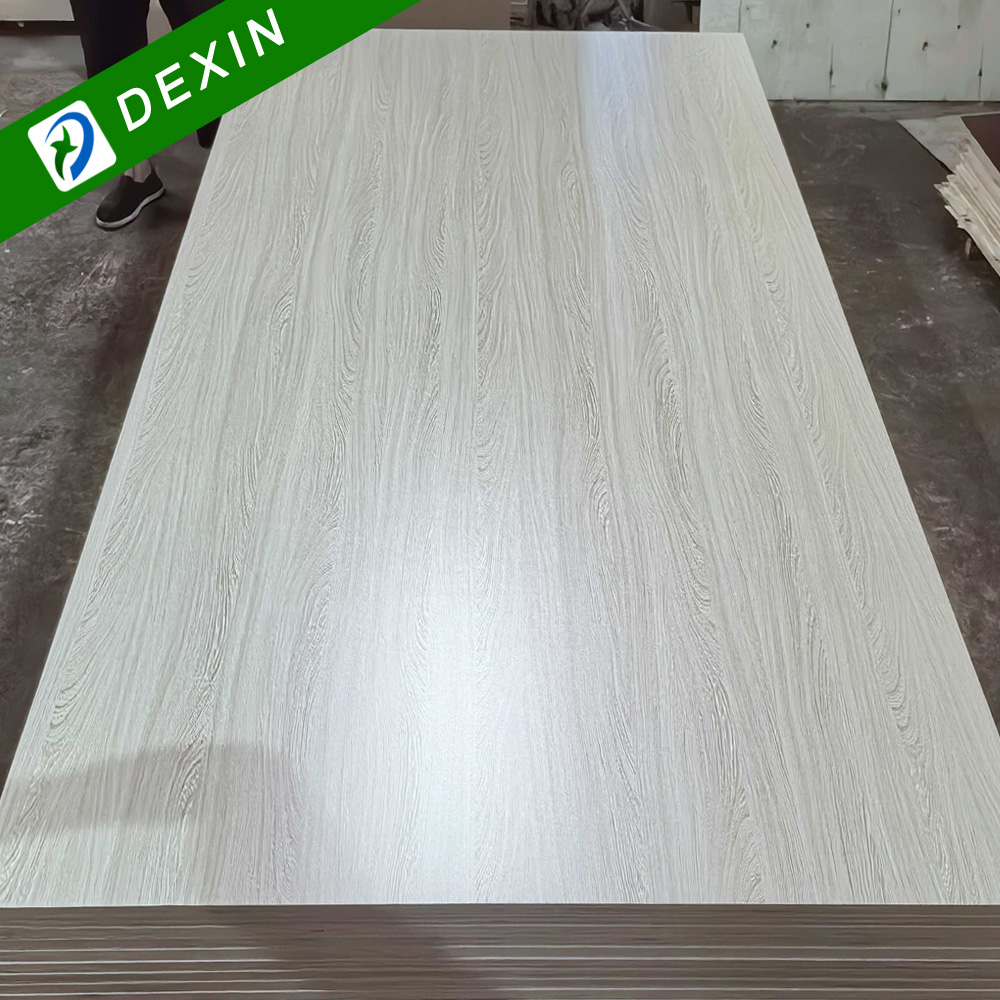
Waterproof Melamine Faced Eucalyptus Core Plywood
For wet-area carcasses, utility rooms and project furniture where a veneered MDF face is not appropriate. Glossy and matt white surfaces support fast assembly and easy cleaning.
View product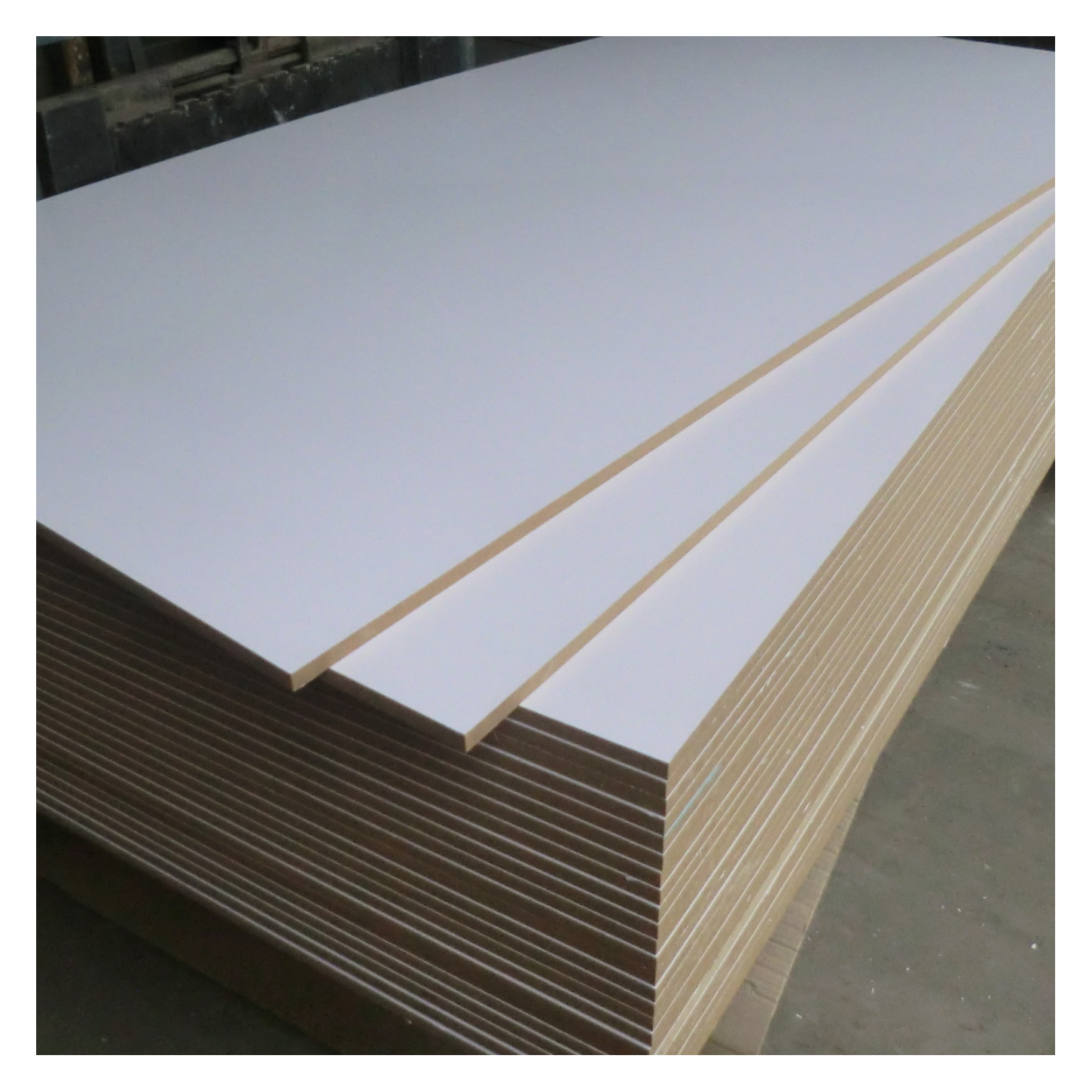
E1 Moisture-Proof Melamine MDF 18mm
A kitchen and bathroom module board with CE-certified supply options. Suitable as an interior carcass panel when ash veneered MDF is reserved for visible doors and feature surfaces.
View product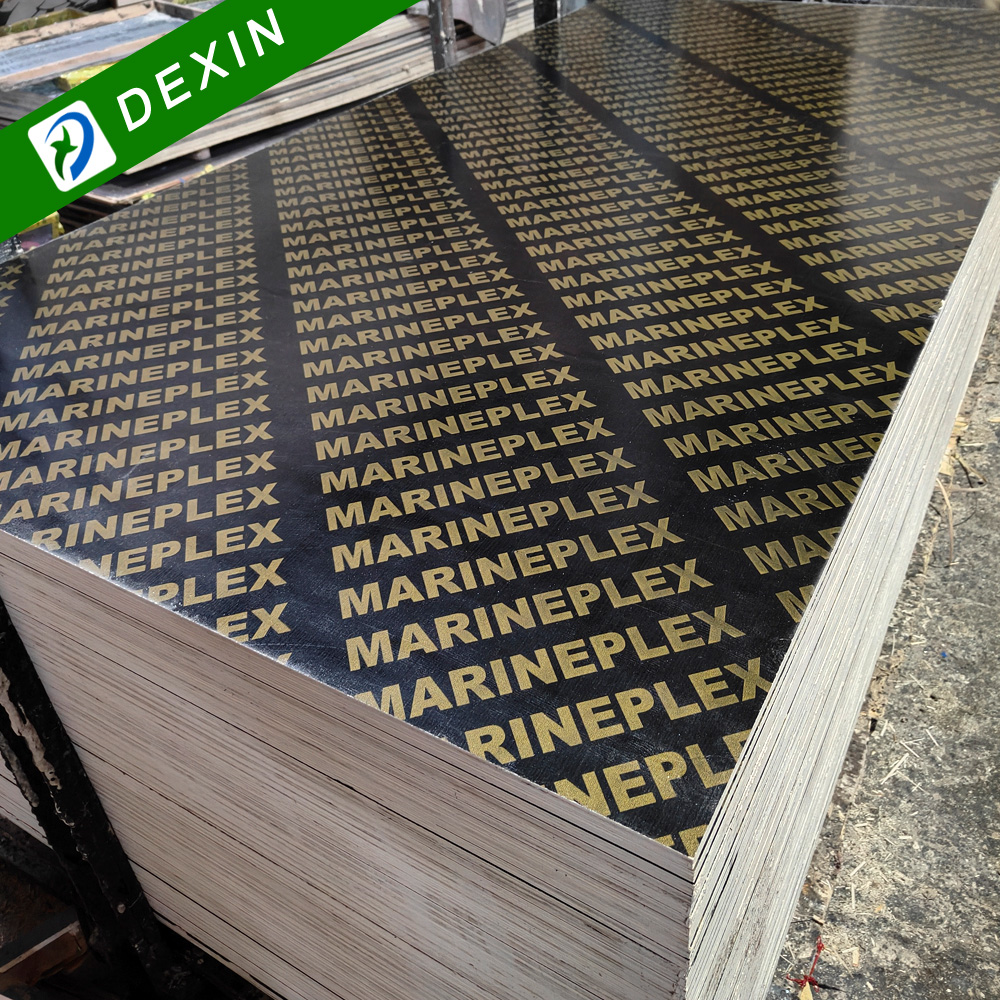
Black Film Faced Plywood for Concrete Formwork
For distributors serving both interior fit-out and construction markets. A mixed order can combine decorative ash veneered MDF with concrete formwork boards for better container utilisation.
View product
Green, Red and Black Core Plain MDF/HDF Board
Multiple sheet sizes and core colours for routing, cabinetry, shopfitting and moisture-resistant applications. Useful where a visible core colour helps identify the board specification on site.
View product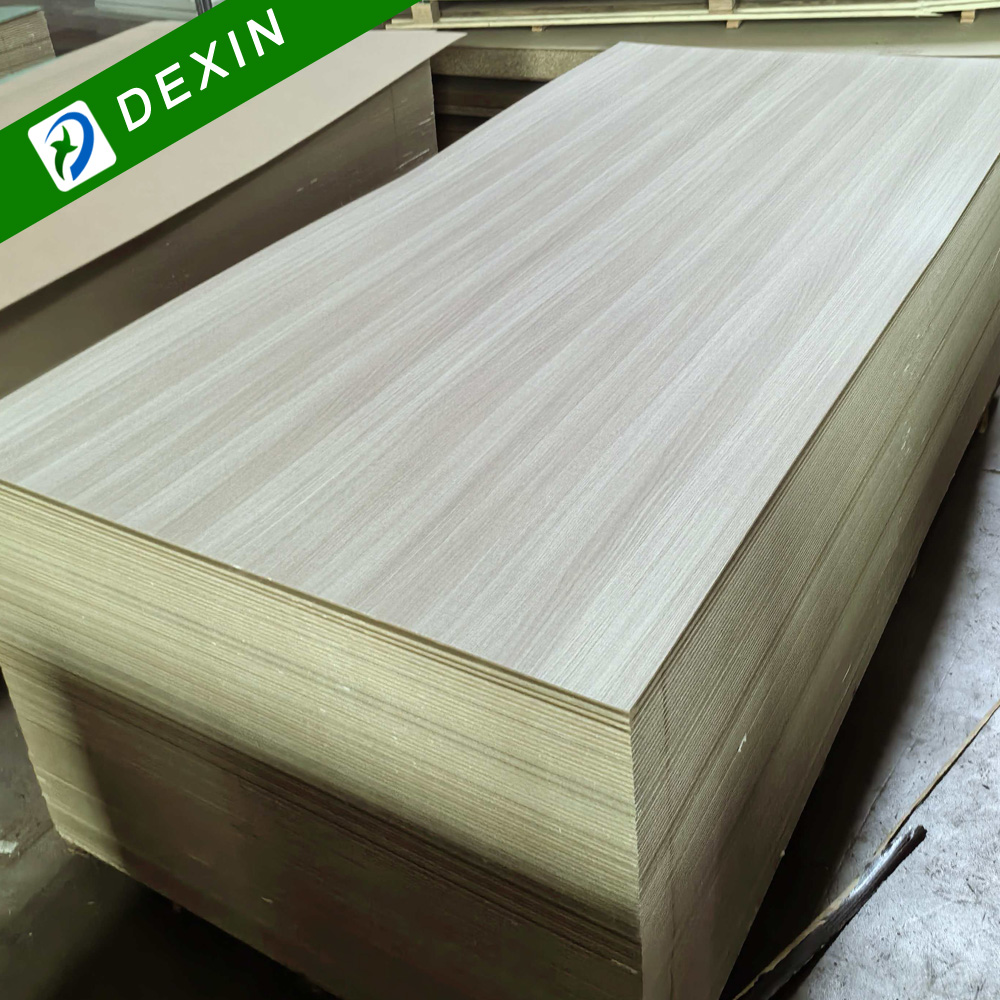
Moisture-Resistant White Melamine MDF
White textured MDF for cabinet interiors, shelving and wet-area furniture. Pairs well with ash veneer feature doors when the project requires a bright interior and a natural wood exterior.
View product
Eco-Friendly Blanco Melamine MDF for Cabinets
Single- or double-sided melamine covering in 12, 15, 16 and 18 mm for volume cabinet production. A cost-effective balance for wholesalers who need fast-moving white MDF alongside ash veneered MDF.
View productNeed an ash veneer MDF sample book, technical data sheet and mixed-container price list? Send your target market, thickness, substrate, veneer grade and annual volume; our export team will propose a practical specification.
Ash Veneered MDF: What Professional Buyers Are Really Specifying
Ash veneered MDF is not simply a decorative skin glued to a board. It is a composite system. The face veneer, balancing veneer, MDF core, adhesive, press cycle, sanding sequence and final coating all decide whether a panel remains flat after machining, lacquering and a long ocean journey. For importers, the practical question is not “What is the cheapest ash veneer MDF?” but “Which specification will survive cutting, edge banding, climate variation and installation without telegraphing, bubbling or colour mismatch?”
In our Linyi production discussions, the strongest results come from specifying the complete lay-up, not only the face grade. A beautiful ash face on an unstable core can pass a sample inspection and still fail in the finished cabinet. That is why experienced buyers ask for density, moisture content, balancing, adhesive class and packing method at the RFQ stage.
Critical variables in an ash veneer MDF specification
- Face veneer: 0.2–0.6 mm sliced ash, with grade, grain direction, colour range and matching method confirmed before production.
- MDF substrate: density and sanding quality for screw holding, routing and surface stability. HMR or HDF cores may be better for kitchens and high-wear surfaces.
- Balancing: a matching veneer or appropriate balancing layer on the reverse face is essential to reduce bowing and differential stress.
- Emission and compliance: E0, E1 or E2, plus CARB documents where required. Certifications must be matched to the actual product and destination market.
- Finishing route: raw sanded, UV lacquer, PU, water-based coating or melamine balance. The finish can change the perceived colour and grain depth significantly.
Most catalogue pages stop at “ash veneer MDF 18 mm.” That is not enough for professional purchasing. A specification should state the core type, veneer thickness, backing, formaldehyde class, sheet size, tolerance, moisture content and packing. When those details are fixed, the buyer can compare quotations with real commercial accuracy instead of comparing only square-metre price.
Information Gain: Specification Control Window
Quick Specification Guide for Ash Veneer MDF Sourcing
Use this matrix to shortlist a specification before requesting samples or a container quotation. Final tolerances, grades and test reports should always be confirmed for the exact order.
| Parameter | Typical export specification | Why it matters in procurement |
|---|---|---|
| Panel size | 1220×2440 mm, 1830×2440 mm or cut-to-size | Reduces cutting waste and improves yield for cabinet and door programmes. |
| Thickness | 3–25 mm; 18 mm common for cabinets, 5–12 mm for doors and drawer fronts | Thickness consistency affects hinges, edge banding, CNC nesting and finished flatness. |
| Core | Plain MDF, HMR moisture-resistant MDF, HDF or specified density range | Determines screw holding, moisture performance, weight and machining behaviour. |
| Ash face veneer | 0.2–0.6 mm sliced ash; grade, grain and matching method agreed by sample | Controls visual consistency and the natural character expected by the end market. |
| Backing / balance | Matching veneer, balanced veneer or melamine back | Reduces bowing and telegraphing after lacquering, shipping and installation. |
| Adhesive and emission | E0, E1 or E2; CARB documentation where required | Matches destination-market formaldehyde requirements and retailer specifications. |
| Surface finish | Raw sanded, UV lacquer, PU, water-based coating or melamine balance | Changes colour depth, scratch resistance, gloss level and factory finishing cost. |
| Export packing | Seaworthy pallets, corner protection, moisture barrier, steel strapping, loading photos | Protects edges and faces during handling and long-distance container transport. |
How Global Buyers Will Source Ash Veneered MDF Through 2030
Purchasing behaviour is moving away from lowest-price spot buying and towards repeatable, documented supply. For ash veneered MDF, the supplier who can control veneer appearance, core stability and export evidence will be more valuable than the supplier who only offers a low first quote.
Compliance-first sourcing
E0/E1, CARB, FSC and test reports are increasingly requested at RFQ stage, not after price agreement. Buyers want documents linked to the product, batch and destination market.
Mixed-container purchasing
Wholesalers combine ash veneered MDF with raw MDF, melamine MDF, film-faced plywood and decorative panels to fill a 20 ft or 40 ft container with a saleable range.
Digital sample approval
Remote buyers now expect video, close-up veneer photos, lab documents, packing images and container-loading evidence. Live video inspection reduces claims and speeds repeat orders.
Total landed cost focus
Freight volatility, inventory risk and climate exposure make landed cost, packing quality and lead-time buffer more important than the lowest FOB quote alone.
Where Ash Veneered MDF Is Heading Next
Product development is being driven by interior designers, cabinet factories and importers who want natural wood character with more predictable processing. The next generation of ash veneered MDF will be judged on appearance consistency, surface performance and factory-ready conversion.
Engineered ash veneer
Reconstructed and engineered veneer can improve grain consistency, raise yield and reduce waste. Buyers should still approve the visual character, because “consistent” does not mean identical to natural sliced ash.
Super-matte and low-gloss finishes
Fingerprint-resistant, low-sheen surfaces are gaining ground in premium kitchens and wardrobes. The finishing system must be selected together with the veneer grade and core.
HMR and fire-retardant cores
Moisture-resistant and fire-retardant MDF substrates are increasingly specified for hotels, hospitals, retail fit-outs and kitchen environments where standard MDF is not enough.
Panel-to-cabinet conversion
More buyers want cut-to-size, edge-banded, drilled and labelled panels rather than loose sheets. This shifts supplier selection towards factories with CNC capability and packing discipline.

A Manufacturing Platform Built for Repeat Export Orders
Linyi KUDE International Trading Co., Ltd. is the export platform of a wood-based panel manufacturing group founded in 1998 in Linyi, Shandong—China’s largest man-made board production cluster. The group operates more than 30 sets of production equipment across 30,000 m² of workshops, with over 300 workers and annual output of 60,000 m³ of plywood, blockboard, MDF and particle board.
Being inside the Linyi cluster shortens the supply chain for veneer, glue, core materials and decorative films. That supports stable pricing, faster engineering changes and practical problem-solving when a buyer needs a new ash veneer lay-up, a balanced reverse face or export packing adapted to a specific market. Our stated principle is simple: survival by quality, development by prestige.
The manufacturing group holds CE, ISO 9001, ISO 14001, FSC and CARB certifications, and our supplier profile has passed an on-site assessment by SGS. Formaldehyde grades E0, E1 and E2 are available depending on the product. We export to more than 30 countries and regions across the EU, United States, Caribbean, South America, Africa, Southeast Asia, Eastern Europe and the Middle East.
Factory-direct control
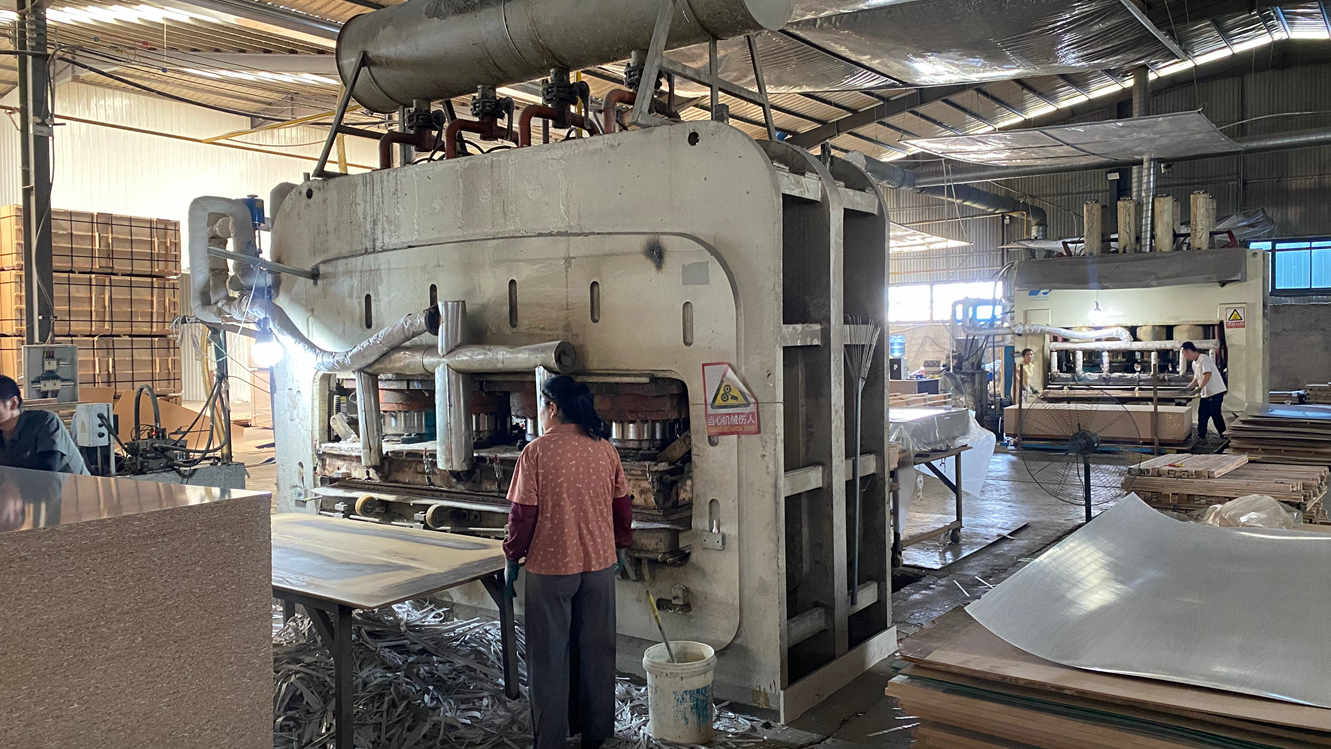
Our group structure covers peeling, gluing, hot pressing, sanding, laminating and packing. This reduces middle-man delay when a specification needs adjustment.
Verified quality documentation
Emission classes, certifications, inspection records and loading evidence can be prepared for importers, distributors and project contractors.
OEM and custom specifications
Sample-based, design-based and full customization: size, thickness, core species, face veneer, glue, melamine decor, logo printing and export packaging.
Export-ready logistics
FOB, CFR, CIF and EXW terms; T/T and L/C in USD, EUR or CNY; seaworthy pallet packing and shipment through northern China ports such as Qingdao.
 Production line
 Quality inspection
 Container loading
Ash Veneered MDF Questions Buyers Ask Before Ordering
These answers reflect the practical points that matter when comparing a China ash veneered MDF manufacturer, wholesaler or trading partner.
What is ash veneered MDF, and how is it different from ash plywood?
Which thicknesses and sheet sizes can you supply?
Which formaldehyde grades and certifications are available?
How do you control ash veneer colour and grain variation?
What is the MOQ, lead time and payment term?
Can you customize veneer, core, size, logo and packaging?
Build a Repeatable Ash Veneered MDF Programme
Send your target market, formaldehyde grade, ash veneer grade, MDF core, thickness, sheet size, finish, annual volume and destination port. Our export team will return a specification proposal with sample plan, packing suggestion and mixed-container loading options.
Email: info@kudeplywood.com