Eight Cabinet-Grade Panels Worth Quoting This Year
These are the board families our export team ships most often to cabinet makers, kitchen studios and furniture importers. Each one can be specified by size, thickness, core species, face decor and emission grade.

Good Price 1200x2400x18mm Melamine Coated Plywood Custom Thickness Marine Board for Furniture
Marine-grade core with a bonded melamine face, customisable thickness. The default specification for wardrobe carcasses and wet-area cabinetry.
View product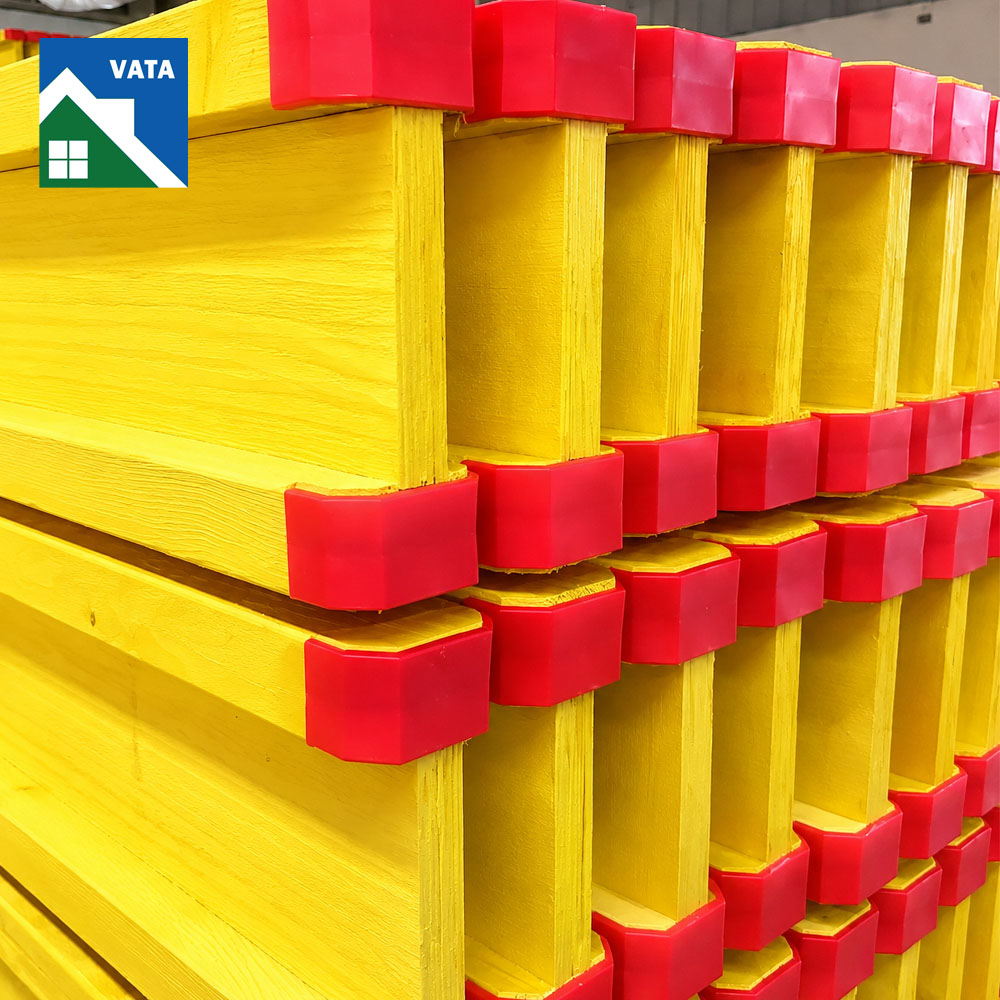
Wholesale Heavy Duty Wooden I-Beams Durable Spruce H20 Formwork Beams for Slab Formwork
Spruce H20 beams engineered for repeated concrete pours — the structural companion to film-faced plywood on slab and wall systems.
View product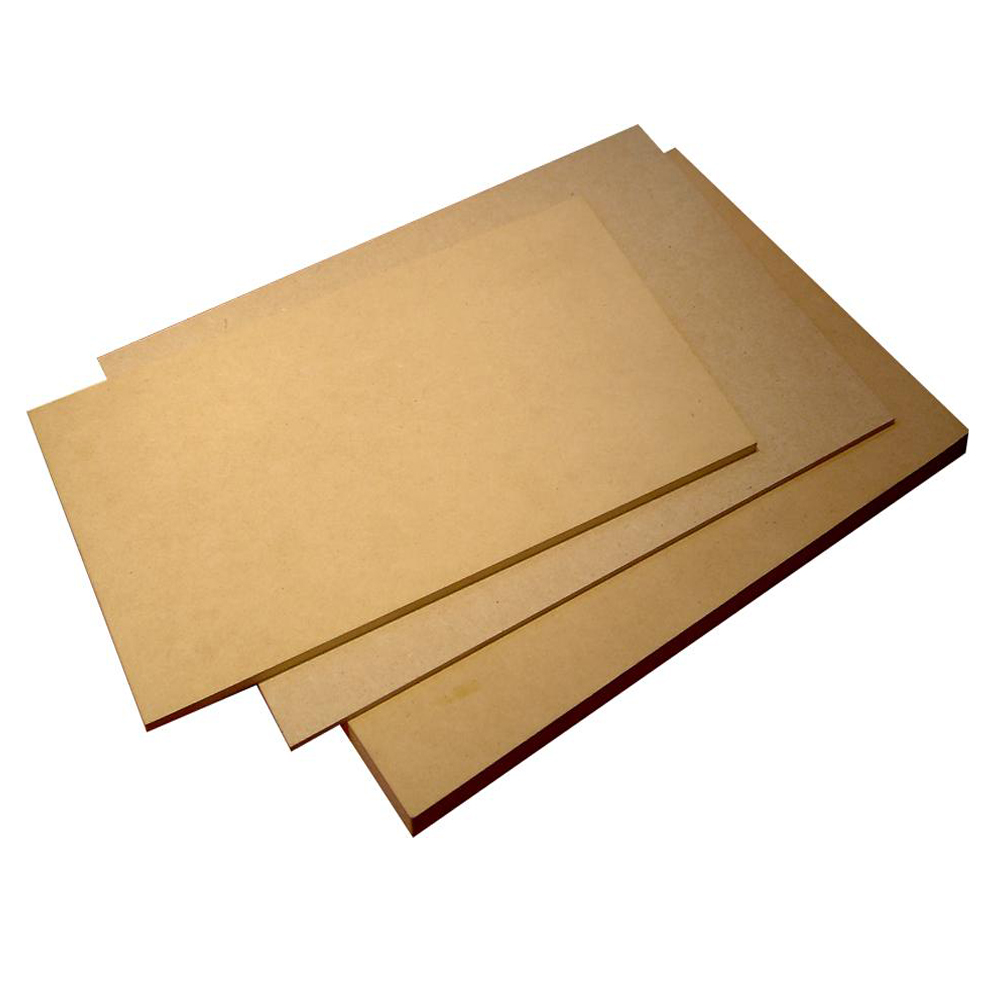
E0 E1 or E2 Glue Raw Thailand MDF Board with Cheap Price on Sale
Raw MDF with selectable E0, E1 or E2 glue lines — the substrate behind most lacquered, wrapped and laminated cabinet doors.
View product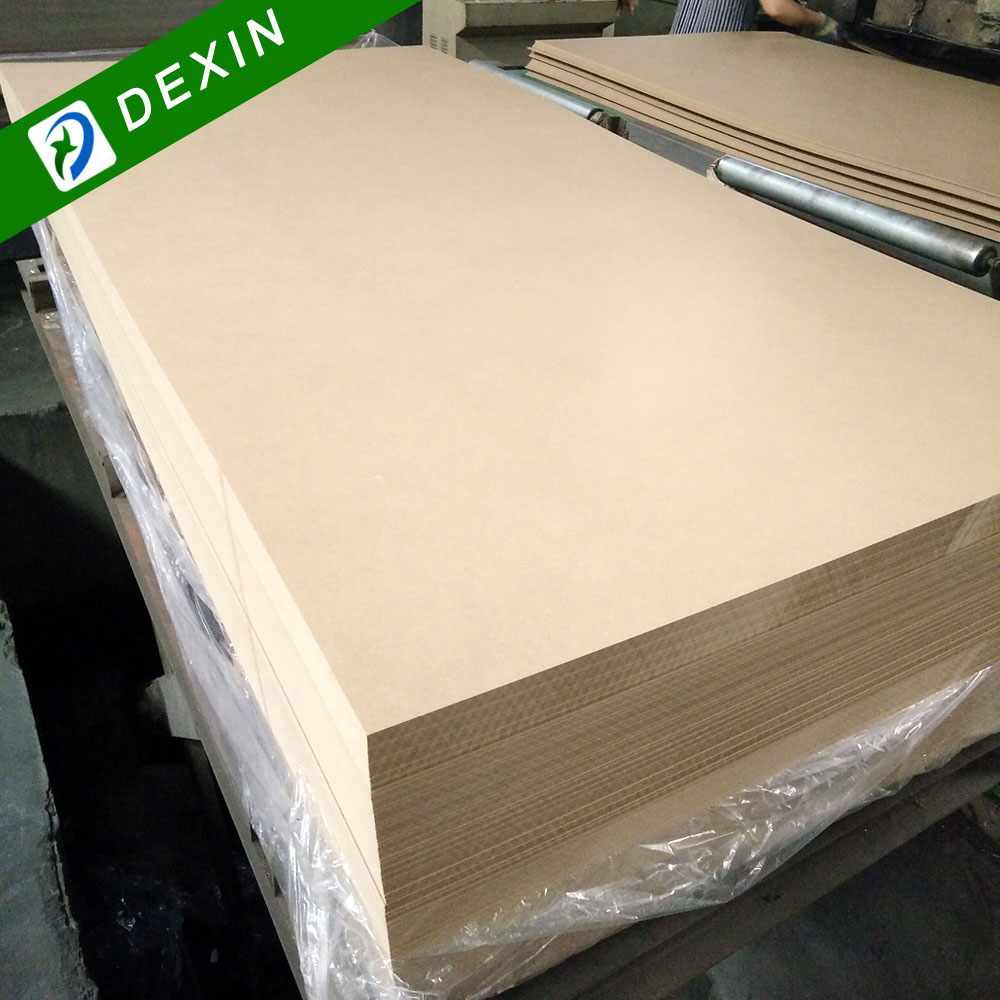
3mm, 12mm, 15mm, 18mm Raw/ Plain MDF Board for Furniture Decoration
Calibrated sanded MDF from 3 mm to 18 mm. Uniform density that holds a clean edge on CNC nesting and paint lines.
View product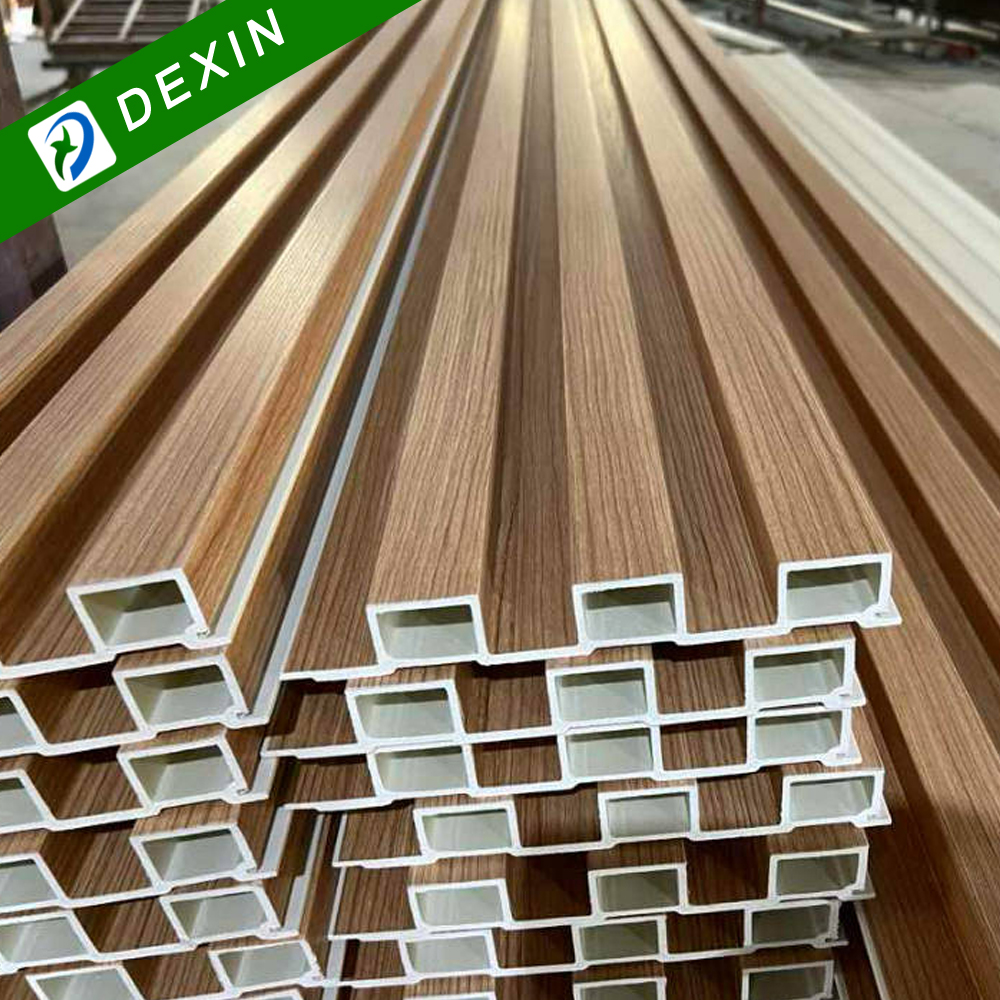
Modern Wall Cladding Home Background PVC WPC Wall Panels Interior Decorative Wall Panel for Hotel
Waterproof cladding for hotel and residential feature walls — commonly bundled with cabinet plywood on full interior fit-out programmes.
View product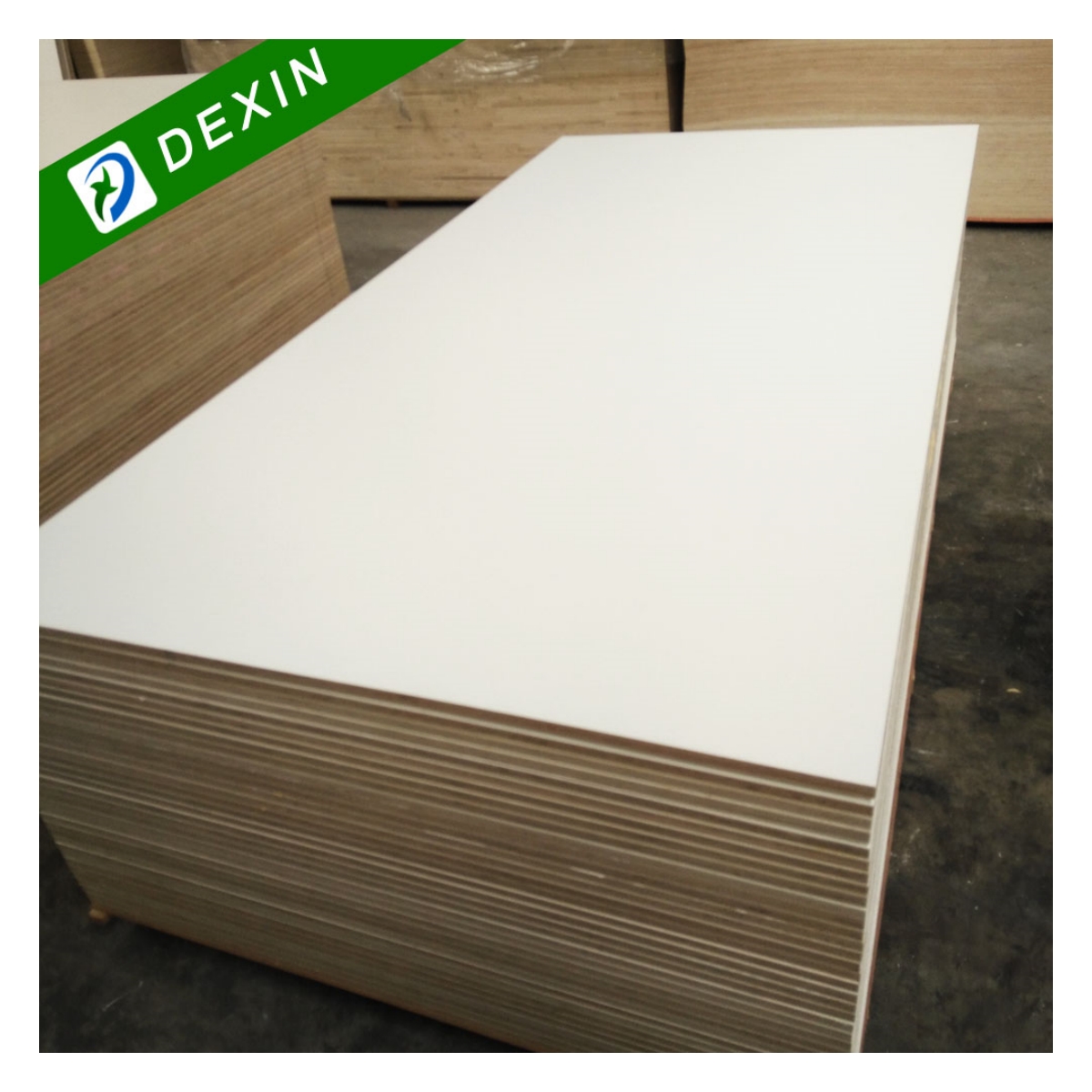
Good Quality 6mm 12mm 18mm Teak/Oak/Maple Melamine Plywood 1/2,3/4 in Flywood Sheet for Furniture
Teak, Oak and Maple decors in 6, 12 and 18 mm, including 1/2 in and 3/4 in imperial sizes for North American furniture lines.
View product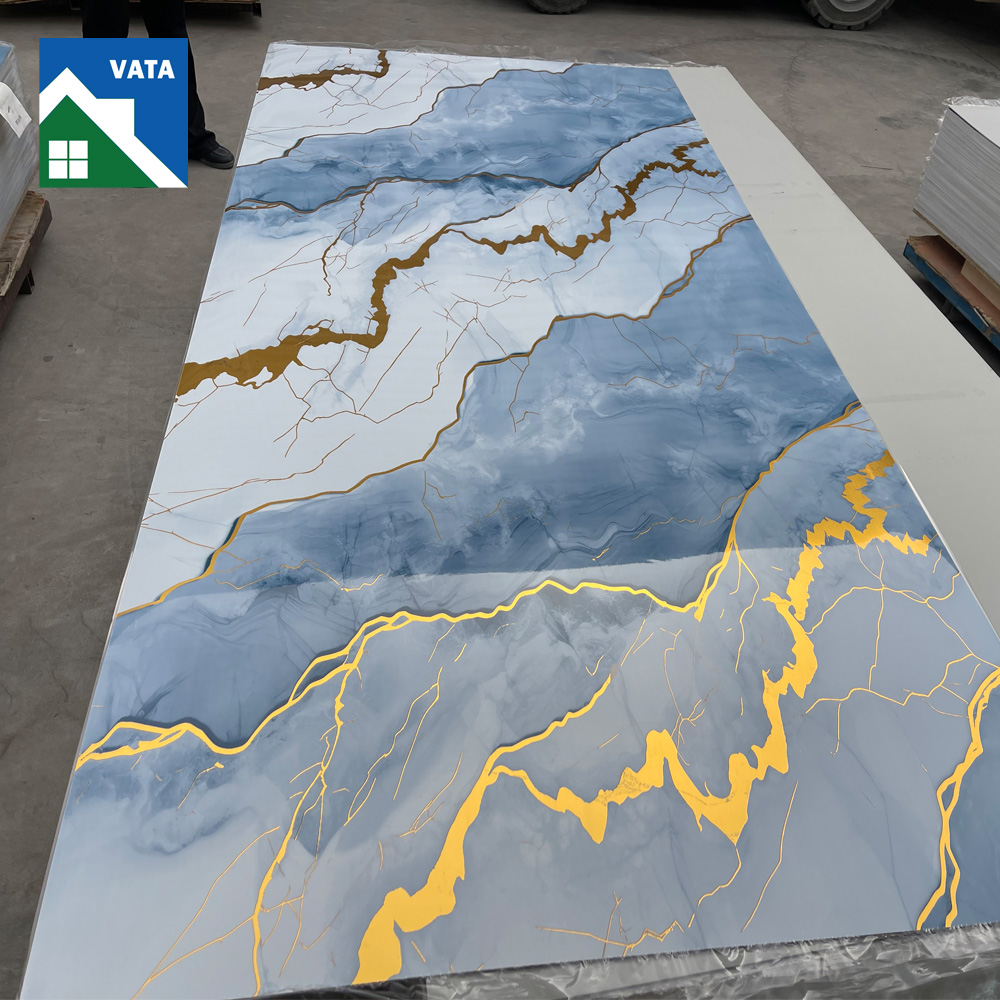
Customized Easy Installation High Glossy PVC Wall Panel Bendable DIY Indoor TV Wall Background Board Glossy UV Marble Sheets
Bendable glossy UV marble sheet for TV walls and feature panels — produced on the same UV finishing line used for high-gloss doors.
View product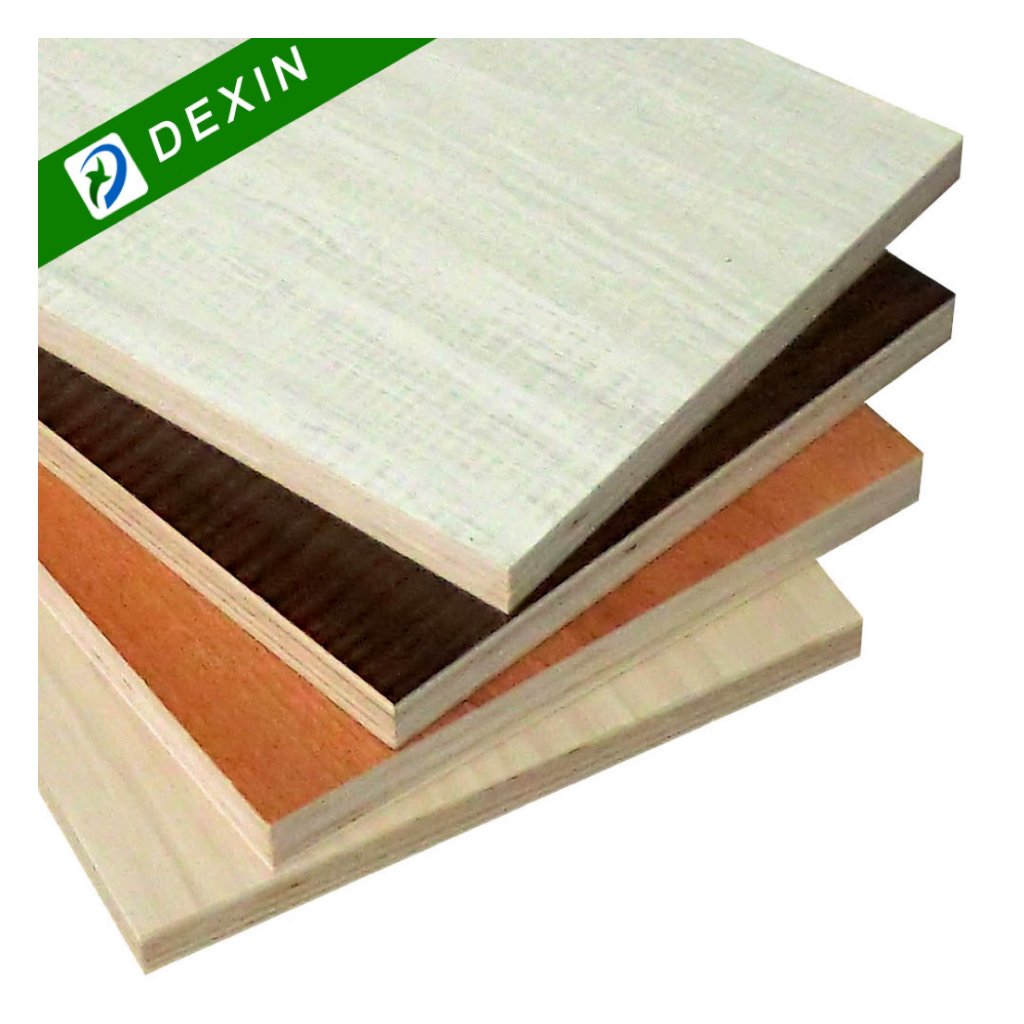
3mm 12mm 18mm E0 First-Class Melamine Plywood 4x8 Panels De Melamina Plywood for Furniture Cabinet Use
E0 melamine-faced plywood in 3, 12 and 18 mm, 4x8 panels. A low-emission core that clears EU and US retail-channel requirements.
View productWhat “Cabinet Grade” Actually Means on a Plywood Specification
“Cabinet grade” is not a published standard. It is a trade shorthand — and that ambiguity is exactly where importers lose money.
When a US or EU buyer writes cabinet grade plywood into a purchase specification, they usually mean that the panel must survive cutting, edge-banding, hinge-boring and load-bearing without delaminating, warping or releasing formaldehyde above the destination market's limit. Two suppliers can both accept the order and still ship structurally different boards.
The practical definition therefore rests on six measurable attributes. Ask for each of them in writing, and request the corresponding test report or sample before the container is loaded — not after.
Core Density & Void Content
Poplar, eucalyptus, combi and pine cores behave differently under a router. Dense, void-free cores hold a screw thread and give a crisp machined edge without tear-out.
Formaldehyde Emission Class
E0 sits at the strictest end of the Chinese grading scale, with E1 the mainstream furniture grade and E2 reserved for packaging and site work. CARB P2 applies for US shipments.
Thickness Tolerance
A cabinet door panel is normally held to ±0.2–0.5 mm. Loose tolerance shows up as uneven hinge seating and visible gaps after assembly.
Face & Surface Treatment
Melamine paper, natural veneer, UV coating or PET film. Each face has a different abrasion, gloss and edge-bleed profile that must match the finishing line.
Moisture Content
Export boards are typically dried to 6–12%. Panels loaded above that range can warp inside the container when they cross a climate zone.
Bonding & Glue Type
MR glue for interior furniture, WBP phenolic for humid and exterior exposure. A cabinet for a bathroom or a tropical market should never be priced on MR alone.
Future Procurement Trends Shaping Cabinet-Grade Panel Buying
How importers, distributors and furniture factories are changing the way they source plywood and MDF from China between 2025 and 2027.
Compliance Becomes the First Filter
Emission limits are tightening across the EU, North America and the Gulf. Buyers increasingly shortlist suppliers by certificate before they discuss price — CARB P2 and TSCA Title VI documentation is now a gate, not a bonus.
Mixed-SKU Container Loading
Rather than committing a full container to one board, importers combine melamine plywood, raw MDF and decorative wall panels. The result is a broader catalogue with less dead stock — and a real test of a supplier's warehouse flexibility.
Traceability as a Purchasing Argument
FSC chain-of-custody is moving from a marketing line to a tender requirement. Retail buyers and project specifiers want to know the legal origin of the veneer, not just the finished panel.
Remote Factory Verification
Live video audits, batch photographs before loading and third-party inspection have replaced many first-time site visits. Suppliers who can document a batch in real time win repeat orders faster.
The commercial direction is equally clear. Panel pricing in 2025 is driven less by headline board cost and more by total landed cost per finished cabinet — freight stability, breakage rate, thickness consistency and the rework avoided when a core behaves predictably. A buyer who saves two dollars per sheet but loses three percent of a container to warping has not saved anything.
Where Cabinet-Grade Panel Technology Is Heading
Four product directions that are already appearing in sample requests from furniture factories and interior contractors.
PET and UV High-Gloss Surfaces
Mirror-finish PET film and UV-cured coating are displacing traditional lacquer on kitchen and wardrobe doors — scratch resistance, uniform gloss and no paint shop required.

Moisture-Resistant Cores
Green HMR MDF and WBP-bonded plywood are becoming standard for bathrooms, laundry units and tropical markets, where standard interior glue fails within two seasons.
Integrated Decorative Systems
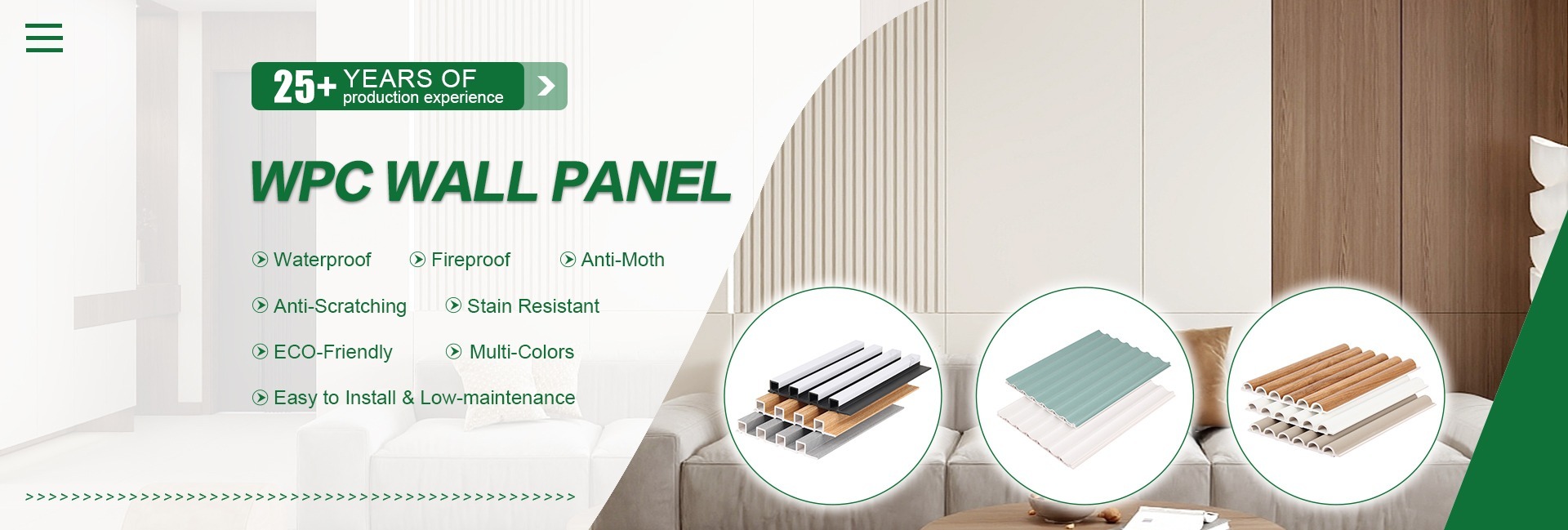
Cabinet plywood is increasingly specified together with WPC, PVC and bamboo charcoal wall panels so a single container delivers a coordinated interior finish.

Cut-to-Size and Semi-Assembly
Flat-pack furniture producers increasingly order dimensioned panels rather than full sheets, shifting value from the sawmill to the panel supplier's calibration line.
Why Importers Place Cabinet-Grade Orders with KUDE
Linyi KUDE International Trading Co., Ltd. sits inside China's largest wood-based panel cluster — and that geography is the reason the specification you sign is the specification that ships.
The manufacturing group behind KUDE was founded in 1998 in Linyi, Shandong, and has operated as an export platform for more than fifteen years. The group runs 30+ machine sets across 30,000 m² of workshops with over 300 workers and an annual output of 60,000 m³ of plywood, blockboard, MDF and particle board. Being inside the cluster shortens the supply chain for veneer, glue and core material, which is what keeps pricing stable across seasons.
Own Production Lines
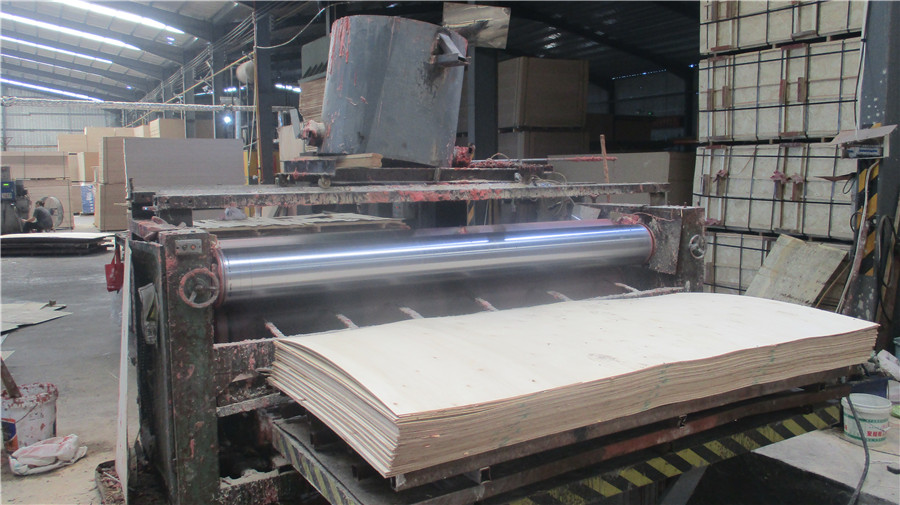
Peeling, gluing, hot pressing, sanding and laminating are handled in-house — no middle-man markup on core product lines.
Verified Certification
CE, ISO 9001, ISO 14001, FSC and CARB, plus an on-site assessment by SGS. E0, E1 and E2 grades available on request.
Flexible Customization
Sample-based, design-based or full customization: size, thickness, core species, face decor, glue, logo printing and export packaging.
Export-Ready Logistics
FOB, CFR, CIF and EXW terms; T/T and L/C in USD, EUR or CNY; seaworthy pallet packing and full documentation through Qingdao.
The operating principle has not changed since the group was founded: survival by quality, development by prestige. For a buyer, that translates into something concrete — a documented batch, an honest emission grade and a container that arrives loaded exactly as it was agreed.
Quick Reference Before You Send an Enquiry
Typical production ranges for the eight panel families above. Final tolerances, grades and test reports are confirmed per order.
| Panel | Standard Size | Thickness | Core / Surface | Glue & Emission | Typical Use |
|---|---|---|---|---|---|
| Melamine Coated Plywood | 1200×2400 mm | 3–25 mm | Poplar / eucalyptus core, single or double melamine face | E0 / E1 / E2 | Wardrobes, kitchen carcasses, office furniture |
| Teak / Oak / Maple Melamine Plywood | 1220×2440 mm, 4×8 ft | 6, 12, 18 mm | Wood-grain melamine decor over plywood core | E1 / E0 | Export furniture, cabinetry fronts |
| E0 Melamine Plywood | 1220×2440 mm | 3, 12, 18 mm | First-class melamine face, low-emission core | E0 | Retail-channel cabinets, EU / US projects |
| Raw / Plain MDF | 1220×2440 mm | 3–18 mm | Sanded raw MDF, uniform density | E0 / E1 / E2 | Painting, CNC routing, lamination |
| Raw Thailand MDF | 1220×2440 mm | 2.5–25 mm | Thailand-sourced fibre, raw finish | E0 / E1 / E2 selectable | Cabinet doors, wrapped profiles |
| Spruce H20 Formwork Beams | H20 profile | Profile dependent | Solid spruce web and flange | Mechanical fixing | Slab and wall formwork systems |
| PVC / WPC Wall Panel | Custom length | Profile dependent | Wood-plastic composite with wood-grain film | Waterproof composite | Hotel, retail and residential walls |
| UV Marble Wall Sheet | 1220×2440 mm | 3–5 mm | PVC substrate with UV-cured marble coat | Bendable, waterproof | TV walls, feature panels, shop fit-outs |
Values reflect typical production capability. Confirm final specification, test report and packing details with our export team before ordering.
Questions Buyers Ask Before Ordering Cabinet-Grade Panel
The seven questions that come up most often in first enquiries from importers, distributors and furniture factories.
Which certifications do KUDE cabinet-grade plywood and MDF products carry?
What is the minimum order quantity for cabinet-grade plywood?
Which payment methods and trade terms do you accept?
Can you customize panel size, thickness, face and packaging?
Where is KUDE located and how are goods shipped?
How do I verify the emission grade before the container ships?
What is the typical lead time for a cabinet-grade plywood order?
Planning a Cabinet-Grade Container Order?
Send your size, thickness, core species, emission grade and destination port. Our export team replies with a full technical proposal — including decor options, packing method and a landed-cost estimate.