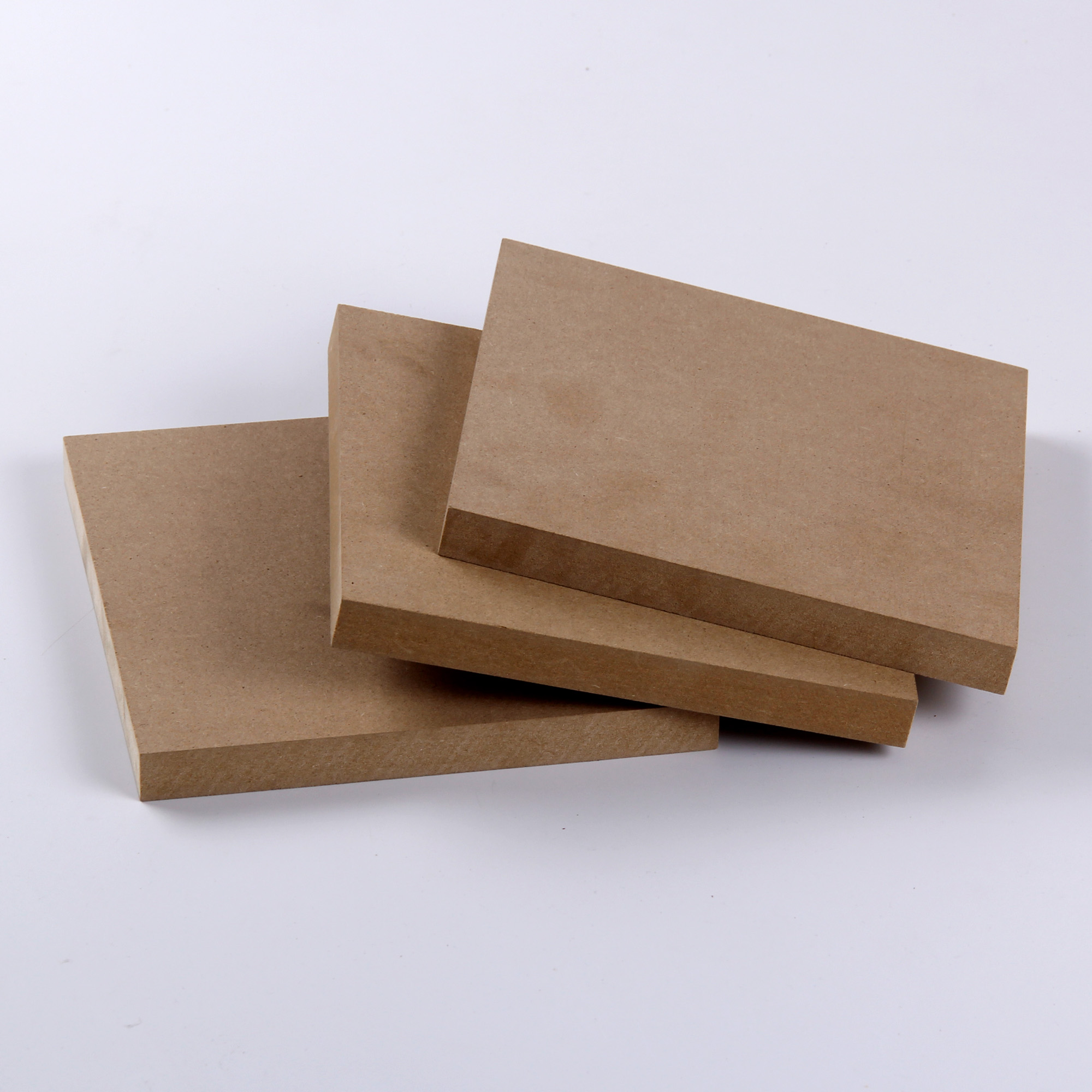
Product Shortlist
Eight MDF & Panel Products Buyers Often Compare With Cherry Veneered MDF
These factory-standard MDF, HDF, melamine, formwork beam and panel products are useful reference points when you compare substrate quality, surface finishing and export readiness for a cherry veneered MDF program.
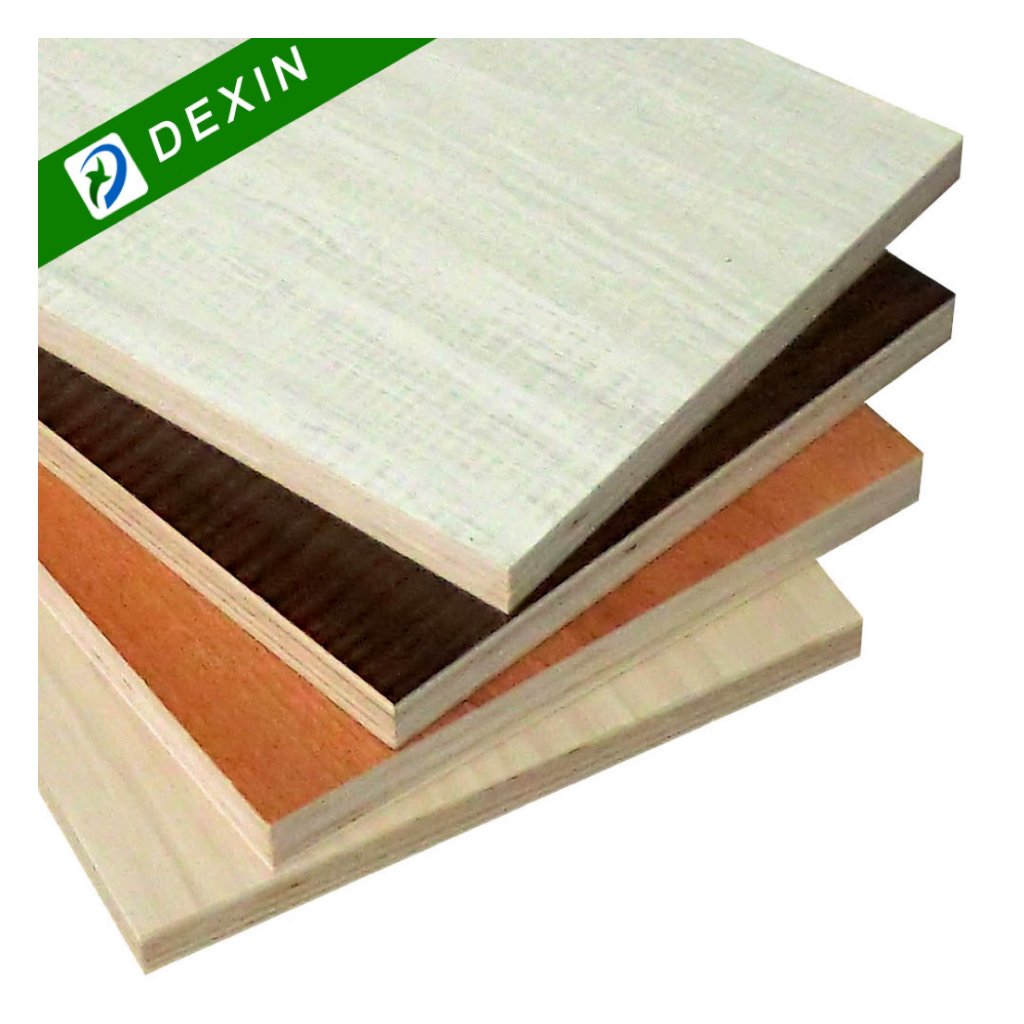

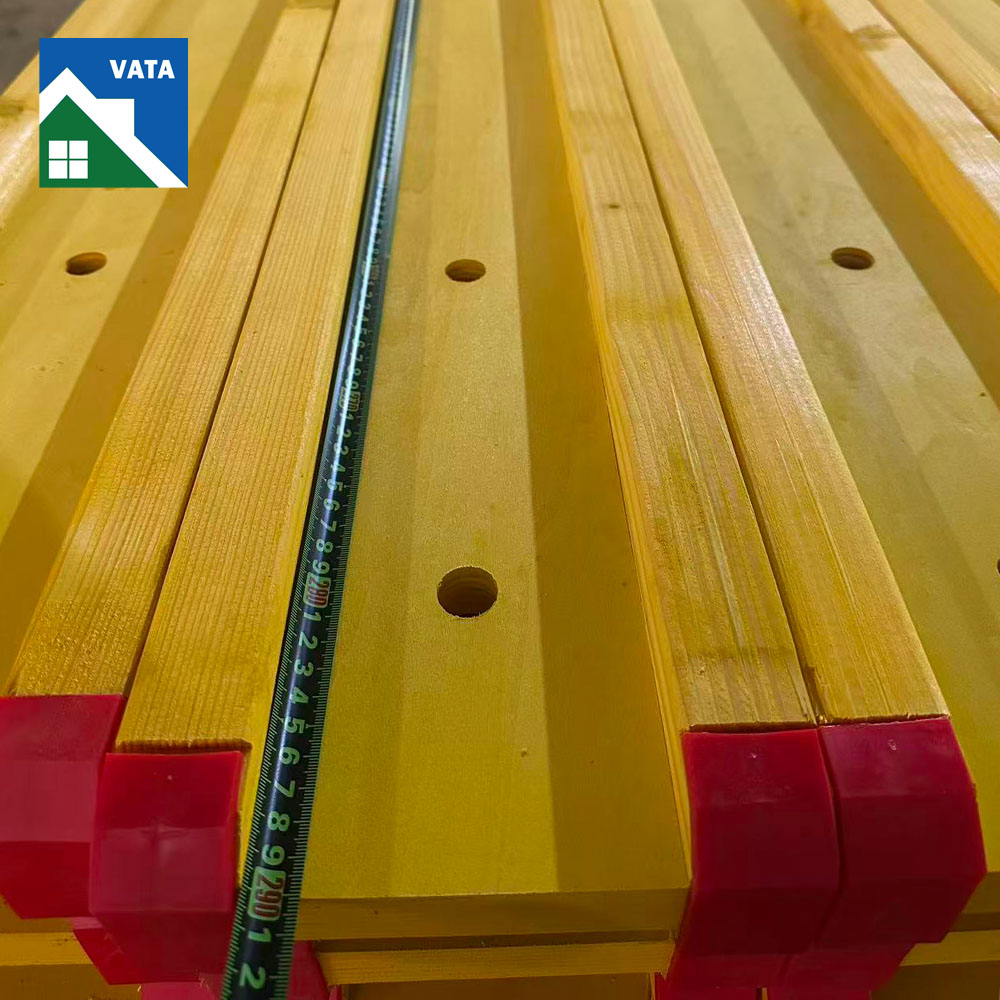
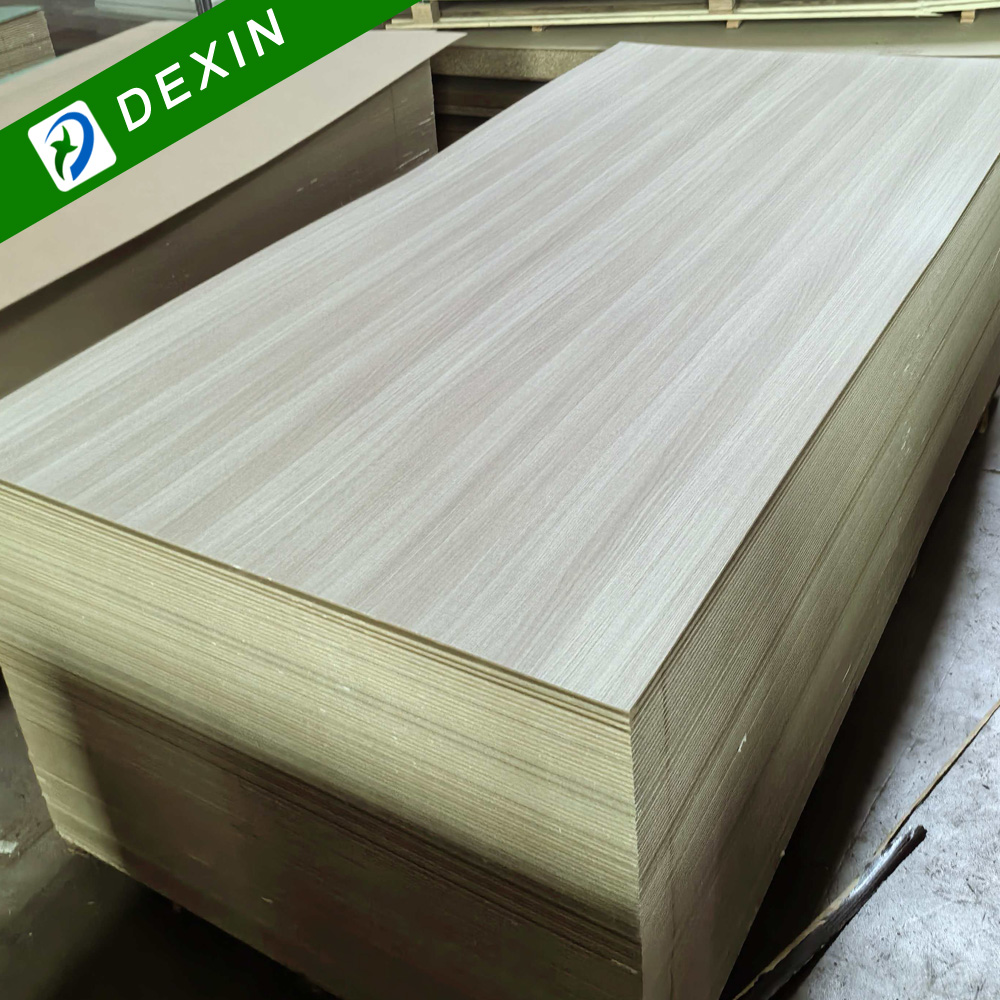
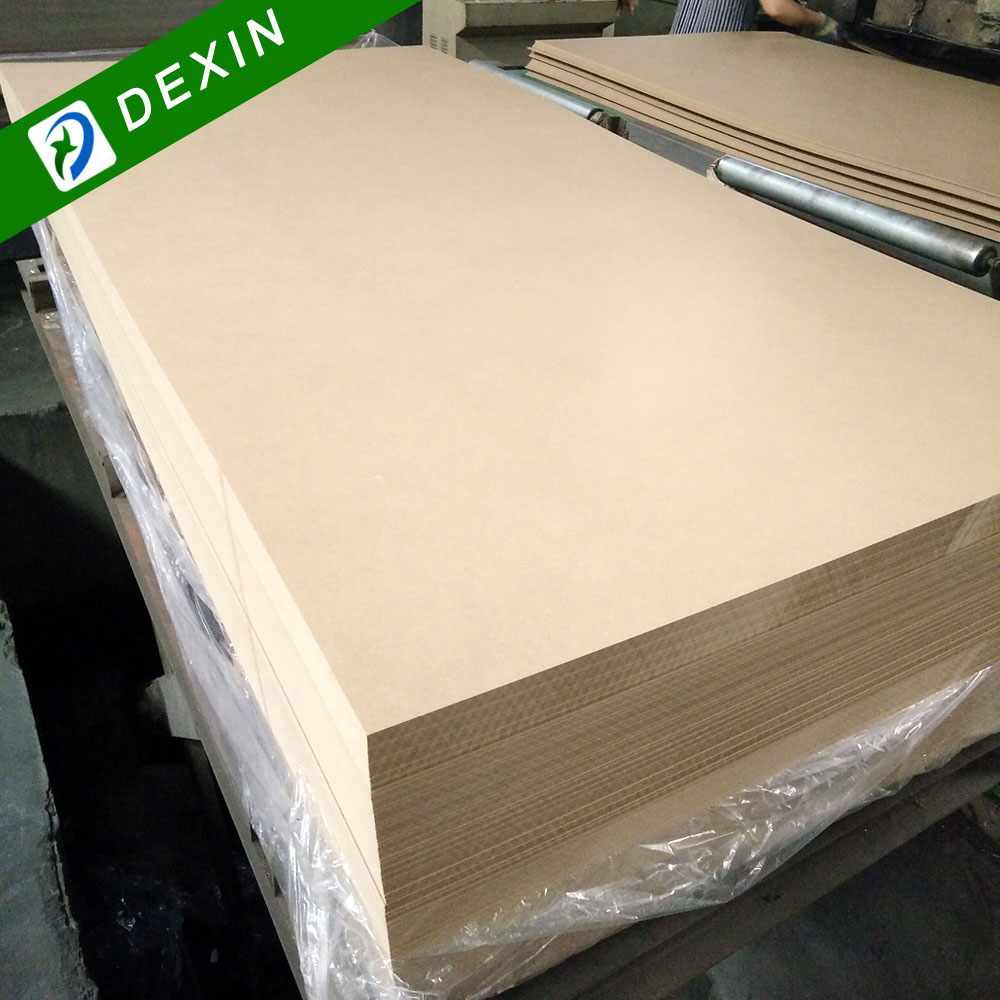


Cherry veneered MDF is a customized veneer-faced panel. Final veneer grade, face sequence, substrate density, adhesive class and packing must be confirmed in a written specification before quotation.
1998Manufacturing group founded
30,000 m²Production workshops
60,000 m³Annual panel output
30+Export countries & regions
Product Intelligence
What Is Cherry Veneered MDF — and Why It Is Not Simply “Cherry MDF”
Cherry veneered MDF is a composite panel with a sliced natural cherry veneer face bonded to an MDF core. The value comes from controlled veneer selection, stable substrate caliper, consistent adhesion and a surface that can be sanded, sealed and finished without telegraphing fiber defects.
For importers, distributors and furniture manufacturers, the key decision is not only “which factory has the lowest price.” The real question is whether the factory can keep veneer color, grain sequence, substrate density and finish performance repeatable from sample to container. Natural cherry is photosensitive: it warms and darkens when exposed to light over time. A responsible supplier therefore sorts veneer leaves by color and figure before pressing, and records the face sequence so that cabinets, doors and wall panels from the same project do not show obvious color drift.
Cherry veneered MDF also differs from solid cherry and from printed cherry melamine. Solid cherry moves with humidity; MDF is dimensionally stable and allows a flatter, more consistent face. Printed melamine can reproduce a cherry color, but it cannot reproduce the subtle pore, cathedrals and natural variation of a real veneer. For premium interiors, hotel casegoods, residential cabinetry and architectural wall panels, cherry veneered MDF occupies a useful middle ground between solid timber and decorative laminate.
KUDE’s production profile is relevant here because the group operates MDF, plywood, melamine, veneer-related panel and export programs from Linyi, Shandong — China’s largest wood-based panel cluster. The same disciplines that apply to raw MDF, melamine MDF and export plywood also apply to cherry veneered MDF: substrate selection, moisture control, adhesive discipline, sanding calibration, packaging protection and document readiness.
Specification variables that should be written into every purchase order
- MDF substrate grade: standard, HMR moisture-resistant, high-density or light-density according to application.
- Veneer face: natural cherry, sliced veneer thickness, grade, color-sorted bundle and matching sequence.
- Panel size and thickness: common 1220×2440 mm; 3–25 mm depending on final use and edge treatment.
- Adhesive and emission class: E0, E1 or E2 as required by destination market and project specification.
- Surface finishing: sanded veneer, UV-cured clear coat, lacquer-ready or pre-finished face.
- Packing: moisture barrier, edge protection, pallet pattern and container loading plan.
Buyer Insight
Why veneer sequencing is an information advantage
Two suppliers may show identical sample boards and still deliver very different containers. The difference is usually veneer lot control: how many log sets were used, whether face leaves were color-sorted, how the bundles were numbered and whether the factory can repeat the same visual grade on the next order.
For cherry veneered MDF, ask for a face sequence photo, a bundle number and a physical approved sample signed by both parties. Then require the production batch to be matched against that approved sample — not only against a digital image.
- Approved physical sample retained by buyer and factory
- Veneer bundle number and face-match sequence
- Substrate density and thickness tolerance recorded
- Clear finish and color direction agreed under lighting
Recommended Applications
Recommended Specification Paths for Cherry Veneered MDF Projects
Use these starting points to align substrate thickness, surface performance and compliance before requesting samples.
◈
3–6 mm Wall Panels & Cabinet Backs
Suitable for decorative wall panels, furniture backs and curved details where low weight matters. Specify a flat, sanded MDF core and protected edges to avoid moisture ingress.
▣
12–15 mm Furniture Interiors
A practical range for wardrobe interiors, shelving and cabinet components. Confirm veneer face grade and edge-banding compatibility with the final finish system.
⬢
18 mm Cabinet Doors & Casegoods
The most common specification for kitchen and wardrobe doors, hotel casegoods and reception furniture. HMR MDF is recommended where humidity exposure is possible.
◉
22–25 mm Worktops & Feature Panels
For thicker visual edges, worktops and architectural features. Use high-density MDF and precise edge sealing to reduce movement and impact damage.
Factory Advantage
Why Linyi, Shandong Is the Practical Source for Cherry Veneered MDF
Linyi is China’s largest wood-based panel production cluster. For buyers, the advantage is not simply lower cost. It is the density of veneer, MDF, adhesive, sanding, laminating and export services in one region — which shortens sampling, production and corrective-action cycles.
20+ Years of Panel Experience
The manufacturing group behind KUDE was founded in 1998. With 20+ years of production experience and about 15 years of export experience, the team understands the difference between a sample that looks right and a production batch that passes inspection.
30+ Machine Sets & 30,000 m²
More than 30 sets of production machines operate in 30,000 m² of workshops, with 300+ workers and an annual output of 60,000 m³ of plywood, blockboard, MDF and particle board. This capacity supports both repeat programs and customized panel runs.
✓ Quality & Compliance
CE, ISO 9001, ISO 14001, FSC and CARB certifications are part of the group’s quality profile, and the supplier profile has passed an on-site assessment by SGS. Formaldehyde grades E0, E1 and E2 are available depending on product and destination.
⚙ OEM / ODM Customization
Sample-based, design-based and full customization are available, including size, thickness, core species, face veneer or decor, glue type, logo printing and export packaging. This is important for cherry veneered MDF projects that require a specific face sequence.
➜ Export-Ready Logistics
FOB, CFR, CIF and EXW terms; T/T and L/C payment in USD, EUR or CNY; seaworthy pallet packing and full export documentation. Goods can be consolidated from the Linyi base and shipped through northern China seaports such as Qingdao.
◎ Application Matching
KUDE’s product range includes raw MDF, HDF, melamine MDF, moisture-resistant MDF, plywood, formwork beams and decorative panels. That range helps buyers compare substrates and finishing routes before committing to a cherry veneer program.
Qualification Framework
Five Gates to Qualify a China Cherry Veneered MDF Manufacturer
Do not approve a supplier on price alone. Use a six-point factory review that separates cosmetic samples from production capability.
Veneer Lot Control
Check how cherry veneer is purchased, sorted, numbered and matched. Ask for bundle photos and a retained approved sample.
MDF Substrate Discipline
Confirm density, thickness tolerance, sanding caliper and moisture content. A stable core protects the veneer face from telegraphing and delamination.
Adhesive & Emission Grade
Match E0, E1, E2, CARB or FSC requirements to the destination market. Request test reports before the container is loaded.
Surface & Finish Control
Review sanding quality, veneer joint tightness, color direction and finish adhesion. Check under both natural light and project lighting.
Packing & Loading
Inspect moisture barrier, corner protection, pallet pattern and container loading photos. Veneered panels need stronger edge protection than raw MDF.
Procurement Model
What Importers Weight Most in Cherry Veneered MDF Sourcing
The weighting below is a practical buyer-side decision model, not an official market statistic. It helps explain why the lowest quoted price is rarely the lowest total cost.
For repeat furniture programs, veneer consistency and substrate stability usually carry more weight than a small unit-price difference, because one rejected batch can erase the saving from several containers.
Information gain: three questions most buyers forget
- Will the factory keep the approved veneer bundle number for the next repeat order?
- How does the finish change when cherry veneer is exposed to UV light in a showroom or hotel lobby?
- What is the container loading pattern, and how are edges and faces protected during transit?
Procurement Outlook
The 2025–2030 Procurement Outlook for Cherry Veneered MDF
Buyers are moving from “find a cheaper board” to “secure a repeatable, documented and lower-risk panel program.” These four trends are shaping sourcing decisions.
⌁
Compliance Comes First
E0/E1, CARB, FSC and destination-market due diligence are becoming routine buying gates. Factories that can provide consistent test reports and chain-of-custody documents will have an advantage over suppliers that treat paperwork as an afterthought.
◍
Low-Variance Natural Veneer
Natural cherry is valued for its variation, but furniture factories still need visual consistency. Buyers will ask for color-sorted bundles, face-sequence approval and retained production samples for each repeat order.
⬡
Smaller and Mixed Orders
Distributors and project contractors increasingly want mixed containers and lower minimum quantities. Suppliers that can combine MDF, melamine, veneered panels and formwork products in one shipment will be easier to work with.
◎
Total Landed Cost & Risk
Freight volatility, currency movement and quality claims make total landed cost more important than headline FOB price. Buyers will balance cherry veneer MDF against melamine, PET and UV MDF alternatives for each project.
Product Development
Product Development Trends: What the Next Cherry Veneered MDF Will Look Like
The next generation of cherry veneered MDF will be judged by finish durability, moisture performance, emission control and repeatable visual matching — not by veneer species alone.
◇
UV-Cured Clear Coatings
UV-cured clear finishes offer fast curing, consistent sheen and better scratch resistance. For cherry veneer, a well-controlled matte or ultra-matte UV coating can protect the face while keeping the natural pore visible.
◫
HMR MDF Cores
Moisture-resistant MDF is becoming more common for kitchen, bathroom and hotel casegoods. Combining HMR cores with properly sealed edges gives cherry veneered panels a better chance in humid-service interiors.
⬢
Lower-Emission Adhesives
E0 and CARB-oriented specifications are moving from premium projects into mainstream furniture supply chains. Factories that can document resin and emission performance will be preferred for North America and Europe.
⌘
Digital Color Matching
Digital imaging and color measurement are increasingly used to sort veneer leaves and communicate approved color direction across factories, buyers and finishing partners. The physical sample remains final, but digital records reduce disputes.

25+Years in wood panels
Enterprise Advantage
Inside KUDE: A Factory-Facing Panel Supplier in Linyi
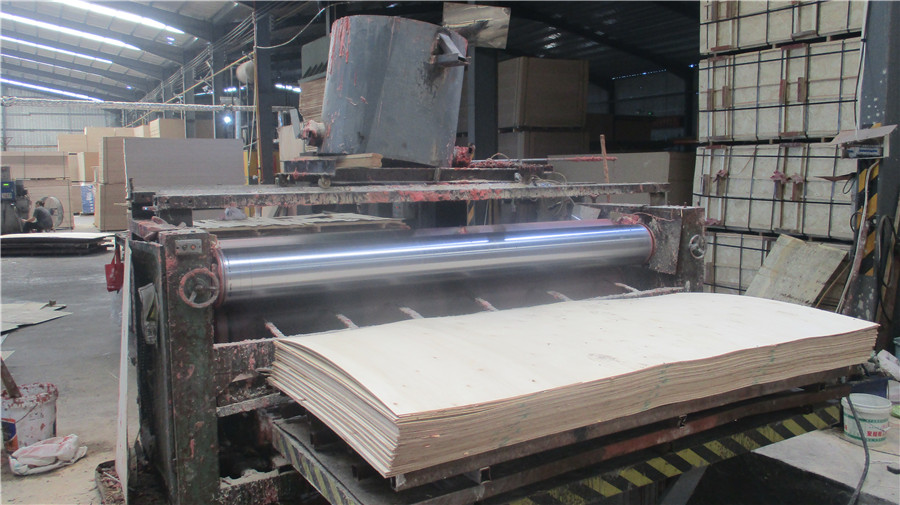
Linyi KUDE International Trading Co., Ltd. is the export platform of a wood-based panel manufacturing group founded in 1998 in Linyi, Shandong. Being inside China’s largest panel cluster gives buyers shorter supply chains for veneer, MDF, glue and auxiliary materials, and more practical access to production checks.
The group operates more than 30 sets of production machines in 30,000 m² of workshops, with 300+ workers and an annual output of 60,000 m³. The products reach more than 30 countries and regions, including the EU, USA, the Caribbean, South America, Africa, Southeast Asia, Eastern Europe and the Middle East. The operating principle is simple: survival by quality, development by prestige.
For cherry veneered MDF buyers, the value of this profile is the ability to discuss substrate, surface, packaging and compliance as one production program — not as disconnected trading items. KUDE supports OEM/ODM and customized specifications, and can review sample-based, design-based or full customization requests for panel size, thickness, core, face, glue, logo and packaging.
CE
ISO 9001
ISO 14001
FSC
CARB
SGS Assessed





FAQ
Cherry Veneered MDF Procurement FAQ
Practical answers for importers, distributors, furniture factories and project contractors comparing China cherry veneered MDF manufacturers and factories.
What is cherry veneered MDF, and how is it different from solid cherry?
Cherry veneered MDF uses a thin slice of natural cherry veneer bonded to an MDF core. Unlike solid cherry, the MDF substrate is more dimensionally stable and does not have the same natural movement. Solid cherry is solid timber throughout, while cherry veneered MDF delivers a real wood face with a more consistent core and better suitability for flat cabinet doors, wall panels and furniture components.
Which MDF substrate should I choose for cherry veneered MDF?
For dry interior furniture, standard MDF is often sufficient. For kitchens, bathrooms, hotel casegoods and humid climates, specify HMR moisture-resistant MDF. For worktops, heavy-duty doors and thick feature panels, consider higher-density MDF and confirm edge-sealing requirements. The final choice should match the project’s humidity exposure, fixing method and expected impact resistance.
What formaldehyde and certification grades are available?
KUDE’s manufacturing group holds CE, ISO 9001, ISO 14001, FSC and CARB certifications, and the supplier profile has passed an on-site assessment by SGS. Formaldehyde grades E0, E1 and E2 are available depending on product and destination market. For cherry veneered MDF, the adhesive system and MDF core grade must be specified together, and test reports should be reviewed before shipment.
Can you match cherry veneer color and grain across repeat orders?
Color and grain matching should be handled through a retained physical sample, veneer bundle numbers and a face-sequence record. Natural cherry veneer varies by log set and will also darken with light exposure over time. A factory can improve repeatability by color-sorting veneer leaves, keeping the approved sample and applying a consistent finish system. Buyers should approve the physical sample under the same lighting as the final project.
What is the minimum order quantity, and can I mix products in one container?
MOQ depends on the product line, typically from 50 to 500 sheets. Several products can be combined in one container after confirming specifications with the sales team. For cherry veneered MDF, MOQ may also depend on veneer availability, face grade and whether the panel is supplied raw, sanded or pre-finished.
What payment terms and shipping terms do you accept?
KUDE accepts T/T and L/C in USD, EUR or CNY, and works on FOB, CFR, CIF and EXW terms. Goods are loaded in containers and shipped through nearby northern China seaports such as Qingdao. For veneered panels, confirm moisture barrier packing, corner protection, pallet pattern and loading photos before departure.