Top China Melamine Faced MDF Wholesaler & Wholesalers
A factory-direct sourcing guide for importers, distributors and project contractors comparing China melamine faced MDF wholesalers for furniture, cabinetry, interior fit-out and mixed-container procurement.
What Wholesale Buyers Should Understand About Melamine Faced MDF
The product is not a single commodity. It is an engineered panel system whose delivered value depends on specification discipline, compliance evidence and loading control.
Melamine faced MDF is an engineered panel constructed from refined wood fibres, bonded under heat and pressure, calibrated to thickness, then faced with melamine-impregnated paper. At quotation stage the product can look deceptively simple: a board, a colour, a thickness, a price. In reality, the delivered result depends on density profile, resin system, sanding tolerance, paper grammage, press cycle, edge quality, formaldehyde class and packaging discipline. A low unit price can disappear quickly when a container arrives with inconsistent thickness, visible surface variation or documentation that does not satisfy the destination market.
China remains the most concentrated source for this product because the supply chain is local: wood fibre, resin, melamine paper, press capacity, hardware and port access sit close to one another. For importers, furniture factories, distributors and project contractors, the practical question is not simply where to buy, but which China melamine faced MDF wholesaler can translate an application into repeatable specifications. The best supplier is the one that asks about cabinet doors versus carcase panels, indoor humidity, CNC routing, edge banding, emission compliance and container mix before sending a price.
KUDE approaches wholesale supply as a specification, quality and logistics partnership. The original range includes raw MDF, melamine faced MDF, melamine plywood, particle board, formwork beams and project panels. For buyers comparing melamine faced MDF wholesalers, this matters because a single credible source can reduce inspection costs, mixed-load errors and specification drift across repeat orders. The objective is not merely to find the lowest quotation, but to secure a repeatable panel that protects margin, warranty and delivery schedule.
8 Products Recommended for Wholesale and Project Buyers
The eight products below support furniture, cabinetry, formwork and mixed-container sourcing. Product URLs are retained from the existing range so a wholesale buyer can move from technical overview to detailed enquiry without losing context.
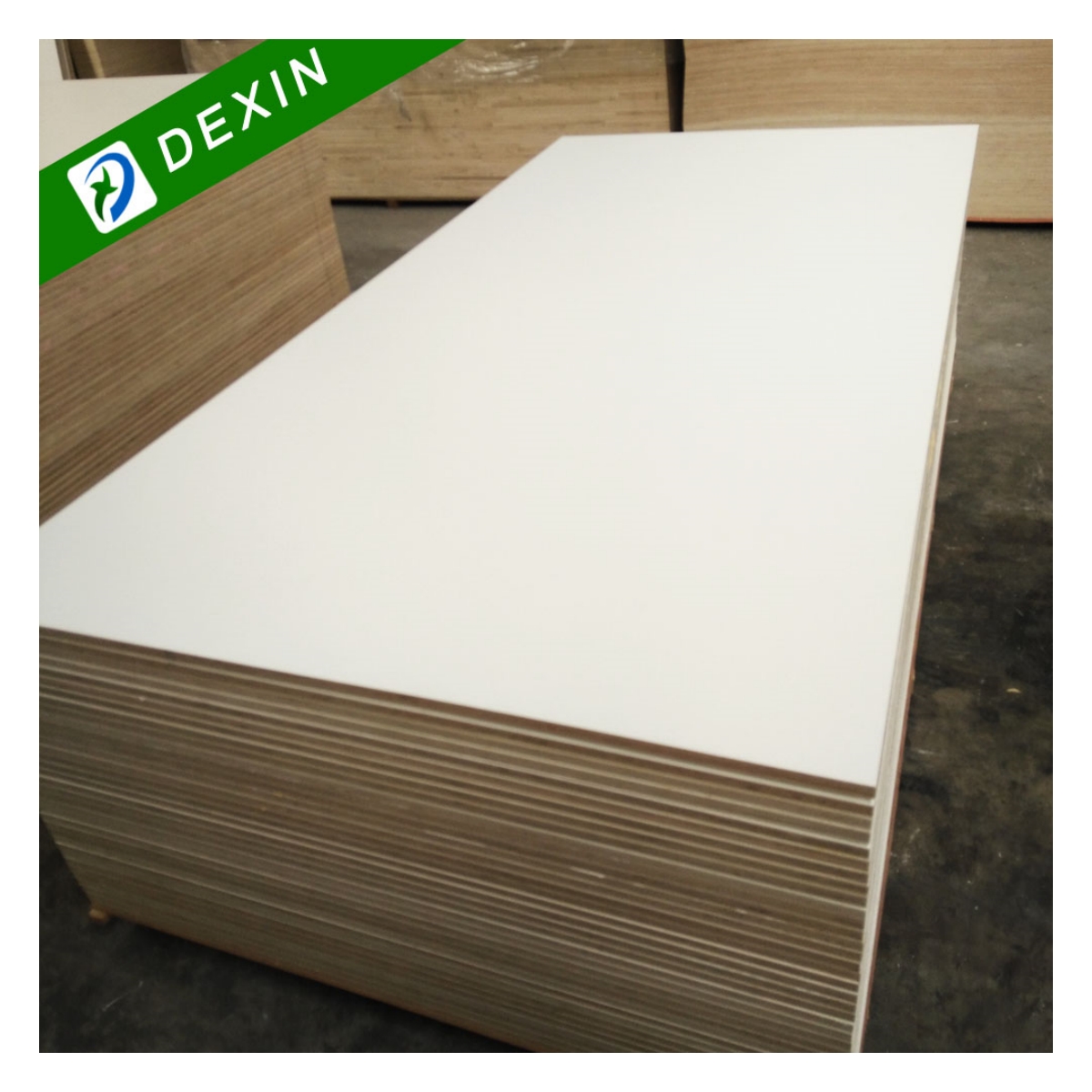
Good Quality 6mm 12mm 18mm Teak/Oak/Maple Melamine Plywood 1/2,3/4 in Flywood Sheet for Furniture
A practical decorative plywood option for furniture backs, drawer bases and cabinet interiors where a consistent teak, oak or maple face is needed.
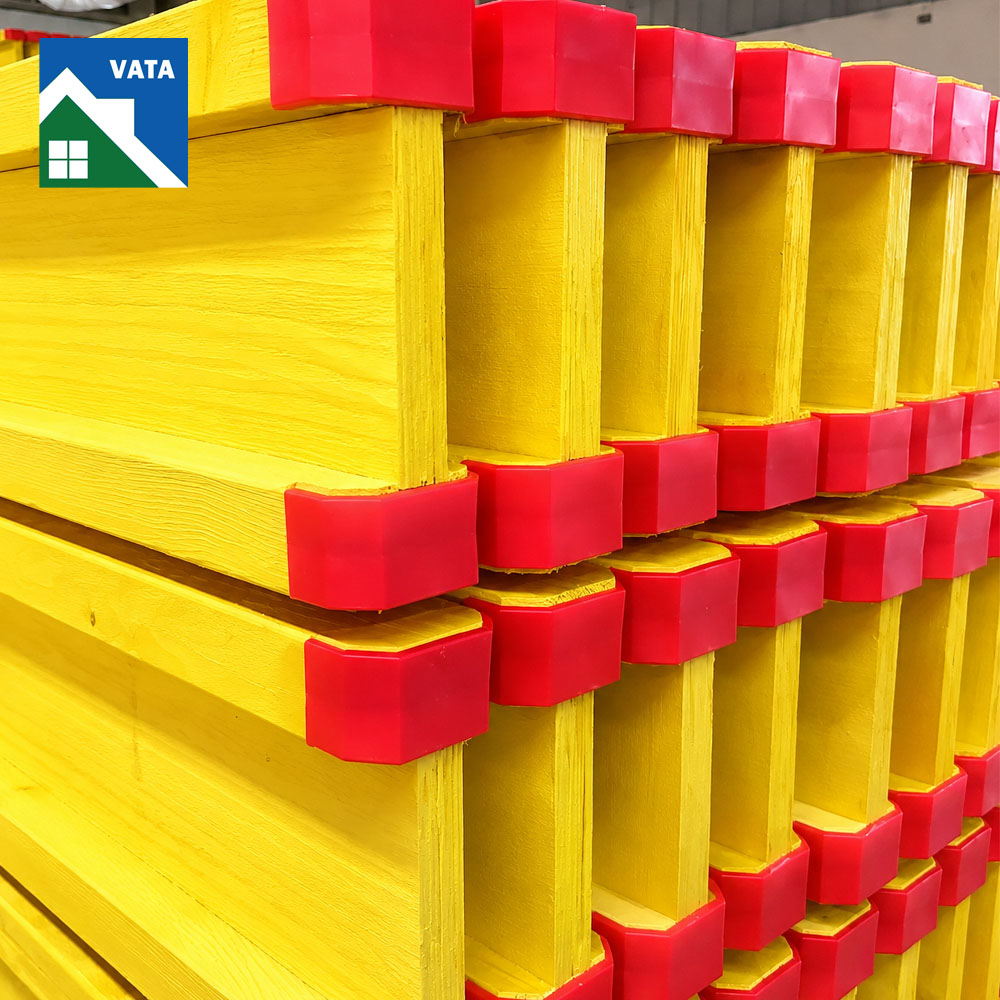
Wholesale Heavy Duty Wooden I-Beams Durable Spruce H20 Formwork Beams for Slab Formwork
H20 slab formwork beam for contractors who need repeatable stiffness and clean alignment when paired with film faced plywood.
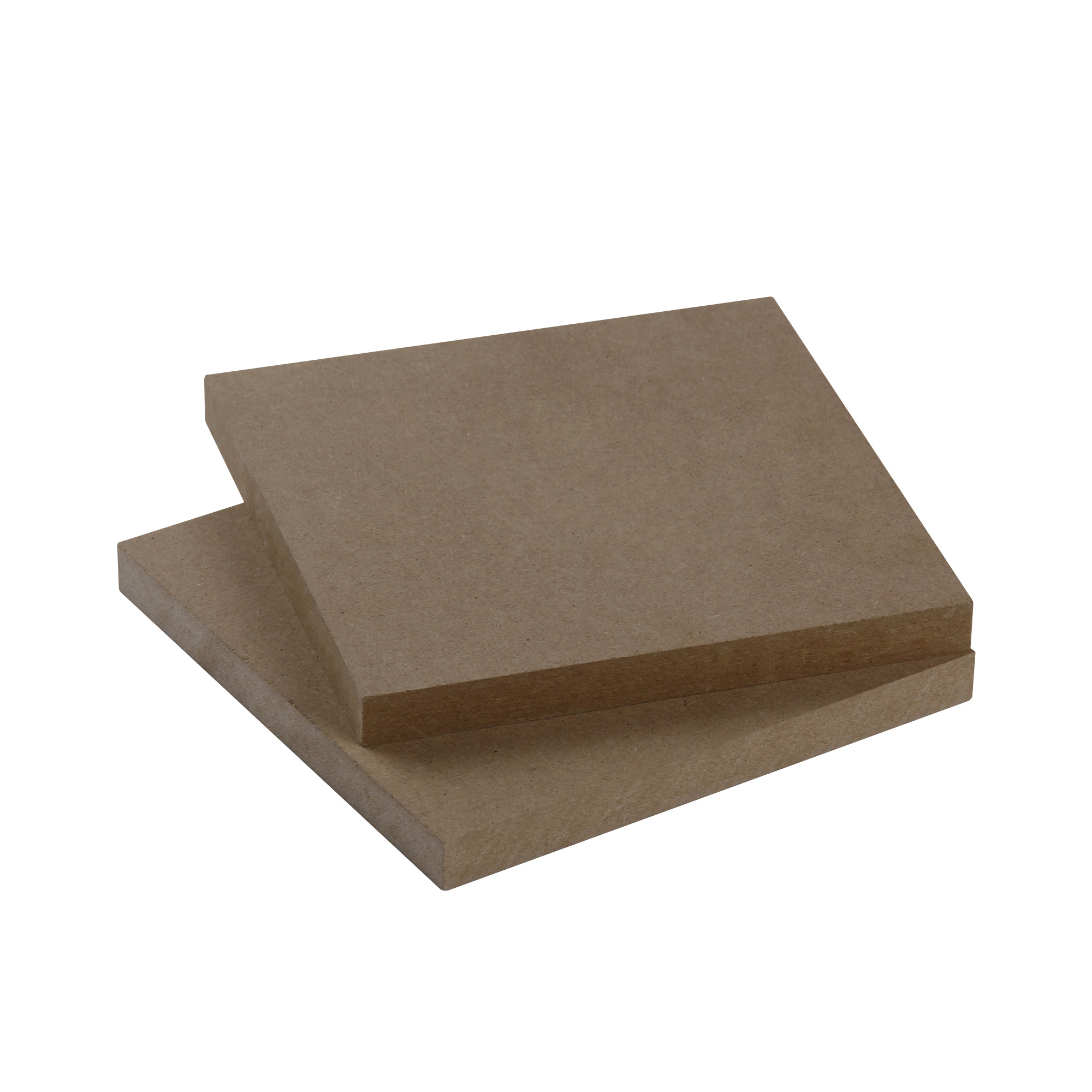
Dexin First-Class Plain Particle Board & MDF Wood Board E2 Emission Moisture-Proof for Bangladesh
Moisture-proof particle board and MDF option for cost-controlled furniture programmes where E2 emission is acceptable.
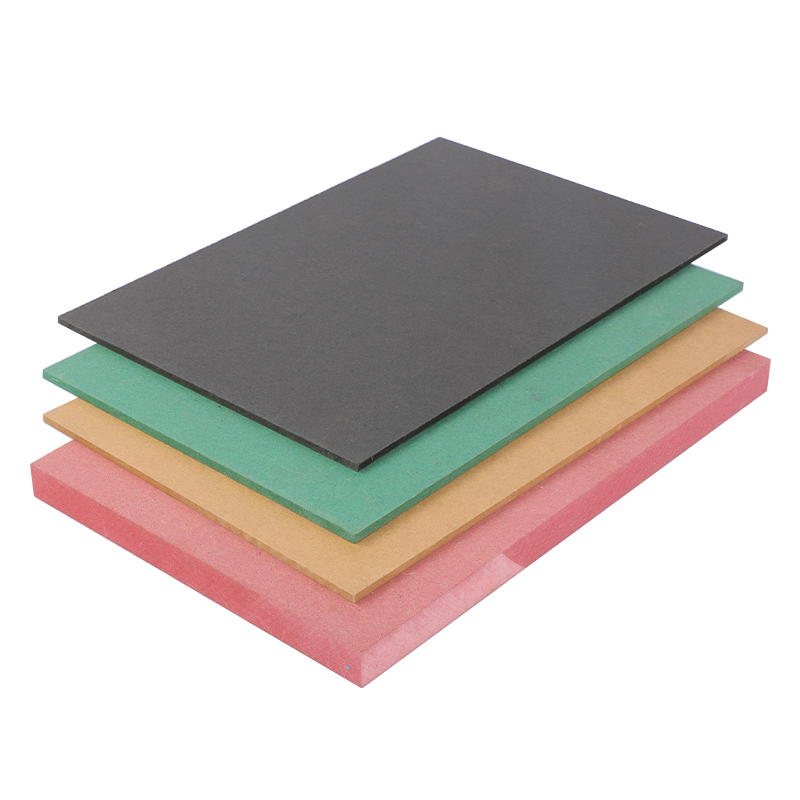
High Quality 3mm~18mm Raw/Plain MDF Sheet with Best Price
Raw MDF for laminating, painting, routing and general furniture production; a core line for wholesalers building mixed containers.

Good Price 1200x2400x18mm Melamine Coated Plywood Custom Thickness Marine Board for Furniture
Melamine coated plywood with 1200×2400×18 mm format and custom thickness potential for furniture and marine-board applications.
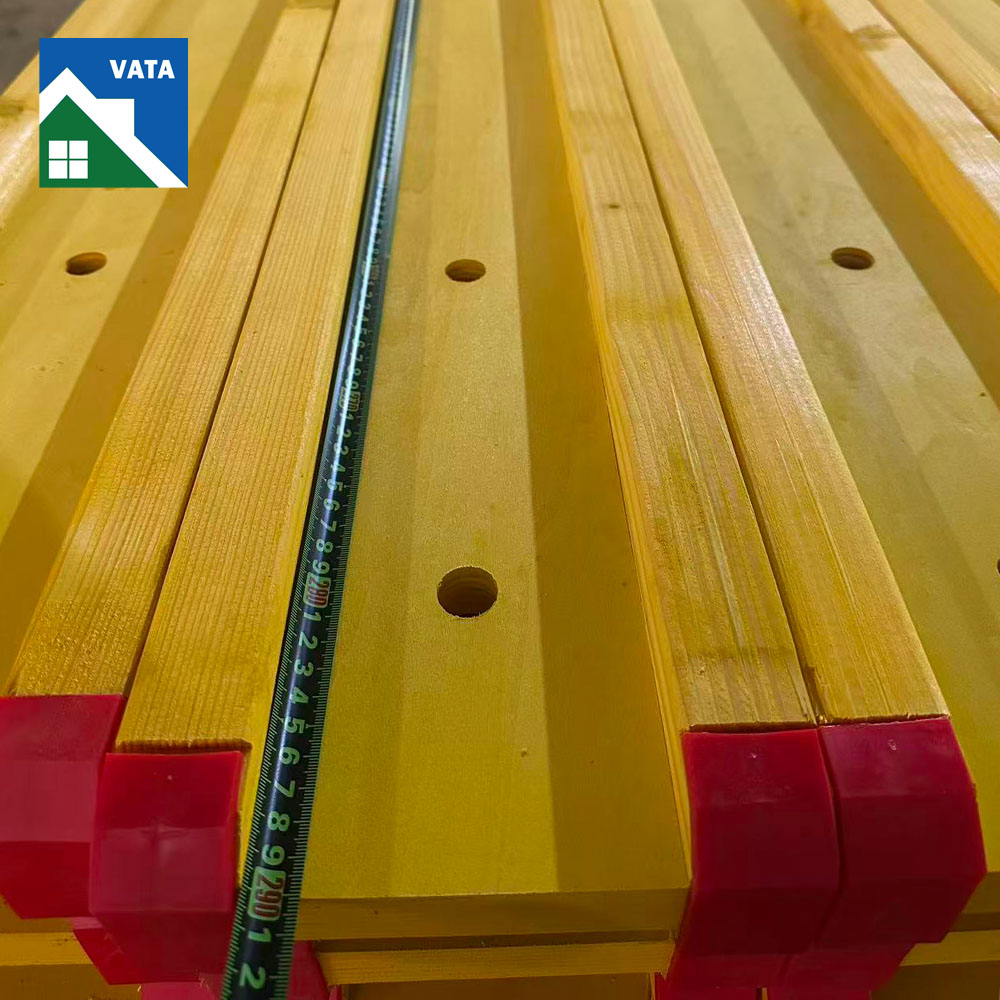
Custom Exterior Use Stable Timber Formwork Beams with WBP Glue Pine or Spruce Flange for Wall Formwork
Exterior-use timber formwork beam with stable profile and WBP glue option for wall formwork in humid conditions.

16mm 15mm 12mm 18mm Eco-Friendly Modern MDF Board with Blanco Single/Double Sided Melamine Covering for Cabinet
Eco-friendly melamine MDF for cabinets in Blanco single- or double-sided finish, with 12–18 mm thickness options.
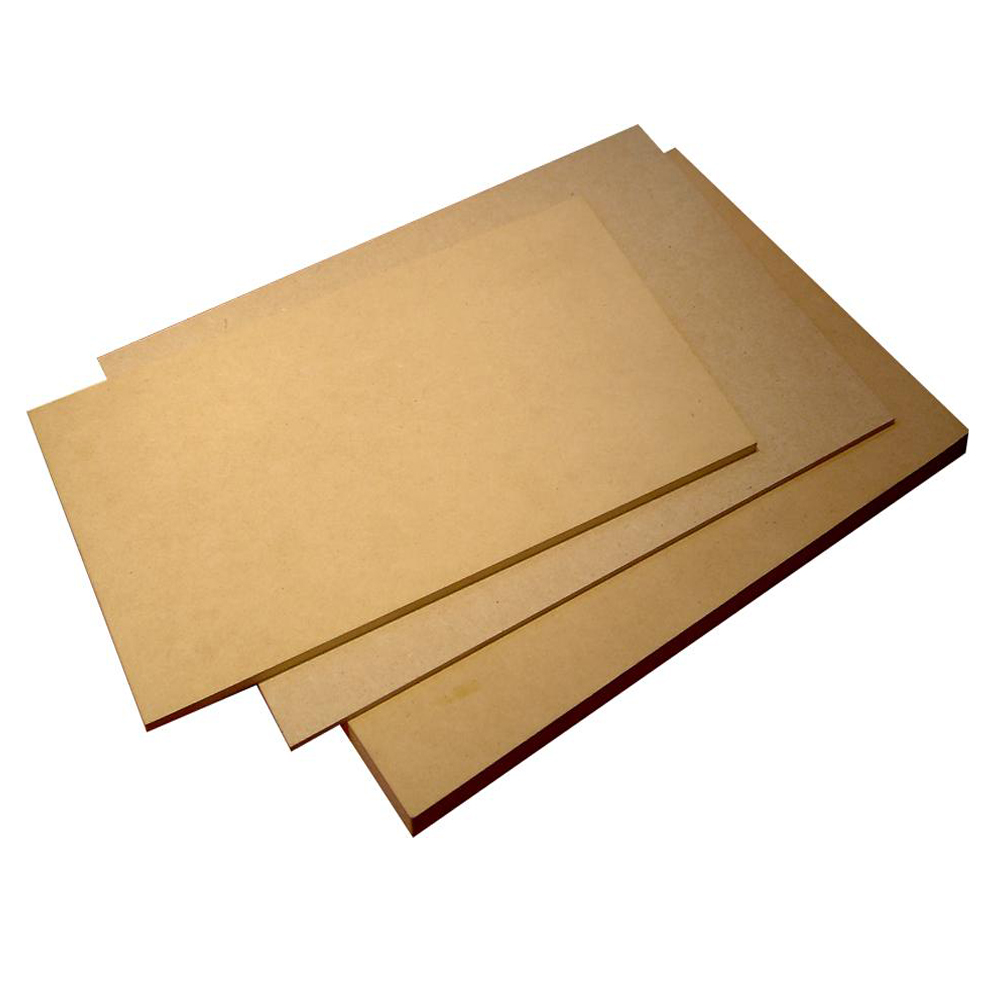
E0 E1 or E2 Glue Raw Thailand MDF Board with Cheap Price on Sale
Raw Thailand MDF in E0, E1 or E2 glue grades for buyers balancing price, availability and emission requirements.
Trends Reshaping Wholesale Melamine Faced MDF Buying, 2025–2030
The purchase decision is moving from sheet price to compliance-backed repeatability. These four buying patterns are particularly relevant when comparing China melamine faced MDF wholesalers.
Compliance-First Procurement
Importers increasingly request E0, E1 or E2 formaldehyde classification, CARB where applicable, CE documentation, FSC chain of custody when required, and batch-level test reports. A credible China melamine faced MDF wholesaler should understand which grade belongs in which market and should not blur the difference between a product certificate and an order-specific report.
Mixed-Container Economics
Wholesale buyers are reducing inventory risk by combining thicknesses, surfaces and complementary construction products in one container. A distributor may pair 18 mm melamine MDF for cabinets with 5 mm MDF for back panels and formwork accessories for contractors. This lowers capital exposure, but it raises the importance of loading plans, pallet labels and order traceability.
Digital Verification
Remote inspection has moved from a nice-to-have to a routine expectation. SGS-assessed supplier profiles, live video factory checks, loading photos, packing dimensions and batch identification help overseas buyers reduce the cost of a failed shipment. Information gain comes from evidence, not adjectives, so documentation quality is now part of the product.
Repeatable Specification
The lowest FOB price is losing priority to repeatable specification. Buyers want the same density, surface texture, colour batch and thickness tolerance on the next order. That requires a supplier with stable raw material planning and a documented quality routine, not a speculative trader who sources a different panel for every enquiry.
Illustrative Buyer-Priority Model
Percentages below are a planning example rather than a market statistic. They show why total risk and repeatability often outweigh a small unit-price difference in wholesale MDF sourcing.
Six Product Trends Defining the Next Generation of Melamine Faced MDF
The next product cycle is being shaped by regulation, interior design and fabrication efficiency. These developments are worth tracking during supplier audits and sample approval.
Low-Emission Alignment
E0, E1 and E2 classifications remain important, but labels alone are not enough. Buyers should verify test method, product scope and destination-market requirements. CARB compliance for North America and CE documentation for Europe require a supplier that understands the difference between a system certificate and a product-specific report.
Moisture-Resistant Cores
Kitchen, bathroom and laundry applications continue to push demand for HMR and moisture-resistant MDF. Wholesalers should be able to discuss core treatment, edge sealing and installation conditions, because even a moisture-resistant board can fail when exposed edges are left unsealed in a humid environment.
Surface Performance Beyond Colour
Scratch resistance, fingerprint control, matt haptic finishes and easier cleaning are becoming part of the specification conversation. For furniture factories, the surface must tolerate cutting, edge banding, packaging and transport without developing visible marks that lead to retailer returns.
Synchronised Textures
Woodgrain realism is moving beyond a printed colour toward synchronised texture, where the embossing follows the decor pattern. This is especially relevant for cabinet doors, wardrobes and decorative panels where the surface is judged at close range. Sample approval should compare texture, gloss and colour under consistent lighting.
CNC and Edge-Banding Calibration
Thickness tolerance and density profile influence hinge fitting, edge-band adhesion, routing and finished door flatness. A polished showroom sample does not prove production consistency. Wholesale buyers should ask for thickness checks, batch identification and reference panels from actual shipment lots.
Lower-Impact Fibre Strategies
Panel makers are reviewing fibre sourcing, resin efficiency and recovered wood streams. Sustainability claims should be supported by FSC chain of custody where requested and by traceable documentation. Buyers should avoid greenwashing language and instead map claims to the evidence that their own market regulator or customer will accept.

Why KUDE Fits the Profile of a Reliable China Melamine Faced MDF Wholesaler
Linyi KUDE International Trading Co., Ltd. is the export platform of a wood-based panel manufacturing group founded in 1998 in Linyi, Shandong, China’s largest wood-based panel production cluster. The group operates more than 30 sets of production machines in around 30,000 m² of workshops, with over 300 workers and an annual output of 60,000 m³. Its export experience covers more than 30 countries and regions. These facts matter only when they translate into order-level controls: raw material selection, glue spread, hot pressing, sanding, lamination, inspection, packing and container loading.
KUDE’s principle is survival by quality, development by prestige. For a wholesale buyer this should be visible in the details: a supplier that can discuss core species, face veneer, melamine decor, glue line, thickness tolerance and destination port without waiting for a third party. The company holds CE, ISO 9001, ISO 14001, FSC and CARB certification and has an SGS-assessed supplier profile. As with any certification, buyers should request current documents and verify the scope against the exact product and destination market.
The range is broad enough for mixed sourcing: melamine plywood, commercial plywood, film faced plywood, fancy plywood, UV MDF, PET MDF, plain MDF, particle board, WPC wall panels, bamboo charcoal boards and formwork beams. That breadth helps importers keep one technical contact across furniture, interior fit-out and construction products while maintaining product-specific specifications.
 Production workshop
 Hot press line
 Finished panel stock
 Export packing
Quality Control, Documentation and the Information Gain That Protects Your Margin
The most expensive panel is the one that cannot be used. For wholesale melamine faced MDF, quality control should be built around the application and the evidence needed at destination.
A cabinet door needs stable machining and surface uniformity; a back panel needs flatness and clean cutting; a project panel needs document alignment and packing that protects edges. The table below converts common sourcing language into verifiable checks that a wholesale buyer can use during sample approval and pre-shipment inspection.
| Control Point | Practical Verification | Why It Matters |
|---|---|---|
| Thickness and density | Check thickness at multiple points, confirm density range and screw-holding expectations. | Poor calibration affects hinges, edges, CNC yield and finished cabinet alignment. |
| Surface and decor | Compare the approved sample against production under consistent light; check paper grammage, gloss, texture and colour direction. | Batch colour drift can create retailer returns, warranty cost and project rejection. |
| Formaldehyde grade | Request order-specific reports for E0, E1, E2 or CARB as relevant; verify the certificate scope and test method. | Paperwork mismatch can stop customs clearance or fail a tender requirement. |
| Bonding and moisture | Confirm the glue system and moisture resistance for kitchen, bathroom or humid climates; ask for HMR options where needed. | Moisture ingress can swell edges and ruin flat panels even when the surface looks good on arrival. |
| Packing and loading | Review pallet layout, corner protection, film wrap, steel strapping and container loading photos before shipment. | Most transit damage is preventable at packing, not at the destination warehouse. |
| Documentation | Match invoice, packing list, certificate of origin and test reports before vessel departure. | Small document errors create expensive delays and weaken buyer confidence. |
A sample is not a batch guarantee. Approve a sample against a written specification, then require pre-shipment inspection and loading evidence for the actual order. Keep a reference panel from each shipment so that a colour, texture or density dispute can be checked against a physical standard rather than memory. That discipline is the practical meaning of information gain in wholesale panel sourcing.
Common Questions from Melamine Faced MDF Wholesalers and Importers
These answers address the commercial, technical and logistics questions that appear most often during a wholesale enquiry.
What is the difference between melamine faced MDF and melamine plywood?
Which formaldehyde grade should a wholesale buyer request?
How many sheets fit in a 40HQ container?
What is the typical minimum order quantity?
Which certifications and factory checks can KUDE provide?
Can you customize panel size, thickness, face, decor and packaging?
How should samples and pre-shipment inspection be managed?
What payment terms and trade terms are accepted?
Request a Wholesale Quotation for Melamine Faced MDF
Send your target thickness, density, emission grade, decor, panel size, quantity, destination port and required certification. The export team will respond with a specification-led quotation, sample proposal and loading plan where needed.
Factory-direct support from Linyi, Shandong · CE, ISO 9001, ISO 14001, FSC and CARB documentation available for review